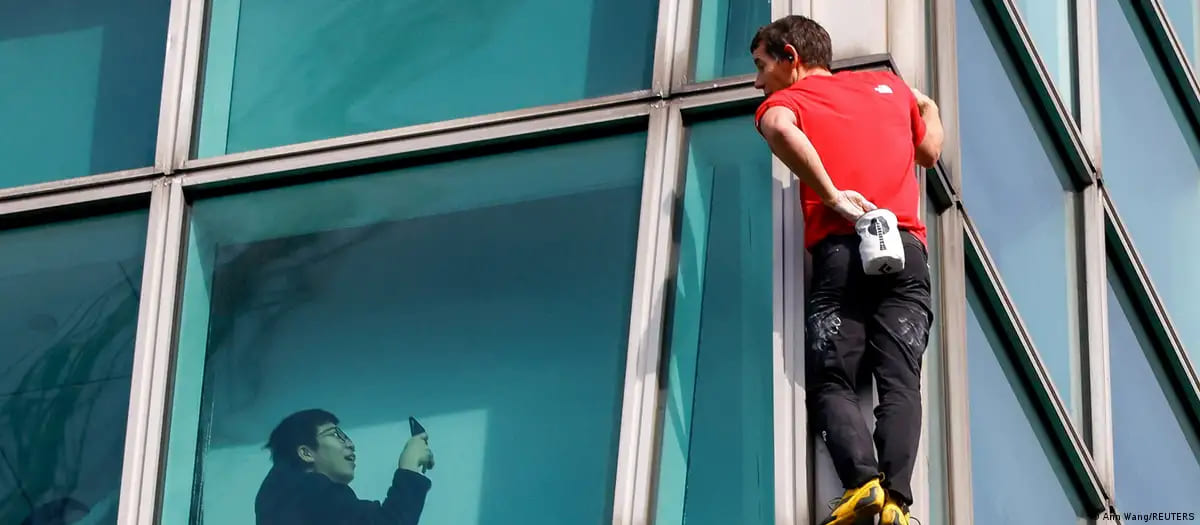
Image: Ann Wang/REUTERS
When Alex Honnold climbed Taipei 101 without ropes or safety nets, the world saw courage. What professionals should notice instead is discipline. His achievement was not about fearlessness, but about preparation, system thinking, and deep respect for structure. Every movement was calculated. There was no room for shortcuts.
Buildings behave the same way — especially in tropical climates like Malaysia.
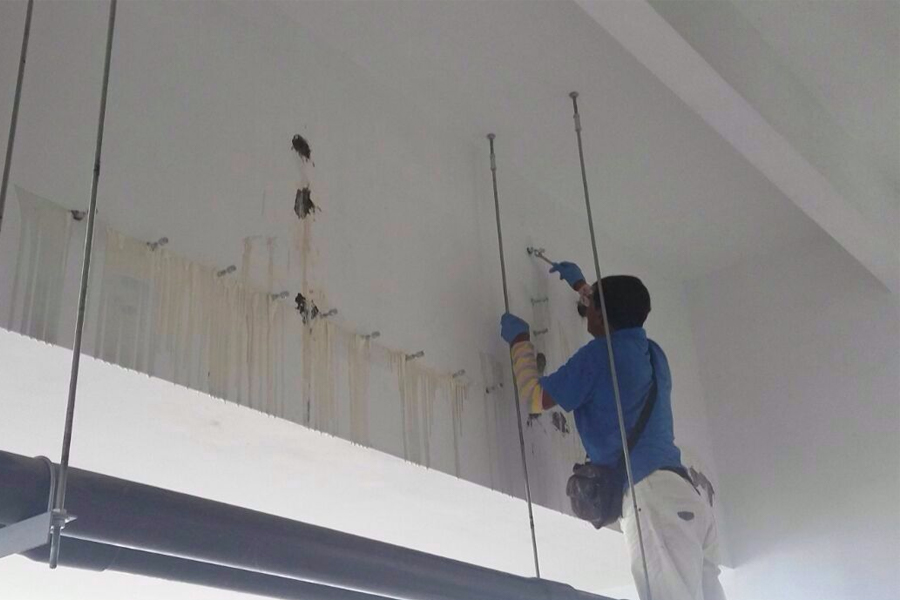
Water rarely causes sudden collapse. Instead, it enters silently through micro-cracks, aging joints, failed sealants, poorly detailed roofs, and blocked drainage. By the time stains appear on ceilings or walls, the problem is already serious. Structural durability, indoor comfort, and long-term property value are already compromised.
In Malaysia waterproofing projects, this scenario is common. Roofs that appear intact fail during monsoon season. External walls look fine but leak behind finishes. Basements simplified during construction later demand expensive waterproofing repair. Like free-solo climbing, buildings depend on invisible systems. When those systems fail, consequences follow.
Malaysia Waterproofing Is About Climate Reality
Malaysia’s climate is unforgiving. Heavy rainfall, high humidity, intense UV exposure, and daily temperature changes continuously stress building materials. This is why Malaysia waterproofing cannot rely on quick fixes or single-product solutions.
Effective waterproofing is a system decision.
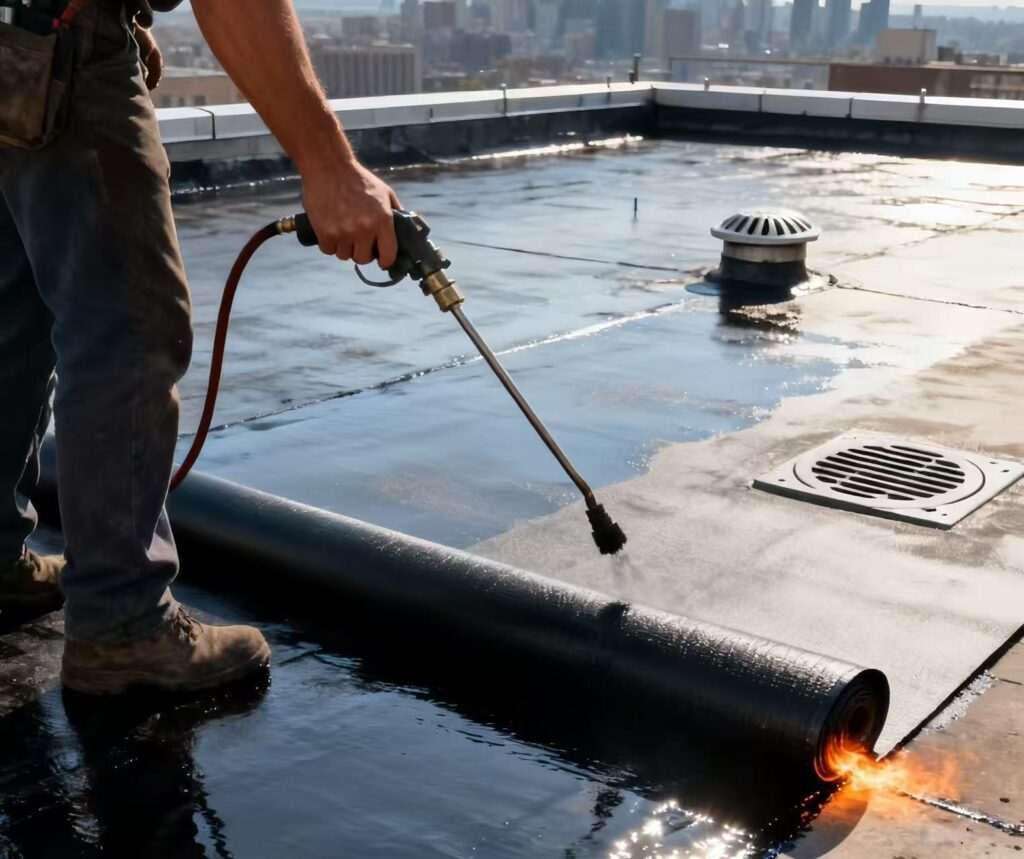
From industrial and commercial buildings to residential homes, most leaks are not caused by poor materials, but by poor system design and execution. Incompatible layers, insufficient joint detailing, lack of movement allowance, and improper application methods are the real sources of failure.
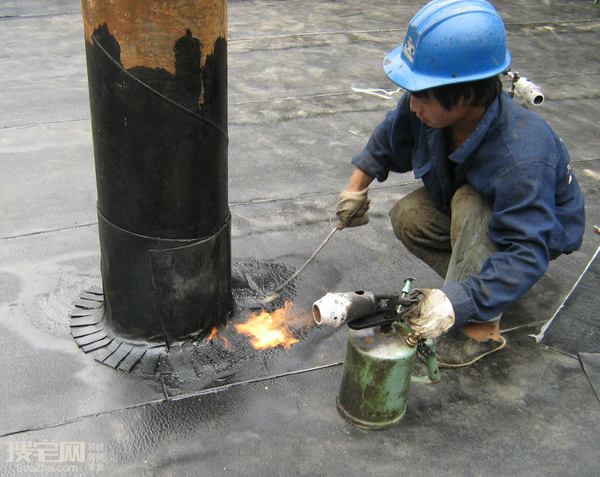
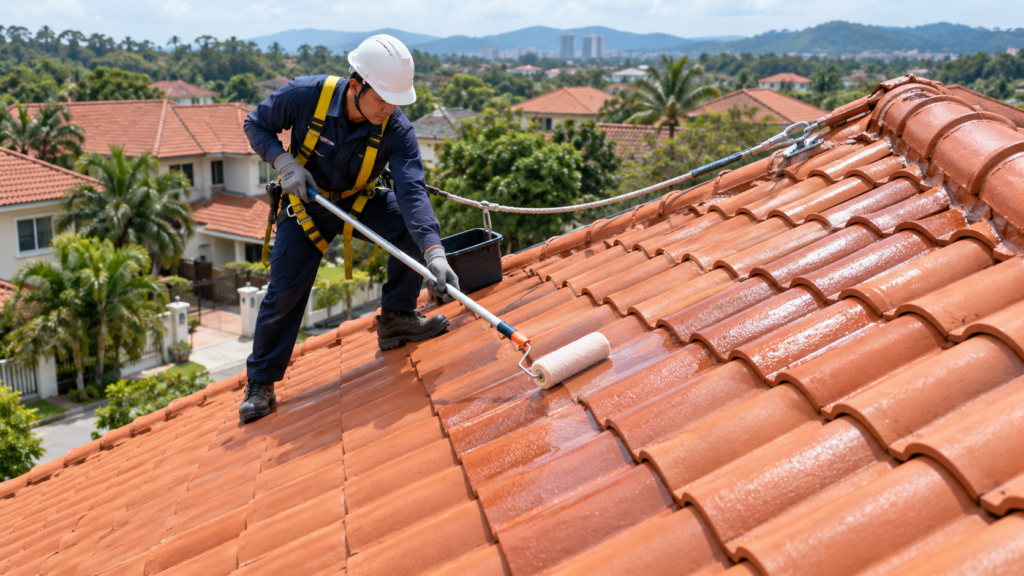
Professional waterproofing looks beyond the visible leak. Roof coatings alone cannot solve drainage issues. Sealants applied without proper surface preparation will not last. Membranes without correct termination details eventually allow water ingress.
Honnold spent years mastering his climbing skills before the ascent. In the same way, successful waterproofing requires a deep understanding of the structure, respect for building movement, the use of climate-appropriate materials, and execution by trained professionals.
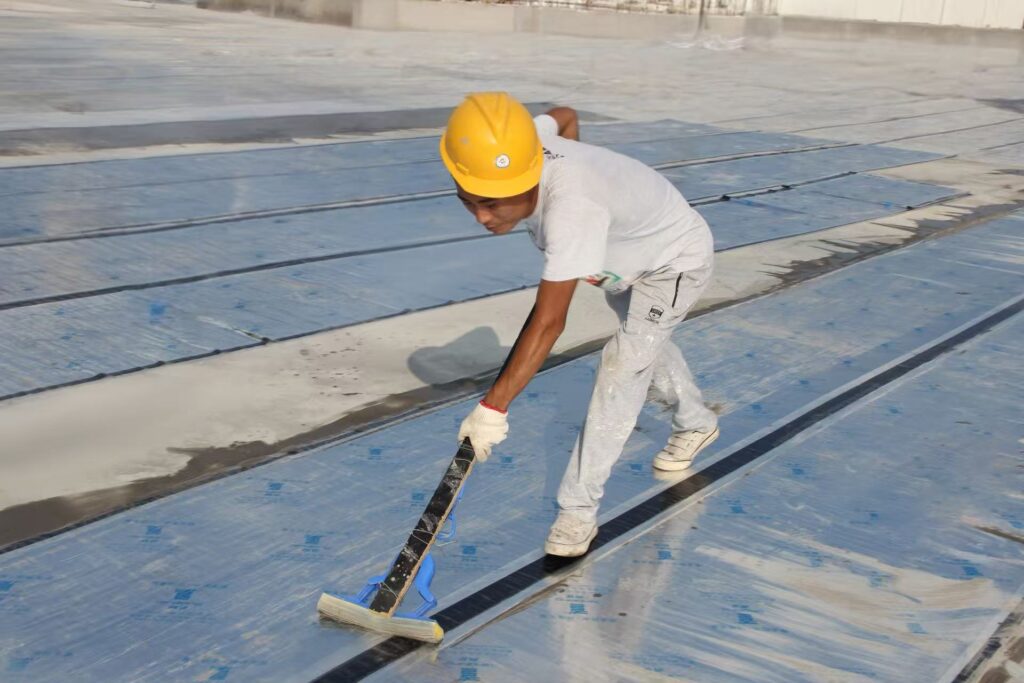
Industrial Waterproofing: When Failure Is Risk
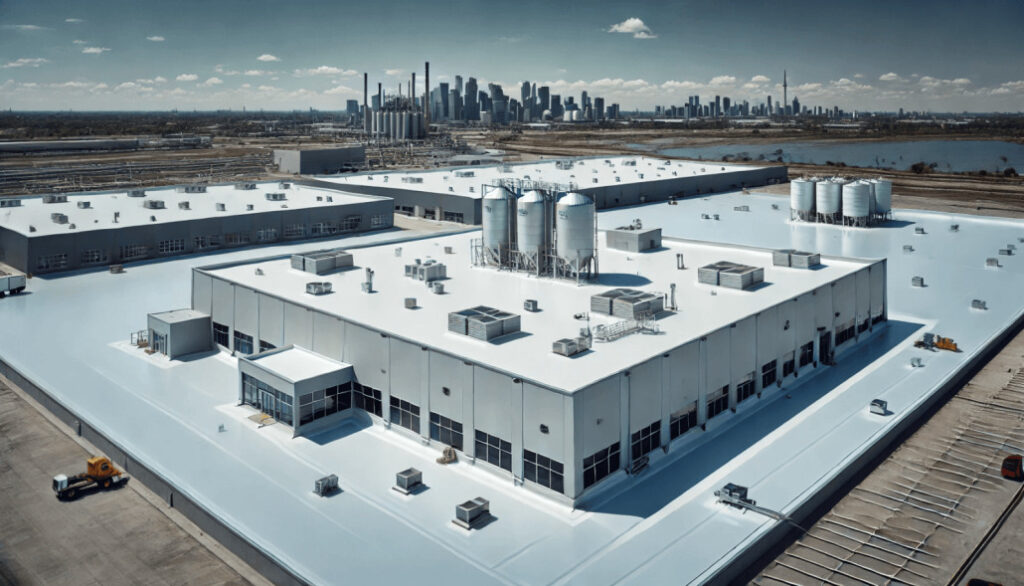
In industrial environments — factories, warehouses, data centres, and infrastructure projects — waterproofing failure is more than an inconvenience. It becomes operational risk.
Water ingress can damage equipment, disrupt production, affect electrical systems, and create safety hazards. In these settings, waterproofing is not maintenance; it is risk control.
Successful industrial waterproofing consistently depends on three principles:
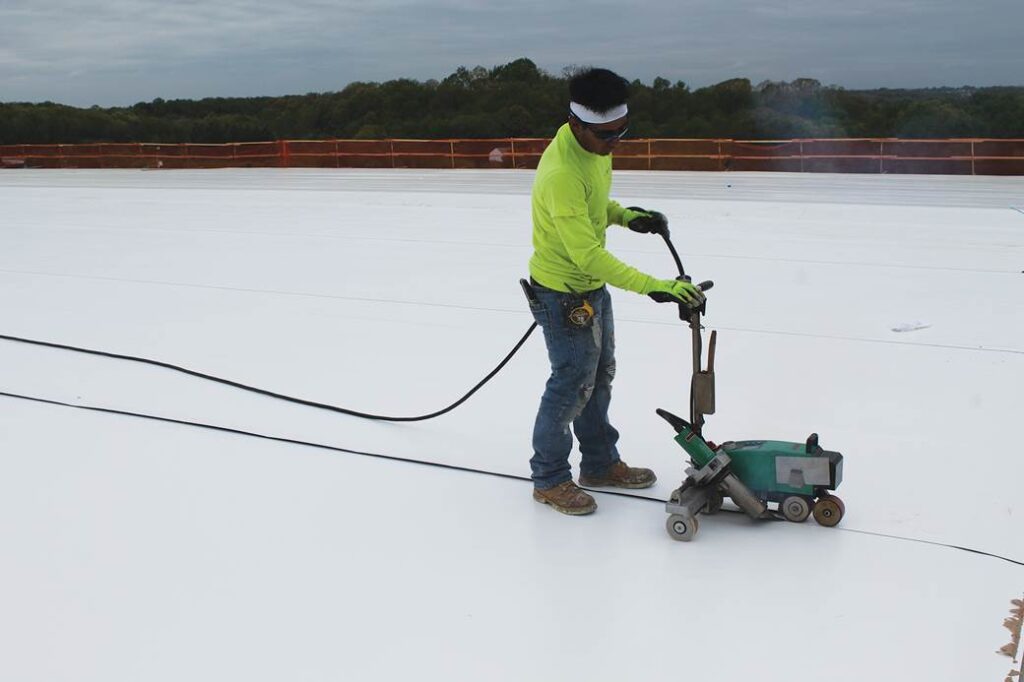
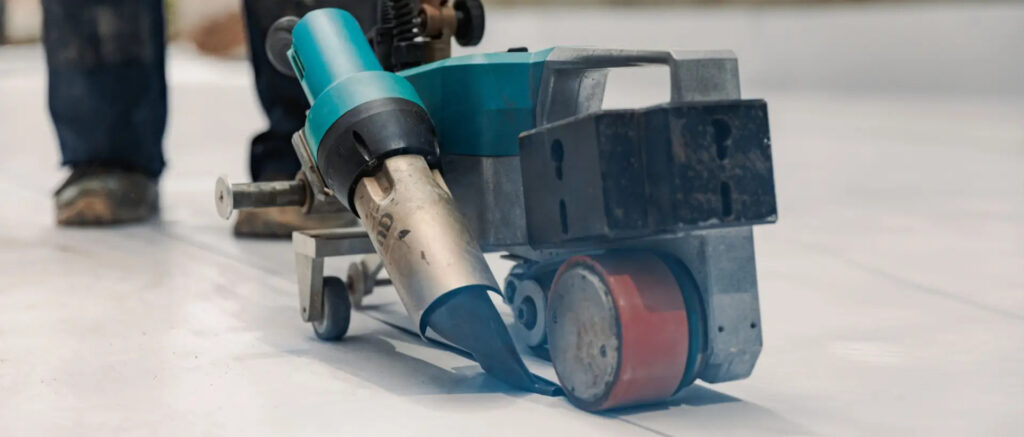
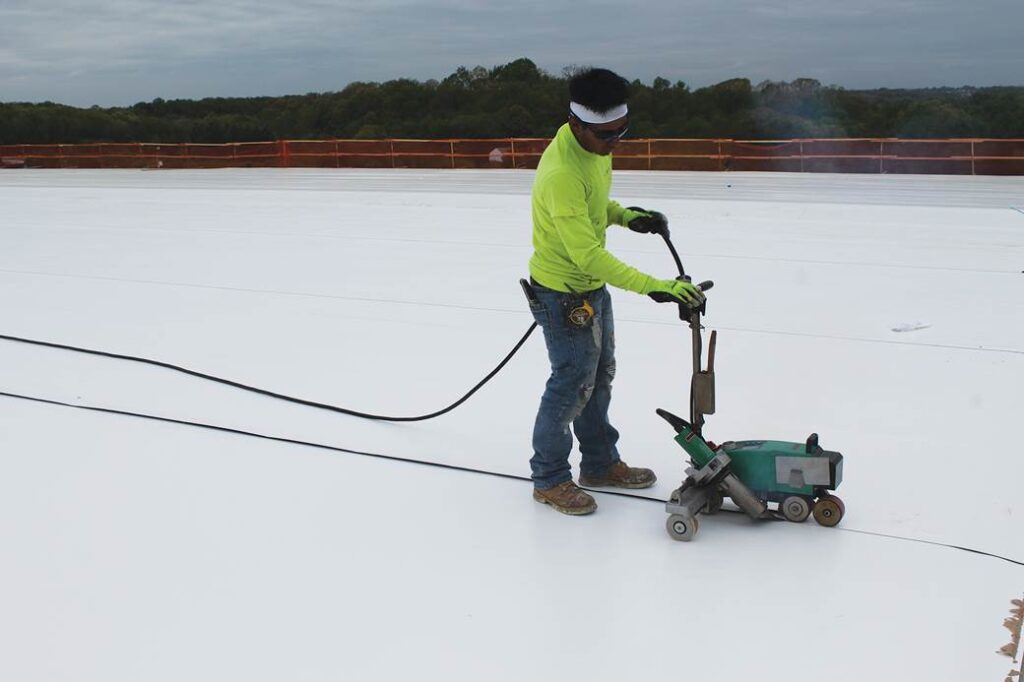
1. Correct system selection such as polyurethane, acrylic, PVC/TPO, HDPE, or epoxy
2. Climate-appropriate detailing for UV exposure, chemicals, and thermal movement
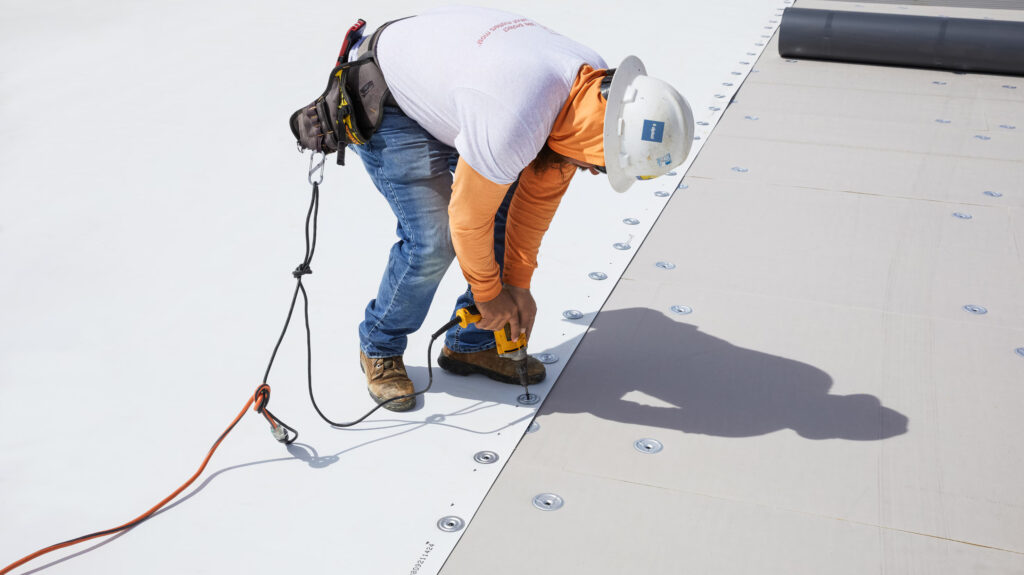
3. Professional execution supported by inspection and quality control
This mirrors Honnold’s mindset of zero tolerance for mistakes.
Waterproofing Repair: Fix the Cause
One of the most common mistakes in waterproofing repair is treating symptoms instead of causes. Applying another layer without diagnosis often worsens the problem.
Errors such as PU injection without tracing water paths, coatings applied over trapped moisture, or repainting external walls instead of waterproofing them are frequent and costly.
Water follows physics. Effective repair begins with understanding how water travels within the building. Proper diagnosis — including moisture assessment, crack evaluation, and drainage inspection — must come before material selection.
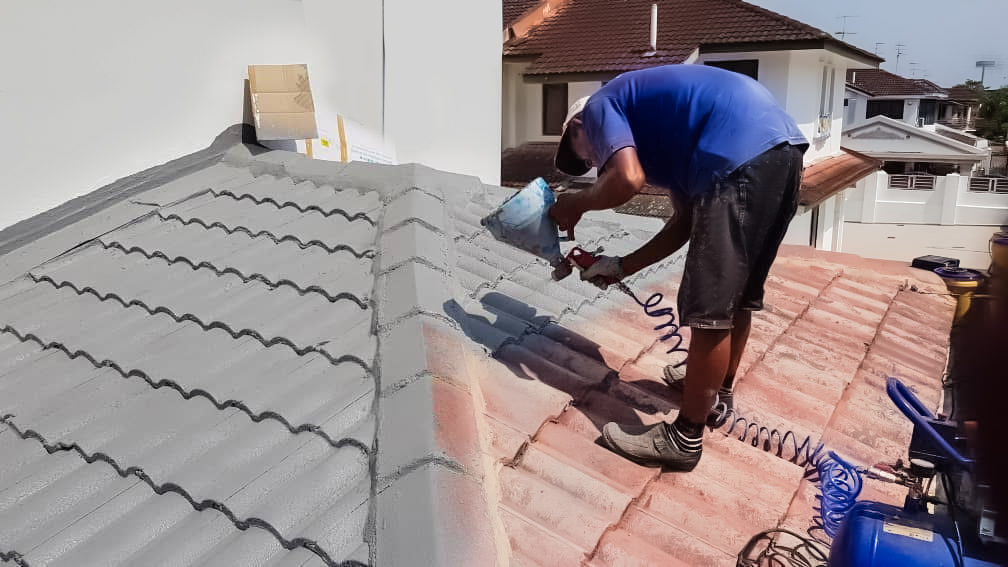
Home Waterproofing: Quiet Problems, Big Impact
For homeowners, waterproofing issues often remain hidden until visible damage appears. Ceiling stains, peeling paint, mold growth, and tile debonding usually indicate deeper system failure.
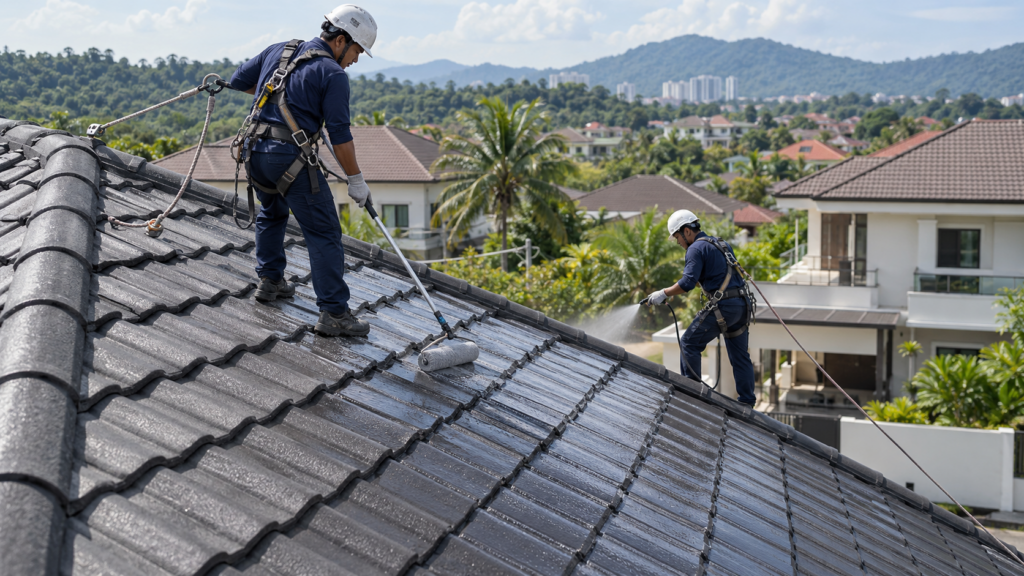
In Malaysia, the most vulnerable residential areas include flat roofs, bathrooms, kitchens, balconies, and external walls exposed to wind-driven rain. Effective home waterproofing combines surface preparation, flexible waterproofing layers, joint reinforcement, UV protection, and proper drainage.
Conclusion
Waterproofing, like free-solo climbing, allows no shortcuts. Whether it is industrial waterproofing, home waterproofing, or waterproofing repair, success depends on system thinking, disciplined execution, and respect for details.
“Buildings don’t need bravery — they need respect for details.”
If this perspective resonates, save and share it. The best waterproofing decisions are the ones you never have to think about again.