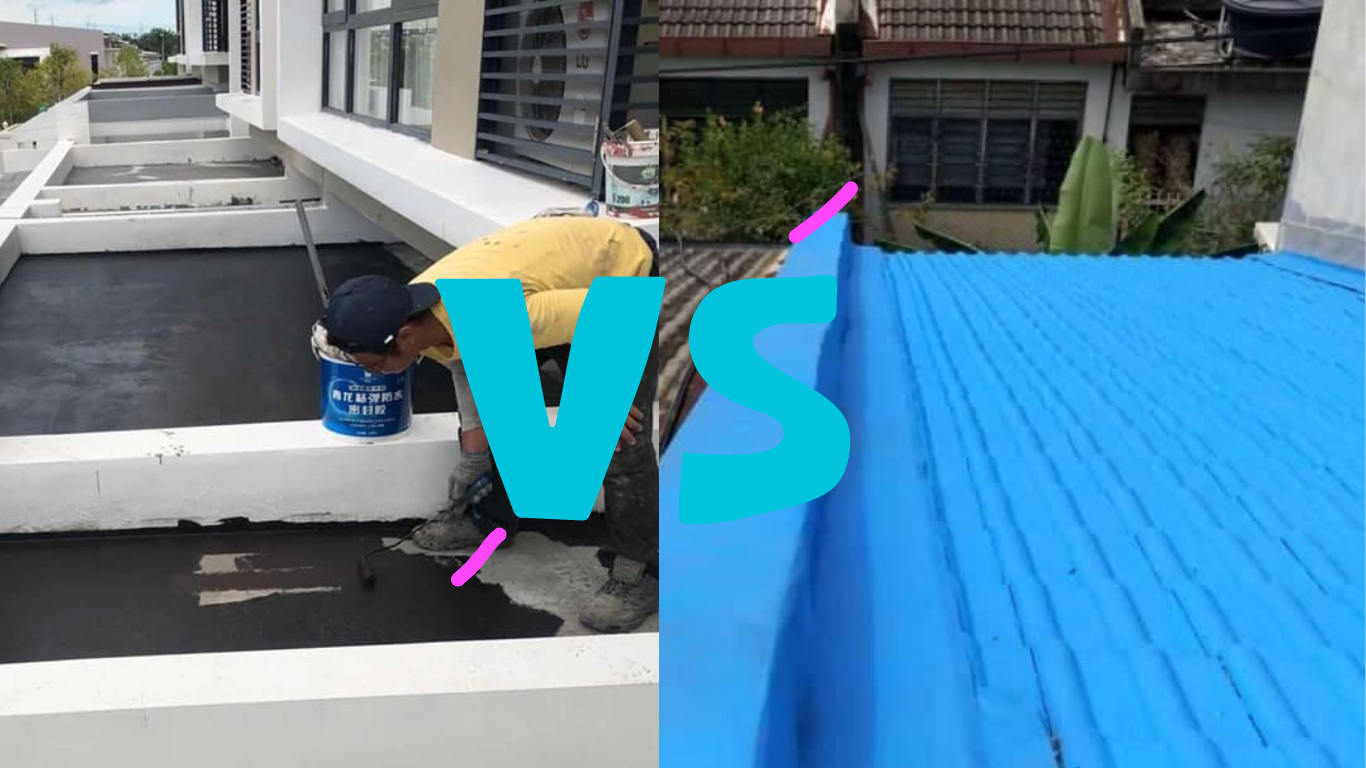
Sealants and coatings are used to protect commercial buildings from water infiltration. Although many people use these terms interchangeably, there are key differences when it comes to sealants vs. coatings.
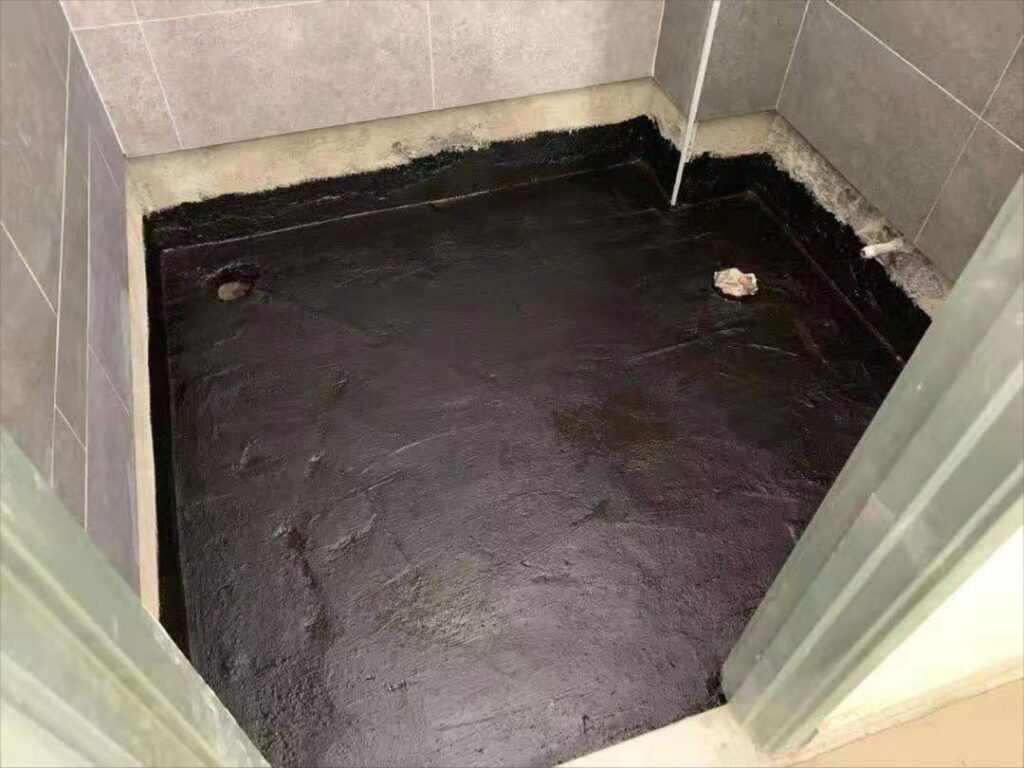
What are Sealants?
Sealants are typically made from polyurethane, silicone, acrylic, or hybrid formulations. Once applied, they remain flexible, allowing them to move with a building’s natural expansion and contraction.
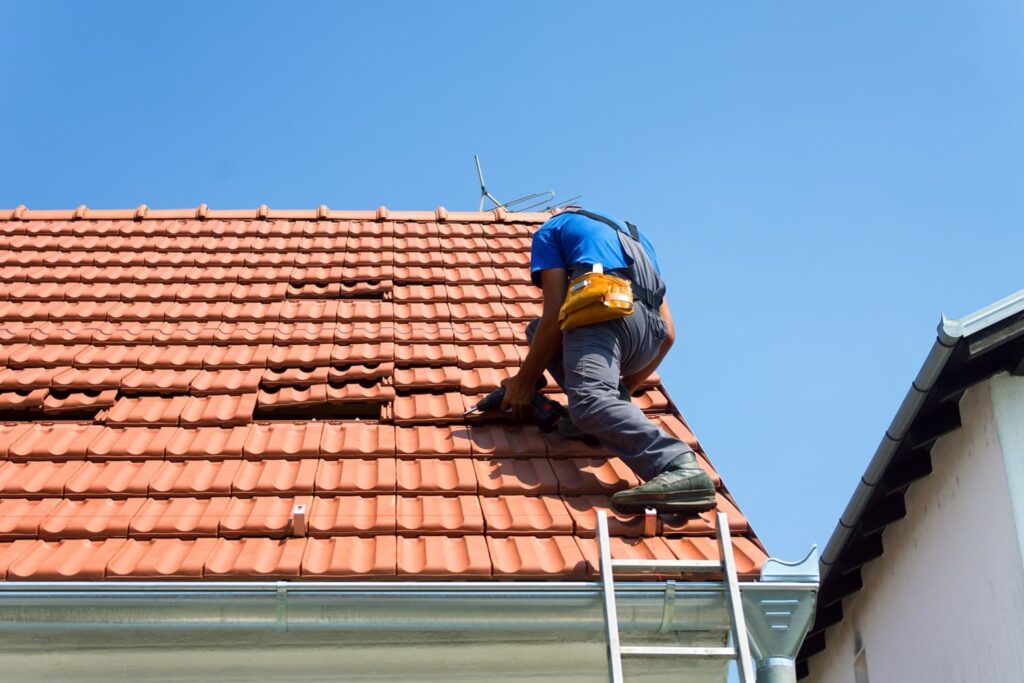
They are commonly used to seal expansion joints, roof areas, concrete cracks, and around windows and door frames. By closing gaps and preventing air leakage, sealants also help improve a building’s energy efficiency and overall durability.
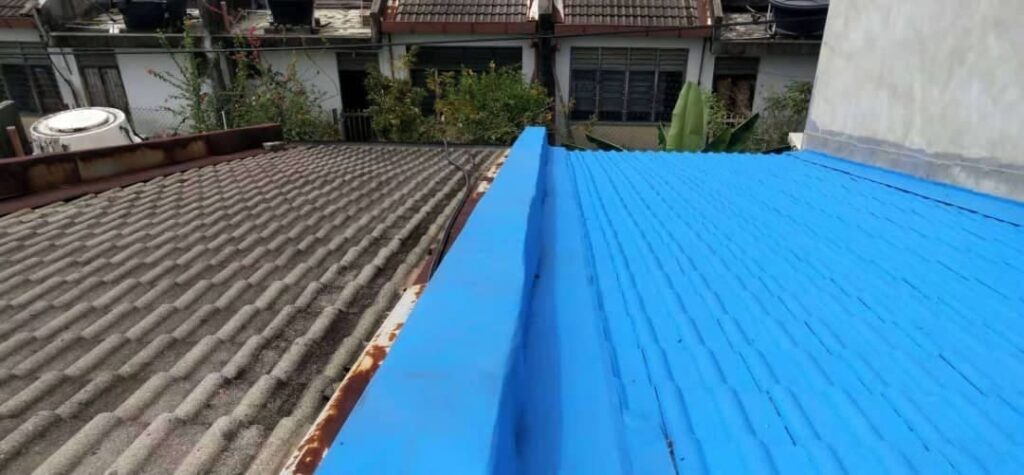
What are Coatings?
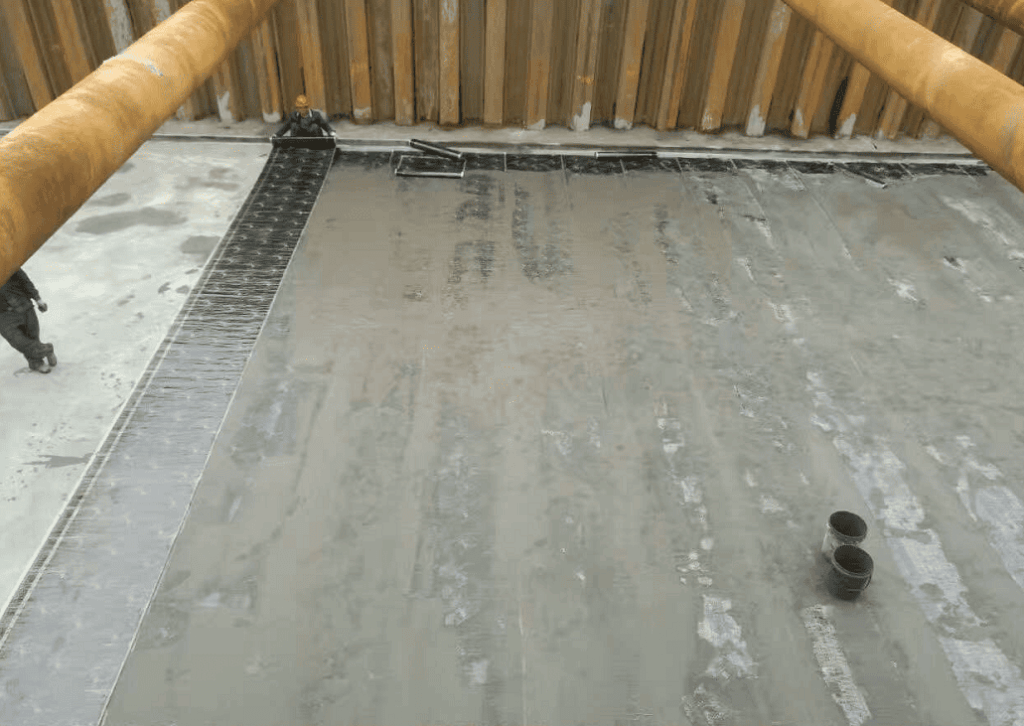
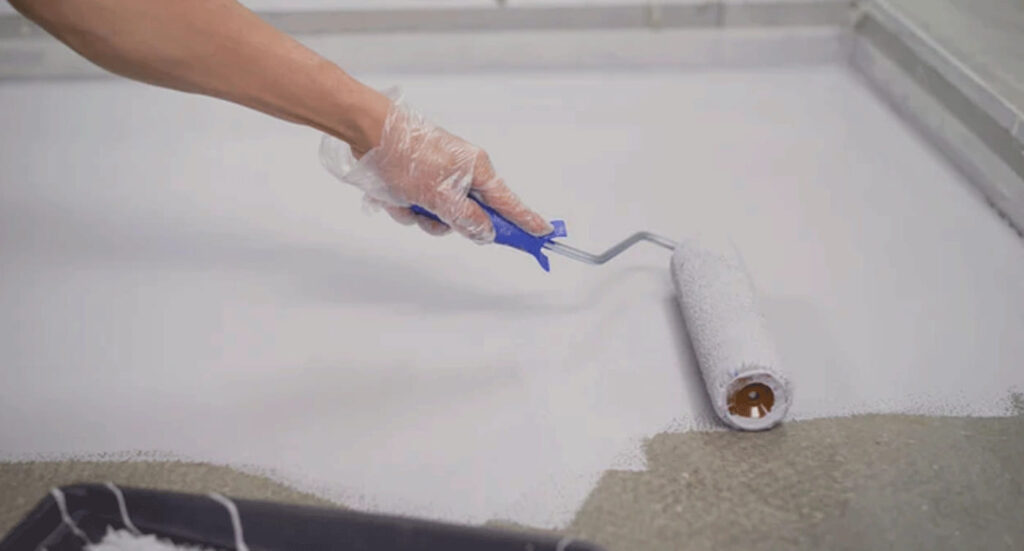
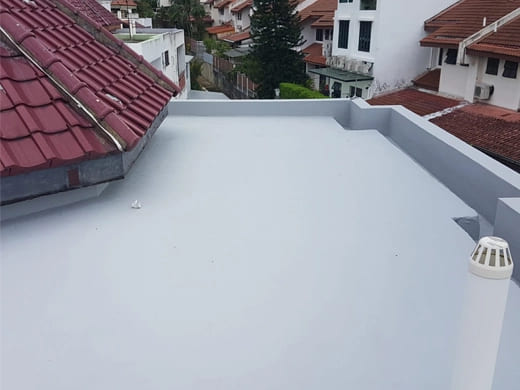
Coatings are liquid-applied waterproofing systems commonly used over large surfaces such as parking decks, roofs, and exterior walls. Once applied, they form a continuous, seamless membrane that protects the structure from water penetration and environmental damage.
These coatings are typically formulated from acrylic, silicone, or polyurethane materials. They are applied using rollers, brushes, or spray equipment, allowing for even coverage across wide areas and creating a durable protective barrier.
Differences Between Sealants vs. Coatings
Applicaiton: Waterproof selants are typically applied as a viscous liquid that dries to form a viscous liquid that dries to form a flexible, rubbery seal. They are often used to fill gaps and joints in surfaces such as roofs, walls, and floors. On the other hand, waterproof coatings are usually applied as a thick, paint-like substance that is apread evenly over a surface.
Durability: Waterproof sealants are generally more durable than waterproof coatings because they can better accommodate structural movement without cracking or peeling. However, they may not provide as smooth or uniform a finish, whereas waterproof coatings often deliver a more visually consistent and aesthetically pleasing surface.
Purpose: Waterproof sealants are primarily used to fill gaps, joints, and cracks to prevent water ingress. They are ideal for areas prone to movement or structural shifting, such as around windows, doors, and expansion joints.
Waterproof coatings, on the other hand, are designed to form a continuous protective layer over large surfaces, helping to shield areas like roofs, decks, and foundations from water damage and environmental exposure.
Conclusion
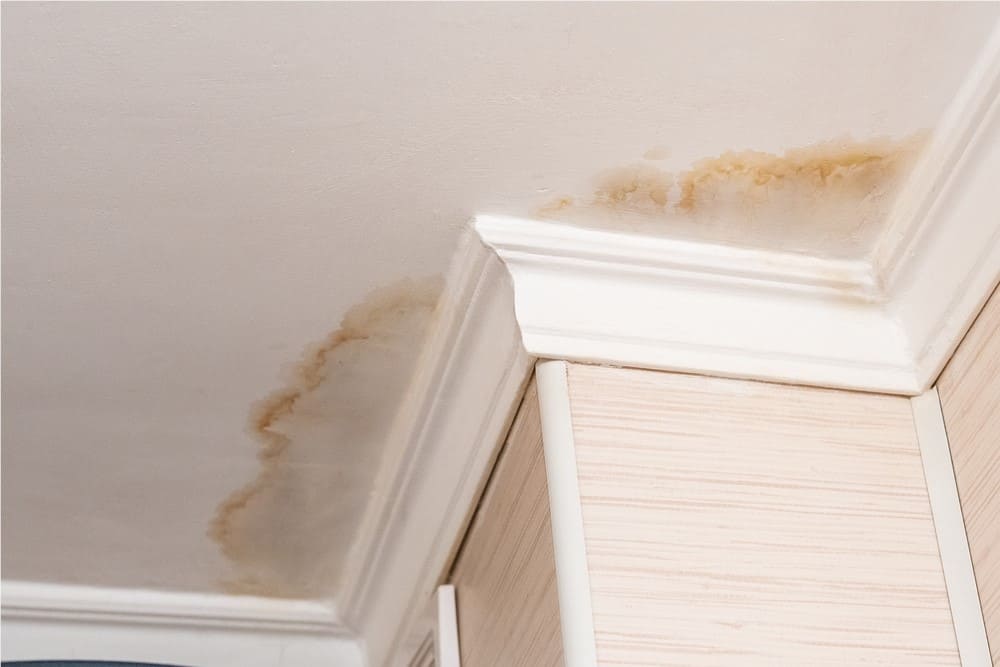
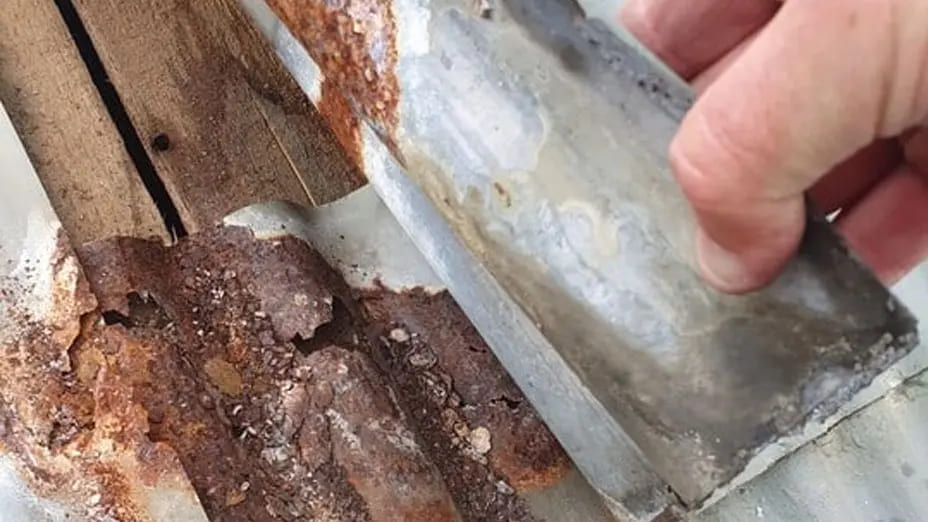
While sealants and coatings have different functions, both are essential in protecting commercial buildings from water intrusion and long-term water damage. For optimal performance and durability, it’s important to engage a professional waterproofing contractor who can recommend the right materials and application methods based on your specific site conditions.
Contact us today via our website or WhatsApp +6013-7788805 to speak with our waterproofing specialists about your sealant and coating requirements.