When waterproofing buildings, is there actually any difference between new and old buildings? Can newer buildings resist water damage better than older buildings?
Di QingLong Waterproofing, we understand that waterproofing is essential for every building’s long-term durability, safety, and value. As a Malaysia waterproofing manufacturer, waterproofing solutions provider, and waterproofing service company, we have extensive experience helping property owners protect both new developments and ageing buildings. Whether it’s roof waterproofing, basement waterproofing, or complete waterproofing solutions, understanding the differences between old and new buildings helps ensure the right repair strategy is chosen.
Why Waterproofing Matters for Every Building
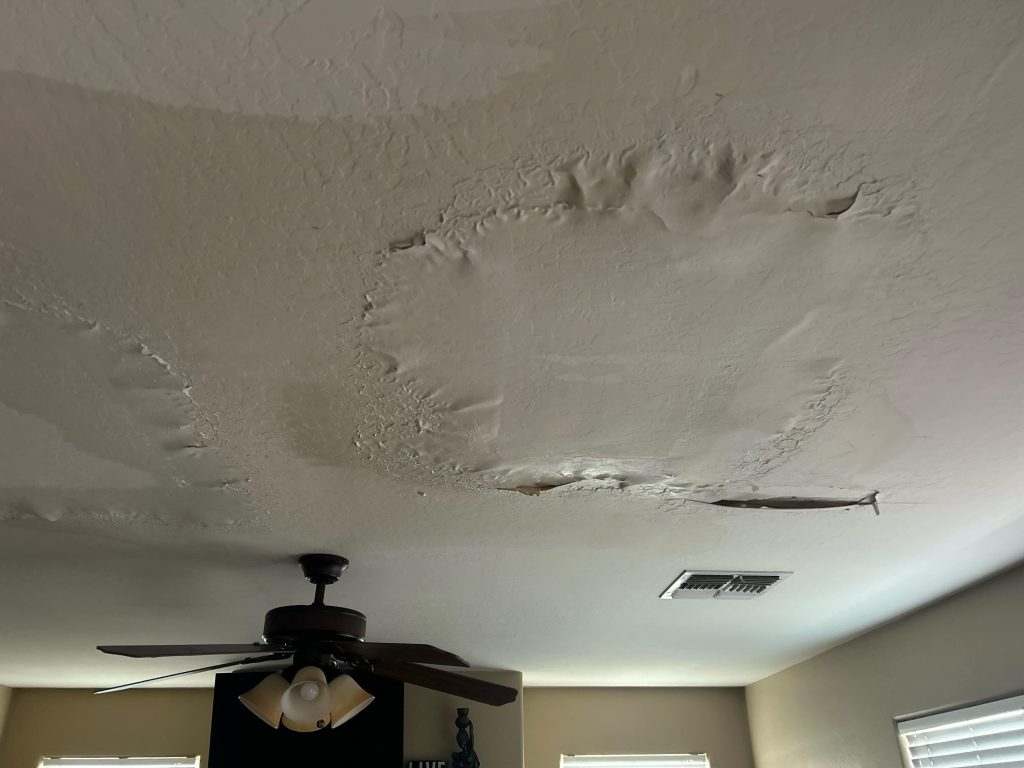
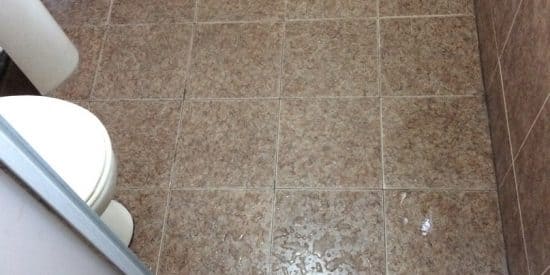
Waterproofing is not just an optional upgrade—it is a critical part of protecting any building. Without an effective waterproofing system, water can penetrate roofs, walls, basements, balconies, and concrete structures, leading to leakage, mould growth, corrosion of reinforcement, and expensive structural repairs.
Whether your property is newly completed or decades old, professional waterproofing helps extend its service life and reduce long-term maintenance costs.
Unique Challenges of Waterproofing Old Buildings
Older buildings present different waterproofing challenges because the building materials and waterproofing systems have been exposed to years of weathering and structural movement.
Common issues include:
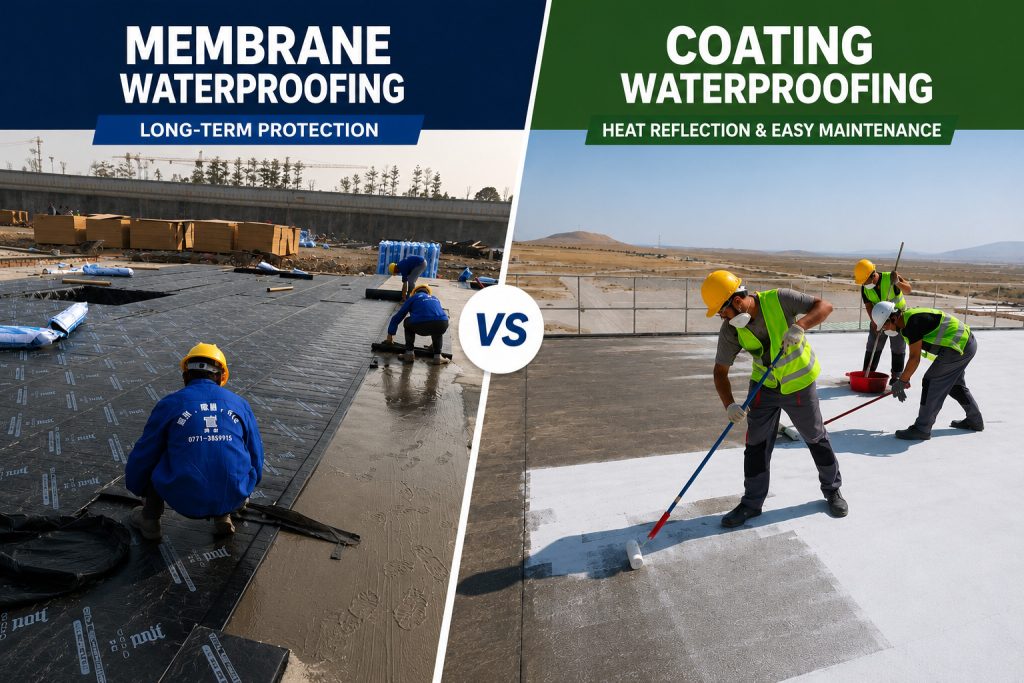
• Ageing Waterproofing Systems – Existing membranes or coatings may have deteriorated due to UV exposure, moisture, and temperature changes.
• Cracks and Structural Movement – Settlement, expansion, and contraction can create cracks and joints that allow water to penetrate.
• Outdated Waterproofing Methods – Older buildings may not have been constructed using modern waterproofing materials or detailing standards.
• Previous Patch Repairs – Earlier repairs may only have treated visible leakage instead of eliminating the actual water path.
Because of these conditions, older buildings usually require a detailed site inspection, leak diagnosis, crack assessment, and sometimes replacement of the existing waterproofing system before new waterproofing materials are applied.
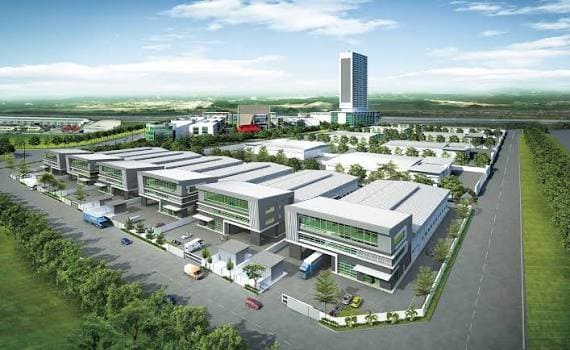
Although new buildings are constructed using modern waterproofing technologies, they are not automatically protected against future water leakage.
Proper waterproofing during construction remains essential because:
• Modern Waterproofing Systems – New construction benefits from advanced waterproofing membranes, coatings, and joint systems.
• Installation Quality Matters – Even high-quality materials can fail if installed incorrectly.
• Preventive Protection – Applying the correct waterproofing system from the beginning reduces future repair costs and extends the building’s lifespan.
Early waterproofing also helps protect roofs, balconies, bathrooms, podium decks, basements, and other areas exposed to moisture.
There are several important differences between waterproofing older and newer buildings.
Inspection
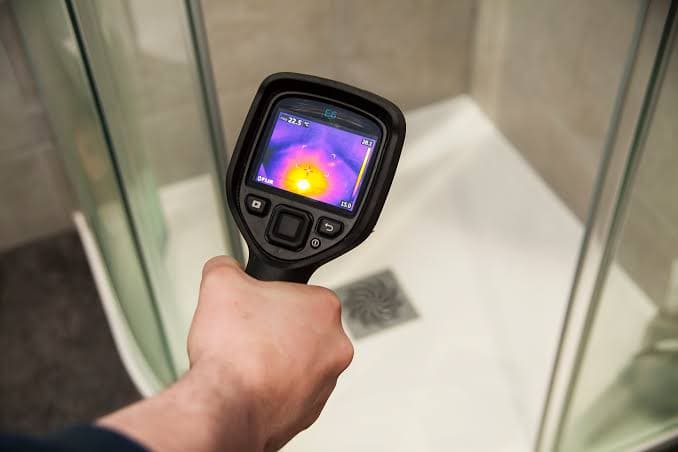
Older buildings require a comprehensive inspection to identify hidden leakage paths, damaged waterproofing layers, structural cracks, and moisture movement.
New buildings mainly require quality assurance inspections to ensure waterproofing systems have been installed correctly before defects develop.
Waterproofing System
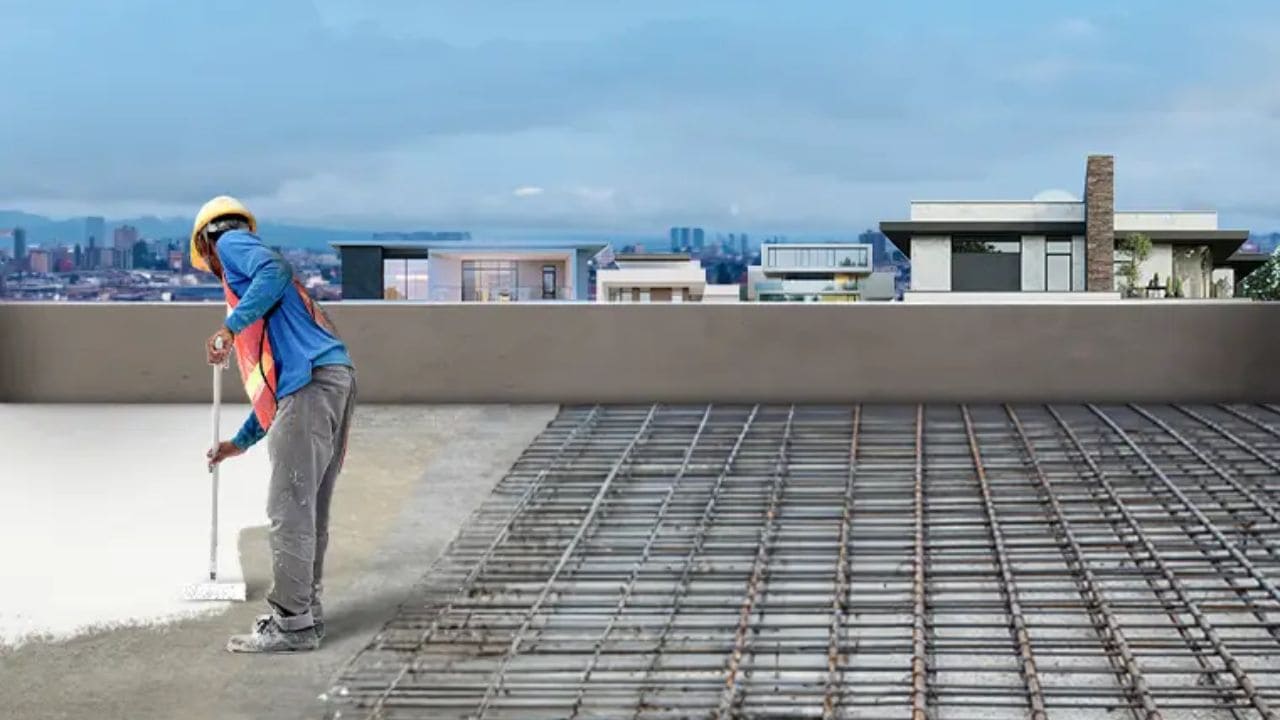
Older buildings often require repair work, crack treatment, substrate preparation, or removal of failed waterproofing before installing a new system.
New buildings generally receive preventive waterproofing systems during construction with minimal repair work required.
Time and Cost
Waterproofing older buildings is usually more complex because repairs are often needed before waterproofing begins.
For new buildings, waterproofing installation is generally faster and more cost-effective when incorporated into the construction process.
Mengapa Memilih QingLong Waterproofing?
QingLong Waterproofing is a trusted Malaysia waterproofing manufacturer, waterproofing solutions provider, and waterproofing service company. We provide integrated waterproofing systems for residential, commercial, industrial, and infrastructure projects throughout Malaysia.
Our experienced team combines quality waterproofing materials, technical expertise, professional inspection, and suitable repair methods to deliver long-lasting waterproofing performance.
Whether you need roof waterproofing, basement waterproofing, crack repair, waterproof coatings, membranes, or professional leak diagnosis, QingLong Waterproofing provides solutions tailored to your building’s condition.
Kesimpulan
Every building—whether old or new—requires an appropriate waterproofing strategy.
Older buildings often need detailed inspections and repair work before waterproofing can be applied effectively, while new buildings benefit from preventive waterproofing that protects the structure from the beginning.
At QingLong Waterproofing, we help property owners identify the root cause of leakage and recommend suitable waterproofing systems based on the building’s condition. Professional waterproofing today helps prevent costly repairs tomorrow.
Soalan Lazim (FAQs)
1. Why is waterproofing important in building construction?
Waterproofing protects buildings against water penetration, structural deterioration, mould growth, corrosion, and costly repairs. Proper waterproofing extends the service life of both residential and commercial buildings.
2. Which waterproofing system is best?
The most suitable waterproofing system depends on the building type, substrate condition, water exposure, and project requirements. Roofs, basements, balconies, bathrooms, and retaining walls often require different waterproofing solutions.
3. How durable is waterproofing?
Durability depends on the waterproofing system selected, installation quality, maintenance, and environmental conditions. Regular inspections help maximise the lifespan of the waterproofing system.
4. Can waterproofing be painted over?
Some waterproofing systems can be painted using compatible coatings, while others require specialised finishing materials. Always confirm compatibility before painting over waterproofing.
5. What happens if waterproofing is not installed?
Without proper waterproofing, buildings are more likely to experience leakage, dampness, mould growth, concrete deterioration, reinforcement corrosion, and expensive repair work.