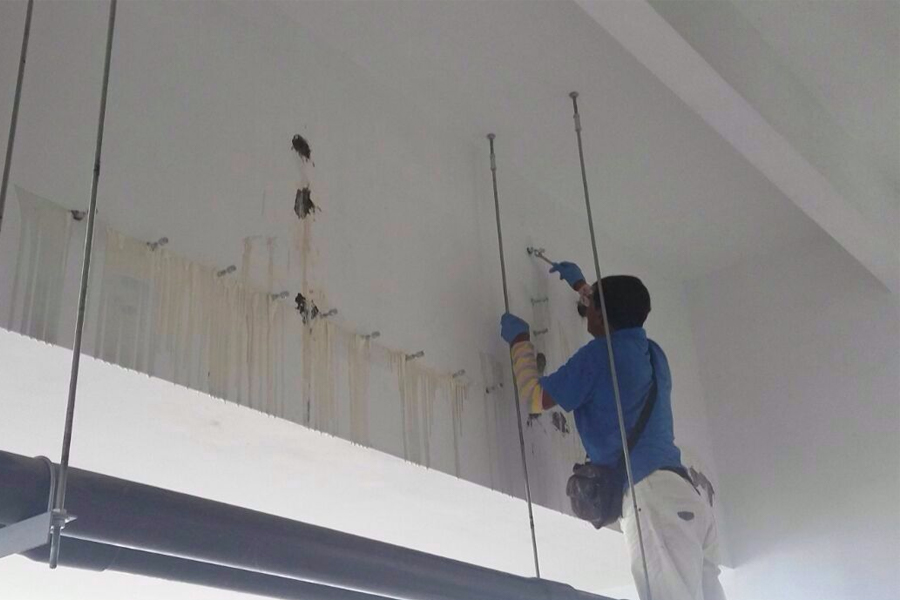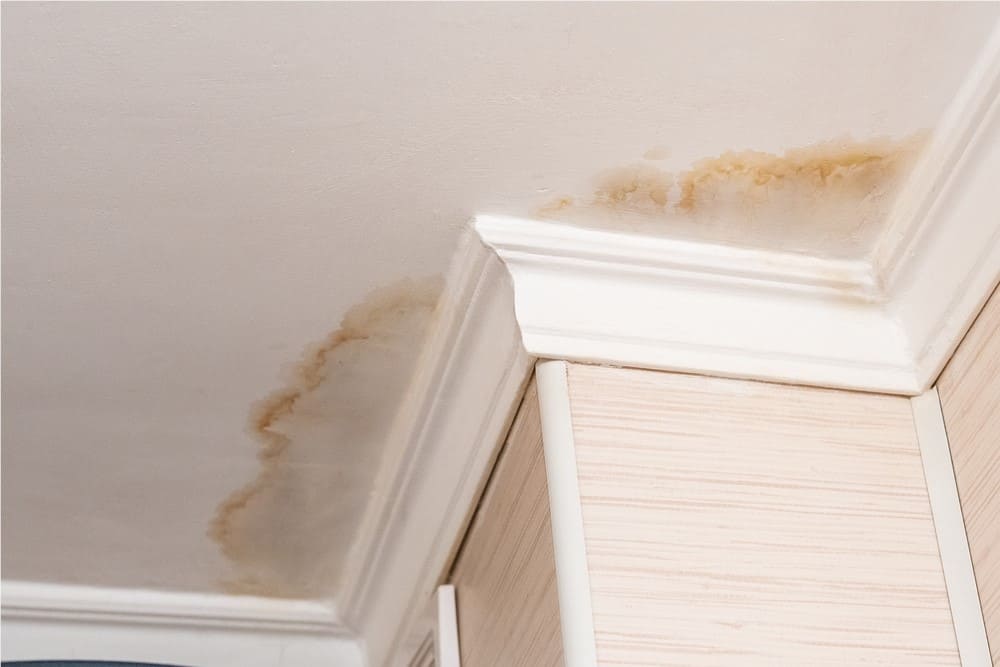
For many homeowners living in high-rise buildings, roof leaks are one of the most frustrating property issues. Some people face recurring leaks every rainy season, while others experience mould growth, peeling paint, damaged ceilings, and even electrical problems caused by water seepage.
Many homeowners complain:
“The roof leaks every year even after repairs.”
“There’s always a damp and mouldy smell inside the house.”
“Water leakage damaged the wall and ceiling until appliances could not be used properly.”
So why do roof leaks happen so frequently, and how can they be repaired effectively?
I. What Causes Roof Leaks?
Roof leakage is usually caused by multiple factors, including waterproofing failure, poor workmanship, structural movement, and weather exposure. Based on actual waterproofing project analysis, the most common causes include:
Poor Waterproof Membrane Bonding
When the waterproof membrane does not fully bond with the concrete substrate, water can seep underneath the waterproof layer and cause leakage.
Damaged Waterproof Layer
Waterproof materials can be punctured or damaged by external forces, construction work, or long-term exposure, leading to water penetration.
Structural Cracks & Building Movement
Buildings naturally experience settlement and movement over time. When cracks develop, the waterproof membrane may tear and create leakage points.
Climate Changes
Constant heat expansion and heavy rainfall cause concrete movement and cracking, especially on roof slabs exposed to direct sunlight.
Improper Treatment of Waterproofing Details
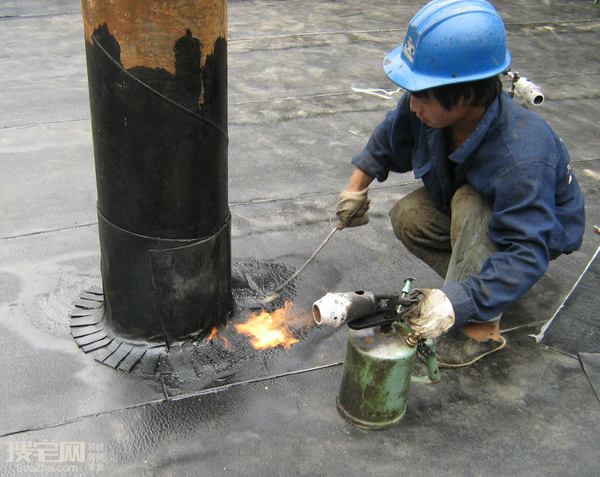
Poor sealing and weak adhesion at critical areas such as parapet walls, corners, drains, pipes, and roof protrusions can create gaps and lifted edges, allowing water to seep into the roof structure.
Non-Standard Waterproofing Workmanship
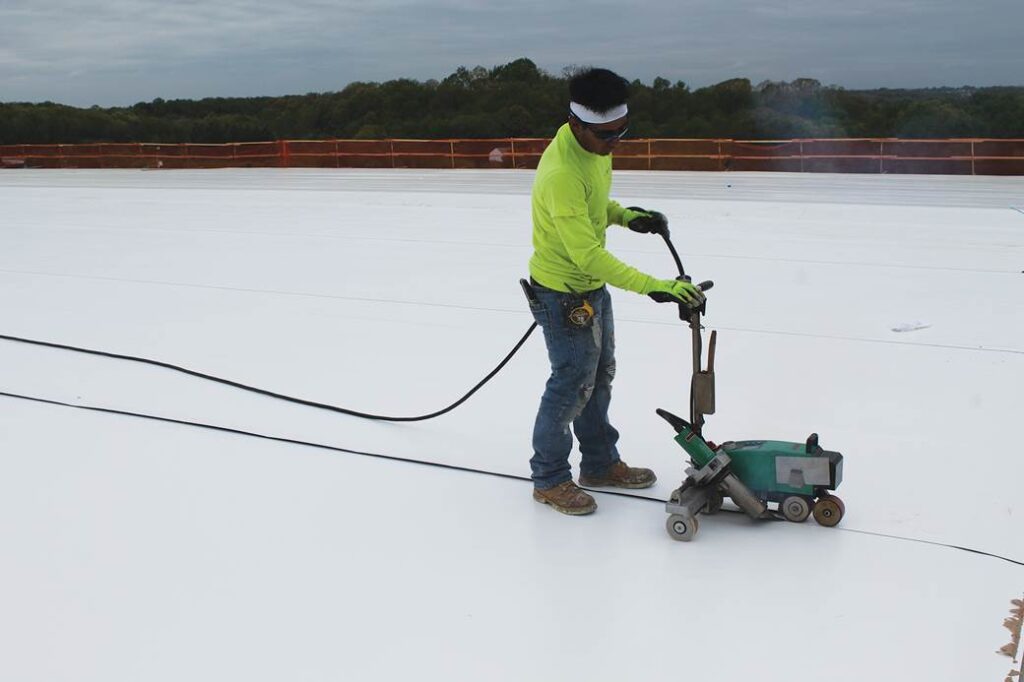
Common issues include uneven coating thickness, weak adhesion, bubbling, wrinkling, peeling, lifted edges, exposed reinforcement fabric, and surface cracking. Poor bonding between sealants and the substrate, along with uneven or non-compliant application, can further weaken the waterproof system. In some cases, the absence of a proper isolation layer between the protective layer and waterproof membrane may also lead to premature waterproofing failure.
Improper Roof Corner Construction
Failure to chamfer roof horizontal external and internal corners and external angles per related specifications causes membrane bending or uneven application of waterproof coating, leading to damage.
II. How to Repair Roof Leaks Properly
When roof leakage occurs, the first step is to identify the exact leak point and conduct a proper inspection to determine the root cause before carrying out targeted repairs.
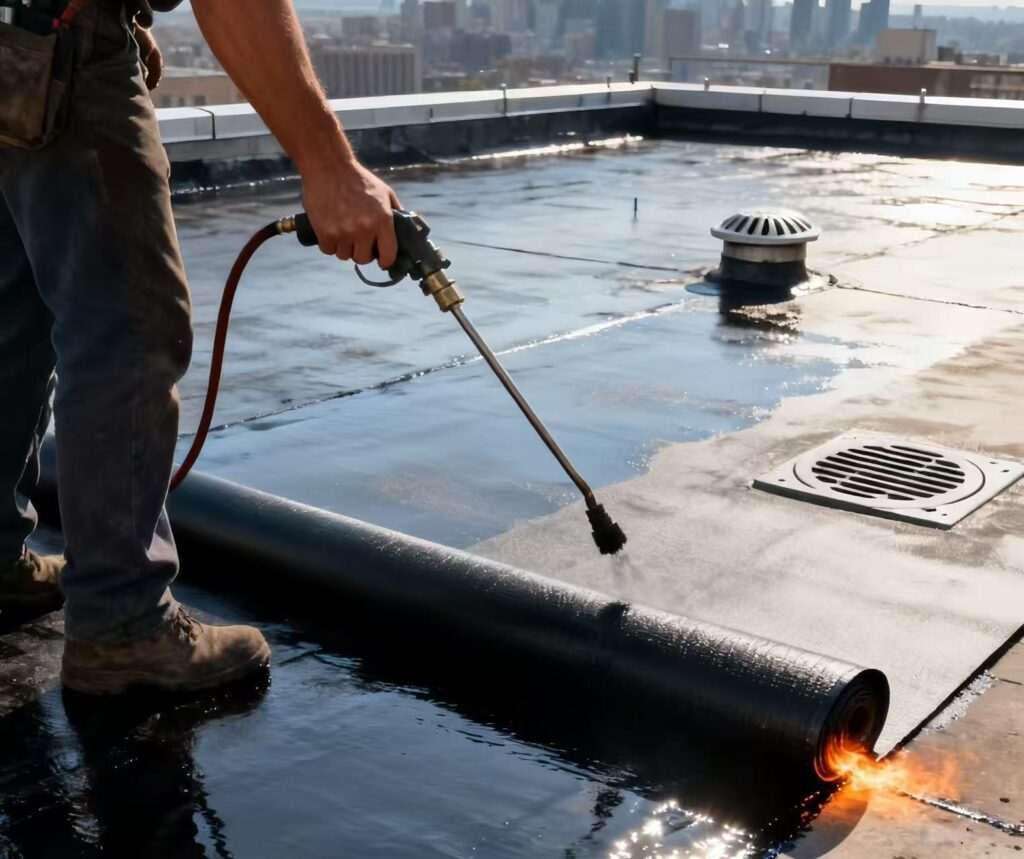
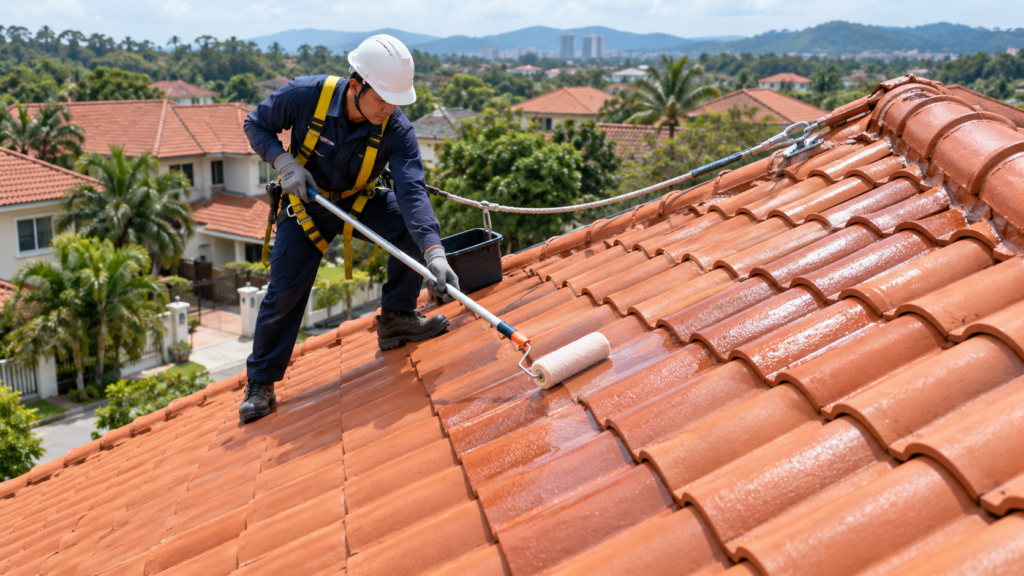
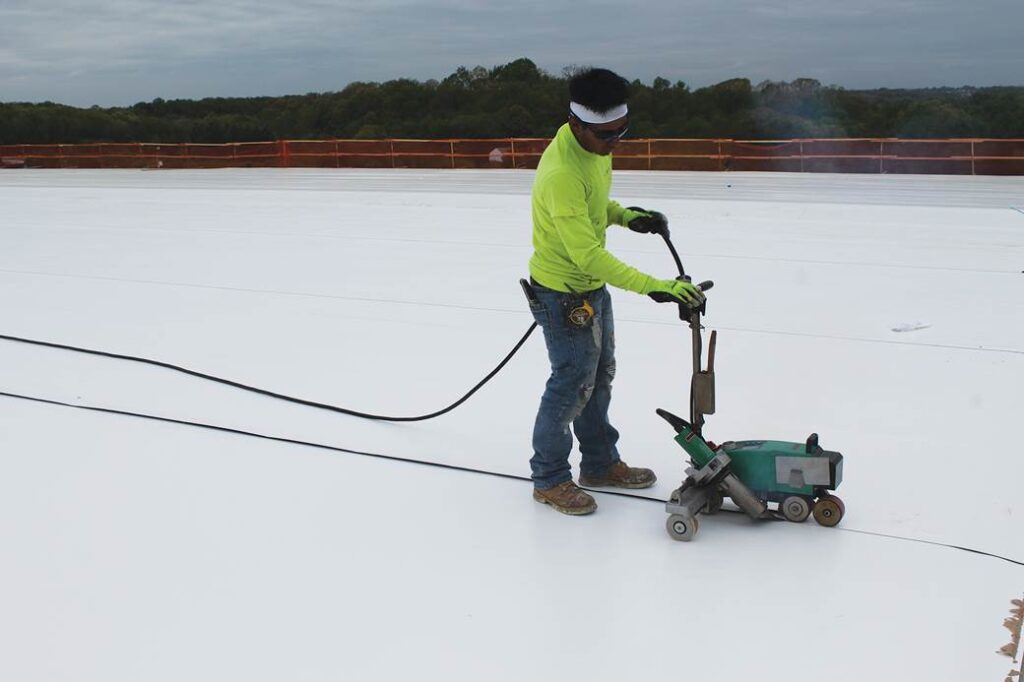
If the leak is due to insufficient adhesion or damage to the waterproof layer, find the leak point in the waterproof layer and repair it using the same material. If the leak is severe, re-waterproofing is necessary.
Check weak points such as roof pipes, drains, and gutters, and reinforce them with specialized waterproof materials. If gaps are found, use versatile waterproof glue or waterproof mortar for filling and treatment. For delamination, peeling, or wrinkling causing leaks, treat with a cutter to extend the damaged area beyond 10cm, clean thoroughly, and repair with versatile waterproof glue with over two coats, followed by large-scale waterproof reinforcement with compatible material.
Poor handling of corners and junctions may lead to weak point leaks. For small leaks, use versatile waterproof glue for sealing. For large-scale damage to the waterproof layer, reapply waterproofing. Treat weak points as per regulations, such as forming arc corners, then applying additional layers, and finally, large-scale waterproofing. If using waterproof coatings, reinforce with internal glass fibre fabric before coating.
If ageing sealing materials or inadequate adhesion strength cause leaks, remove the original sealant and clean it before sealing and waterproofing. If the waterproof material itself causes leaks, such as curling, wrinkling, or inadequate adhesion strength, replace it with qualified, large-brand waterproof materials for new waterproofing.
Conclusion
Roof waterproofing is a highly technical and systematic process where even small mistakes can eventually lead to serious leakage problems — which is why many people say, “Nine out of ten roofs will eventually leak.”
When roof leakage occurs, the root cause should be properly identified before carrying out targeted repairs. Simply patching the surface without solving the actual problem often leads to recurring leaks.
Although roof leaks usually affect top-floor owners first, the issue should never be ignored by other residents or building management. If left untreated, water seepage can spread through walls and concrete structures, affecting lower floors, weakening the building structure, and shortening the building’s lifespan.
Roof leak repairs can become costly if problems are allowed to worsen over time. Early inspection, proper waterproofing treatment, and professional repair work are essential to protect both the property and long-term structural safety.
Contact us today for a FREE roof inspection and professional waterproofing consultation.