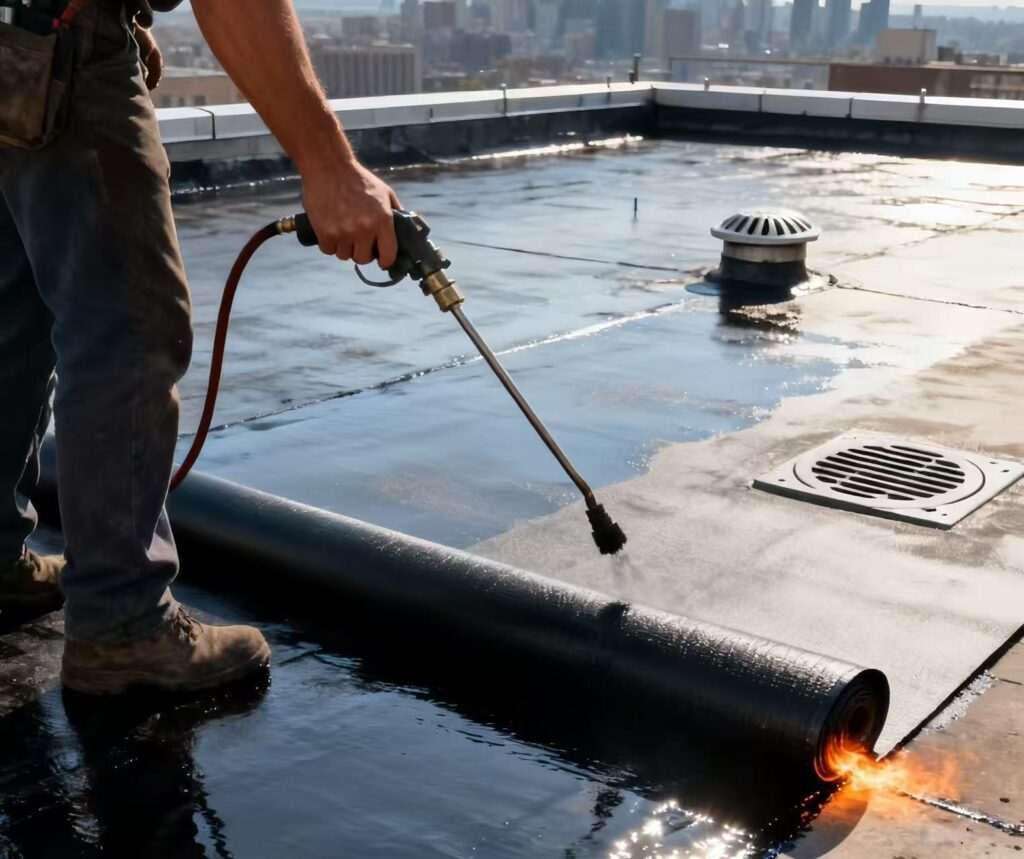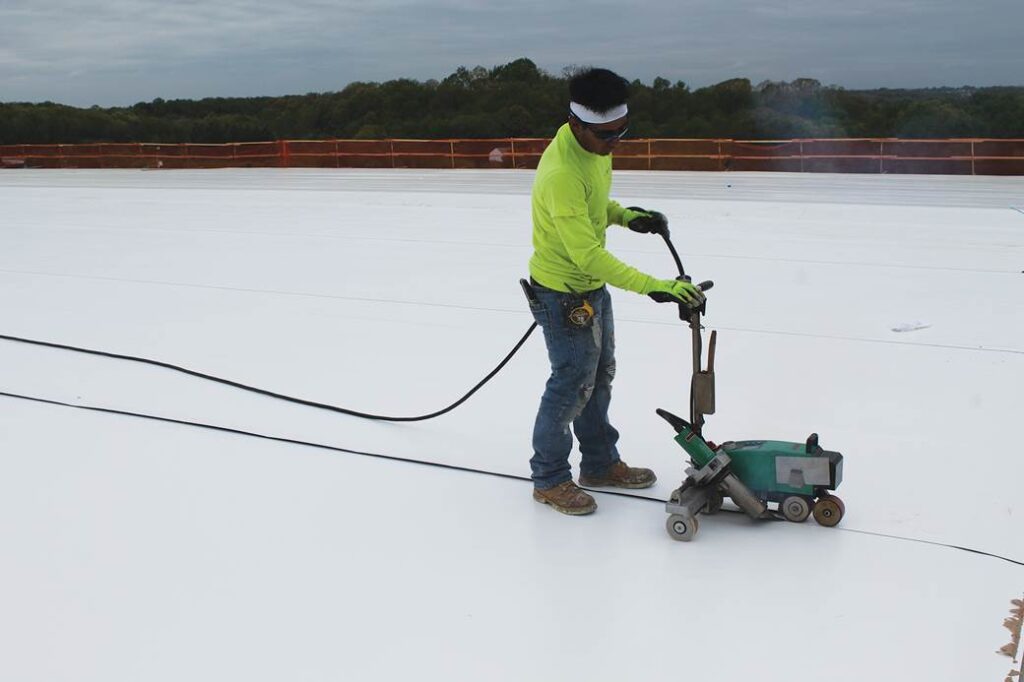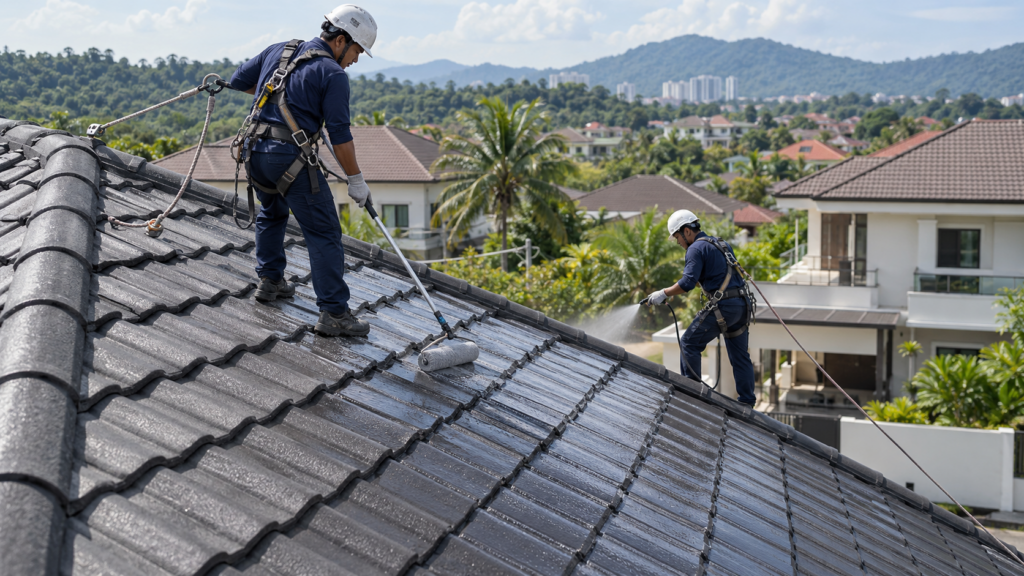
In Malaysia’s tropical climate, waterproofing is not just a construction step — it is a long-term protection system. With constant humidity, heavy rainfall, and high UV exposure, even small weaknesses in a building can quickly turn into costly problems.
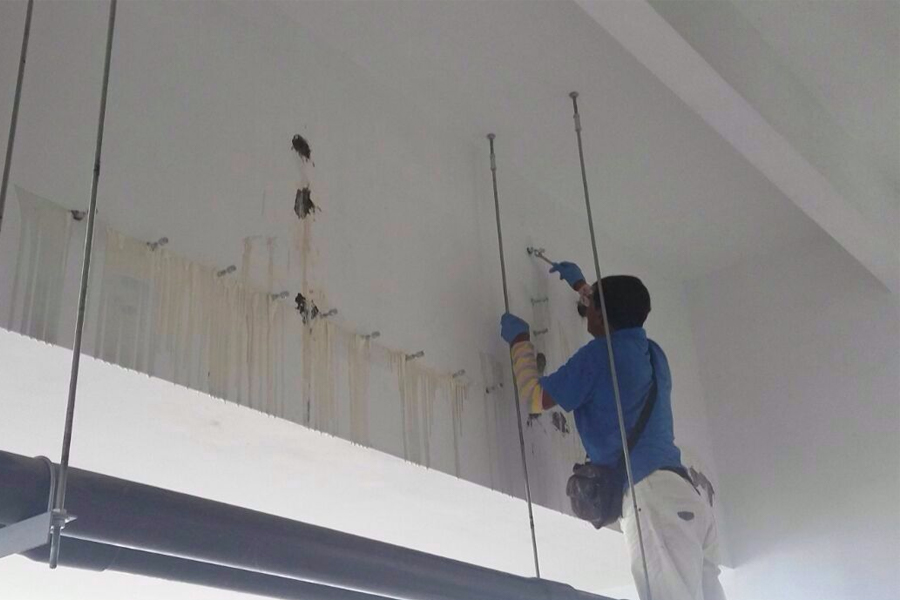
Yet in many renovation projects, waterproofing is still treated as a secondary task. The result? Seepage, mold growth, paint peeling, and structural damage that only appear months after completion — when repairs become more complicated and expensive.
From years of observing Malaysia waterproofing practices and real project outcomes, one thing is clear: successful waterproofing is not about doing more, but about doing the right areas correctly with the right system.
This article breaks down the most overlooked waterproofing zones in renovation — and how to address them effectively using systematic thinking and proven Waterproofing Repair strategies.
Kitchen Waterproofing
The kitchen is often overlooked as a waterproofing area, yet it faces constant water exposure from daily use like cooking and cleaning. The issue isn’t heavy water, but repeated small moisture over time that slowly seeps into surfaces.
Common weak points include sink joints, pipe areas, floor-wall connections, and spaces without drainage. In many Malaysian homes, the absence of floor drains creates a false sense of security.
Over time, this can lead to tile loosening, hidden mold, and slippery floors. To prevent this, waterproof the floor regardless of drainage, extend wall protection up to 300mm, reinforce joints, and use flexible coatings.
Balcony Waterproofing
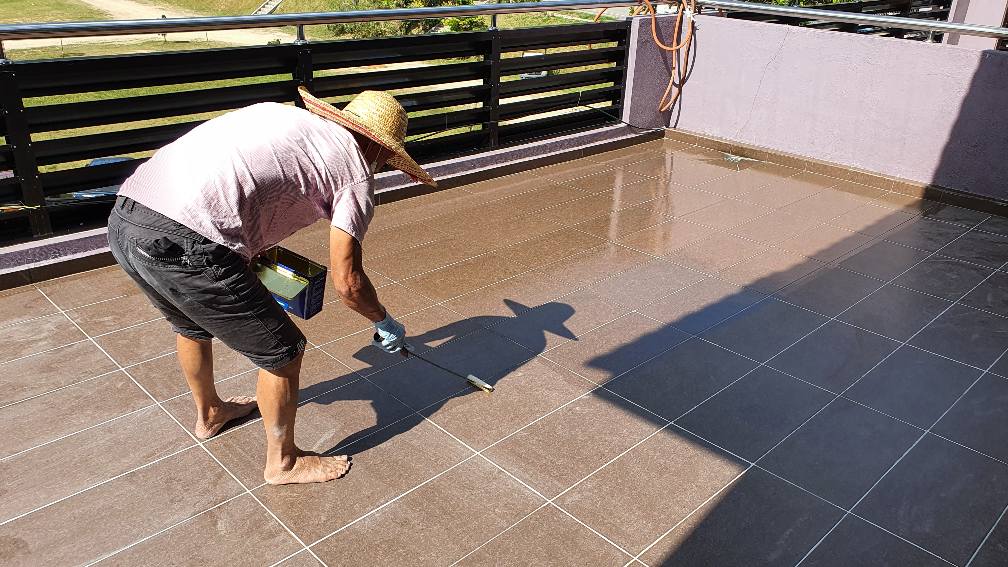
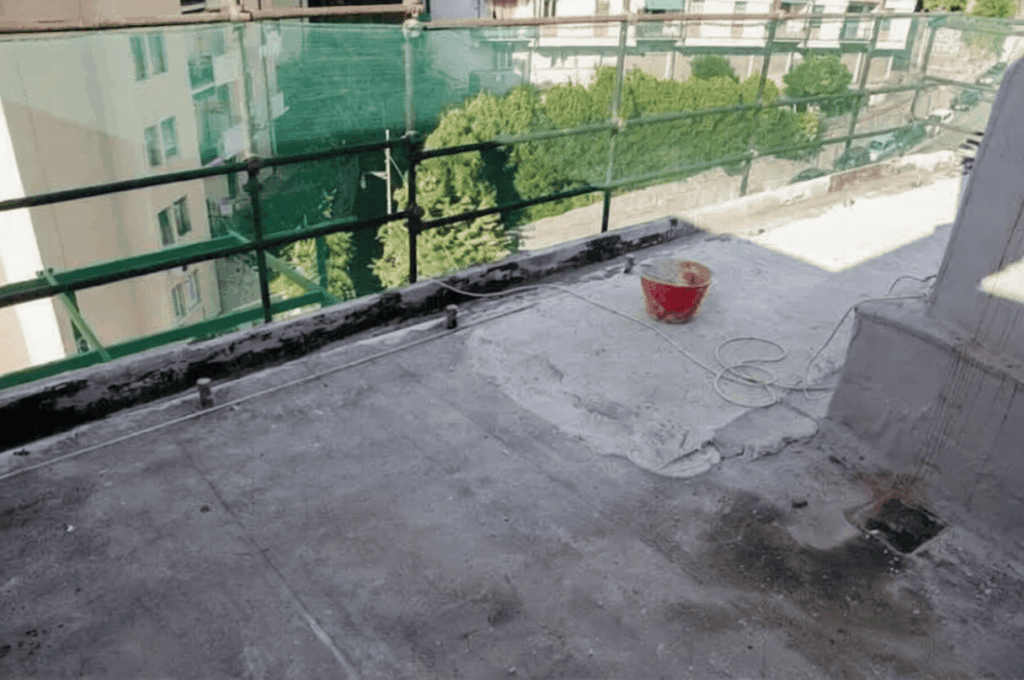
Balconies are frequently neglected during renovation, even though they are among the most vulnerable areas exposed to external elements.
To prevent infiltration from external elements such as rain and snow, exposed balconies need to be properly waterproofed. Even non-exposed balconies usually require waterproofing as balconies are often used for hanging and drying clothes.
Joints around balcony windows, pipes, and corners where walls meet are particularly susceptible to moisture ingress during inclement weather and should be given special attention. When waterproofing, it is essential to remove any fillers and debris between the window frame and the wall, then inject a foaming sealant into the gaps and apply a 2mm thick waterproof coating around the window frame.
Ground Floor Waterproofing
The area below the ground floor contains a significant amount of moisture and is susceptible to erosion from rain and groundwater. Without adequate waterproofing and damp-proofing, moisture can leak from the floor, causing damage. Therefore, in addition to key areas such as the kitchen and balcony, the waterproofing of the ground floor of a villa must include the waterproofing of all floors and walls. The usual practice is to apply a layer of waterproofing slurry first and then proceed with the finishing work.
Water Pipe Trench Waterproofing
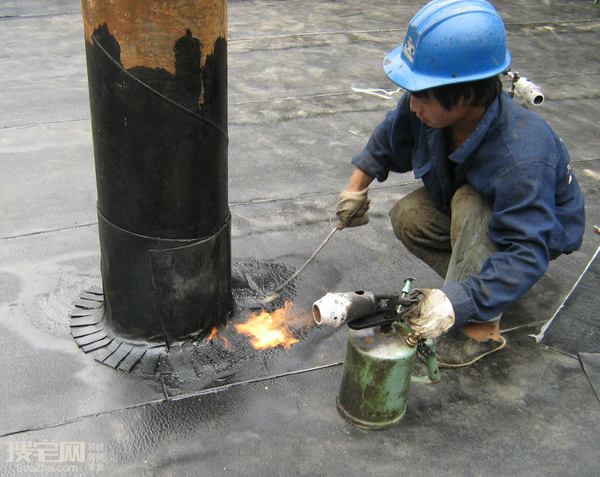
The cement structure can be damaged if trenches are made in the floor and walls for water pipes. If water pipes leak, moisture can erode the floor and walls, leading to mold and flaking finishes, affecting the structural stability of the house. Therefore, before the pipes are laid, the interior of the trench must be waterproofed.
Air Conditioning Hole Waterproofing
Air conditioning holes should be sloped outwards and foamed to fill gaps and spaces around pipes, followed by silicone edge sealing.
Conclusion
By focusing on the key areas that need waterproofing in these renovations, we hope to remind everyone to consider waterproofing when renovating to ensure the durability and comfort of the home. It is recommended that you consult with a professional before the actual construction work to ensure an effective waterproofing treatment.