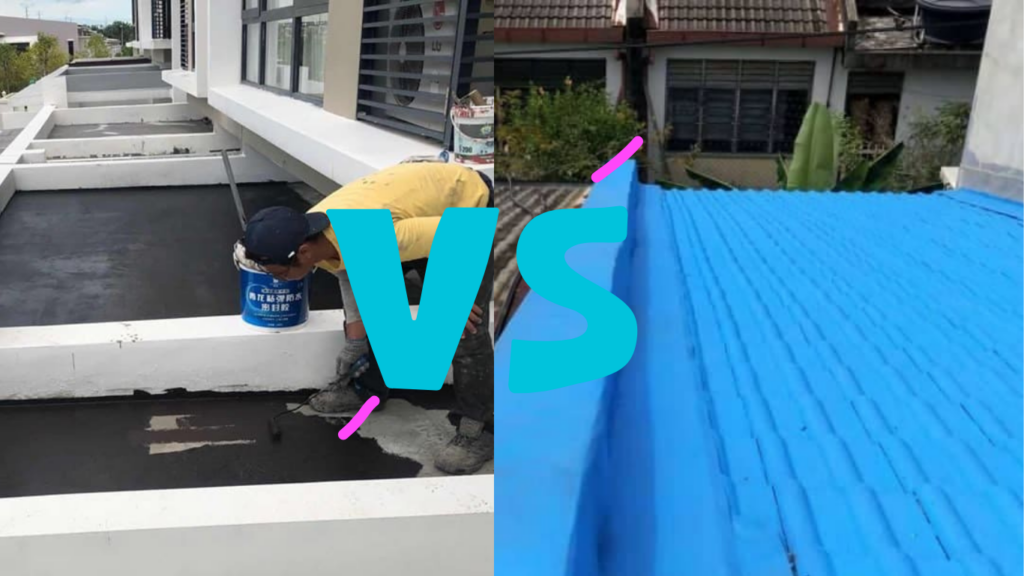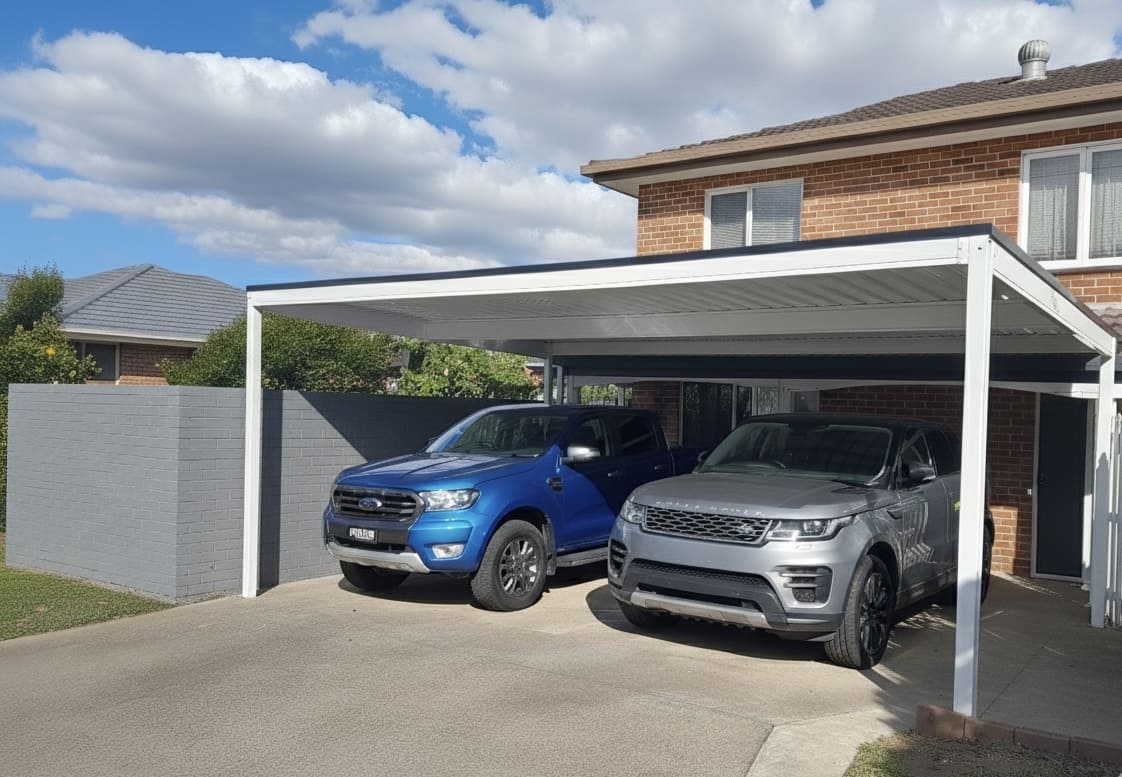
In many landed houses across Southeast Asia, the car porch is more than just a place to park. It is a vital component of the front façade, designed to provide shelter for vehicles while often doubling as an outdoor balcony or an urban garden. This multi-functional use encourages greenery and provides residents with additional leisure space. However, when the car porch roof fails, it doesn’t just affect the exterior; it threatens the safety of your vehicles and the structural integrity of your home.
Whether your car porch features a modern concrete flat roof or traditional shingles, a leak is a signal that the building’s protective “envelope” has been compromised. Understanding why these leaks occur and how to address them is essential for every homeowner.
Common Causes of Car Porch Roof Leaking
To fix a leak effectively, you must first identify its source. A car porch roof can leak for various reasons, ranging from simple maintenance oversights to material fatigue.
1. Roof Flashing Damage
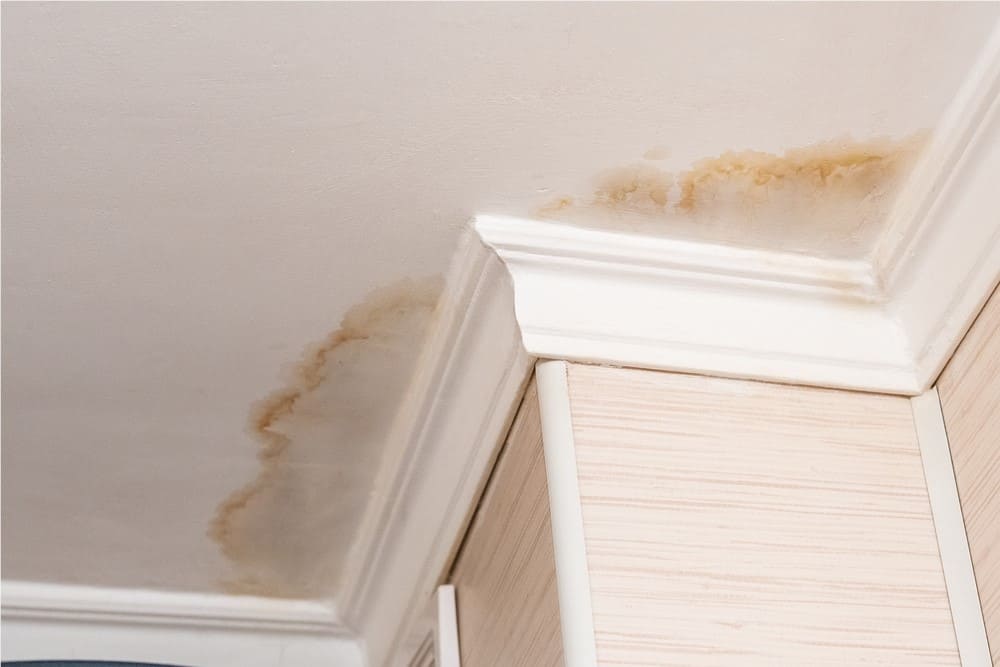
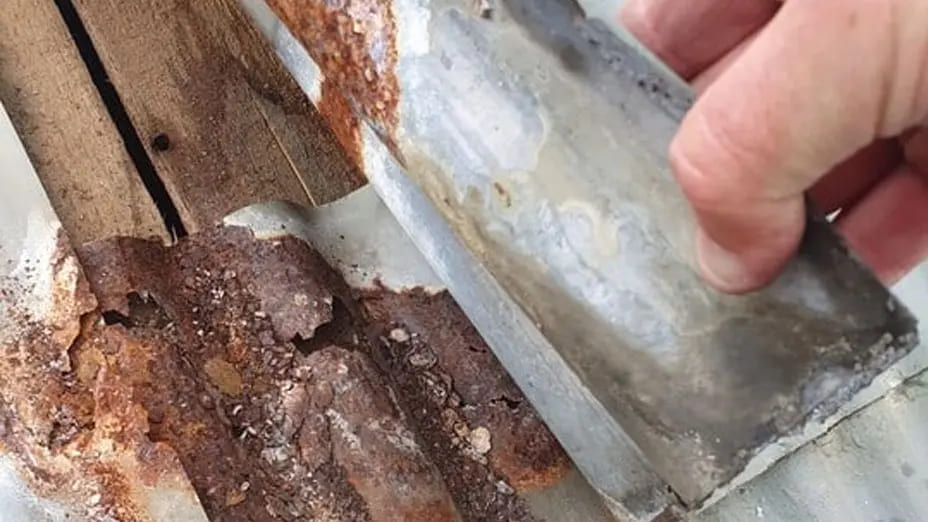
If water stains appear along the wall-roof junction or edges of the car porch ceiling, flashing failure is a likely culprit. Flashing is a thin weatherproof strip installed where roofs meet walls or vertical structures. Its function is to direct rainwater away from joints and prevent water from entering structural gaps.
When flashing is improperly installed, corroded, or displaced, rainwater penetrates behind it and travels into the roof deck. This concealed leakage can continue for years before visible ceiling damage appears.
2. Roof Shingle or Roofing Layer Deterioration
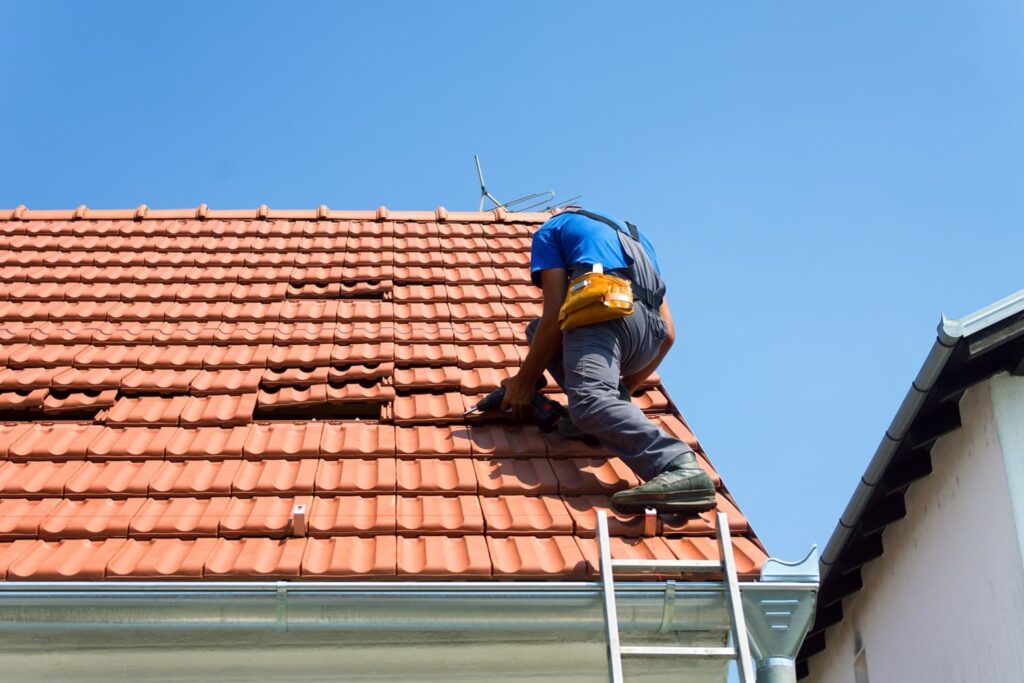
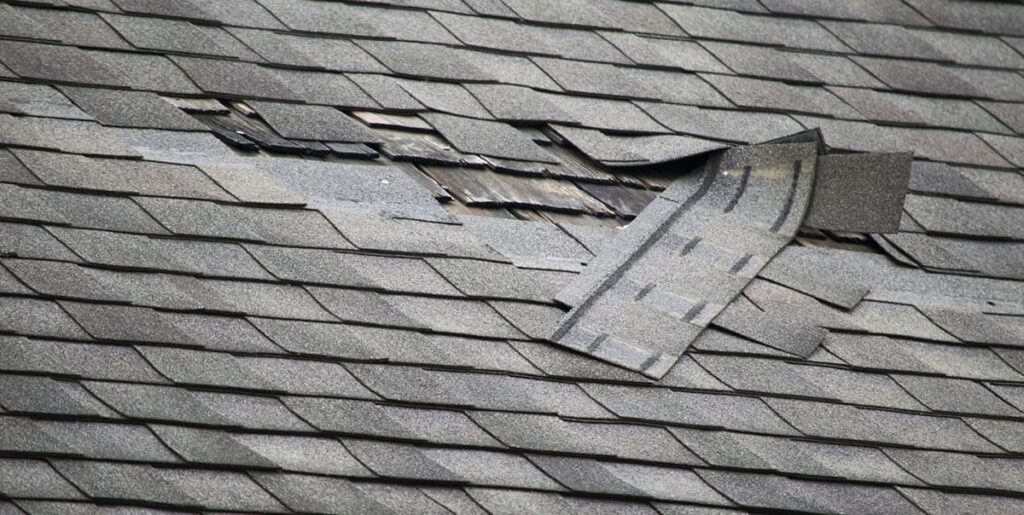
Roof shingles typically last 15–20 years depending on quality and exposure conditions. Fiberglass-reinforced variants may exceed 30 years but still degrade under UV radiation and monsoon rains.
Cracked or missing shingles allow water to enter beneath the roofing layer and reach the underlying deck. When leaks appear in the center of the porch ceiling, shingle failure or roofing layer damage is often responsible.
Minor cracks can sometimes be sealed with waterproofing compounds. However, widespread deterioration usually requires partial or full replacement to restore watertight performance.
3. Concrete Roof Seepage
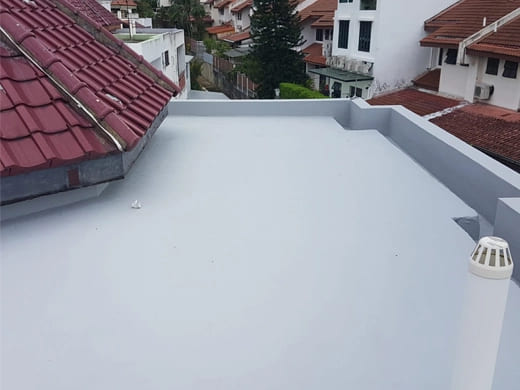
Concrete roofs are common for car porches in Southeast Asia because they are durable, load-bearing, and compatible with balcony use. They also resist heat gain better than metal roofs.
Despite these advantages, concrete is inherently porous. Over time, micro-cracks develop due to shrinkage, thermal movement, and structural loading. Without a protective waterproofing membrane, rainwater penetrates these pathways and saturates the slab.
Flat concrete roofs are especially prone to leakage because water ponds rather than drains away. Continuous ponding increases hydrostatic pressure, forcing moisture through pores and cracks.
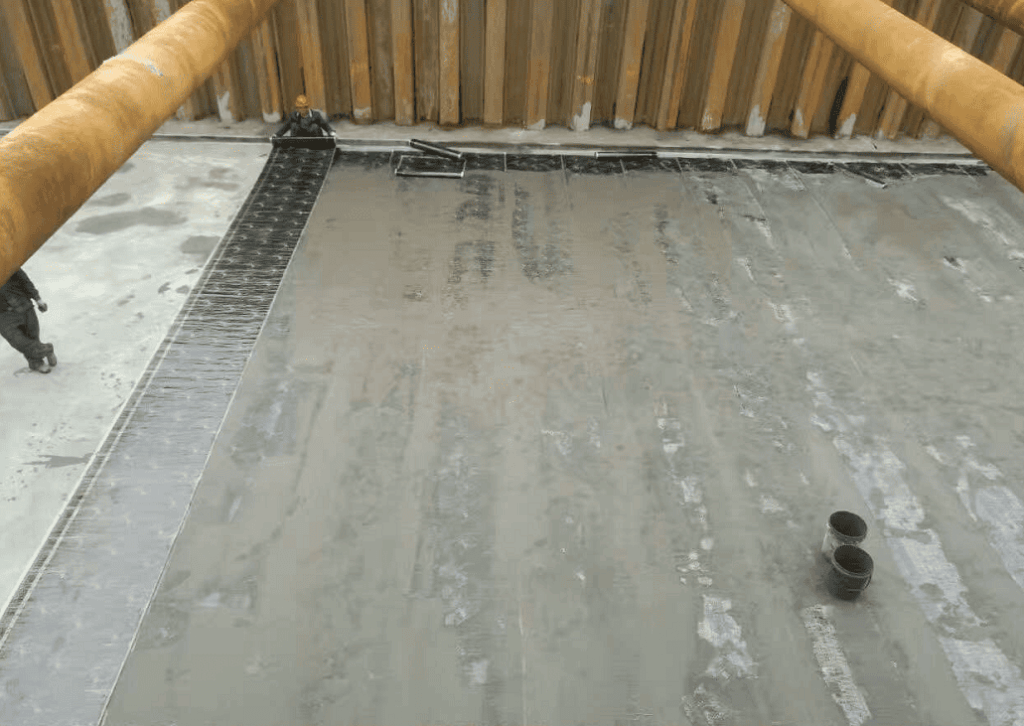
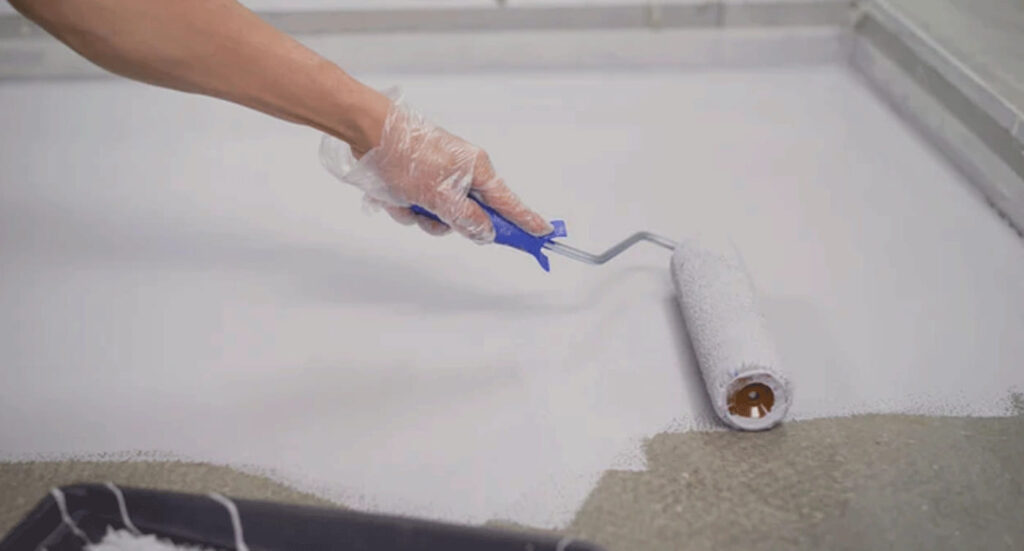
High-quality waterproofing systems — such as elastomeric coatings or membranes — are essential to prevent long-term seepage. These systems bridge cracks, resist UV degradation, and maintain flexibility despite temperature fluctuations.
4. Poor Drainage and Water Ponding
Even the best waterproofing fails if water remains trapped on the roof surface. Inadequate slope design, clogged gutters, or blocked drains cause rainwater to accumulate on car porch roofs.
Common drainage issues include: Leaves and debris blocking outlets, Insufficient roof gradient, Undersized gutters or downpipes, Improper outlet positioning, and Settlement causing low spots.
Ponding water increases infiltration risk and accelerates membrane aging. Many car porch leaks originate not from material defects but from drainage neglect.
Spotting the Warning Signs
Keep an eye out for these early indicators:
Discoloration: Yellowish or brown patches on the ceiling.
Bubbling Paint: A sign that moisture is trapped behind the paint film.
Visible Streaks: Water tracks along rafters, supports, or external walls.
Debris Build-up: If you see plants growing in your gutters or a thick layer of leaves on the roof, a leak is likely imminent.
Note: Troubleshooting often requires climbing to heights. To avoid the risk of falling, it is highly recommended to engage a professional waterproofing contractor to perform a thorough site assessment.
Conclusion
If you observe stains, peeling paint, or dampness on your car porch ceiling, investigate immediately. Leakage rarely resolves on its own and usually worsens with time.
Inspect balcony decks, drainage outlets, and roof joints above the porch. Keep gutters clear and monitor ponding after rain. If symptoms persist, contact us via WhatsApp or complete the form on our Contact Us page. Our team will get in touch with you to arrange a FREE inspection.
For more insights into waterproofing and leak prevention, subscribe, and share this guide to help more homeowners protect their buildings from hidden water damage.