Malaysia’s climate creates a unique stress test for commercial buildings. Heavy monsoon rain, persistent humidity, intense UV exposure, and temperature fluctuations accelerate material fatigue far faster than in temperate regions. At the same time, commercial structures are often complex: flat roofs, basements, car parks, service cores, wet areas, mechanical rooms, and façade systems all interact under constant operational load.
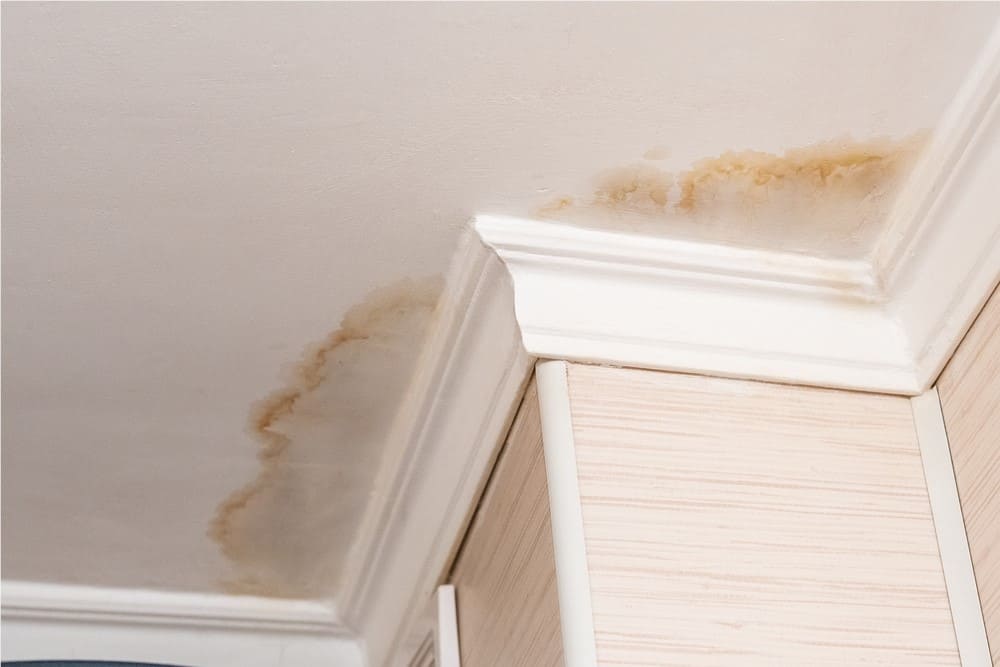
Unlike residential buildings, commercial properties face higher consequences when leakage occurs:
✔️ Operations may need to stop
✔️ Tenants may file claims
✔️ Equipment and inventory can be damaged
✔️ Safety and compliance risks increase
✔️Repair costs escalate exponentially over time
From data centers and factories to offices, malls, hotels, and logistics hubs, waterproofing failures are not just technical issues — they are business risks.
What is Commercial Waterproofing?
Commercial waterproofing is the engineering of a protective “envelope” designed to shield large structures from water penetration. Unlike residential projects, commercial buildings face greater mechanical stress, heavier foot traffic, and more complex drainage requirements. This process involves applying specialized barriers to vulnerable points—including roofs, facades, and foundations—to block everything from heavy rain to hydrostatic groundwater pressure.
Rather than just applying a surface coating, success requires selecting the right system for specific structural conditions. In practice, this integrates a mix of membranes, coatings, injection systems, and sealants, all coordinated based on the building’s unique usage and exposure levels to ensure the interior remains secure and climate-controlled.
High-Risk Areas in Commercial Properties
Water is opportunistic; it will find the path of least resistance. Identifying these high-risk zones is the first step in a proactive maintenance strategy:
1. The Roof (Flat and Metal)
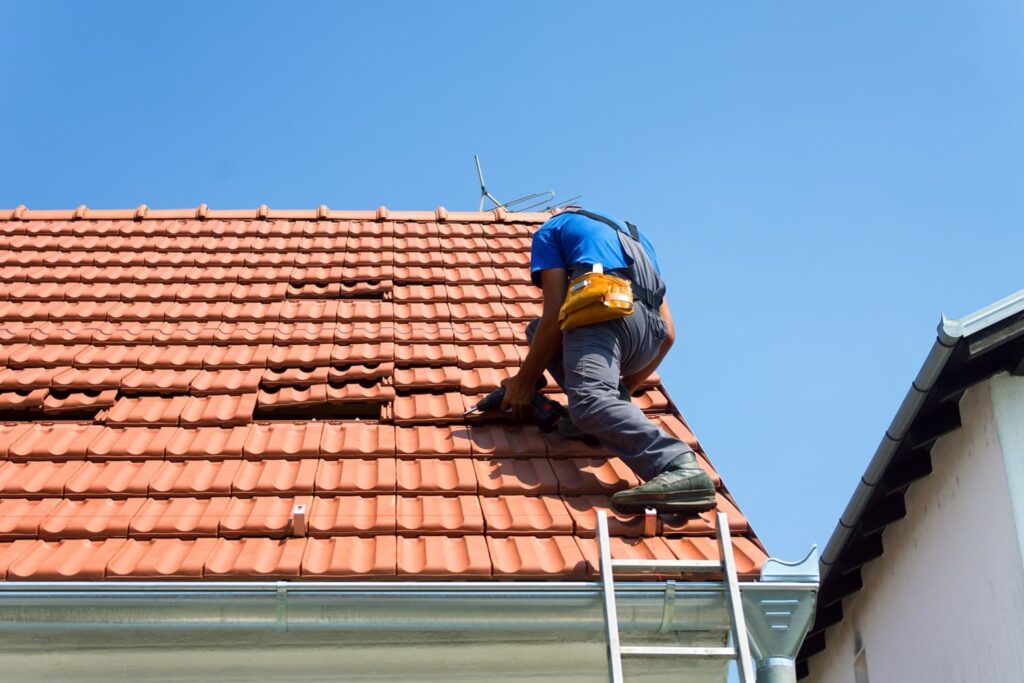
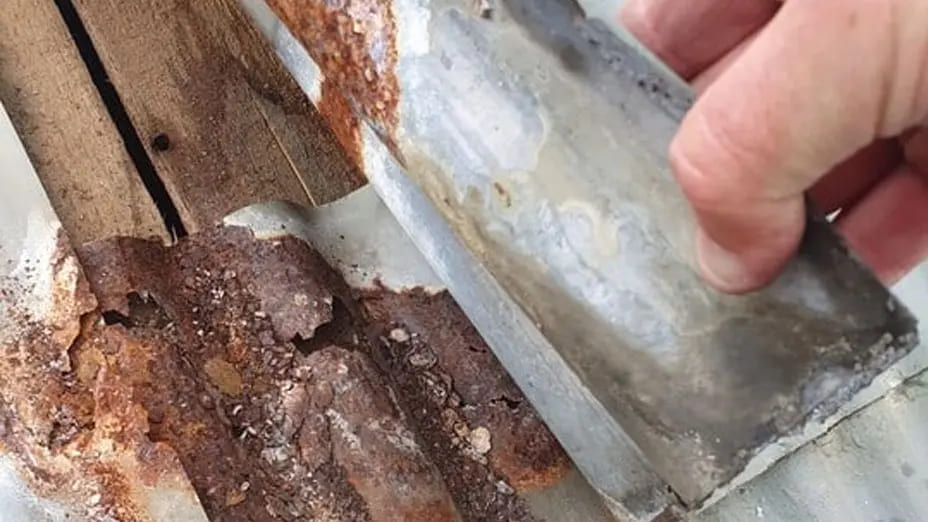
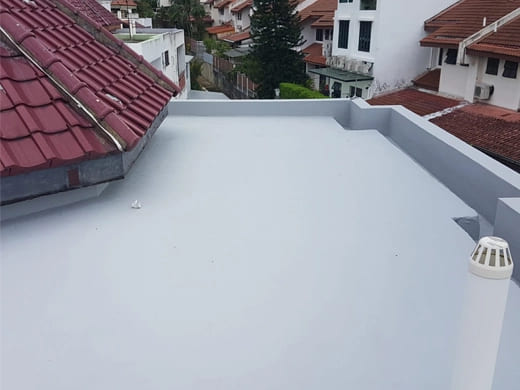
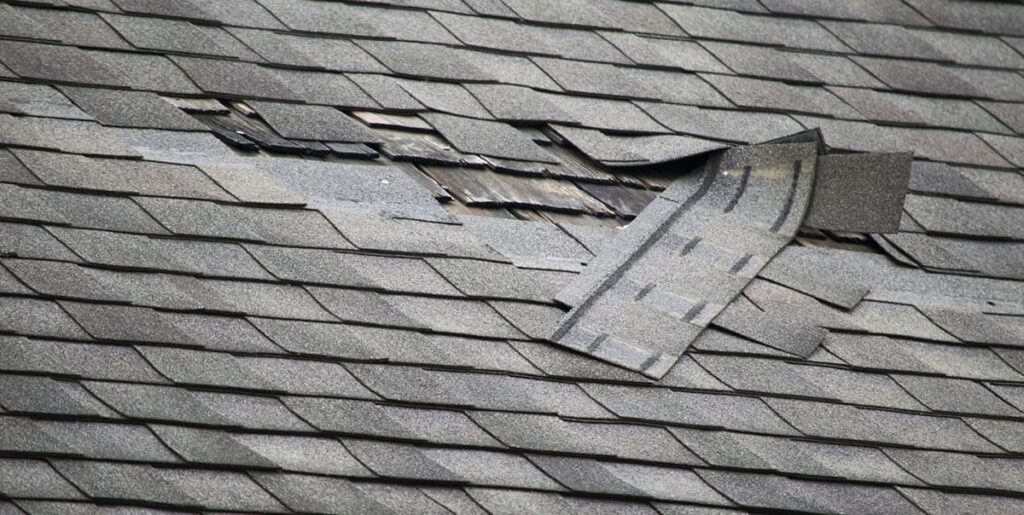
The roof is the first line of defense. Commercial buildings often utilize flat concrete roofs or metal sandwich panels. Common failure points include damaged membranes, cracks in concrete slabs, and clogged internal drains。
2. Basements and Underground Structures
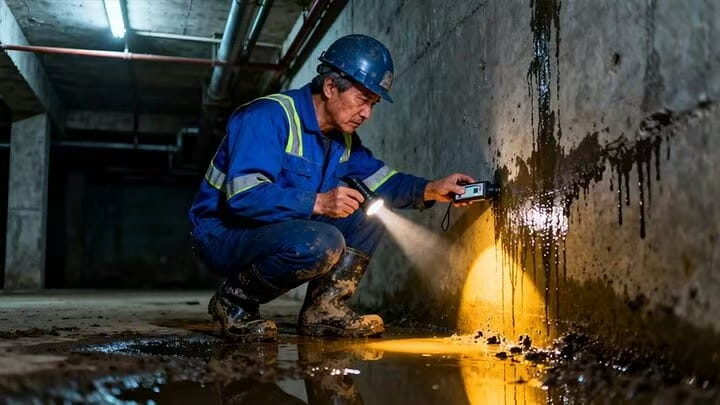
Below-grade structures are constantly fighting the hydrostatic pressure of the water table. If the external waterproofing fails, water is forced through hairline cracks in the basement walls or floor slabs, it will causes cracked basement wall leaking water.
3. External Walls and Facades
The facade is exposed to wind-driven rain. Over time, sealants around windows deteriorate, and hairline cracks in the plaster allow moisture to seep into the building’s “skin,” causing internal dampness.
4. High-Traffic Wet Areas
Commercial kitchens, pantries, and public restrooms undergo rigorous use. Failed floor waterproofing in these areas doesn’t just affect the room itself—it often leaks into the units or levels below.
5. Water Tanks and Swimming Pools
Waterproofing water tanks and swimming pools is a critical engineering challenge, as the system must withstand constant internal hydrostatic pressure while remaining non-toxic, durable, and suitable for long-term water containment. Cracks in concrete tanks or pools compromise hygiene, safety, and structural durability.

Types of Commercial Waterproofing Solutions
Professional contractors today use a variety of high-tech systems tailored to the specific needs of the building:
1. Liquid Applied Membranes (LAMs)
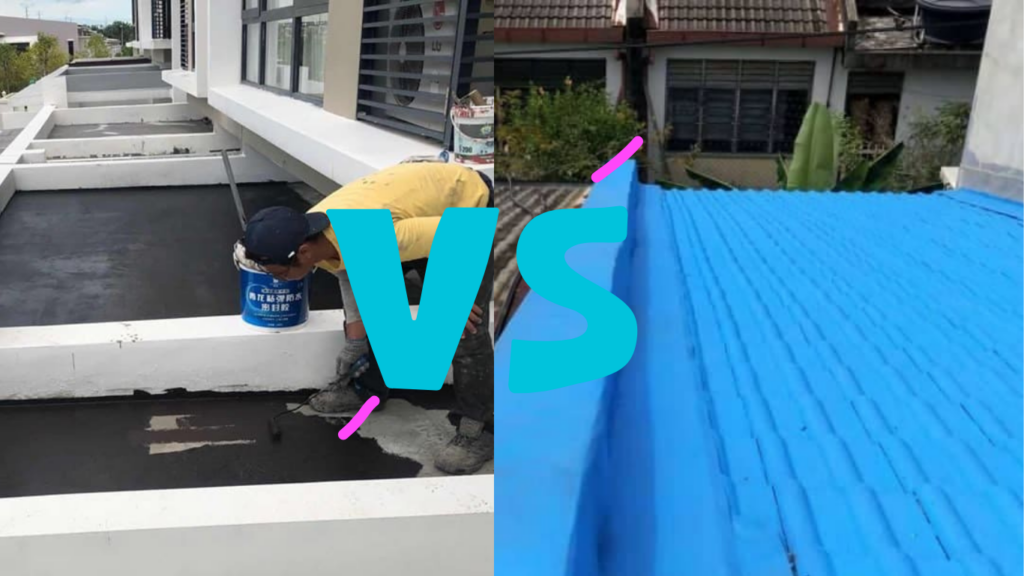
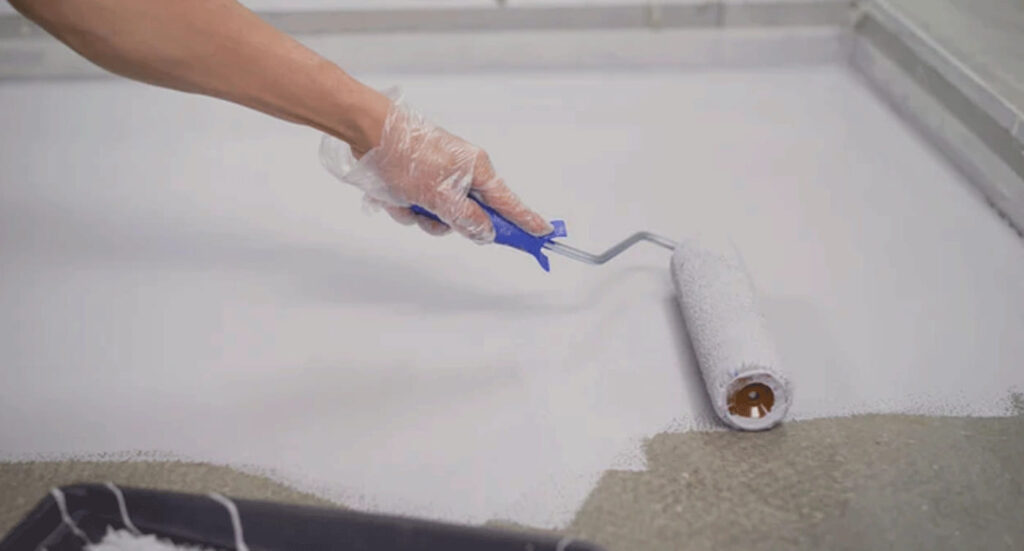
Seamless, flexible liquid coatings that cure into a waterproof layer. Commonly used for flat roofs, balconies, and wet areas. Polyurethane (PU) is widely used.
2. PU Injection
A targeted crack-repair method where expanding PU resin is injected into concrete to permanently stop leaks. Highly effective for concrete repairs.
3. Bituminous Membranes
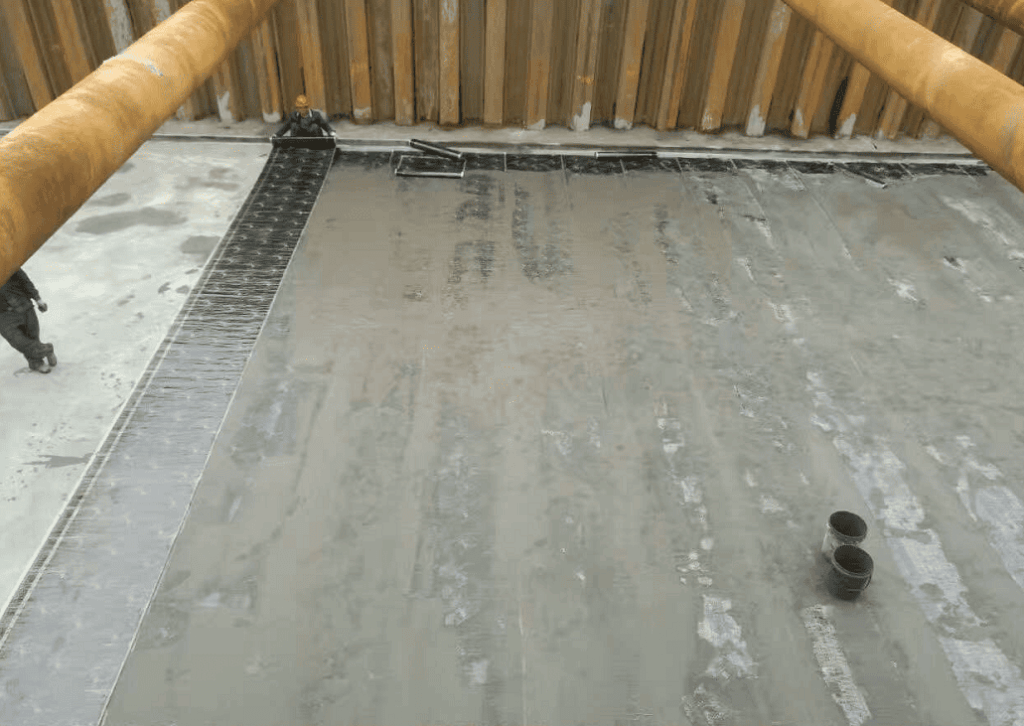
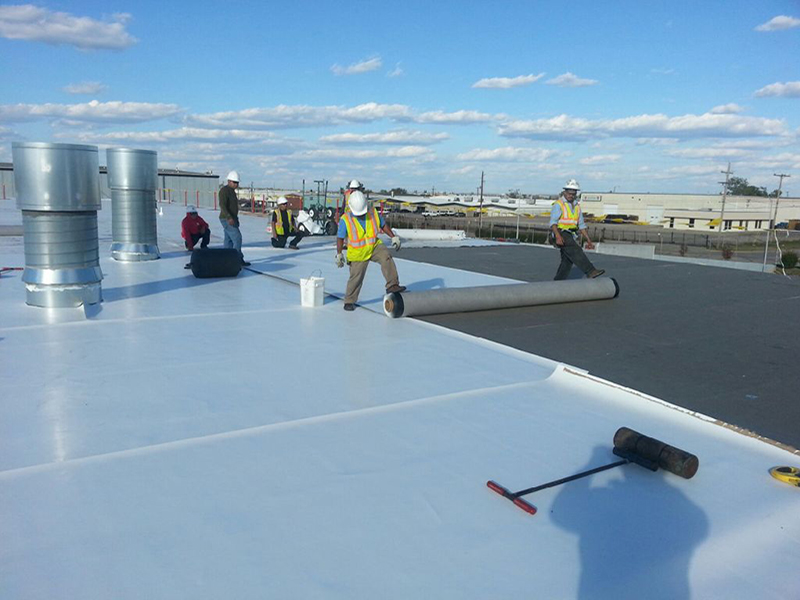
Durable roll membranes (torch-on or self-adhesive) ideal for large flat roofs in commercial and industrial buildings.
4. Sheet Membranes (PVC/TPO)
Heat-welded flexible sheets used for large commercial roofs, offering long-term waterproofing performance.
5. Drainage & Water Management
Inefficient drainage leads to ponding and leaks. Using stainless steel gratings, PVC pipes, and anti-clog systems, we minimize overflow risks.
Conclusion
Commercial waterproofing is a smart investment that protects your property from costly water damage, prevents structural issues, and safeguards inventory and equipment. It ensures a safe, productive environment for employees and customers—and preserves your business reputation.
Upholding the mission of “Make every building no water leakage,” QingLong is committed to providing premium, durable solutions. From industrial warehouses to commercial shopping hubs, we provide the technical know-how and high-quality materials to ensure your property stays dry.
For more information about QingLong waterproofing products or services, feel free to leave a comment or bookmark this article for future reference.