Image: NSTP/MOHD ADAM ARININ
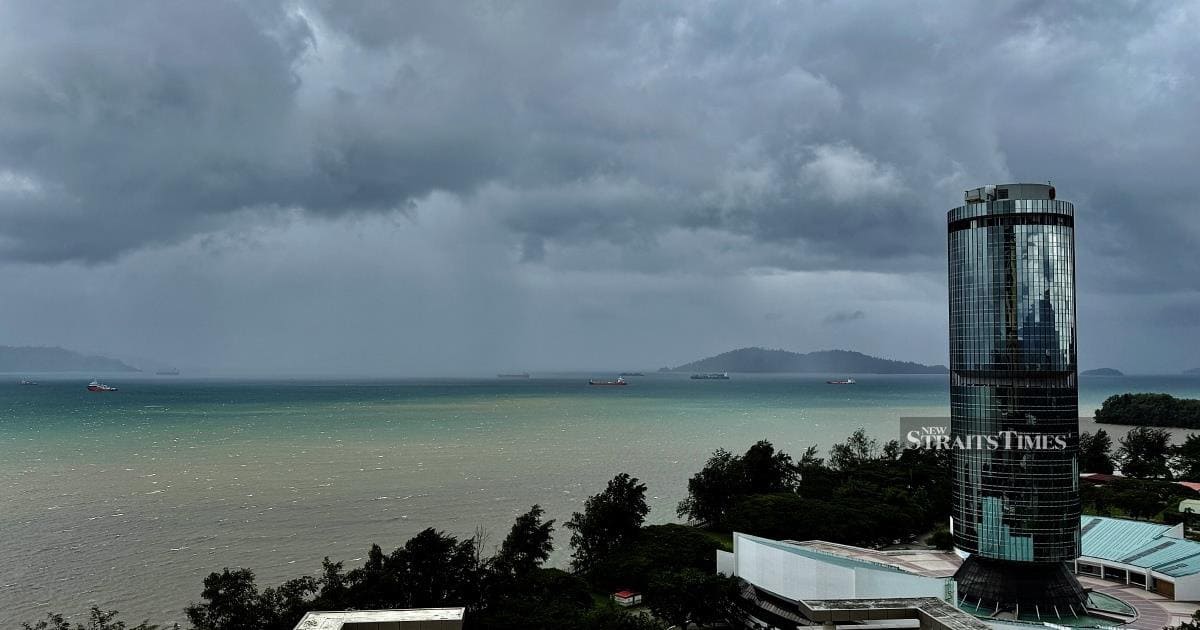
KUALA LUMPUR, Feb 24 — Sabahans should brace for thunderstorms, heavy rain, and strong winds today, with effects expected to continue until 4pm, according to the Malaysian Meteorological Department (MetMalaysia). The warning, issued at 11.40am, highlights several areas at risk, including the Interior (Nabawan), West Coast, Tawau (Lahad Datu), Sandakan (Kinabatangan, Beluran, and Sandakan), and Kudat.
While heavy rain may seem routine in tropical Malaysia, rainfall exceeding 20 millimetres per hour can pose serious risks, particularly for areas with older infrastructure, poorly maintained drainage, or homes with vulnerable roofs and walls. MetMalaysia explains that such warnings are issued when thunderstorms are imminent or expected to persist for more than an hour. Each thunderstorm alert typically covers a six-hour window, but its impact can extend well beyond that, affecting traffic, property, and daily activities.
Understanding the Risks of Heavy Rain
Even short periods of intense rainfall can lead to unexpected complications:
1. Flooding in low-lying areas: Heavy rain can overwhelm drainage systems, leading to water accumulation on roads, streets, and residential areas.
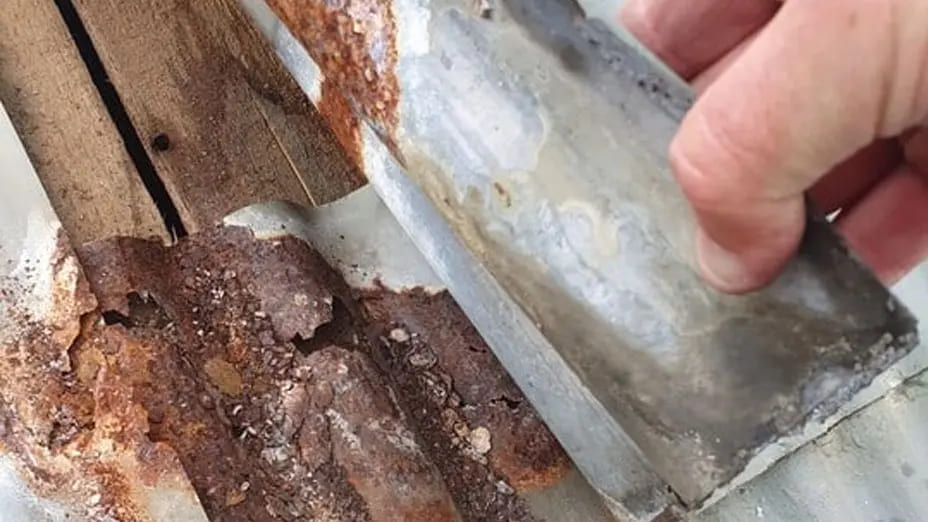
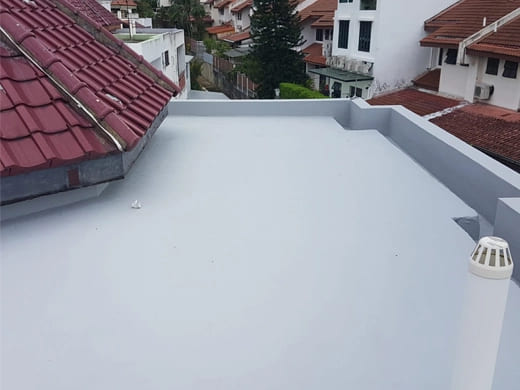
2. Leakage in roofs and ceilings: Roof tiles, metal sheets, and older waterproofing may fail under continuous downpours, leading to interior damage.
3. Blocked drains and gutters: Leaves, debris, or sediment can easily clog drains, intensifying flooding risks.
4. Property and infrastructure damage: From minor wall seepage to structural issues, the consequences of prolonged exposure to water are significant.
Recognizing these risks is the first step toward preventing avoidable damage. Residents who take proactive steps before heavy rain arrives often find themselves less stressed and better prepared when storms hit.
Practical Preparations for Sabahans
Whether living in urban centres like Sandakan or rural regions such as Nabawan, there are several practical measures to reduce storm-related damage:
🔸 Check your roof and tiles – Misaligned or broken tiles and rusted metal sheets are common points for water ingress. Even a minor repair today can prevent a major leak tomorrow.
🔸 Maintain gutters and drains – Clear debris to ensure smooth water flow. This is especially crucial in areas with large rainfall volumes in short periods.
🔸Seal vulnerable joints – Window frames, balcony edges, and external wall joints can allow water in if not properly maintained. Weather-resistant sealants can significantly reduce leaks.
🔸Protect wet areas indoors – Kitchens, bathrooms, and laundry zones are particularly vulnerable. Applying waterproofing layers under tiles and around drains can prevent long-term water damage and mold.
🔸Monitor low-lying areas – Basements or ground floors should be checked for water entry points. Sandbags or temporary barriers may be necessary in flood-prone zones.
These steps may seem small, but in tropical climates like Sabah, they can mean the difference between minor inconvenience and costly repairs.
Real-Life Impacts and Lessons
Past heavy rain events in Sabah have shown that preparedness saves time, money, and stress. Homes with maintained roofs and functional gutters often experience little to no damage, while neglected properties can face prolonged water ingress, property damage, and even health hazards from mold growth.
In urban centres like Sandakan, drainage maintenance and community awareness are vital. Rural areas, such as Nabawan, benefit from early alerts because road closures or flooded rivers can isolate communities within hours. These lessons highlight the importance of understanding local weather patterns and taking action immediately when warnings are issued.
Conclusion
▪️Heavy rain exceeding 20mm per hour is not just an inconvenience—it’s a serious event that requires preparation.
▪️Simple preventive measures—roof inspection, gutter clearing, and sealing vulnerable joints—can prevent significant damage.
▪️Awareness and proactive action are key to resilience in Sabah’s tropical climate.
By understanding the potential consequences and taking practical measures, Sabahans can weather heavy rain events with minimal disruption. Staying informed and acting early ensures that even intense thunderstorms remain manageable rather than destructive. If you found this information helpful, share it with family, friends, and neighbors to help them prepare for the heavy rain.