“The most expensive waterproofing job is always the one you postponed.”
In Malaysia, property is a serious investment. Whether it is a home, shop, or commercial building, owners focus heavily on asset value, durability, and long-term costs. Yet waterproofing is still often treated as a reluctant expense—something to address only after leaks appear.
From years of observing real buildings across tropical cities, one conclusion is clear: waterproofing is not a cost; it is an investment. In Malaysia’s climate, it protects structural integrity, indoor health, and property value in ways that delayed repairs never can.
What is Waterproofing?
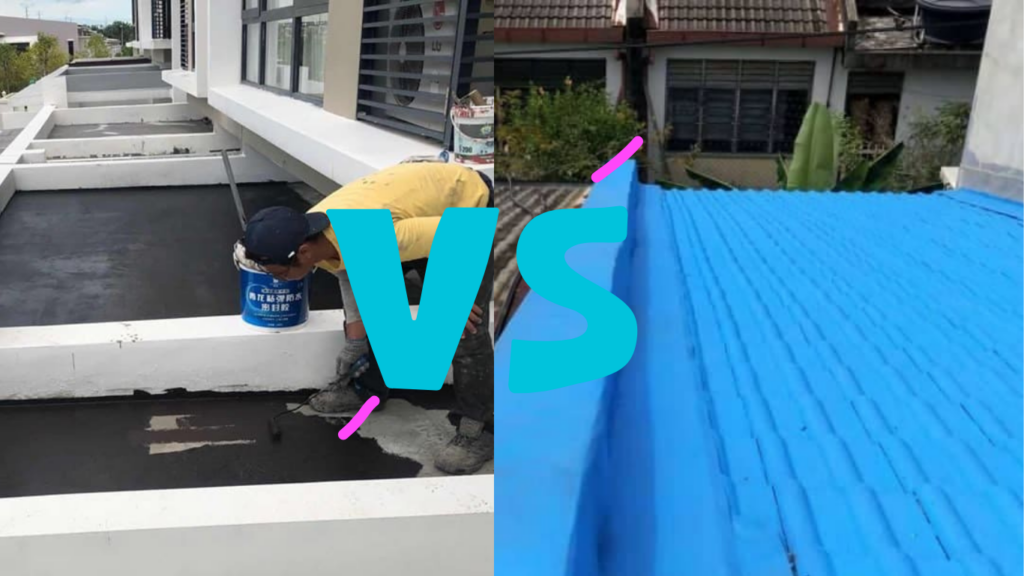
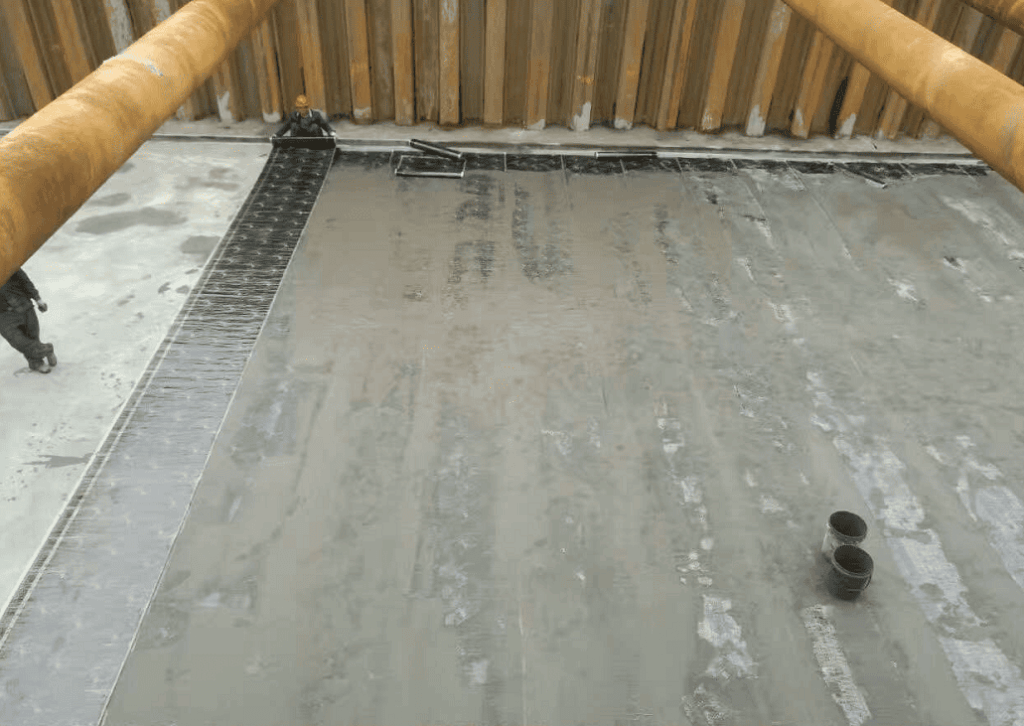
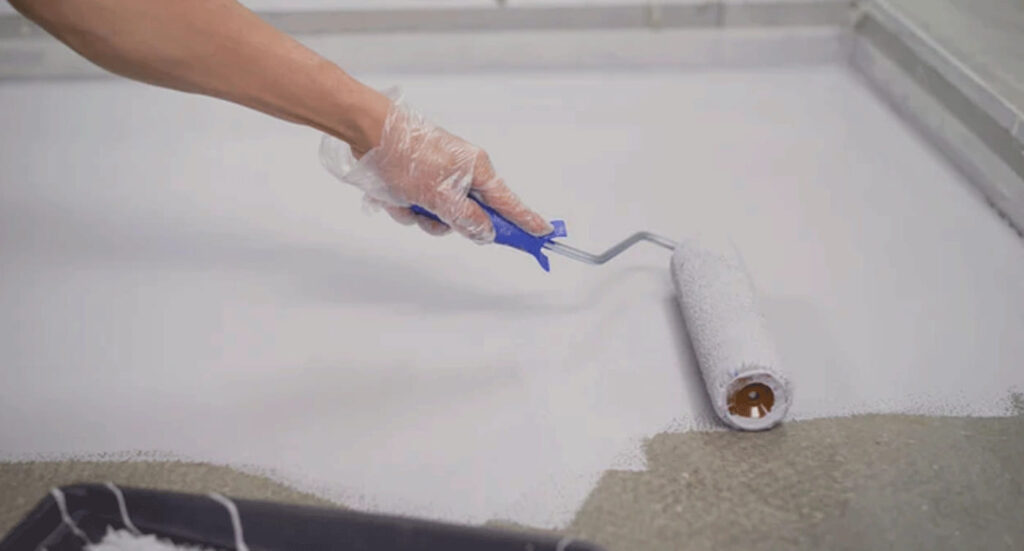
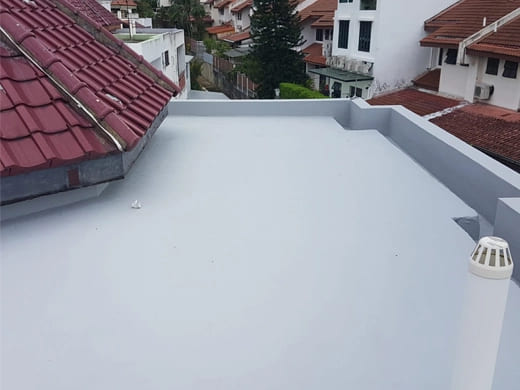
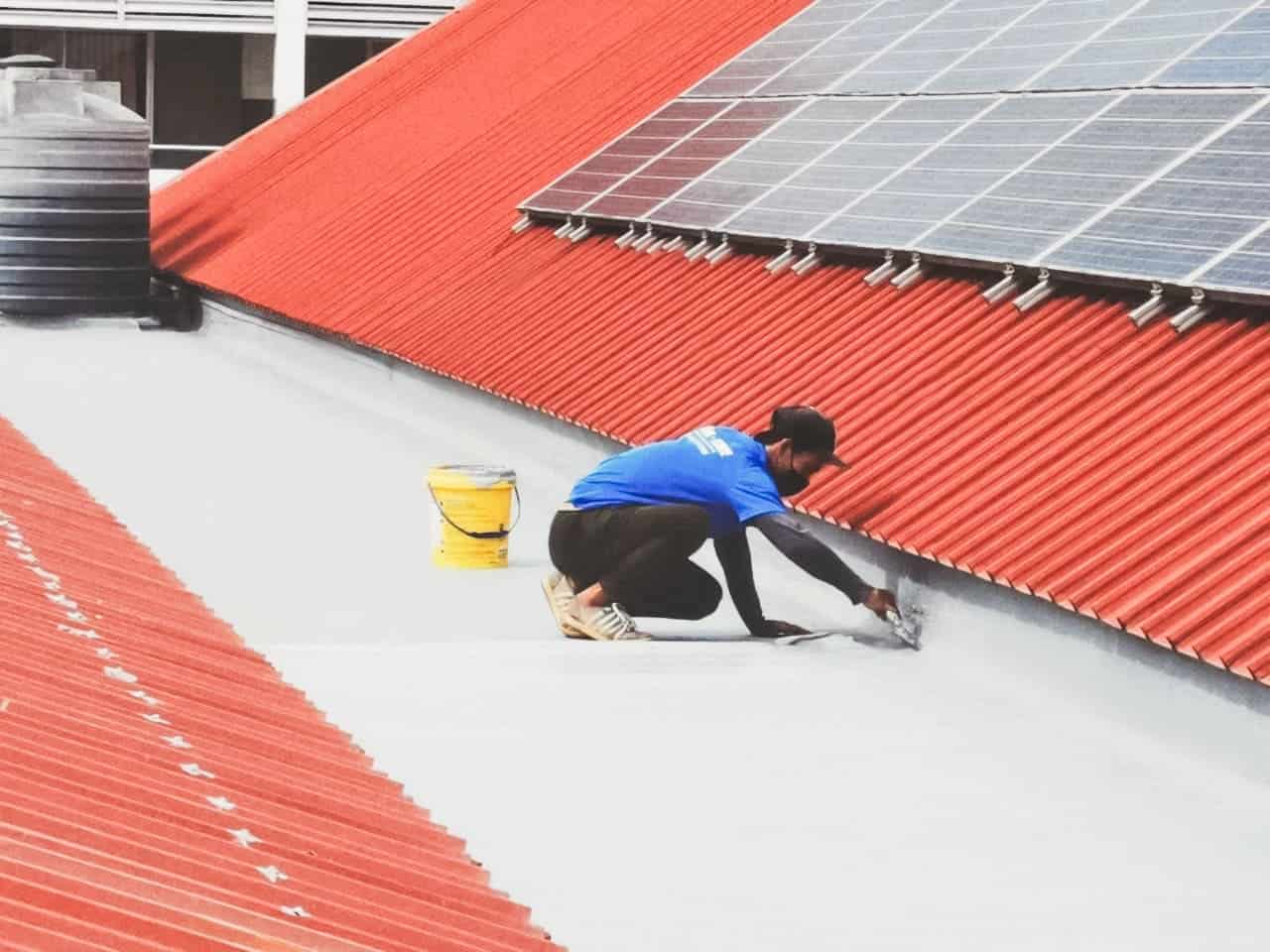
Waterproofing is the process of protecting a building from unwanted water ingress by applying dedicated materials and systems to roofs, walls, floors, balconies, basements, and internal wet areas.
Proper waterproofing is not simply a surface coating. It takes into account:
🔹 Structural movement
🔹 Thermal expansion and contraction
🔹 Heavy rainfall and high humidity
🔹 Long-term material durability
When these factors are ignored, even new buildings can develop leaks prematurely.
Why Malaysia’s Climate Makes Waterproofing Essential
Buildings in Malaysia are exposed to constant environmental stress:
Intense rainfall, that quickly exploits weak joints, cracks, and detailing
High humidity, allowing moisture to linger and migrate through building materials
Strong sun and heat, accelerating aging and breakdown of waterproofing layers
Daily thermal movement, creating micro-cracks over time
Because of these conditions, waterproofing is not optional or cosmetic. It is a fundamental part of building protection in a tropical climate.
Why Waterproofing is a Smart Investment: Long-Term Savings
When viewed over the lifespan of a building, waterproofing delivers clear and measurable returns.
1. Avoiding escalating repair costs
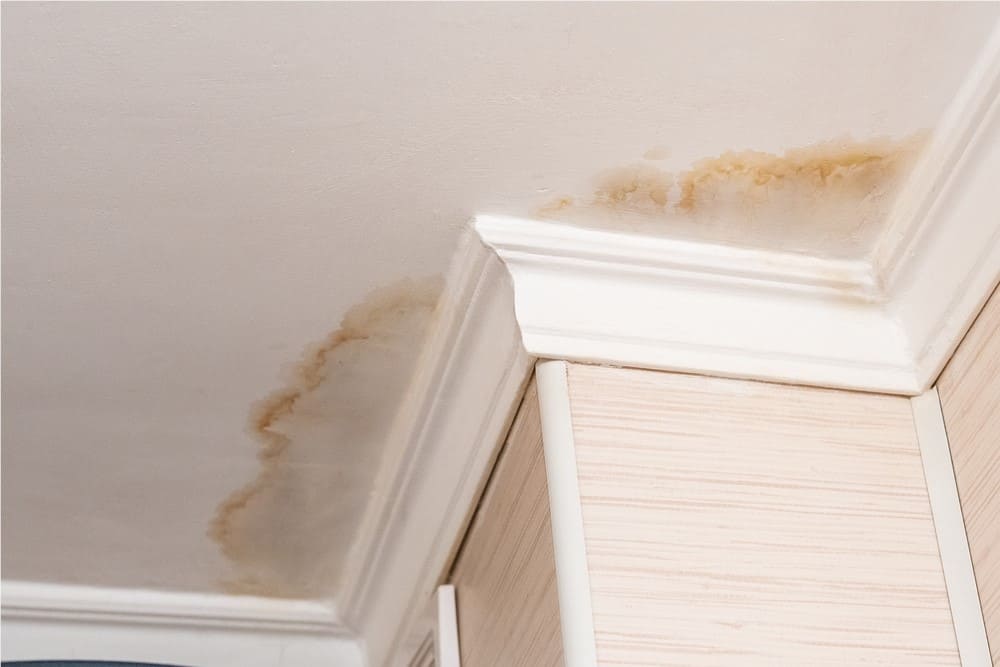
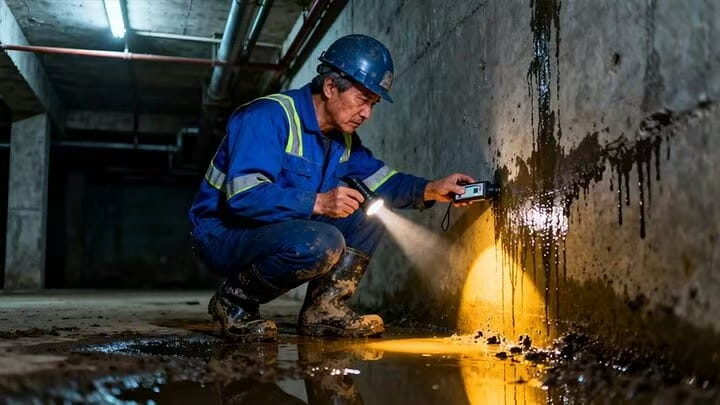
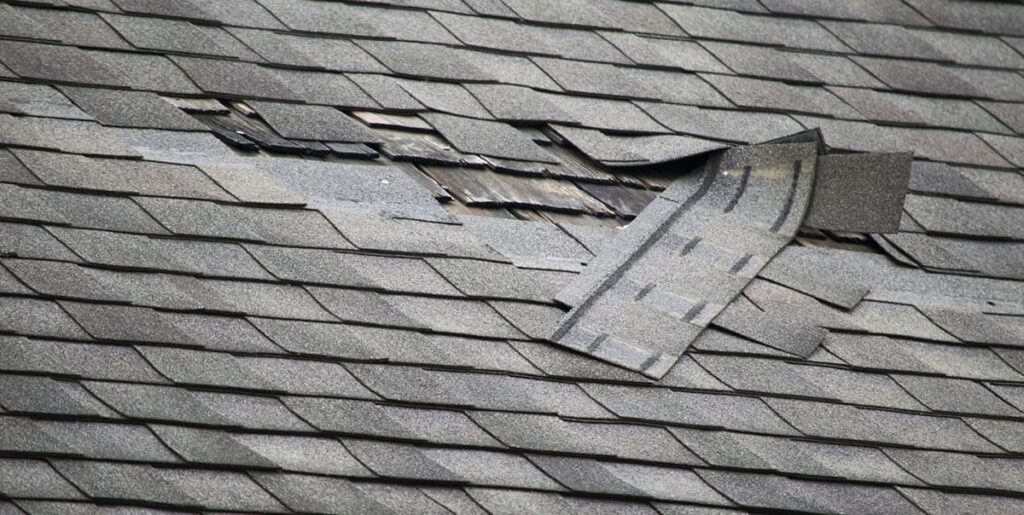
Small leaks rarely remain small. Water spreads, damaging ceilings, walls, finishes, electrical systems, and furnishings. Early waterproofing may cost hundreds; delayed action often costs thousands. In stratified buildings, leaks can also lead to disputes with neighbours or property management.
2. Protecting structural integrity
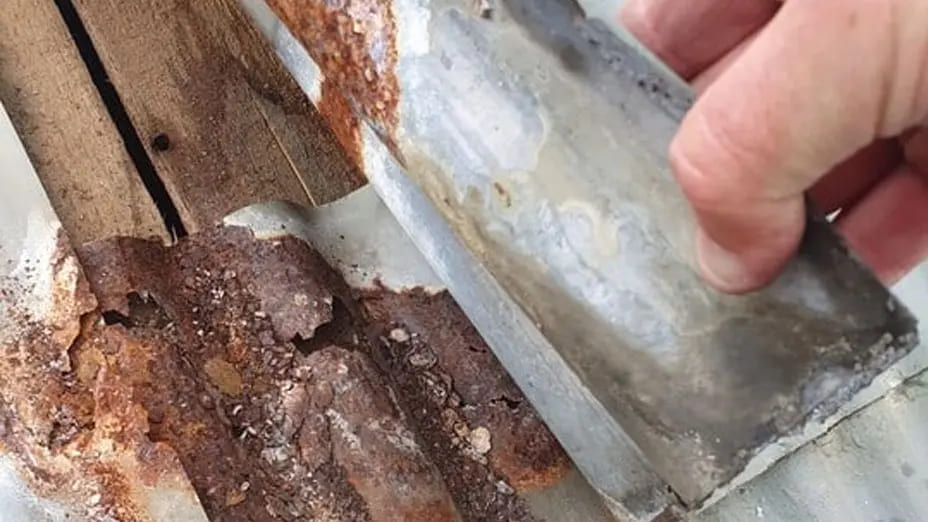
Water penetration causes steel reinforcement in concrete to corrode. As rust expands, it cracks surrounding concrete and weakens structural elements. Waterproofing keeps water away from these critical components, especially in roofs, balconies, basements, and carparks.
3. Reducing health risks
Moist environments encourage mold growth, often hidden behind walls or beneath flooring. Mold affects indoor air quality and can trigger allergies and respiratory issues. Effective waterproofing prevents moisture accumulation at the source, supporting healthier living conditions.
4. Preserving property value
Water stains, peeling paint, and damp odours immediately reduce buyer and tenant confidence. Properties with visible or suspected water issues often sell slower and at lower prices. A dry, well-maintained building signals responsible ownership and retains value far better.
5. Preventing secondary problems
Damp conditions attract pests such as termites, cockroaches, and mosquitoes. Termite damage in particular can be severe and costly. Waterproofing removes the moisture conditions that pests depend on.
6. Supporting energy efficiency
Wet insulation loses effectiveness. When roofs or walls absorb moisture, cooling systems work harder and electricity consumption increases. Keeping the building envelope dry helps maintain thermal efficiency and control energy costs.
When is Waterproofing a Particularly Good Investment?
Waterproofing is always a good idea. But it is especially smart in these situations:
1. New Construction – Prevent problems from the start, saving time and money.
2. Major Renovations – Redo waterproofing while areas are open for easier, cheaper, long-lasting protection.
3. Older Properties – Replace worn-out layers to avoid costly leaks and damage.
4. Before Buying a Property – Inspect for hidden issues to avoid expensive surprises.
5. After a Leak – Proper waterproofing prevents recurring problems and ensures lasting results.
Conclusion
Water never disappears on its own. It waits, travels, and exploits every weakness in a building. The most successful property owners share one habit: they invest before failure, not after damage. In a tropical climate, waterproofing is about understanding how buildings age, rather than constantly patching leaks.
Once this mindset shifts, waterproofing becomes part of smart property ownership, not an unwanted expense. In Malaysia, it’s one of the most cost-effective ways to protect a property’s structure, indoor health, and long-term value.
Contact QingLong Waterproofing Specialists today for a FREE inspection and consultation. Protect your property, keep it dry, safe, and valuable for years to come.