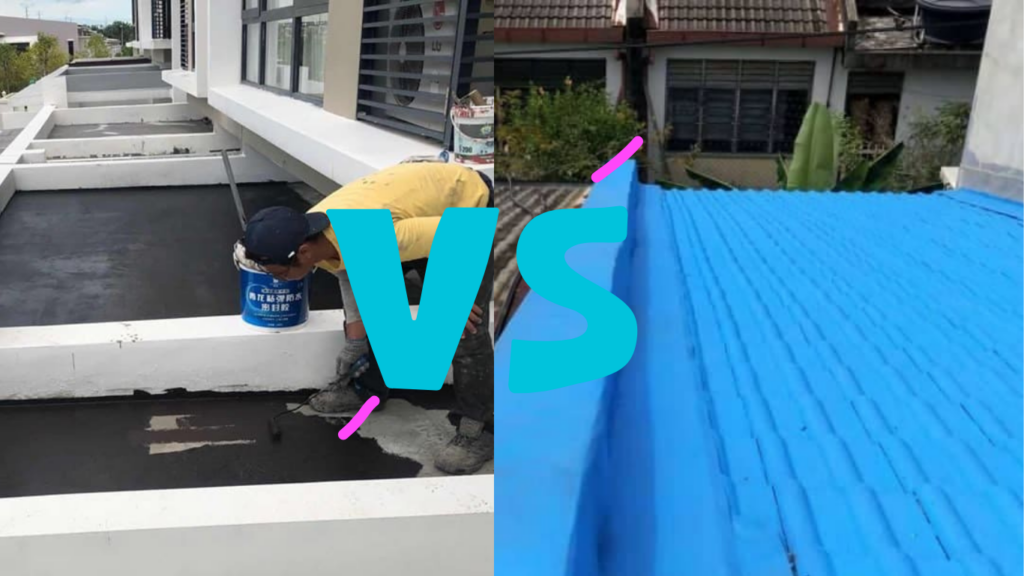
Image: Star Media Group Berhad
Over the past three years, Malaysia’s property transaction value has risen consistently — from RM196.8 billion in 2023 to RM232.3 billion in 2024, and now moving toward RM250 billion. This steady climb reflects confidence, not frenzy. Buyers today are more cautious, more informed, and more sensitive to long-term risks.
One risk stands out across residential, commercial, and industrial properties: water leakage.
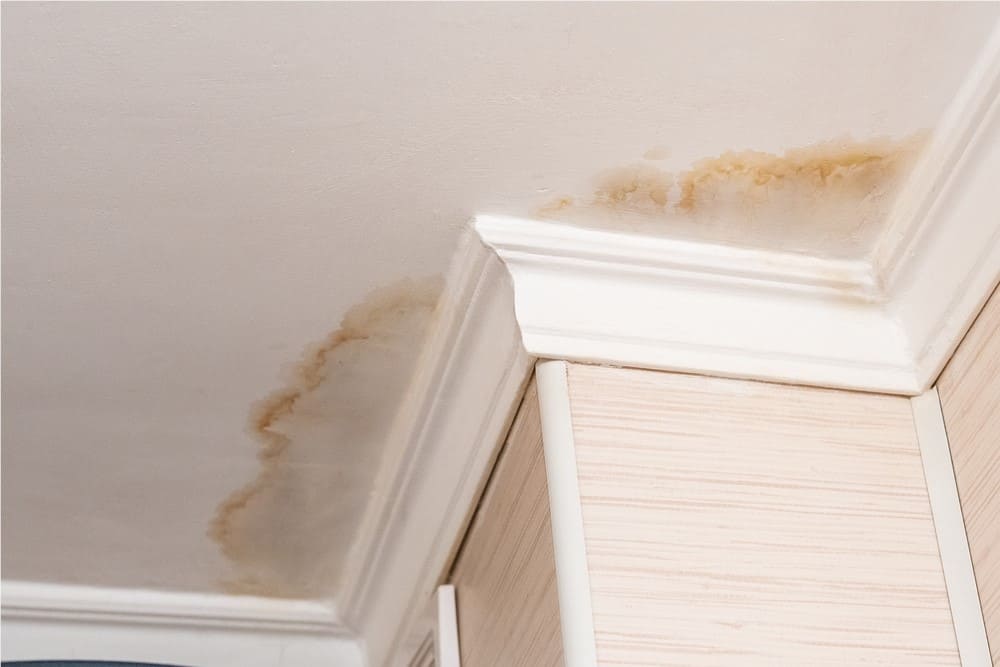
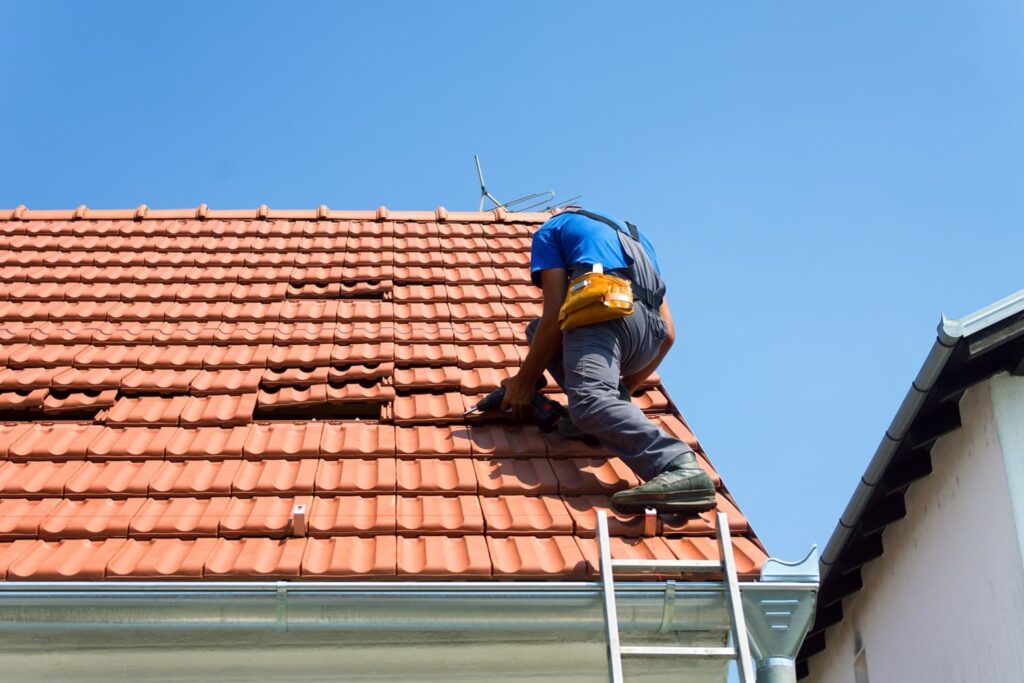
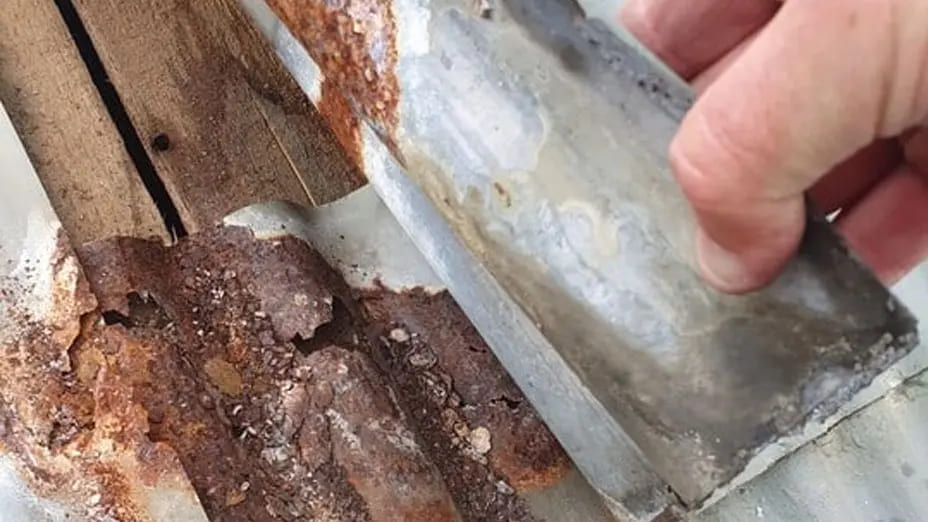
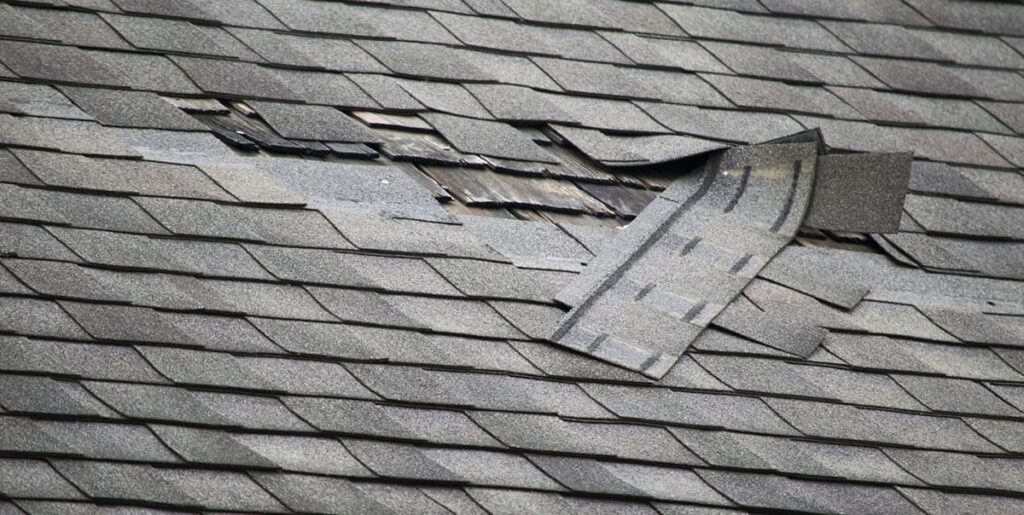
In Malaysia, heavy rainfall, high humidity, and intense UV exposure place constant stress on buildings. Roofs expand and contract, external walls crack, sealants age, and drainage systems clog. Over time, water finds a way in. When it does, the damage is rarely superficial. Leakage leads to mold, corrosion, concrete deterioration, and eventually loss of asset value.
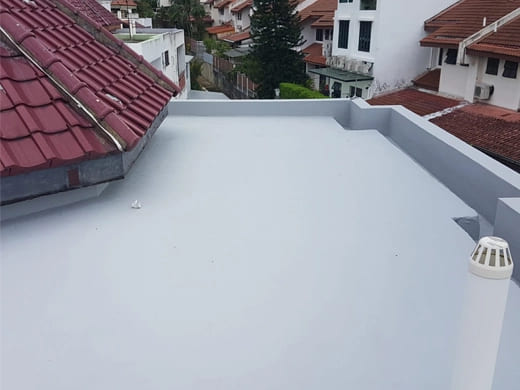
This is why Malaysia waterproofing is no longer a “finishing item”. It has become a core component of property value protection.
Malaysia’s property market is showing a rare and healthy signal: steady growth without overheating. With total property transaction value expected to exceed RM250 billion this year and homeownership already at 76.5%, the market is no longer driven by speculation, but by real demand and long-term value.
For those of us working inside the construction and building maintenance industry, this shift sends a clear message. In a maturing property market, the true differentiator is not how fast buildings are sold, but how well they perform over time. And in Malaysia’s tropical climate, performance is inseparable from waterproofing.
As policymakers emphasize “healthy appreciation” rather than speculative price spikes, construction quality and maintenance standards move into the spotlight. A property that leaks struggles to retain value. Buyers walk away, tenants complain, and owners face recurring repair costs.
From a waterproofing repair perspective, many of today’s problems originate from earlier construction cycles, where speed and cost often took priority over system design. Waterproofing was applied as a product, not as a coordinated system. Movement joints were ignored, substrates were poorly prepared, and materials were mismatched to exposure conditions.
In a rising market, these weaknesses were hidden. In a stable market, they are exposed.
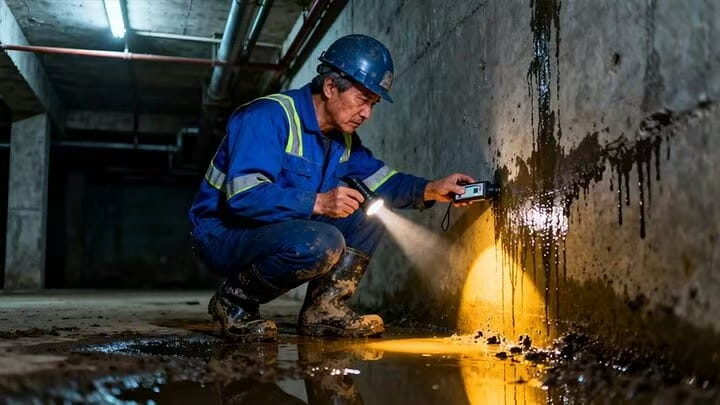
What we see now is a growing demand for diagnostic-based waterproofing repair rather than trial-and-error fixes. Owners want to know why a leak happens, not just how to temporarily stop it. This has elevated the importance of professional waterproofing knowledge, trained workmanship, and proven systems.
The impact is especially visible among homeowners. With government initiatives like the Housing Credit Guarantee Scheme enabling more first-time buyers, the market is increasingly occupied by people who live in their homes, not investors who flip them.
First-time homeowners are highly sensitive to leakage. A bathroom leak, balcony seepage, or roof failure is not just a defect — it affects daily life, health, and financial stability. These buyers demand solutions that last, not repeated patchwork repairs.
On the commercial and industrial side, the same logic applies at a larger scale. Factories, data centres, warehouses, and infrastructure projects have zero tolerance for water ingress. Leakage in these environments can shut down operations, damage equipment, and create safety risks.
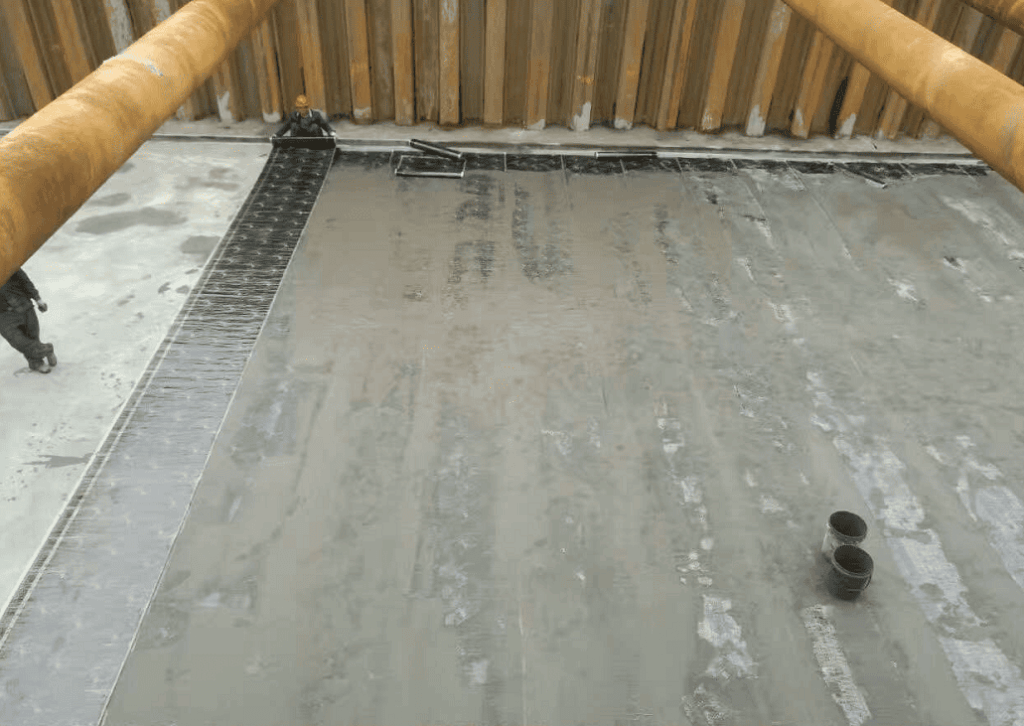
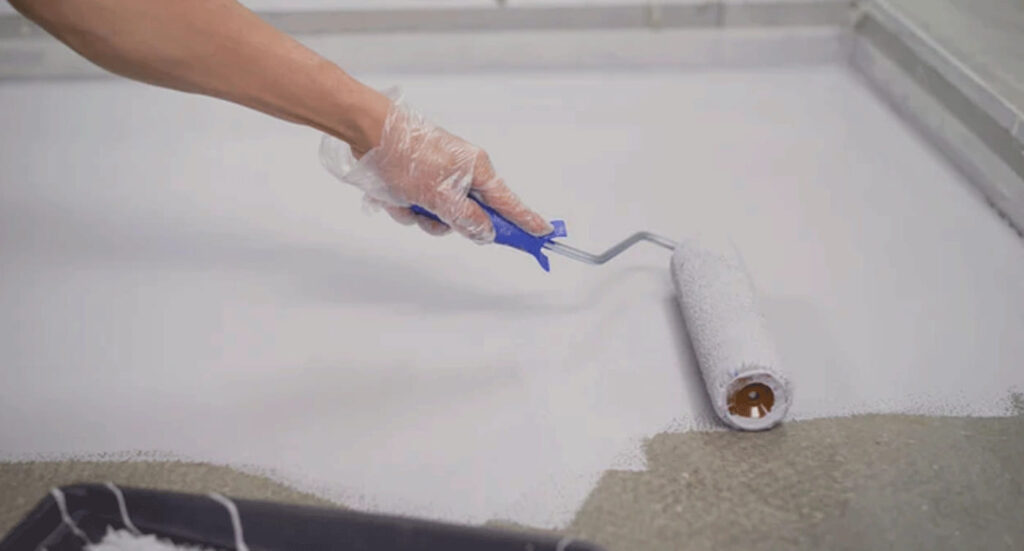
As Malaysia attracts more foreign direct investment and moves toward high-income status, industrial waterproofing standards are rising rapidly. Multi-layer membrane systems, PU injection grouting, joint waterstops, and chemical-resistant coatings are no longer optional — they are expected.
From the contractor’s perspective, the market shift is equally significant. As new construction slows relative to maintenance demand, many contractors are transitioning from large-scale projects to fragmented repair work. Waterproofing repair requires higher diagnostic skills, clearer communication with clients, and stronger technical foundations.
This is where system-based approaches, including waterproofing franchise and dealer models, gain relevance. They provide contractors with standardized products, training, and credibility, while giving property owners confidence in the repair process.
In a stable property market, professionalism replaces improvisation.
Conclusion
As Malaysia’s property sector continues its steady climb, waterproofing repair and waterproofing material supply are moving from the margins to the mainstream. This shift isn’t driven by marketing—it’s driven by climate reality and economic sense.
The golden rule is simple:
“You don’t see waterproofing when it works — but you always pay when it fails.”
For more information about QingLong waterproofing products or services, feel free to leave a comment or bookmark this article for future reference.