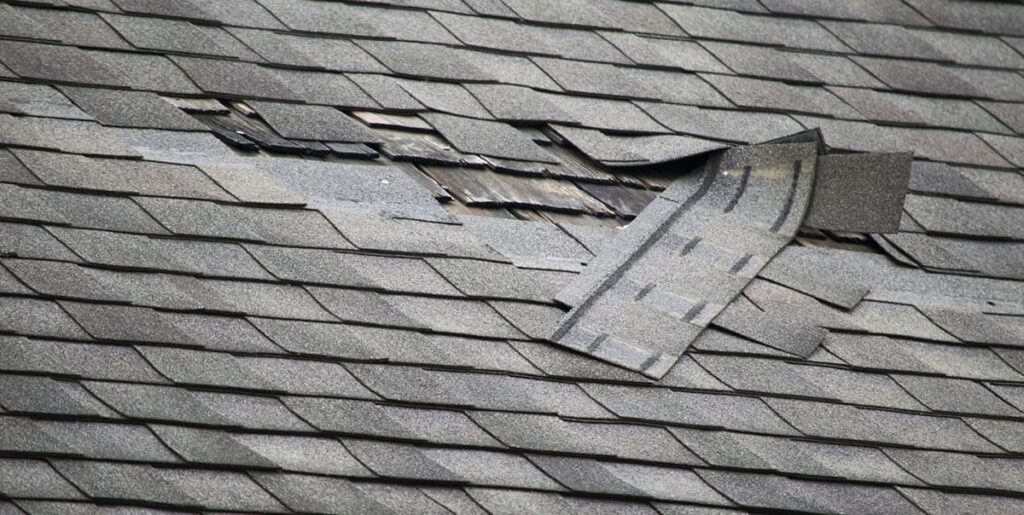
“In Malaysia’s climate, waterproofing doesn’t fail overnight — it fails when the system isn’t built for heat, rain, and time.”
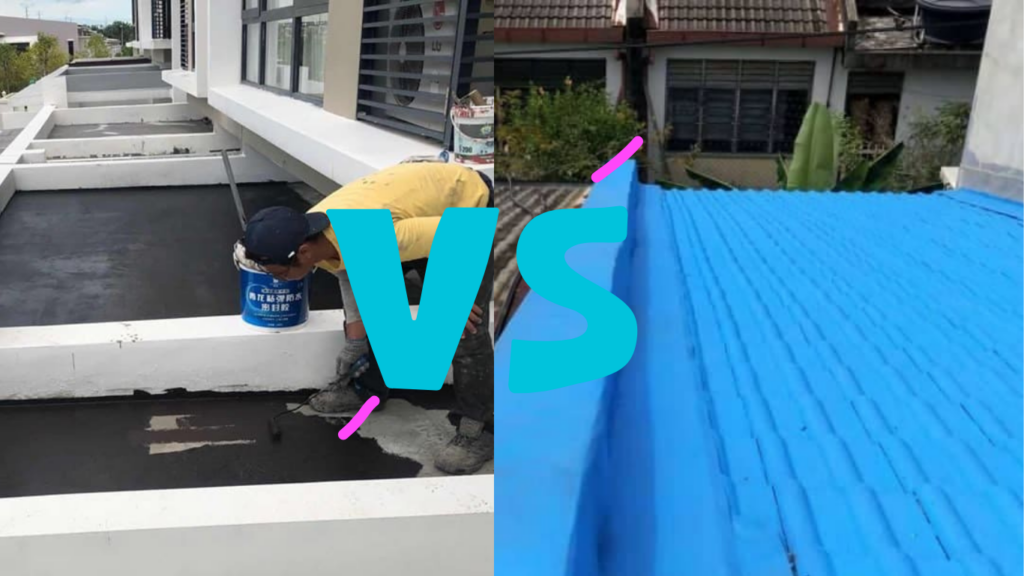
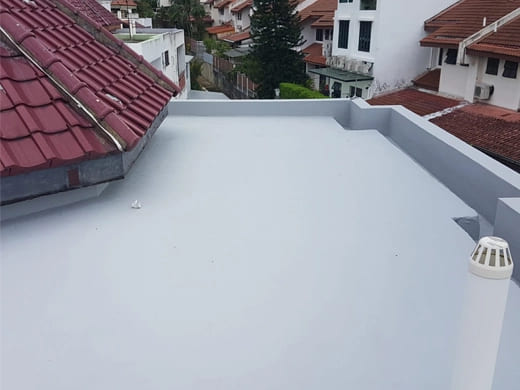
Torch-on membrane waterproofing has become one of the most reliable waterproofing systems in Malaysia, especially for flat roofs, concrete slabs, and buildings exposed to heavy rain and intense sunlight. As traditional waterproofing paints and thin coatings degrade quickly under tropical conditions, more property owners and construction professionals are turning to torch-on membranes for long-term protection.
What Is Torch-On Membrane Waterproofing?
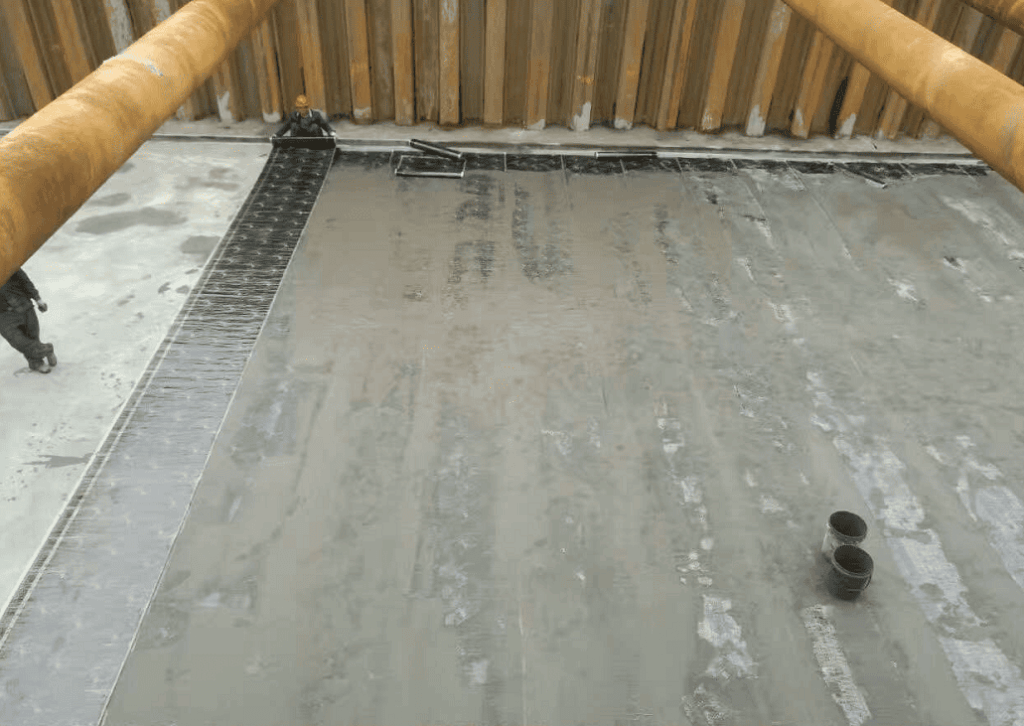
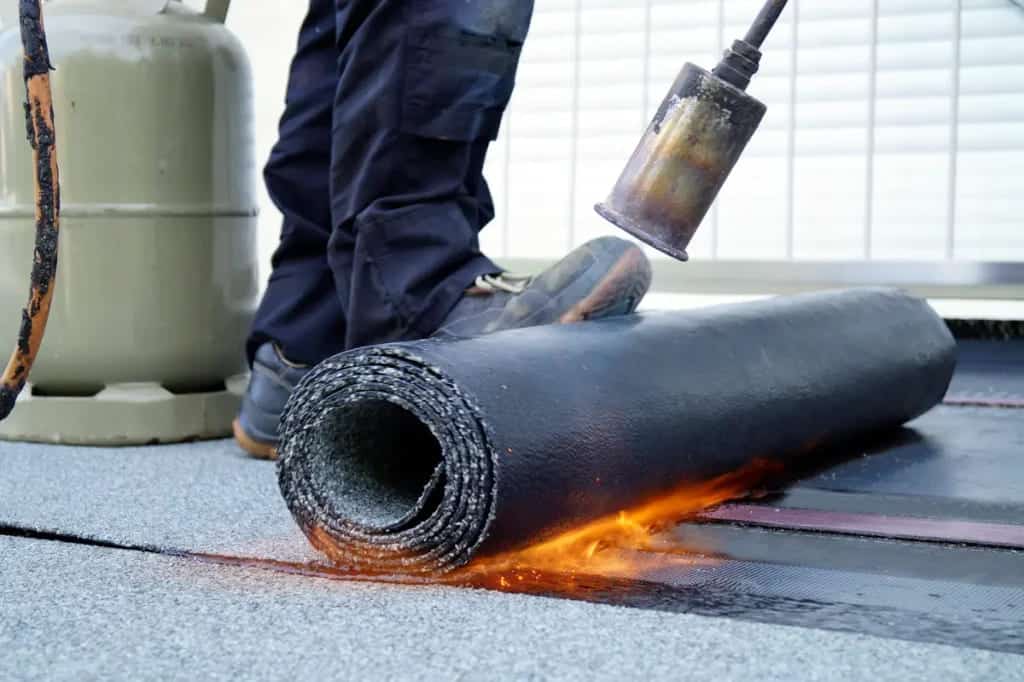
Torch-on membrane waterproofing is a bitumen-based waterproofing system applied using controlled heat. A modified bitumen membrane is bonded to a concrete surface by heating its underside with a gas torch, allowing the material to melt and adhere tightly to the substrate.
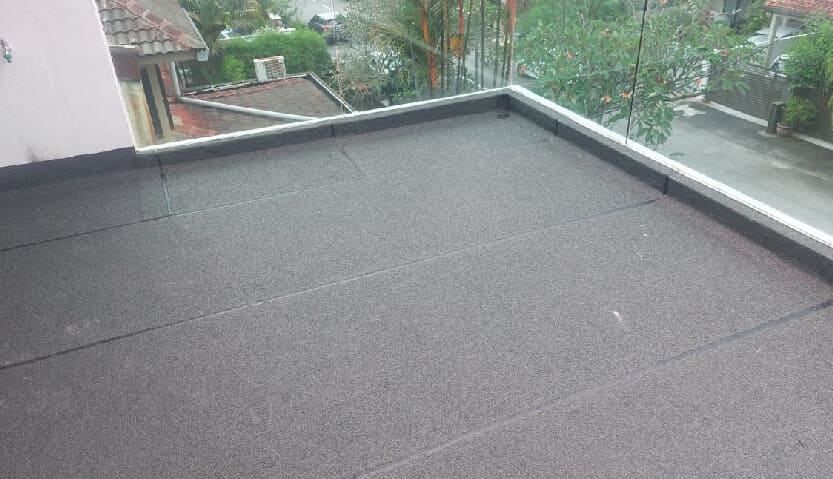
Once installed, the membrane forms a seamless, continuous waterproof barrier that prevents water penetration even under standing water conditions. This makes it highly suitable for flat roofs, balconies, basements, and industrial buildings across Malaysia.
Compared to liquid-applied coatings, torch-on membranes offer higher durability, better resistance to UV exposure, and a significantly longer service life.
Why It Works Well in Malaysia
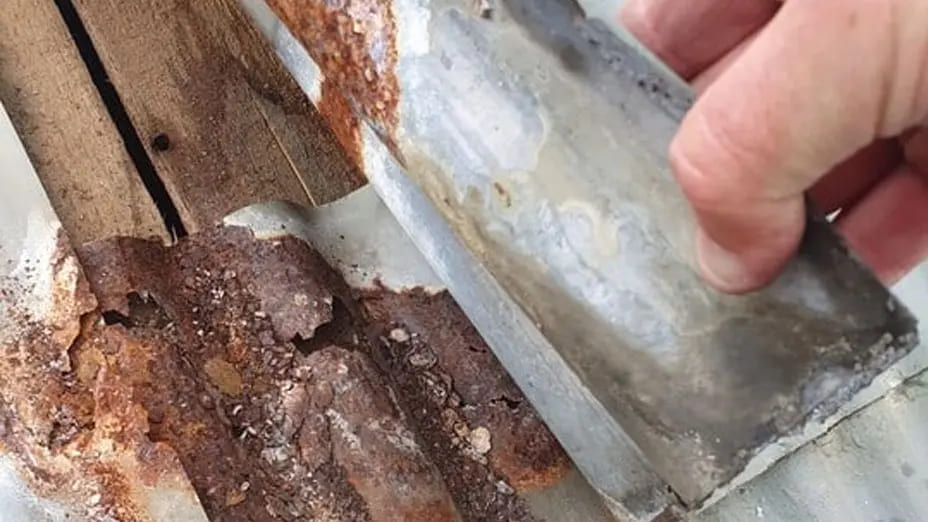
Malaysia’s tropical climate creates constant stress on building structures. High rainfall, strong UV radiation, temperature fluctuations, and humidity accelerate the failure of conventional waterproofing systems.
Torch-on membrane waterproofing performs well in these conditions because it:
1. Resists prolonged sun exposure
2. Withstands heavy rain and water ponding
3. Adapts to building movement without failure
4. Provides long-term protection of 20 years
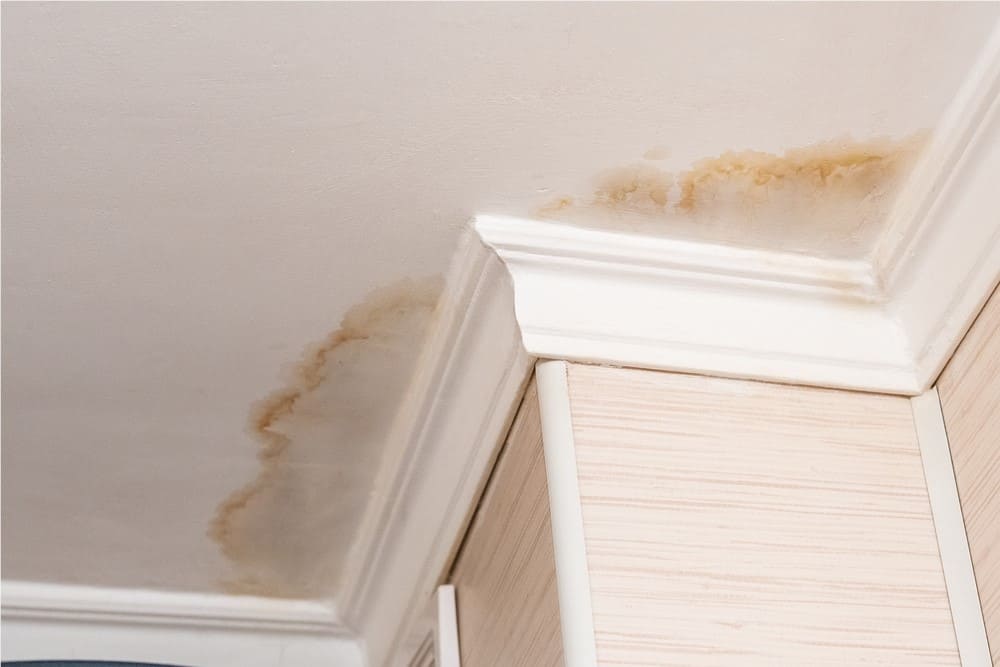
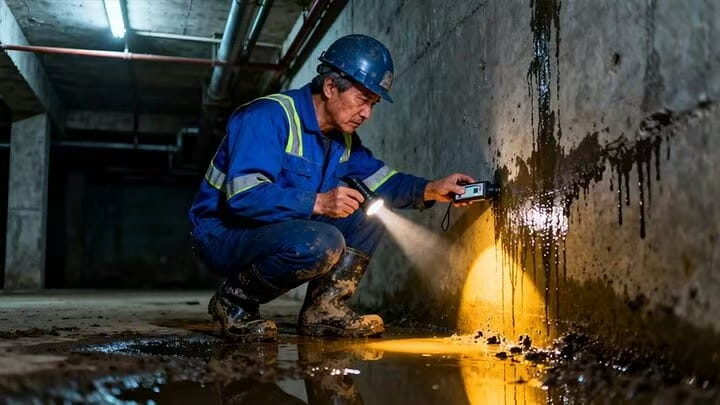
For buildings where repeated leaks have occurred, torch-on membranes are often chosen as a corrective and preventive solution, not just a surface repair.
How Torch-On Membrane Waterproofing Is Installed
Proper installation is essential for system performance. The process typically includes:
Step 1: Surface Preparation
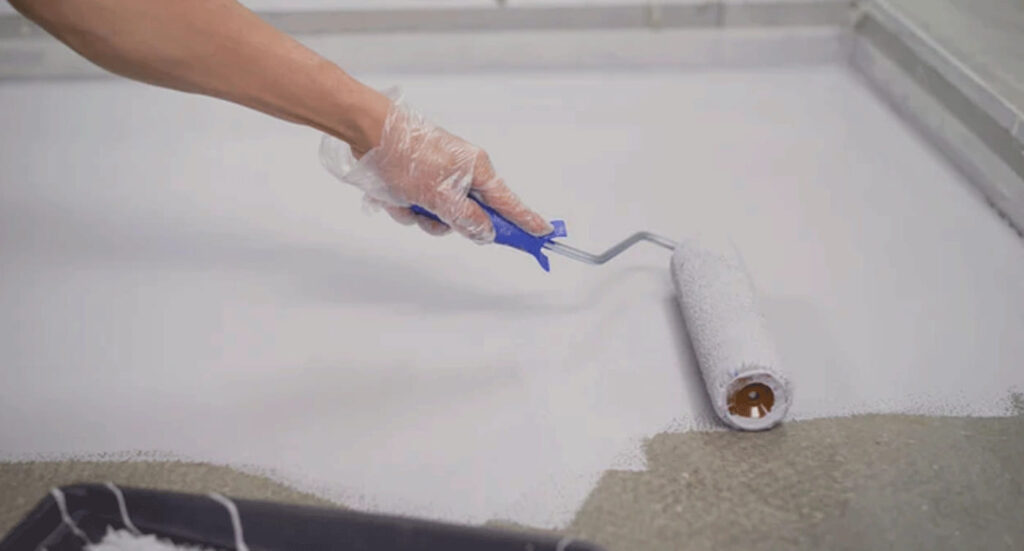
The surface is cleaned of dust, oil, and debris. Cracks and uneven areas are repaired, followed by the application of a bitumen primer to improve membrane adhesion.
Step 2: Membrane Positioning
Torch-on membrane sheets are measured, cut, and laid with a minimum 100 mm overlap to ensure a continuous, watertight layer.
Step 3: Heating and Bonding
A gas torch heats the membrane underside, allowing the bitumen to bond firmly to the primed surface.
Step 4: Sealing and Finishing
The membrane is pressed with rollers to remove air pockets, with extra sealing at joints, edges, and corners.
Step 5: Final Inspection
The area is checked for defects, and water testing may be carried out to confirm complete waterproofing.
Conclusion
Torch-on membrane waterproofing is one of the most effective and durable waterproofing solutions for Malaysian buildings exposed to heat and heavy rain. At QingLong Waterproofing, we apply proven techniques and industry-approved methods to install torch-on membranes with precision. Every project begins with proper surface preparation, followed by careful application of the waterproofing layers and detailed inspection to ensure complete coverage.
Our experienced team is trained in modern waterproof systems, allowing us to recommend and apply solutions tailored to each structure’s condition and usage requirements. This systematic approach ensures effective water protection, minimizes future leakage risks, and extends the service life of the buildings we waterproof.