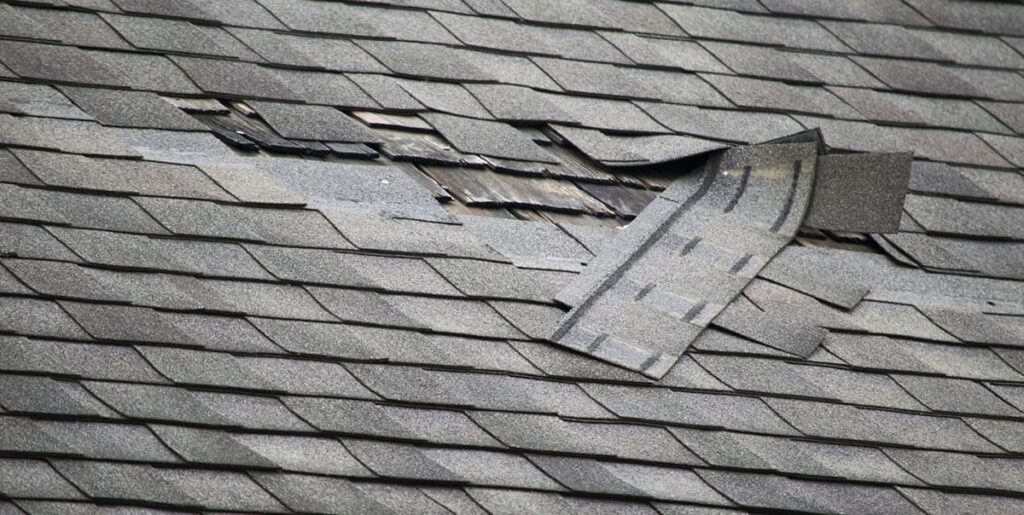
In the context of property maintenance in Malaysia, “out of sight, out of mind” is a dangerous philosophy—especially when it comes to waterproofing. We often only think about these invisible barriers when a dark spot appears on the ceiling or a musty smell lingers in the basement. But like any other component of a building, waterproofing has a shelf life.
Understanding the true lifespan of waterproofing helps homeowners and facility managers move from reactive repairs to proactive protection. Whether it’s shielding a high-rise balcony from tropical monsoons or stopping seepage in a factory basement, the “lifespan” is a moving target influenced by product material, environment, and craftsmanship.

Indoor Waterproofing: Sealants and Polyurethane Systems
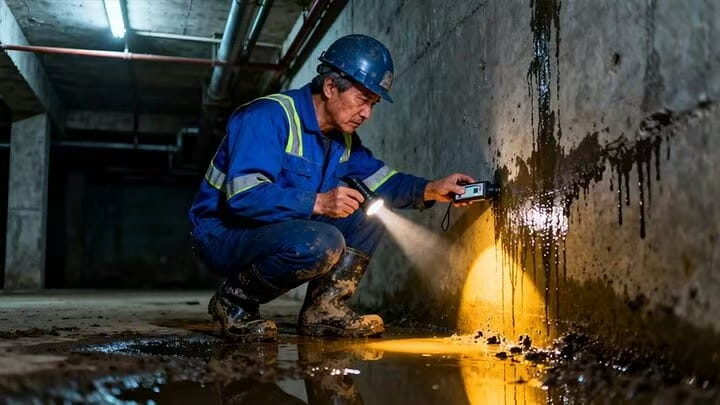
Indoor waterproofing—commonly used in basements, toilets, and interior walls—often relies on sealants or polyurethane-based solutions. These systems typically last between 5 to 10 years, though the range can be shorter or longer depending on conditions.
Sealants vs. Structural Solutions
Surface sealants, such as waterproof paints or coatings, create an immediate moisture-resistant barrier. While they are affordable and accessible, they are often a temporary measure. Over time, hydrostatic pressure from the surrounding soil, temperature fluctuations, and the natural settling of the foundation cause these coatings to degrade. On average, a standalone sealant may require reapplication every 2 to 5 years.
Polyurethane (PU) Injection Grouting
For a more durable interior solution, PU Injection Grouting is the professional standard. Instead of sitting on the surface, polyurethane foam is injected directly into cracks. As it expands, it fills the entire void, forming a flexible, watertight seal that moves with the foundation. When applied correctly, a PU injection can remain effective for 10 years or more, managing minor seepage without addressing the exterior water source.
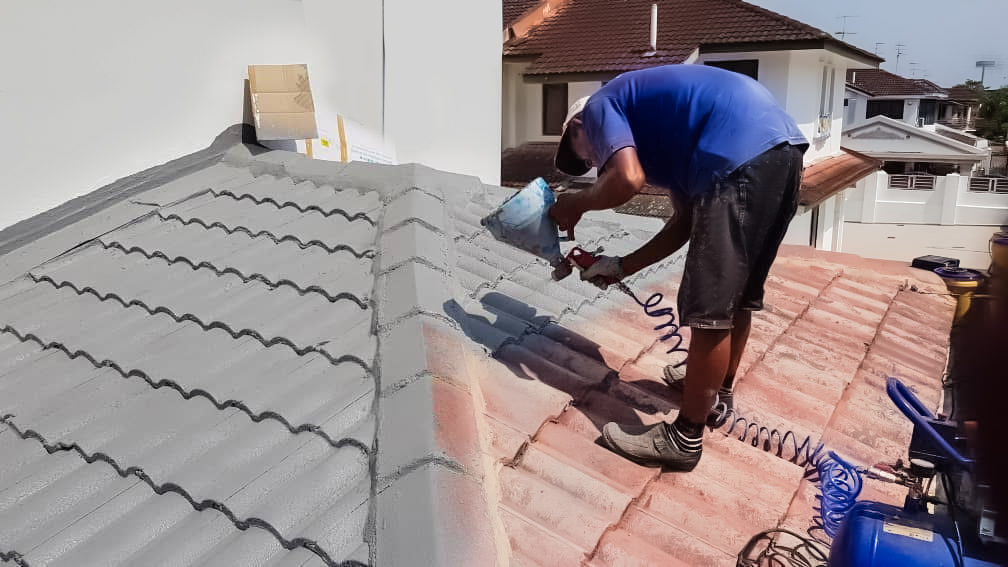
Outdoor Waterproofing: Roofs and Exposed Structures
Outdoor waterproofing generally has a broader lifespan range—typically 5 to 20 years, and sometimes longer—because the materials and systems vary significantly.
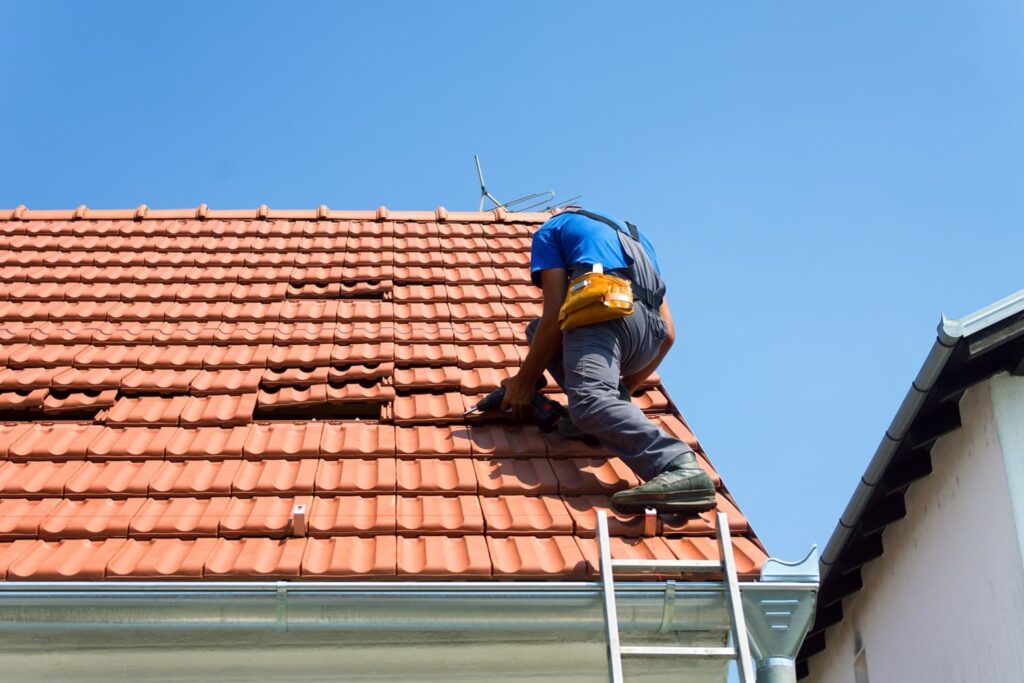
Roof Systems:
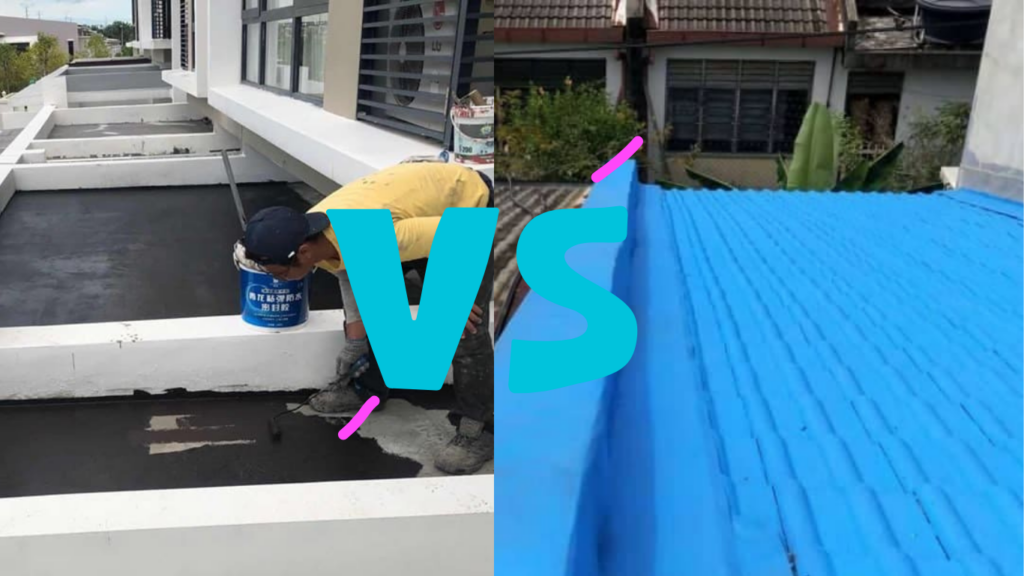
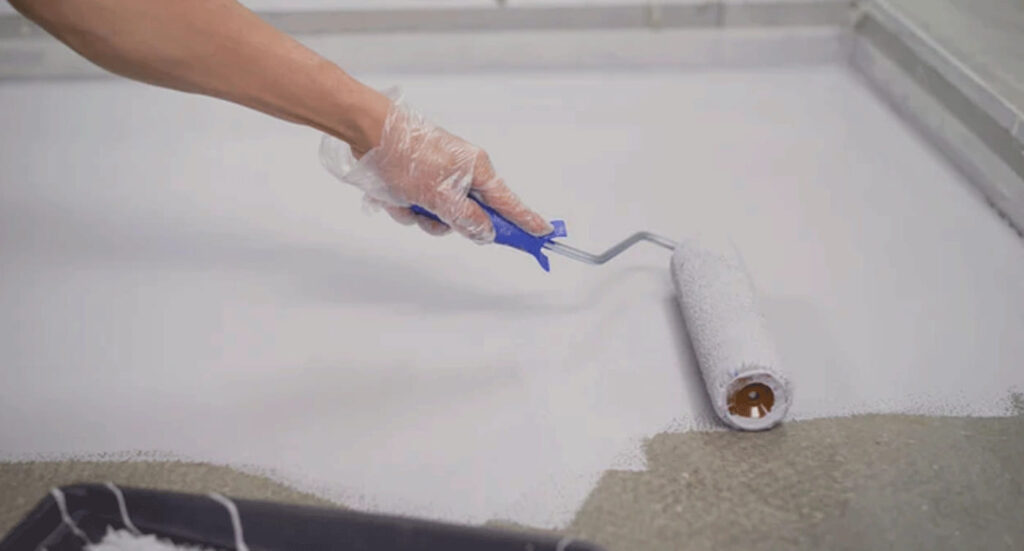
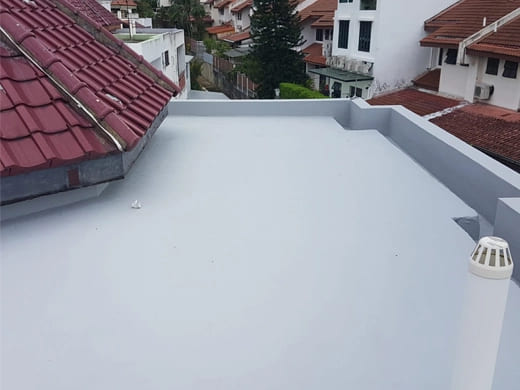
Liquid Membranes (Acrylic/Polyurethane): These seamless coatings are popular for their ease of application and typically last 5 to 10 years.
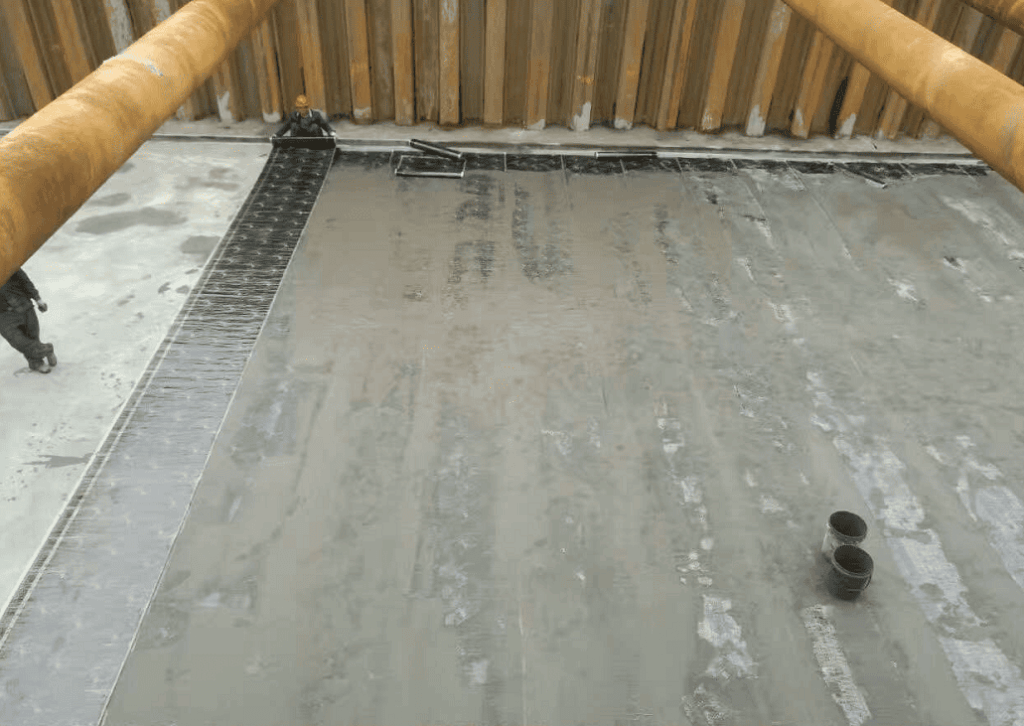
Bituminous Torch-on Membranes: These heavy-duty layers offer a step up in durability, often lasting 10 to 20 years.
PVC/TPO Membranes: For those seeking the “premium” tier, PVC membranes can last 20 to 30 years with proper maintenance.

Wall Waterproofing: Coatings, Sealants, and Flexibility
Wall waterproofing often combines sealants at joints and protective coatings across surfaces. Silicone or polyurethane sealants around windows and movement joints generally last 5 to 10 years. Water-repellent wall coatings typically provide 3 to 7 years of protection, while elastomeric coatings—designed to stretch and bridge small cracks—can last 10 to 15 years.
Critical Factors Influencing Durability
The lifespan of a product on a technical data sheet is an estimate based on ideal conditions. In the real world, several factors can shorten or extend that window.
1. Material Choice Matters
Different materials have inherently different lifespans. Acrylic sealants, for example, are more vulnerable to UV degradation. In contrast, polyurethane membranes are prized for their chemical resistance and elasticity. Choosing a material that isn’t UV-rated for a roof application is a common mistake that leads to premature failure.
2. Quality of Installation
Even the most expensive PVC membrane will fail if the surface preparation was poor. The substrate must be clean, bone-dry, and free of existing cracks for the waterproofing to bond effectively. Poor workmanship—such as applying coatings in high humidity or rushing the curing time—is the leading cause of “early death” for waterproofing systems.
3. Structural Movement
Buildings are “living” entities that settle and shift. If a waterproofing product is too rigid, it will crack as the building moves. Elasticity is the secret to longevity, especially for foundations and basements.
Maintenance: The Key to "Forever" Waterproofing
Waterproofing is not a “fit and forget” solution; it is an ongoing responsibility. Regular inspections—ideally once or twice a year—help identify small issues before they escalate. Reapplying topcoats, resealing joints, and keeping drainage systems clear can add years to a system’s effective life.
Blocked gutters, poor drainage, and water ponding increase pressure on waterproofing layers, undermining even well-installed systems. Simple maintenance habits often make the difference between a system lasting five years and one lasting fifteen.
Signs of Failure
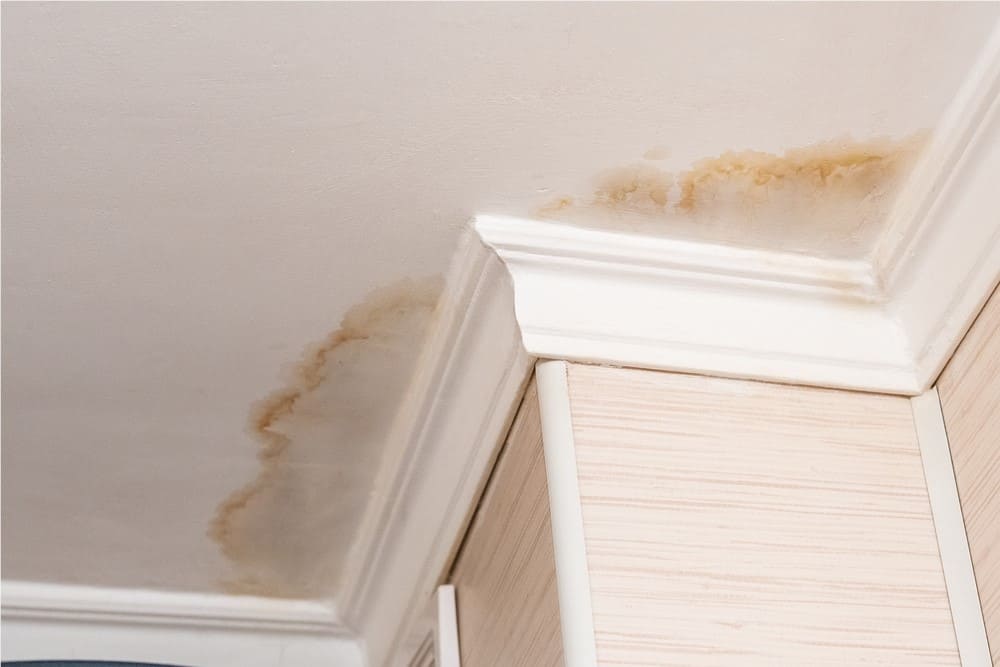
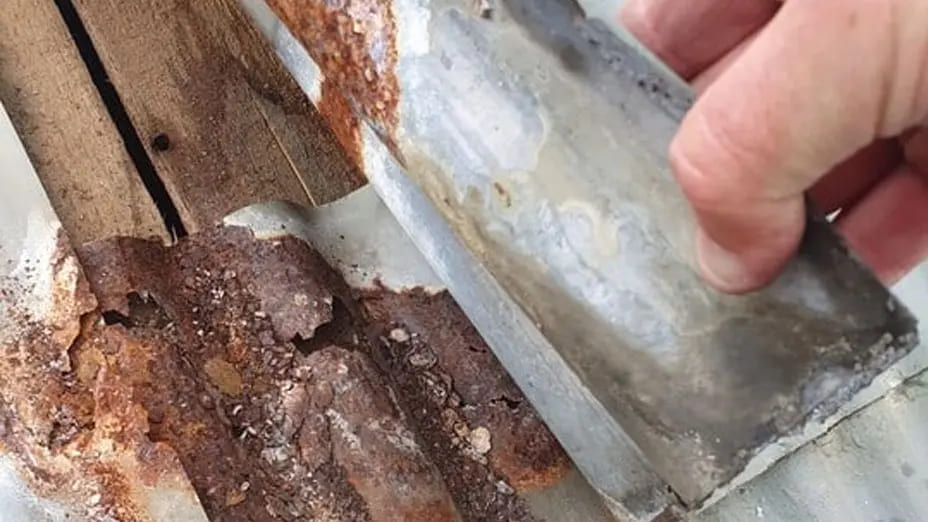
If you notice persistent mold that returns after cleaning, visible bubbling in the coating, or musty odors, your system may have reached the end of its life. At this stage, contact QingLong Waterproofing for a FREE Inspection. Our specialist team will help you diagnose the root cause of your issue and determine the remaining lifespan of your current waterproofing system—ensuring you get the right fix at the right time.
Conclusion
While modern materials offer impressive protection, their longevity is a partnership between quality products, expert installation, and consistent care. By understanding the expected lifespans of different methods—from 5-year sealants to 30-year membranes—you can make informed decisions that protect your property for decades, not just seasons.
If this article helped you better understand waterproofing lifespan, sharing it with colleagues, property owners, or anyone responsible for building maintenance.