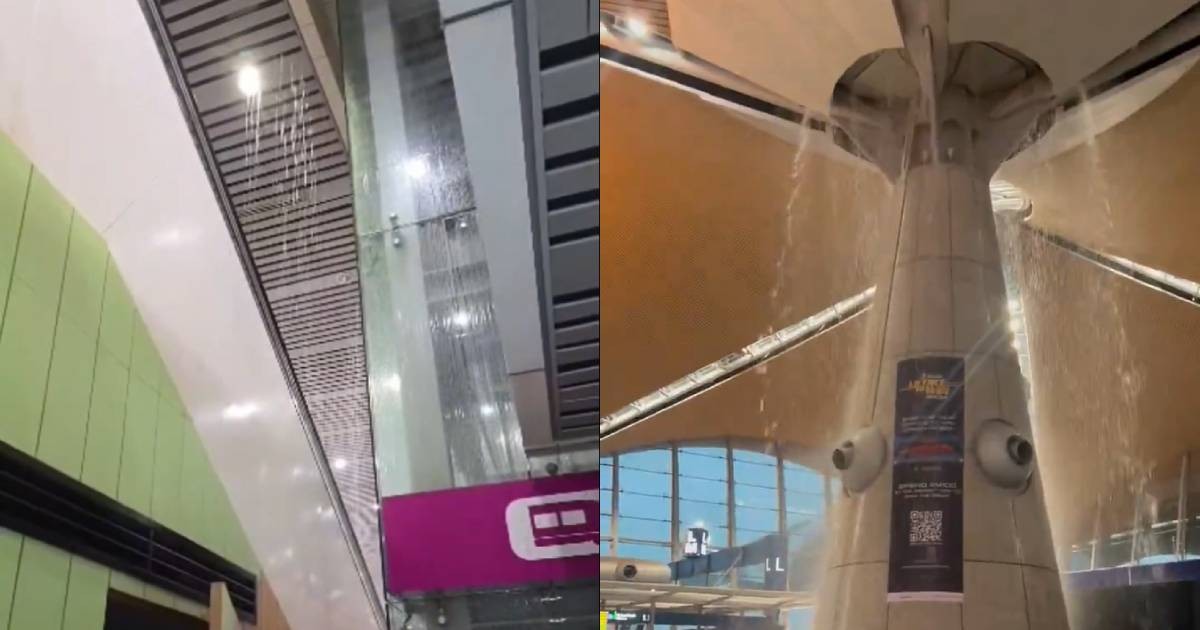
Rainwater which leaked from the ceiling of KLIA on Nov 14 was cleared within 1.5 hours, the airport operator said.
PHOTO: Screengrab/X
On 14 November 2025, a severe thunderstorm struck the Klang Valley, placing Kuala Lumpur International Airport (KLIA) Terminal 1 in the national spotlight—this time for reasons the airport would have preferred to avoid. Heavy rain caused water to leak from multiple areas of the terminal roof, prompting travellers to capture and share videos showing streams of water cascading from the ceiling. As these clips circulated widely online, public discussion quickly moved beyond the incident itself, sparking a broader reflection on airport maintenance, ageing infrastructure, and Malaysia’s readiness for increasingly extreme tropical weather.
Public reaction was a mix of frustration, concern, and calls for long-term solutions. While some online users expressed disappointment, others acknowledged the unique challenges of maintaining large-scale facilities in a tropical climate. The incident also triggered deeper discussions about infrastructure resilience, a topic becoming ever more relevant as Southeast Asia experiences heavier and more unpredictable rainfall patterns.
Viral Videos Ignite Public Debate
A 26-second video showing water pouring from KLIA Terminal 1’s departure hall ceiling went viral within hours. The scene resembled a sudden indoor waterfall, prompting netizens to respond with a combination of disbelief, humour, and criticism. Many expressed astonishment at the scale of the leak and questioned the maintenance standards at the country’s main international airport.
Malaysia Airports Holdings Berhad (MAHB) explained that the leak was triggered by the unusually intense rainfall and confirmed that engineering, operations, and security teams were immediately deployed to contain the situation. KLIA released an official statement:
“We are aware of the storm-related water leakage affecting parts of KLIA this afternoon. Our teams are on high alert and are prioritising passenger safety, containment efforts, and the protection of electrical systems.”
Despite the rapid response, online commentary continued throughout the day. Many noted that this was not the first time KLIA had faced weather-related water issues, raising questions about long-term maintenance strategies and infrastructure resilience.
Social Media Reactions: Concern, Criticism, and Comparisons
Reactions across TikTok, Facebook, and other platforms highlighted a variety of sentiments. Some users were critical of airport management:
“This is what happens when MAHB doesn’t maintain KLIA1 and KLIA2 properly. The Aerotrain has problems and now the roof is leaking. Embarrassing,” wrote one netizen.
Others questioned how Malaysia’s main international airport could allow such incidents to occur:
“KLIA has come to this? How can an international airport get this bad? Has there never been thorough maintenance?”
Some comments mixed humour with criticism, reflecting the viral nature of the clips:
“Train problem, roof problem—what’s next?”
However, not all reactions were negative. Some offered more context, acknowledging the difficulties of maintaining large, aging facilities in tropical conditions:
“This is normal due to the age of the airport. With regular maintenance and repair works, it will be okay.”
Others compared KLIA’s leak to Singapore’s Jewel Changi Airport waterfall in a lighter tone, demonstrating how the public often uses familiar benchmarks for comparison:
“Taking inspiration from Changi Airport, I believe,” joked one user.
The reactions highlighted a consistent theme: Malaysians hold KLIA to very high standards, and any incident affecting its functionality or appearance immediately attracts national attention.
Not an Isolated Incident
While the 14 November thunderstorm created exceptional conditions, KLIA has experienced similar issues in the past. On 10 July 2024, the ceiling at Gate G6 in Terminal 1 partially collapsed after unusually heavy rainfall. These recurring incidents have intensified calls for robust maintenance strategies and infrastructure upgrades.
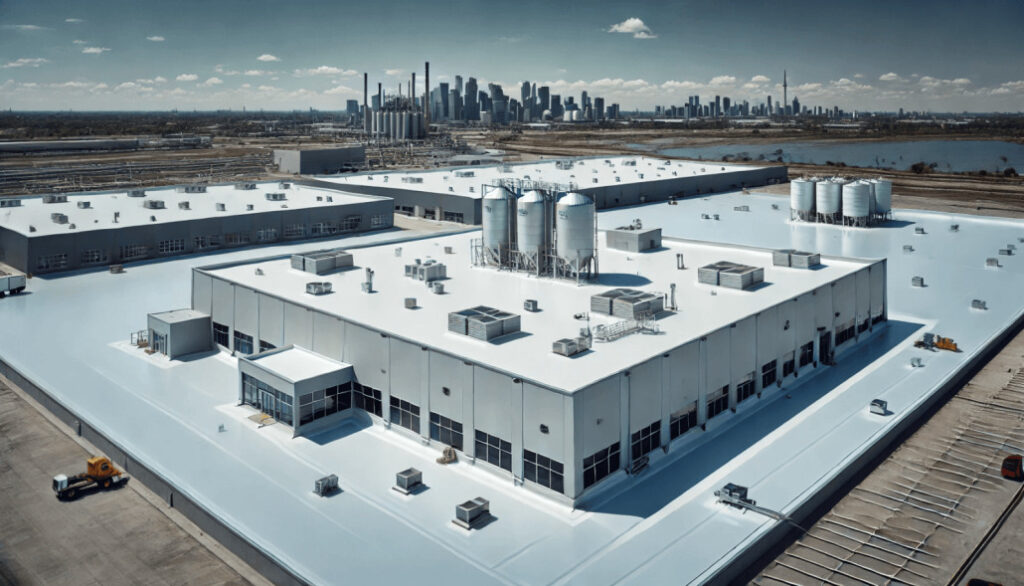
Malaysia’s tropical climate—with high humidity, frequent storms, and intense rainfall—places extra strain on building structures. Airports, shopping malls, factories, and residential properties all face the same challenge: ensuring long-term waterproofing durability in an environment where weather extremes are both frequent and severe.
Beyond KLIA: Broader Tropical Infrastructure Challenges
The KLIA incident reflects a broader challenge across Malaysia and Southeast Asia: how can buildings remain structurally sound and leak-free in a climate dominated by intense monsoon rains and extreme weather events?
Several factors compound the challenge. First, many buildings in Malaysia are aging and were designed for less extreme weather than what is now increasingly common. Second, waterproofing systems—particularly in older structures—are often incomplete or improperly maintained. Finally, increased rainfall intensity, driven by climate change, places additional pressure on existing infrastructure.
The KLIA leak is more than a viral moment; it is a tangible reminder of the importance of long-term planning, technical expertise, and specialised solutions for waterproofing, drainage, and structural protection. Infrastructure in tropical regions must now evolve to meet the dual demands of longevity and resilience against extreme weather events.
An Industry Perspective
As a professional in the waterproofing sector, I see the KLIA incident from a different lens: it may serve as a pivotal moment for the industry. Malaysia’s construction sector has long faced gaps in systematic waterproofing education and professional standards. The recent incident underscores a key reality:
“Leaks are not minor issues—they reflect the broader standards and practices of the construction industry.”
From the perspective of industry professionals, several insights emerge:
1️⃣Waterproofing Should Not Be Secondary
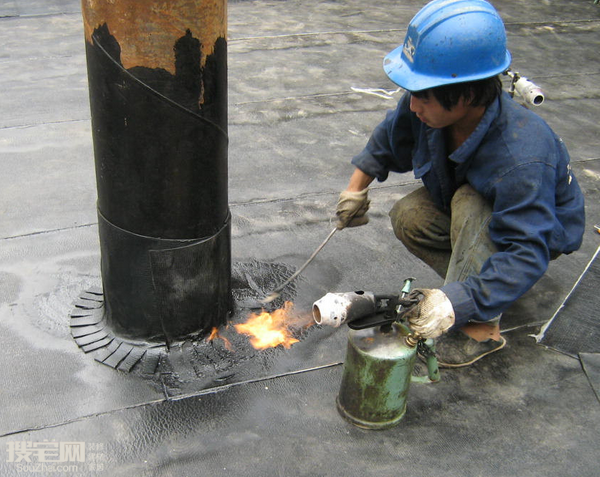
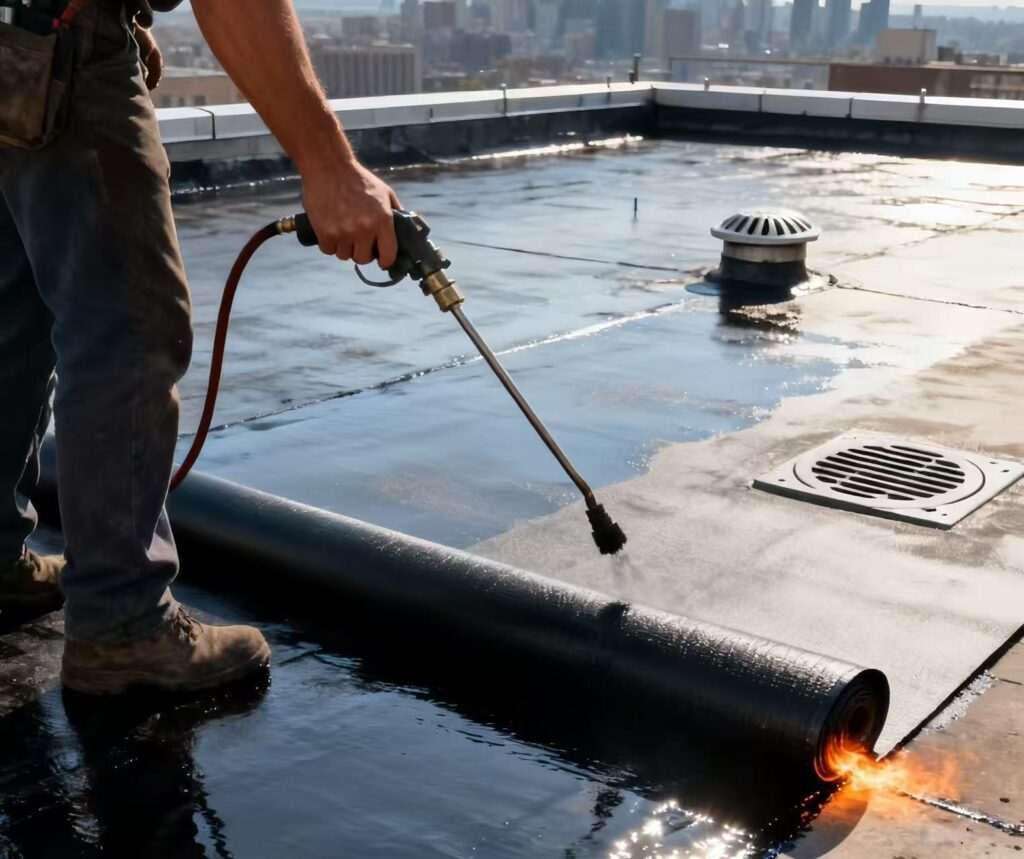
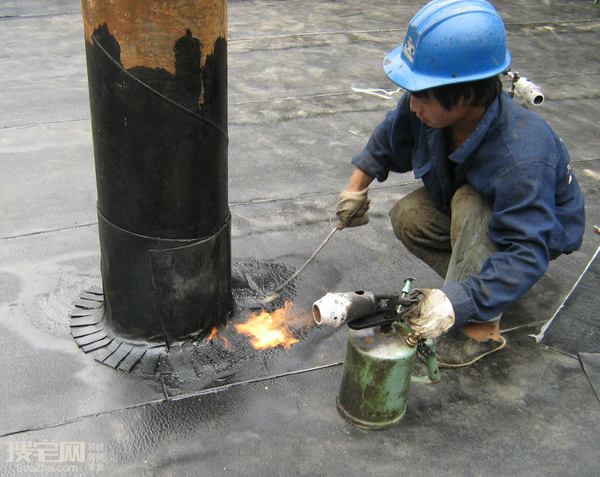
Waterproofing is often treated as a final or secondary task in construction projects. Yet, for high-profile infrastructure like airports, roofs and external envelopes must meet the highest standards. A lapse in waterproofing compromises structural integrity, public safety, and long-term operational efficiency.
2️⃣Maintenance and Inspection Are Crucial
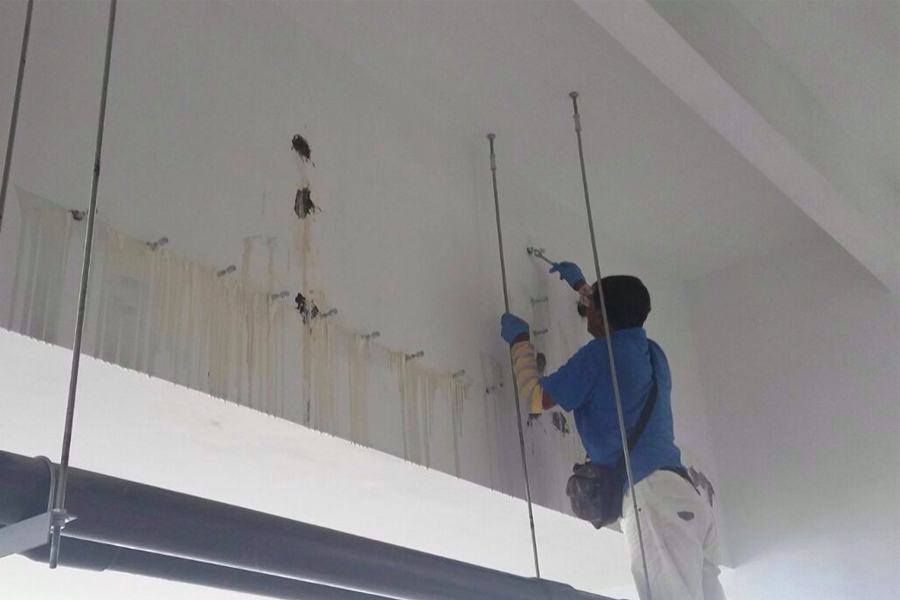
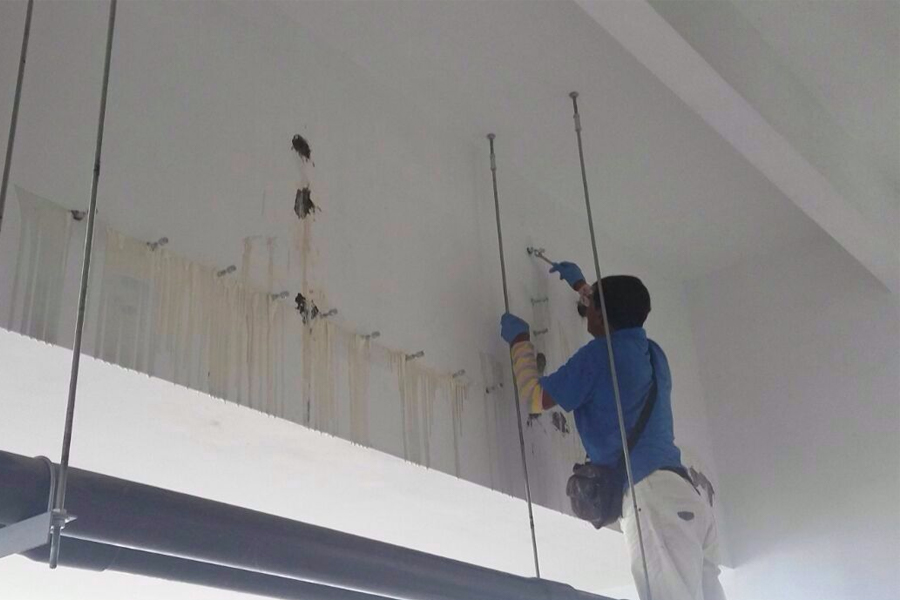
Even the best materials will fail without proper upkeep. Conversely, standard materials maintained through a systematic inspection and repair program can perform reliably for many years. Regular maintenance is not optional—it is an integral part of long-term building resilience.
3️⃣Systems Matter More Than Individual Materials
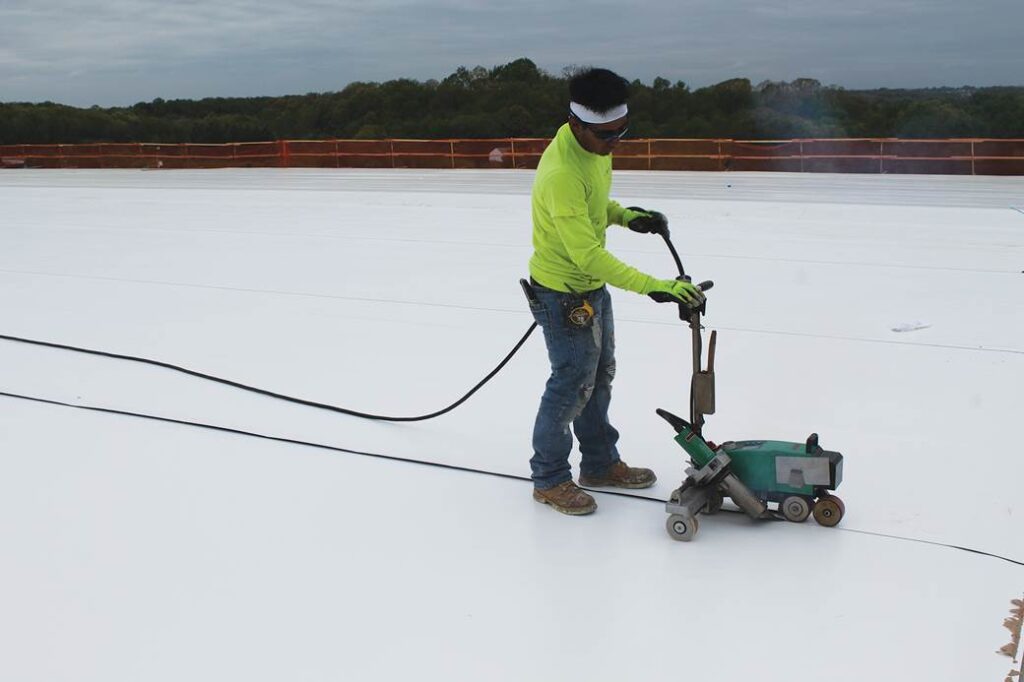
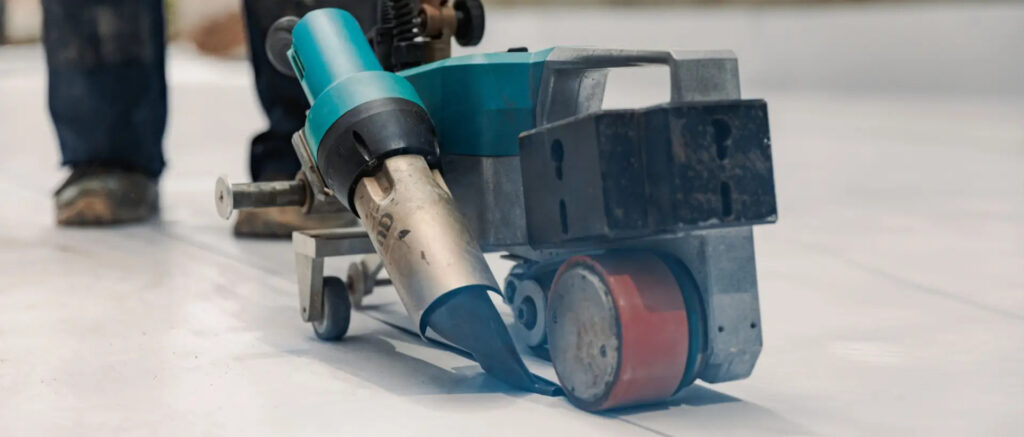
Leaks frequently result from incomplete or poorly integrated systems, rather than inferior materials. A robust waterproofing system combines materials, design, installation, and maintenance to ensure optimal performance.
Advancing Professional Standards
The KLIA incident is not about assigning blame; it is about fostering a culture of proactive, professional practice. Leading waterproofing organisations focus on three pillars:
✅Localized Training – Ensuring contractors, workers, and engineering teams understand correct waterproofing techniques.
✅Systematic Solutions – Delivering integrated waterproofing systems for roofs, walls, basements, kitchens, and other critical areas.
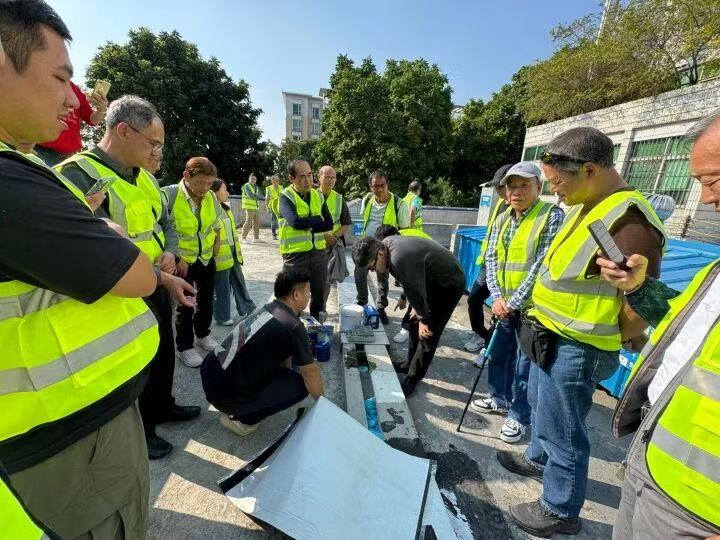
✅Knowledge Sharing – Making technical insights accessible to the public, property owners, and industry professionals to improve awareness of proper waterproofing practices.
Such initiatives help raise the overall professionalism of the construction sector and reduce the risk of recurring water-related incidents.
Lessons from KLIA for the Wider Industry
The KLIA incident is not about assigning blame; it is about fostering a culture of proactive, professional practice. Leading waterproofing organisations focus on three pillars:
✅Localized Training – Ensuring contractors, workers, and engineering teams understand correct waterproofing techniques.
✅Systematic Solutions – Delivering integrated waterproofing systems for roofs, walls, basements, kitchens, and other critical areas.
✅Knowledge Sharing – Making technical insights accessible to the public, property owners, and industry professionals to improve awareness of proper waterproofing practices.
Such initiatives help raise the overall professionalism of the construction sector and reduce the risk of recurring water-related incidents.
Practical Recommendations
For stakeholders in Malaysia’s construction and property sectors, the KLIA incident offers practical lessons:
▪️Invest in Training: Contractors and engineers must receive ongoing education on modern waterproofing techniques and materials.
▪️Adopt Comprehensive Systems: Relying on single products or ad hoc repairs is insufficient; integrated waterproofing systems are necessary for long-term performance.
▪️Prioritize Inspection: Regular monitoring of high-risk areas, especially roofs, basements, and water-exposed surfaces, can prevent costly damage.
▪️Use Context-Appropriate Materials: Select materials suited to tropical climates, considering humidity, rainfall, and wind-driven water.
▪️Plan for Longevity: Incorporate maintenance schedules into building design and operational planning.
By implementing these measures, property owners and facility managers can reduce the likelihood of disruptive water leaks and ensure greater resilience for the built environment.
Broader Implications for Tropical Cities
KLIA is just one example, but similar challenges exist across urban Southeast Asia. Cities must contend with:
▫️Rapid urbanisation leading to more impervious surfaces and higher water runoff.
▫️Ageing infrastructure that requires retrofitting for extreme weather.
▫️Climate-driven changes in rainfall patterns, necessitating more robust waterproofing, drainage, and structural reinforcement.
Lessons learned from high-profile incidents can inform policies, regulatory standards, and professional practices, ultimately enhancing urban resilience.
Conclusion
The KLIA Terminal 1 roof leak may have been brief, but its impact resonates far beyond the airport. It serves as a public reminder that in tropical climates, waterproofing is not an optional aspect of construction—it is a critical determinant of building safety, functionality, and longevity.
For the construction and property sectors, the key takeaway is clear: “Leaks are not the problem; overlooking them is.” By prioritizing systematic waterproofing, integrating maintenance plans, and fostering professional standards, Malaysia can strengthen the resilience of its buildings, protect public safety, and ensure operational continuity.
The KLIA incident, while embarrassing in the short term, presents an opportunity for long-term improvement. Airports, factories, shopping centres, residences, and government facilities alike can benefit from modern, durable, and accountable waterproofing systems. With the right combination of knowledge, training, and practical solutions, the Malaysian construction industry can move toward a future where buildings are safer, more resilient, and leak-free.