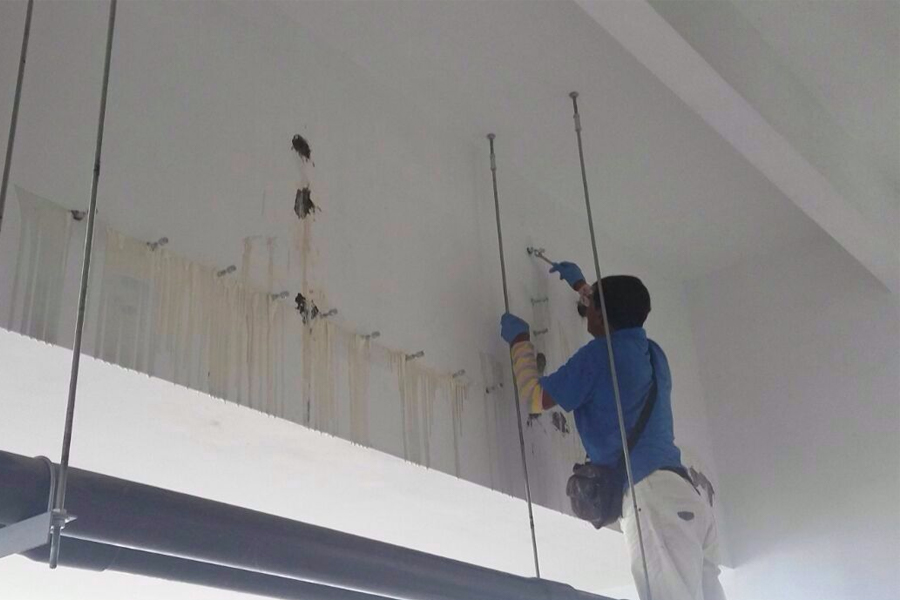
Water leakage is one of the most common and costly building problems faced by homeowners and property owners in Malaysia. From roof seepage and balcony cracks to bathroom leakage and peeling waterproof coatings, poor waterproofing can eventually lead to structural deterioration, mould growth, interior damage, and expensive repair costs. With Malaysia’s heavy rainfall, humid climate, and constant exposure to heat and moisture, having a reliable waterproofing system is essential for protecting both residential and commercial properties.
To prevent water intrusion and long-term damage, many contractors and waterproofing specialists rely on all-purpose waterproof adhesive — a versatile waterproof coating known for its strong adhesion, flexibility, durability, and excellent waterproofing performance.
Suitable for residential, commercial, and industrial applications, this waterproofing solution is commonly used on concrete roofs, balconies, terraces, bathrooms, wet areas, pools, concrete walls, floors, roof joints, and repair sections. However, achieving long-lasting waterproof protection depends heavily on proper surface preparation and correct application methods. Improper installation can lead to bubbling, peeling, hollowing, and premature waterproofing failure.
In this comprehensive waterproofing guide, we explore the key application details, common waterproofing problems, and professional installation tips to help ensure durable, effective, and long-lasting waterproofing results.
1. Can All-Purpose Waterproof Adhesive Be Used on Roofs?
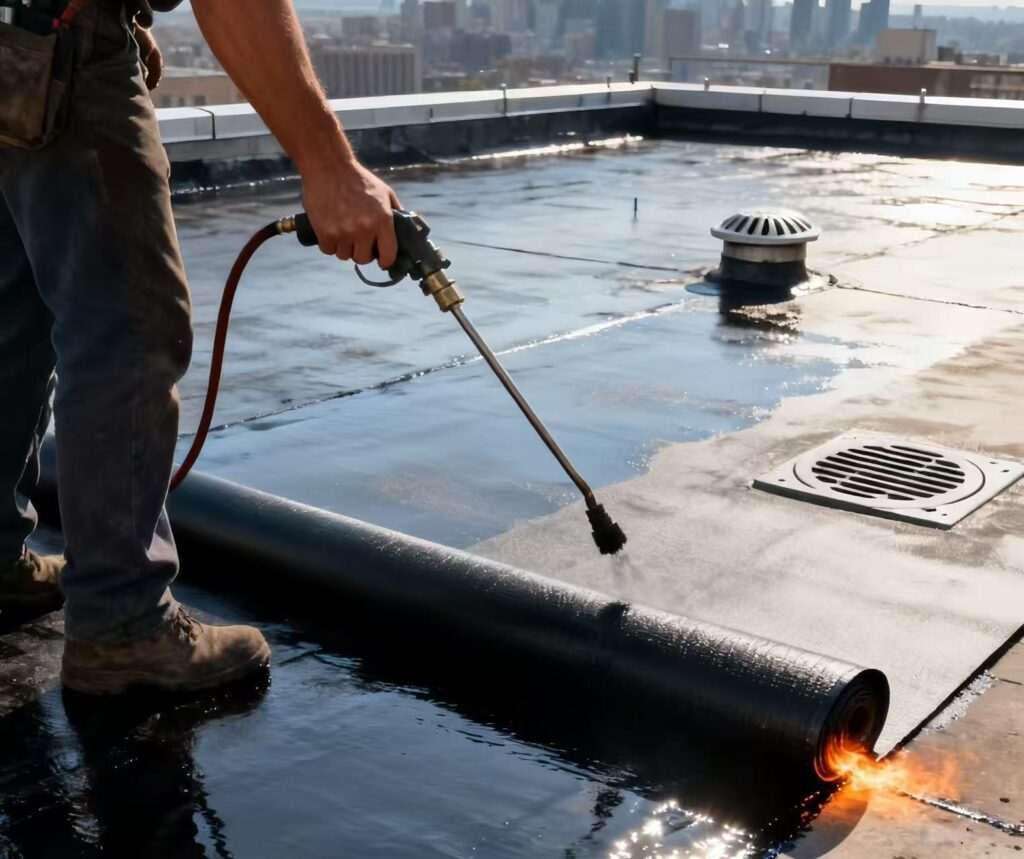
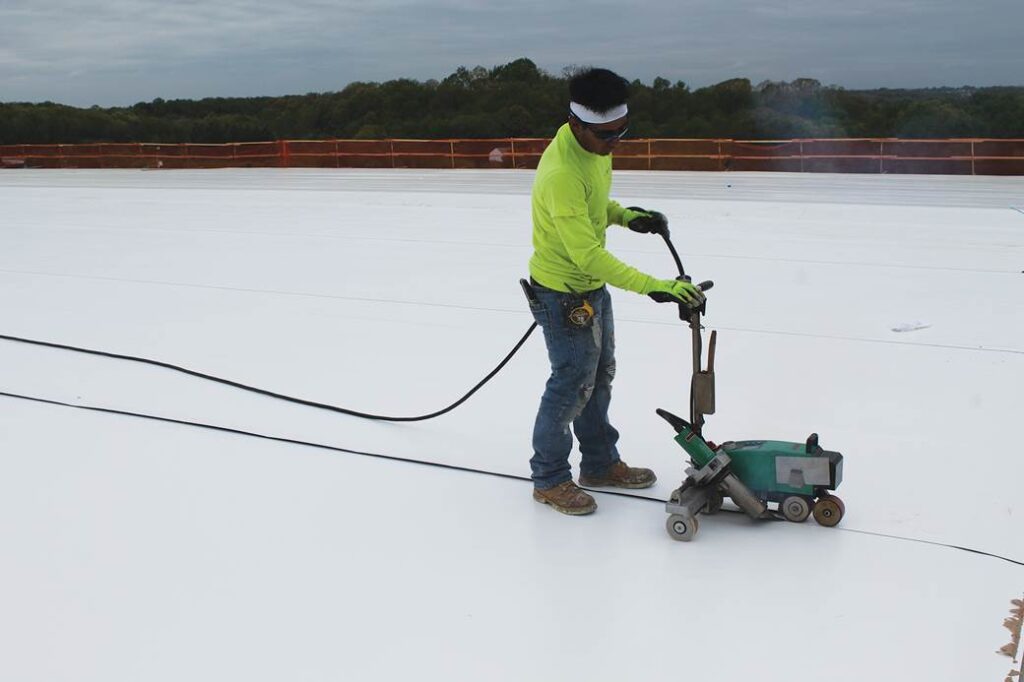
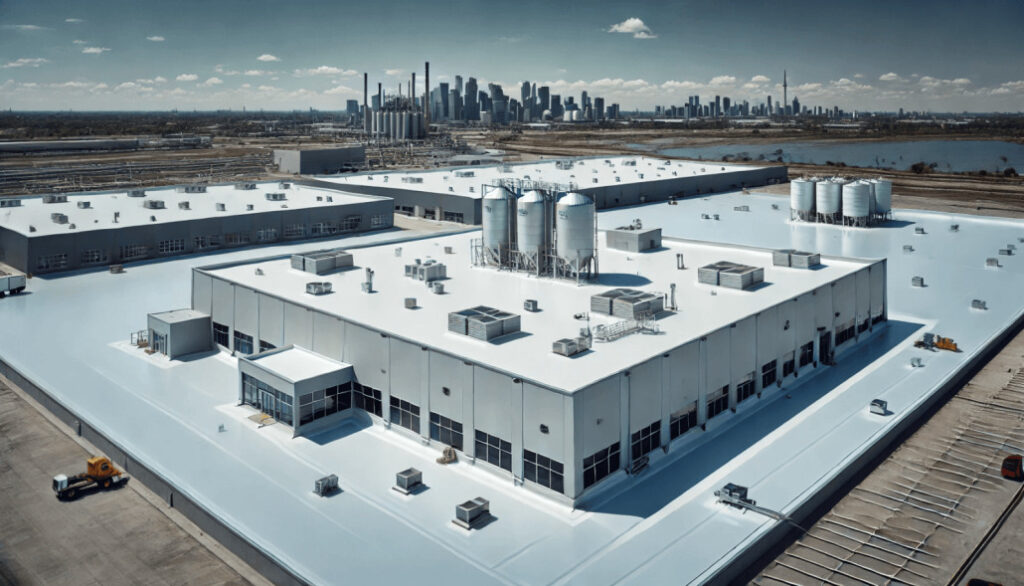
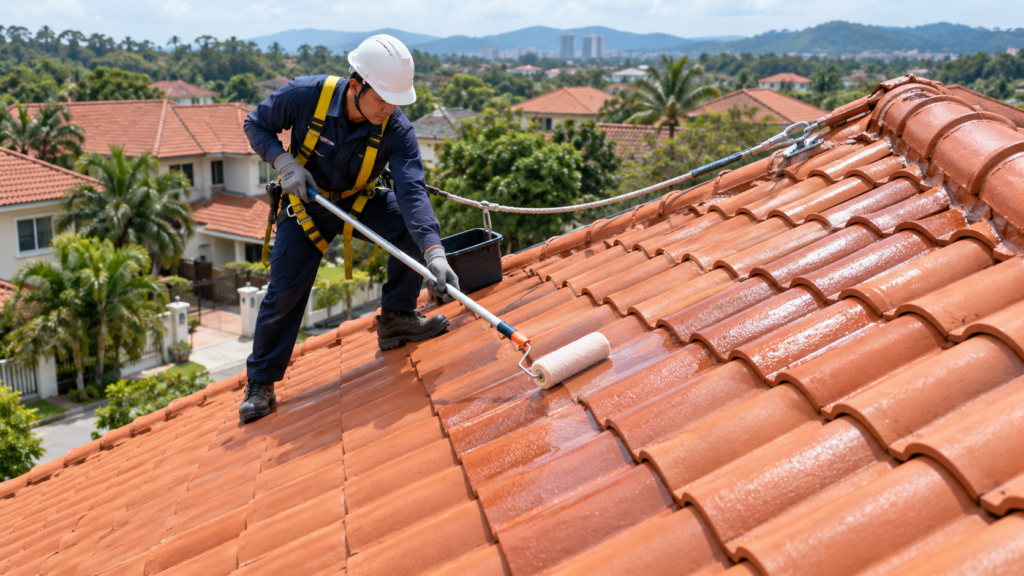
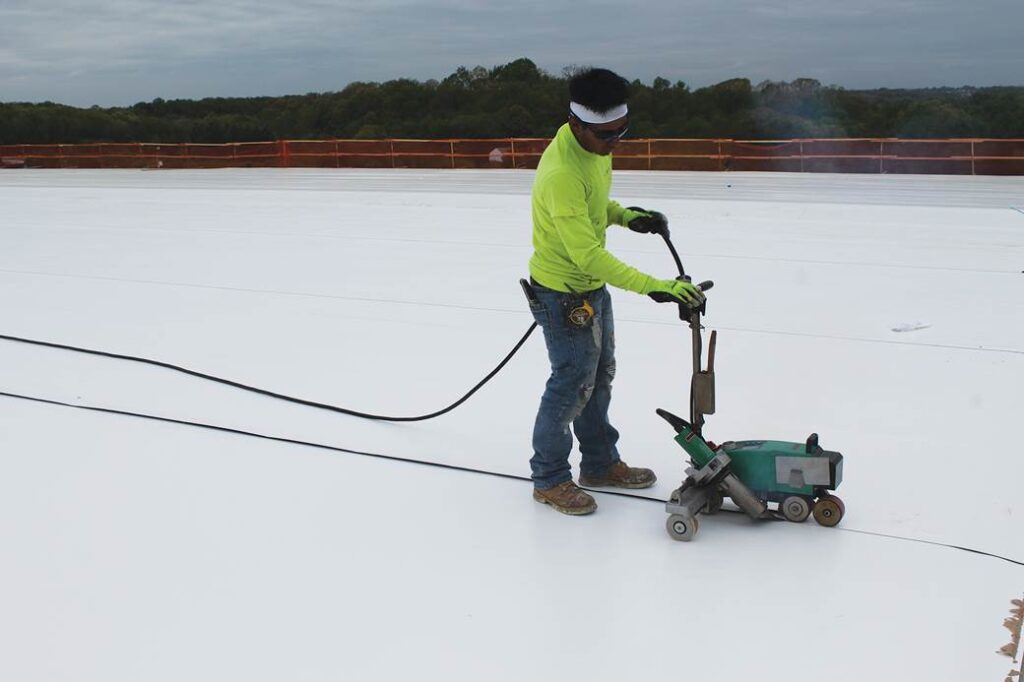
Yes, all-purpose waterproof adhesive is highly suitable for concrete roof waterproofing applications, especially in residential, commercial, and industrial buildings exposed to heavy rainfall and humid weather conditions. When properly applied, it forms a strong and durable waterproof membrane that effectively protects roofs against rainwater penetration, surface cracking, moisture intrusion, and long-term weather exposure, helping to extend the lifespan of the roof structure and reduce the risk of leakage.
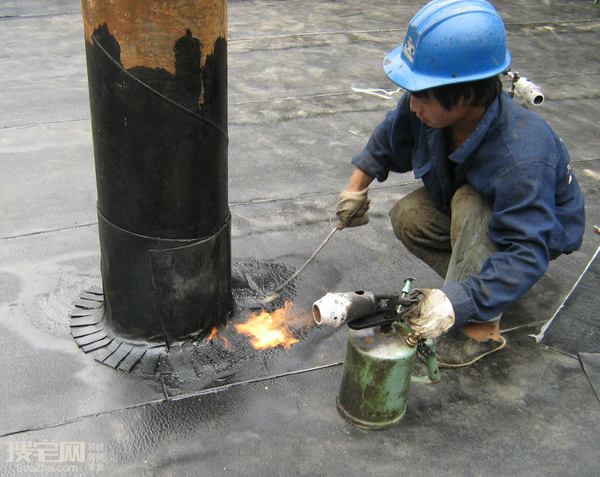
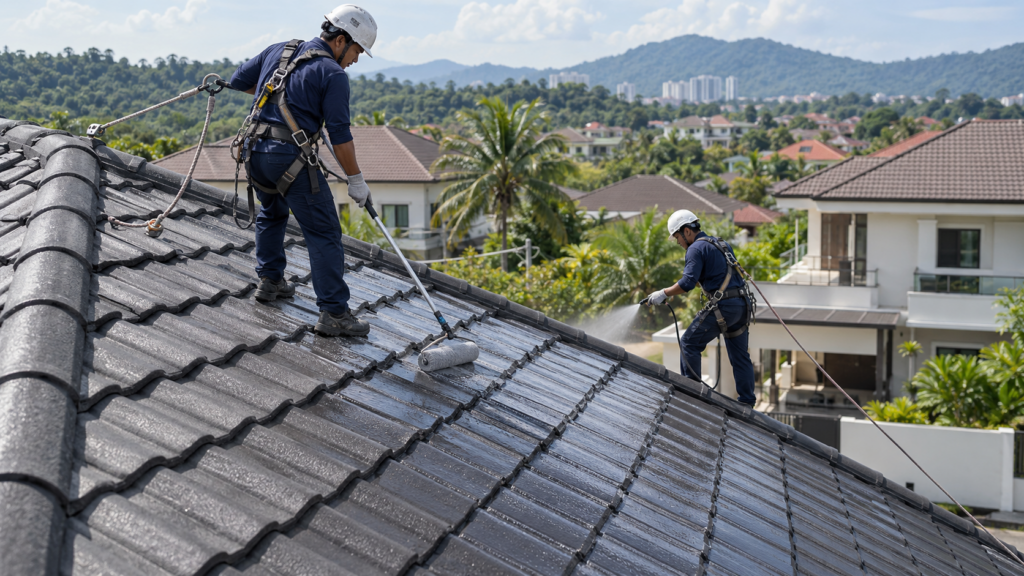
For steel or metal roofing systems, a combined waterproofing approach is recommended for better performance and durability. A weather-resistant coloured roof waterproof coating should be applied on the main roof surface to provide UV protection and weather resistance, while all-purpose waterproof adhesive is used on critical areas such as joints, seams, screw points, and connection areas where leakage commonly occurs. This combination enhances overall waterproof performance by providing better UV resistance, improved durability, stronger protection at vulnerable points, and a more cost-effective waterproofing solution for long-term roof maintenance.
2. Why Does Bubbling Occur After Waterproofing?
Bubbling is one of the most common waterproofing failures and is typically caused by trapped moisture or vapor pressure beneath the coating layer. In many modern roof systems, multiple construction layers are involved, including the structural concrete slab, waterproof layer, screed layer, insulation layer, and decorative finishing layer. When waterproof adhesive is applied onto non-structural or moisture-retaining layers instead of directly bonding to the concrete base, trapped moisture within the substrate can later evaporate under heat exposure and sunlight.
This trapped vapor creates internal pressure beneath the waterproof coating, which can result in bubbling, hollowing, delamination, and peeling over time. These defects not only affect the appearance of the surface but also significantly reduce the effectiveness of the waterproofing system, eventually leading to leakage issues if left untreated.
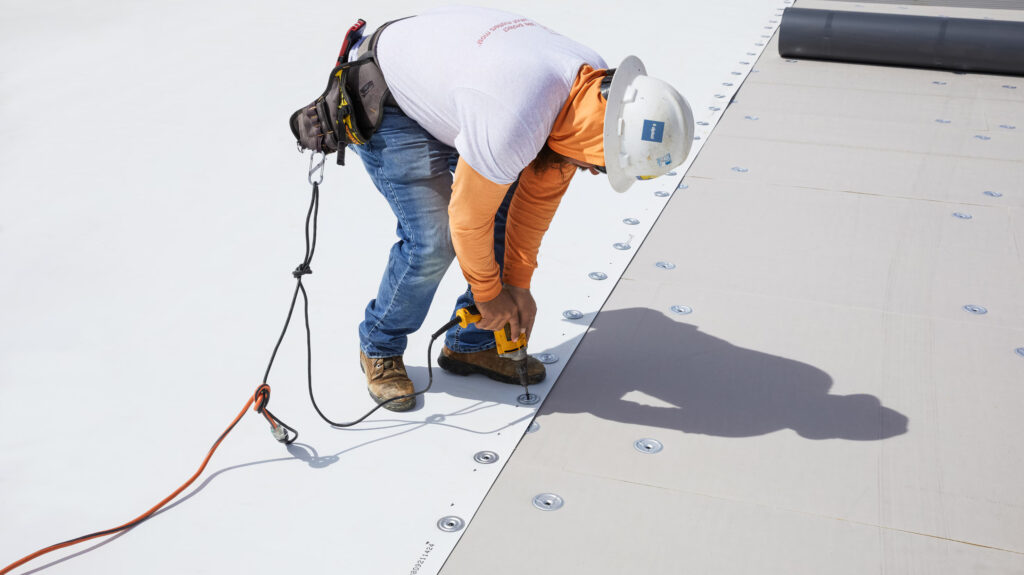
To prevent bubbling and ensure long-lasting waterproof performance, it is essential to apply the waterproof adhesive directly onto the structural concrete surface. The substrate should be properly prepared, stable, and free from loose or weak materials. Any excessive moisture should be avoided, and proper waterproofing preparation procedures must be followed before application. Professional surface preparation plays a critical role in ensuring strong adhesion, reducing trapped moisture risks, and achieving durable, long-term waterproof protection.
Yes, when applied correctly, a 1.5mm waterproof coating system can deliver long-term waterproof protection and may support a service life of up to 10 years, depending on product specifications, environmental conditions, and workmanship quality.
The durability and effectiveness of a waterproofing system depend on several critical factors, including coating thickness, surface preparation quality, structural stability, exposure to weather and UV radiation, correct curing procedures, and ongoing maintenance. Each of these elements plays an important role in ensuring the coating forms a strong, stable, and long-lasting protective membrane.
In general, thicker and properly applied coatings provide stronger waterproof protection, while proper substrate bonding significantly improves adhesion and long-term durability. For maximum performance and long-term reliability, the waterproof adhesive should always be applied directly onto the structural concrete layer, ensuring proper bonding and minimizing the risk of moisture-related failures over time.
Yes, slightly damp surfaces are generally acceptable for the application of all-purpose waterproof adhesive, as long as there is no standing water, no active leakage, and the moisture level remains within acceptable application conditions.
Although damp surfaces are acceptable, the product must never be diluted or mixed with water during application, as this will weaken bonding strength, reduce adhesion quality, and negatively impact long-term waterproof performance. If faster curing is required, a compatible curing agent may be added, but only strictly according to the correct mixing ratio and manufacturer’s technical specifications to ensure proper curing and system reliability.
One of the most common causes of waterproofing failure is applying waterproof adhesive onto decorative finishes or moisture-retaining layers instead of directly onto the structural concrete substrate. When this occurs, trapped moisture beneath the coating gradually evaporates over time, creating internal vapor pressure. This pressure often leads to bubbling, hollowing, peeling, and in severe cases, complete waterproofing system failure, especially under prolonged heat and weather exposure.
Outdoor balconies are exposed to heavy rain, UV heat, structural movement, and surface wear. Without proper waterproofing, they can develop water seepage, tile lifting, cracks, and even leakage to lower floors.
Recommended Waterproofing Process:
Step 1: Surface Cleaning
Remove dust, oil, loose particles, and contaminants to ensure good adhesion.
Step 2: Reinforced Waterproof Layer
Apply a reinforced two-in-one waterproof adhesive on joints and weak areas.
Step 3: All-Purpose Waterproof Adhesive
Apply evenly to form the main waterproof membrane at the required thickness.
Step 4: Protective Finishing (Optional)
After curing, tiles, screed, or protective coating can be installed.
6. Why Does All-Purpose Adhesive Bubble and Peel in Bathhouses?
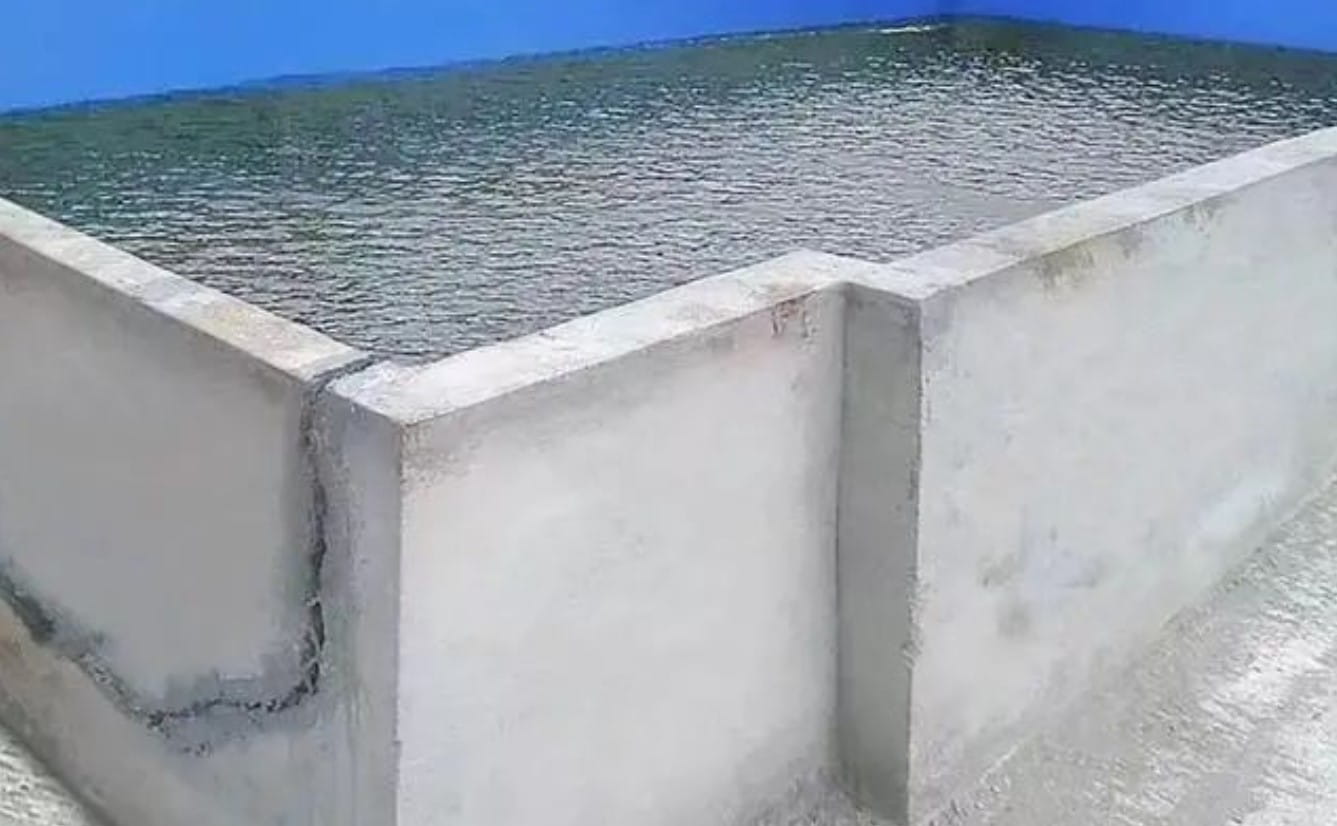
Pools, spas, and bathhouse areas are constantly exposed to high moisture levels, water pressure, and frequent temperature fluctuations, making waterproofing in these environments more demanding and requiring a properly designed system.
One of the most common causes of waterproofing failure is applying coating over standing water, as this weakens adhesion, traps moisture beneath the surface, and eventually leads to bubbling and peeling. In addition, extreme temperature changes caused by hot and cold water exposure can result in material expansion and contraction, leading to stress cracking and coating fatigue over time. Another major issue is the lack of a protective finishing layer, where continuous foot traffic, mechanical wear, and daily usage can gradually damage the waterproof membrane.
Once cracks develop, water will slowly penetrate beneath the coating, causing delamination, bubbling, peeling, and ultimately complete waterproofing failure if not properly addressed.
Waterproofing Tips for Better Results
To achieve long-lasting and reliable waterproof performance, proper application practices and workmanship are essential. The surface should always be thoroughly prepared before waterproofing begins to ensure strong adhesion and effective bonding. Waterproofing materials must be applied directly onto the structural substrate rather than on weak or decorative layers, while maintaining the correct coating thickness as recommended. Special attention should be given to reinforcing joints, corners, and crack-prone areas to prevent future leakage.
It is also important to avoid trapping moisture beneath the coating, as this can lead to bubbling and failure over time. Adequate curing time should always be allowed to ensure full performance development, and the finished waterproof membrane should be protected from excessive wear and mechanical damage. When combined with high-quality waterproofing materials and skilled application, these practices significantly improve durability and provide long-term protection against water leakage and structural damage.
Conclusion
All-purpose waterproof adhesive is a reliable, durable, and cost-effective waterproofing solution suitable for roofs, balconies, bathrooms, pools, and wet areas. Its strong adhesion, flexibility, and waterproof performance make it one of the preferred waterproofing systems for residential and commercial buildings in Malaysia.
However, even the best waterproofing material requires proper application. Understanding common waterproofing issues such as bubbling, peeling, and moisture entrapment can help prevent costly repairs and improve the overall lifespan of the waterproofing system. With correct installation, proper surface preparation, and professional waterproofing practices, all-purpose waterproof adhesive can provide long-term leak protection and help safeguard your property against Malaysia’s challenging weather conditions.
We provide professional waterproofing services across Malaysia, including Subang, Petaling Jaya, Johor Bahru, Central Melaka, Kota Kinabalu, and Kuching. Specializing in residential, commercial, and industrial waterproofing, we help solve roof leaks, water seepage, bubbling coatings, and waterproofing failures. Contact us via WhatsApp today for a professional on-site inspection and waterproofing solution tailored to your property needs.