A TPO membrane roll can look like a straightforward answer for a leaking flat roof: lay the sheet, weld the seams, and protect the roof surface. In practice, the decision is not that simple. A flat roof in Kluang may be a reinforced concrete roof over a shop, a factory roof deck, a terrace house extension, or a service roof with water tanks and pipes. Each roof creates different risks for a sheet membrane system. Before choosing TPO, the more useful question is not whether TPO is “good”, but whether the roof can support the way TPO must be detailed, terminated, drained, accessed and maintained.
The Short Answer: TPO Can Work on Flat Roofs, but the Roof Details Decide
TPO membrane roll can be suitable for flat roofs when the roof has proper drainage, a sound substrate, manageable penetrations and clear termination points at parapets, upstands and edges. It is especially relevant where an exposed single-ply membrane is preferred over a tiled or cementitious finish. However, TPO is not automatically the right choice for every flat roof leak.
The main risk is assuming that a large waterproofing sheet removes the need to solve roof details. A TPO membrane system still depends heavily on seam welding, edge fixing, outlet treatment, pipe penetrations and compatibility with the existing roof surface. If those details are weak, water may still enter even when the main roof area is covered.
What a TPO Membrane Roll Does Differently from Liquid Waterproofing
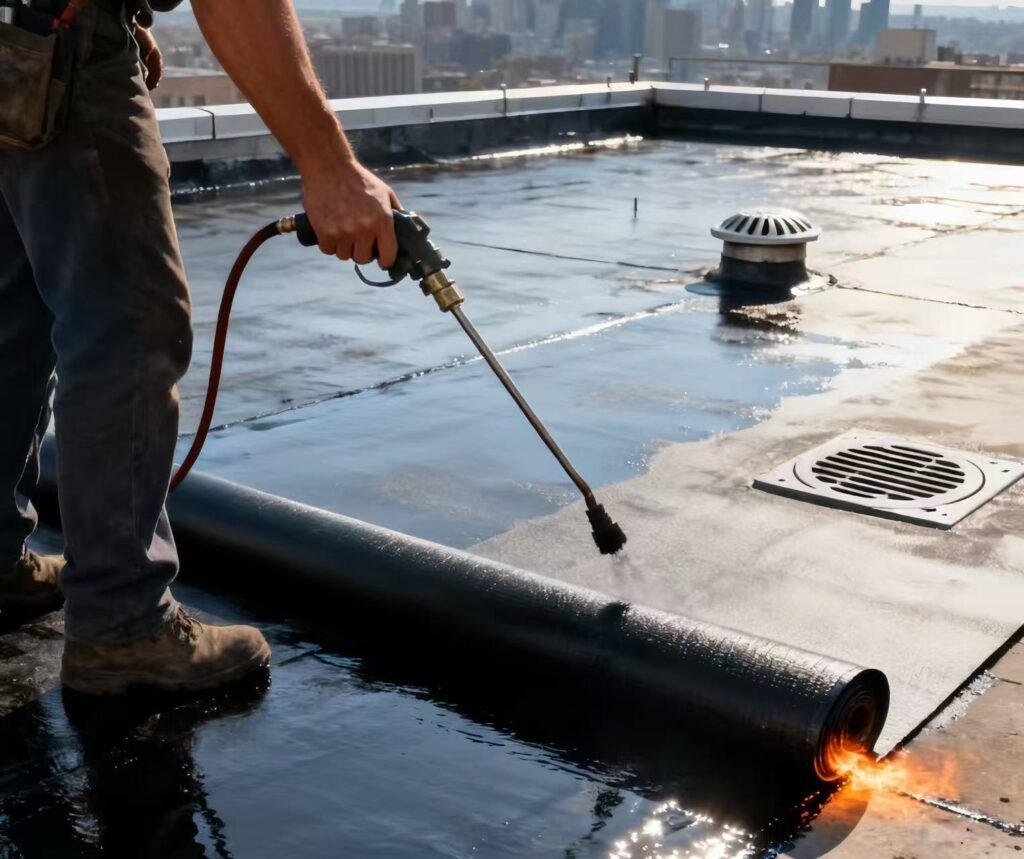
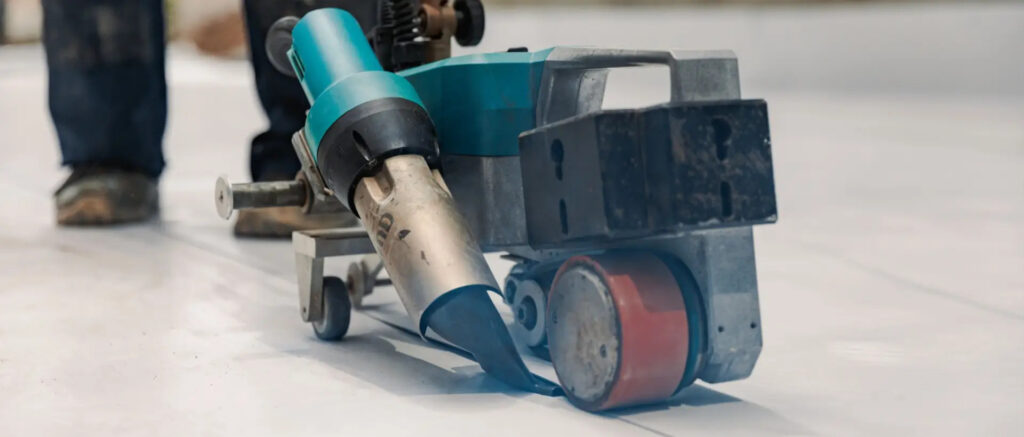
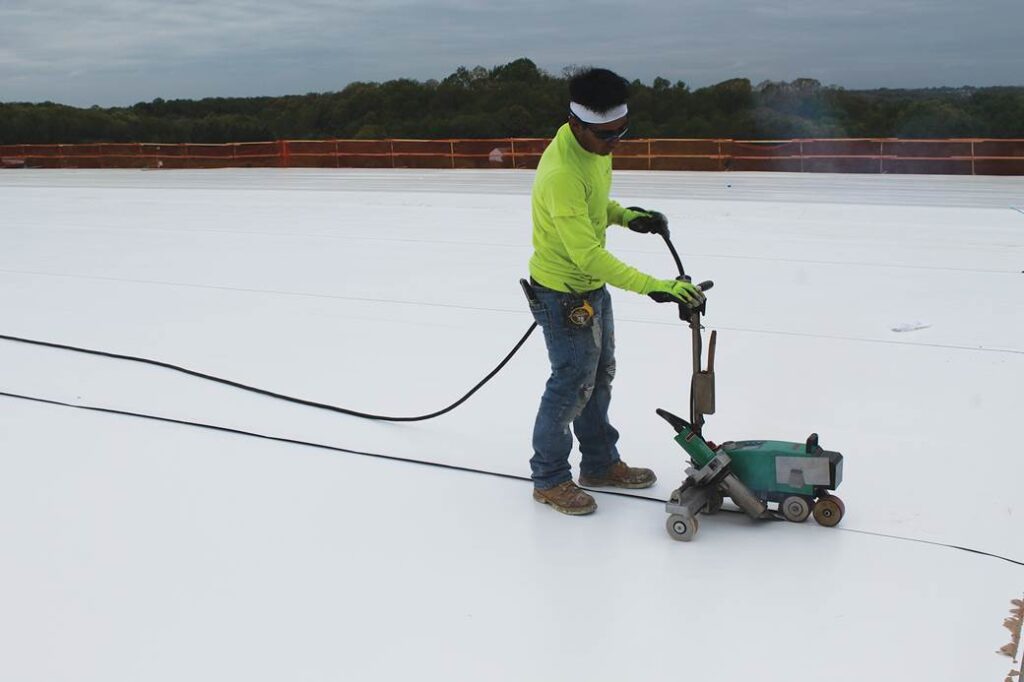
TPO, or thermoplastic polyolefin, is normally supplied as a roll membrane. Instead of being brushed or rolled on like a liquid-applied coating, it is installed as sheets that are joined together, usually through heat-welded seams. This changes the waterproofing logic.
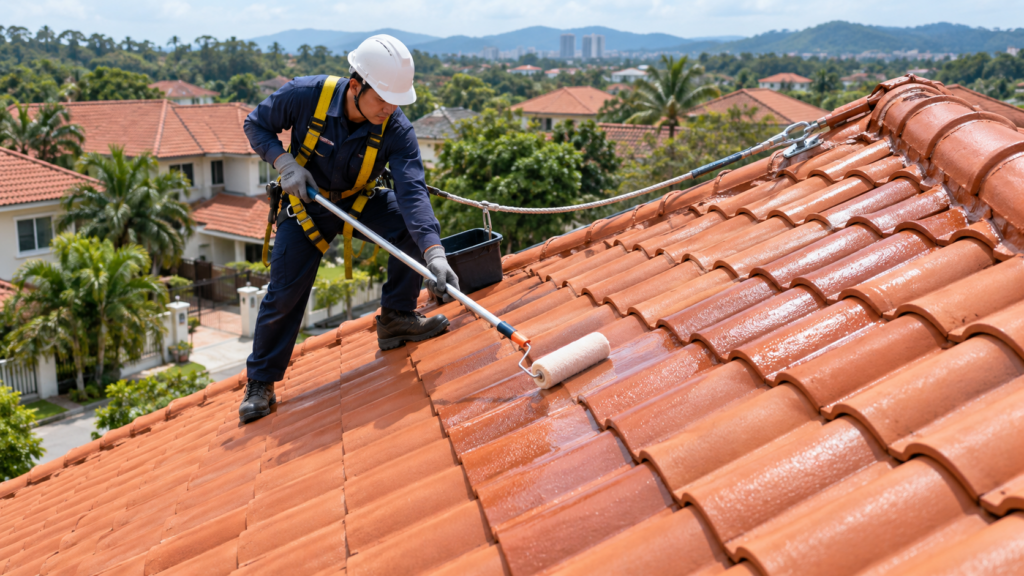
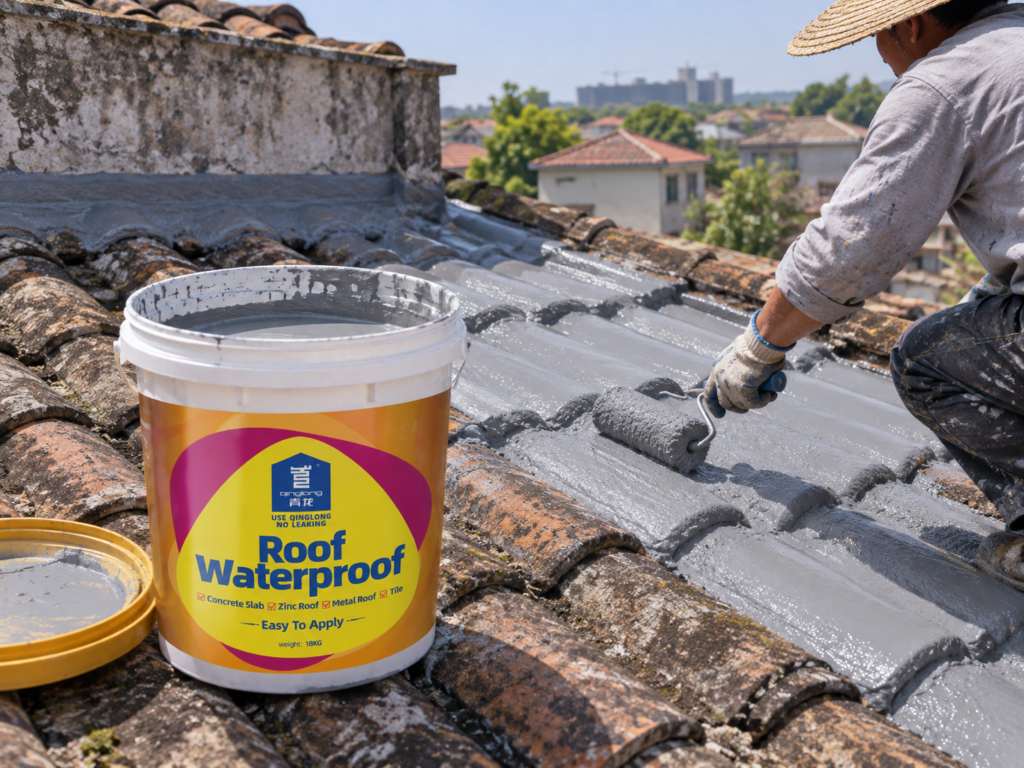
With a liquid coating, the material follows the shape of the substrate. It can be easier to apply around small corners, uneven surfaces and complicated roof details, provided the substrate is properly prepared. With TPO membrane roll, the roof is protected by a continuous sheet system, but the quality depends on how the sheets are joined, fixed and sealed at details.
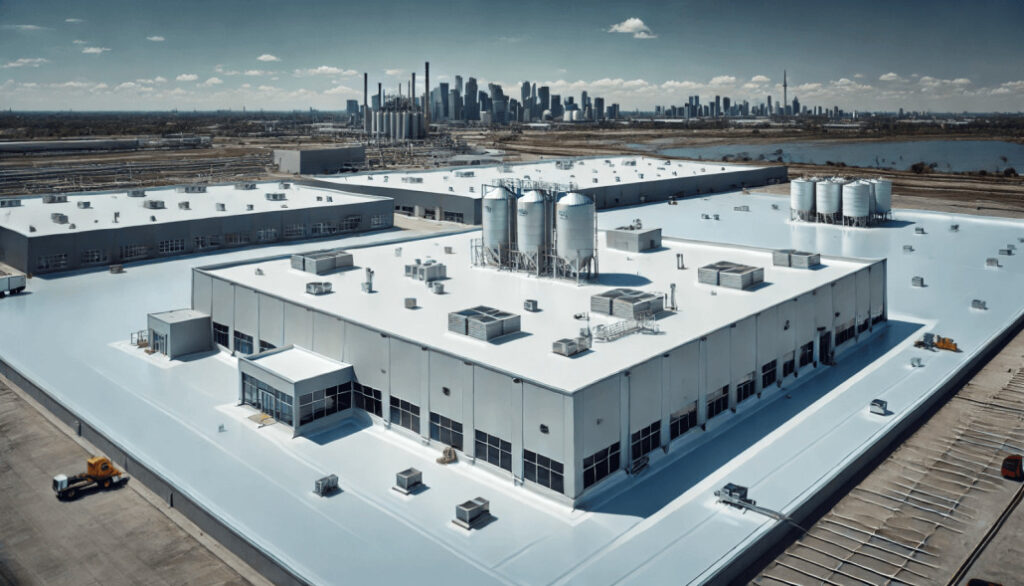
This is why TPO often performs best when the roof area is reasonably open and accessible. Large flat roof sections with fewer obstructions are usually easier to treat with a sheet membrane than a crowded roof full of small pipes, metal supports, irregular plinths and tight corners.
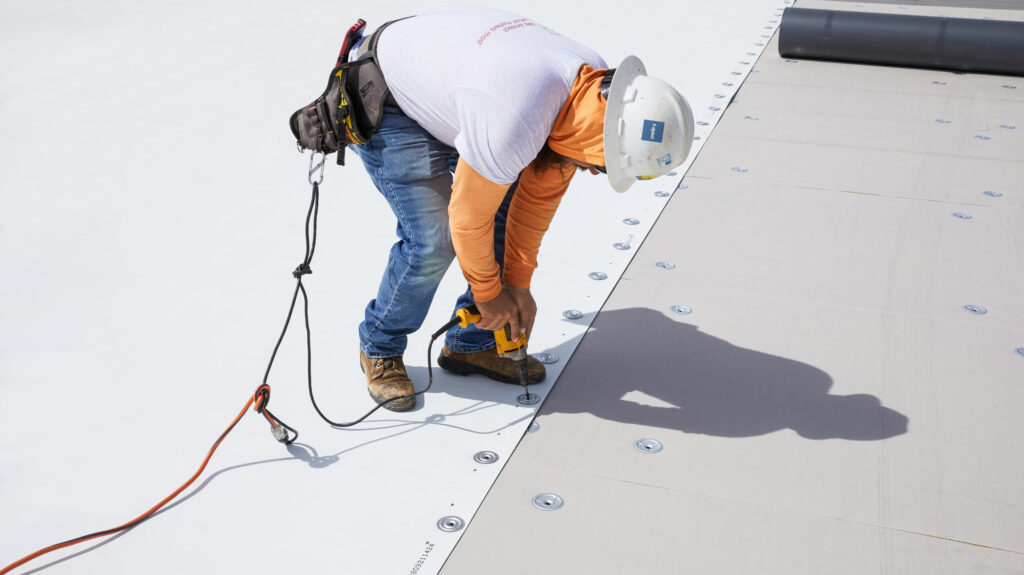
The membrane itself is only one part of the system. Accessories, welding method, termination bars, adhesives, mechanical fixings, separation layers, drainage details and flashing work can all affect the final result. A good TPO roll installed with poor detailing can still become a weak waterproofing system.
Flat Roof Conditions in Kluang That Matter More Than the Location Name
For a property owner searching for TPO membrane roll in Kluang, the town location matters less than the actual roof condition. Two buildings in the same area can need different waterproofing approaches because their roof structures, usage and drainage are different.
A flat concrete roof with parapet walls, roof outlets and water tanks must be assessed differently from a metal-deck roof or a service roof used regularly by maintenance workers. The most important questions are site-specific:
Does water pond on the roof after rain, and for how long?
Are roof outlets blocked, undersized, badly positioned or higher than the surrounding surface?
Are there many pipe penetrations, air-conditioning supports, water tank bases or cable openings?
Is the existing surface concrete, screed, old coating, bitumen membrane, tiles or another finish?
Is the roof used only for access, or does it experience regular foot traffic and maintenance activity?
Are parapet walls, internal corners and membrane termination points accessible for proper detailing?
Ponding water is especially important. TPO membrane can handle roof exposure when specified and installed correctly, but long-term standing water may still increase stress on seams, outlets and low points. If the roof has poor falls, waterproofing alone does not correct the drainage problem. The project may need outlet improvement, screed correction or local regrading before any membrane system is installed.
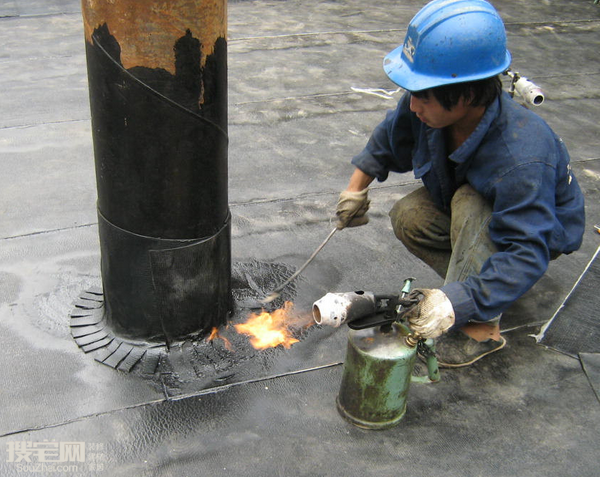
Parapet and outlet details are also critical. Many flat roof leaks do not come from the middle of the slab. They occur where the waterproofing turns up a wall, meets a drain, surrounds a pipe or stops at an edge. A TPO system must be designed around those details, not simply rolled across the floor area.
When TPO May Be the Wrong Choice or Needs Extra Detailing
TPO membrane roll is not always the most practical solution, even if the material itself is suitable for many exposed roof applications. The site may make installation difficult, risky or unnecessarily expensive.
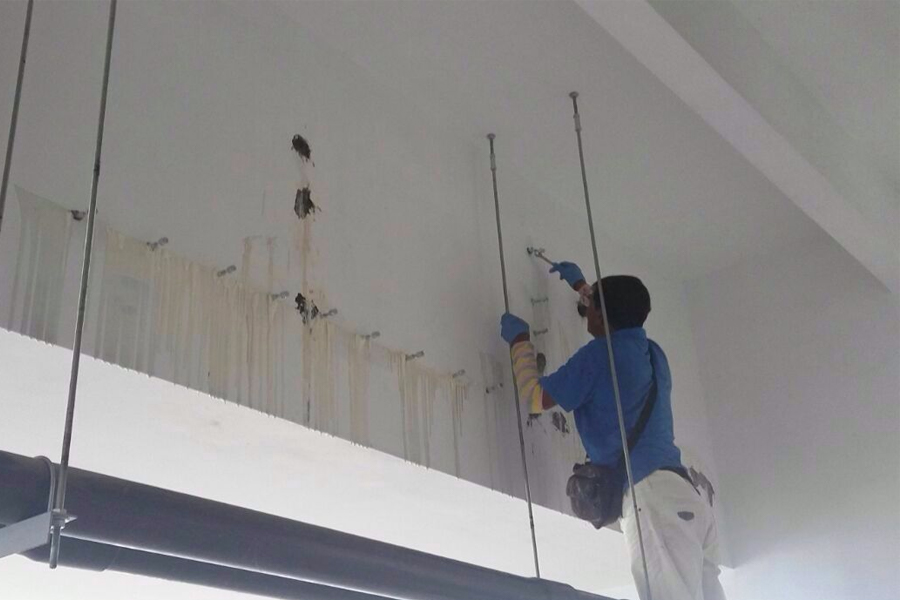
One warning sign is a very irregular roof surface. If the existing screed is loose, hollow, cracked or saturated with moisture, covering it with a sheet membrane may trap problems below the new waterproofing layer. The surface may need repair, drying, removal or separation treatment before TPO can be considered.
Another issue is a roof with many small details. Each pipe, plinth, support bracket and corner becomes a detailing point. A roof that looks small in area may still be labour-intensive if it has many penetrations. In that situation, a liquid-applied waterproofing system may sometimes be more practical because it can be formed continuously around complex shapes.
TPO should also be carefully evaluated where the roof is exposed to oil, chemicals, grease discharge or heavy equipment movement. Not every roof exposure is only rainwater and sunlight. Factory roofs, kitchen exhaust areas and service platforms may need chemical resistance, protection boards, walkway pads or another system altogether.
Existing waterproofing is another common risk. If there is an old bituminous layer, failed coating or unknown membrane, the new TPO system must be checked for adhesion, compatibility and separation requirements. Installing a new membrane over an unstable old layer can transfer old failures into the new system.
 What to Verify Before Buying TPO Membrane Roll
Buying a TPO membrane roll by price alone is risky because the roll is not the complete waterproofing decision. A purchaser, contractor or building owner should verify the full system requirement before approving the material.
Important points to check include the membrane thickness, reinforcement type if applicable, UV exposure suitability, seam welding requirements, fixing method, substrate compatibility and accessory availability. The current technical data sheet should be reviewed instead of relying only on general product descriptions.
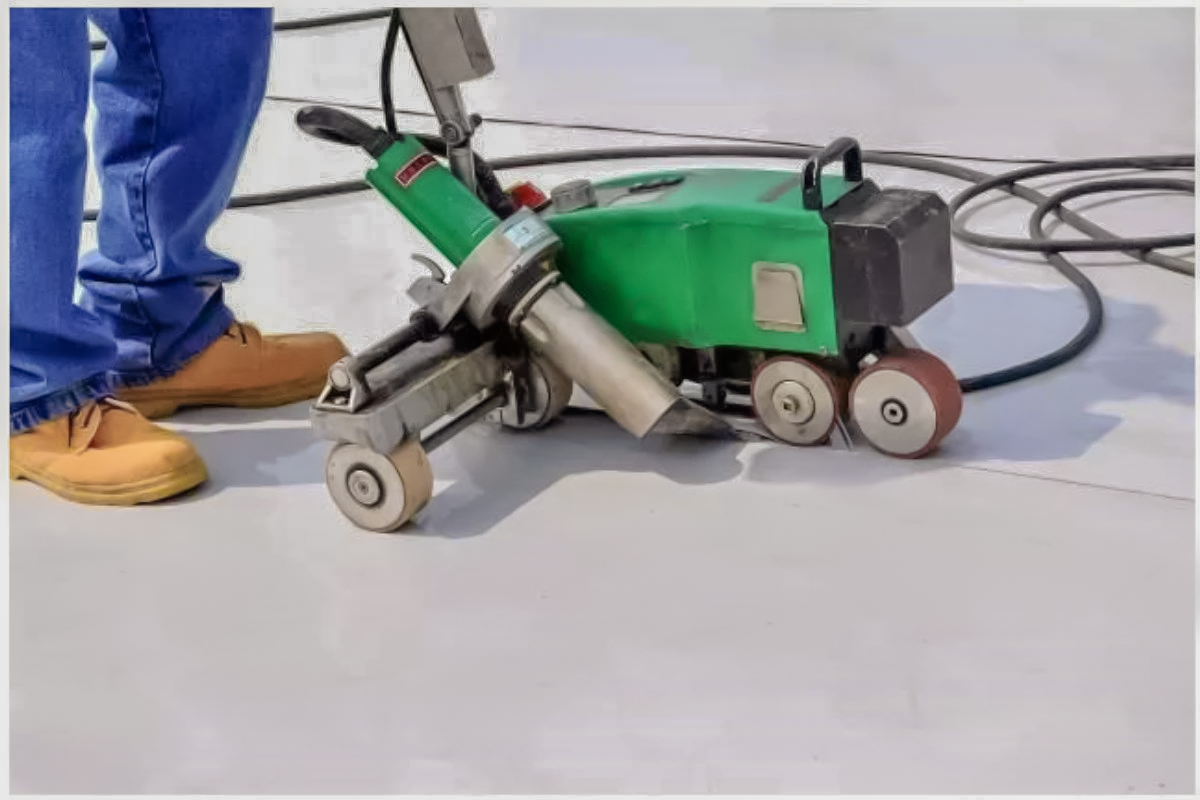
Installation capability is just as important as the roll specification. Heat-welded seams require the right tools, clean overlap areas and proper site control. If the installer is unfamiliar with TPO detailing, the weakest points will usually be seams, corners, outlets and penetrations rather than the flat sheet area.
A practical verification checklist should include:
Product technical data sheet and intended application area
Recommended substrate condition and preparation method
Seam welding method and quality control approach
Drain, pipe and parapet detailing accessories
Compatibility with existing coatings or membranes
Protection requirements for foot traffic or maintenance areas
Warranty conditions, including exclusions and maintenance obligations
The key point is simple: TPO membrane roll should be selected as part of a roof waterproofing system, not as a standalone sheet product.
How QingLong Waterproofing Would Approach the Decision
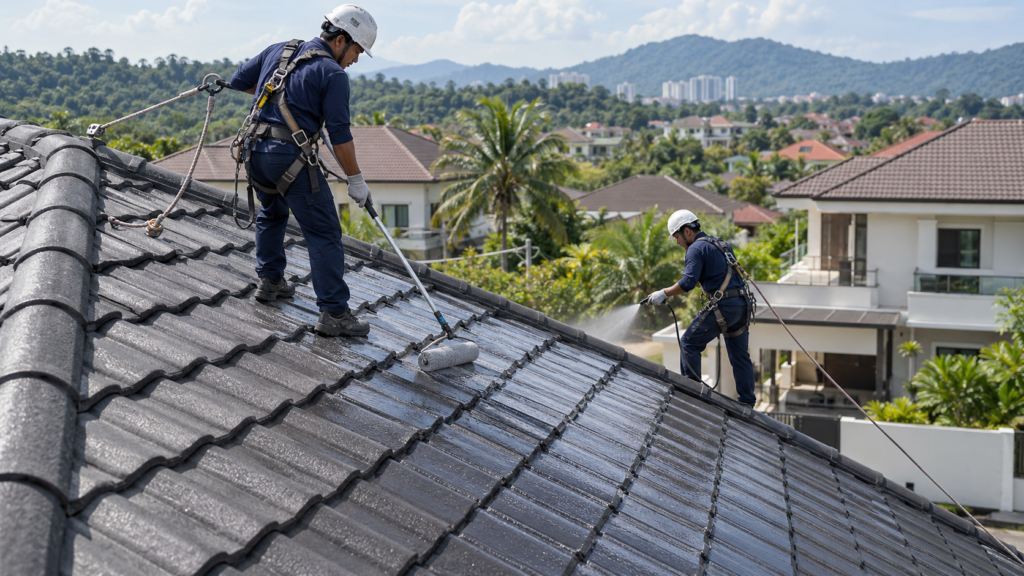
For a flat roof in Kluang, QingLong Waterproofing would first consider the roof condition, not just the requested material. As a waterproofing manufacturer, products supplier and service provider, QingLong can review whether the project is better suited to a sheet membrane approach, a liquid-applied roof coating, a cement-based waterproofing system, joint sealing, local repair, or a combined waterproofing build-up.
This matters because different roofs fail in different ways. A roof with sound open areas but weak terminations may need better edge and outlet detailing. A roof with widespread coating failure may need surface preparation and a compatible recoat system. A roof with cracks, penetrations and active movement may require joint treatment before the main waterproofing layer is applied.
QingLong’s product range includes roofing waterproof coatings, waterproof sealants, K11 waterproof slurry, transparent waterproof coatings and other materials for different residential, commercial and industrial applications. The correct recommendation depends on substrate, exposure, drainage, traffic and repair objective.
If the flat roof is suitable for TPO, the specification should still define how the membrane will be installed and detailed. If TPO is not suitable, choosing another waterproofing system early is usually better than forcing the wrong material onto the roof.
Conclusion
TPO membrane roll can be a strong option for some flat roofs, especially where a durable exposed sheet membrane system is practical. But the roof must have the right conditions: sound substrate, controlled drainage, accessible detailing zones and proper installation capability. For many leaking flat roofs, the weak point is not the main roof area but the outlet, parapet, penetration or old substrate below.
If you are considering TPO membrane roll in Kluang, start with a roof assessment before buying the material. QingLong Waterproofing can help review the site condition and recommend a suitable waterproofing approach. To discuss your flat roof situation, you can contact QingLong Waterproofing for assessment and product guidance.