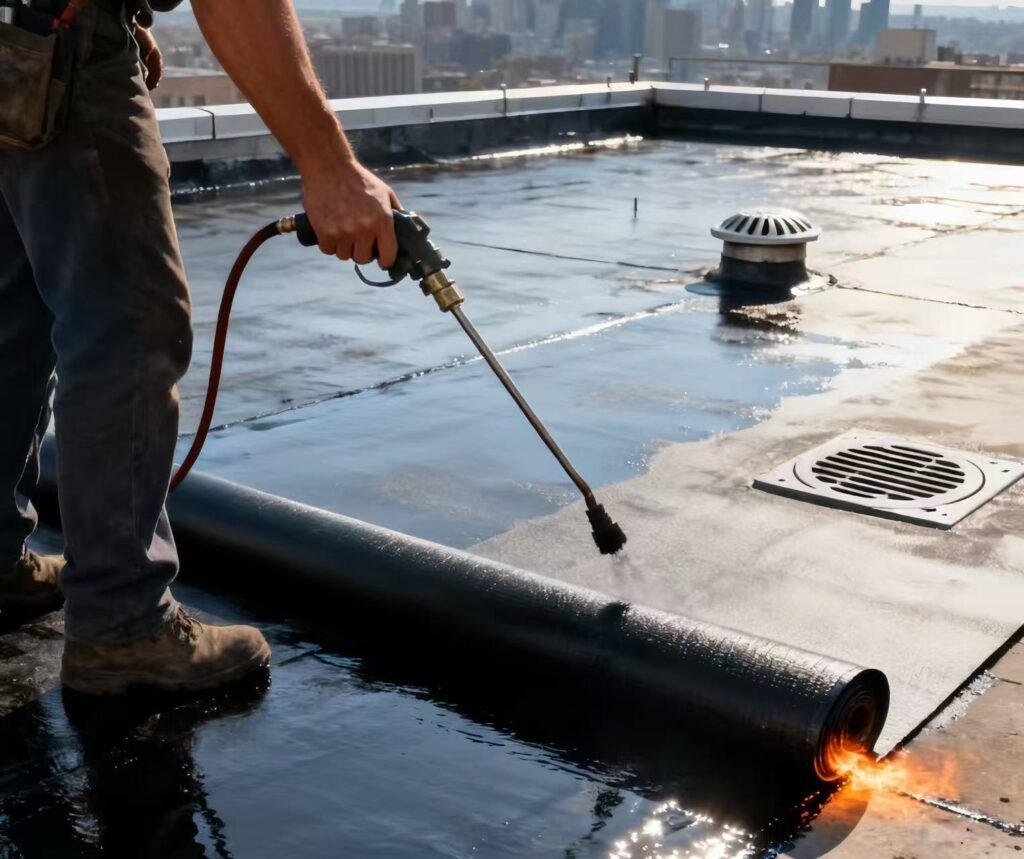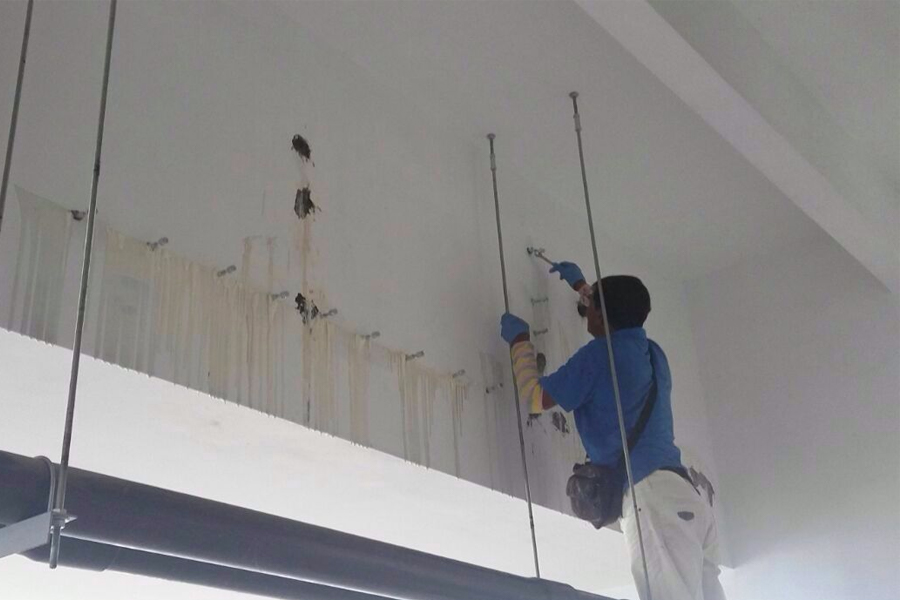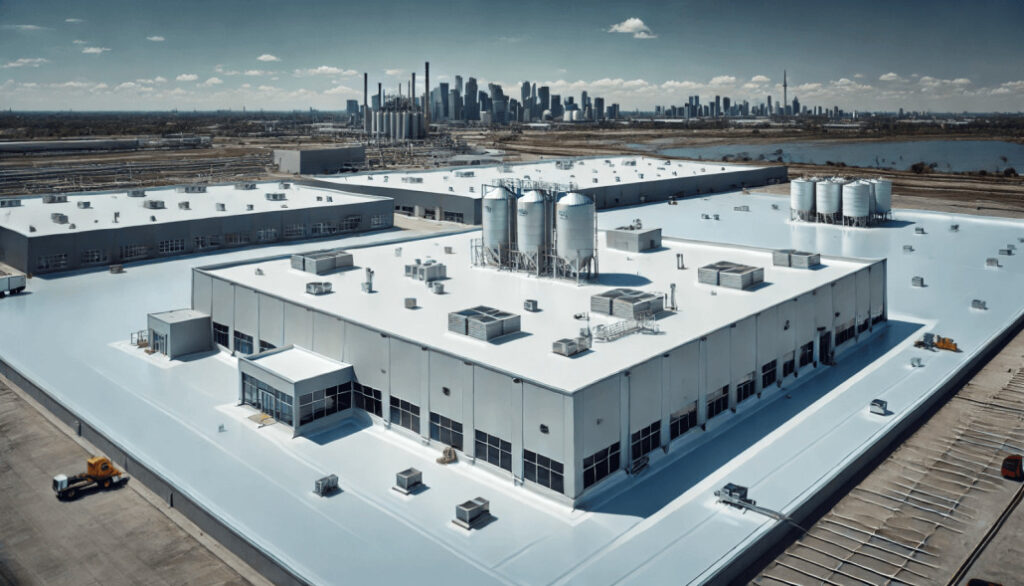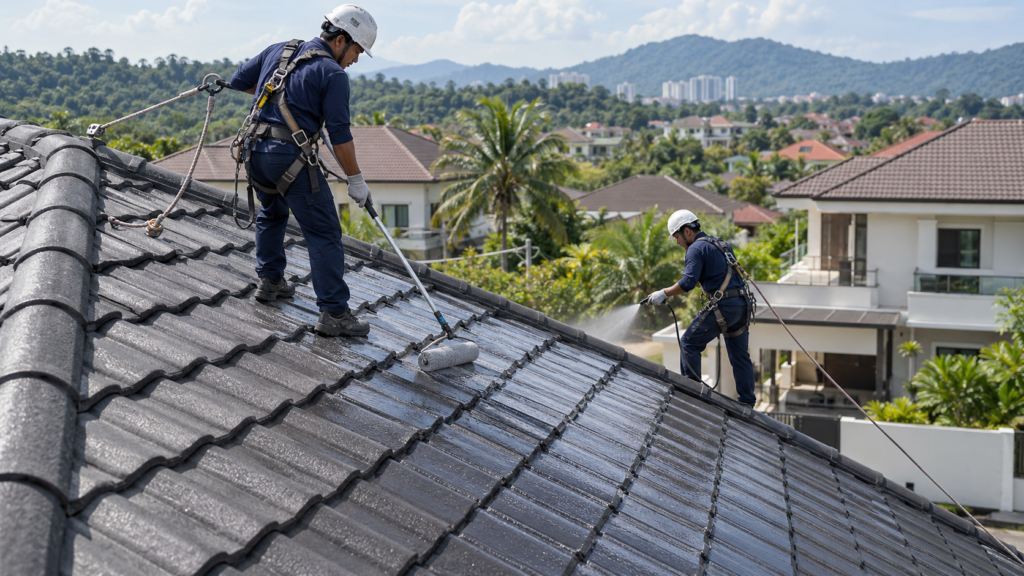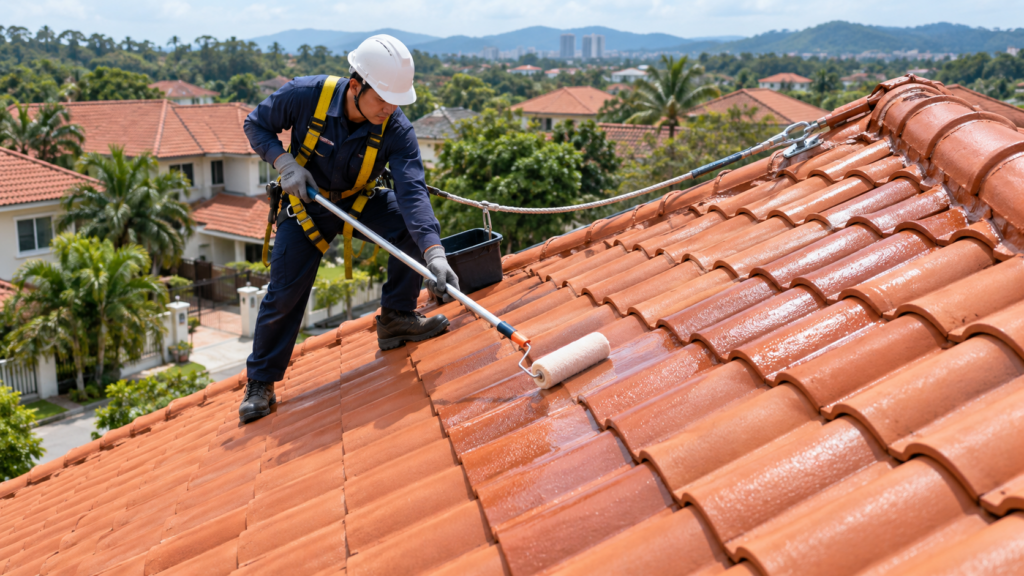
A TPO roof membrane can look like a simple roll of white waterproofing sheet, but the purchasing decision is not simple. For a low-slope commercial roof, warehouse roof, or plant room slab in Pantai Remis, the membrane must resist ponding risk, UV exposure, seam stress, roof movement and detailing around outlets or penetrations. This is why buyers often ask whether the product has SIRIM certification. SIRIM matters because it gives purchasers a recognised way to check product conformity, but it does not replace proper system selection, detailing and installation control.
SIRIM Helps Verify the Product, Not the Whole Roof System
For a purchaser comparing TPO membrane suppliers in Pantai Remis, SIRIM certification is useful because it indicates that a product has been assessed against a recognised standard or certification scheme. It helps reduce uncertainty about whether the supplied membrane is consistent with the declared product specification.
However, SIRIM should not be treated as a shortcut for approving the entire waterproofing work. A certified membrane can still perform poorly if the wrong thickness is selected, seams are not welded correctly, terminations are weak, or the substrate traps moisture below the membrane.
A SIRIM-certified TPO membrane helps verify product conformity, but it does not automatically confirm that the selected roof waterproofing system is suitable for the project. Buyers should still check membrane thickness, reinforcement, seam welding method, fixing system, substrate condition, roof drainage, detailing and installer capability before approval.
This distinction matters because waterproofing failures often occur at system level, not only material level. The roll material may be acceptable, while the failure begins at a pipe penetration, parapet termination, internal corner, outlet, lap seam or loose fixing point.
What a Pantai Remis Buyer Should Check Beyond the Certificate
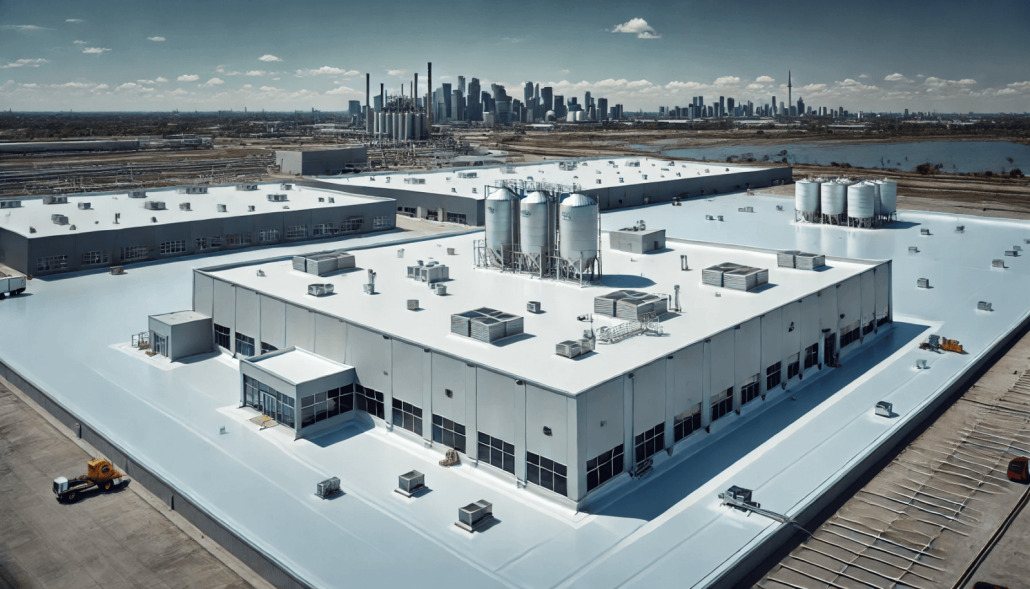
Pantai Remis projects may include commercial buildings, shoplots, warehouses, seafood processing facilities, industrial roofs and residential extensions. The roof condition and building use affect what a TPO membrane must tolerate.
A purchaser should not stop at asking, “Is there SIRIM?” The better question is: “Does the documentation prove this TPO membrane is suitable for this roof and this installation method?”
Key documents to request from a TPO membrane supplier include:
Current product technical data sheet showing thickness, reinforcement type, tensile strength, elongation, tear resistance, puncture resistance and dimensional stability.
Certificate or test report details confirming what standard or certification scheme the membrane complies with.
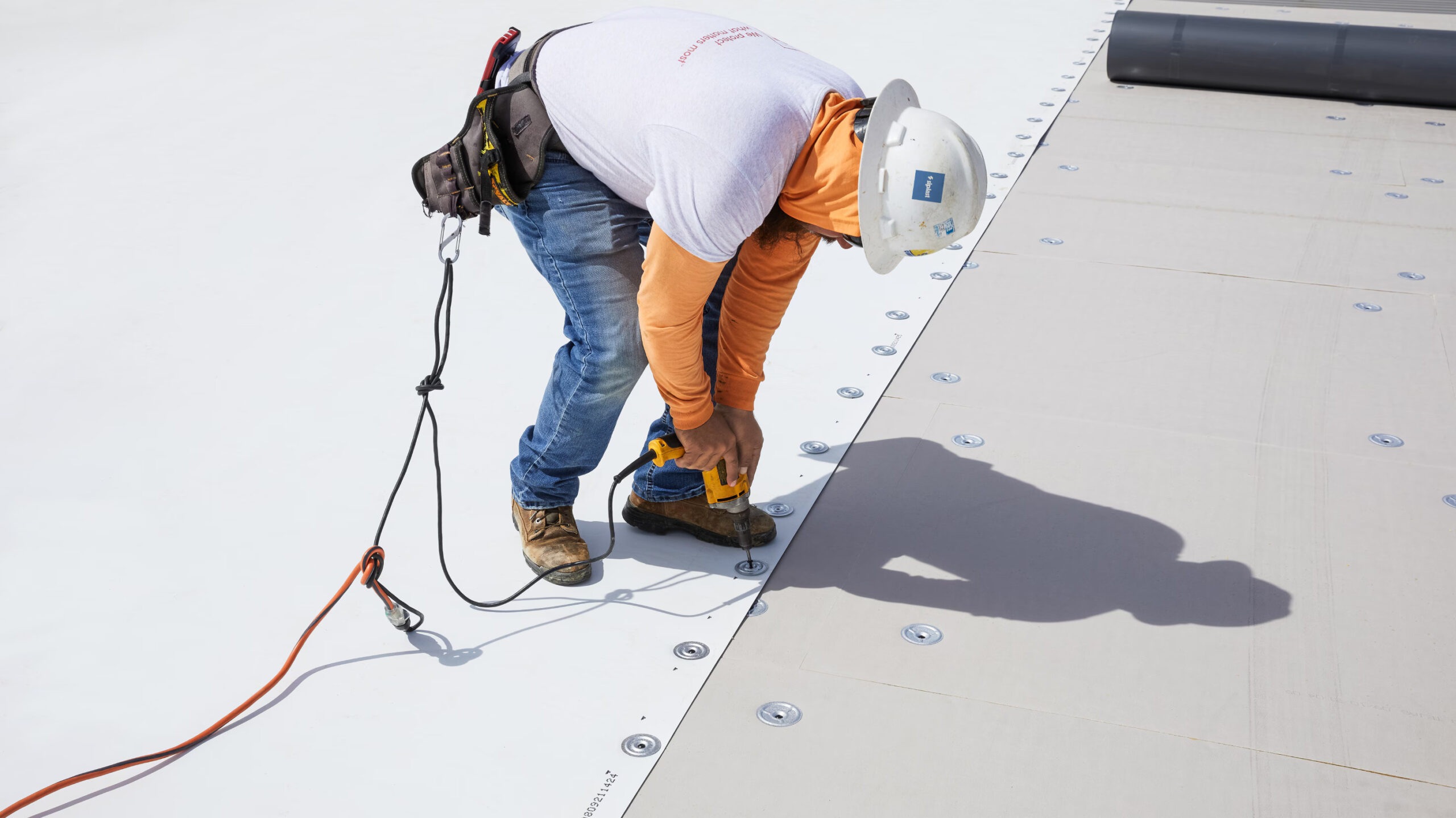
Method statement for substrate preparation, laying, fixing, welding, detailing and termination.
Accessory compatibility information for adhesives, fasteners, insulation boards, cover strips, sealants and preformed details.
Installation and quality control guidance covering trial welds, seam checks, overlap width and repair of defective welds.
Warranty conditions, including what is covered, what is excluded and what workmanship or maintenance requirements apply.
The certificate tells you something important about the product. The technical data and installation documents tell you whether the product can be used correctly on the actual roof.
TPO Membrane Performance Depends Heavily on Seams and Details
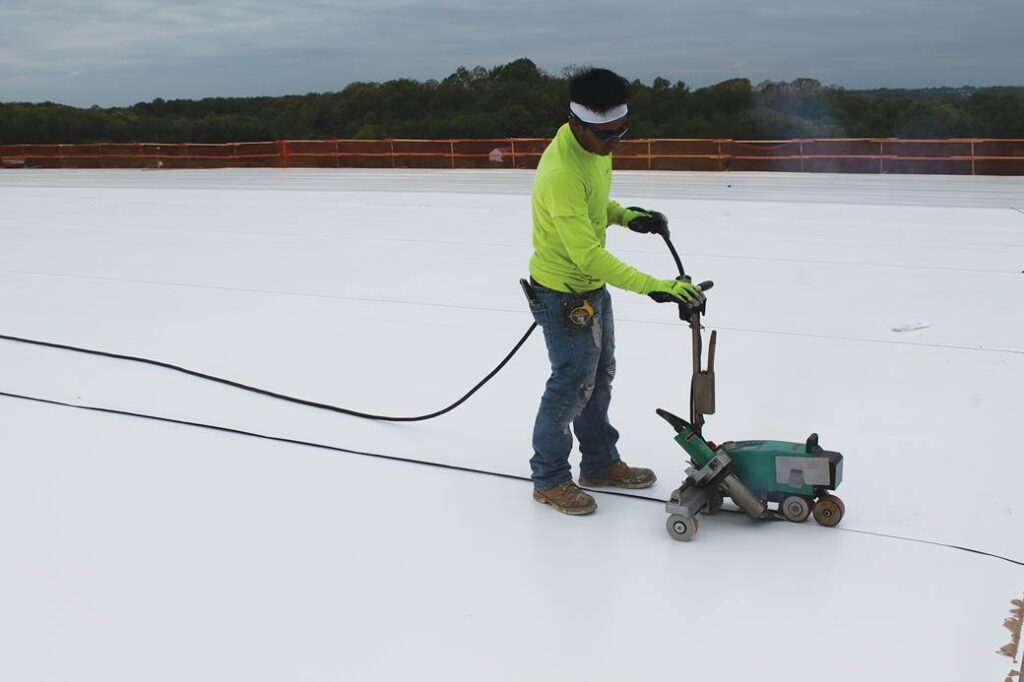
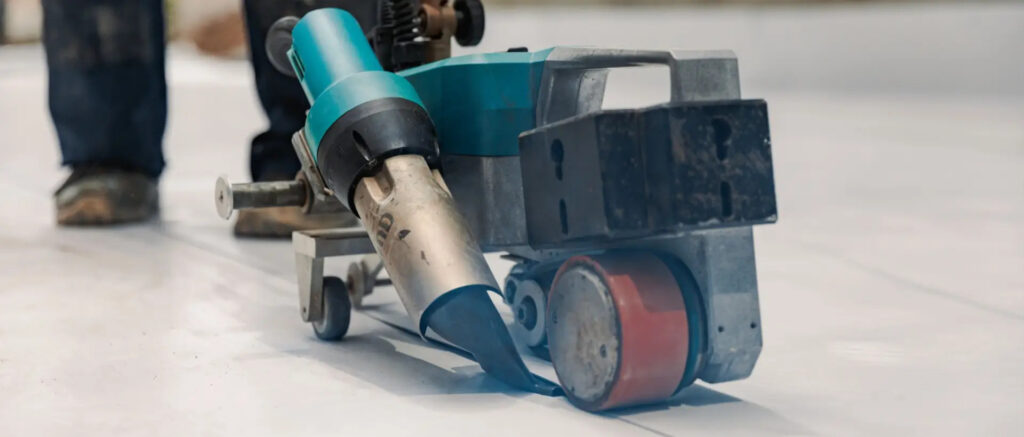
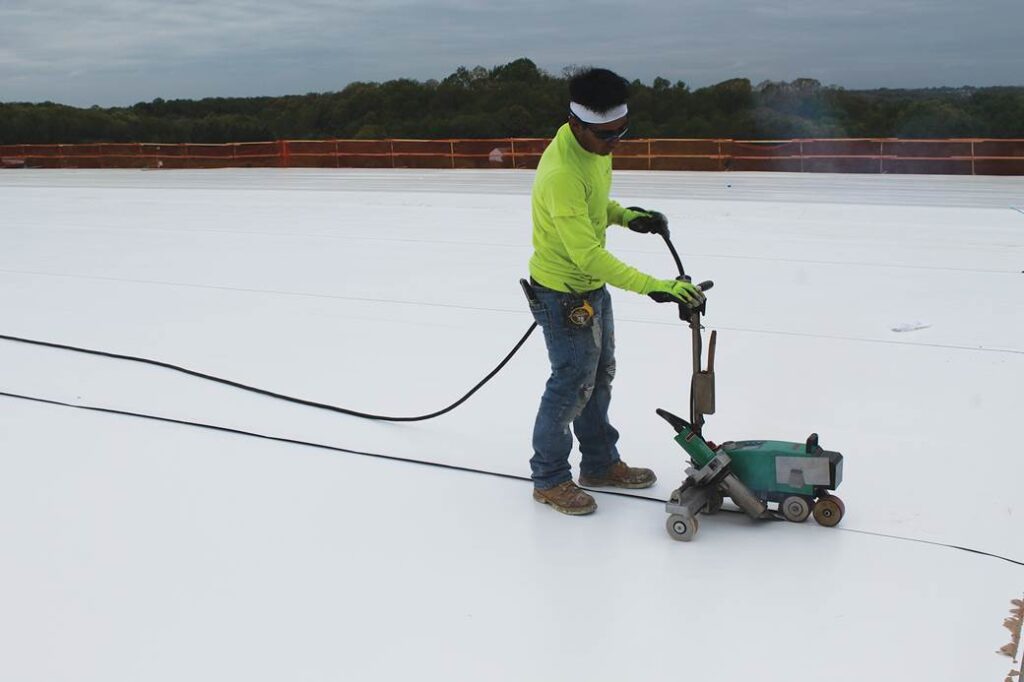
TPO membrane is commonly selected for exposed roof waterproofing because it is a thermoplastic single-ply membrane. Its seams are typically joined by hot-air welding, which can create a continuous waterproof layer when correctly executed. This is one of the main reasons TPO is considered for large roof areas.
But the same feature also creates a quality control requirement. Seam welding must be consistent. If the welding temperature, speed, pressure or surface cleanliness is wrong, the lap may appear closed but remain weak. A roof leak may then appear after rain, thermal movement or ponding water stresses the seam.
The supplier’s role is therefore not only to sell rolls of membrane. A suitable TPO membrane supplier should be able to explain how the membrane is installed, what accessories are needed and what checks are required during application.
For a roof in Pantai Remis, particular attention should be given to:
roof outlets and scuppers where water movement is concentrated;
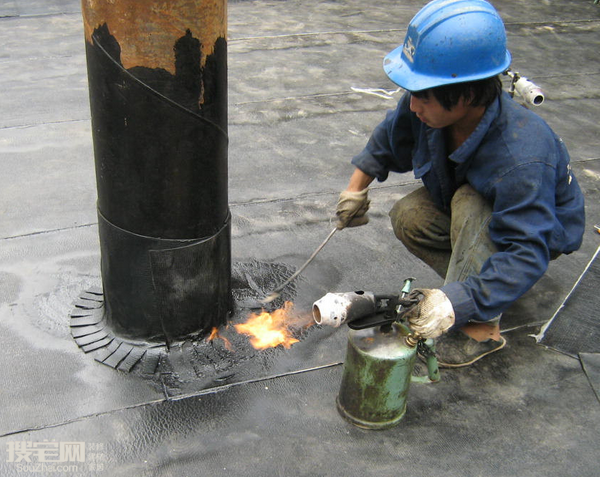
pipe penetrations serving air-conditioning, plumbing or mechanical systems;
parapet upturns and termination bars;
internal and external corners;
expansion joints or movement joints;
areas where foot traffic may occur during maintenance;
ponding zones caused by poor falls or blocked drainage.
A large flat area of membrane is usually easier to control than the edges and penetrations. Many roof failures start where the waterproofing layer changes direction, is cut, is terminated or is interrupted by another building element.
Thickness and Technical Parameters Should Match the Roof Risk
TPO membranes are available in different thicknesses and build-ups. A thicker membrane may offer better puncture resistance or durability in some conditions, but thickness alone should not be the only selection criterion.
For example, a roof with frequent maintenance traffic may need walkway protection in addition to a suitable membrane thickness. A roof with many mechanical penetrations may need better detailing accessories and workmanship control more than simply a thicker sheet. A roof with poor drainage may require correction of falls or outlet capacity before membrane installation.
When evaluating technical parameters, buyers should connect each figure to a real roof condition. Tensile strength and elongation relate to the membrane’s ability to tolerate stress and movement. Tear and puncture resistance matter where sharp edges, tools, maintenance work or substrate irregularities are present. Dimensional stability is relevant because an exposed membrane expands and contracts with temperature changes.
A proper supplier discussion should therefore move from product numbers to roof risk. The question is not only whether the TPO membrane has strong performance values, but whether those values address the actual exposure and detailing demands of the project.
Comparing TPO Membrane Suppliers: What Should Matter Most
If you are comparing QingLong Waterproofing with other established waterproofing brands or suppliers such as Sika, Fosroc or other recognised single-ply membrane providers, the comparison should not be based only on price per roll.
A lower material price can become expensive if the system requires accessories that were not included, if the installer is unfamiliar with seam welding, or if the roof details need additional treatment after installation has started. A higher-priced proposal may also be difficult to justify if the specification is not clearly connected to the roof’s actual risk.
For a meaningful comparison, assess each supplier on the same basis:
Does the supplier provide current technical documentation?
Is the certification or test evidence clearly linked to the offered product?
Are compatible accessories available?
Does the supplier understand the roof substrate and detailing?
Is installation guidance provided?
Can the supplier support waterproofing system selection, not only product supply?
Are exclusions and warranty conditions clearly explained?
QingLong Waterproofing is relevant for buyers who want more than product trading. QingLong manufactures and supplies waterproofing materials and also provides waterproofing system support for residential, commercial, industrial and infrastructure projects. For a TPO roof membrane enquiry, the specific product specification, availability and certification documents should still be verified against the current project requirement.
When SIRIM Should Influence the Purchasing Decision
SIRIM becomes especially important when the project involves formal procurement, consultant review, developer approval, public-sector documentation, or risk-sensitive facilities. In these cases, the purchaser needs evidence that the offered waterproofing product is not merely described verbally but supported by recognised documentation.
For smaller projects, SIRIM can still help buyers avoid unclear or inconsistent products. It gives a more objective basis for comparing suppliers. But it should be combined with practical checks: whether the membrane is suitable for the roof slope, whether the existing surface is ready, whether ponding is present, and whether the installer can control welded seams and details.
For TPO membrane procurement, SIRIM matters most when it is used together with technical review. The certificate supports product confidence, while the roof inspection confirms whether TPO is the right waterproofing system. A buyer should approve both the material evidence and the application method, not one without the other.
This is where many purchasing mistakes happen. The buyer asks for a certificate but does not confirm the installation build-up. Or the buyer accepts a method statement but does not verify whether the actual product supplied matches the submitted data.
A Practical Approval Sequence Before Ordering TPO Membrane
Before confirming a TPO membrane supplier in Pantai Remis, the approval process should follow the roof condition rather than the sales quotation.
Start by confirming the substrate. Is it concrete, metal deck, insulation board, existing membrane or cement screed? Each substrate changes the fixing or bonding method. Then check drainage. If water remains on the roof for long periods, the waterproofing discussion should include falls, outlets and ponding risk.
Next, identify roof interruptions. A simple rectangular roof is very different from a roof with multiple pipe penetrations, AC supports, skylights, gutters, equipment plinths and expansion joints. These details affect accessory selection and labour quality.
Only after that should the buyer finalise membrane thickness, fixing method, seam welding requirements and documentation. If SIRIM certification is required by the project, request the document before purchase and verify that it applies to the same product model, thickness and specification being offered.
Conclusion
Choosing a TPO membrane supplier in Pantai Remis should not be reduced to finding the cheapest roll with a certificate. SIRIM is valuable because it supports product verification, but roof waterproofing success depends on the complete system: membrane, accessories, substrate preparation, seam welding, drainage and detailing. The best purchasing decision is made when certification and site suitability are checked together.
If you need help reviewing a TPO membrane specification, roof condition or waterproofing system proposal, you can contact QingLong Waterproofing for suitable technical guidance.