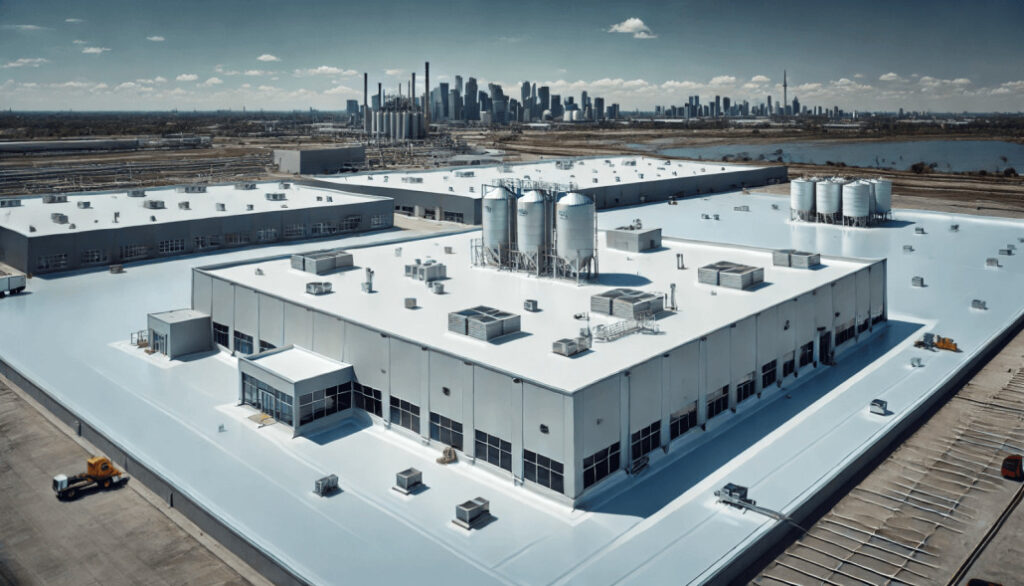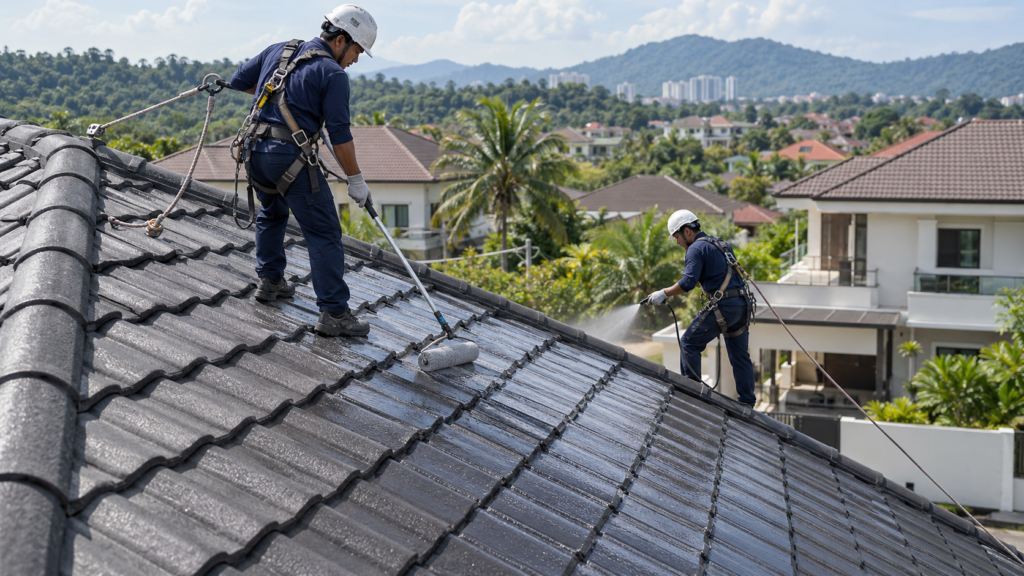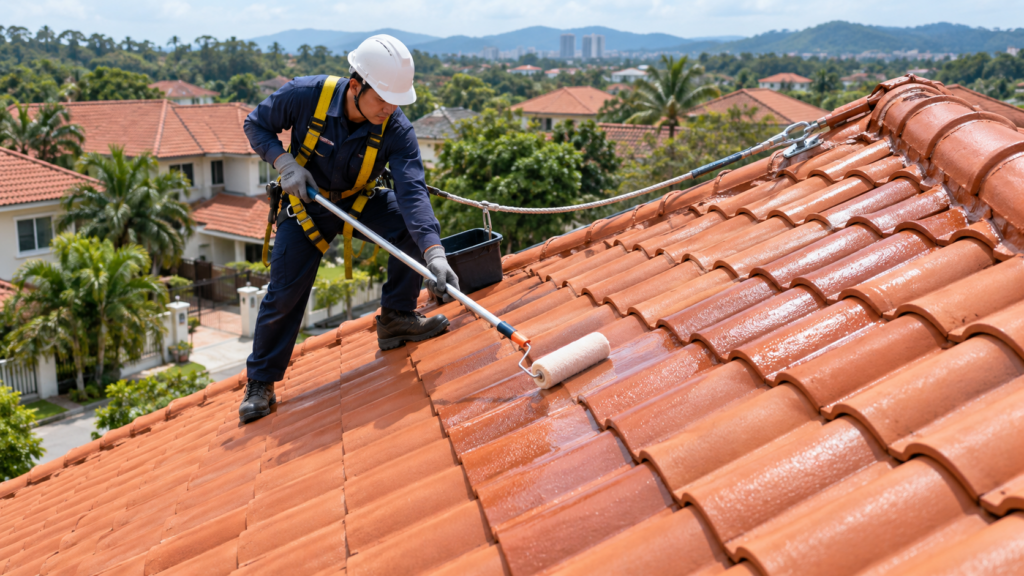
A purchaser looking for a TPO membrane roll in Johor Bahru is usually not buying a small waterproofing item. The membrane may be intended for a factory roof, warehouse, commercial building, data centre, or another large-area project where one wrong material decision can affect installation, maintenance, and future leakage risk. ISO certification is often mentioned during product selection, but it is sometimes misunderstood. It is useful evidence, but it does not answer every technical question about the membrane, the roof design, or the installer’s workmanship.
ISO Certification Helps Confirm Process Control, Not Complete Roof Suitability
For a TPO membrane roll, ISO certification matters because it indicates that the manufacturer operates under a documented quality management system. In practical purchasing terms, this helps support consistency in production, inspection, traceability, packaging, and corrective action when issues are found.
However, ISO certification should not be treated as a shortcut for technical evaluation. A certified production process does not automatically mean that a particular TPO membrane is suitable for every roof in Johor Bahru, every fixing method, every insulation board, or every drainage condition.
ISO certification can support confidence in how a TPO membrane roll is manufactured and controlled, but it does not replace project-specific waterproofing checks. Purchasers should still verify membrane thickness, test data, welding requirements, substrate compatibility, roof detailing, and whether the selected system matches the building’s exposure and use.
This distinction is important. ISO certification is about management control. Roof waterproofing performance depends on both the product and the complete system build-up.
What ISO Certification Can Tell a Johor Bahru Purchaser
When comparing TPO membrane roll suppliers, ISO certification can help reduce uncertainty in several areas that are difficult to see from the roll itself.
A membrane may look acceptable when delivered to site, but the buyer still needs confidence that the product was produced under repeatable controls. ISO certification can support this by showing that the manufacturer has procedures for raw material control, production checks, non-conformance handling, and record keeping.
For commercial and industrial projects in Johor Bahru, this matters because waterproofing materials are often ordered in volume. If a project requires multiple rolls across a large roof area, inconsistent thickness, poor roll identification, weak batch control, or unclear documentation can create problems during installation and future claim investigation.
ISO certification may also be useful for consultants, contractors, or procurement teams that need documentation before approving a waterproofing material. It provides a recognised framework for evaluating whether the supplier has a controlled operating system rather than relying only on verbal claims or product appearance.
Still, the purchaser should ask what type of ISO certification is being presented. ISO 9001, for example, relates to quality management systems. It is not the same as a product test certificate, fire rating, wind uplift assessment, or material performance report.
What ISO Certification Does Not Prove About a TPO Membrane Roll
The common mistake is assuming that an ISO-certified supplier automatically provides the right membrane for the project. This is where waterproofing decisions can go wrong.
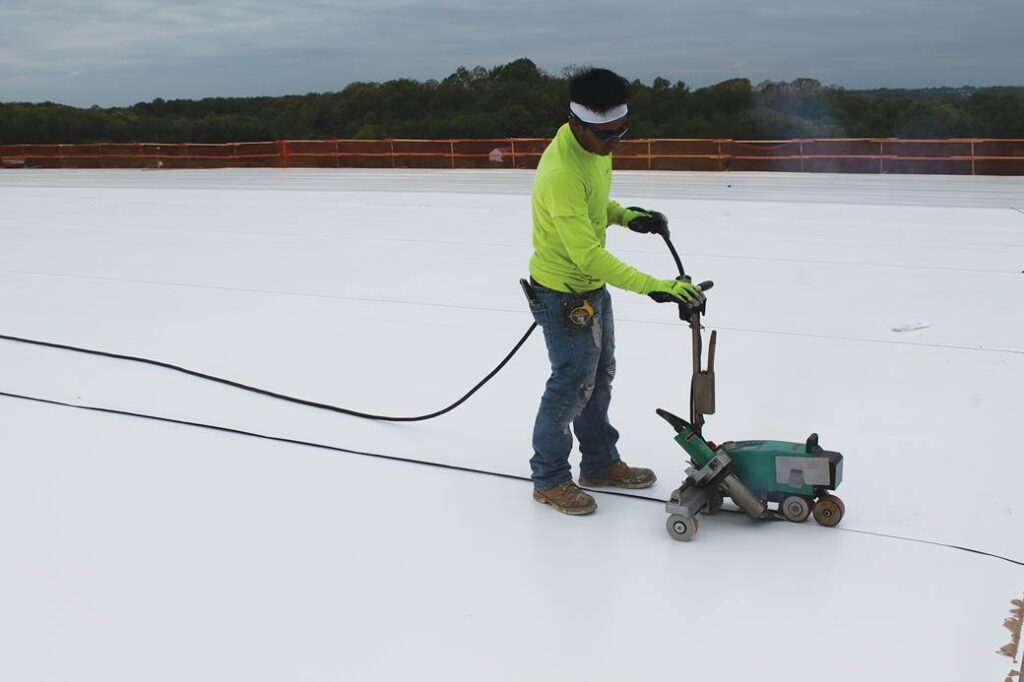
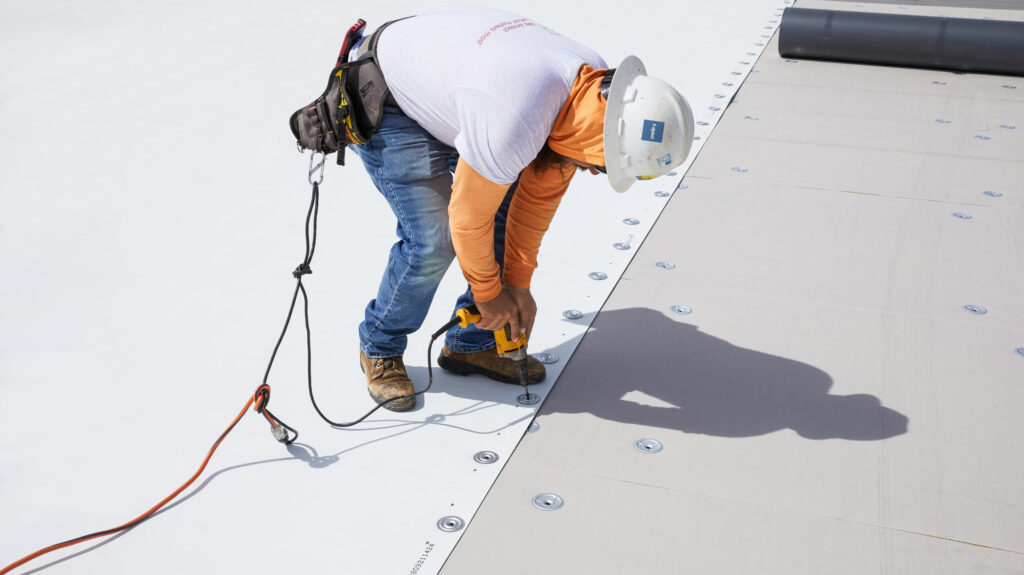
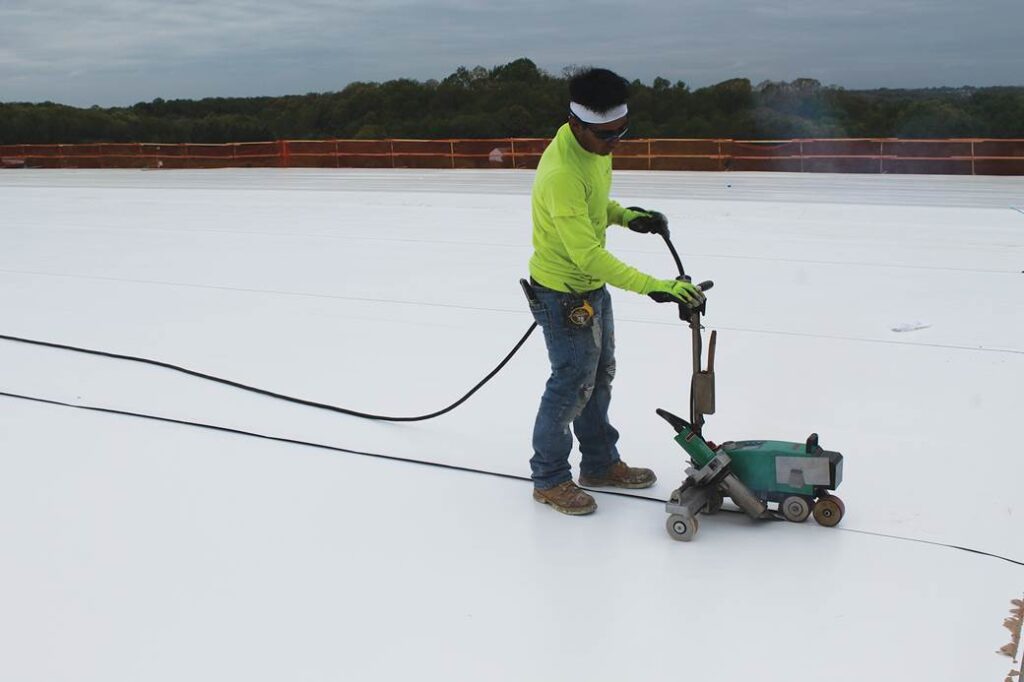
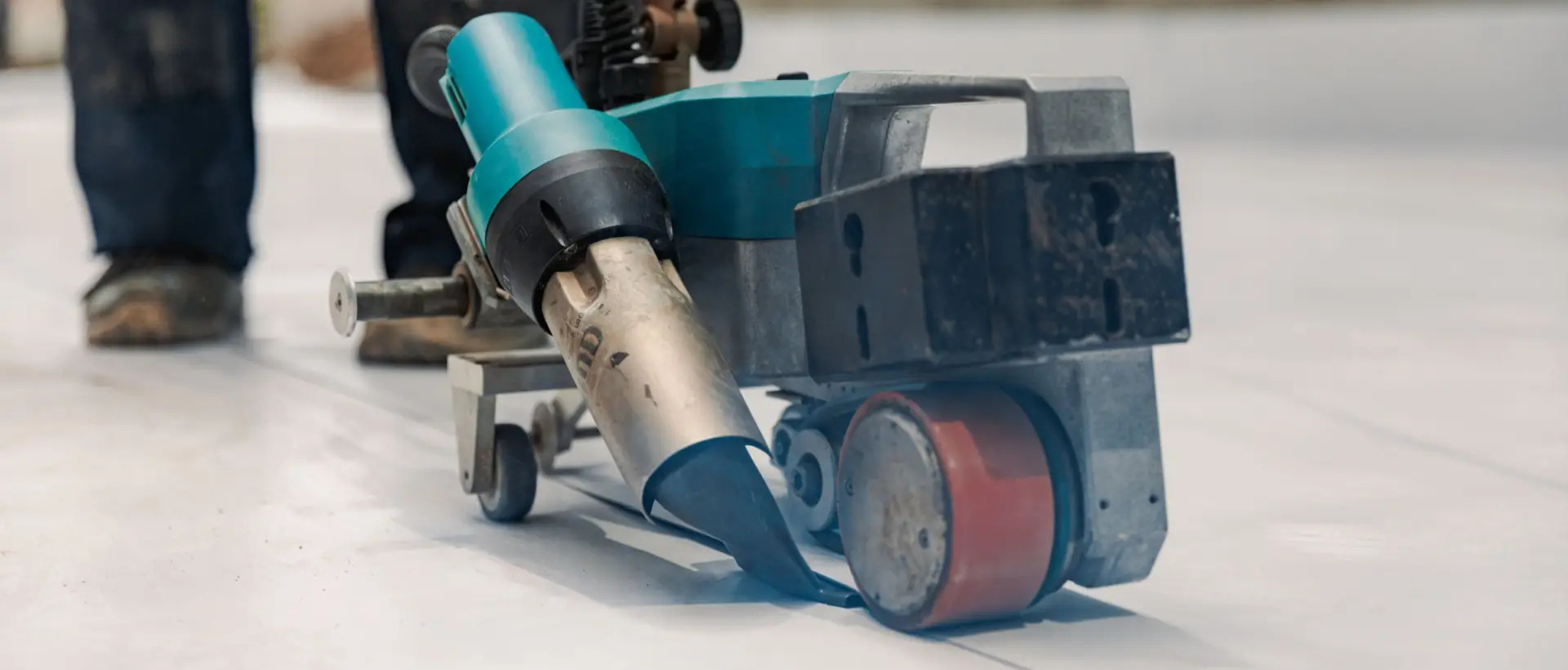
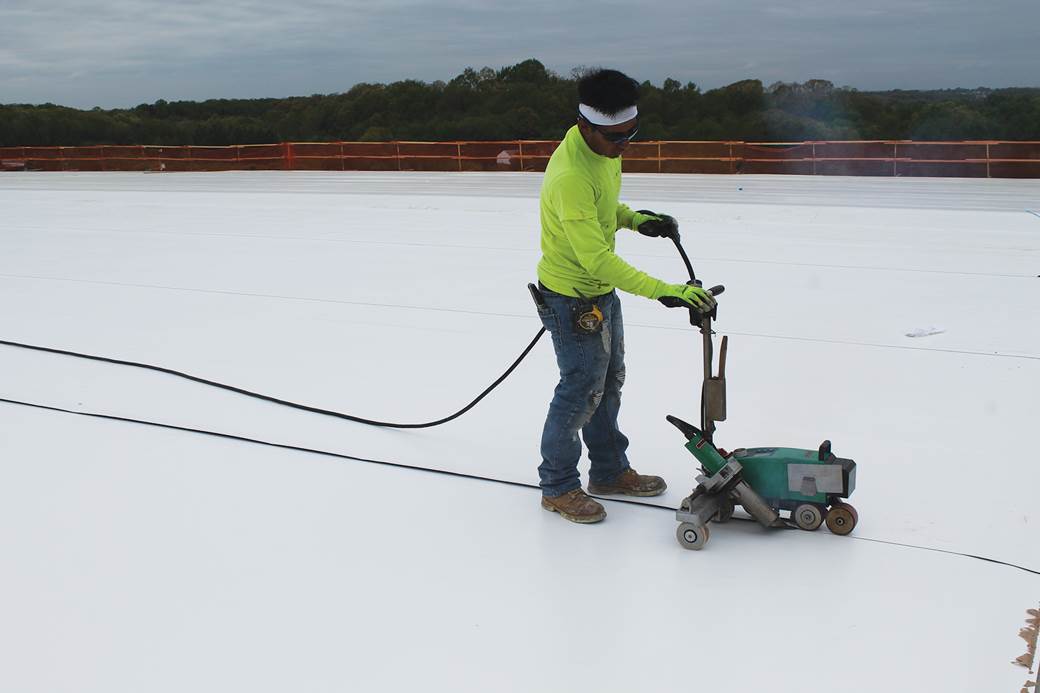
A TPO membrane roof depends heavily on details that ISO certification alone does not confirm. The membrane may need to be mechanically fastened, fully adhered, loosely laid with ballast, or used as part of another approved build-up. Each method has different requirements for substrate preparation, wind resistance, seam welding, termination, drainage, and maintenance access.
ISO certification also does not prove that the membrane thickness is suitable for the project. It does not confirm whether the membrane can handle the expected foot traffic during maintenance, whether the roof slope is adequate, or whether ponding water will remain around outlets after rain.
For existing roofs, ISO certification does not answer whether the old substrate is sound enough. A TPO membrane installed over damp, dusty, uneven, contaminated, or unstable layers may still face adhesion failure, puncture risk, blistering, or detailing problems, even if the roll itself comes from a certified manufacturer.
In other words, ISO certification is one part of product confidence. It is not a full waterproofing design approval.
The Documents That Should Be Checked Alongside ISO Certification
A serious TPO membrane roll purchase should be supported by more than a company profile and certification logo. Before approving a supplier, the buyer should request the current technical documentation and check whether it matches the actual application.
Useful documents may include:
Technical data sheet showing thickness, width, roll length, tensile strength, elongation, tear resistance, puncture resistance, dimensional stability, and other relevant performance data.
Installation method statement explaining seam welding, overlap requirements, termination details, fixing method, substrate condition, and site handling.
Test reports or compliance documents relevant to the project specification, where required by the consultant or client.
Batch or roll identification records so delivered materials can be traced if questions arise later.
Accessory compatibility information for corners, pipe penetrations, drains, termination bars, adhesives, sealants, and prefabricated details where applicable.
These documents are especially important when the TPO membrane roll is part of a larger commercial or industrial project. A roof does not fail only at the wide open field area. Leaks often appear at outlets, parapet upturns, pipe penetrations, movement joints, equipment plinths, door thresholds, and membrane terminations.
If the supplier can provide a membrane roll but cannot clearly explain the compatible accessories and detailing approach, the purchaser may be buying only part of the waterproofing system.
Why Johor Bahru Projects Need More Than a Price Comparison
Johor Bahru has many commercial, industrial, logistics, residential, and infrastructure-related developments. For larger buildings, roof waterproofing decisions are often made under programme pressure. The buyer may compare suppliers mainly by roll price, stock availability, and delivery time.
Those factors are important, but TPO membrane roll selection should also consider the installation environment. A large roof may have long seam lines, roof equipment, pipe penetrations, drainage outlets, parapet edges, maintenance walkways, and areas where trades will continue working after the membrane is installed.
A cheaper roll can become expensive if it requires unclear detailing, has poor compatibility with accessories, or creates installation uncertainty. On the other hand, a properly documented roll from a controlled manufacturing source gives the contractor and consultant a clearer basis for inspection and approval.
For TPO membrane roll projects in Johor Bahru, ISO certification should be used as a starting filter, not the final buying decision. The final decision should also consider technical data, installation support, detailing requirements, accessory compatibility, delivery reliability, and whether the supplier can explain how the membrane fits the actual roof condition.
This is where procurement, technical, and site teams need to communicate before the order is placed. If the roof has unusual details or strict project requirements, the membrane selection should be reviewed before material delivery, not after installation has started.
 How QingLong Waterproofing Fits Into the Selection Process
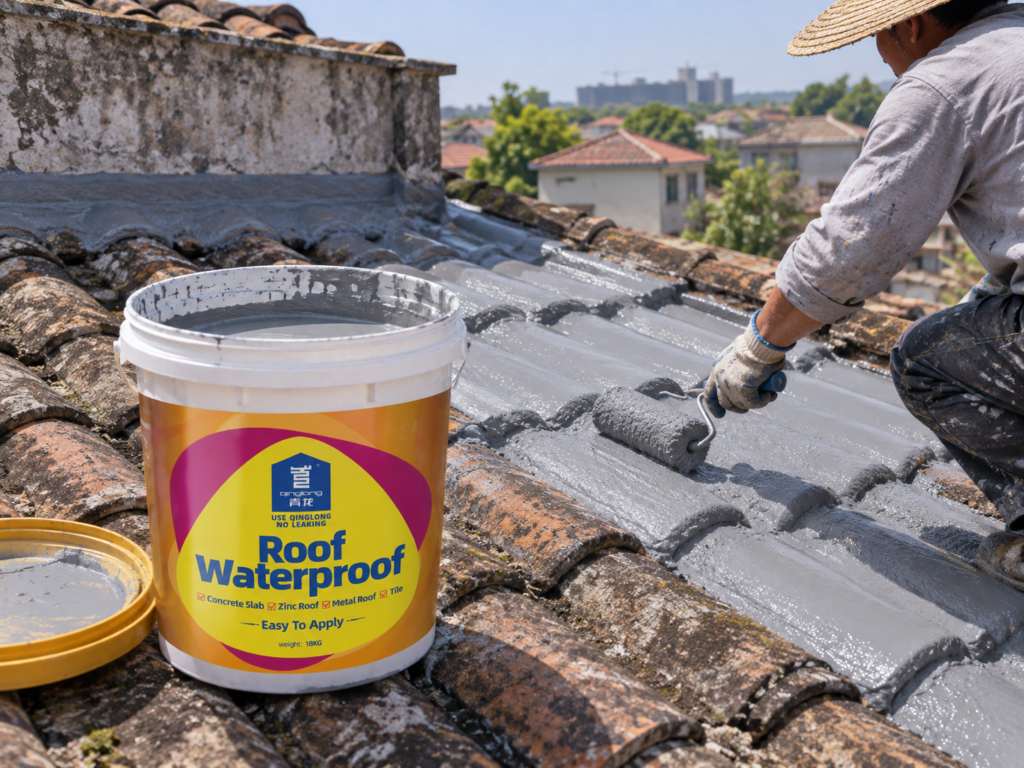
QingLong Waterproofing is a waterproofing manufacturer, waterproofing products supplier, waterproofing service provider, and waterproofing franchise company in Malaysia. The company’s work covers residential, commercial, industrial, and infrastructure waterproofing needs, with experience in manufacturing, material supply, technical support, and waterproofing system application.
For buyers evaluating TPO membrane rolls or other waterproofing systems in Johor Bahru, the key value is not only the product name. The more important question is whether the proposed waterproofing material can be matched with the project’s substrate, exposure, detailing, installation method, and documentation requirements.
QingLong’s broader technical experience in waterproofing systems is relevant when a purchaser needs to move beyond a simple roll quotation and review the actual waterproofing requirement. For example, a roof with many penetrations, internal gutters, parapet details, or equipment bases may need a different level of technical review compared with a simple open roof area.
QingLong has also been involved in major waterproofing works, including commercial and industrial project scopes covering roofs, external walls, base slabs, pipe penetrations, internal and external corners, and expansion joints. This kind of system-level experience is important because roof waterproofing rarely depends on the membrane sheet alone.
If you are comparing TPO membrane roll options or need to verify whether a waterproofing system suits your Johor Bahru project, you can contact QingLong Waterproofing for technical advice and suitable recommendations.
The Practical Way to Use ISO Certification
ISO certification should not be ignored, and it should not be overvalued. The practical approach is to use it as one layer of verification.
First, confirm whether the supplier’s certification is current and relevant to the manufacturing or supply operation being presented. Second, check whether the TPO membrane roll has the technical data required by the project specification. Third, review how the membrane will be installed, welded, terminated, and protected during site work.
For a purchaser in Johor Bahru, the best decision is not simply “ISO-certified or not ISO-certified.” The better question is: does the supplier provide both controlled product documentation and enough technical clarity for the roof condition?
A TPO membrane roll is only one component of the waterproofing system. ISO certification can support confidence in production control, but long-term roof performance still depends on correct selection, compatible accessories, proper detailing, and site workmanship that follows the approved method.