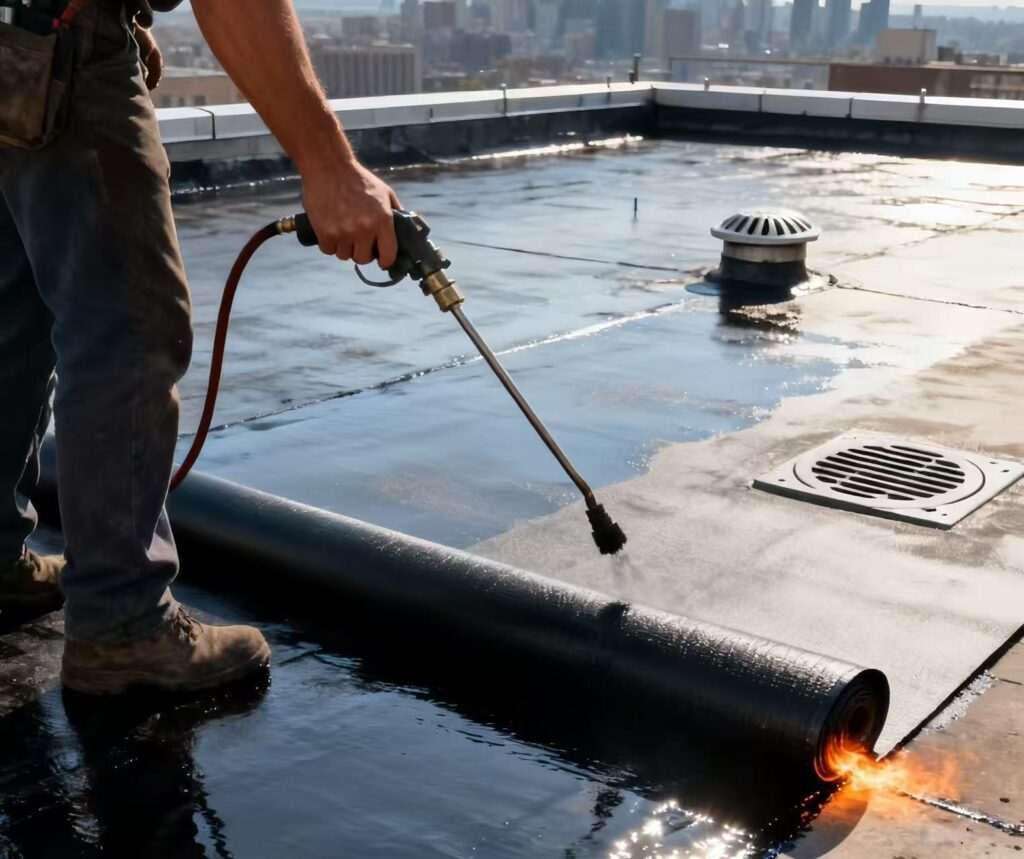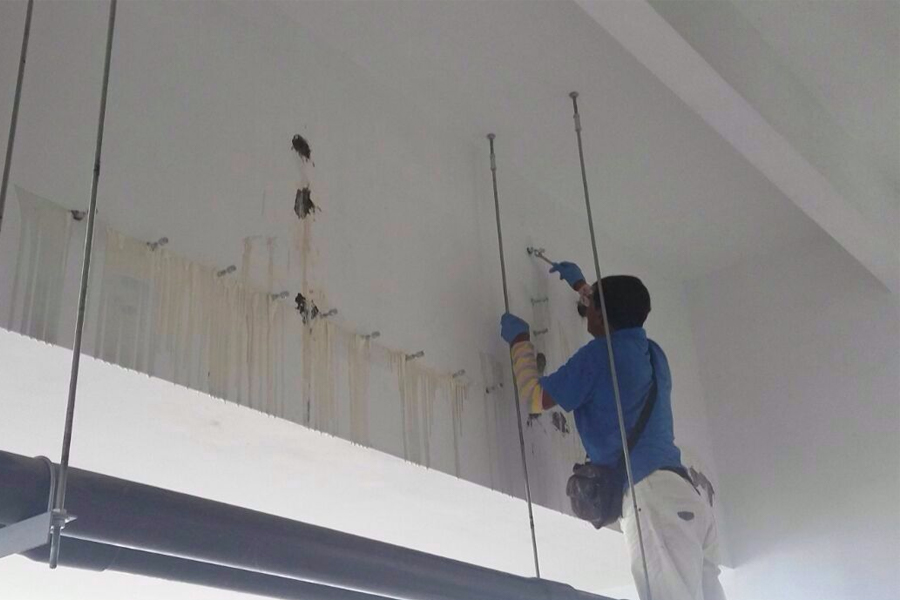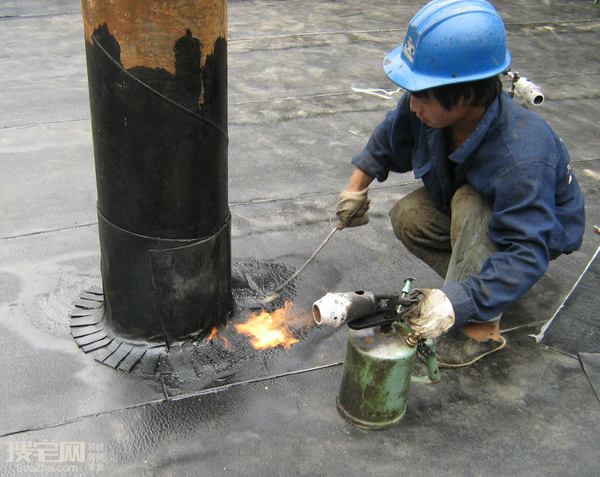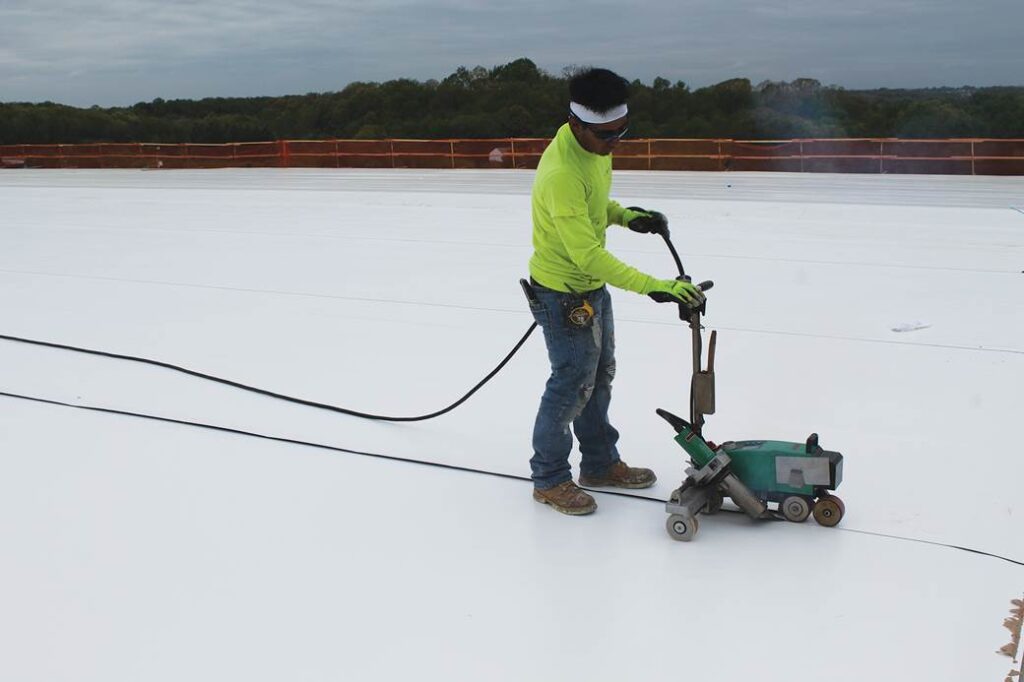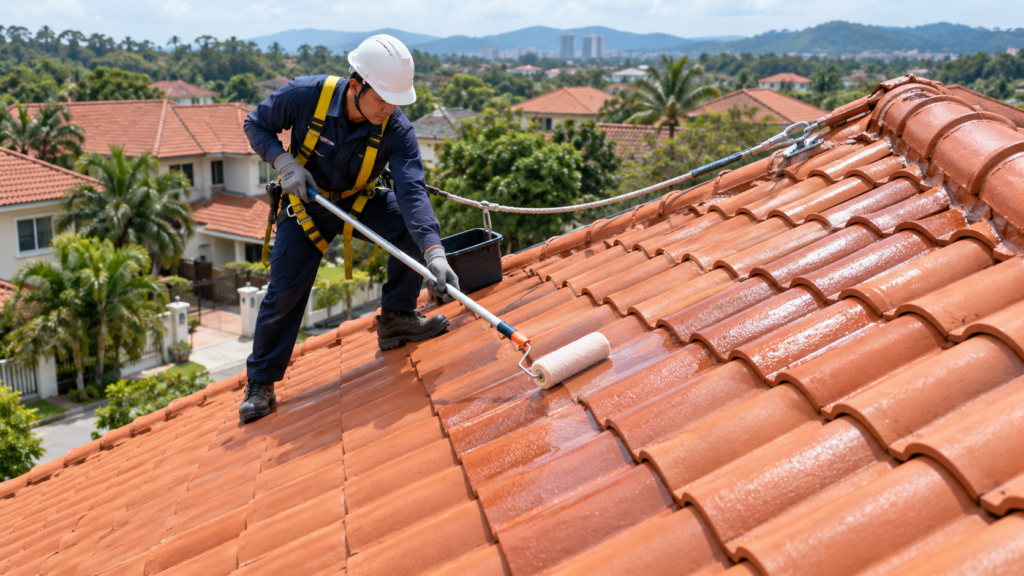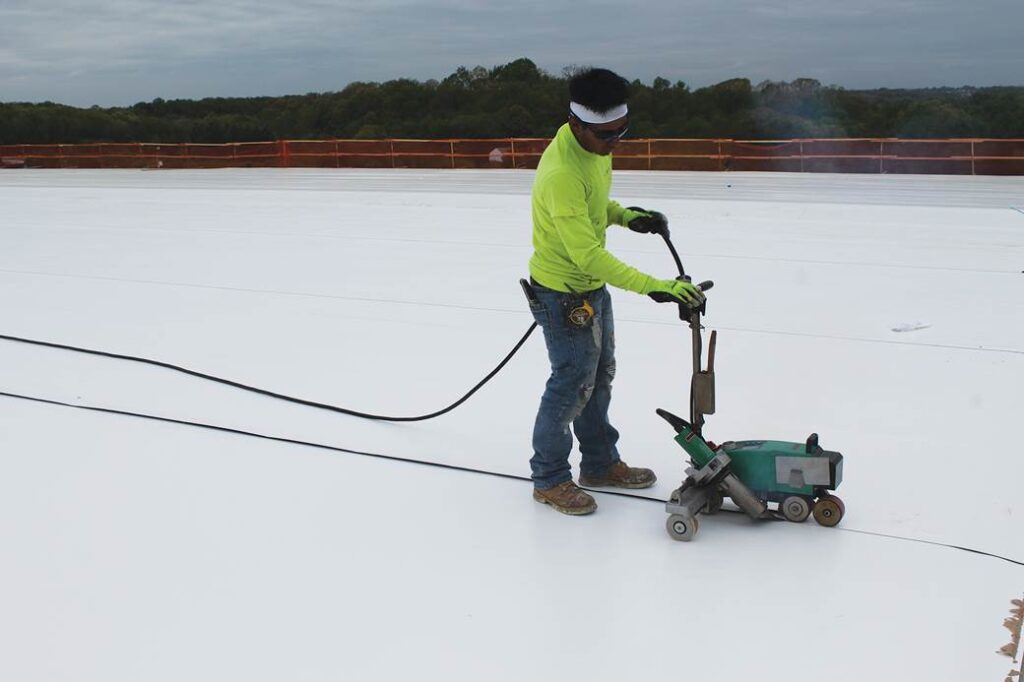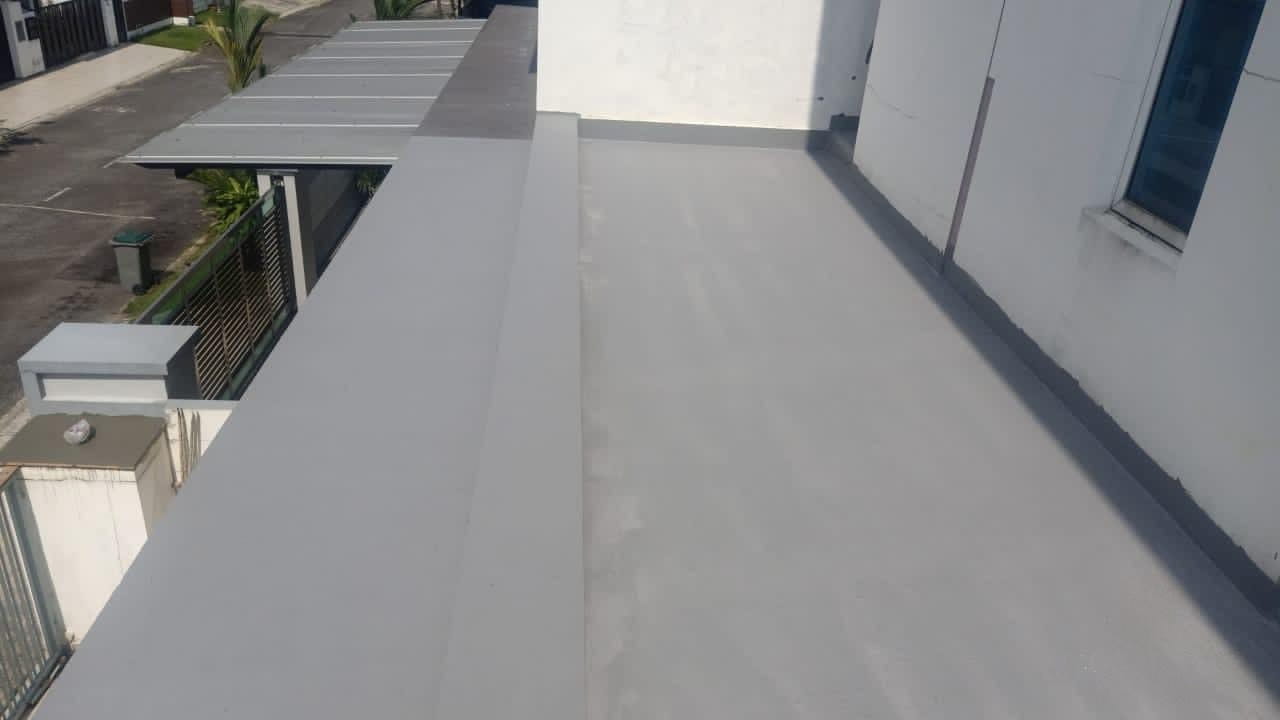
Waterproofing performance plays a critical role in protecting buildings from leakage, structural damage, and long-term deterioration. In Malaysia’s hot and humid climate, combined with frequent heavy rainfall and high moisture levels, waterproof coating issues are more likely to occur if application methods or site conditions are not properly controlled. However, in real construction practice, failures still often arise due to improper application, poor site conditions, or material handling errors.
This guide explains the most common waterproof coating issues and their preventive measures, based on practical construction experience and industry standards.
1. Poor Adhesion to Substrate
Issue:
The waterproof coating fails to bond properly to the substrate, leading to peeling, blistering, or delamination.
Preventive Measures:
• Clean the substrate thoroughly (remove dust, oil, grease, and loose particles).
• Ensure the substrate is structurally sound (avoid chalking or weak surfaces).
• For water-based systems, avoid visible moisture or standing water.
• For solvent-based systems, ensure complete drying before application.
• Apply a compatible primer to improve bonding strength.
2. Insufficient Coating Thickness
Issue:
Uneven or thin application results in weak waterproof protection and possible leakage.
Preventive Measures:
• Ensure the substrate surface is even, smooth, and free from holes or surface defects before application.
• Apply the coating in multiple thin coats rather than one thick layer to achieve a uniform waterproof membrane.
• Adjust the viscosity of the coating according to the product specifications and application requirements to ensure smooth and consistent coverage.
3. Cracking of the Waterproof Coating
Issue:
Cracks may form due to poor surface preparation, excessive coating thickness, or harsh outdoor conditions such as strong wind or heat.
Preventive Measures:
• Remove dust, loose particles, and contaminants before application.
• Apply primer to stabilize the substrate.
• Use thin, multiple-layer application.
• Avoid application during extreme weather conditions.
4. Formation of Bumps or Particles
Issue:
Surface defects such as bumps, lumps, or particles reduce coating smoothness and performance.
Preventive Measures:
• Avoid using expired coatings or materials stirred for more than one hour.
• Mix two-component materials thoroughly to prevent clumps.
• Clean the mixing container before use.
• Follow the recommended mixing ratio accurately.
5. Slow Drying Speed
Issue:
High humidity and low temperature slow down drying, especially for single-component acrylic coatings.
Preventive Measures:
• Improve ventilation to support evaporation.
• Apply thin layers for faster drying.
• Ensure each coat is fully dry before recoating.
• Select cement-based or alternative systems when environmental conditions are unfavorable.
Conclusion
As a professional waterproofing manufacturer, QingLong has been specializing in the production of raw materials for waterproof coatings for over 30 years, providing high-quality Polyurethane Waterproof Coating, waterproof slurry, and elastic acrylic waterproof coating, suitable for both residential and industrial applications.
With reliable product performance and professional technical support, QingLong is committed to delivering durable waterproofing solutions for roofs, exterior walls, kitchens, bathrooms, basements, concrete structures across Malaysia, including Johor Bahru, Petaling Jaya, Selangor, Kota Kinabalu, and Kuching.
For more information about QingLong coatings and waterproofing products, feel free to contact us via WhatsApp: +6013-7788805.