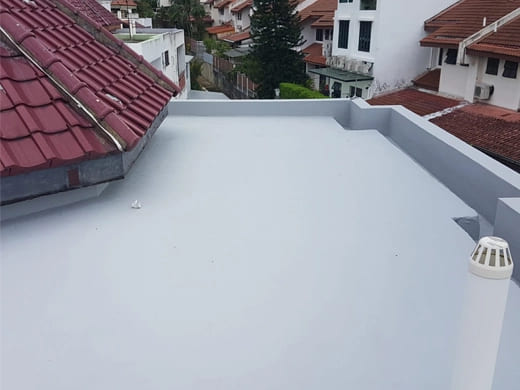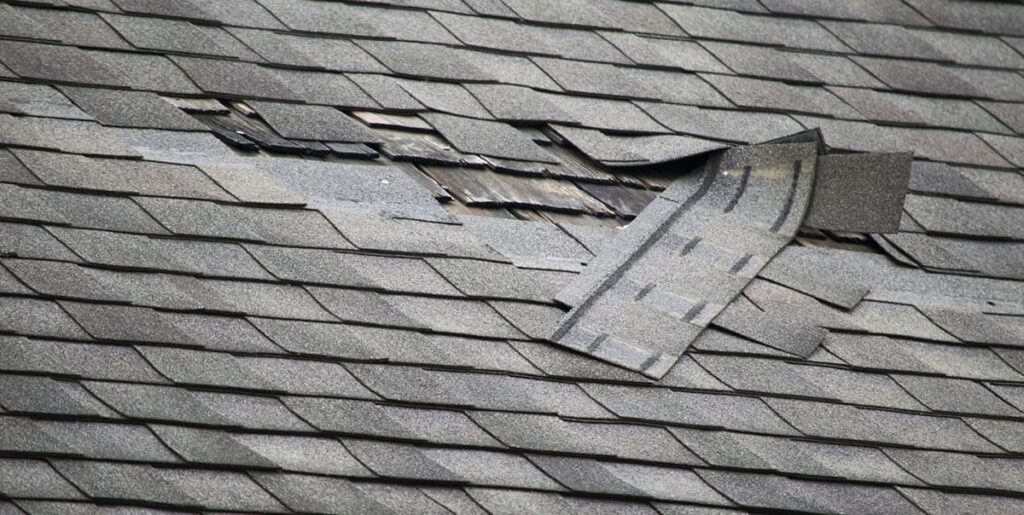
Waterproofing is often the “invisible” hero of a building. When done correctly, it stays hidden behind tiles and concrete, protecting the structural integrity of your home or commercial space for 5 to 30 years.
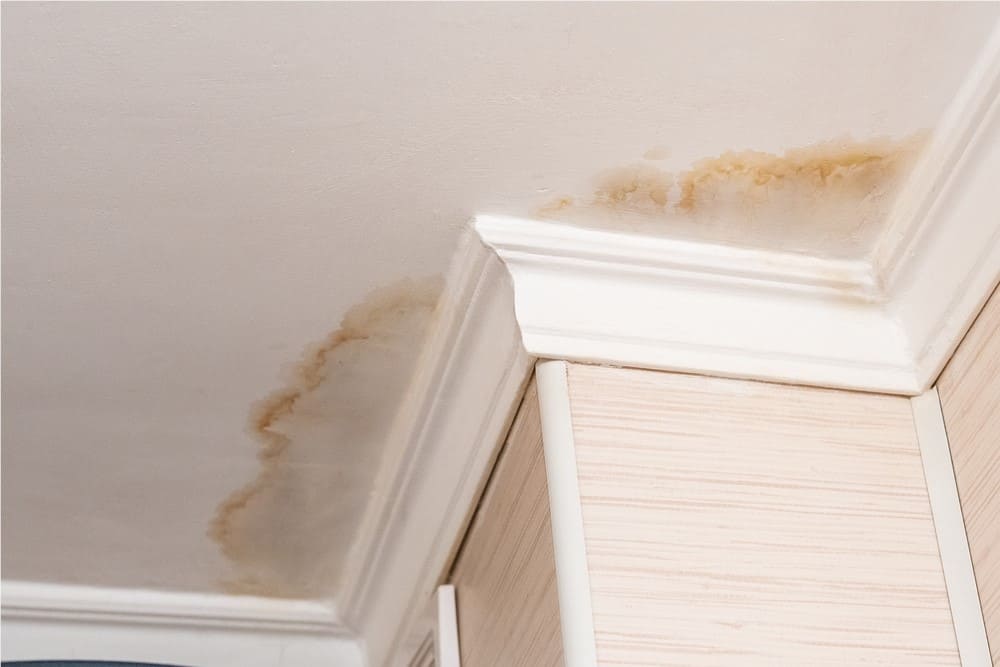
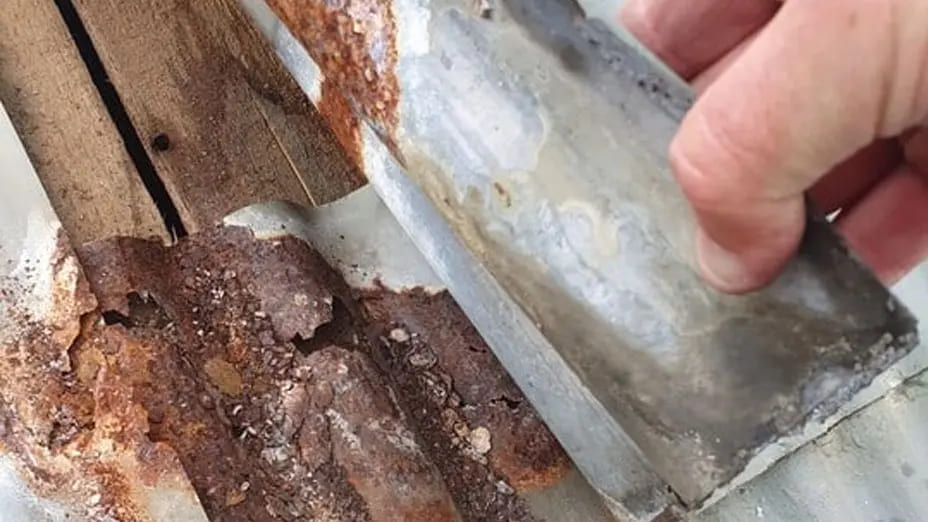
However, when a waterproofing system is poorly installed, the consequences are felt almost immediately. Water leakages can lead to mold growth, structural decay, and expensive repair bills. For developers, homeowners, and contractors alike, understanding common waterproofing mistakes can prevent costly repairs, structural damage, and long-term frustration.
To help you protect your investment, we have compiled the 6 most common waterproofing mistakes and how to avoid them.
1. Improper Material Selection
One of the most common causes of waterproofing failure is the use of improper materials. Different waterproofing materials have different properties and are designed to be used in specific applications. Using the wrong material can result in the material breaking down, losing its effectiveness, or not adhering to the surface. For example, using an exterior waterproofing product for internal applications may not provide adequate protection. Therefore, it is essential to choose the right material for the job and ensure that it is compatible with the surface.
2. Inadequate Surface Preparation for Waterproofing
Proper surface preparation is essential for effective waterproofing. Before applying any material, the substrate must be thoroughly cleaned of dust, dirt, grease, and loose debris, as even minor contamination can prevent adhesion and lead to uneven or compromised surfaces. Coordination with other trades on-site is also crucial to avoid accidental contamination from foot traffic or construction activities. In a humid climate, neglecting this step can result in premature failure of the waterproofing system, making careful preparation a critical foundation for long-lasting performance.
3. Poor Waterproofing Application Technique
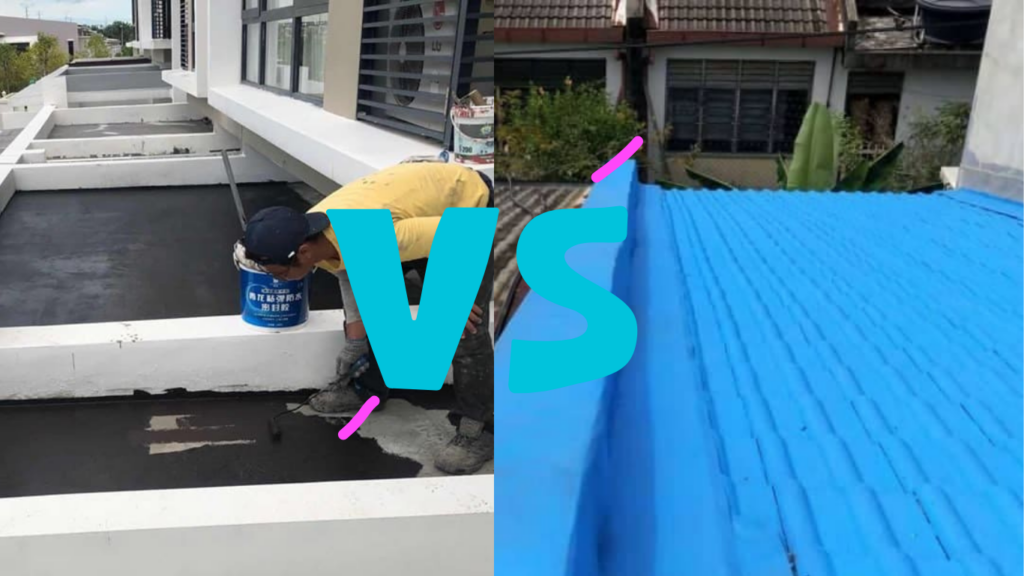
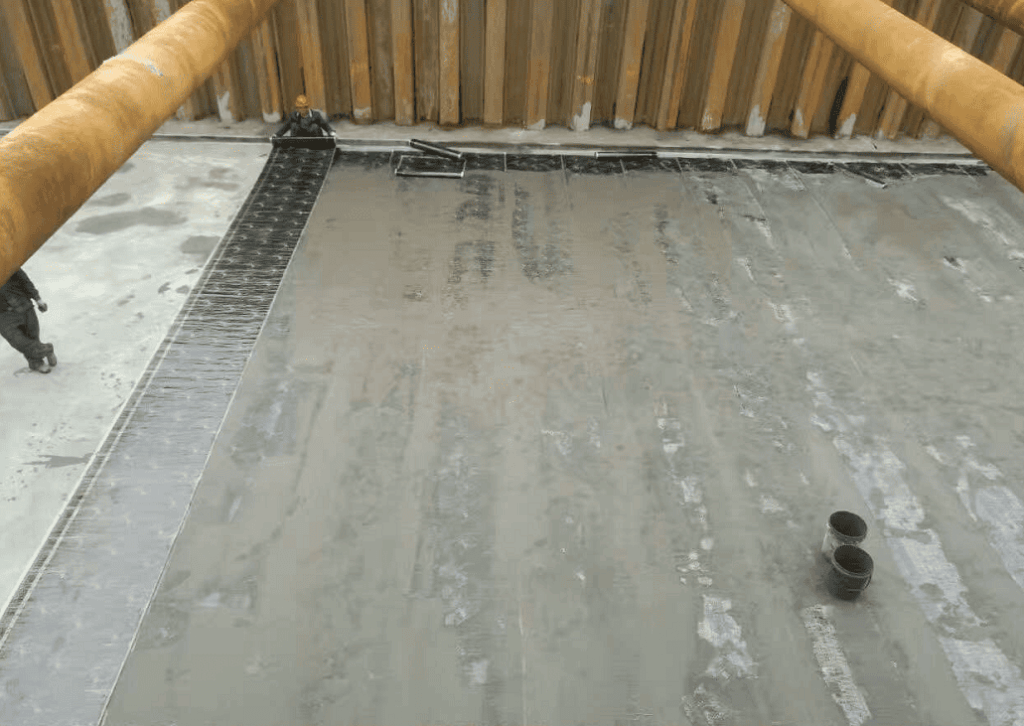
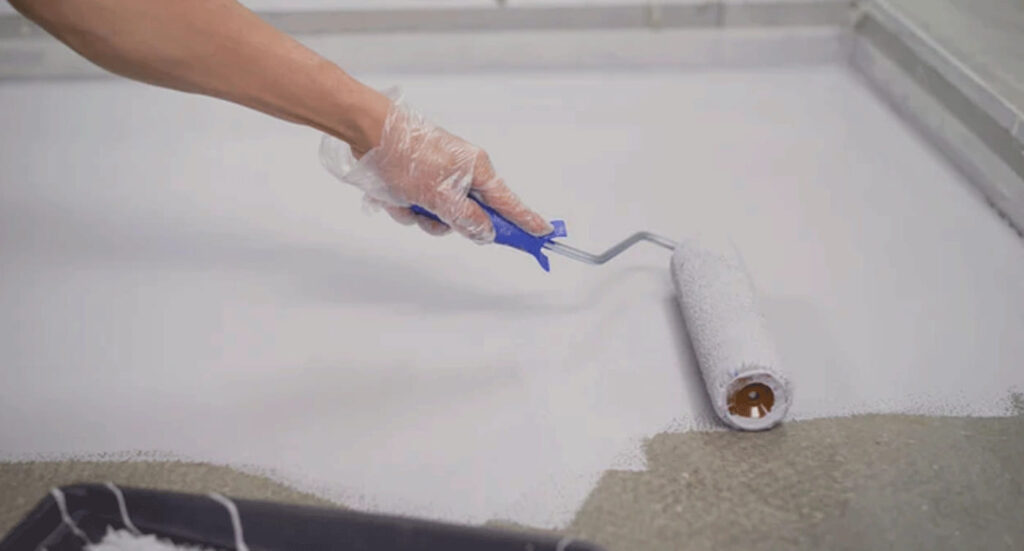
Proper waterproofing application is a decisive factor in the success and longevity of any project. If the material is applied incorrectly, it may fail to form a complete seal or bond properly to the substrate, leaving the surface vulnerable to leaks. Both under-application, which can create weak spots, and over-application, which can produce uneven or wrinkled layers, compromise the system’s integrity. Ensuring a durable and effective waterproofing layer requires careful adherence to the manufacturer’s instructions, using the correct tools, and applying the material evenly to achieve full coverage across the entire surface.
4. Structural Movement
Structural movement is another key factor that can compromise waterproofing systems. Shifts in a building’s foundation or walls—caused by material settlement, minor earthquakes, or environmental stresses—can create cracks that undermine the integrity of waterproofing layers. To maintain long-term protection, it is essential to use materials designed to accommodate such movement, such as flexible coatings and elastomeric sealants, which can stretch and adapt without losing adhesion or creating leaks.
5. Insufficient Sloping Resulting in Stagnant Water
Insufficient sloping is a common oversight in wet area waterproofing that can significantly reduce the system’s effectiveness. When floors or surfaces lack adequate fall toward drainage points, water can accumulate and form stagnant pools, creating unhealthy conditions and accelerating the deterioration of waterproofing membranes. In tropical climates with frequent rainfall, proper slope design is essential to ensure water drains quickly and efficiently, protecting both the surface and the waterproofing system from premature damage.
6. Lack of Quality Control
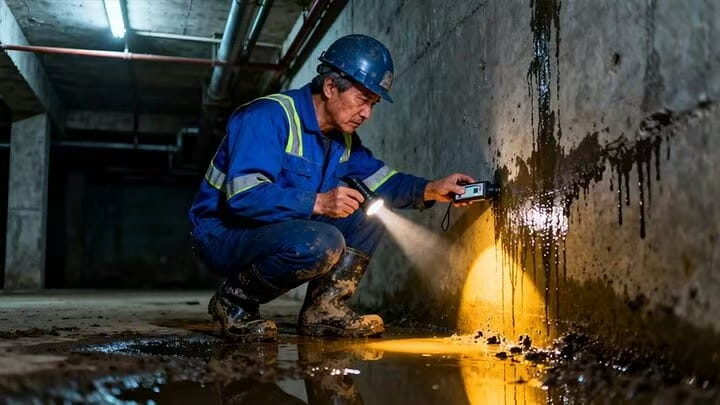
Lack of quality control is a frequent cause of waterproofing failure. Rushing the application, overlooking small details, or skipping inspections can result in unnoticed errors that compromise the system’s integrity. Implementing a robust quality control process—including real-time inspections, adherence to an Inspection Test Plan (ITP), and thorough post-completion testing—helps identify and address issues early, ensuring the waterproofing system performs effectively and lasts as intended.
Kesimpulan
A waterproofing system is only as strong as its weakest point. By paying attention to details like surface prep, angle fillets, and proper application techniques, you can ensure your building remains leak-free for decades.
For further information regarding waterproofing repair solutions, and waterproofing materials, please get in touch via phone or email, or send us a request via our contact us page.