In any home renovation, it’s often the smallest details that determine the final quality—and tile installation is one of the most decisive stages. While tiles themselves may look beautiful in a showroom, poor planning or improper installation can quickly lead to problems such as hollow sounds, tile detachment, uneven surfaces, or unsightly finishes.
Many of these issues are not caused by the tiles, but by overlooked technical steps during installation. To help homeowners achieve durable, long-lasting, and visually refined tile finishes, here are essential tiling tips every renovation project should follow. Save this guide for future reference.
Step 1: Follow the Tiling Layout Plan Precisely
Tile suppliers typically provide a layout plan based on your room dimensions and tile size. This layout is carefully calculated to balance symmetry, minimize tile cutting, and create a smooth visual flow across the space.
By following the layout plan, installers can maintain proper alignment, reduce visible cuts, and optimize material usage, resulting in a cleaner and more professional finish. In contrast, ignoring the layout often leads to awkward narrow tile strips at edges or misaligned patterns, which can significantly disrupt the overall appearance of the room.
Step 2: Use Tile Offcuts Strategically
Tile offcuts should not be treated as waste—they are an important part of efficient tiling planning. Instead of discarding them, installers can place offcuts in concealed or low-visibility areas such as corners, edges, behind doors, or beneath cabinets and sanitary fittings. This approach allows full, uncut tiles to be reserved for focal zones like entryways and central floor areas, resulting in a cleaner, more continuous visual appearance while also reducing overall material costs.
Step 3: Control Tile Joint Spacing for Climate Movement
Modern interiors often favor large-format tiles with narrow grout lines to achieve a seamless, contemporary look. However, tile joint spacing must take environmental conditions into account—particularly in tropical climates like Malaysia, where humidity and temperature fluctuations cause building materials to expand and contract.
A practical approach for most residential tiling is to maintain approximately 2 mm joint spacing and use flexible, high-quality grout that can accommodate slight movement. Joints that are too tight may result in tile edge chipping, cracking, or even tile lifting and detachment over time. Proper spacing therefore plays a crucial role in preserving both the durability and visual quality of the tiled surface.
Step 4: Ensure Proper Surface Leveling Before Installation
A perfectly level substrate is the foundation of successful tiling. Uneven walls or floors create stress points beneath the tiles, which can lead to lippage (uneven tile edges), hollow-sounding areas, weak adhesion, and inconsistent grout lines.
Professional surface leveling ensures uniform adhesive coverage and full tile support across the entire installation, significantly improving durability and long-term performance. Skipping this critical preparation step is one of the most common causes of tile failure and costly repairs.
Step 5: Complete Waterproofing & Wall Surface Preparation
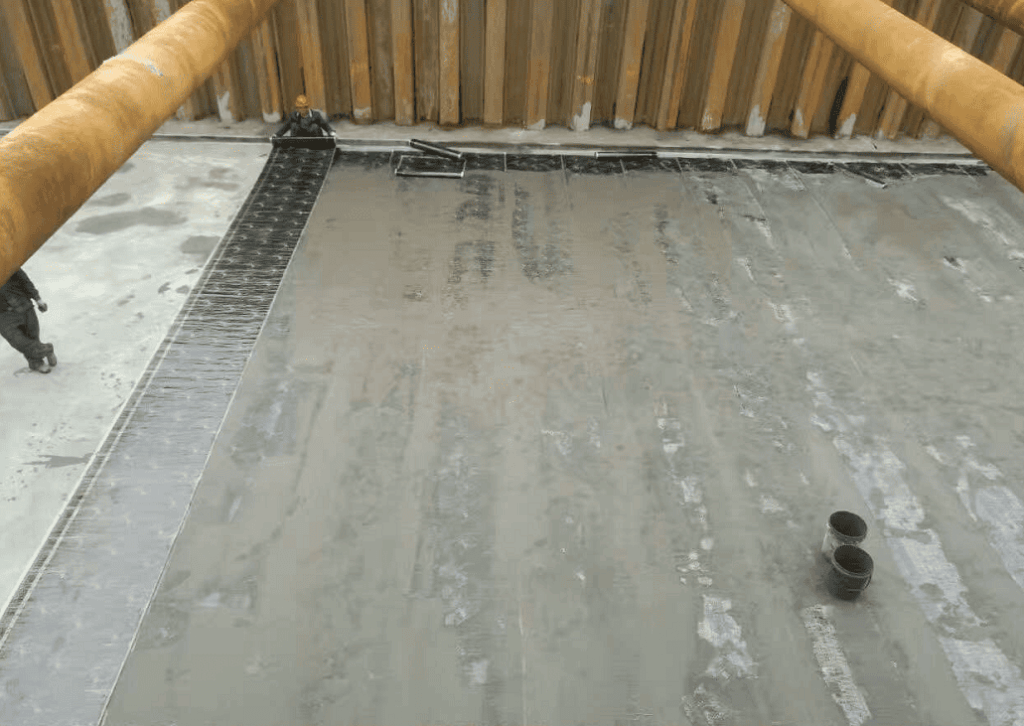
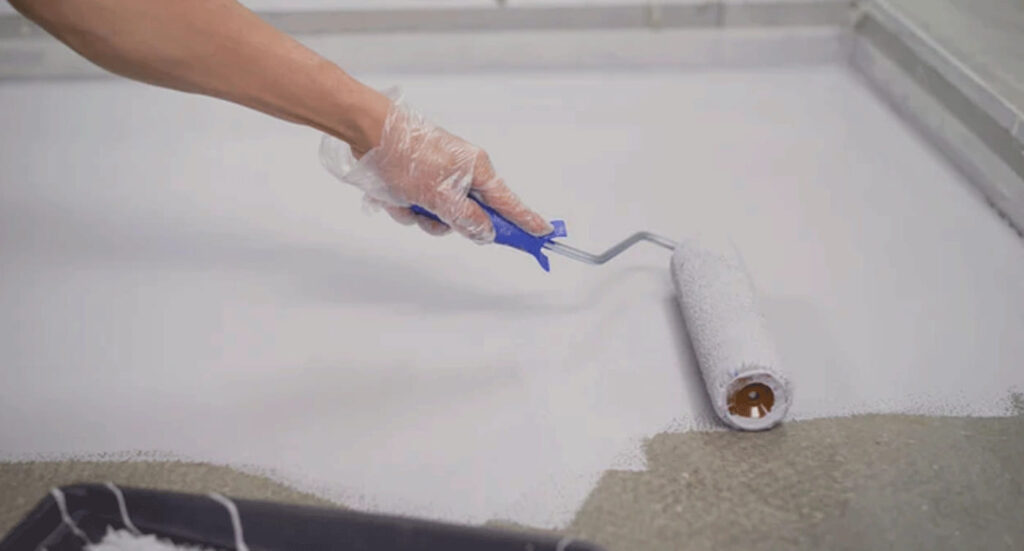
In wet zones such as bathrooms, kitchens, balconies, and utility areas, waterproofing must always be completed before tiling begins, as tiles and grout are not waterproof barriers but merely surface finishes. For wall tiling, installers should apply a rough bonding layer by mixing a concrete interface agent with cement mortar to create a textured base.
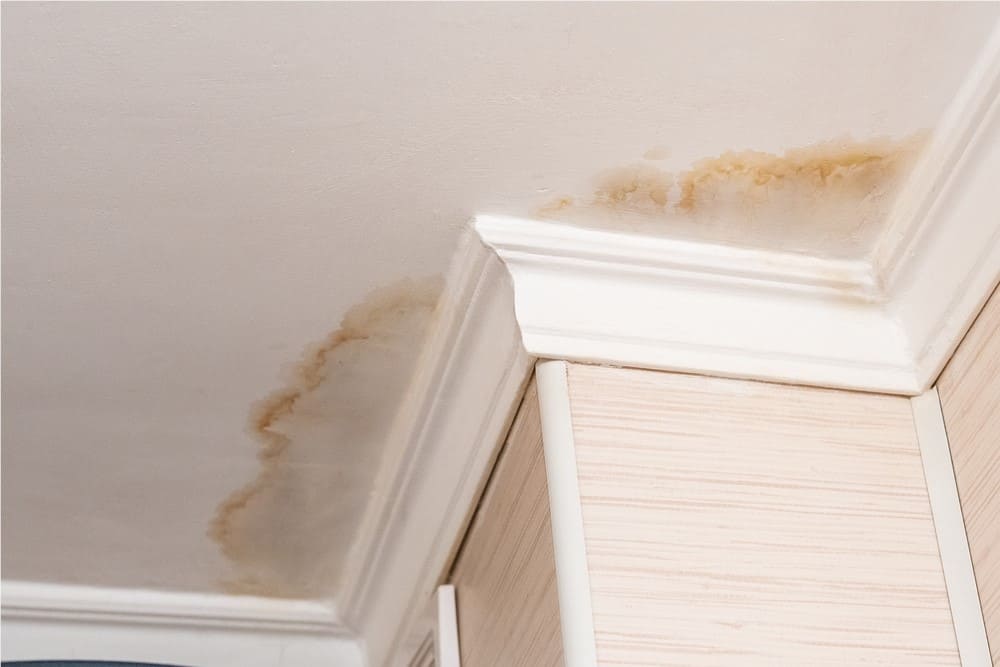
This preparation enhances the mechanical grip between the tile adhesive and the substrate while preserving the integrity of the waterproofing layer. Proper surface treatment is essential to prevent tile detachment and hidden moisture damage behind the tiled surface over time.
Step 6: Choose Mitered Tile Corners Instead of Trim Strips
Traditional corner trims such as bullnose or PVC strips are commonly used but often compromise both aesthetics and durability, with issues like color mismatch, visible joints, susceptibility to cracking or impact damage, and an outdated appearance.
A superior alternative is the 45-degree mitered corner, sometimes referred to as a “seagull corner,” where two tiles meet seamlessly at the edge. This method creates clean, modern lines, improves edge strength, and delivers a more refined, premium finish, which is why it has become the preferred choice in high-end residential and hospitality tiling projects.
Step 7: Select Functional Floor Drains for Wet Areas
Floor drains are essential in bathrooms and balconies, where efficient water removal prevents water pooling and long-term moisture damage. Although decorative drain covers may look attractive, performance and practicality should always take priority.
The most effective choice is typically a classic square or linear drain with a smooth water flow path and simple grout alignment, ensuring reliable drainage and easier installation. In contrast, complex spiral or highly decorative designs rarely improve drainage efficiency and often increase grout joints, raise installation costs, and complicate maintenance. A well-designed, functional floor drain ultimately ensures effective water discharge and long-term reliability in wet areas.
Build Tile Surfaces That Last for Years
Beautiful tiles alone do not guarantee a beautiful result. True quality comes from correct planning, skilled preparation, and precise installation techniques. By following these professional tiling principles, homeowners can avoid common renovation failures and achieve surfaces that remain durable, safe, and visually refined for many years.
Careful workmanship today can save you from costly repairs tomorrow. Share this guide to help friends, family, or colleagues ensure their next tiling project is done correctly the first time, achieving a durable and professional finish.