In Malaysia’s fast-growing urban landscape, ageing buildings are quietly facing a severe crisis. A 2025 nationwide study revealed that nine out of ten structures suffer from leaks, seepage, and water-related deterioration — a problem that threatens property safety, asset value, and tenant confidence.
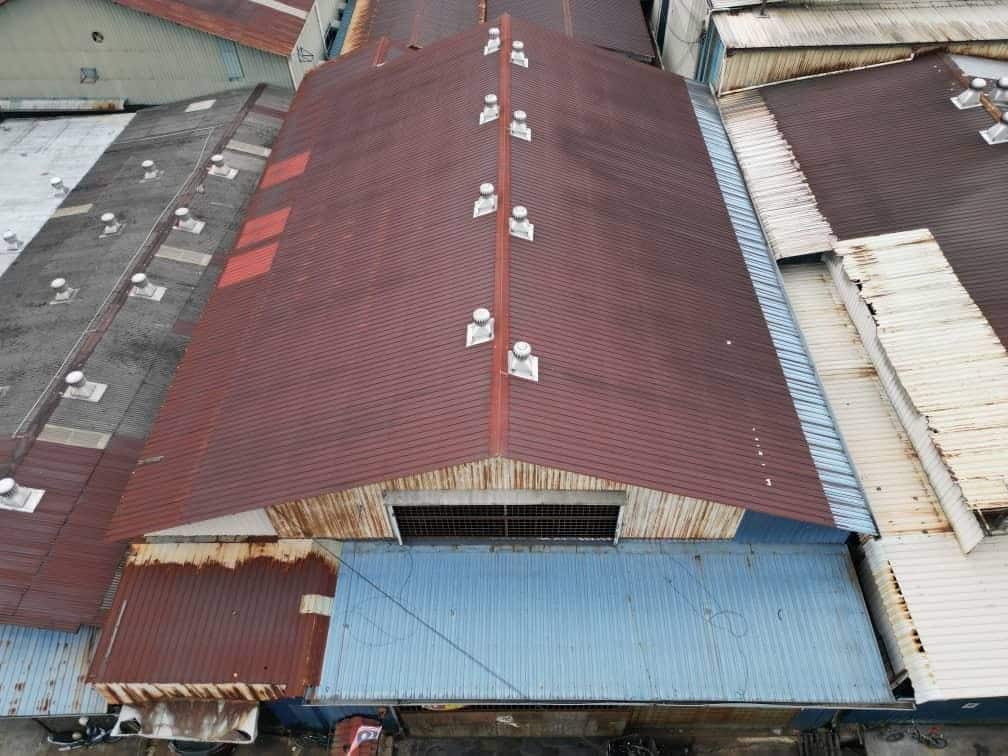
Water damage may seem minor at first, manifesting as damp spots, peeling paint, or mold. Yet, beneath the surface, it slowly undermines structural integrity. Roofs sag, walls weaken, and concrete corrodes — all signs of long-term degradation. The root cause is often twofold: an ageing building stock and a reactive maintenance culture. Many property managers only inspect buildings annually, or worse, wait until damage is visible before taking action.
This approach may appear cost-efficient, but it’s a classic case of short-term savings leading to long-term loss. In Malaysia, postponing waterproofing repairs can exponentially increase refurbishment costs, reduce property lifespan, and compromise investor confidence.
Understanding Malaysia’s Waterproofing Challenges
Malaysia’s tropical climate presents unique challenges for waterproofing: heavy rainfall, high humidity, and fluctuating temperatures accelerate material wear. According to the Nippon Paint Malaysia and MIPFM 2025 study:
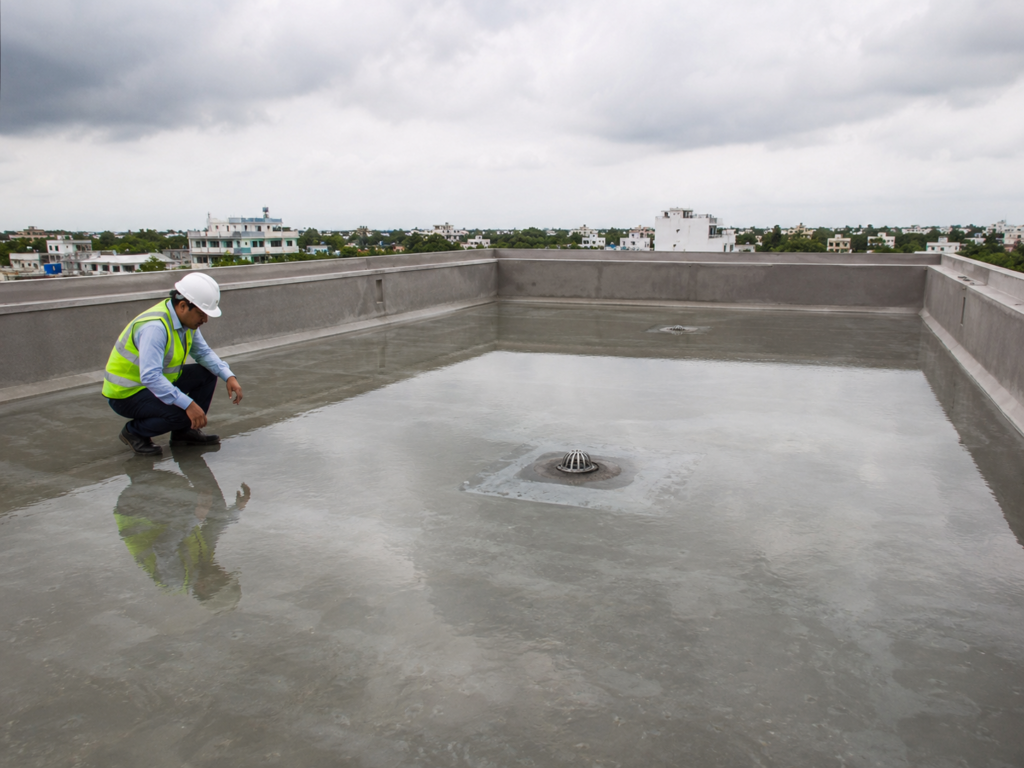
✔️ 90% of respondents reported roof leaks due to poor drainage or ponding.
✔️ 90% experienced wall seepage, often from cracks or aging façade coatings.
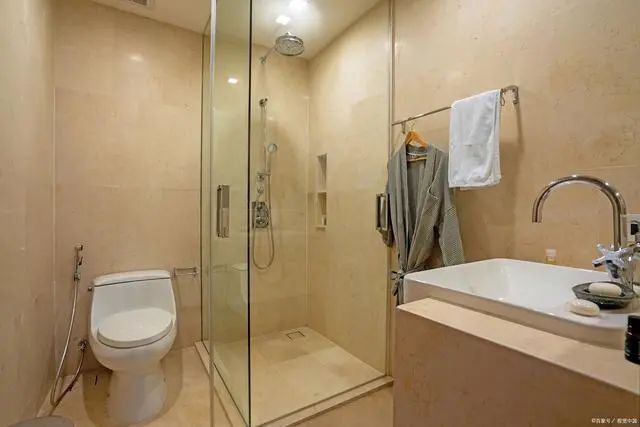
✔️ 70% reported bathroom and wet-area leaks, a common issue in residential and commercial properties.
These statistics reflect not just isolated cases, but systemic issues in building maintenance practices. Professionals cited limited budgets, outdated materials, and insufficient preventive maintenance as key contributors.
The Hidden Cost of Reactive Maintenance
Property managers often defer waterproofing due to perceived high costs. However, delaying preventive measures typically leads to:
1. Higher repair costs – Minor leaks evolve into structural damage, requiring expensive interventions.
2. Tenant dissatisfaction – Persistent leaks and dampness reduce liveability and comfort.
3. Declining asset value – Unmaintained buildings lose investor confidence, impacting market competitiveness.
4. Safety hazards – Water infiltration weakens concrete, steel reinforcement, and wood structures, potentially leading to failures.
“Waterproofing failures are not minor defects,” emphasizes Tay Sze Tuck, General Manager of Nippon Paint Malaysia. “Addressing them early safeguards safety, manages costs, and preserves property value.”
Proactive Waterproofing Strategies
Transitioning from reactive repairs to preventive waterproofing is crucial. This involves:
▪️Regular Inspections: Quarterly or biannual audits help detect small leaks before they escalate. Tools like thermal imaging and pressure testing identify hidden water ingress points.
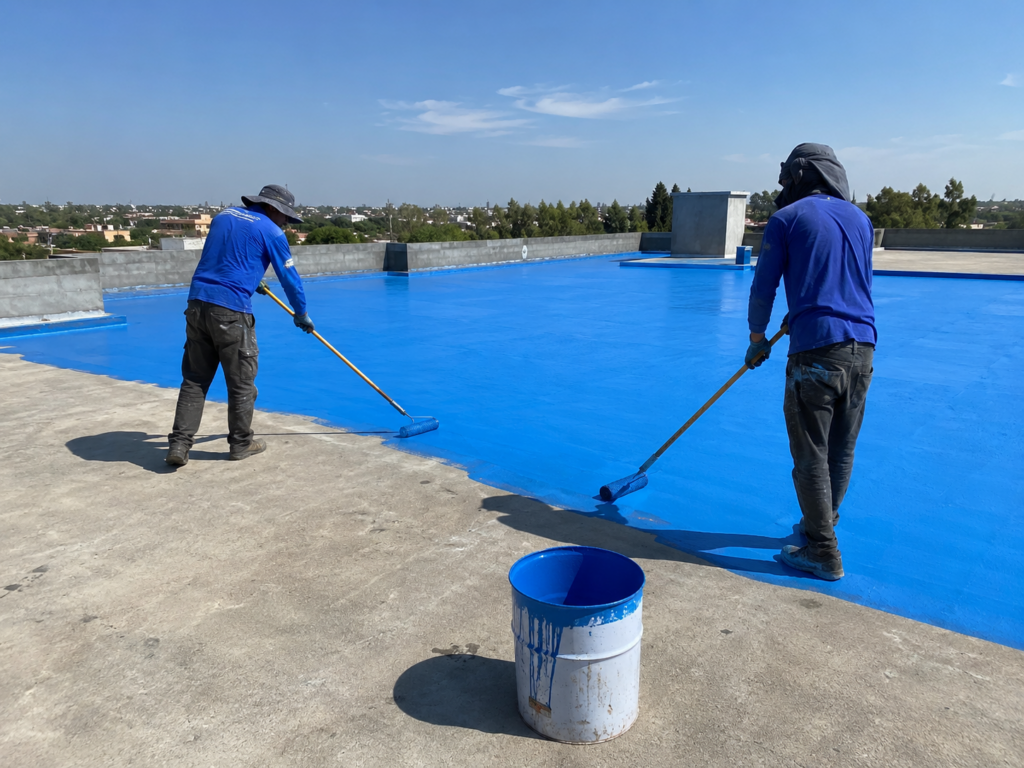
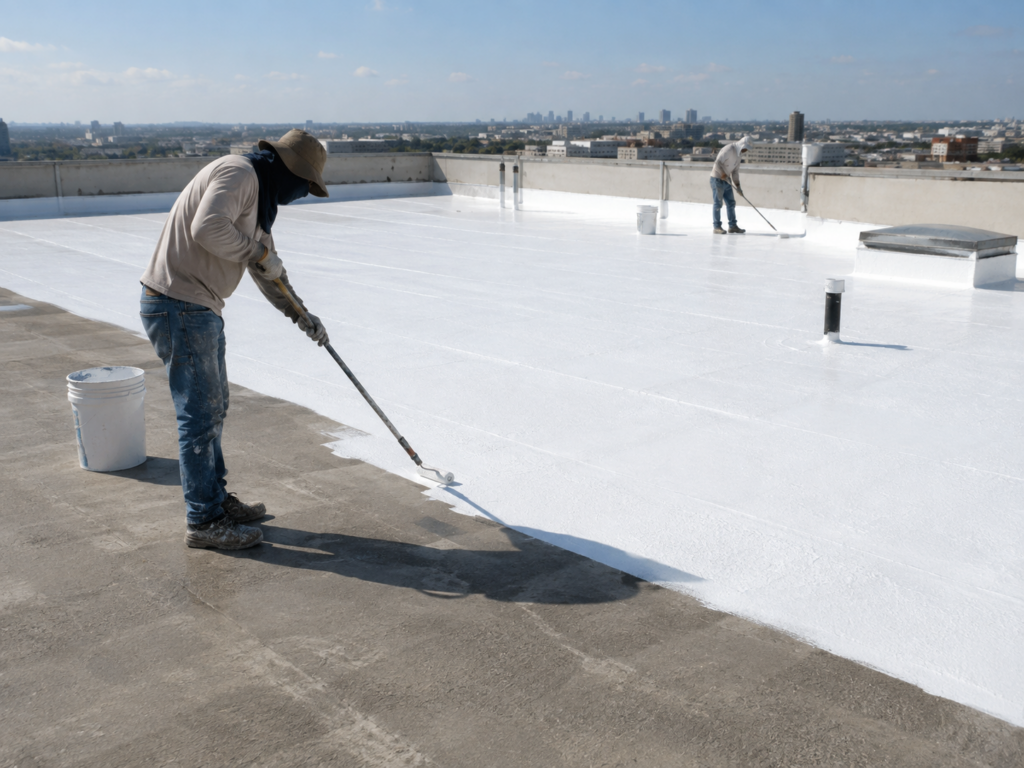
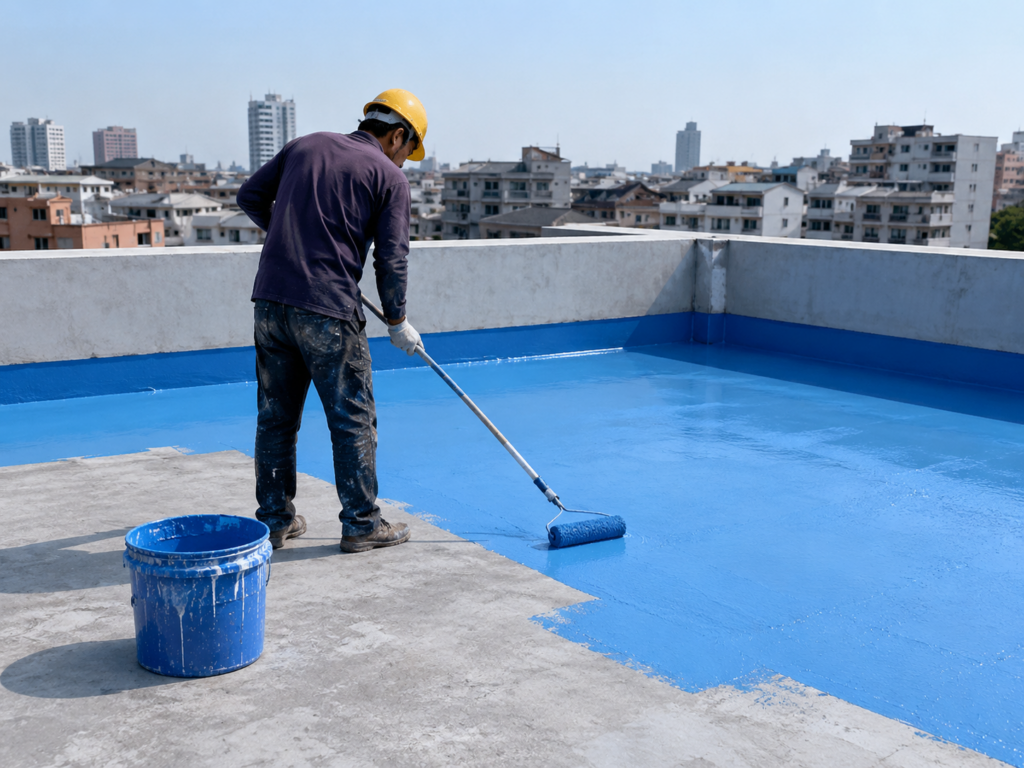
▪️Material Selection: Using climate-appropriate solutions, such as polyurethane coatings, HDPE/PVC membranes, or elastomeric systems, ensures durability under tropical conditions.
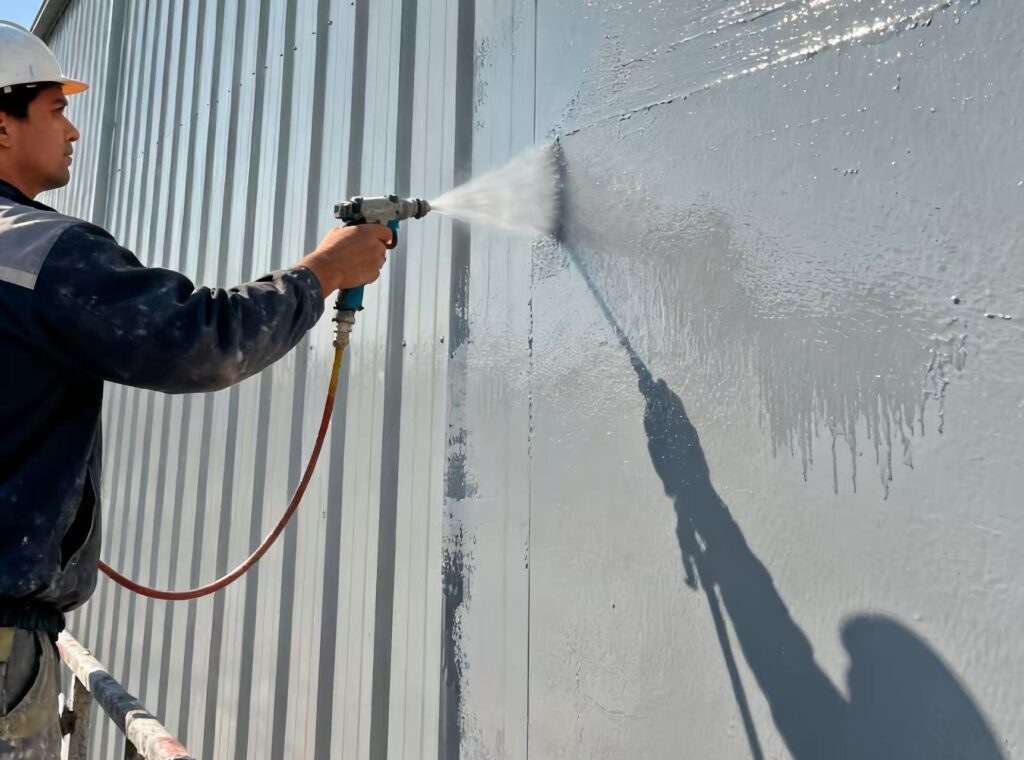
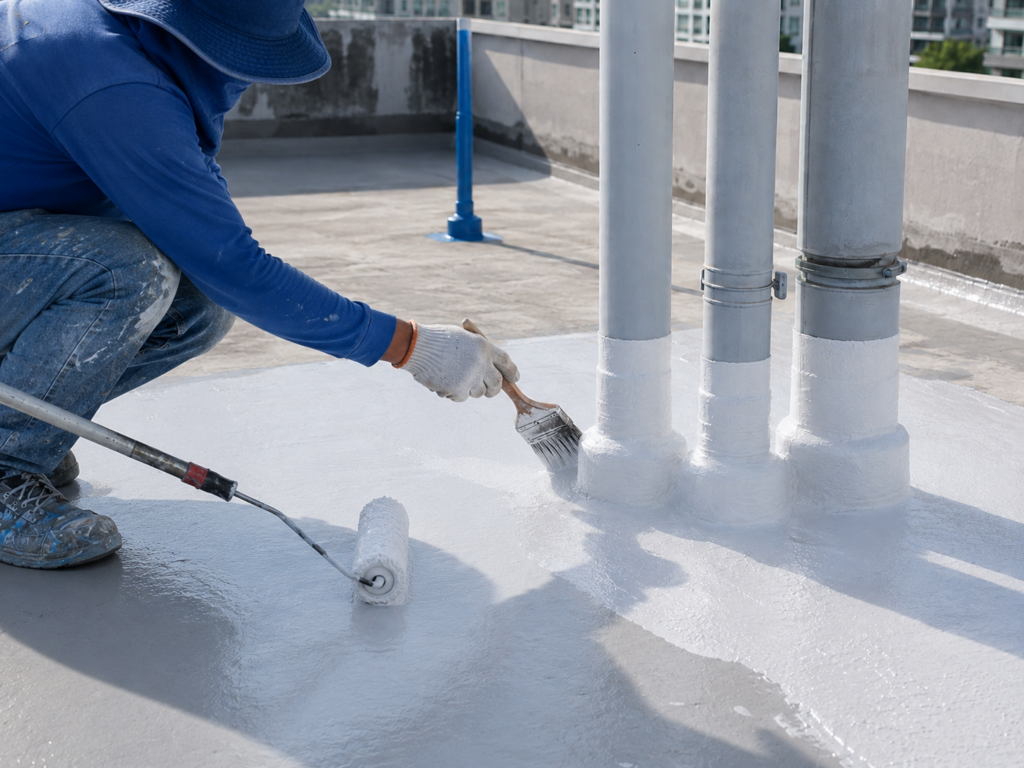
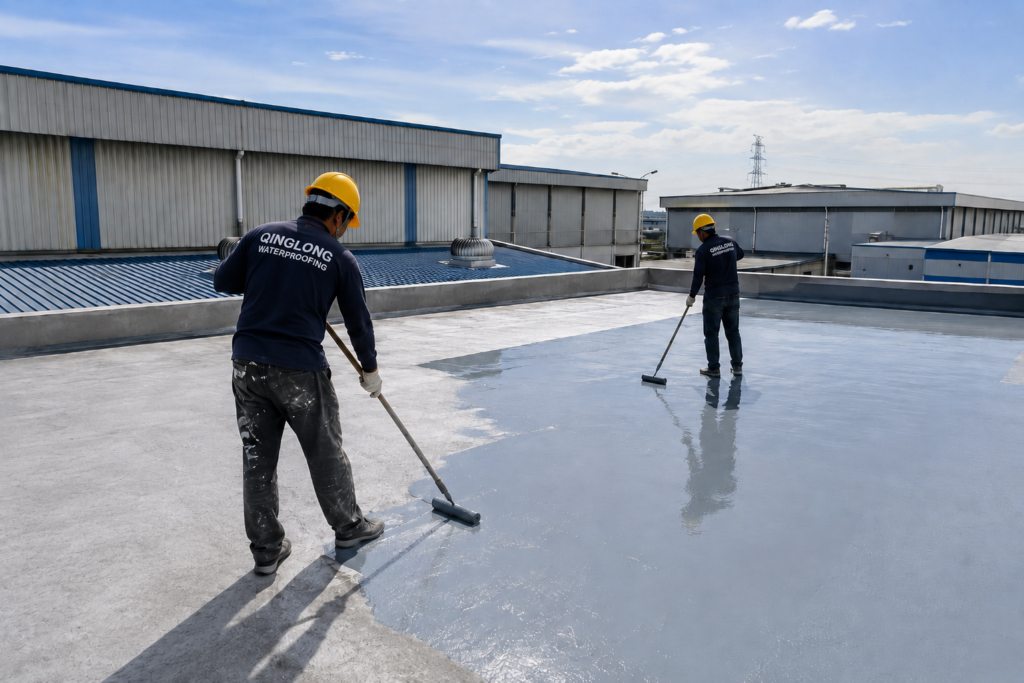
▪️Skilled Application: Professional workmanship is critical. Poor application can nullify even the best products. Multi-layer systems, joint sealing, and surface preparation are non-negotiable for long-term results.
▪️Integrated Water Management: Proper drainage, gutter design, and ponding prevention reduce water stress on roofs and walls.
Lessons from Real Projects
Case studies across Malaysia demonstrate the importance of preventive waterproofing:
Industrial Facilities and Data Centers – Multi-layer waterproofing membranes and joint sealing were applied to protect roofs, walls, slabs, and underground structures, ensuring safety for sensitive equipment areas.
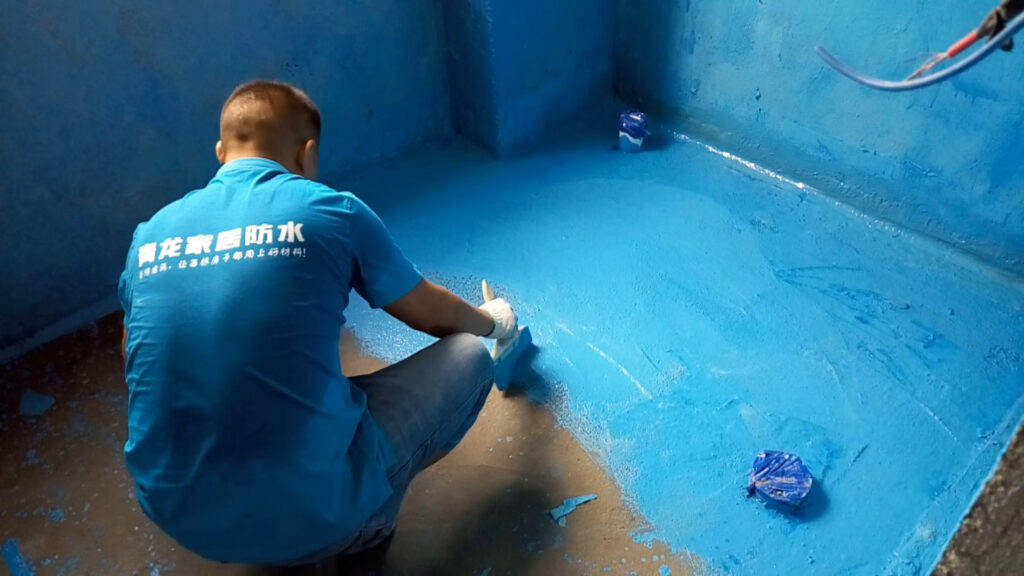
Residential Developments – Roofs, bathrooms, and external walls were treated with high-performance coatings to prevent water ingress and minimize long-term maintenance.
Commercial Buildings – Effective water management, membrane installation, and joint sealing reduced risk in critical areas like lift pits, water tanks, and rooftops.
Conclusion
In Malaysia’s tropical climate, investing in reliable waterproofing today is the smartest way to protect buildings for tomorrow. By prioritizing prevention over reaction, every property can remain safe, durable, and leak-free.
“Early detection and proactive waterproofing protect both buildings and their long-term value — every structure deserves to be leak-free.”
For enquiries about waterproofing solutions or leak repairs, leave a comment or send us a private message. Don’t forget to Subscribe and Share this article if you found it useful — help others protect their buildings and stay informed!