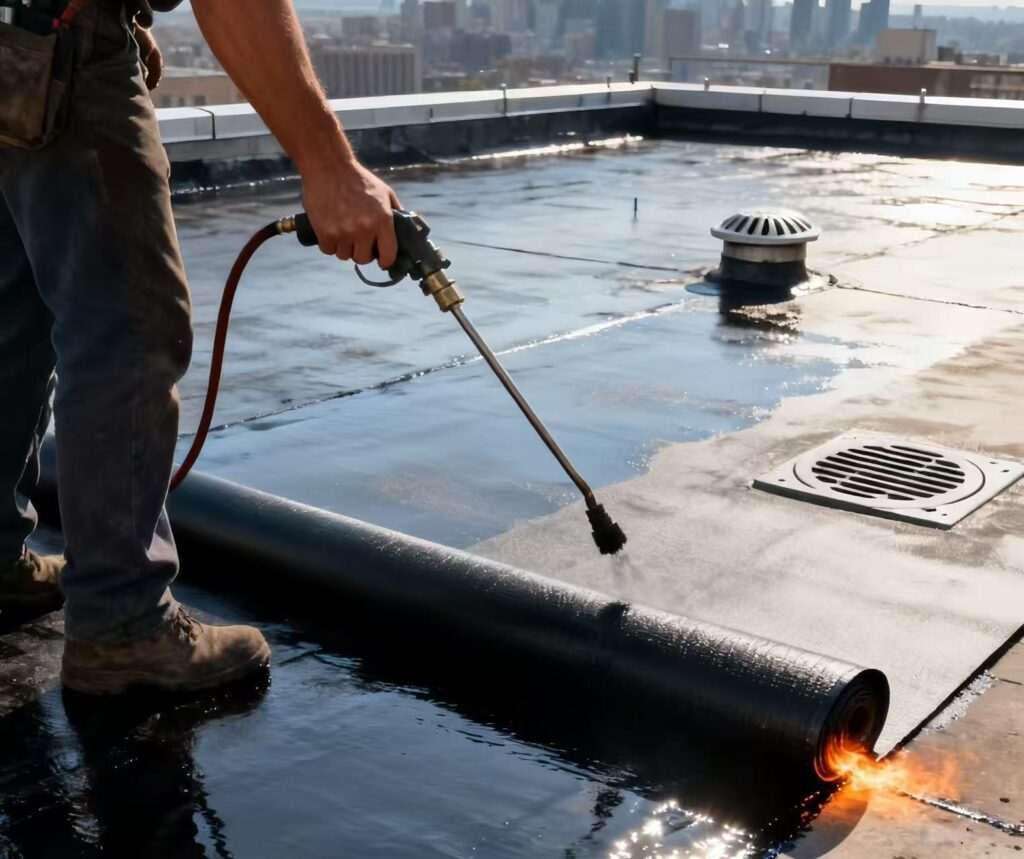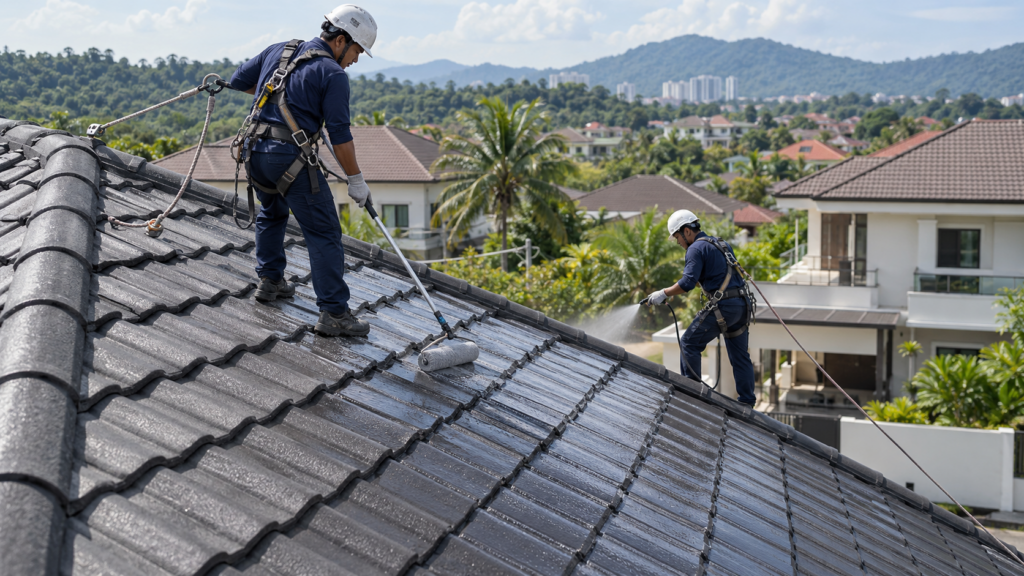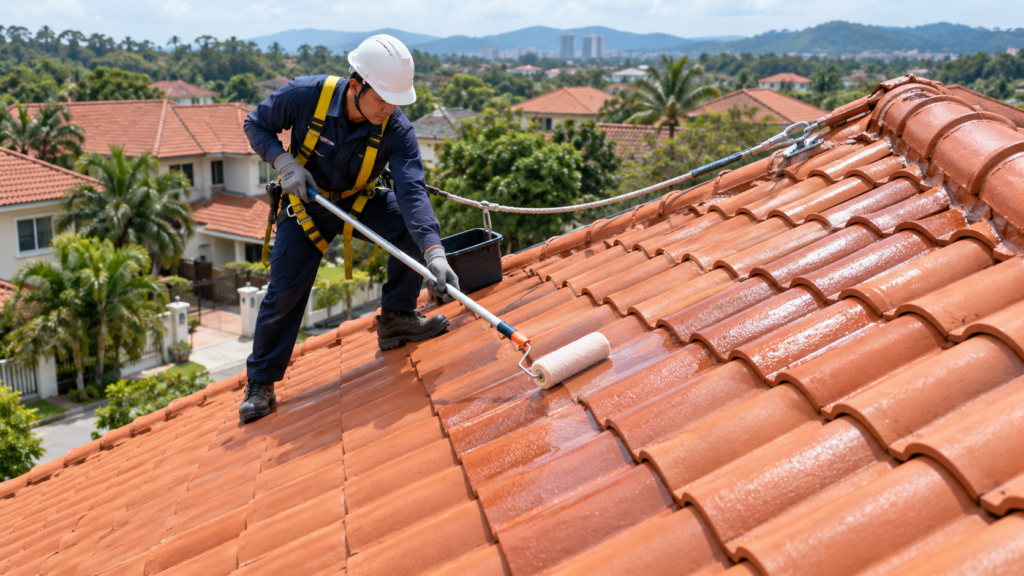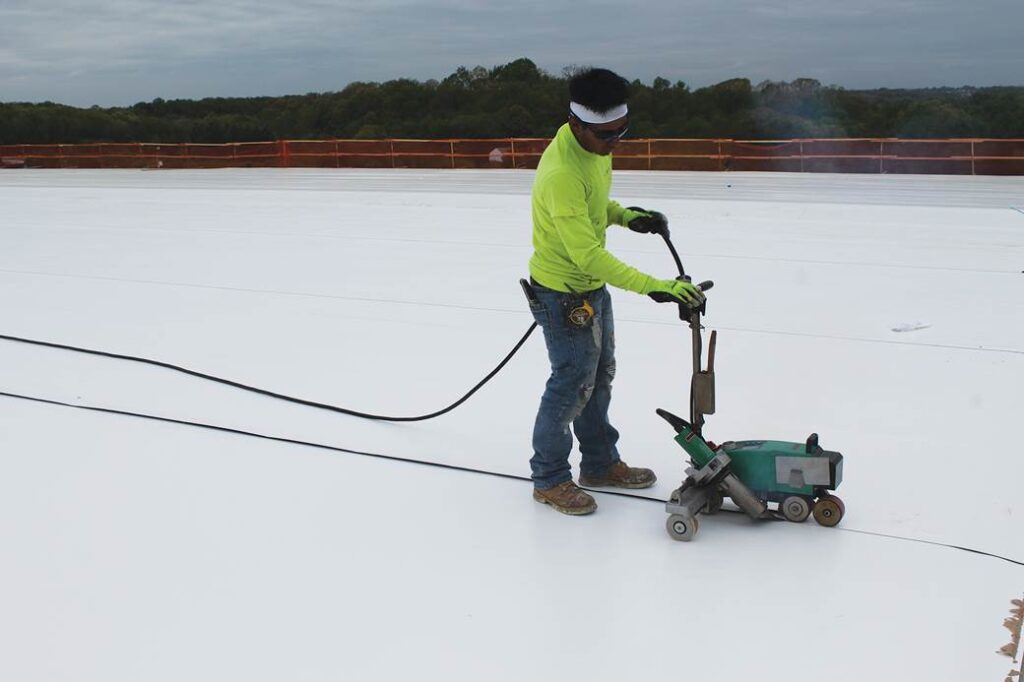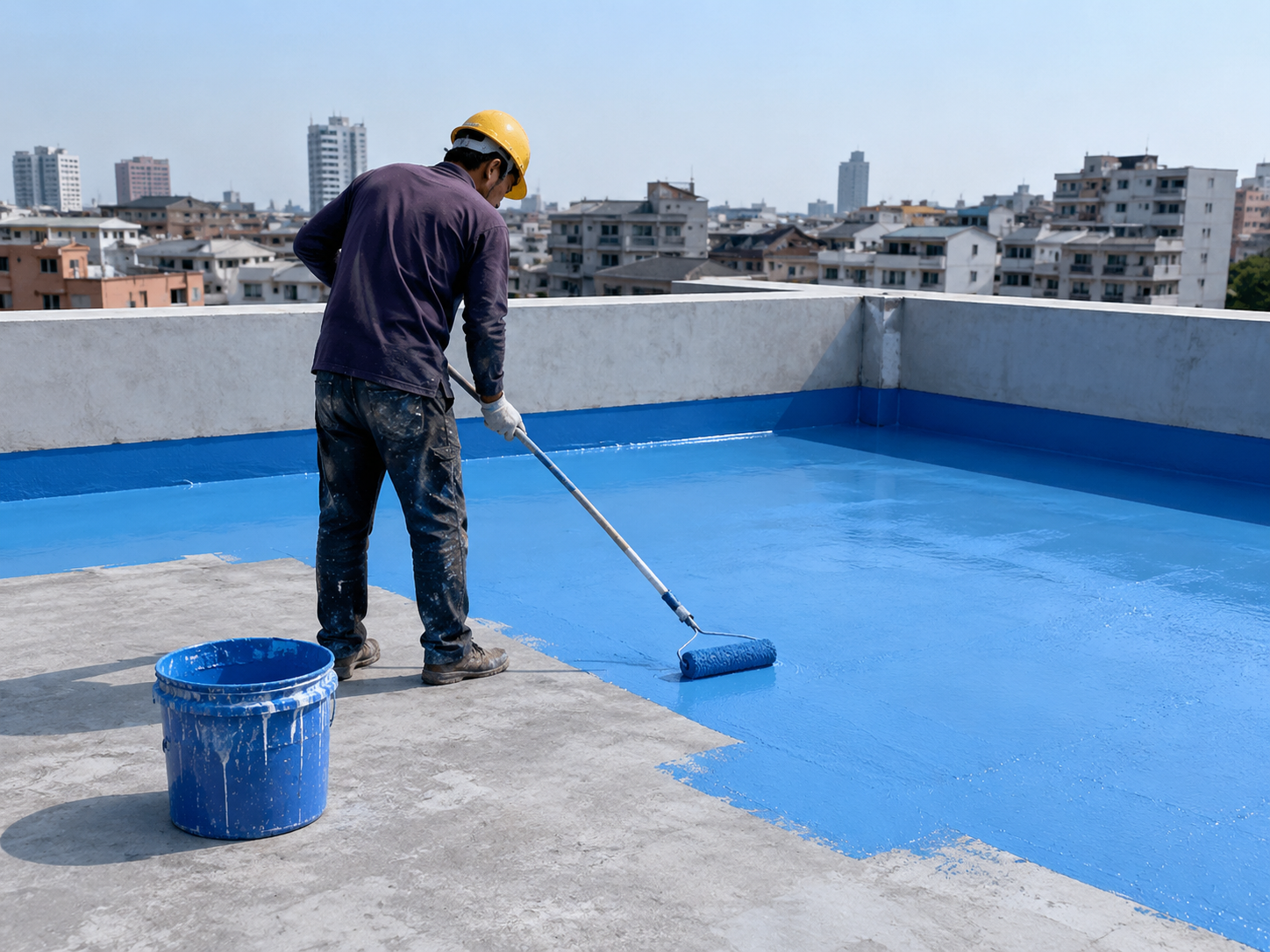
A concrete roof in Johor Bahru may look easy to repair from above: clean the surface, apply a waterproof coating, and wait for the next rain to confirm the leak has stopped. Sometimes that works. But when the roof has ponding water, cracked screed, weak outlets, parapet leakage or old coating layers, a new coating may only cover the symptom. Concrete roof waterproofing in Johor Bahru needs more than surface coverage because the failure often starts at roof details, movement points and drainage paths rather than the open flat area alone.
The Coating Is Only as Reliable as the Roof It Is Applied To
A waterproof coating can protect a concrete roof surface when the substrate is sound, clean, stable and correctly prepared. The problem is that many leaking concrete roofs are not in that condition when repair starts.
On older flat roofs, the visible surface may include previous coating layers, patch repairs, cement slurry, algae staining, hairline cracks, loose screed or areas where water regularly ponds after rain. If a new coating is applied over weak material, the waterproofing layer may bond to the old failed surface instead of the concrete roof structure When the old layer debonds, the new coating comes away with it.
This is why “recoating” and “waterproofing” are not always the same thing. Recoating describes applying another layer. Waterproofing requires checking whether the surface, drainage, joints and roof details can support that layer as a functioning system.
For concrete roof waterproofing, coating alone is not enough when the roof has unresolved ponding, moving cracks, weak screed, failed outlets or leaking parapet junctions. The waterproofing system must first address how water collects, where it enters, and whether the substrate can hold the coating without trapping moisture or separating later.
Ponding Water Changes the Waterproofing Decision
Many concrete roofs in Johor Bahru properties are flat or low-fall roofs, especially on rear extensions, shoplots, utility blocks and service areas. During a heavy downpour, water may not leave the roof quickly if the falls are poor or the outlet is undersized, blocked or positioned too high.
Ponding water matters because it increases exposure time. A roof coating that can handle occasional rain may not be suitable if water remains on the surface for hours or days. Ponding also highlights low spots in the screed, which may already be cracked or poorly bonded.
Before choosing a coating system, the roof should be checked for:
• Areas where water remains after rain
• Outlet level, size and blockage risk
• Cracks radiating from low spots
• Soft, hollow or loose screed
• Previous repairs around drains and corners
If ponding is severe, applying coating over the same surface does not change the drainage condition. The coating may temporarily reduce water entry, but the roof is still holding water in the most vulnerable places. In such cases, improving falls, repairing the screed, modifying outlet details or selecting a system suitable for standing water exposure may be more important than simply adding more material.
Roof Details Often Leak Before the Middle of the Slab
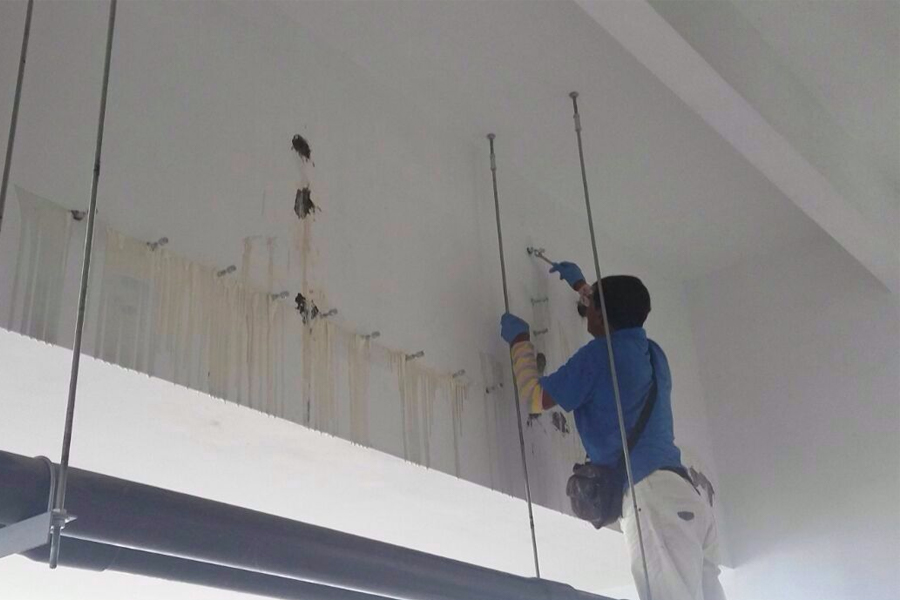
When a ceiling stain appears below a concrete roof, many owners assume the water entered directly above the stain. On reinforced concrete roofs, water can travel along the slab, between the screed and slab, or through cracks before becoming visible indoors. The stain location is useful, but it does not confirm the exact entry point.
The open roof field is only one part of the waterproofing area. The more critical areas are usually the details where the waterproofing layer must turn, terminate or seal around something.
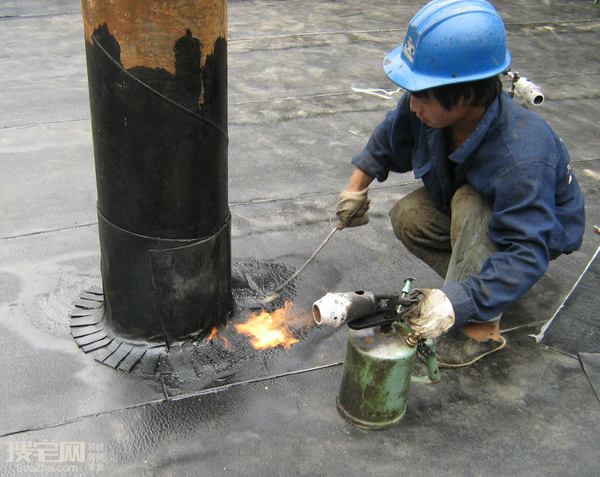
For a concrete roof, these details often include parapet wall-floor junctions, internal corners, pipe penetrations, roof outlets, water tank plinths, air-conditioning pipe routes, expansion joints and old construction joints. These points are harder to waterproof than the open surface because they experience movement, water concentration or difficult application angles.
A coating applied neatly across the main roof area can still fail if the coating is too thin at internal corners, not reinforced at joints, poorly sealed around pipes, or terminated without protection at the parapet. In Johor Bahru houses and commercial buildings with later roof modifications, new pipe penetrations and service supports are common weak points because they may not have been integrated into the original waterproofing system.
Cracks Need Interpretation, Not Just Covering
Hairline cracks on a concrete roof are not all the same. Some are surface shrinkage cracks in the screed. Some reflect movement in the concrete slab. Some occur around corners, joints or penetrations where stress is concentrated. A flexible waterproof coating may bridge fine, stable cracks within its intended capability, but it should not be treated as a universal repair for all cracking.
The key question is whether the crack is active. If the crack opens and closes with thermal movement, structural movement or slab deflection, a thin coating layer may split along the same line. If the crack is connected to a construction joint or parapet junction, water may continue to enter beneath the coating unless the joint is detailed separately.
This is where reinforcement, sealant compatibility and system build-up become important. Some cracks may require cleaning, routing, sealing, reinforcing tape or additional membrane layers before the main coating is applied. Other cracks may indicate that the screed is loose or hollow, making local removal and reinstatement necessary.
A roof coating is most effective when it is applied over cracks that have already been assessed and treated according to their movement and location. Covering every crack with the same coating thickness may look complete, but it does not always address the actual waterproofing risk.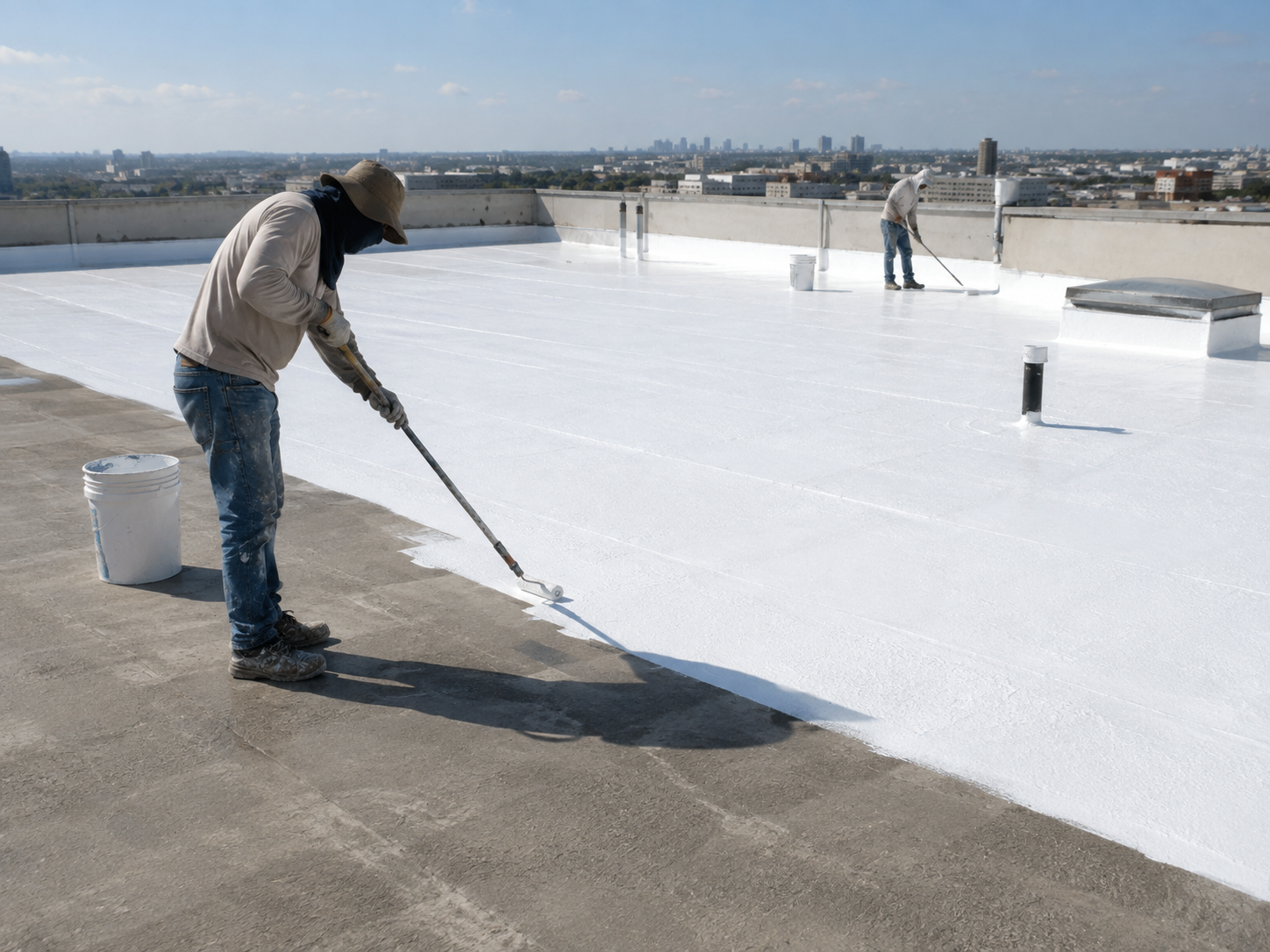
Old Coating Layers Can Hide Moisture and Adhesion Problems
A roof that has been repaired several times may look waterproofed, but each old layer can make the next repair more uncertain. If the previous coating is chalky, blistered, peeling or contaminated, a new coating may not bond properly. If moisture is trapped under the existing layer, bubbles may appear after heating and cooling cycles.
This is especially relevant for exposed concrete roofs where the surface becomes hot during the day and cools after rain. Trapped moisture expands as vapour, placing pressure on weak coating areas. The result may be blistering, pinholes or local delamination even when the new coating was applied carefully.
Before applying a new waterproofing coating, the existing surface should be tested and prepared. Loose coating must be removed. Sound coating may still need cleaning, abrasion or primer depending on the system. Areas with hollow screed or damp patches should be investigated instead of simply coated over.
This is also why thicker application is not automatically better. If the base is unstable, adding more coating increases material build-up but does not improve adhesion. A correct build-up on a prepared substrate usually performs better than a heavy coating applied over uncertain layers.
A Proper Concrete Roof Waterproofing Scope Starts Before Product Selection
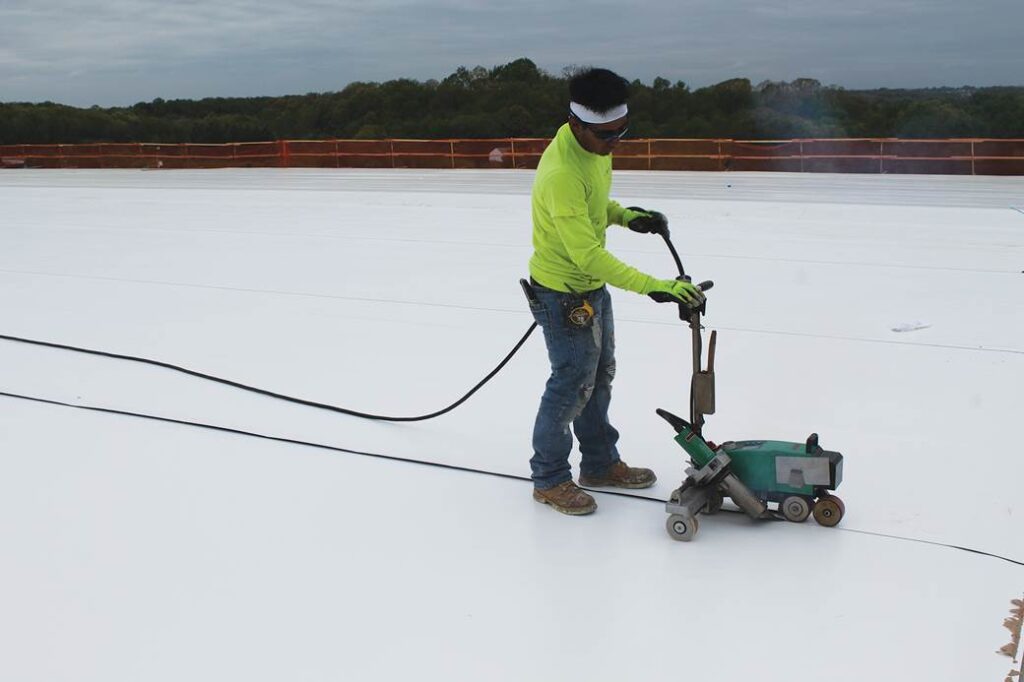
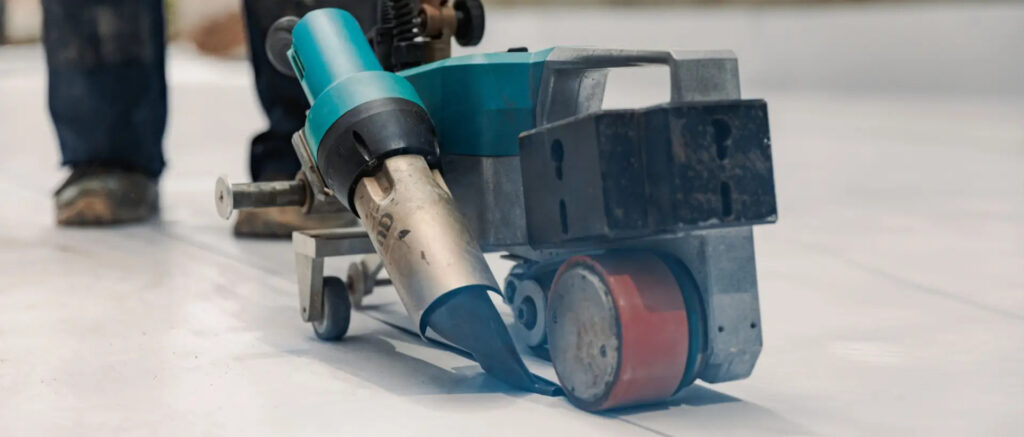
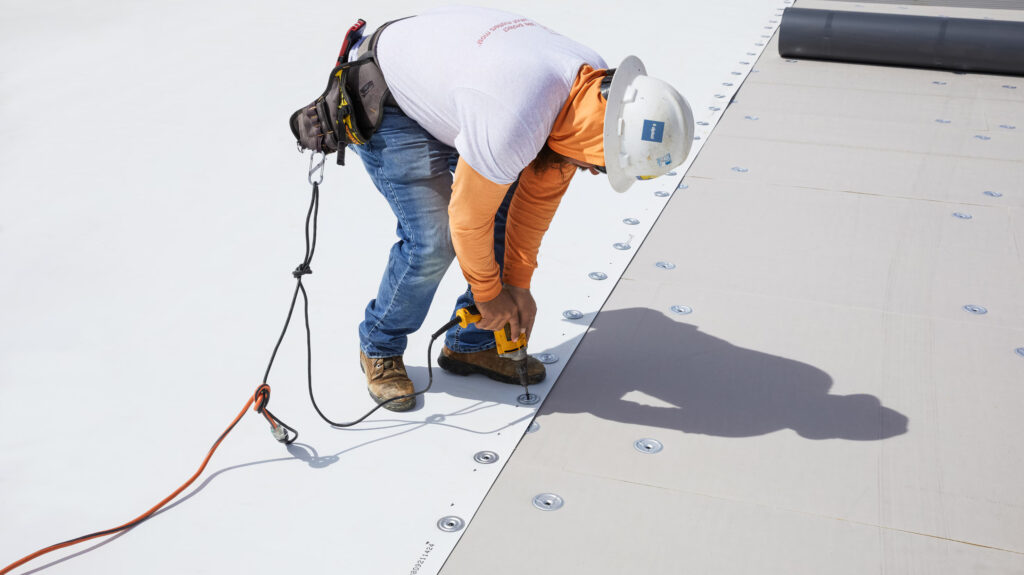
Choosing the product too early can lead to the wrong scope. For example, a decorative roof coating may be suitable for a sound exposed roof that mainly needs surface protection. A cementitious waterproof slurry may suit certain concrete substrates but still needs correct detailing and protection where required. A flexible membrane system may be more appropriate where movement and cracks are expected. Sealants and joint tapes may be needed at penetrations and junctions.
The practical repair scope should be shaped by the roof condition, not only by the product name. A more reliable concrete roof waterproofing plan usually considers:
• Surface preparation and removal of weak existing layers
• Crack and joint treatment before general coating
• Reinforcement at corners, outlets and pipe penetrations
• Correction of ponding or drainage defects where possible
• Compatibility between primer, coating, sealant and existing substrate
• Curing time and weather window before exposure to rain
QingLong Waterproofing supplies and applies different waterproofing materials for residential, commercial and industrial projects, including roof coatings, sealants, cement-based waterproofing products and complete waterproofing systems. The suitable approach should still be selected based on site condition, substrate condition and the roof details that need treatment.
Conclusion
Concrete roof waterproofing in Johor Bahru is more than applying another layer of coating. A lasting repair depends on identifying the actual source of water entry and correcting issues such as poor drainage, cracks, weak roof details, deteriorated substrates or failed existing waterproofing.
If a roof continues to leak after previous repairs, simply recoating the same surface may repeat the problem. A proper inspection can help determine what failed and what needs to be repaired before a new waterproofing system is applied. For an assessment of your concrete roof and a suitable waterproofing solution, contact QingLong Waterproofing.
Frequently Asked Questions (FAQs)
1. Is waterproof coating enough for a leaking concrete roof?
Not always. Waterproof coating can work well when the concrete surface is sound and properly prepared. If the roof has ponding water, active cracks, loose screed, failed outlets or leaking parapet junctions, these problems should be repaired before the main coating system is applied.
2. Why does my concrete roof still leak after waterproofing?
A roof may continue leaking if the original repair only covered the surface while the actual entry point remained untreated. Common causes include cracks, roof outlets, pipe penetrations, parapet junctions, construction joints, poor drainage and weak existing waterproofing layers.
3. Can waterproof coating be applied over an old roof coating?
It depends on the condition and compatibility of the existing coating. Loose, peeling, blistered or chalky coatings should normally be removed. Even sound existing coatings may require cleaning, surface preparation or primer before a new waterproofing layer is applied.
4. Does ponding water affect concrete roof waterproofing?
Yes. Standing water increases the amount of time the waterproofing system is exposed to moisture and may highlight low spots, drainage problems or weak screed. Severe ponding may require improvements to roof falls, outlets or the substrate before recoating.
5. How do I choose the right concrete roof waterproofing system in Johor Bahru?
The system should be selected according to the roof condition rather than the product name alone. Factors such as substrate strength, existing coatings, cracks, drainage, ponding water, roof outlets, parapet details and penetrations should be checked before deciding on the waterproofing method.