A ceiling stain below a toilet often creates one immediate fear: the whole bathroom floor must be hacked and redone. Sometimes that is true. But in many Johor Bahru homes, especially apartments, terrace houses with extensions, and older renovated bathrooms, water may be entering from a floor trap, pipe penetration, wall-floor joint, shower area, or even plumbing rather than through the entire tiled floor. Good Johor Bahru toilet waterproofing starts by locating the most likely water entry path before removing tiles, because hacking too early can increase cost without solving the real defect.
A Ceiling Stain Does Not Prove the Whole Toilet Floor Has Failed
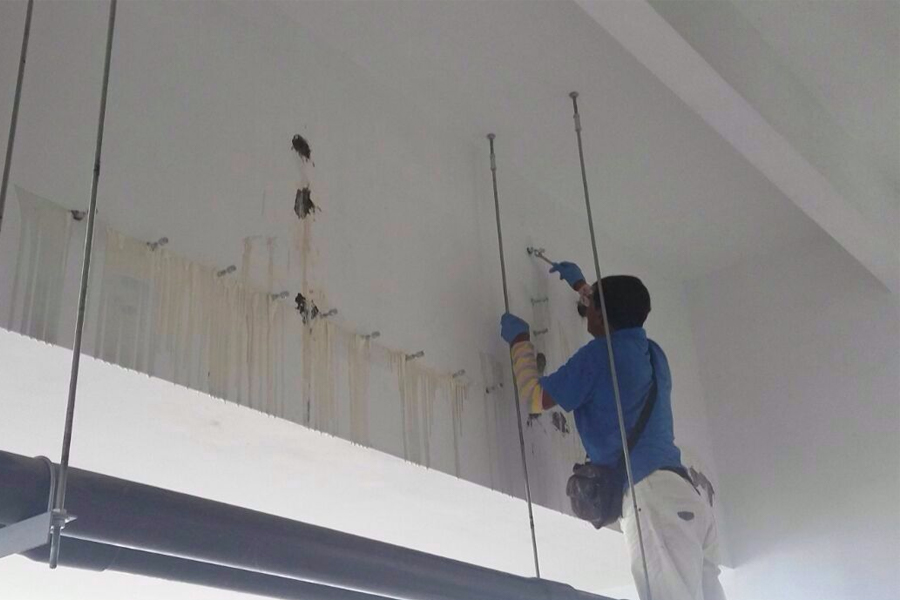
The most expensive assumption in toilet leakage repair is that the stain below the bathroom represents failure across the entire floor area. Water rarely travels in a perfectly vertical line. It can enter at one weak point, move along the screed layer, follow a pipe sleeve, or spread beneath tiles before appearing at the ceiling below.
In a condominium or double-storey house, the visible stain may be located away from the actual entry point. A damp patch near the downstairs light fitting, for example, may originate from a leaking floor trap, a failed pipe collar, or water escaping behind the shower wall. If the repair is based only on the stain location, the wrong area may be hacked.
A useful first question is not “Which tiles should be removed?” but “Which wet area detail is allowing water below the waterproofing line?” That changes the inspection from guesswork to diagnosis.
For toilet waterproofing, tiles should not be hacked before checking whether the leak is from waterproofing failure, plumbing, floor trap details, pipe penetrations, or wall-floor junctions. The correct repair area depends on where water enters the substrate, not only where the stain appears on the ceiling below.
Separate Waterproofing Leakage From Plumbing Leakage First
Before deciding on toilet waterproofing repair, plumbing leakage should be considered separately. A pressurised pipe leak can continue even when the bathroom is not being used. A waterproofing leak usually becomes worse after showering, washing the floor, or leaving water around the floor trap.
This distinction matters because waterproofing work will not repair a leaking pipe inside the wall or slab. If tiles are hacked and a new membrane is applied while a concealed pipe remains defective, water may return and make the waterproofing repair look unsuccessful.
Several observations can help narrow the direction:
Does the dampness increase only after the toilet is used?
Does the ceiling remain wet even when the toilet is kept dry for a few days?
Is the stain located near a pipe route, floor trap, WC outlet, or shower zone?
Are there signs of water around wall tiles, pipe collars, or sanitary fittings?
Has any renovation changed the original bathroom layout?
These observations do not replace a proper site assessment, but they prevent one common mistake: treating every toilet leak as a membrane failure.
The Floor Trap Is Often More Important Than the Middle of the Floor
Many homeowners imagine toilet waterproofing as a flat coating under the tiles. In reality, weak points usually occur at details. The floor trap is one of the most critical areas because it connects the tiled surface, screed, drainage fitting, pipe opening, and waterproofing layer.
If water enters around the floor trap body or through a poor connection between the trap and the surrounding mortar, it can bypass the surface tiles and move into the slab zone. The tiles may look normal, but the detail below may no longer be watertight.
This is why simply applying sealant around the visible floor trap grille is often temporary. Surface sealant may slow water entry for a while, but it may not restore the waterproofing connection around the trap body. If the surrounding screed is loose, cracked, or poorly bonded, the leak path remains active below the surface.
For Johor Bahru toilet waterproofing in lived-in properties, this detail matters because owners often want to avoid full hacking. A targeted repair may be possible in some cases, but only if the inspection confirms that the defect is localised and the surrounding substrate is still sound.
Wall-Floor Junctions and Shower Walls Need Different Checks
Toilet leaks are not always floor leaks. In shower areas, water can enter through wall-floor junctions, corners, cracked grout, loose wall tiles, pipe outlets, mixer openings, or failed sealant around fixtures. Once water enters behind the wall tile layer, it may travel downward and appear as floor or ceiling leakage.
This is especially relevant where the shower area is used daily and water repeatedly hits the same wall. A small opening around a pipe fitting can allow water to enter behind tiles. Over time, moisture may accumulate in the backing material and migrate to the floor junction.
The wall-floor junction is another vulnerable detail because two planes meet and movement may occur. If the waterproofing was not properly turned up the wall, or if later renovation damaged that area, water can pass through the corner even when the main floor area is still intact.
A proper inspection should therefore look beyond the centre of the bathroom floor. The shower wall, corner joints, sanitary penetrations, and floor edges may tell more about the leak than the tile surface itself.
When Keeping Existing Tiles Is Reasonable, and When It Is Risky
Many owners ask whether toilet waterproofing can be done without hacking tiles. The honest answer is that it depends on what the inspection finds. Keeping tiles may be considered when the tile surface is stable, the leak path appears to be at a treatable surface detail, and the proposed waterproofing method is suitable for the existing finish.
However, retaining tiles becomes risky when there are hollow tiles, loose tiles, failed screed, trapped moisture, poor falls, or a leak path below the tile layer. A coating applied over an unstable surface may only protect the top temporarily while water continues moving underneath.
For example, transparent waterproof coatings or surface-applied systems may help in certain situations where the owner needs a less disruptive repair and the substrate condition supports it. But they should not be treated as a universal replacement for rebuilding a failed waterproofing layer under the screed.
Toilet waterproofing over existing tiles is only suitable when the existing tile surface is firmly bonded, reasonably dry, properly cleaned, and the leak source is accessible from the surface. If water is already travelling under loose tiles or through failed screed, hacking and rebuilding the waterproofing system may be the more reliable option.
What a Practical Leak Assessment Should Establish Before Hacking
Before approving tile hacking, the assessment should produce a clear repair reason. The goal is not to inspect every possible defect endlessly, but to identify enough evidence to choose the right scope.
A practical toilet waterproofing assessment should establish:
whether the leak behaves like plumbing leakage or wet-area waterproofing leakage;
whether the likely entry point is floor, wall, joint, penetration, or drainage detail;
whether existing tiles and screed are sound enough to retain;
whether moisture is trapped under the tile layer;
whether local repair is realistic or full waterproofing renewal is required;
whether the bathroom can be kept out of use long enough for preparation and curing.
This is where professional judgement matters. A small repair may be attractive because it is cheaper and faster, but it should not be selected only to avoid hacking. If the existing waterproofing layer has failed widely, a local patch may shift the leak rather than solve it.
On the other hand, full hacking should also not be the automatic first step. If the evidence points to a pipe penetration or isolated floor trap defect, unnecessary hacking creates mess, cost, noise, and inconvenience without improving the diagnosis.
Choosing the Repair Method After the Leak Path Is Clear
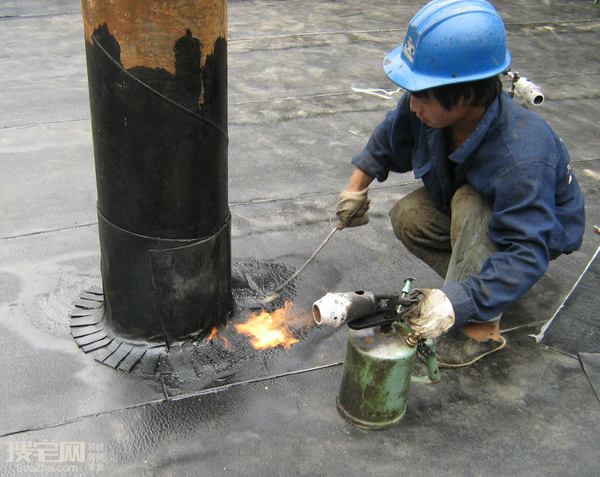
Once the likely leak path is identified, the repair method becomes easier to justify. A plumbing defect needs plumbing repair before waterproofing reinstatement. A failed floor trap detail may need local opening, proper sealing, and restoration around the drainage connection. A failed toilet floor waterproofing layer may require tile removal, substrate preparation, waterproofing application, and retiling.
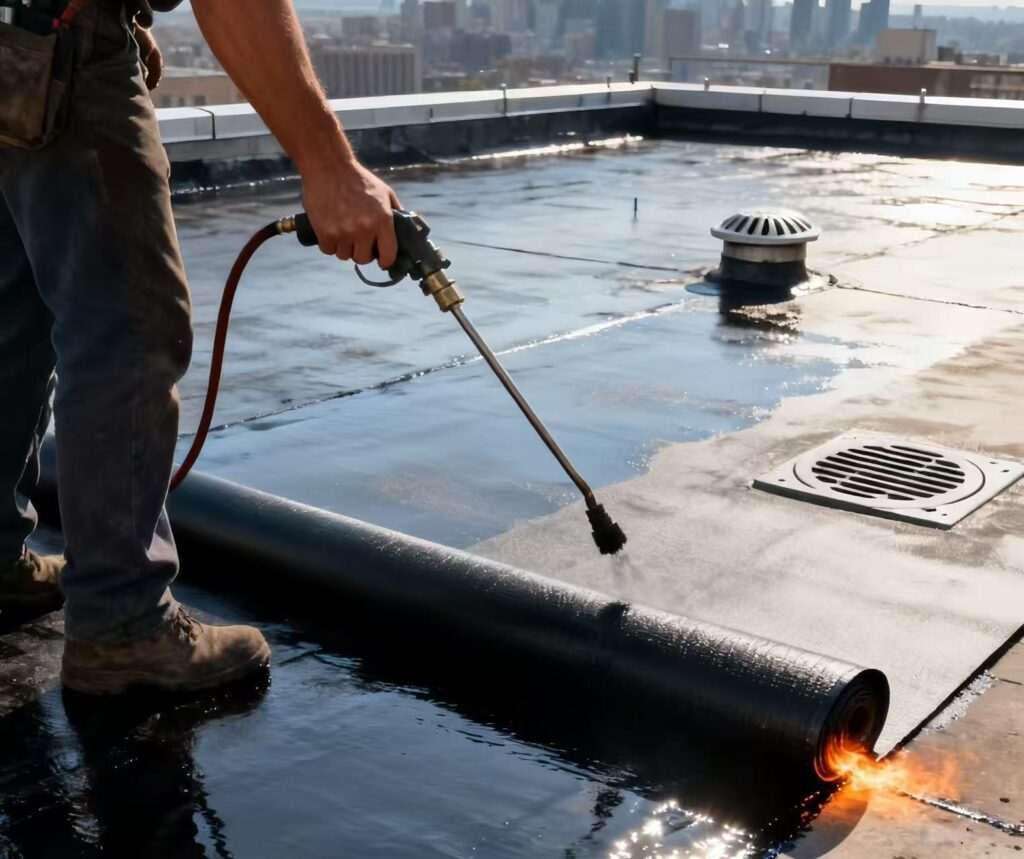
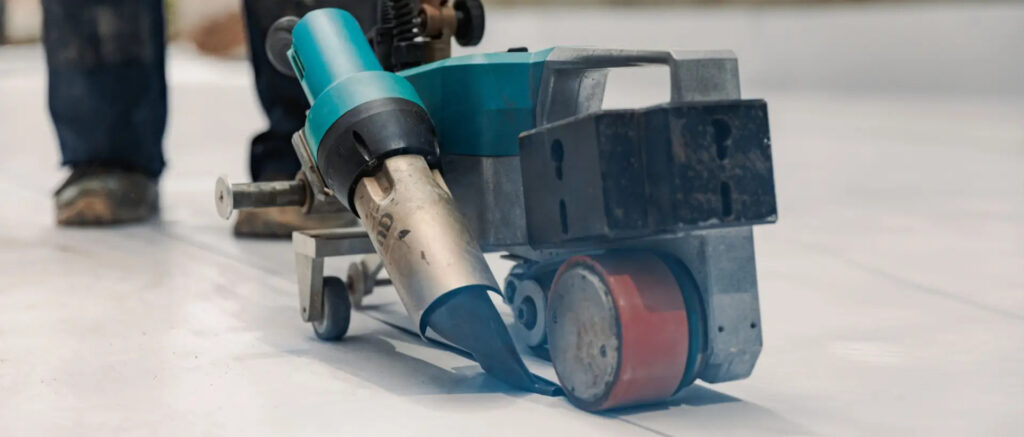
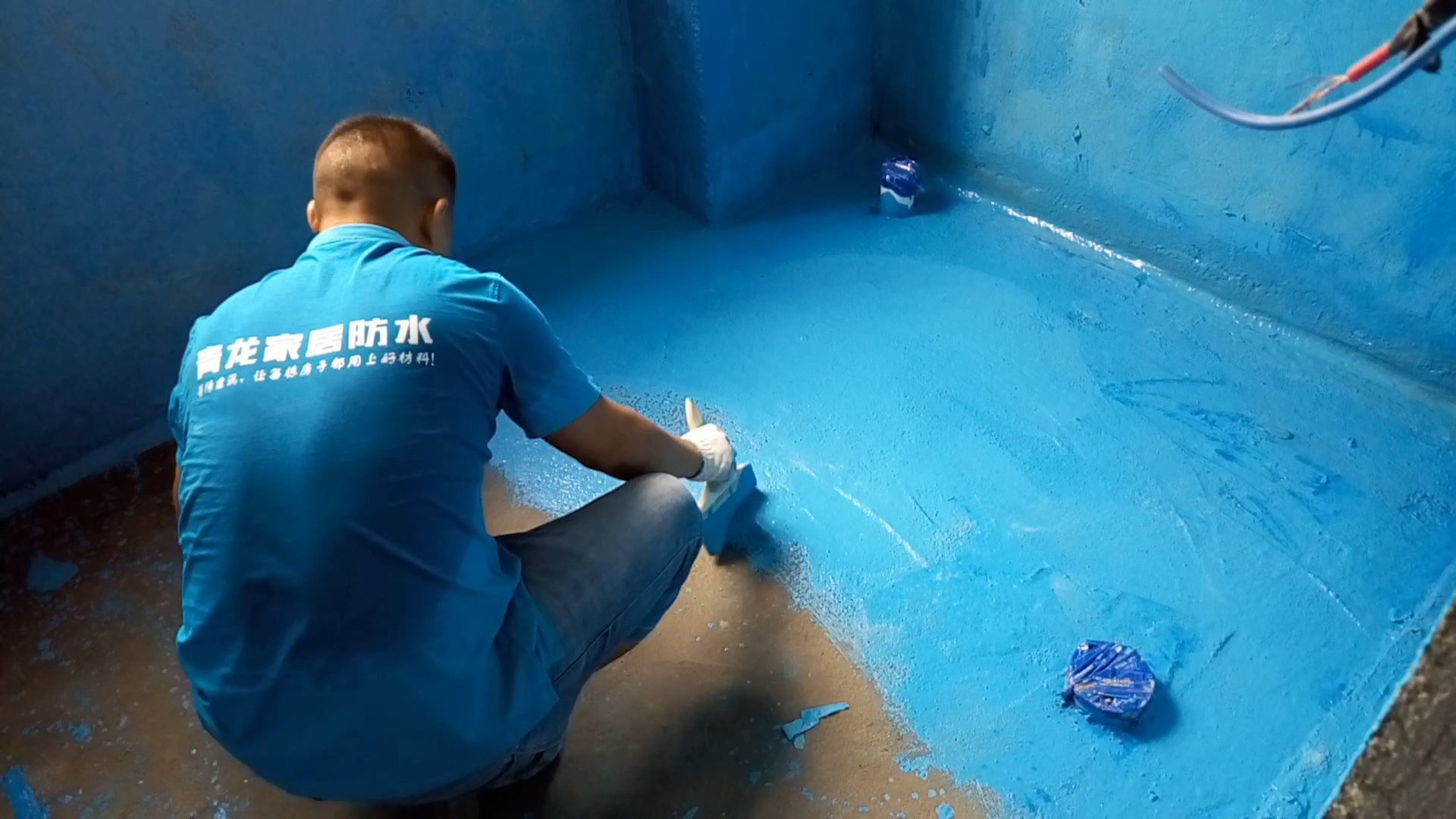
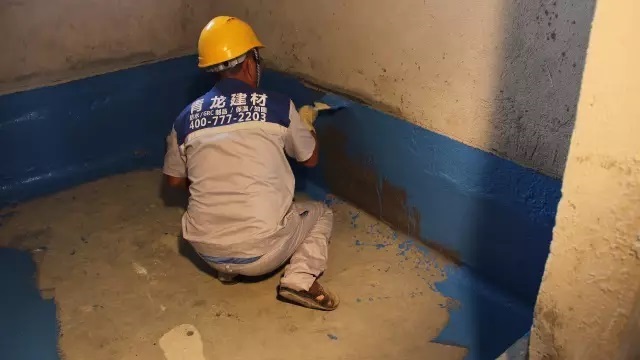
The chosen waterproofing material must match the location and build-up. A cement-based waterproofing slurry may be suitable in certain under-tile applications when applied to a prepared mineral substrate. Joint tapes, sealants, or flexible detailing products may be needed at corners, penetrations, and movement-prone areas. Surface coatings may be considered only when the existing tile surface and usage conditions allow.
QingLong Waterproofing supplies and applies waterproofing systems for residential wet areas, including products such as K11 waterproof slurry, waterproof sealant, Easy Tape, and other coating systems where suitable. The important point is not simply choosing a product name, but matching the system to the toilet condition, substrate, water exposure, and repair access.
If your toilet leak in Johor Bahru is causing ceiling stains, recurring dampness, or uncertainty about whether tiles must be hacked, you can discuss the site condition with QingLong Waterproofing for a suitable repair recommendation.
Conclusion
Hacking toilet tiles is sometimes necessary, but it should be the result of diagnosis, not the starting point. A toilet leak may come from a floor trap, pipe penetration, wall detail, plumbing line, or failed waterproofing layer beneath the tiles. The better decision is to first understand how water is entering and travelling. Once the leak path is reasonably established, the repair scope becomes clearer: local detail repair, surface treatment, plumbing correction, or full waterproofing renewal.
Frequently Asked Questions (FAQs)
1. Can toilet waterproofing be repaired without hacking tiles?
Yes, in some cases, but only when the existing tiles are stable and the leak source can be treated from the surface. If water is moving below loose tiles or failed screed, hacking may be required.
2. How do I know if the toilet leak is from plumbing or waterproofing?
If dampness continues even when the toilet is not used, plumbing leakage should be checked. If leakage worsens after showering or washing the floor, wet-area waterproofing or drainage details may be involved.
3. Is sealing grout enough to stop a toilet leak?
Sealing grout may reduce minor surface water entry, but it usually does not repair failed waterproofing, leaking pipe penetrations, or floor trap defects beneath the tile layer.
4. Why does the ceiling stain appear away from the bathroom drain?
Water can travel along the slab, screed, pipe route, or construction joint before becoming visible. The stain location is not always the same as the water entry point.