Waterproofing can be a complex topic, and many people have questions about it. We’ve collected the most frequently asked questions and provided clear, practical answers to help you understand how to protect your home or building from water damage.
1. What are the common signs of water damage?
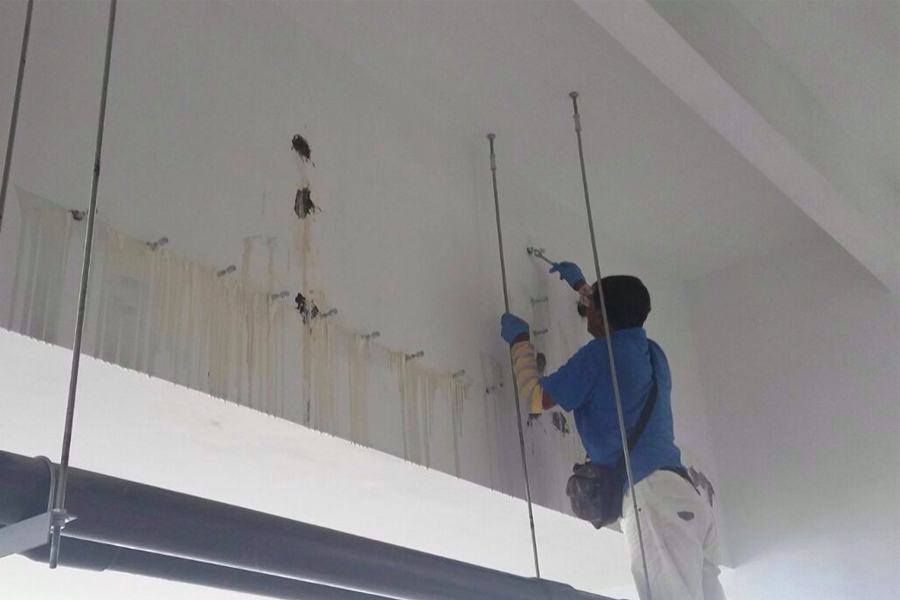
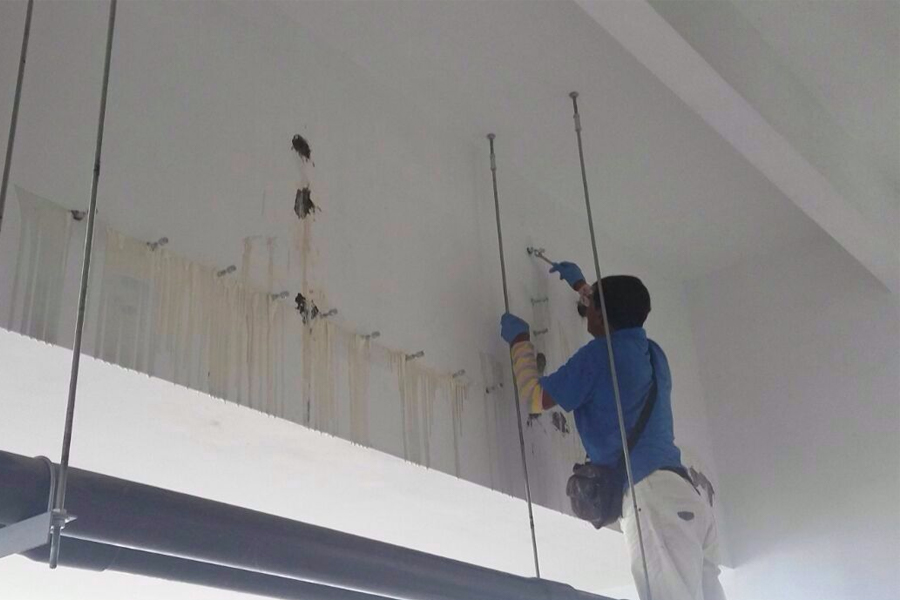
Look out for damp or musty odors, mold or mildew growth, peeling or bubbling paint, stains or discoloration on walls or ceilings, warping or buckling of wooden surfaces, and water pooling or dripping. These are all indicators that your property may need waterproofing.
2. How can I tell if a surface needs waterproofing?
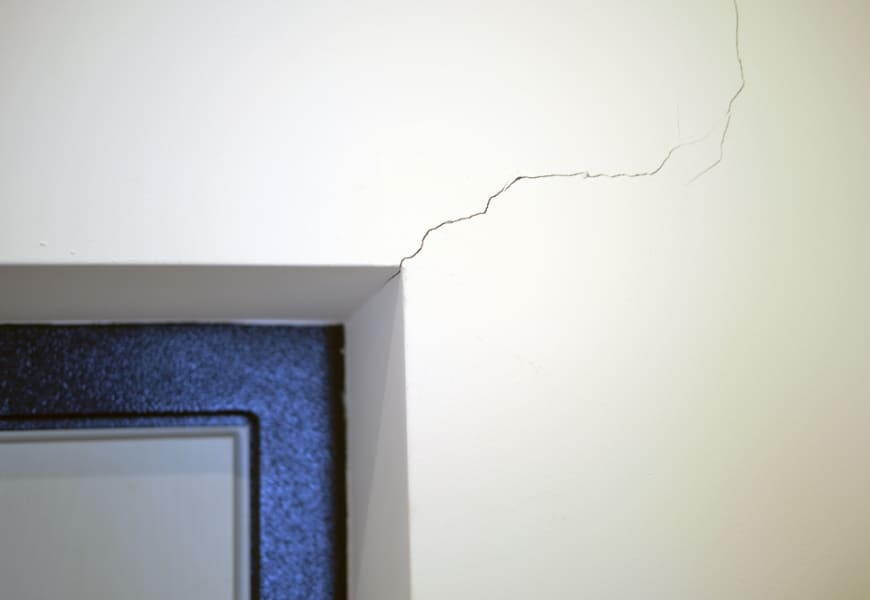
Surfaces exposed to water or moisture are candidates for waterproofing. Common signs include water stains, efflorescence (white powdery deposits), visible cracks, or areas prone to leaks. If water intrusion is likely, it’s best to apply waterproofing measures before damage occurs.
3. Is waterproofing suitable for both interior and exterior surfaces?
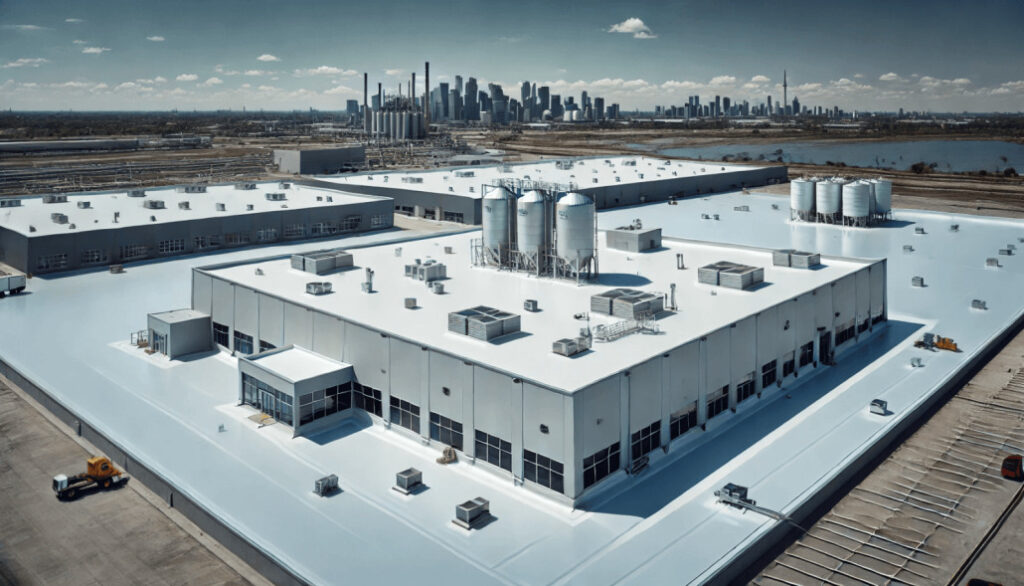
Yes. Interior areas like basements, bathrooms, and kitchens benefit from waterproofing to prevent water damage and mold growth. Exterior surfaces such as roofs, balconies, facades, podiums, and foundations also need protection against rain, weather, and moisture to maintain structural integrity.
4. Can waterproofing be left exposed?
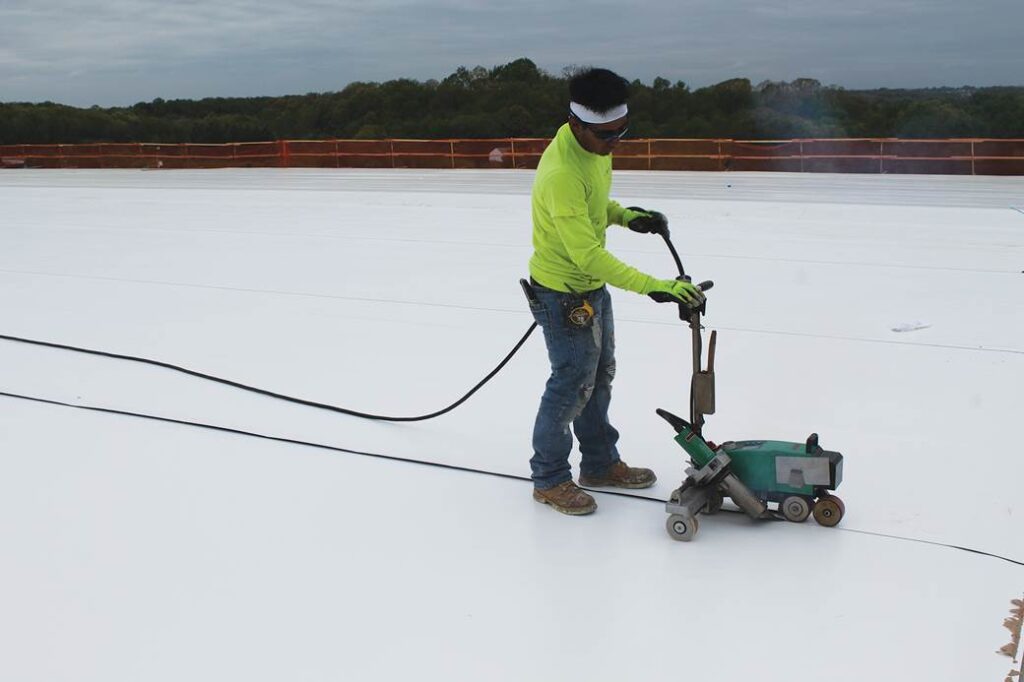
It depends on the type of waterproofing. Some systems, like liquid-applied or sheet membranes, usually require protective layers such as tiles, coatings, or finishes. Others may be left exposed, but always check manufacturer recommendations and professional guidance.
5. Are waterproofing systems abrasion-resistant?
Abrasion resistance varies by system. Polyurea and polyurethane coatings, for example, offer excellent resistance and are suitable for high-traffic areas. Always select a system based on the surface’s intended use and consult waterproofing professionals for the best option.
6. Why does waterproofing fail?
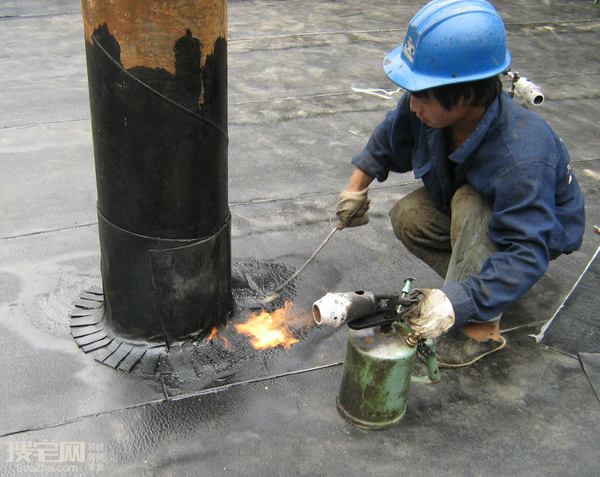
Failures often result from poor surface preparation, incorrect application, using the wrong product, improper integration, structural movement, or lack of maintenance. Using high-quality materials and following proper installation procedures is key to long-lasting waterproofing.
7. Why are there different types of waterproofing?
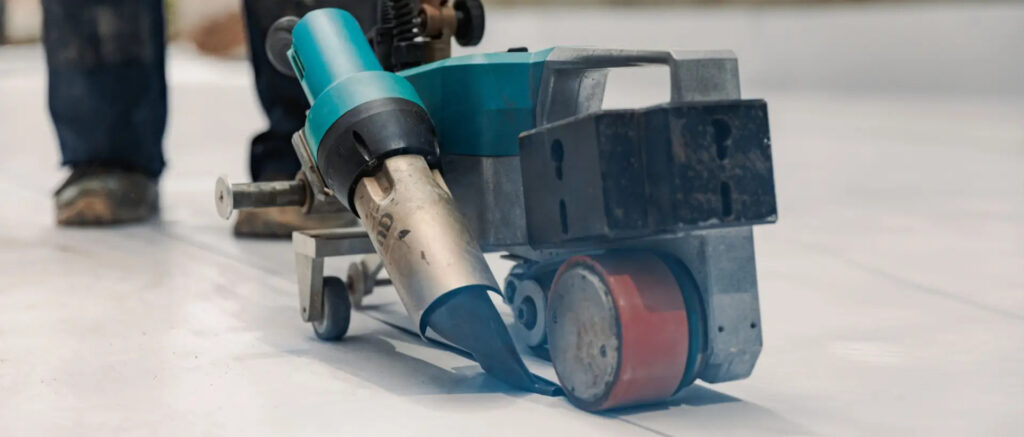
Different surfaces, water exposure levels, climates, and project requirements demand different waterproofing solutions. Offering multiple types ensures the right system is used for each scenario, maximizing water resistance and durability.