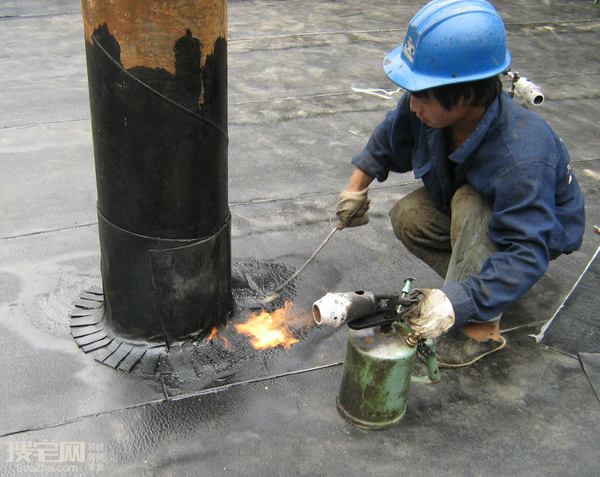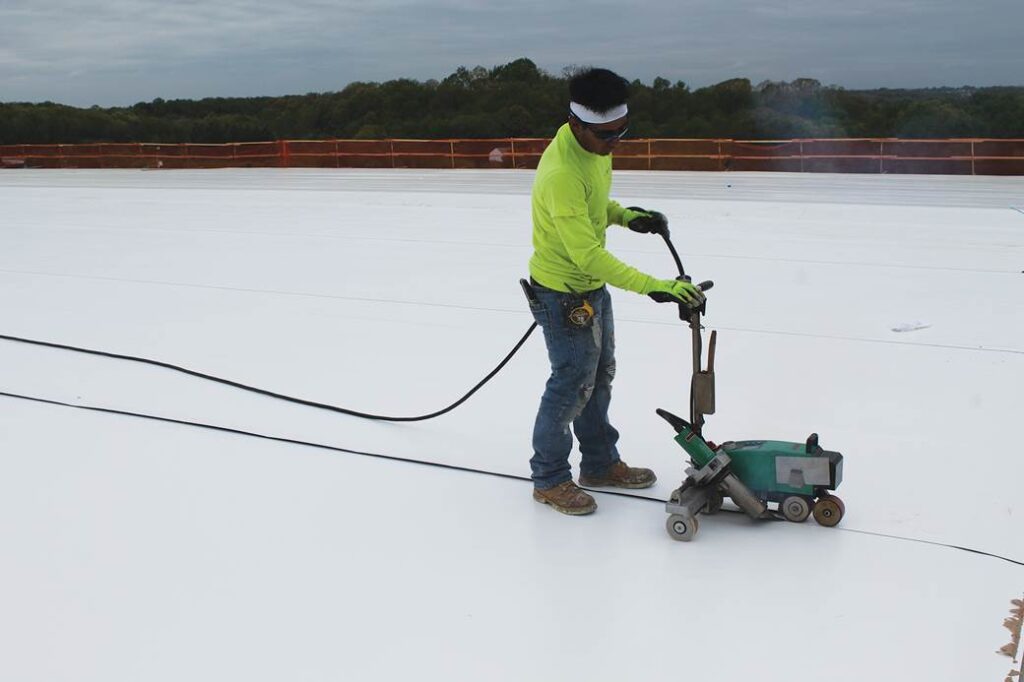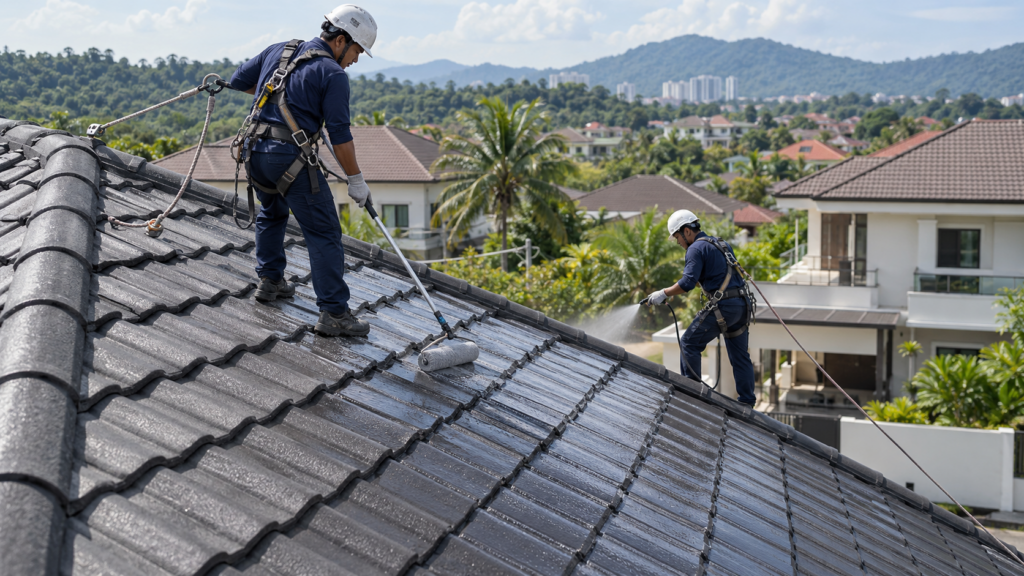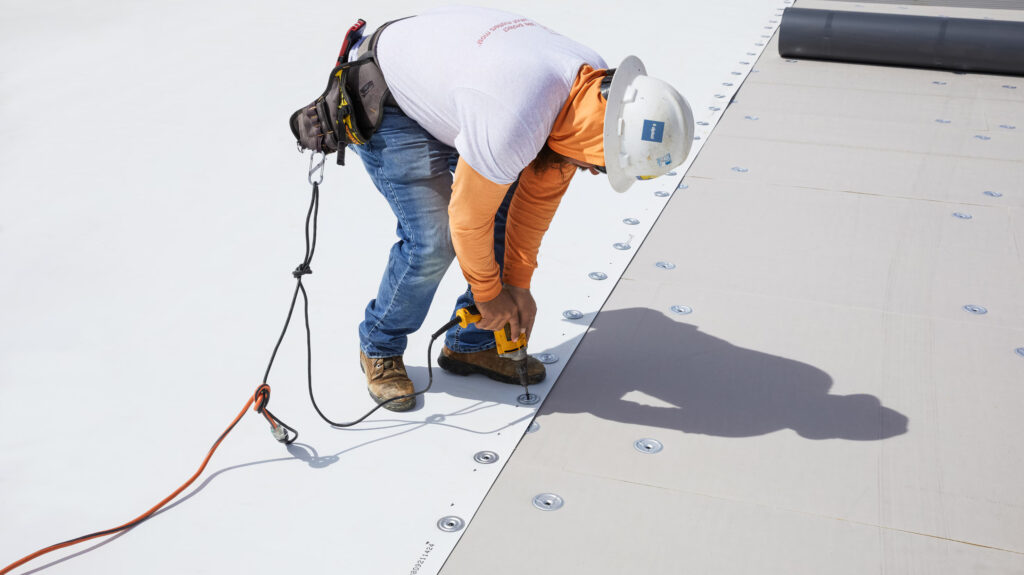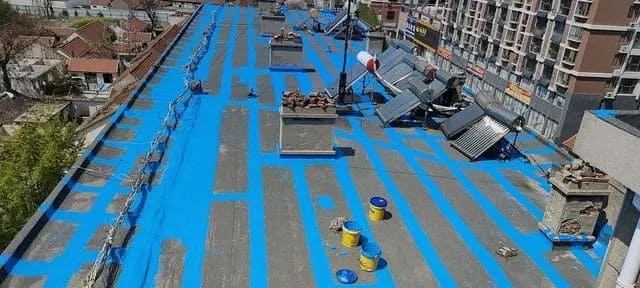
In waterproofing construction, a common saying is:
“Materials account for 30%, construction workmanship accounts for 70%.”
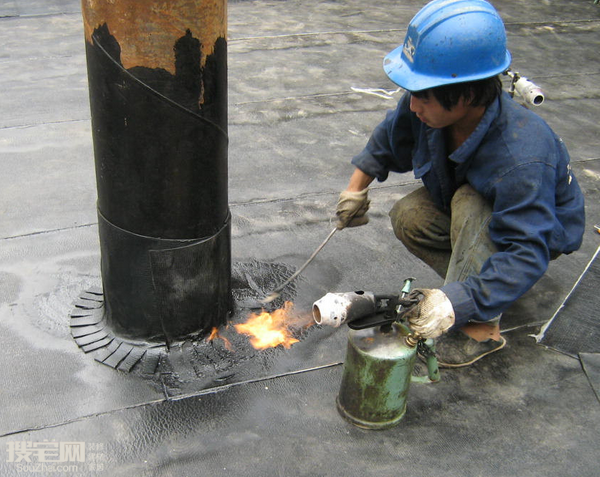
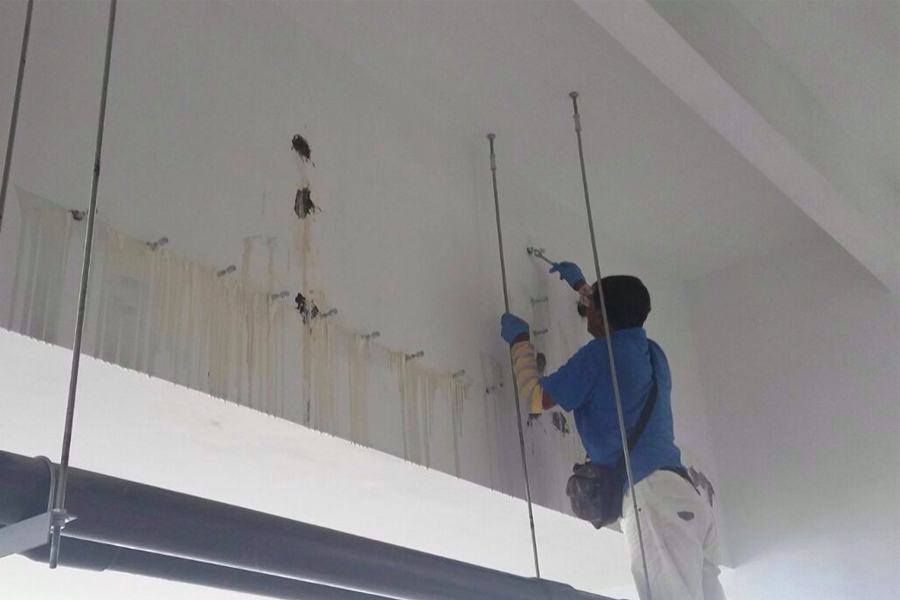
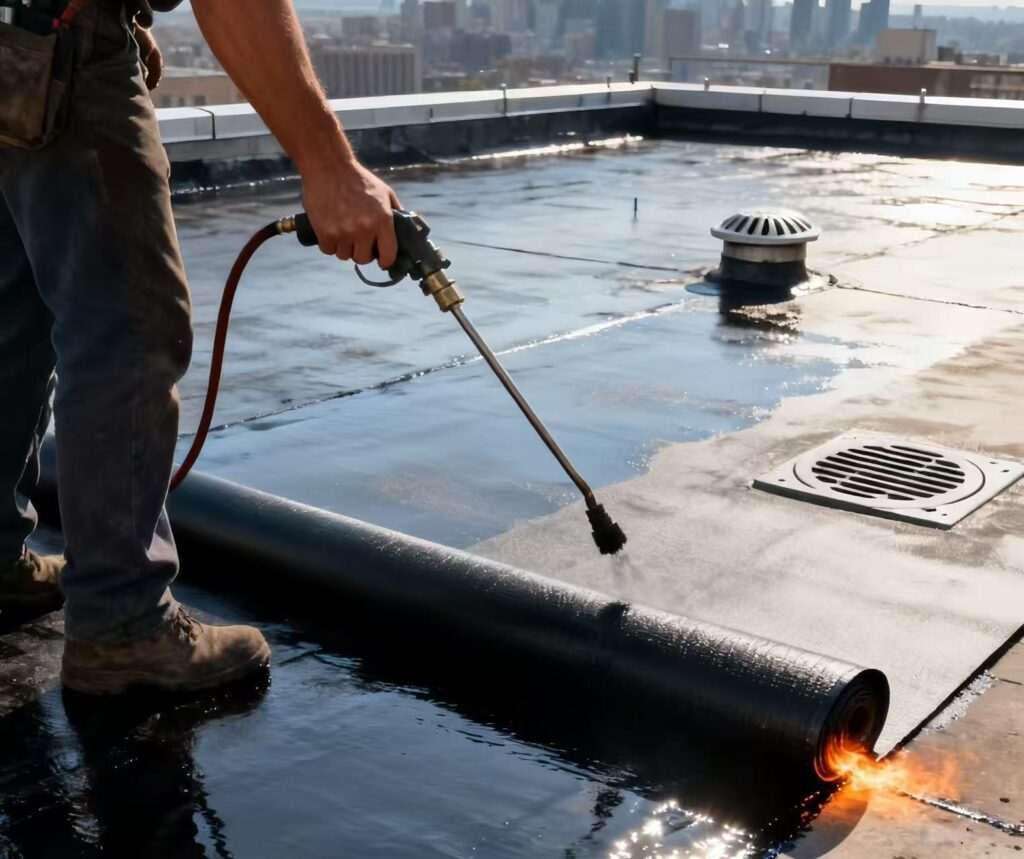
Even high-quality waterproofing materials can fail if not applied correctly. Contractors and homeowners often face leakage, cracking, and material failure during or after application.
This guide summarizes the most common waterproofing material problems and professional solutions to help avoid construction mistakes and ensure long-term waterproofing performance.
1. Leak Sealant Issues (High Water Pressure Leakage)
Problem:
Severe leakage on basement sidewalls under high water pressure. Leak sealant fails to stop water.
Solution:
• Leak sealant can only be used for temporary emergency repair.
• For short-term control: wrap leaking pipe or point with sealant and stop valve.
• For permanent solution: construct an external waterproof curtain system on the basement exterior wall.
2. Elastic Grouting Adhesive (Flexibility & Durability)
Question:
Does elastic grouting adhesive have flexibility? Can it last 5 years in bathrooms?
Answer:
Yes, it has moderate elasticity. If applied according to standard procedures, it can last up to 5 years in wet areas such as bathrooms
Question 1:
Can it be diluted with water?
Answer:
Can be diluted up to 30% water, but not recommended for best performance.
Question 2:
Coverage per 1kg?
Answer:
Approximately 3–4 square meters per kg
Problem:
How to handle wall dampness near the bathroom door?
Solution:
Remove the plaster from the wall, apply a layer of waterproof coating (reinforced waterproofing two-in-one), and then use interior wall waterproof putty.
Question:
How to address leakage from the bottom slab of an underground water tank?
Answer:
Identify leakage points precisely, excavate affected area, use leak sealant to create a dry condition, inject acrylate chemical grout through packers/pins, and apply universal glue.
6. Two-Component Polyurethane (Premature Curing Issue)
Question:
What causes the “A” component of polyurethane to cure prematurely?
Answer:
This could be due to poor sealing of the container, allowing moisture to enter and trigger a curing reaction. It may also happen if the material has been stored for too long, as polyurethane can cure even without a hardener over time.
7. Liquid Waterproof Membrane (Cracking After Application)
Problem:
Cracks appear in the first few days, worsening after 2 weeks after applying two layer of liquid waterproof membrane and protective mortar layer. Why?
Causes & Solution:
Thick mortar (>5cm) requires mesh reinforcement. For exposed areas, a protective layer is necessary. It’s better to use fine aggregate concrete instead of polymer cement mortar, as the latter is expensive, can’t be applied thickly, and is prone to cracking when applied too thin.
8.Wall Primer (Wall Bond)
Question:
After adding cement, yellow sand, and elastic adhesive to wall primer for roughening, it crumbles easily. Why?
Answer:
Proper construction techniques must be followed. The cement-to-primer ratio should generally be 1:2.5.
Conclusion
Waterproofing success depends not only on materials but also on correct application methods, proper mixing ratios, and site conditions. Most waterproofing failures come from construction errors rather than product quality.
By understanding these common issues, contractors can significantly improve:
• Waterproofing durability
• Leakage resistance
• Structural protection lifespan
Professional Waterproofing Consultation & Inspection
If you are experiencing water leakage, wall cracks, dampness, or waterproofing failure, accurate diagnosis is the most critical first step to prevent recurring damage.
Our waterproofing specialists provide professional solutions including: Leakage source identification, Waterproofing system evaluation, Material selection recommendations, and On-site inspection and repair solutions.
We focus on solving waterproofing issues at the root cause level, not just treating surface symptoms—ensuring long-term durability and performance. Contact us now for professional waterproofing consultation and on-site inspection.