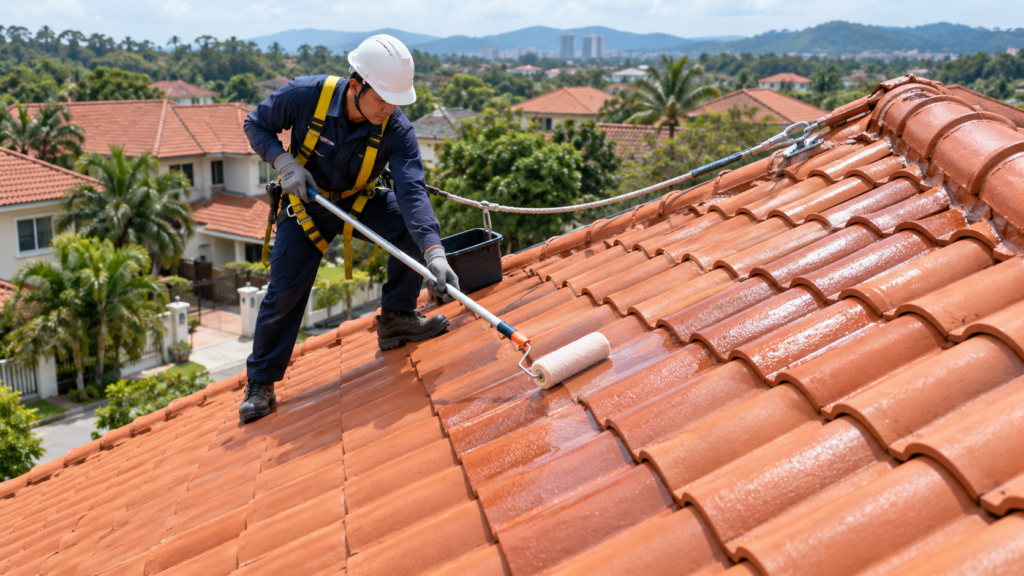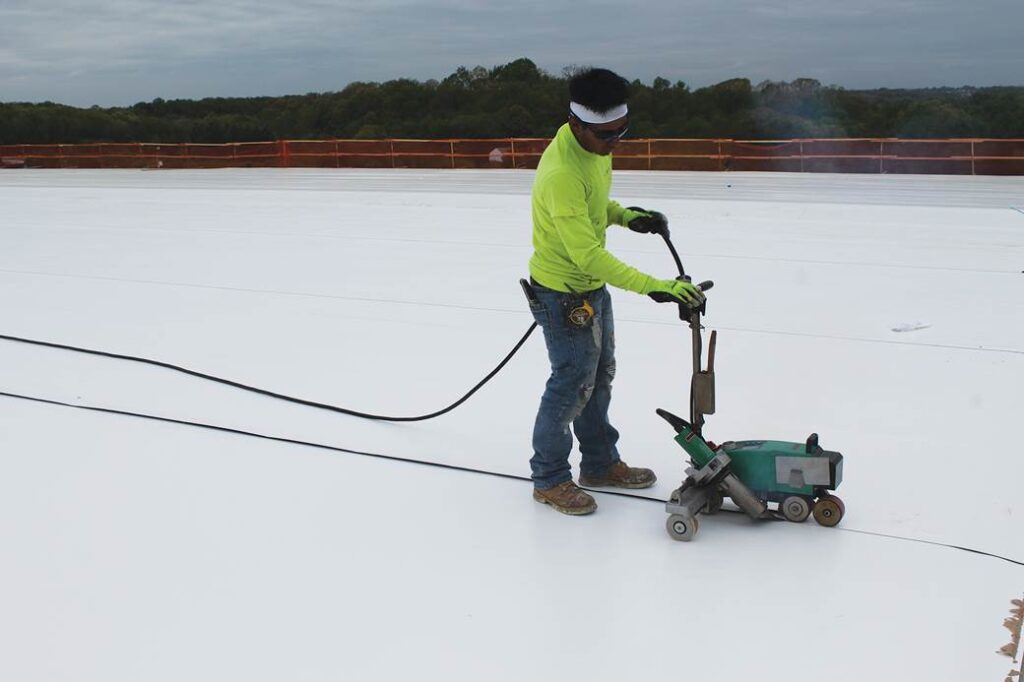
Wall waterproofing is a critical part of any home renovation project, especially in moisture-prone areas such as bathrooms, kitchens, balconies, and laundry rooms. Proper waterproofing protects walls from water penetration, prevents dampness and mold growth, and helps maintain the long-term structural integrity of a building. In Malaysia’s tropical climate, where high humidity and frequent rainfall are common throughout the year, effective wall waterproofing is essential for preventing costly repairs and ensuring a safe and comfortable living environment.
What Is Wall Waterproofing?
Wall waterproofing refers to the application of a protective waterproof coating or membrane that prevents water from penetrating through walls and into the building structure. This protective barrier helps reduce the risk of water seepage, paint peeling, mold formation, and concrete deterioration. Whether for a new construction project or a home renovation, proper wall waterproofing plays a vital role in extending the lifespan of building materials and maintaining the overall condition of the property.
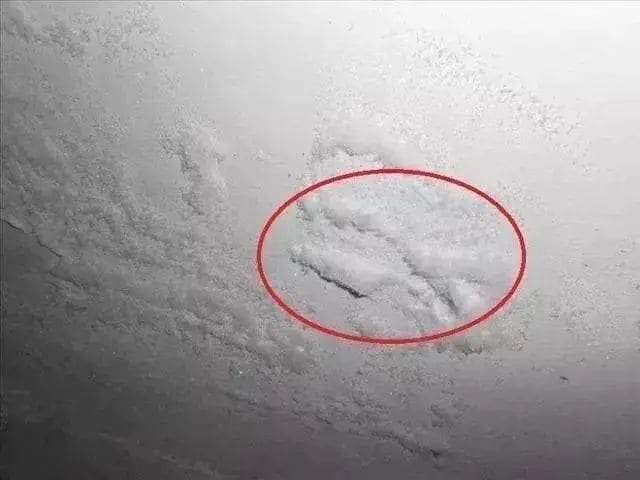
The performance of any waterproofing system begins with thorough surface preparation. Before waterproofing materials are applied, the wall surface must be clean, sound, and free from dust, grease, loose particles, and other contaminants that could affect adhesion. Any cracks, holes, honeycombs, or uneven areas should be repaired and levelled to create a smooth substrate. Special attention should be given to internal and external corners, which should be rounded where possible to eliminate weak points and ensure consistent waterproof coating coverage. Depending on the waterproofing system being used, the surface may also need to be pre-moistened before application to improve bonding performance.
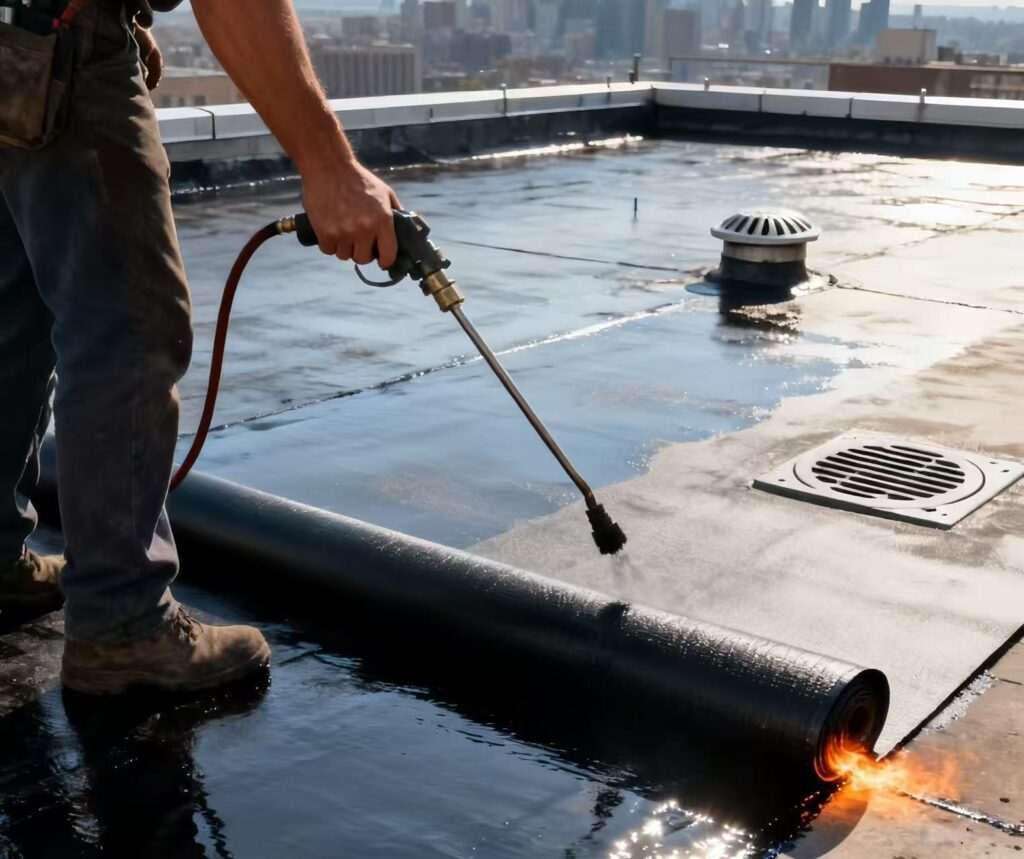
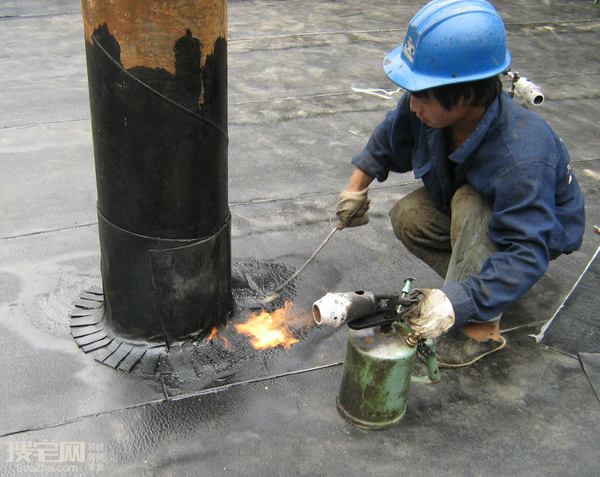
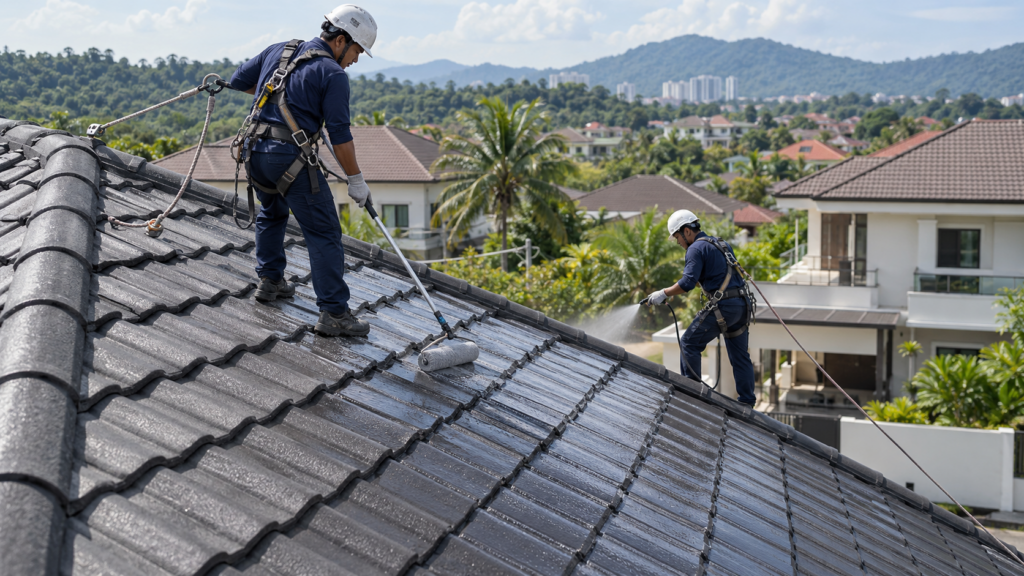
Once the substrate has been properly prepared, the waterproof coating can be applied. Uniform application is essential to ensure complete protection against water penetration. Particular care should be taken around corners, pipe penetrations, construction joints, and wall-floor intersections, as these areas are more vulnerable to leakage. The first coat should be applied evenly without excessive thickness, allowing the waterproof material to adhere properly to the substrate. After the first coat has dried according to the manufacturer’s recommendations, a second coat should be applied in a perpendicular direction to achieve full coverage and eliminate potential weak spots.
For bathroom applications, waterproofing should extend to a minimum height of 180cm in shower areas, while other bathroom walls should be waterproofed to at least 30sm above floor level. Full-height waterproofing is highly recommended for lightweight partition walls and walls adjacent to built-in cabinets or wardrobes, as these areas can be particularly susceptible to hidden moisture damage.
After the waterproof coating has been applied, proper curing is necessary to achieve optimal performance. During this period, the waterproofed area should be protected from foot traffic, impact, excessive water exposure, and direct sunlight. Access to the area should be restricted until the coating has fully cured according to the product specifications. During subsequent renovation activities, such as tile installation or fixture mounting, care must be taken to avoid puncturing or damaging the waterproof layer. Any damage should be repaired immediately to maintain the integrity of the waterproofing system.
4. Conducting a Water Spray Test
Before proceeding with final finishes, it is advisable to conduct a water spray test to verify the effectiveness of the waterproofing system. Once the waterproof coating has fully cured, water should be sprayed continuously onto the wall surface for 3-5 minutes while the opposite side of the wall is inspected for signs of moisture or seepage. If no water penetration is observed, the waterproofing system can be considered effective. This simple test can help identify potential issues early and prevent costly repairs after tiles and finishes have been installed.
Common Signs That Your Walls Need Waterproofing
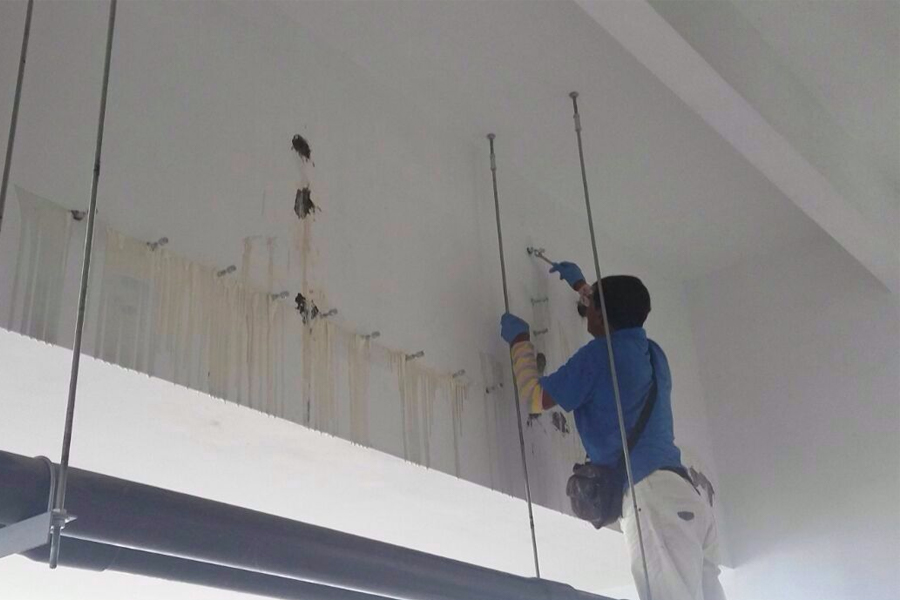
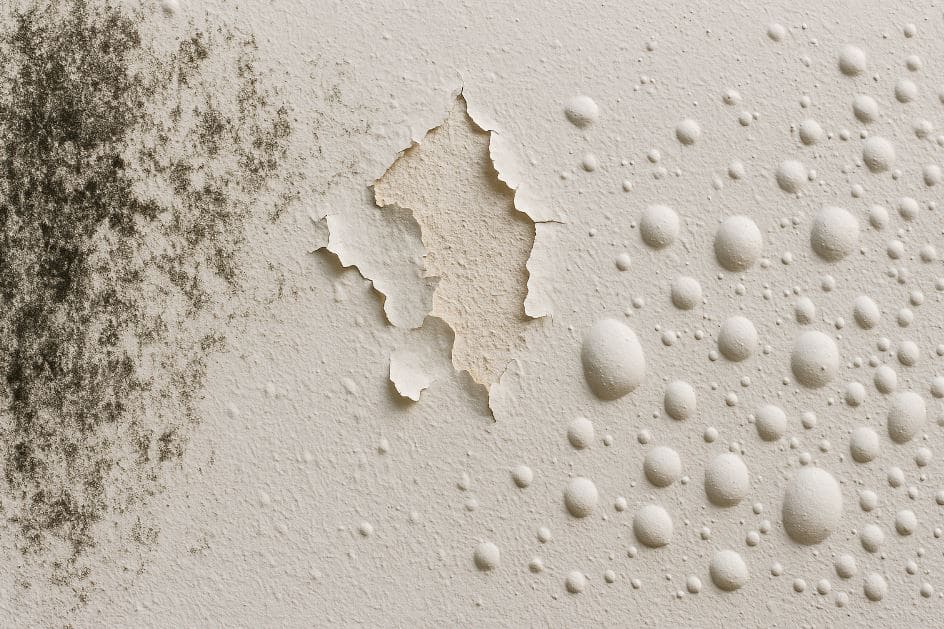
Many homeowners only discover waterproofing issues after visible damage has already occurred. Common warning signs include damp patches on walls, peeling paint, mold growth, musty odors, water stains, and white powdery deposits known as efflorescence. In severe cases, prolonged water exposure can weaken wall finishes and contribute to structural deterioration. Addressing these symptoms promptly through professional waterproofing inspection and repair can prevent further damage and reduce future repair costs.
Why Waterproofing Systems Sometimes Fail
Even high-quality waterproofing materials can fail if proper installation procedures are not followed. Common causes of waterproofing failure include inadequate surface preparation, insufficient coating thickness, missed areas around joints and corners, poor curing practices, structural movement, and accidental damage during renovation works. The use of low-quality waterproofing materials can also significantly reduce performance and durability. For this reason, selecting reliable waterproofing products and ensuring proper application are essential for achieving long-term protection.
Choosing the Right Waterproofing Solution for Tiled Walls
When waterproofing bathroom walls and other tiled areas, choosing a compatible waterproofing and tiling system is crucial for long-term durability. Rigid waterproof coatings are often preferred as they create a solid, stable surface that supports tile adhesion and helps minimize the risk of hollow tiles or tile detachment. In cases where flexible waterproof membranes are applied, additional surface preparation may be required before tiling. Roughening the membrane surface or using high-quality bonding products such as QingLong Tile Adhesive and QingLong Tile Back Adhesive can significantly improve tile adhesion and installation reliability. By combining proper waterproofing with suitable tile bonding materials, homeowners can achieve lasting protection against water leakage while ensuring the durability and appearance of tiled surfaces.
Professional Wall Waterproofing Solutions
At QingLong Waterproofing Malaysia, we provide comprehensive waterproofing solutions designed to withstand Malaysia’s challenging climate conditions. Backed by decades of industry experience, our waterproofing systems are widely used in residential, commercial, and industrial projects to prevent water leakage, wall seepage, and moisture-related damage. By combining quality waterproofing materials with proven application methods, property owners can achieve reliable, long-lasting protection and reduce the risk of costly future repairs.
Conclusion
Wall waterproofing should never be overlooked during a home renovation project. As one of the most important protective measures for any property, it helps prevent water seepage, mold growth, paint deterioration, tile damage, and long-term structural issues caused by moisture intrusion. In Malaysia’s tropical climate, where high humidity and heavy rainfall are common throughout the year, a properly installed waterproofing system plays a vital role in maintaining the durability, safety, and value of a home.
By ensuring proper surface preparation, correct waterproof coating application, adequate curing, and thorough testing, homeowners can significantly reduce the risk of future water leakage problems and costly repairs. Investing in quality waterproofing solutions today can provide long-lasting protection and peace of mind for years to come.
For professional waterproofing consultation, product recommendations, and technical support, contact the team at QingLong Waterproofing Malaysia or WhatsApp +6013-778 8880 to discuss the most suitable waterproofing solution for your project.