A waterproofing warranty can give property owners confidence, but it is often misunderstood. In Malaysia, roofs, bathrooms, balconies, basements, and external walls face heavy rain, heat, humidity, and building movement throughout the year. Even a good waterproofing system can fail early if the surface was not prepared properly, drainage was ignored, or maintenance was never done. The warranty document is only useful when owners understand what it actually covers.
In this article, we’ll explain what waterproofing warranties usually mean, why claims may be rejected, what owners should check before accepting a warranty, and how proper documentation helps protect long-term building performance.
What a Waterproofing Warranty Usually Covers
A waterproofing warranty normally covers defects related to the waterproofing material or the workmanship, depending on who issued the warranty and how the system was installed. For example, a Waterproofing Manufacturer may provide material warranty when the product is applied according to the technical specification, while an applicator may provide workmanship coverage for installation-related issues.
What should owners understand before relying on a warranty?
A warranty is not the same as a promise that the building will never leak. It is a conditional agreement. The system must be installed on a suitable substrate, with correct thickness, curing time, detailing, and protection. If these conditions are not followed, even high-quality waterproofing materials may not perform as expected.
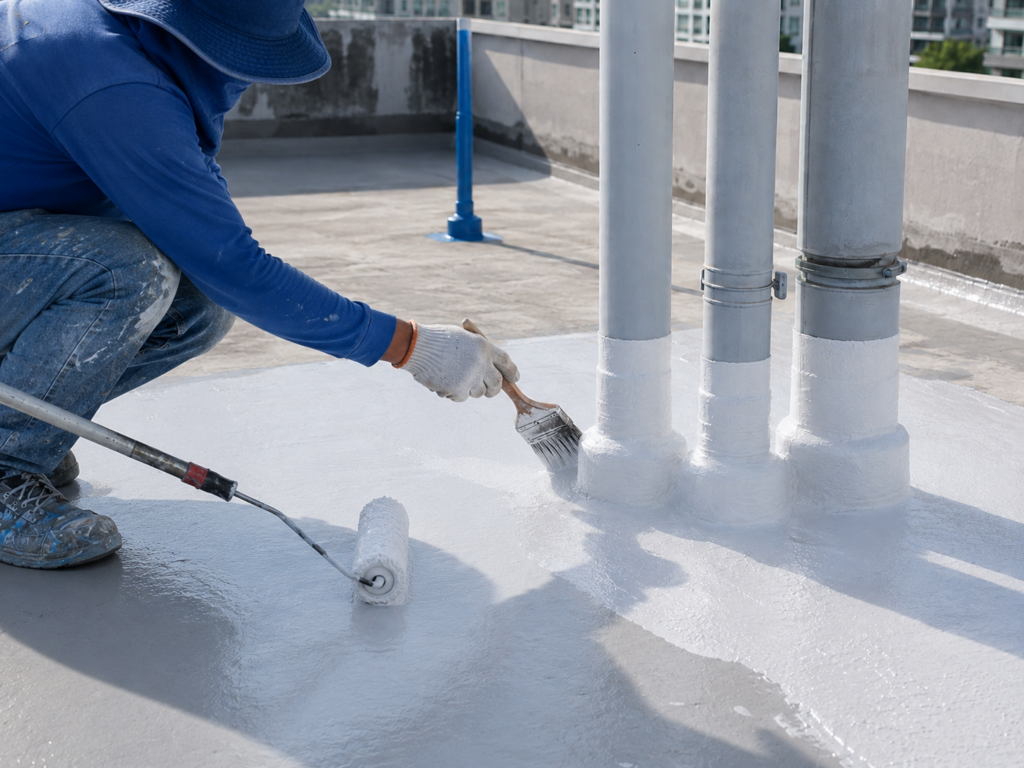
In many Malaysia waterproofing projects, the weakest points are not the wide flat areas but the corners, pipe penetrations, floor traps, joints, parapet walls, and drainage outlets. These areas require extra detailing because they move, crack, or collect water more easily than open surfaces.
Why Waterproofing Warranty Claims Are Often Disputed
Warranty disputes usually happen because the cause of leakage is not clearly identified. A ceiling stain below a roof slab may look like waterproofing failure, but the water source could be a cracked parapet wall, blocked drainage outlet, leaking pipe, or water entering from an adjacent unit.
Why do waterproofing systems fail in Malaysia’s climate?
The common reasons include thermal movement from strong heat, repeated wet-dry cycles, ponding water after storms, poor surface preparation, and cracks forming after structural movement. Coastal areas may also face salt exposure, while industrial buildings can experience chemical residue or roof sheet corrosion.
Many owners only look at the warranty period, such as “5 years” or “10 years,” but miss the conditions. If water ponding remains on a flat roof for days, some warranties may not apply. If tiles are hacked after waterproofing without proper repair, the original system may be damaged. If another contractor modifies the treated area, responsibility becomes difficult to prove.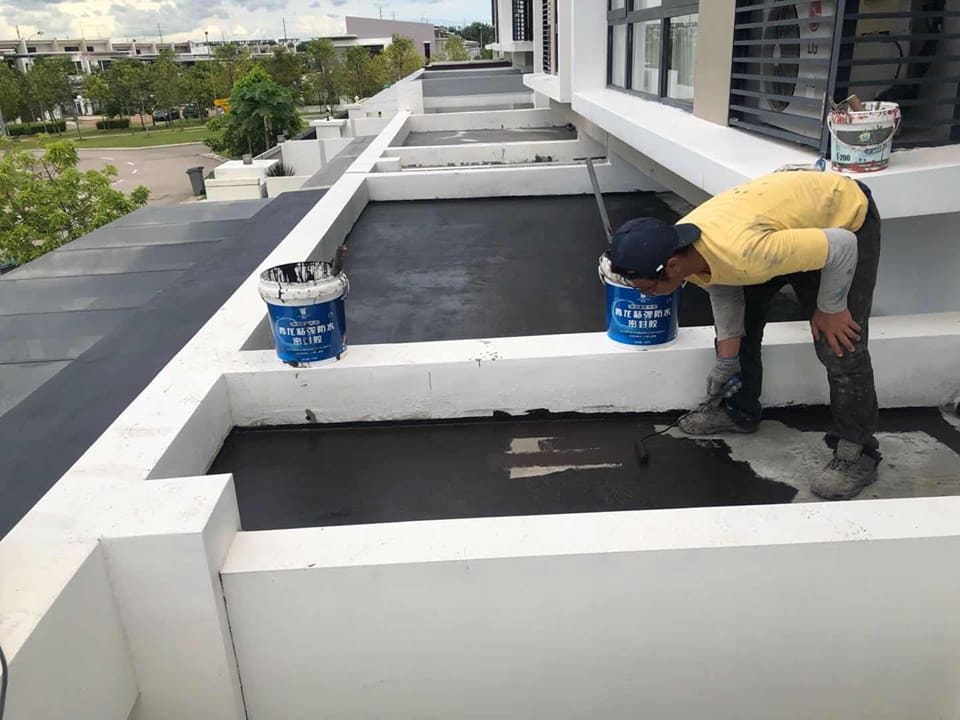
What Owners Should Check Before Accepting a Warranty
Before choosing a Waterproofing Service, owners should review the warranty together with the proposed waterproofing method. A long warranty does not automatically mean a stronger system. The details behind the warranty matter more than the number of years printed on the document.
Before accepting a waterproofing warranty, check:
• What area is covered, such as roof slab, bathroom floor, balcony, basement wall, or external façade
• Whether the warranty covers material defect, workmanship, or both
• What conditions can void the warranty, including ponding water, hacking, poor maintenance, or third-party damage
• Whether surface preparation, primer, reinforcement, membrane thickness, and curing time are stated
• Whether inspection photos, application records, and completion reports will be provided
• Who is responsible for future inspection, maintenance, and claim assessment
A professional Waterproofing Solution Provider should be able to explain these points in plain language. If the warranty terms are vague, owners may only discover the limitations after leakage occurs.
How Poor Installation Affects Warranty Validity
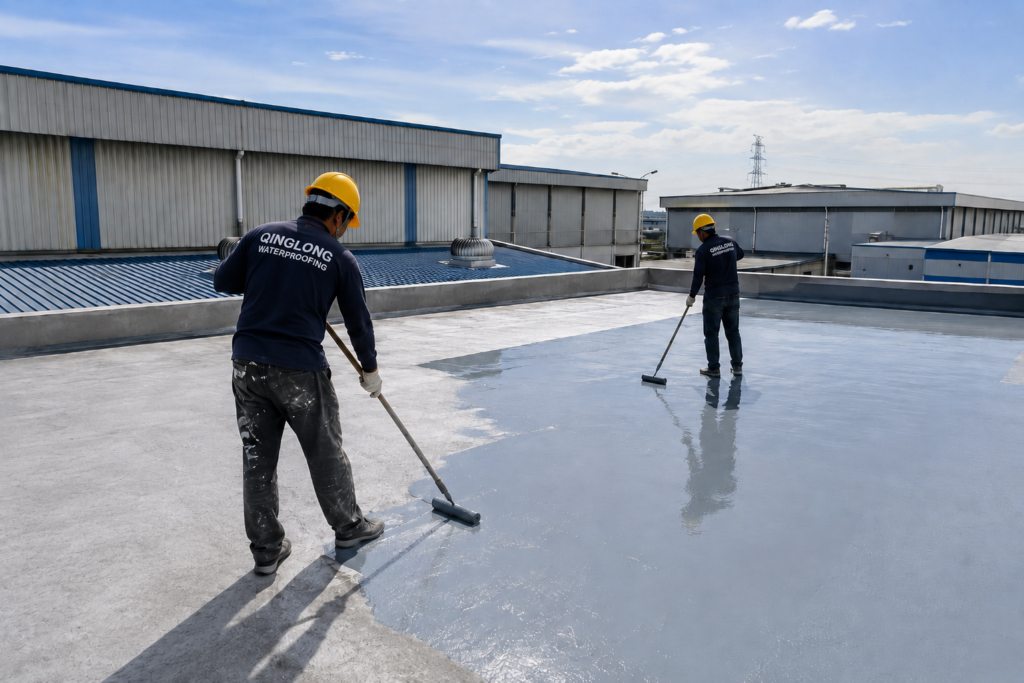
A waterproofing system depends heavily on workmanship. Even when the product comes from a reliable Waterproofing Supplier, poor application can shorten the service life. The surface must be clean, stable, dry or suitably damp depending on the material, and free from loose particles, oil, dust, or weak cement laitance.
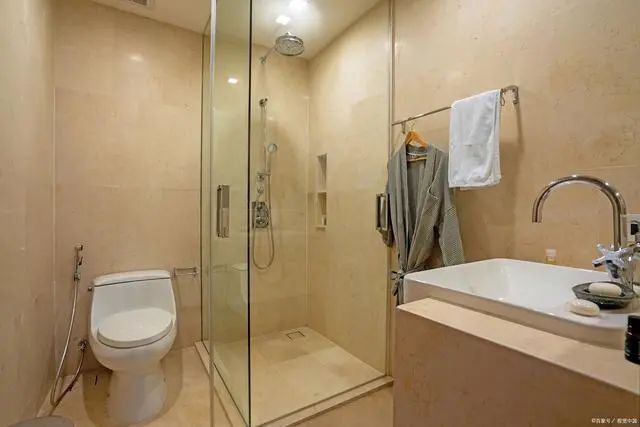
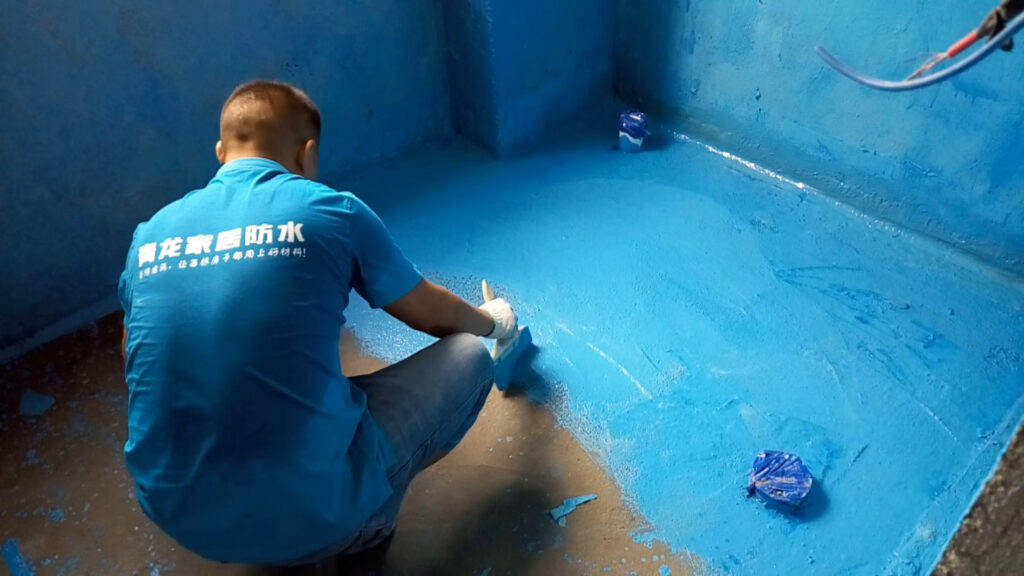
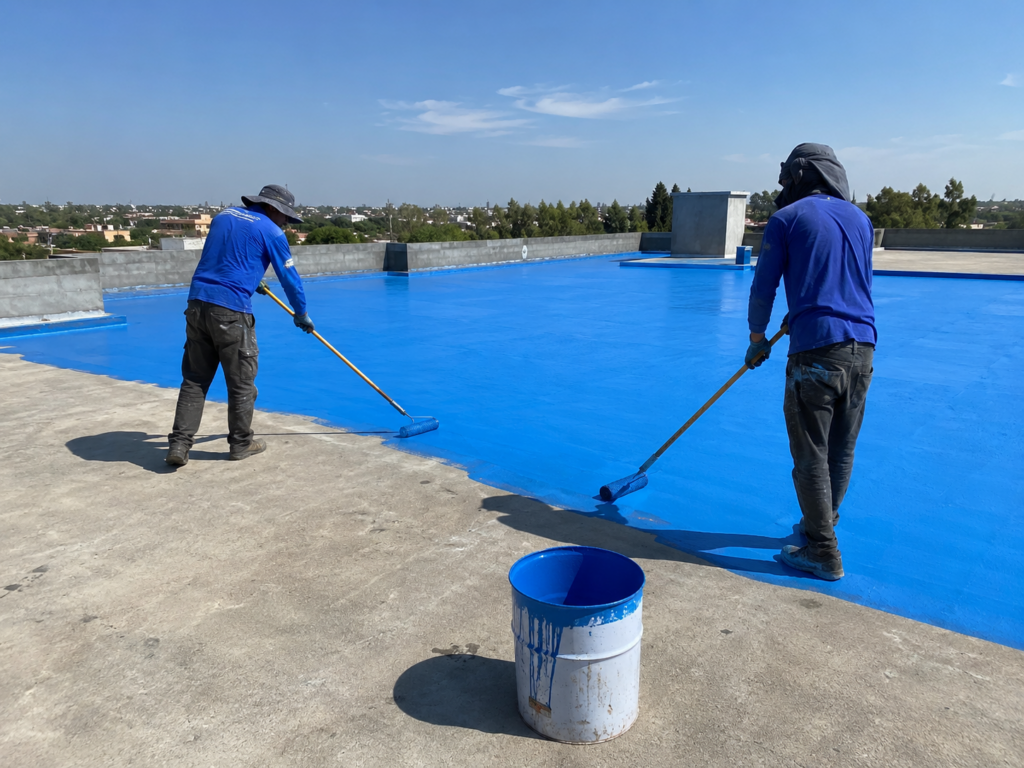
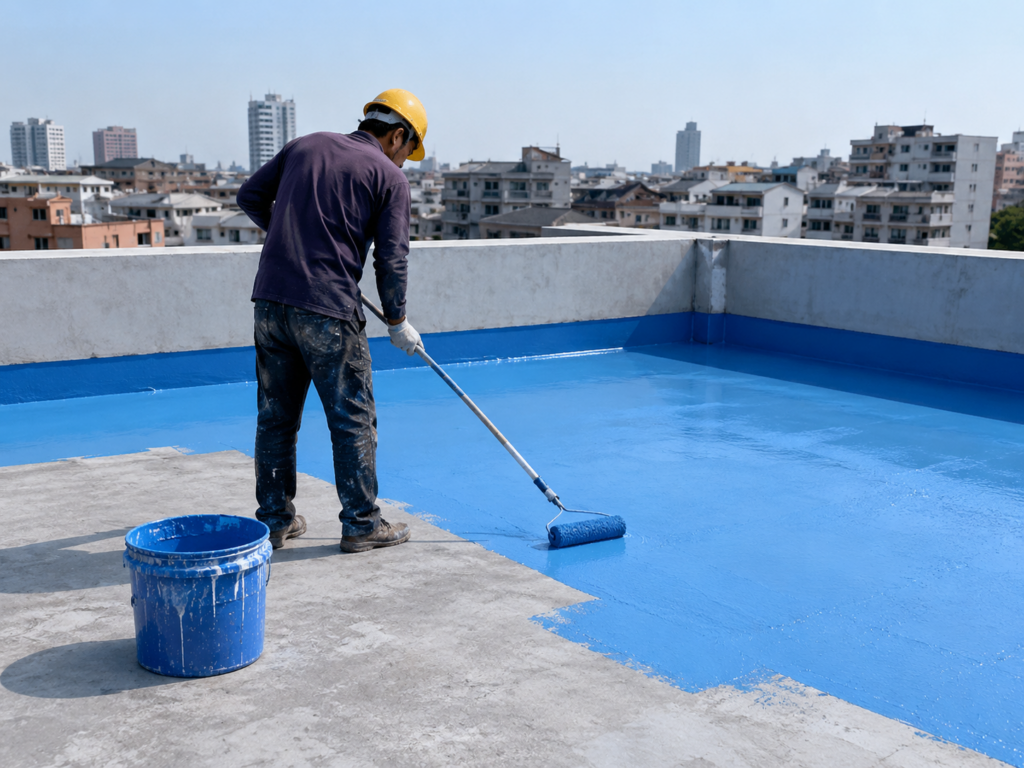
For liquid-applied coatings, the dry film thickness is important. If the coating is too thin, it may crack or wear out faster. If each layer is not cured properly before the next layer, trapped moisture can cause blistering. For bathrooms and balconies, corners and pipe areas often need reinforcement because water pressure and movement concentrate there.
This is why documentation matters. Photos before, during, and after application help confirm that preparation and installation followed the correct method. Without records, a warranty claim becomes more difficult because nobody can verify how the work was done.
Why Maintenance Still Matters After Waterproofing
Many owners assume that once waterproofing is completed, the area no longer needs attention. In reality, waterproofing performs best when the building is maintained. Roof outlets should be cleared, sealants around penetrations should be inspected, and cracks on walls or screeds should not be ignored.
What should property managers do after a waterproofing project?
They should schedule simple inspections after heavy rain, especially on flat roofs, balconies, and exposed terraces. Early signs such as ponding water, peeling coating, loose tiles, rust marks, or damp patches should be checked before they develop into larger problems.
For commercial buildings, maintenance records also support warranty claims. If the owner can show that the area was maintained properly, it becomes easier to separate genuine waterproofing defects from damage caused by neglect or later renovation work.
Case Study: Roof Warranty Issue on a Commercial Building
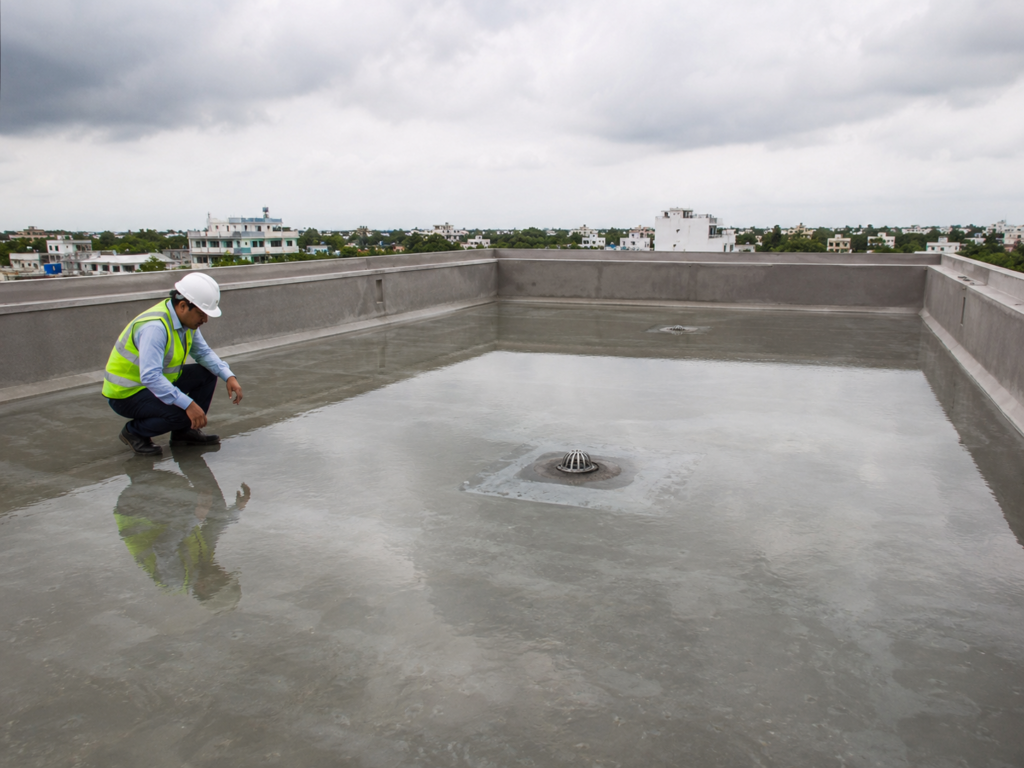
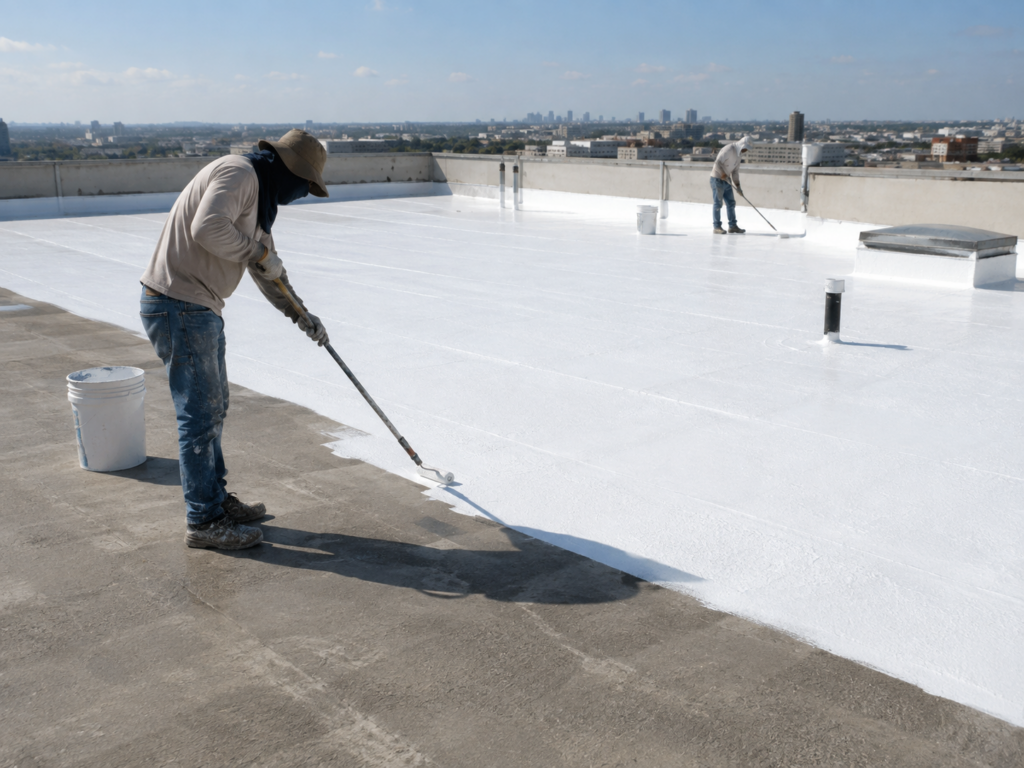
On a commercial roof renovation project in Selangor, the owner reported leakage within the warranty period. The first assumption was that the waterproofing membrane had failed. During inspection, however, the main issue was found near several drainage outlets. Leaves, silt, and construction debris had blocked water flow, causing ponding after heavy rain.
The challenge was that water had remained on the roof longer than the system was designed to tolerate. The solution involved clearing the outlets, improving drainage falls in several low areas, repairing damaged coating zones, and reinforcing pipe penetrations. After the rectification, the roof was monitored during two rain events, and no active leakage was observed.
This type of case shows why warranty evaluation should always begin with diagnosis. QingLong Waterproofing often advises owners to keep site photos, maintenance records, and inspection notes because they help identify whether the problem comes from material, workmanship, drainage, or building movement.
How to Reduce Waterproofing Warranty Risk
The best way to avoid warranty disputes is to treat waterproofing as a system, not only as a product. Material selection, surface condition, detailing, installation method, drainage, protection, and maintenance all affect long-term performance.
For owners, the most practical approach is to ask for a clear scope of work before the job begins. The quotation should explain the waterproofing area, product type, preparation method, number of coats or membrane layers, treatment for joints and penetrations, and expected limitations. A Malaysian waterproofing manufacturer or applicator with technical support can usually provide better guidance when site conditions are complex.
A warranty becomes more meaningful when it is supported by proper inspection, correct application, and realistic maintenance expectations. Without these, even a long warranty may not protect the owner when leakage returns.
Conclusion
A waterproofing warranty is important, but it should never be judged by duration alone. Property owners in Malaysia need to understand what is covered, what can void the warranty, and whether the system was installed under proper site conditions. Most leakage disputes come from unclear water sources, poor detailing, drainage problems, or missing maintenance records rather than the warranty document itself.
Before approving any waterproofing work, review the method statement, warranty terms, and inspection process carefully. If you are unsure whether your roof, bathroom, balcony, or external wall problem is suitable for repair, you can contact QingLong Waterproofing to arrange a professional site inspection and receive practical waterproofing recommendations.
Frequently Asked Questions (FAQs)
1. Does a waterproofing warranty cover every type of water leakage?
No. A waterproofing warranty normally covers issues specified in the warranty document. Water entering through plumbing leaks, structural cracks, damaged drainage systems, or areas outside the treated waterproofing scope may not be covered.
2. How long does a waterproofing warranty usually last in Malaysia?
Warranty periods vary depending on the waterproofing system, project type, and provider. Some residential projects offer several years of coverage, while larger commercial systems may provide longer warranties when installation and maintenance requirements are met.
3. What documents should I keep for future warranty claims?
Keep the quotation, warranty certificate, inspection reports, application records, completion photos, invoices, and maintenance records. These documents help verify how the waterproofing system was installed and maintained.
4. Can waterproofing still fail even if it is under warranty?
Yes. A warranty does not prevent leaks from occurring. Waterproofing performance can be affected by structural movement, poor drainage, later renovation work, lack of maintenance, or damage outside the waterproofed area.