Malaysia’s construction sector is entering a sustained growth phase driven by infrastructure investment, urban expansion, industrial development, and sustainability priorities. As cities densify and industries scale, the focus of construction is gradually shifting from rapid project delivery toward long-term performance and resilience.
Industry estimates indicate Malaysia’s construction market reached about USD 49.47 billion in 2024 and may expand to roughly USD 127.69 billion by 2035, reflecting a projected compound annual growth rate near 9 percent. This growth is supported by demand across residential, infrastructure, industrial, and commercial segments, positioning construction as a key contributor to national economic development.
Urbanization and Housing Demand
Urban population growth remains a core driver of Malaysia construction activity. Expanding metropolitan regions are increasing demand for high-rise housing, mixed-use developments, and integrated urban districts. Higher density living also raises expectations for building durability, comfort, and long-term habitability.
In tropical environments, dense residential construction faces persistent exposure to rain, humidity, and heat. As a result, attention is increasingly shifting toward moisture control, façade performance, and durable detailing as essential components of housing quality rather than optional enhancements.
Infrastructure Investment and Connectivity
Public infrastructure continues to anchor Malaysia’s construction outlook. Rail systems, highways, ports, and urban transit projects create long-term project pipelines while strengthening national connectivity and regional economic integration.
Infrastructure structures must perform reliably under groundwater pressure, heavy rainfall, and long service periods. Consequently, lifecycle durability and protective design are becoming as important as structural capacity, reinforcing demand for resilient construction approaches across civil projects.
Industrial and Logistics Expansion
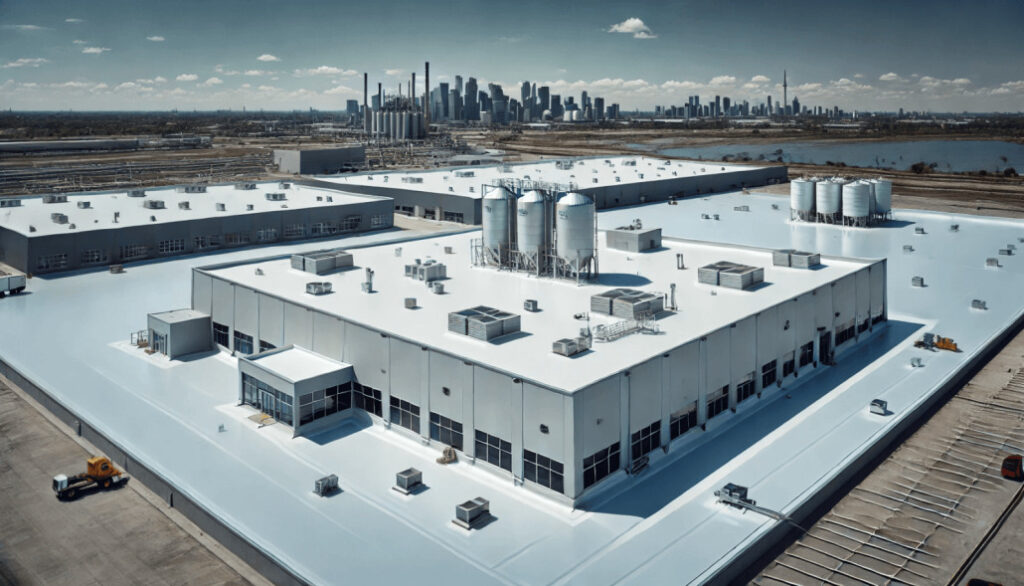
Malaysia’s role in regional manufacturing and logistics is accelerating industrial construction, including data centres, factories, and automated warehouses. These facilities require large spans, operational continuity, and resistance to environmental stress.
Because downtime in industrial facilities carries significant economic cost, durability and preventive design are critical from the outset. This is raising technical expectations across Malaysia’s broader construction ecosystem.
Technology and Sustainable Construction
Modern construction technologies—such as prefabrication and digital coordination—are improving efficiency and consistency while supporting better integration of drainage, material compatibility, and building envelope design.
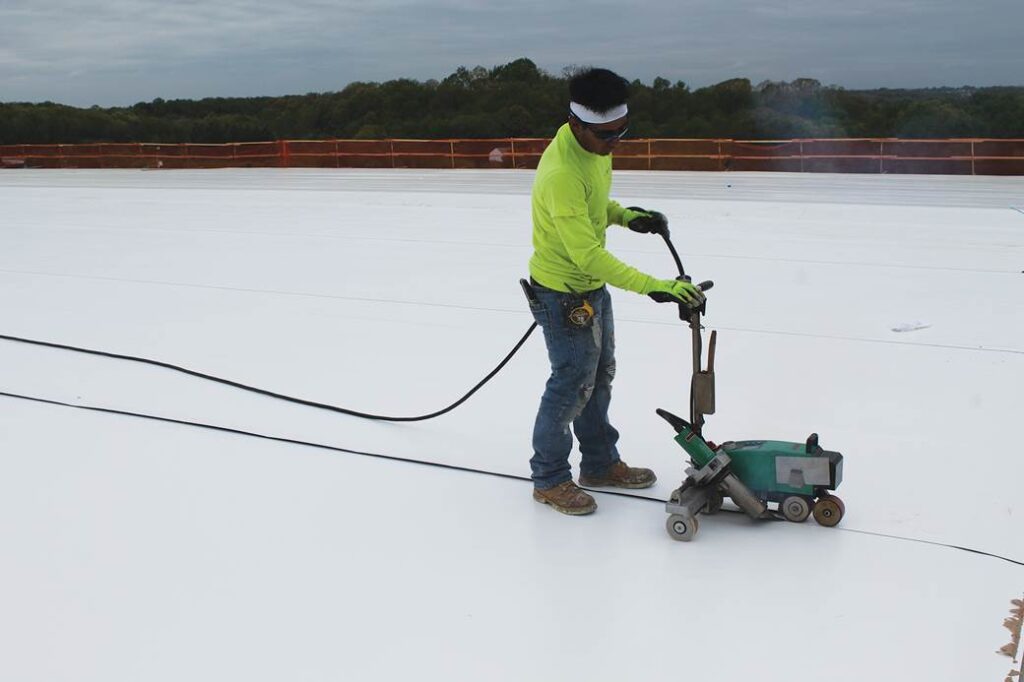
At the same time, sustainability priorities are shaping Malaysia construction through energy-efficient façades, reflective roofing, and climate-responsive materials. In tropical regions, sustainability closely aligns with durability: buildings must withstand moisture and heat while minimizing lifecycle impact.
Rising Construction Demand and Industry Opportunity
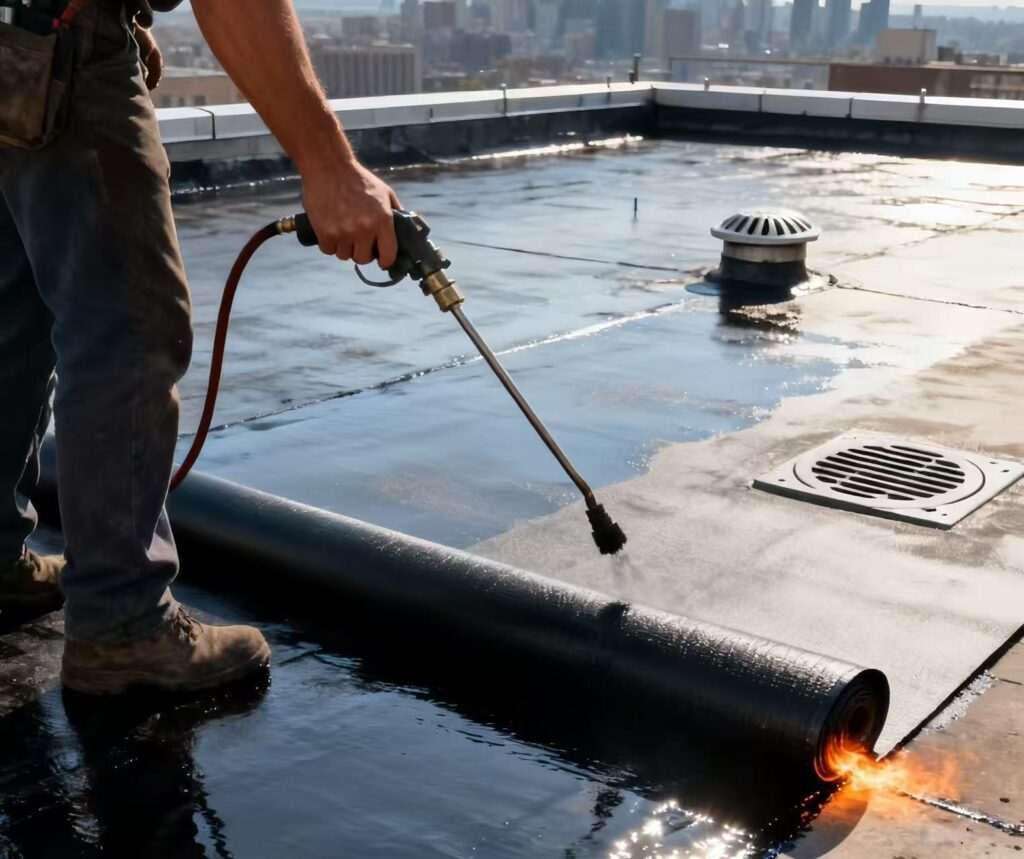
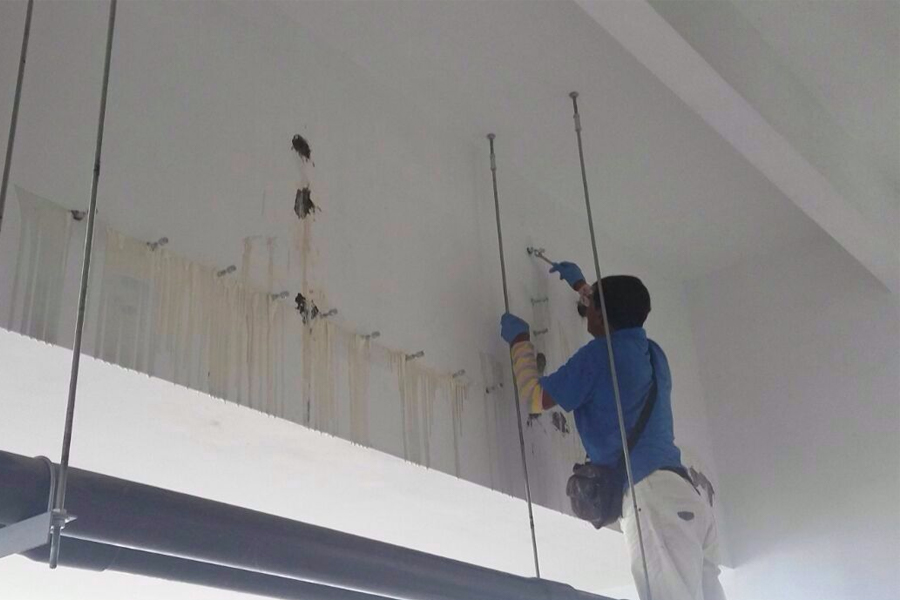
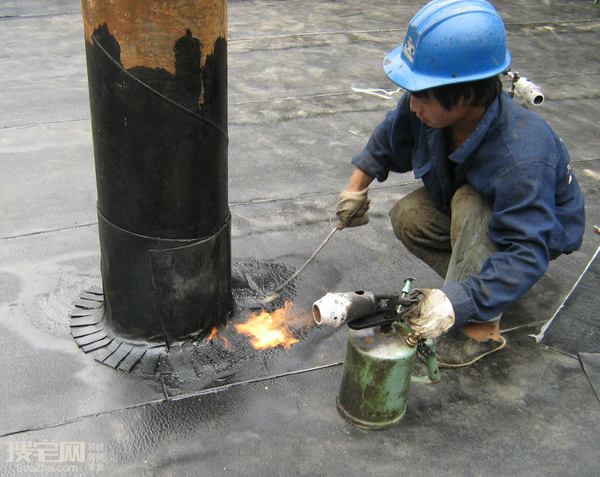
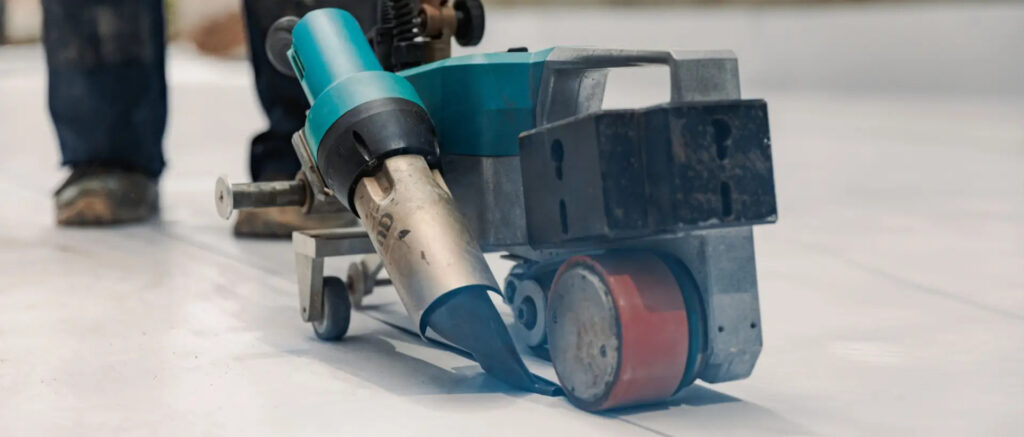
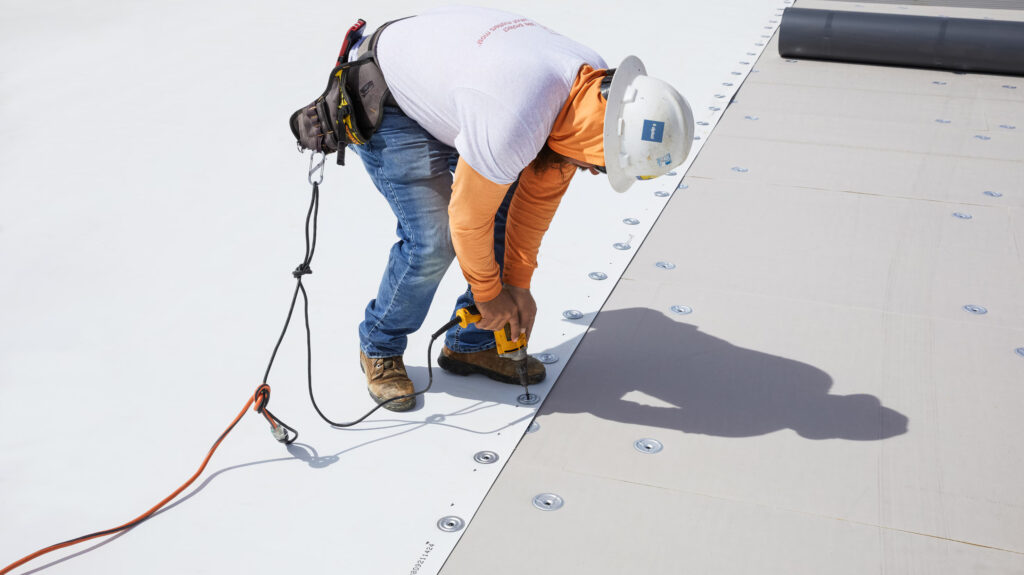
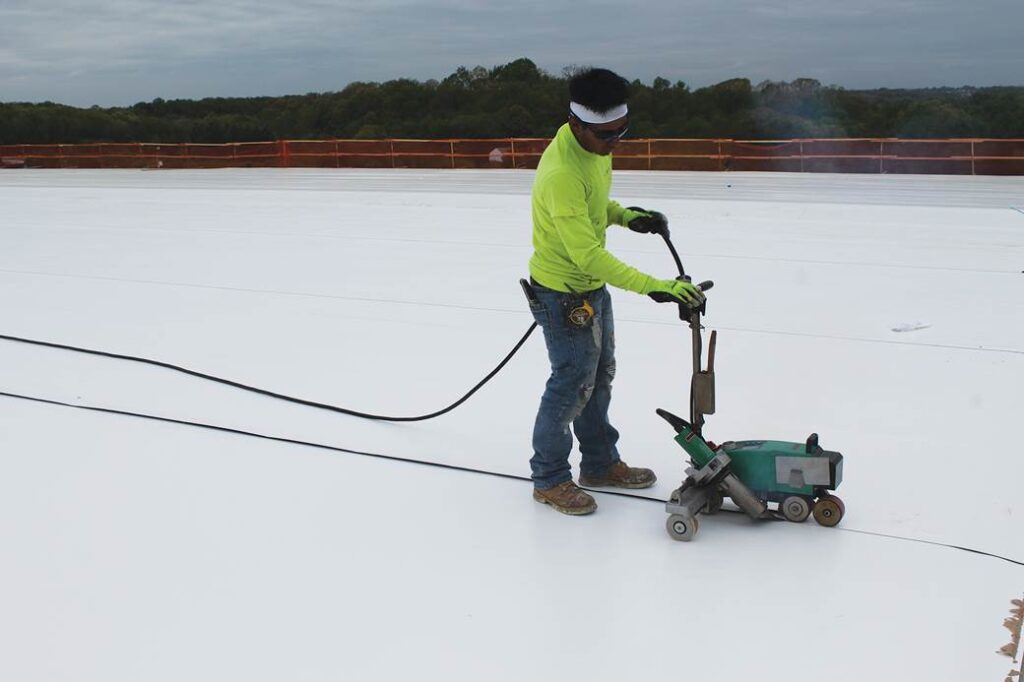
Malaysia’s construction sector is growing at an impressive pace, and with this expansion comes rising demand—not just for new buildings and infrastructure, but also for specialized materials, integrated systems, and technical services that ensure long-term durability. Urban density, industrial facilities, and complex infrastructure projects increasingly require reliable waterproofing, protective coatings, and maintenance solutions to withstand tropical conditions and deliver lasting performance.
For contractors, suppliers, and construction professionals, this phase of growth represents more than just opportunity—it is a moment to strategically align with industry trends. The market is gradually moving from fragmented, project-by-project supply toward standardized, high-quality systems supported by technical training and professional distribution networks. Businesses that embrace these standards, deepen their product knowledge, and strengthen service capabilities are far better positioned to thrive in this evolving landscape.
Across Malaysia, forward-thinking construction professionals are discovering the advantages of partnering with established waterproofing and construction material networks. Such collaborations offer competitive advantages, broader service offerings, and long-term business stability. As the construction pipeline continues to rise nationwide, joining a structured dealer or distributor ecosystem provides not only access to high-quality products but also practical support, training, and operational guidance—empowering partners to grow confidently alongside the booming industry.
Conclusion
Malaysia construction growth is not only about scale but about endurance. Urbanization, infrastructure investment, and sustainability goals are collectively raising expectations for long-term building performance—while also expanding opportunities across the construction supply chain.
“When construction rises, so do the opportunities for those who build, supply, and protect the built environment.”
For those who recognize the growing opportunities in Malaysia’s construction sector and are interested in joining as a QingLong dealer or distributor, simply reach out via WhatsApp or complete the form on our Contact Us page. Our team will connect with you promptly to introduce you to the industry and provide comprehensive support, including technical training, product assistance, and online marketing guidance to help you succeed.