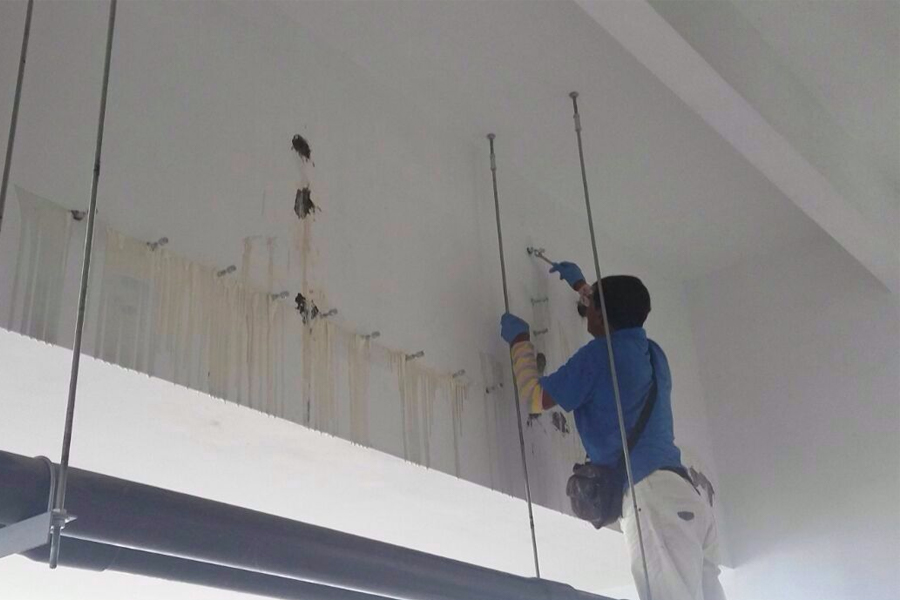
Toilet waterproofing is one of the most overlooked aspects of home maintenance, yet it is also one of the most common sources of persistent leakage problems. In many Malaysian homes, toilet leaks are not immediately obvious. They often begin around floor traps, water outlets, or along the perimeter of the toilet and bathroom. Over time, moisture may migrate into adjacent walls, resulting in damp patches, peeling paint, or mold growth that seems to appear without a clear cause.
What makes toilet leaks particularly troublesome is that they rarely stay confined to one area. Because bathrooms are wet zones used daily, even small defects in waterproofing can worsen quickly. Water can seep through hairline cracks in concrete slabs, flow along construction joints, or travel beneath tiles before emerging elsewhere — sometimes in rooms below or next door. By the time visible signs appear, the problem has usually been present for some time.
When it comes to rectifying toilet leakage, solutions generally fall into two broad approaches: hacking and reinstating waterproofing, or non-hacking surface treatment. Each method has its place, and understanding the difference helps homeowners make more informed decisions.
Hacking and Re-installing Waterproofing Systems
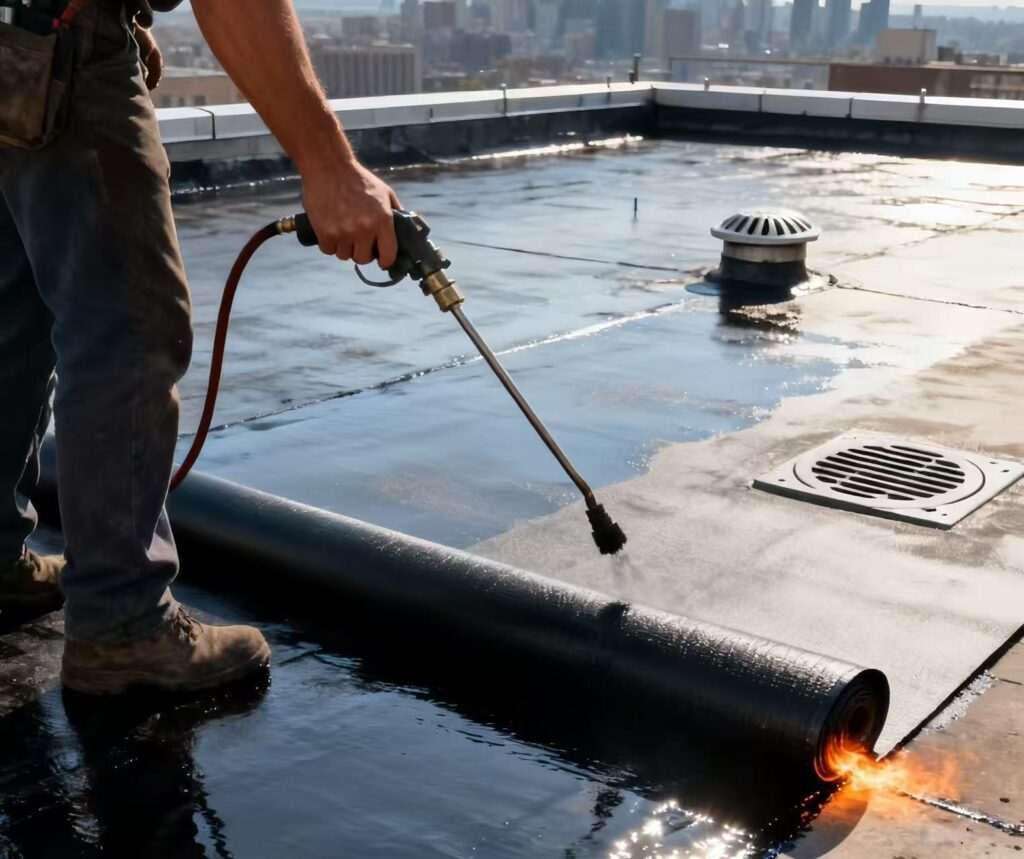
From a construction perspective, the most thorough way to waterproof a toilet is to remove the existing finishes, apply a proper waterproofing system, and then rebuild the floor and wall finishes. This approach is commonly used during major renovations or when a toilet is being completely refurbished.
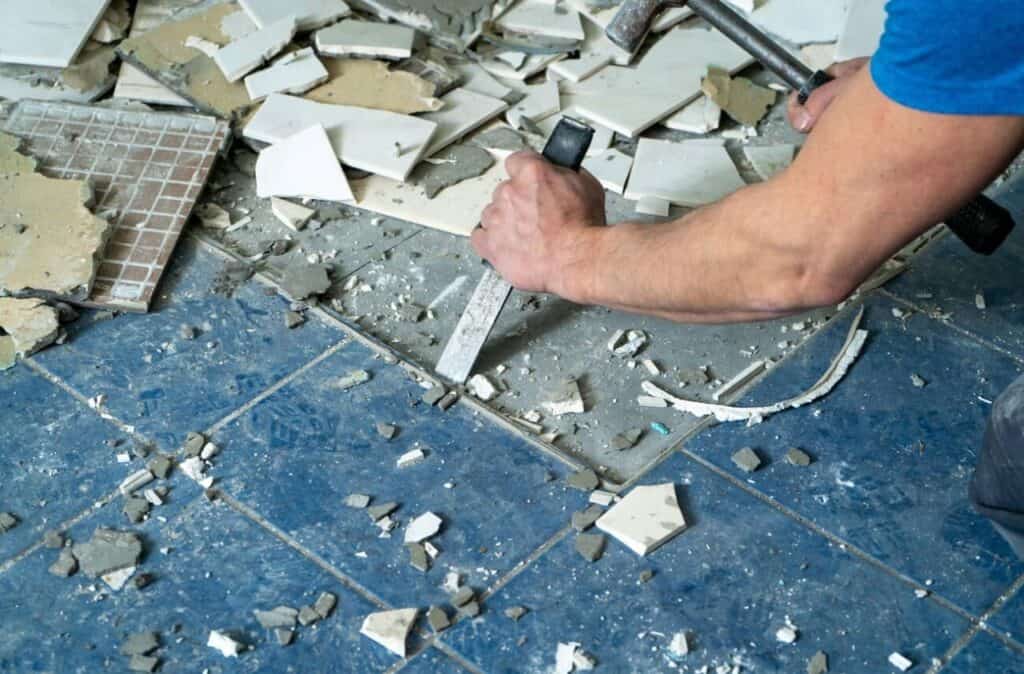
The process typically begins with hacking the floor tiles and, where necessary, the lower portions of the wall. All debris must be removed, exposing the concrete substrate beneath. At this stage, the condition of the slab becomes clear — cracks, weak points around floor traps, and poorly detailed corners are often revealed only after hacking.
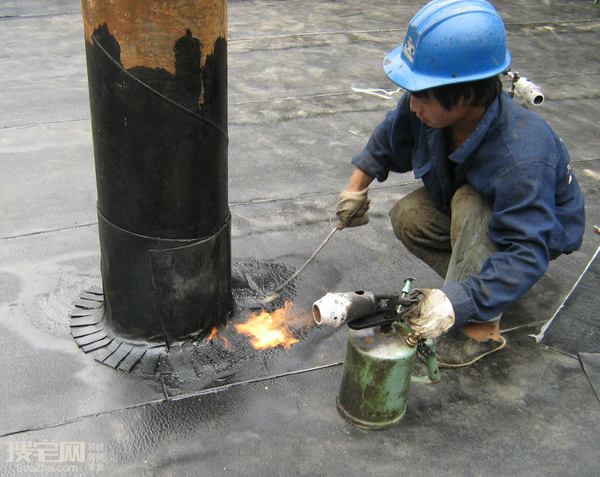
Before any waterproofing material is applied, the surface must be clean and completely dry. This step is critical. Moisture trapped beneath a waterproofing layer can compromise adhesion and performance. Particular attention is given to high-risk areas such as angle fillets (where wall meets floor), pipe penetrations, and water outlets. These locations are common failure points if not treated properly.
Once the waterproofing layer is installed and allowed to cure, flood testing is usually carried out to confirm effectiveness before tiles are reinstated. When done correctly, this method provides a long-term solution because it addresses the waterproofing system at its source. However, it also involves more time, higher cost, and disruption to daily living.
Non-Hacking Toilet Waterproofing
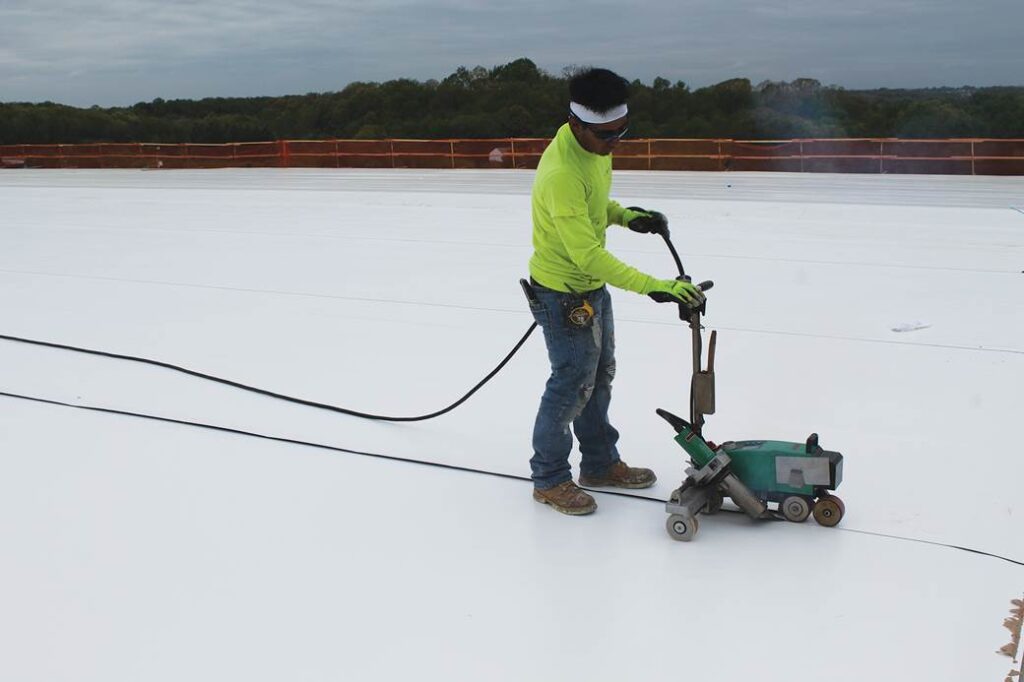
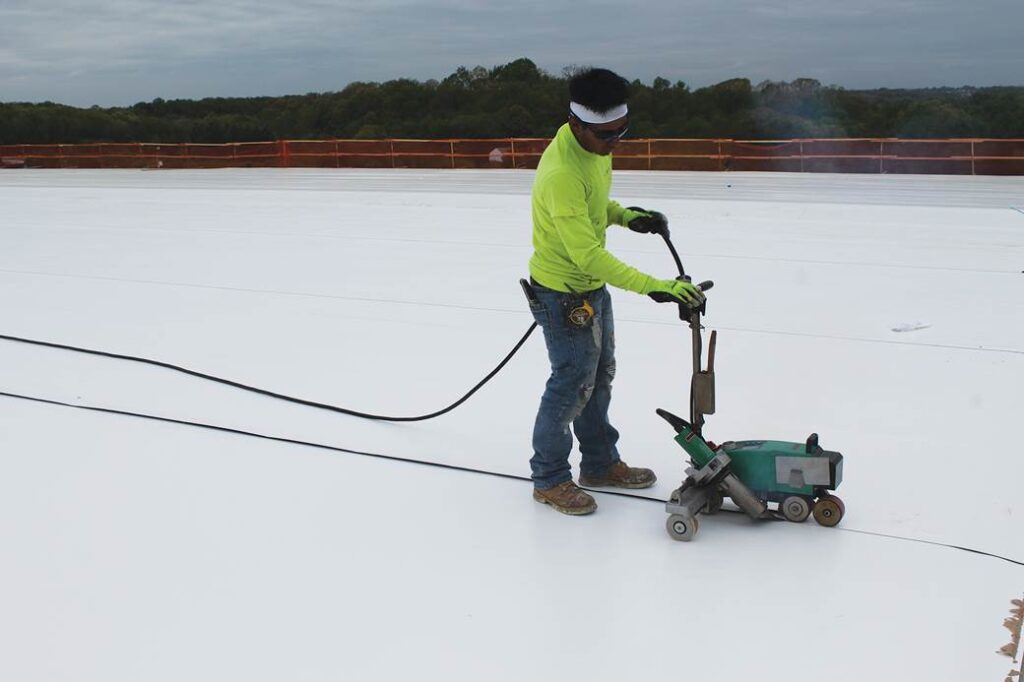
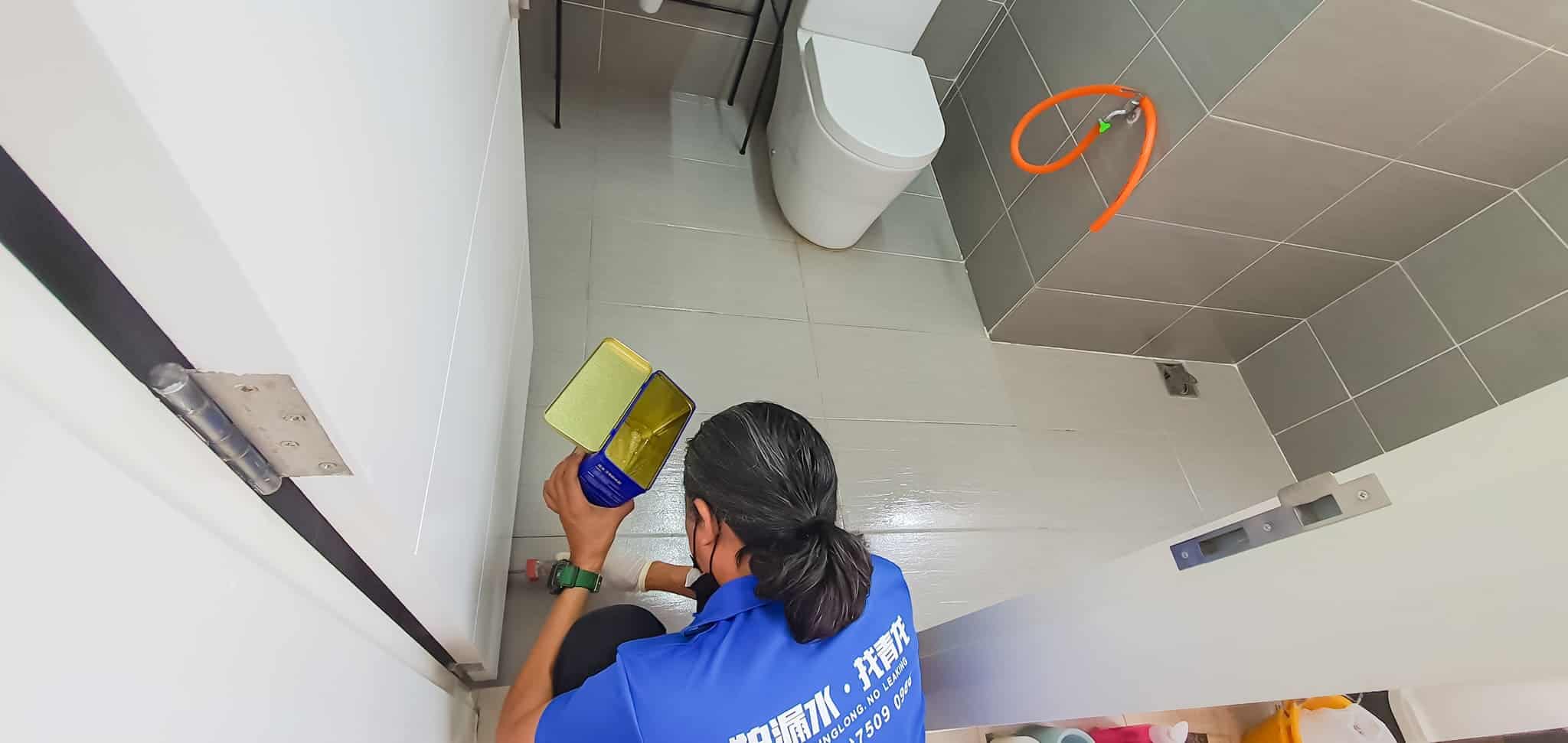
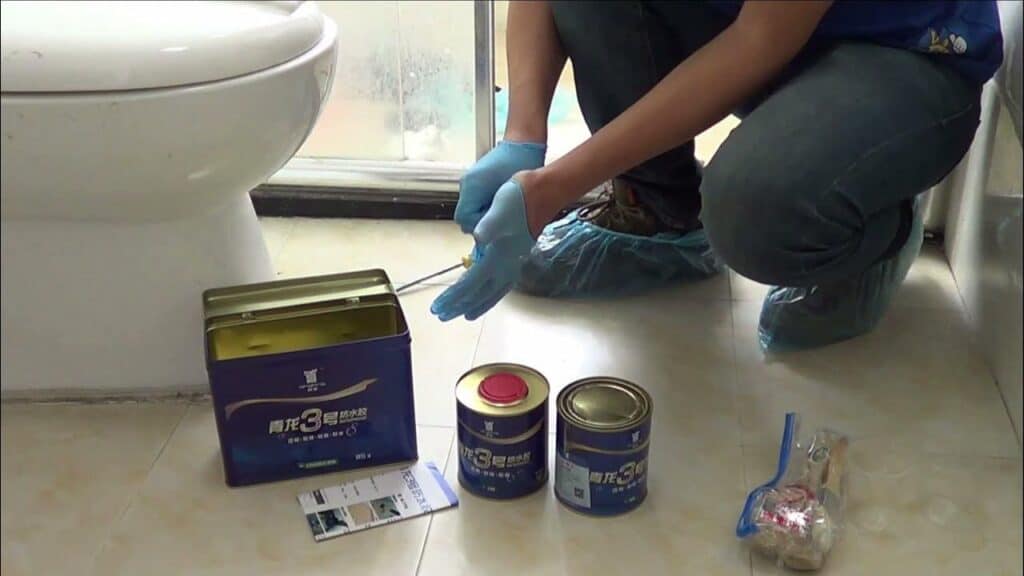
Non-hacking waterproofing is often considered when homeowners want to avoid demolition, noise, dust, and extended downtime. This method involves applying a liquid-applied waterproofing layer directly over existing tiles, creating a surface membrane that repels water.
Surface treatment is generally faster and less disruptive. However, it is important to understand its limitations. Because the underlying tiles and concrete are not exposed, existing cracks beneath the surface remain untreated. Over time, movement, wear, or chemical exposure from cleaning agents can cause the surface layer to degrade. Once water finds a pathway beneath the membrane, leakage can recur.
For this reason, non-hacking waterproofing is often regarded as a temporary or medium-term measure rather than a permanent fix. It may be suitable in situations where leakage is minor, access is restricted, or short-term mitigation is required. Its effectiveness depends heavily on surface preparation — the tiles must be clean, dry, and free from contaminants before application.
Choosing the Right Path
There is no single solution suitable for every toilet leakage issue. The right approach depends on factors such as the severity of the leak, the condition of the existing structure, accessibility, budget, and how long the solution is expected to last.
Hacking and reinstating waterproofing provides the most comprehensive outcome but comes with higher disruption. Non-hacking methods offer convenience but should be applied with realistic expectations. In both cases, proper assessment is far more important than the choice of material alone.
Conclusion
Toilet waterproofing is most effective when it is approached with understanding rather than urgency. Whether opting for hacking or non-hacking methods, the real objective is not to mask visible symptoms, but to identify and resolve the true source of water intrusion.
Effective waterproofing is rarely about acting quickly — it is about acting correctly. When leakage paths, structural conditions, and usage patterns are properly understood, solutions become longer-lasting and far more cost-efficient.
If this article helped clarify how toilet waterproofing truly works, consider saving or sharing it with others facing similar issues. Awareness is often the first step toward permanent solutions.