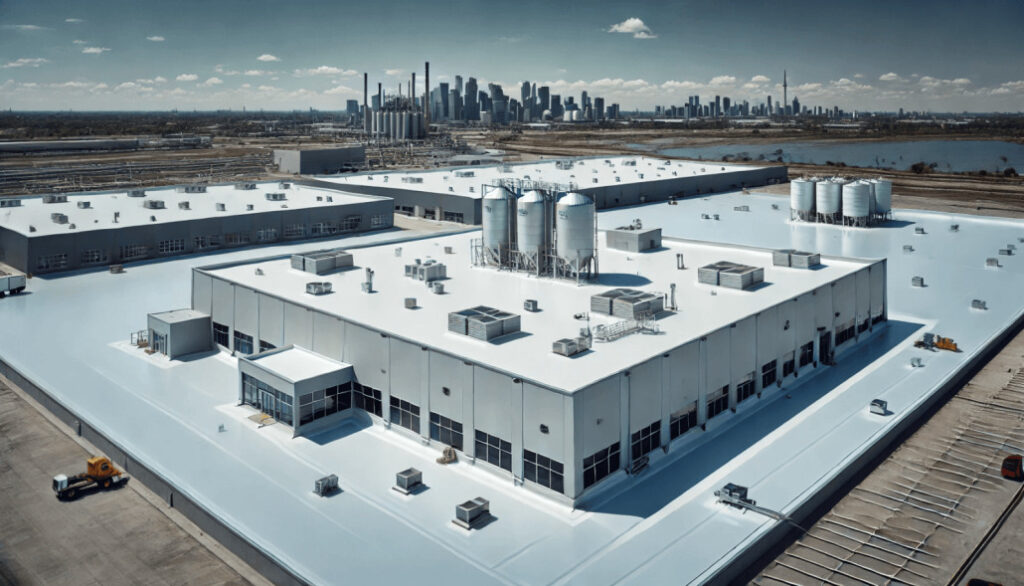
Data centres sit at the heart of modern digital infrastructure, supporting cloud platforms, financial systems, artificial intelligence, and government operations. These facilities are engineered for precision, yet one of their most disruptive threats is often overlooked which is water ingress. In Malaysia and across Southeast Asia, where high rainfall, humidity, and extreme weather are part of daily reality, waterproofing is not a finishing trade. In fact, it is a foundational risk-control strategy.
Unlike conventional commercial buildings, data centres operate within tightly controlled tolerances. Electrical systems, servers, cooling infrastructure, and backup power must function continuously. Even minor water intrusion can lead to equipment failure, data loss, or extended downtime. Industry studies consistently show that a single outage can cost hundreds of thousands of dollars, and in critical facilities, losses escalate rapidly.
Tropical Climate Risks and Data Centre Vulnerability
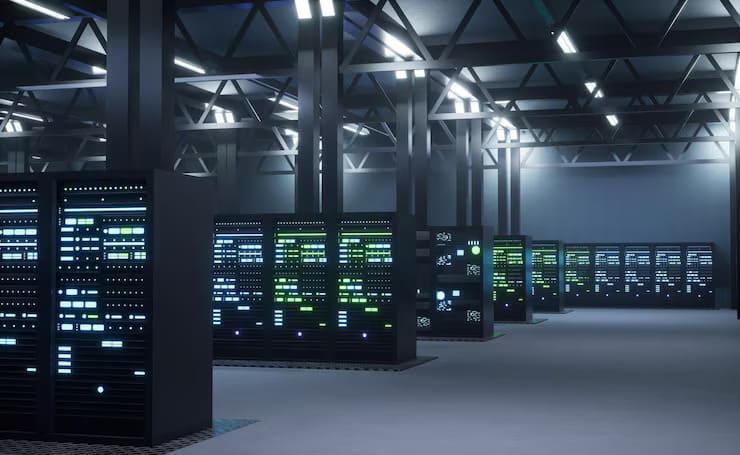
Malaysia’s climate introduces a unique set of challenges for data centre operators. Heavy rainfall, flash floods, saturated ground conditions, and prolonged humidity place constant stress on building envelopes and underground structures. Urban developments add further pressure as drainage systems struggle to cope with intense downpours.
Water-related risks typically emerge from several areas such as:
1. Roof systems exposed to UV degradation and thermal movement
2. External walls and façade joints subjected to wind-driven rain
3. Basement slabs and retaining walls under hydrostatic pressure
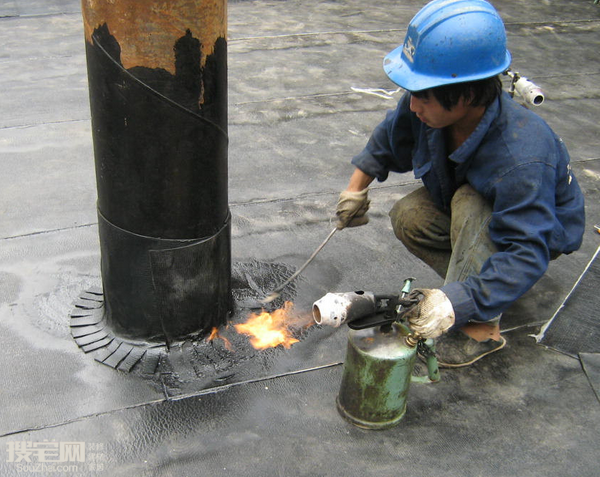
4. Pipe penetrations, expansion joints, and cable entries
5. Condensation caused by uncontrolled humidity
Integrated Multi-tier Waterproofing System as a Failure Prevention
Effective waterproofing for data centres follows a layered defence philosophy. No single material or technique is sufficient on its own. Instead, protection is achieved through multiple, coordinated measures.
Site and structural planning form the first layer. Flood risk assessments, elevation planning, and water flow management should be considered early. In tropical regions, even sites outside flood zones must prepare for extreme rainfall events.
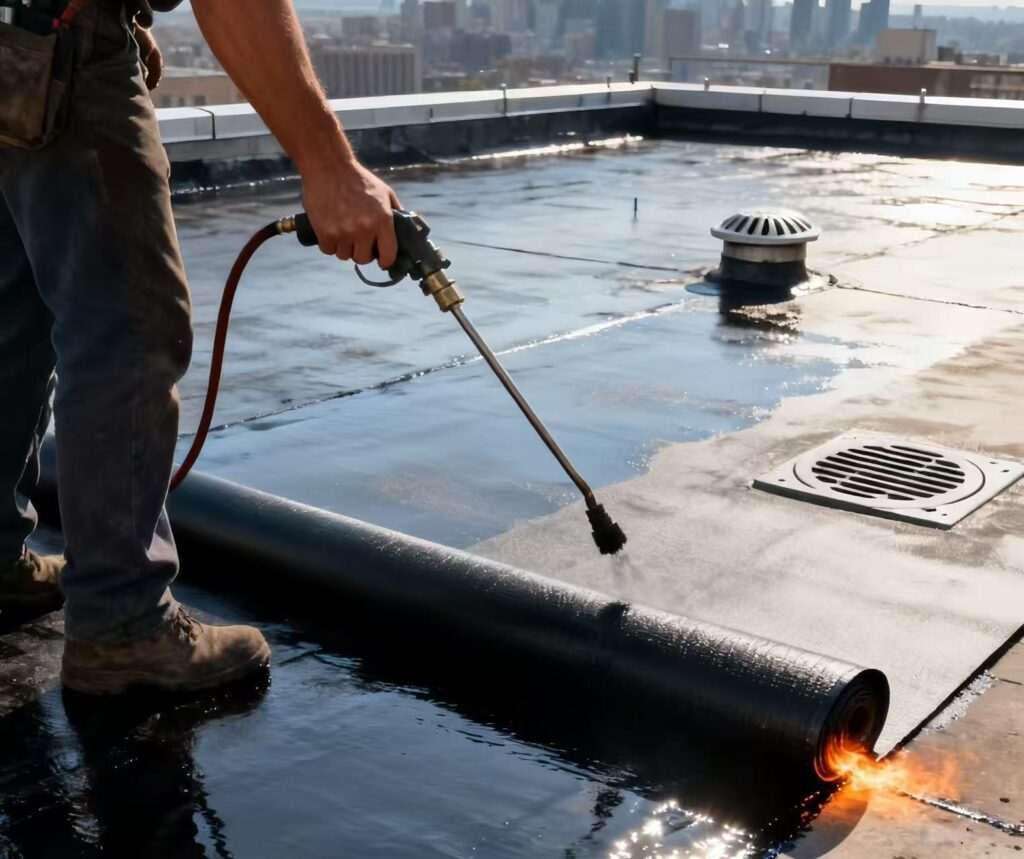
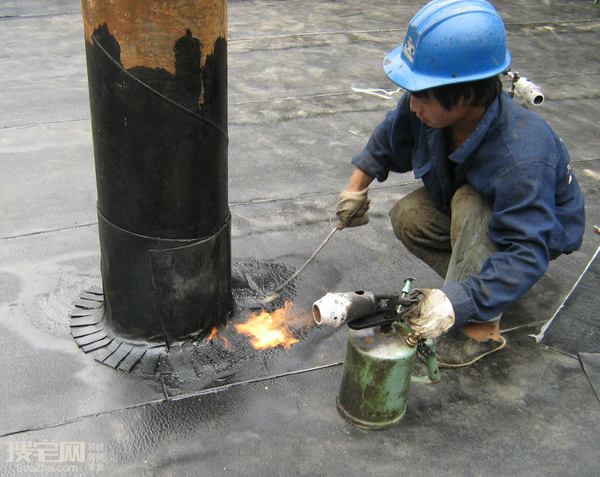
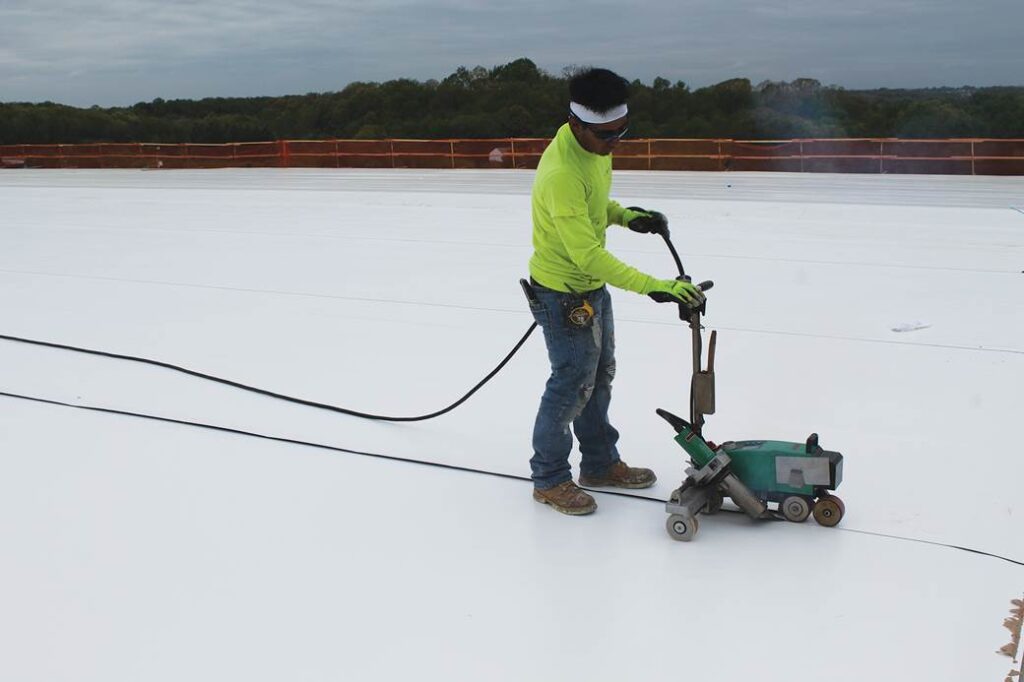
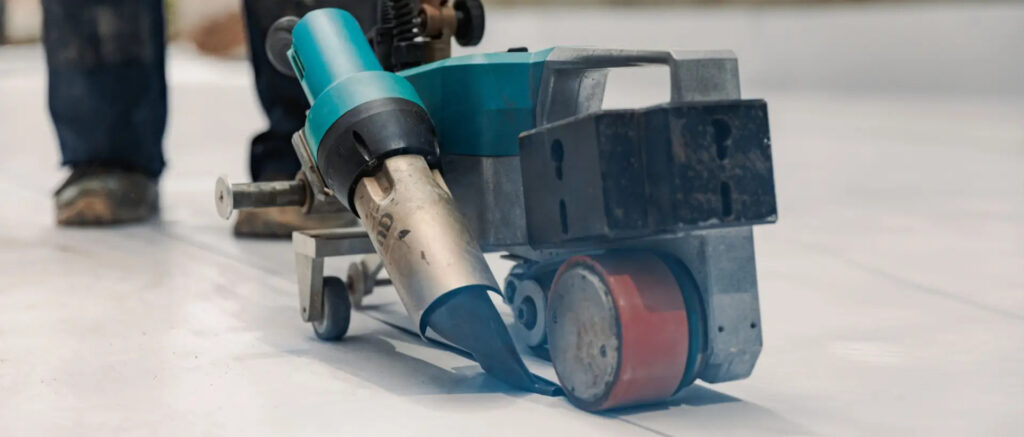
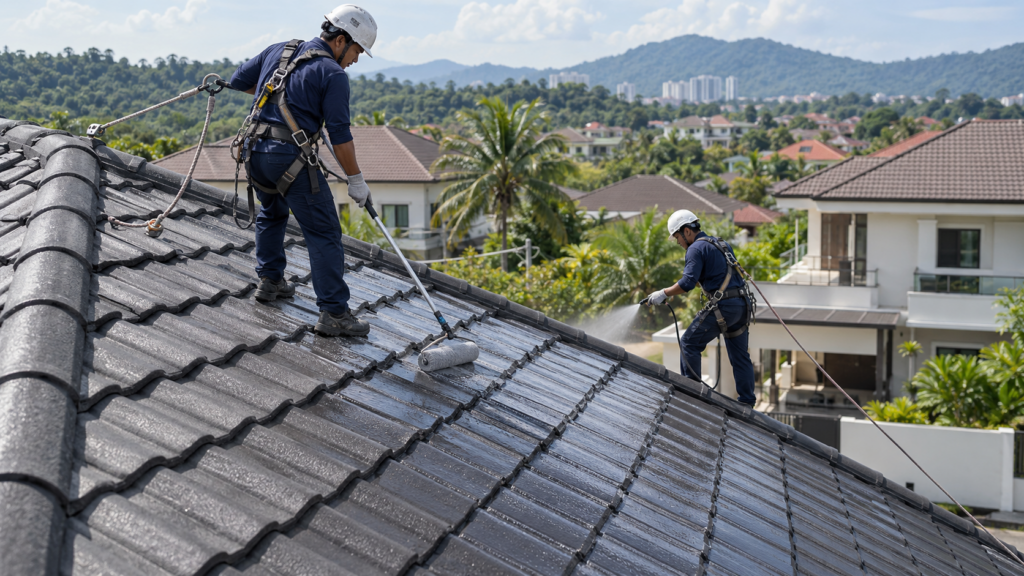
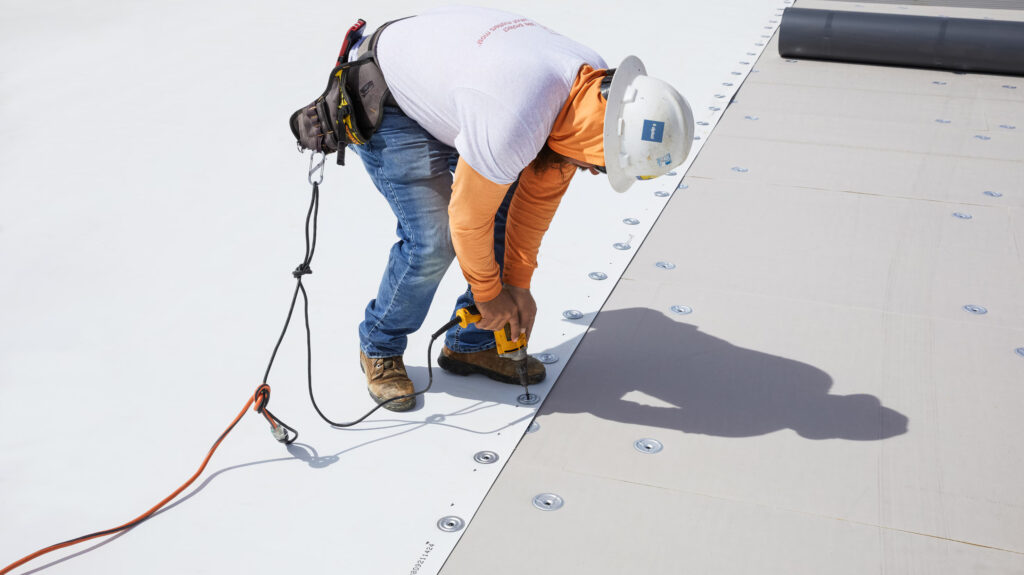
Roof and external envelope waterproofing play a critical role. Seamless liquid-applied systems or membrane-based solutions are commonly used to accommodate structural movement and thermal expansion. Detailing around roof penetrations, gutters, and parapets is often where failures occur, making workmanship and system compatibility essential.
Wall and slab waterproofing, particularly for basements and generator rooms, must withstand constant moisture exposure. Multi-layer membrane systems combined with protective boards and drainage layers help manage long-term hydrostatic pressure.
Drainage and water management systems act as the facility’s pressure-release mechanism. Poor drainage design often leads to ponding, backflow, and localized leakage. In tropical climates, drainage capacity should be designed beyond historical rainfall data, acknowledging increasingly unpredictable weather patterns.
Monitoring, Detection, and Redundancy
Modern data centres rely heavily on early detection. Leak detection sensors installed beneath raised floors, near pipe routes, and at vulnerable joints allow teams to respond before small issues escalate. When integrated with central monitoring platforms, these systems significantly reduce response time.
Redundancy is equally important. Sump pumps, for example, should never operate as single-point systems. Dual-pump configurations with backup power ensure continued function during storms, when power outages and flooding often occur simultaneously.
Humidity control is another overlooked factor. High moisture levels can cause condensation on cold surfaces, leading to corrosion and electrical risk. Proper ventilation design, combined with dehumidification integrated into HVAC systems, supports both waterproofing repair and long-term equipment reliability.
From New Construction to Waterproofing Repair
While new data centres can incorporate these strategies from the outset, many facilities across Malaysia are existing buildings that were not originally designed for today’s climate intensity. For these sites, waterproofing repair becomes a critical operational investment rather than a maintenance expense.
Common repair strategies include:
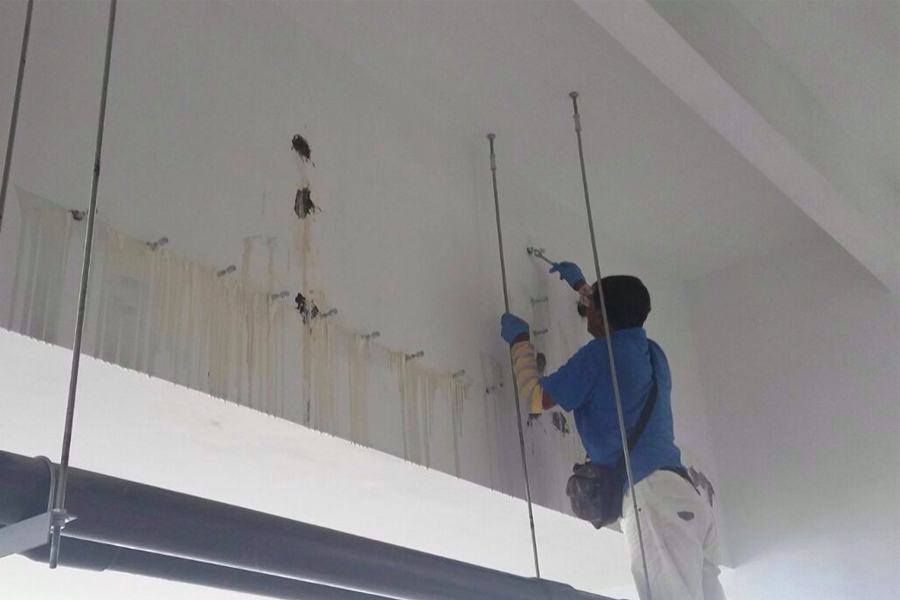
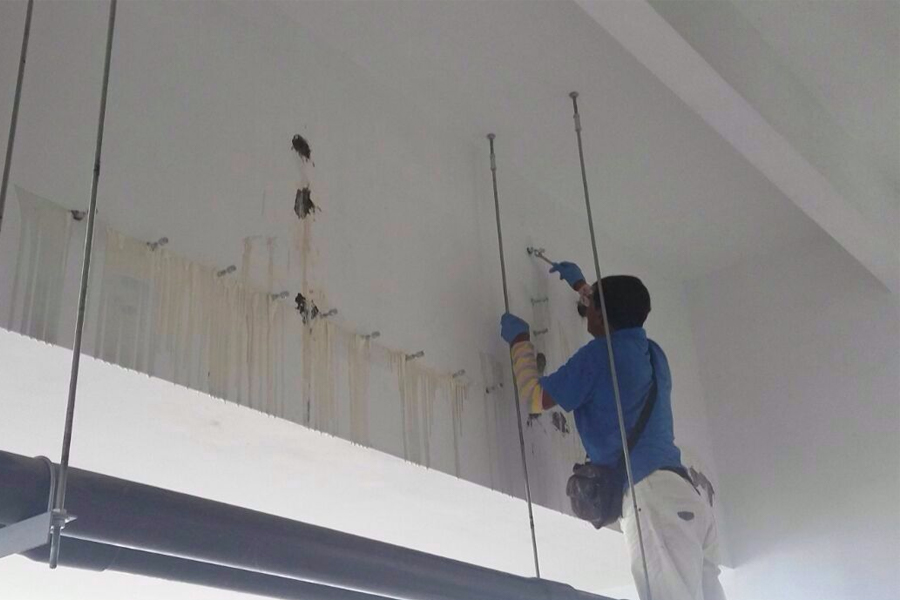
1. Injection sealing for active cracks and joints
2. Resealing façade joints and window interfaces
3. Overlay waterproofing systems for aging roofs
4. Drainage correction to eliminate water ponding
In the Malaysia waterproofing material wholesale landscape, system compatibility and correct application are often more important than the material itself. Failures frequently stem from poor surface preparation, incorrect detailing, or fragmented repair approaches.
Fundamentals for Sustainable Protection
Waterproofing for data centres is ultimately about control: controlling where water flows, how moisture behaves, and how quickly issues are detected and resolved. In Malaysia’s tropical environment, a layered, system-based approach offers the most reliable protection.
The most resilient facilities treat waterproofing as an evolving process in which shall be reviewed, tested, and refined over time. As climate patterns continue to shift, this mindset will increasingly separate reactive buildings from resilient infrastructure.
“In critical infrastructure projects, effective waterproofing is defined by its reliability, ensuring that no leaks, deterioration, or system failures arise.” If this article provided useful insight, feel free to save, share, or comment.