A 10-year warranty for bathroom waterproofing sounds reassuring, especially in Kota Kinabalu where heavy rain, humid air, and coastal exposure can make water leakage problems more serious over time. But a long warranty should not be judged by the number alone. For bathrooms, the real protection depends on surface preparation, correct material selection, detailing around floor traps and pipe penetrations, and whether the work is properly inspected before tiling.
In this article, we’ll explain what a 10-year bathroom waterproofing warranty should mean, why failures still happen, what property owners in Kota Kinabalu should check, and how proper workmanship supports long-term leak prevention.
Why Bathroom Waterproofing Matters in Kota Kinabalu Homes
Bathroom leakage is one of the most common hidden defects in houses, condominiums, homestays, and commercial properties around Kota Kinabalu. Many bathrooms are used daily, exposed to constant wetting, cleaning chemicals, water pressure from shower areas, and movement between floor slabs and walls.
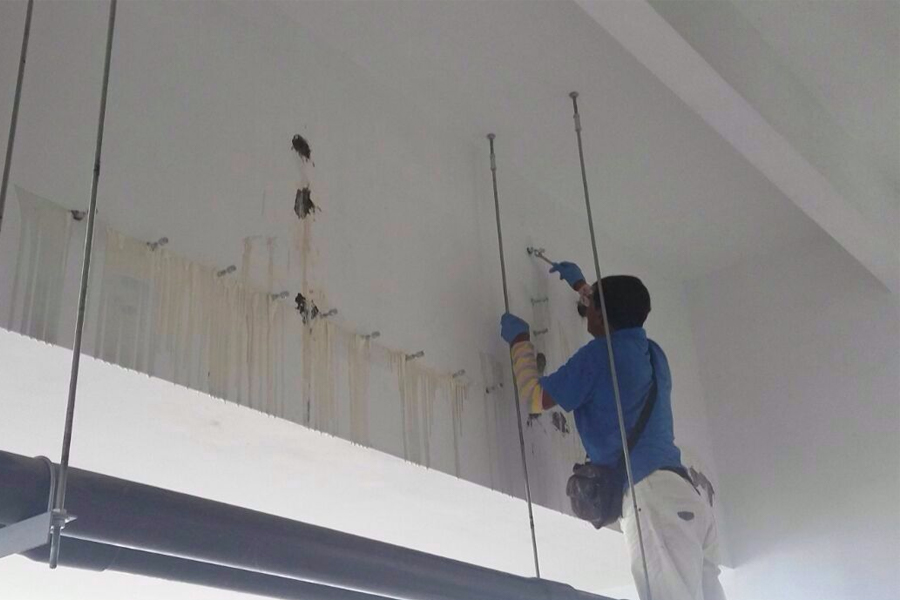
In coastal Sabah, humidity can also slow drying inside enclosed bathroom areas. Once moisture enters the floor screed or wall base, it may travel sideways before showing visible stains. That is why one unit may have a leaking bathroom, while the ceiling stain appears in the unit below or on an adjacent wall.
A proper waterproofing system is not only about stopping water at the surface. It must form a continuous barrier beneath the tiles, especially at corners, drain outlets, pipe sleeves, and wall-floor junctions. These are the areas where many bathroom leaks begin.
What Does a 10-Year Warranty For Bathroom Waterproofing Cover?
In practical terms, it should mean the waterproofing system is designed, installed, and documented to perform for a long service life under normal usage conditions.
However, a warranty is not the same as saying a bathroom can never leak. Warranty validity usually depends on whether the substrate was suitable, the application followed the correct method, the area was not damaged by later renovation work, and maintenance was not ignored. For example, hacking tiles after waterproofing, drilling into floors, changing pipe layouts, or allowing cracks to develop without repair may affect the warranty condition.
A responsible Malaysia waterproofing provider will explain both the coverage and the limitations clearly. The best warranty is supported by proper inspection records, material selection, workmanship control, and a water ponding test before tile installation.
Why Bathroom Waterproofing Systems Fail Even When Waterproofing Materials Was Applied?
In many site inspections, the issue is not only the coating itself. Failure often starts from weak preparation or overlooked details.
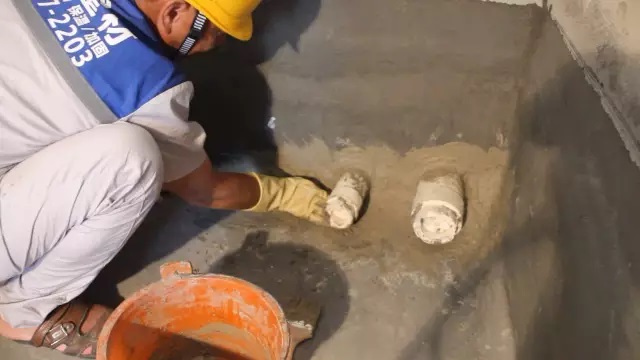
Old cement surfaces may be dusty, hollow, oily, or cracked. If a waterproofing membrane is applied over an unstable surface, it may lose adhesion later. Corners are another weak point because they experience movement and stress concentration. If these areas are not reinforced properly, hairline openings can form after repeated wetting and drying.
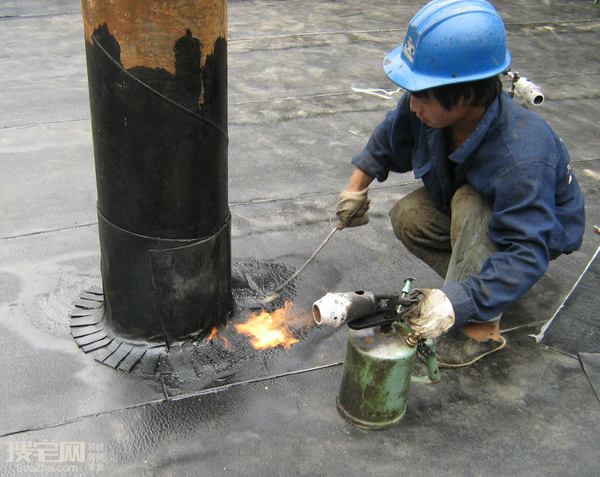
Floor traps and pipe penetrations are also high-risk points. Water naturally flows toward drains, so any small gap around the outlet can become a direct leakage path. In Kota Kinabalu apartments and landed homes, we also see cases where poor drainage slope causes water to sit around the shower area for long periods. Constant ponding increases pressure on the waterproofing layer and shortens its service life.
What Property Owners Should Check Before Accepting a Long Warranty
Before accepting a 10-year warranty, property owners should check whether the waterproofing work is backed by proper site assessment and installation control. A long warranty without these basics may not give much practical protection.
• The contractor inspects the existing floor, wall base, cracks, hollow areas, and drainage points before work starts
• The waterproofing system is suitable for wet areas, not just general surface sealing
• Internal corners, floor traps, pipe penetrations, and wall-floor joints receive extra attention
• A water ponding test is carried out before tiling or reinstatement
• Warranty terms explain coverage, exclusions, maintenance responsibilities, and repair procedures clearly
• Workmanship photos, material records, and inspection notes are provided for future reference
For homeowners, this checklist is often more useful than comparing warranty duration alone. A shorter but properly documented system may perform better than a long warranty with unclear application standards.
How Proper Application Supports Long-Term Bathroom Protection
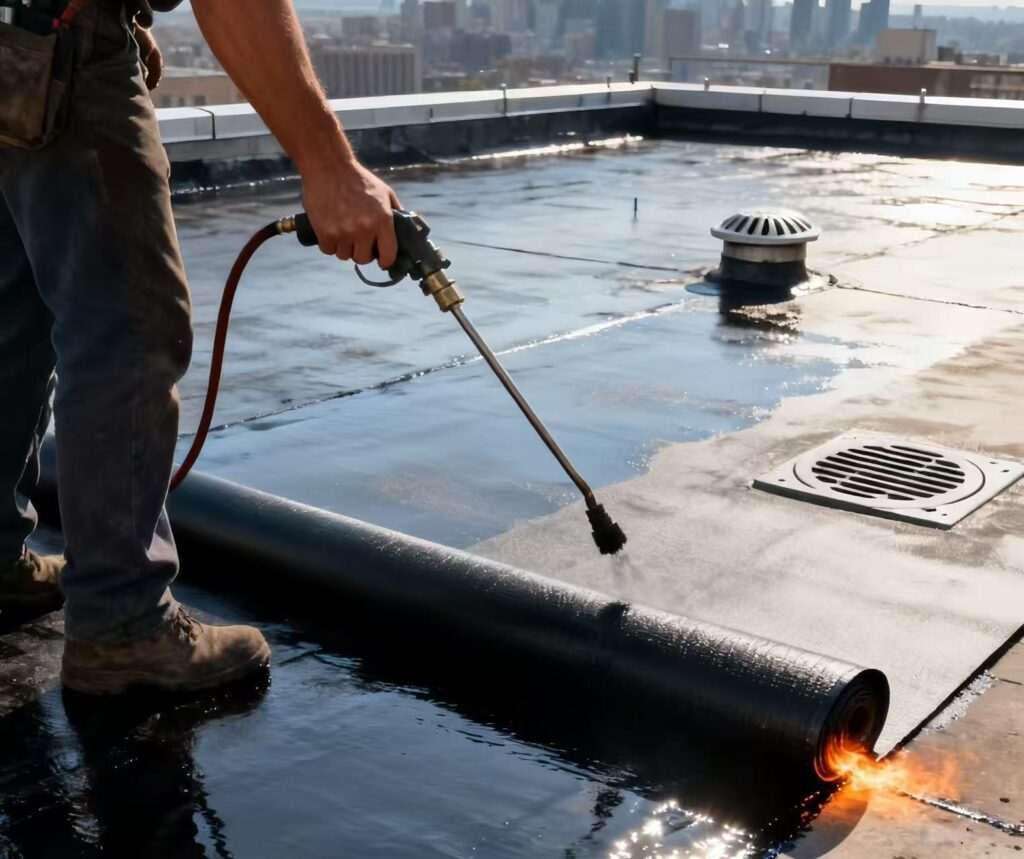
A durable bathroom waterproofing system usually starts with removing weak or contaminated surfaces. Cracks and gaps should be repaired before the waterproofing layer is applied. If the surface is too dry, dusty, or uneven, the coating may not bond well.
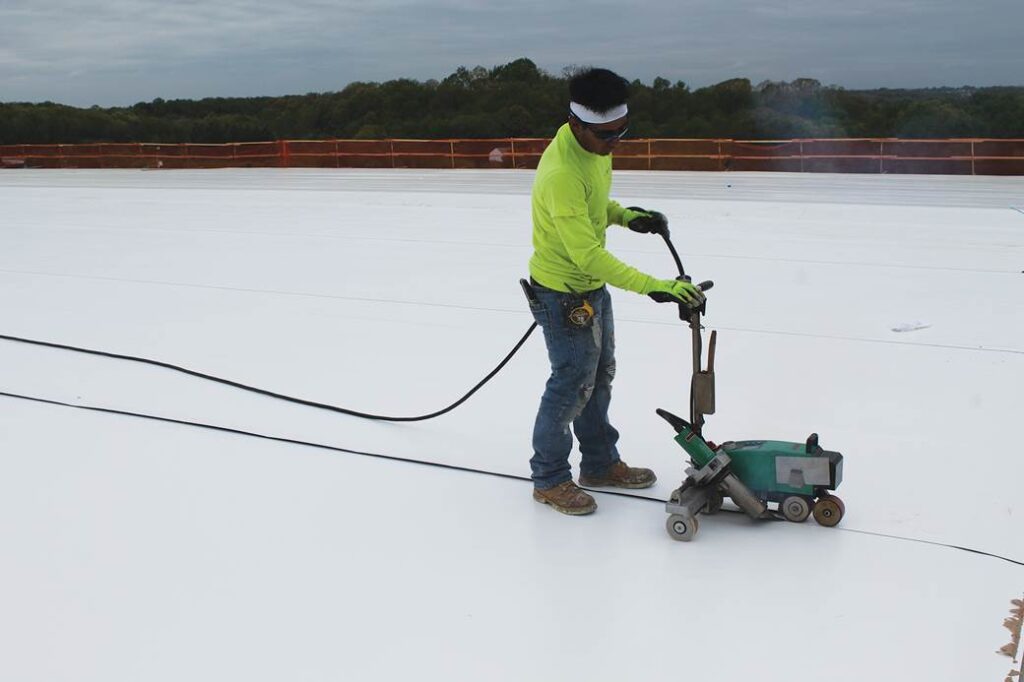
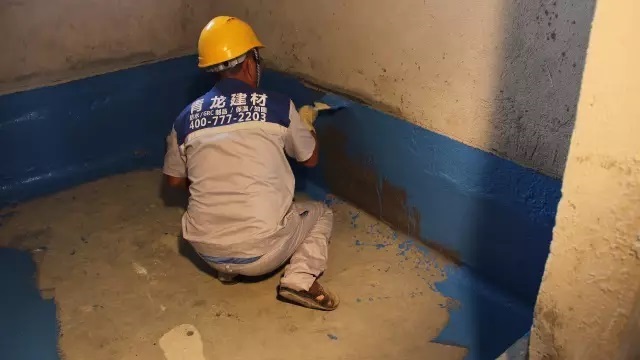
The waterproofing material should then be applied in the correct thickness and number of coats. Corners and pipe areas may need reinforcement, depending on the site condition. After curing, a ponding test helps confirm whether the treated area can hold water before tiles are installed. This step is important because once tiles and fittings are completed, locating leakage becomes more difficult and costly.
As a Waterproofing Manufacturer and Waterproofing Supplier, QingLong Waterproofing develops waterproofing materials for different site conditions, including wet areas such as bathrooms, kitchens, balconies, and other water-exposed zones. When product performance is combined with proper Waterproofing Service practice, the warranty becomes more meaningful.
Case Study: Bathroom Leakage in a Kota Kinabalu Condominium
On a condominium bathroom repair project in Kota Kinabalu, the owner noticed water stains on the ceiling of the unit below after several months of repeated patch repairs. The bathroom tiles still looked normal, so the source was not obvious.
During inspection, the main concern was the floor trap area and the wall-floor corner near the shower zone. The existing waterproofing layer had poor bonding, and water had entered the screed before escaping through small gaps around the drain connection.
The repair involved removing affected finishes, preparing the substrate, sealing weak points, applying a suitable bathroom waterproofing system, and carrying out a ponding test before reinstatement. After the work was completed, the leaking stopped, and the owner received clearer documentation on the waterproofing scope and warranty conditions. The key lesson was simple: the warranty only becomes reliable when the leak source and weak details are handled properly.
Why Documentation Is Important for Warranty Claims
For bathroom waterproofing, documentation helps protect both the property owner and the applicator. If leakage happens later, clear records make it easier to identify whether the issue is related to waterproofing, plumbing modification, tile hacking, structural movement, or external damage.
A proper Waterproofing Solution Provider should provide basic job records, application photos where possible, material information, and warranty terms. This is especially helpful for strata properties, rental units, homestays, and commercial premises in Kota Kinabalu, where different parties may manage the property over time.
Without documentation, disputes often become difficult because no one can confirm the original condition, application method, or later changes made to the bathroom.
Conclusion
A 10-year warranty for bathroom waterproofing in Kota Kinabalu can offer strong reassurance, but it should be supported by correct diagnosis, suitable materials, careful application, and clear documentation. The most common failures usually come from weak corners, floor traps, poor substrate preparation, or later renovation damage rather than the warranty period itself.
For long-term protection, property owners should look beyond the warranty number and ask how the waterproofing system will be inspected, applied, tested, and recorded. If you are dealing with bathroom leakage or planning waterproofing before renovation, you can contact QingLong Waterproofing to arrange a professional site inspection and receive suitable recommendations.
Frequently Asked Questions (FAQs)
1. What does a 10-year bathroom waterproofing warranty mean?
It means the waterproofing system is intended to provide long-term protection under normal conditions, provided the work is properly applied and the warranty terms are followed.
2. Can bathroom waterproofing still fail with a long warranty?
Yes. Failure can still happen if the surface was poorly prepared, corners were not treated properly, drains were not sealed, or later renovation work damaged the waterproofing layer.
3. Why is bathroom leakage common in Kota Kinabalu properties?
Kota Kinabalu’s humid coastal climate, frequent rain, daily bathroom usage, and ageing building conditions can all contribute to moisture problems and hidden leakage.
4. Should I request a ponding test before tiling the bathroom?
Yes. A ponding test helps confirm whether the waterproofing layer can hold water before tiles and fittings cover the treated area.