Water stains spreading across the ceiling, peeling paint, damp walls or occasional dripping can make property owner feel pressured to hire the first available repair team. But waterproofing is not only about applying a coating or sealing a crack. The wrong repair scope may hide the leak temporarily, only for water to find another path and cause the problem to return. Before approving any waterproofing service, the better question is: has the team inspected and understood the site well enough to recommend the right repair method?
These five checks help homeowners, building owners and property managers evaluate a waterproofing team before work begins.
Check 1: Did They Trace the Water Path Beyond the Stain?
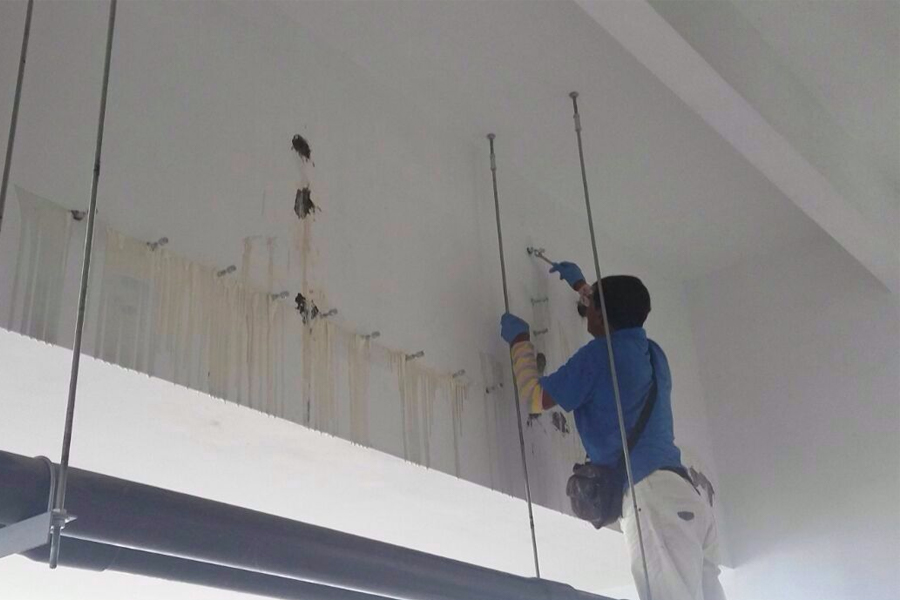
A ceiling stain is often treated as the “leak location”, but it may only be where water finally appears. Water can travel along slab cracks, pipe sleeves, beams, conduits, tile bedding or wall-floor junctions before dripping into a visible area.
A proper waterproofing assessment should look beyond the wet patch. For example, a bathroom leak may involve floor traps, pipe penetrations, wall corners or tile grout lines. A roof leak may depend on drainage falls, parapet wall details, cracked screed, failed joints or ponding water. A balcony leak may be affected by the threshold, skirting tile, railing post or drain outlet instead of the open floor surface.
A useful answer from the contractor should sound specific to your property. If the explanation is only “we will coat the area” without checking how water may be entering, the proposed repair may be too shallow.
Before recommending a repair method, the team should establish the likely water entry route, affected area and repair boundary. The visible stain should guide the inspection, but it should not determine the quotation by itself.
Check 2: Is the Recommended Method Suitable for the Surface and Usage?
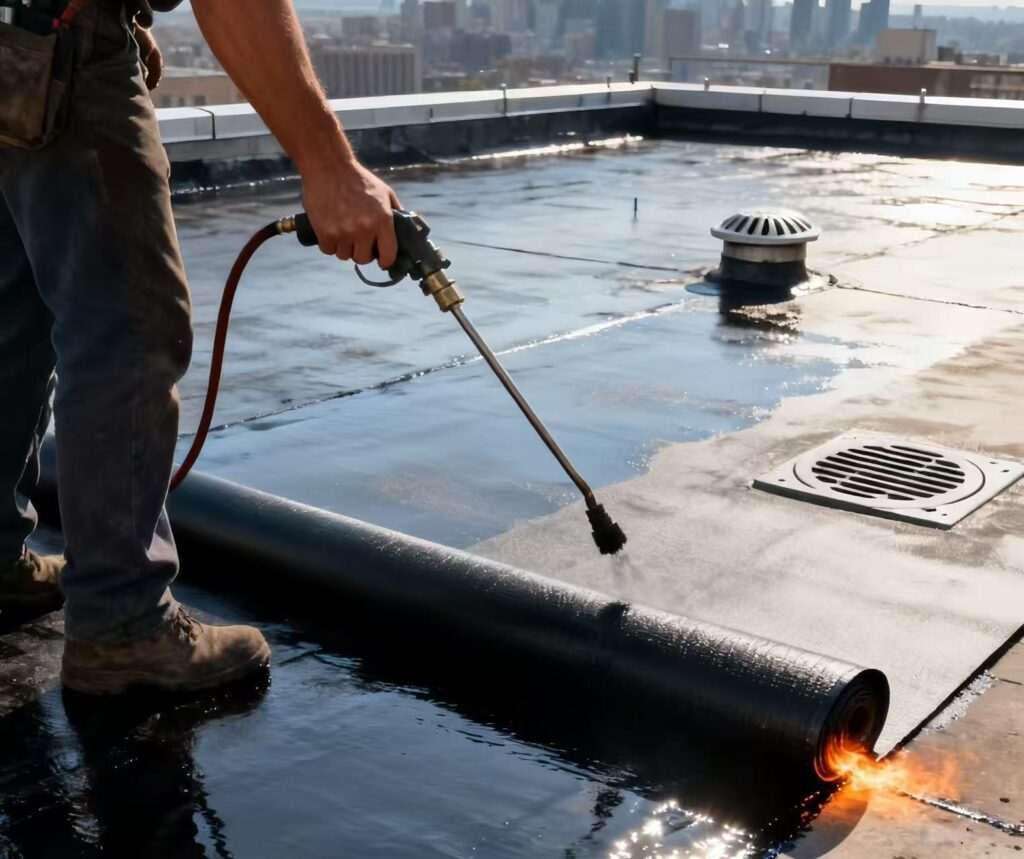
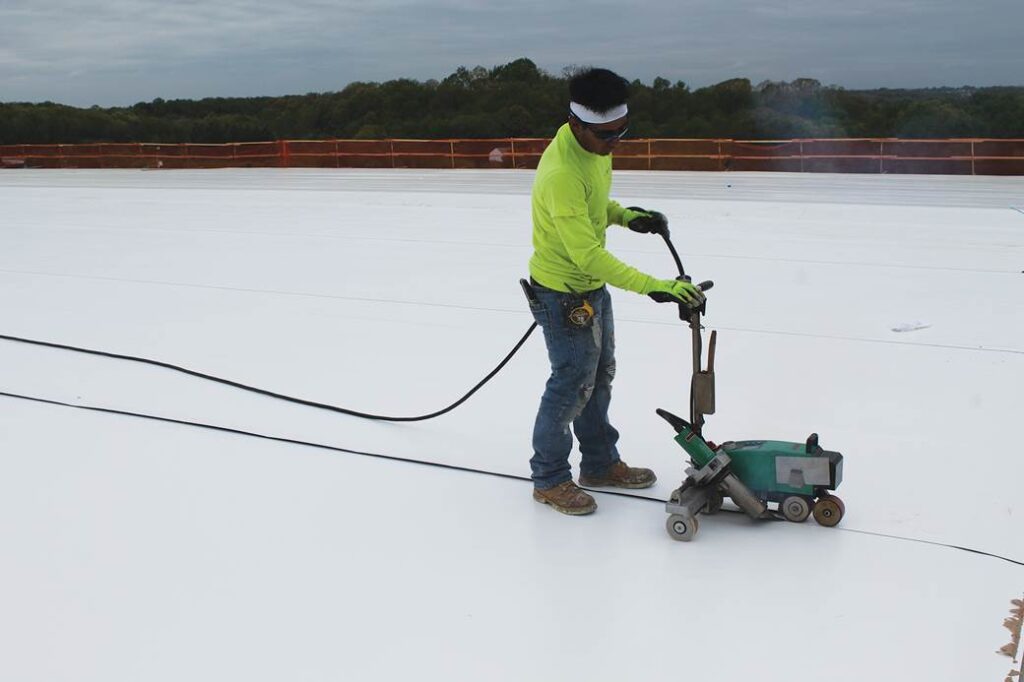
Not every waterproofing method suits every site. A roof exposed to UV and standing water has different demands from a bathroom that will be tiled over. A basement wall with external soil pressure needs a different approach from an external wall seepage issue. A car porch must also consider traffic, oil contamination and surface abrasion.
Before hiring a team, ask why the proposed system fits your surface condition and usage. The answer should consider details such as:
Whether the area is exposed, tiled, buried or covered
Whether the substrate is concrete, metal roof, screed, brick wall or existing coating
Whether there is movement, cracking, hollow tile bedding or trapped moisture
Whether the area faces foot traffic, vehicle load, chemical exposure or frequent ponding
Whether the repair must be done while the property remains occupied
For example, a transparent waterproof coating may be useful where the owner wants to retain the appearance of certain wall or tile surfaces, but it is not a universal answer for all concealed waterproofing failures. A cement-based waterproof slurry may be suitable for some mineral substrates, but surface preparation and finishing layers still matter. A sealant can help at joints and gaps, but it should not be treated as a full waterproofing system for a failed slab.
QingLong Waterproofing supplies and applies different waterproofing products for different site conditions, including roof coatings, transparent coatings, K11 waterproof slurry, sealants, leakage repair products and related system components. The important point is not simply which product name appears in the quotation, but whether the team can explain where the product is suitable and where it is not.
Check 3: Does the Quotation Describe Preparation, Details and Boundaries?
Many waterproofing disputes begin because the quotation states the material but not the working scope. A quote that only says “apply waterproof coating” leaves too many questions unanswered. Surface preparation, crack treatment, joint detailing and termination points often decide whether the work performs properly.
Before approving waterproofing services, look for clarity on what will be prepared and treated. Will loose material, dust, oil or previous failed coating be removed? Will cracks be routed, sealed or reinforced? Will corners, pipe penetrations and construction joints receive additional treatment? Will the membrane or coating turn up the wall to a suitable height? How will the system end at door thresholds, drains or parapet walls?
The repair boundary also matters. A contractor may quote only the visibly affected area to keep the price low. That may be reasonable for a localised defect, but not if water is entering through a wider roof surface, balcony floor or bathroom wet zone. On the other hand, recommending full replacement without explaining why localised treatment is insufficient can also be excessive.
A practical waterproofing quotation should state the preparation work, treatment details, repair boundary, exclusions and any site findings that may change the final scope. This protects both parties because waterproofing work often depends on what is found after tiles, coatings or damaged layers are opened.
Check 4: Have They Explained Disruption, Access and Timing Honestly?
The best technical method is not always the most practical method for an occupied property. A condominium bathroom above another unit, a shoplot that cannot close during business hours, or a factory roof with active operations all require planning beyond material selection.
Before hiring, ask how the work will affect access, noise, curing time, water use and daily operation. Some systems need dry weather windows. Some require hacking, removal of tiles or temporary closure of wet areas. Certain areas may need protection from dust, debris or foot traffic while the material cures.
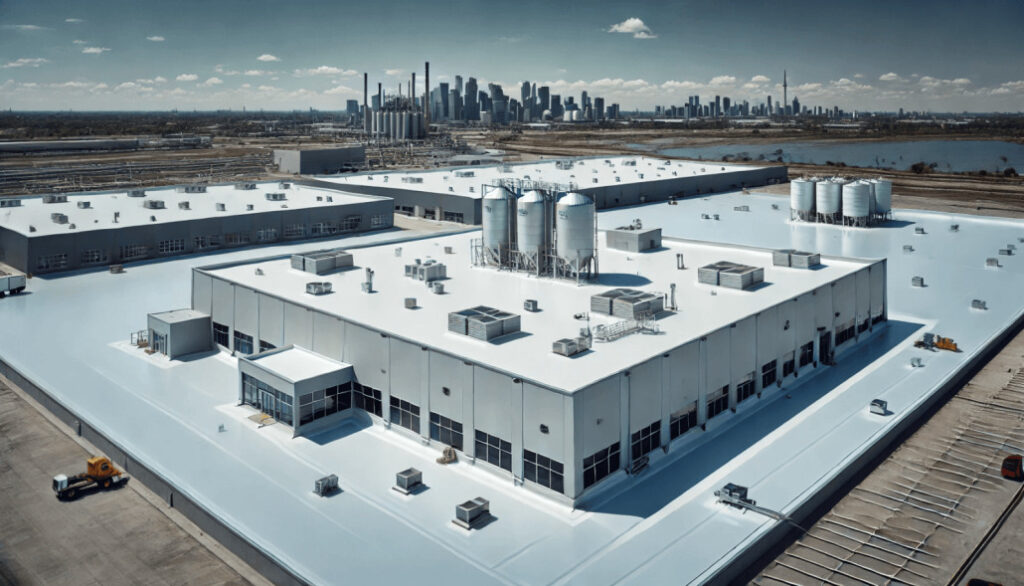
This is especially important for commercial and industrial properties. A roof repair above sensitive equipment, storage areas or production zones must consider safety, scheduling and temporary protection. For residential properties, owners should understand whether they can continue using the bathroom, balcony, roof access or affected room during the work.
Promises of “no hacking” or “no disruption” may sound attractive, but there are trade-offs. Retaining existing tiles can reduce mess but may prevent access to the failed layer. Hacking allows deeper treatment but increases time and disturbance. PU injection may control active water movement through certain concrete cracks or joints, but it does not automatically restore the waterproofing protection on the exposed surface.
Check 5: Are Warranty, Maintenance and After-Service Conditions Clear?
A warranty is useful only when its scope is clear. Longer warranty wording does not automatically mean the system is better. The important details are what area is covered, what defect is covered, what maintenance is required and what conditions may void the warranty.
For example, a roof waterproofing warranty may depend on keeping drains clear and avoiding unauthorised penetrations after the work. A balcony or bathroom repair may not cover future tile cracks caused by movement outside the treated scope. A sealant joint may need periodic inspection because movement and exposure can affect service life.
Ask what will happen if leakage returns. Will the team reinspect the property? How will it determine whether the new leak is connected to the treated area? Will the original photographs, quotation and warranty documents be used during the assessment?
This check is not about finding the longest promise. It is about knowing whether the team stands behind a defined scope and whether the owner understands the maintenance responsibilities after completion.
A Short Way to Compare Waterproofing Teams
If you are comparing two or three waterproofing service providers, do not judge by price alone. A lower quote may be fair if the scope is smaller, but it may also leave out critical details. A higher quote may be justified if it includes hacking, joint treatment, drainage correction or a more complete waterproofing system.
Use this simple comparison:
| What to Compare | Why It Matters |
|---|---|
| Site assessment | Suspected water entry route and affected area |
| Product suitability | Confirms the material matches exposure, substrate and usage |
| Surface preparation |
Removal of contamination and failed material s |
| Detail treatment |
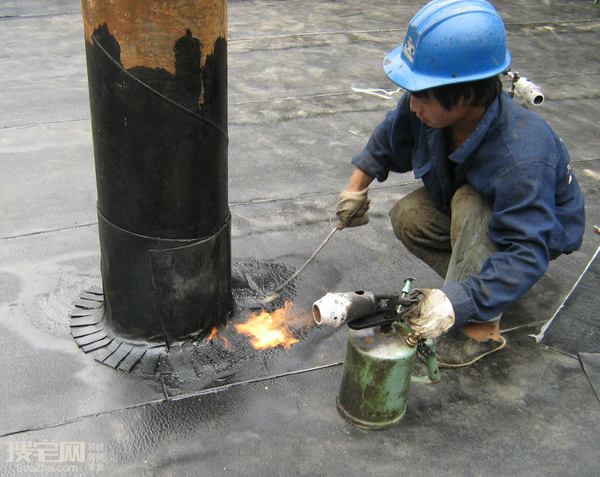
Treatment around cracks, drains, joints and penetrations |
| Warranty |
Coverage, maintenance and after-service conditions |
The right waterproofing team should give you enough information to understand this difference—not simply a price for applying material.
Conclusion
Before you hire a waterproofing team, the most important check is whether their recommendation is connected to your actual building condition. A good repair proposal should explain the suspected water path, suitable system, preparation work, access constraints and warranty scope. If these points are vague, the cheapest quotation may become expensive later.
QingLong Waterproofing provides waterproofing materials and professional application services for residential, commercial and industrial properties across Malaysia. If you are dealing with leakage from a roof, bathroom, balcony, external wall or other building area, contact our team for a site assessment and suitable waterproofing recommendation before proceeding with the repair.
Frequently Asked Questions (FAQs)
1. Should a waterproofing contractor inspect the site before quoting?Yes. Photos may support an initial assessment, but the final repair method and boundary should be based on the actual site condition.
2. Why do waterproofing quotations have different prices?
They may include different materials, preparation work, repair boundaries, detail treatments and reinstatement works.
3. What should a waterproofing warranty state?
It should identify the treated area, covered defects, exclusions, maintenance requirements and after-service process.
4. Does a longer waterproofing warranty mean better protection?
Not necessarily. The proposed system must still suit the site, and the warranty must clearly define what is covered.