Small leaks rarely stay small in Malaysia’s hot, humid, and high-rainfall climate. A minor ceiling stain after a storm can point to roof membrane failure, poor drainage, cracked concrete, or water travelling from another part of the building. For homeowners, shop owners, factories, and property managers, the real cost is not only the repair bill. It is damaged ceilings, mould growth, tenant complaints, electrical risk, and repeated patching that never solves the source.
In this article, we’ll explain five costly leaks a Malaysia waterproofing specialist helps prevent, why they happen, how they develop, and what to check before choosing a repair method.
Roof Leaks That Damage Ceilings and Electrical Systems
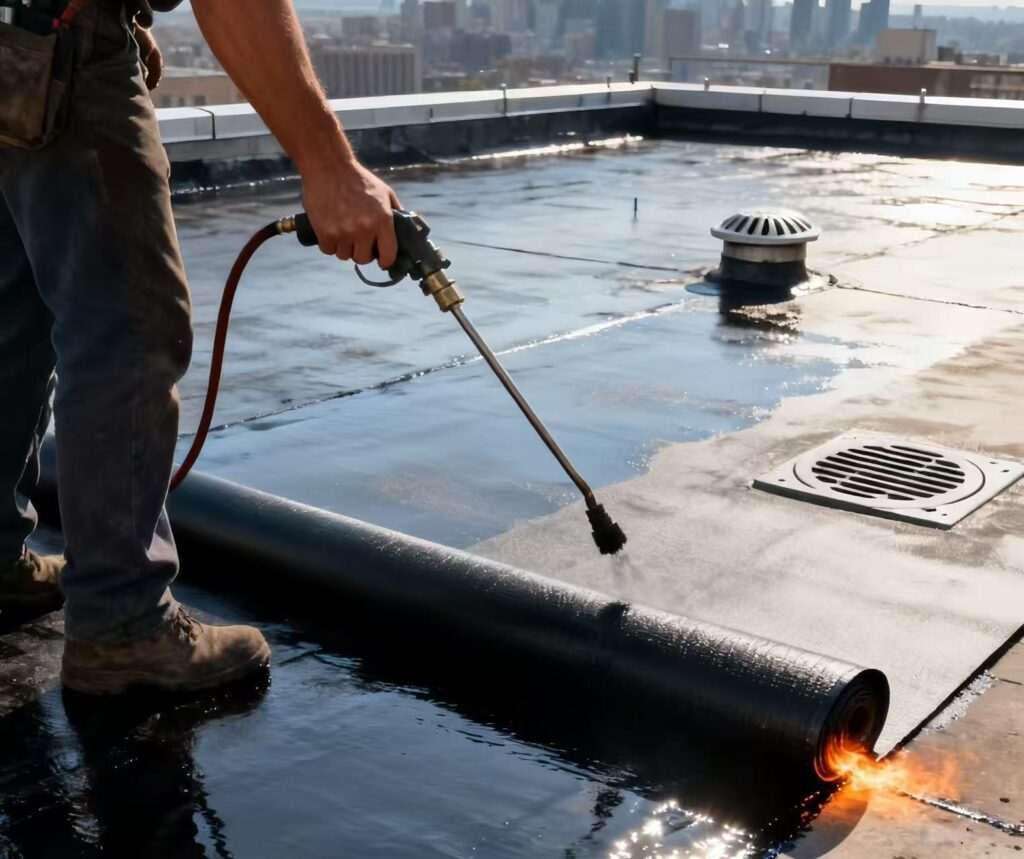
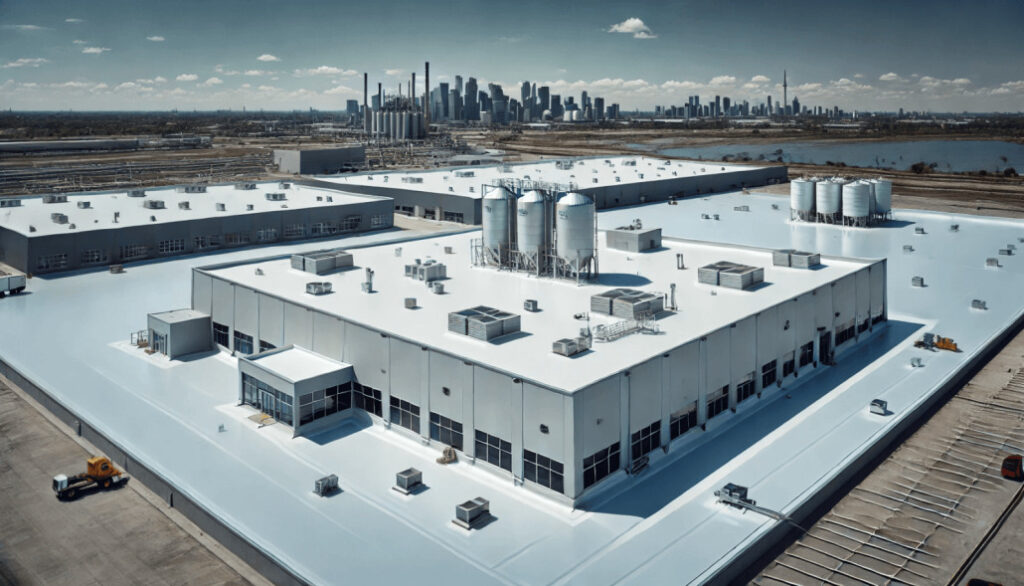
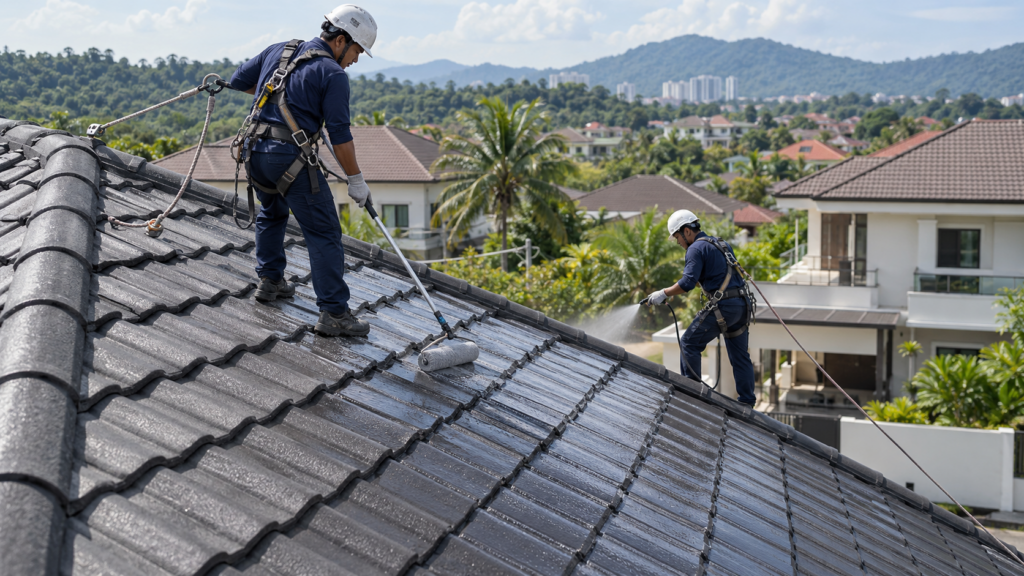
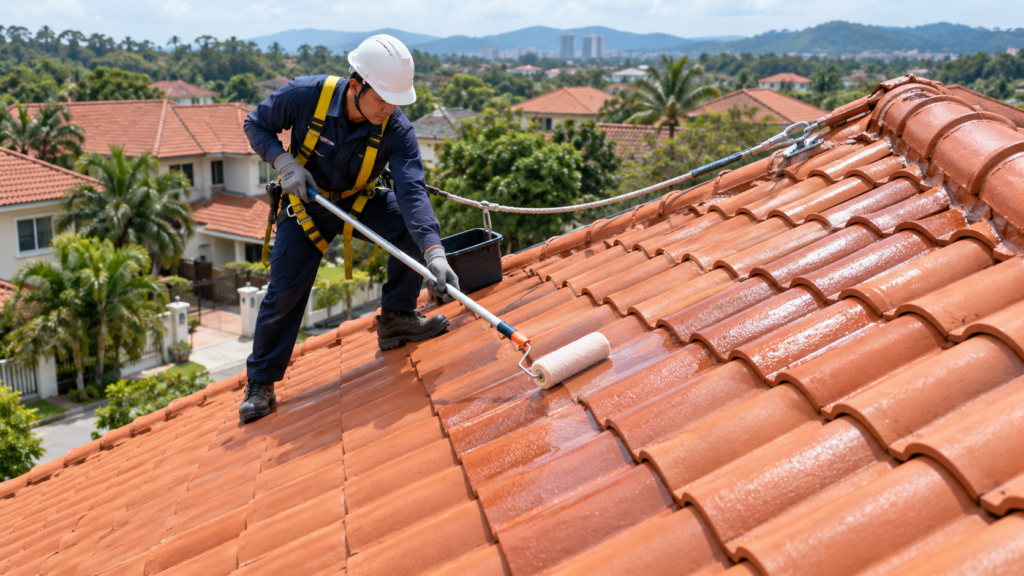
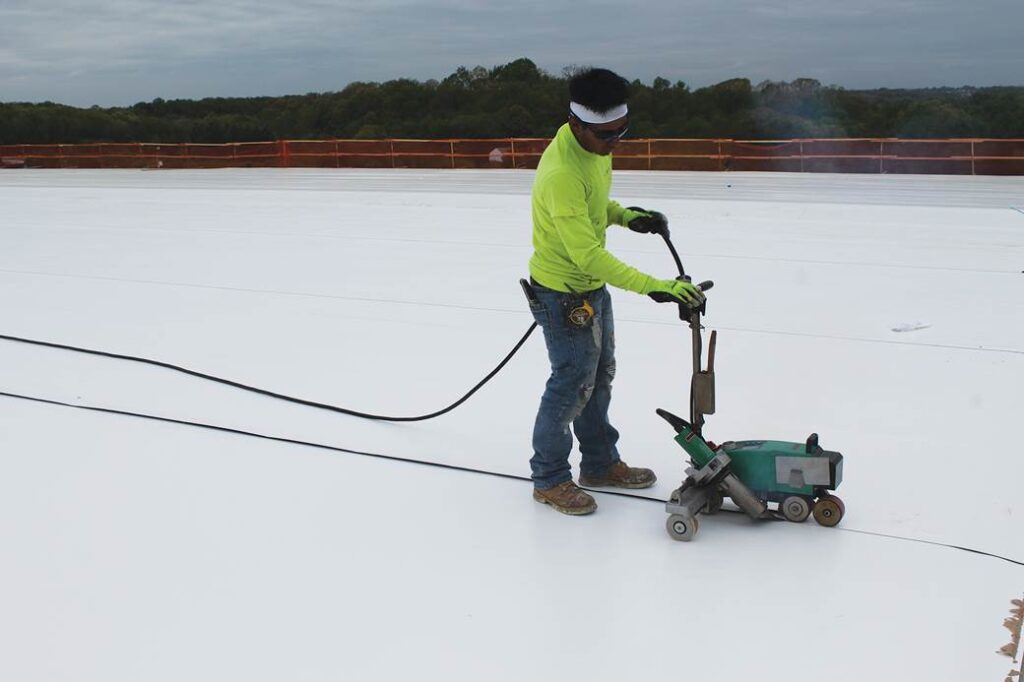
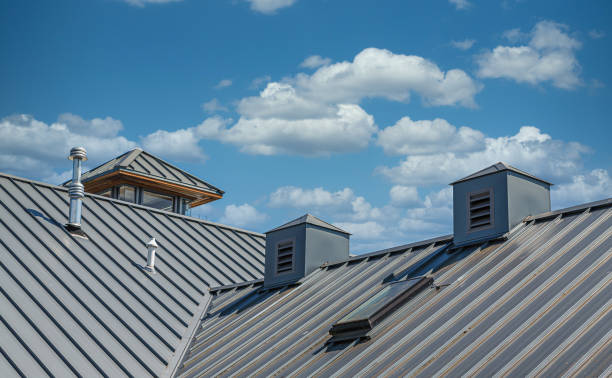
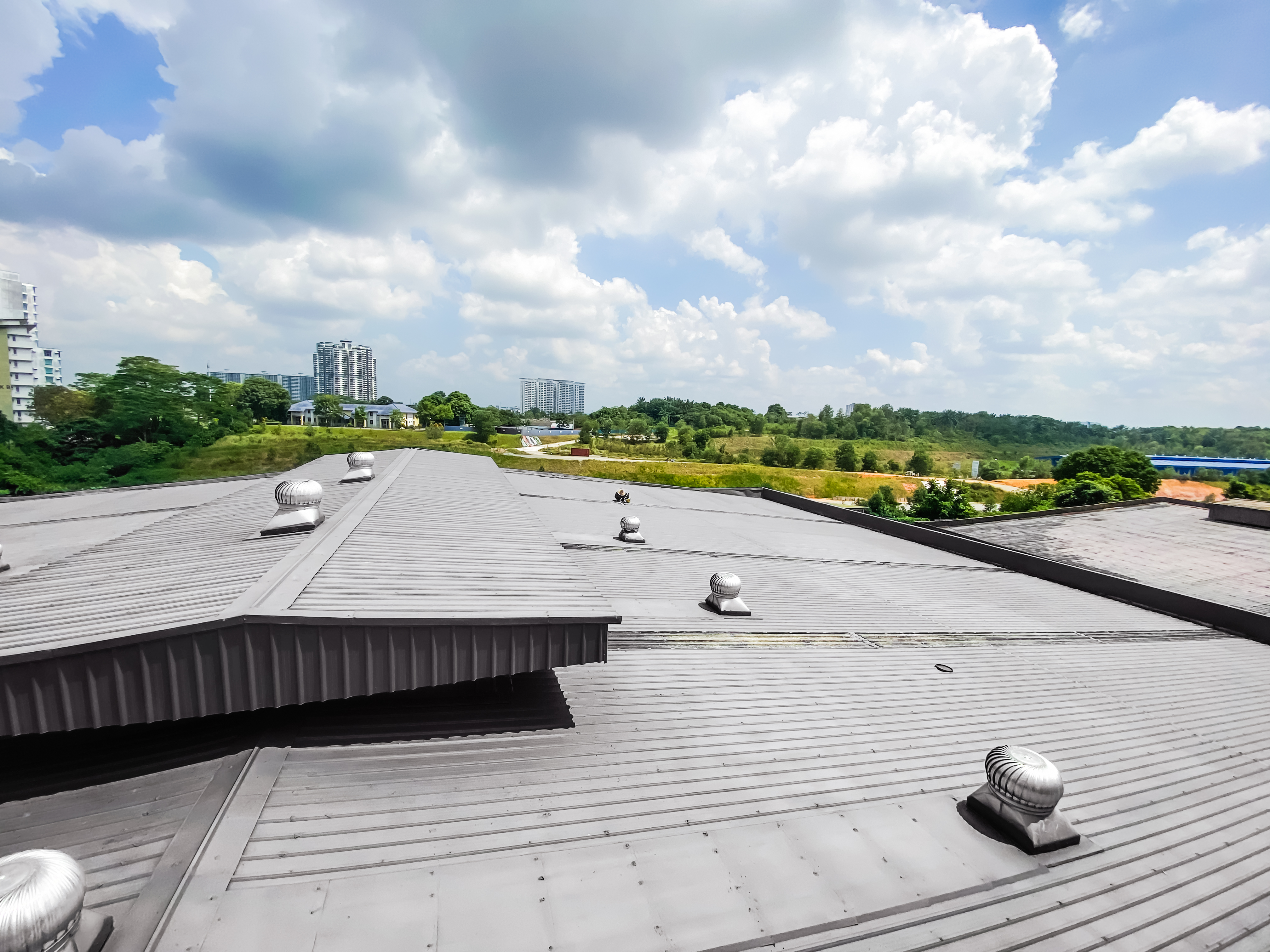
Roof leakage is one of the most expensive waterproofing problems in Malaysia because it is often noticed only after water has already travelled through the roof slab, ceiling board, insulation, or wiring zone. During heavy rain, water may enter through cracked roof coatings, failed joints, rusted metal roof fasteners, poorly sealed penetrations, or ponding areas where drainage is weak.
Why do roof waterproofing systems fail in Malaysia’s climate? Constant UV exposure makes some coatings brittle over time, while sudden rain cools the surface quickly and causes movement in the substrate. If the roof has flat areas, blocked outlets, or uneven slopes, standing water increases pressure on weak points. A proper Malaysia waterproofing assessment should identify the entry point, not just repaint the visible stain below.
Bathroom Leaks That Spread to Lower Floors
Bathroom leakage is costly because water is used daily, and the damage often appears in the unit below or on the opposite side of the wall. Common signs include damp ceiling patches, peeling paint outside the bathroom, loose tiles, musty smells, and dark grout lines that never dry.
The failure usually starts under the tiles. If the original waterproofing layer was too thin, poorly cured, or damaged during tile installation, water seeps through tile joints and reaches the concrete slab. Once the slab becomes saturated, leakage may continue even when the bathroom has not been used for several hours. This is why surface sealing alone may not solve serious bathroom seepage. A waterproofing solution provider should check whether the problem comes from floor areas, wall corners, pipe penetrations, or drainage connections before recommending repairs.
Balcony Leaks Caused by Sun, Rain, and Movement
Balconies in Malaysian homes and high-rise buildings face a tough cycle: strong sunlight during the day, heavy rain in the afternoon, and regular foot traffic. Over time, small cracks can form at wall-floor junctions, tile edges, drainage outlets, and railing bases. Once water enters these areas, it may leak into the living room, lower-floor ceiling, or exterior wall.
Balcony leaks are often underestimated because the visible crack looks minor. In practice, the water path can be much longer than expected. Water may enter at one corner, travel below the tiles, and appear several metres away. A careful inspection should include slope condition, outlet height, hollow tiles, sealant joints, and signs of previous repair. This is where experienced waterproofing service work matters, because the correct method depends on whether the existing tiles can remain or whether the substrate needs deeper repair.
External Wall Seepage That Causes Damp Interiors
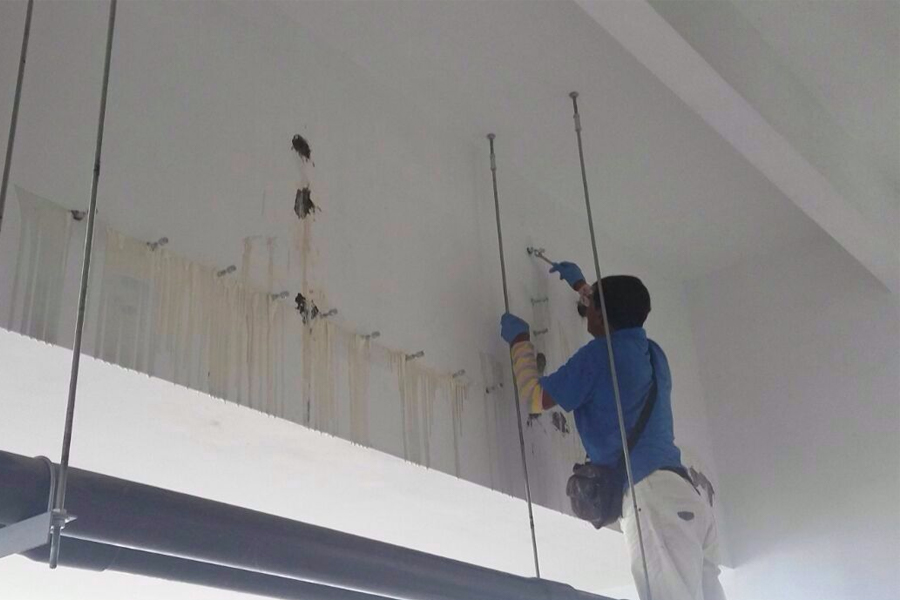
External wall seepage is common in apartments, landed houses, shops, and older commercial buildings. It usually appears as damp patches, bubbling paint, mould growth, or water stains near windows. In coastal areas or dense urban locations, exterior walls may also face salt exposure, wind-driven rain, and pollution, which can speed up coating deterioration.
The mechanism is simple but often overlooked. Hairline cracks, porous plaster, failed window sealant, and weak wall coatings allow rainwater to enter the wall. Once trapped inside, moisture moves inward through capillary action, especially when indoor air-conditioning creates a temperature difference. What should property owners check before repairing wall seepage? They should confirm whether water is entering through cracks, window frames, façade joints, or roof edges, because each source requires a different waterproofing approach.
Basement and Car Park Seepage Under Water Pressure
Basement and car park leaks are among the most expensive because they often involve structural joints, retaining walls, floor slabs, or pipe penetrations. Unlike roof or balcony leaks, underground seepage may be driven by water pressure from surrounding soil. After long rain, water accumulates outside the basement wall and pushes through cracks, honeycombed concrete, construction joints, and service openings.
This type of leakage should not be treated as a simple surface dampness problem. If the source is active water pressure, a coating applied only on the inner surface may fail if the substrate is not properly prepared or if the pressure is too high. Inspection should focus on where water enters, whether it is active or intermittent, and whether crack injection, joint treatment, drainage improvement, or a complete waterproofing system is required.
What to Check Before Choosing a Waterproofing Repair
Before selecting any waterproofing method, the site condition should be checked carefully. A low-cost repair can become expensive if it hides the symptom without addressing the water source.
• Identify whether the leak appears during rain, after water usage, or continuously
• Check the condition of the substrate, including cracks, hollow tiles, rust, and weak plaster
• Confirm the exact water entry points, not only the visible water stain
• Review drainage performance, slope, outlet blockage, and ponding areas
• Choose materials suitable for movement, UV exposure, water pressure, and surface condition
• Ensure proper surface preparation, curing time, and protection after application
A Malaysian waterproofing manufacturer or waterproofing supplier can provide materials, but the application method is equally important. Good waterproofing depends on correct diagnosis, compatible products, and workmanship that follows site conditions.
Case Study: Commercial Roof Leakage After Repeated Patch Repairs
On a commercial building roof renovation project, the owner had carried out several patch repairs over two years, but ceiling stains kept returning after heavy rain. The main challenge was not only aged coating; the roof had shallow ponding near drainage outlets and several poorly sealed pipe penetrations.
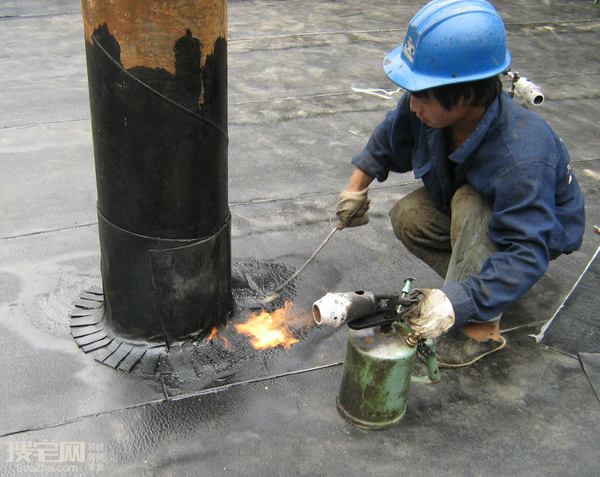
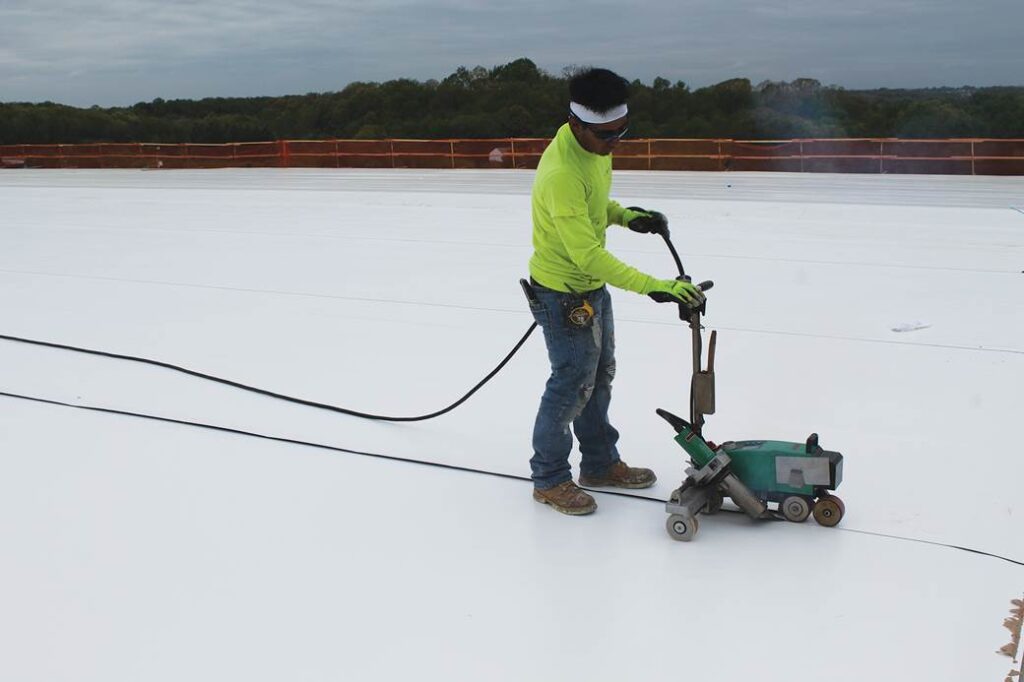
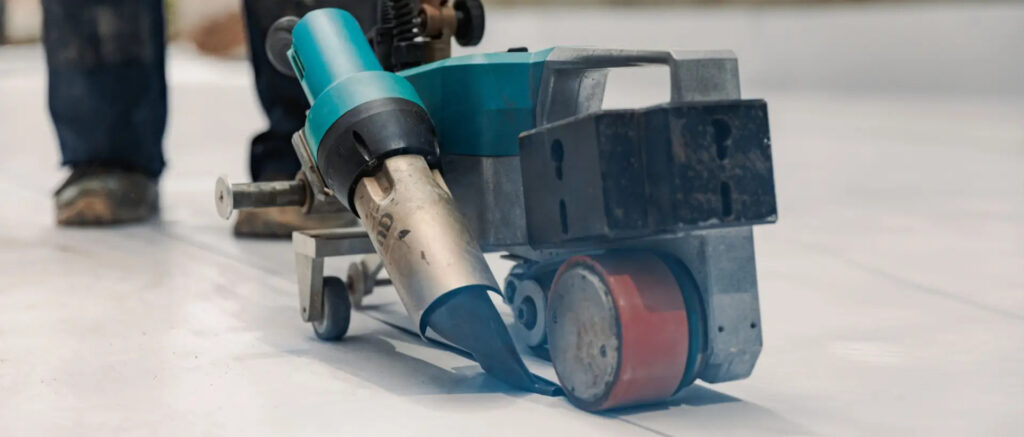
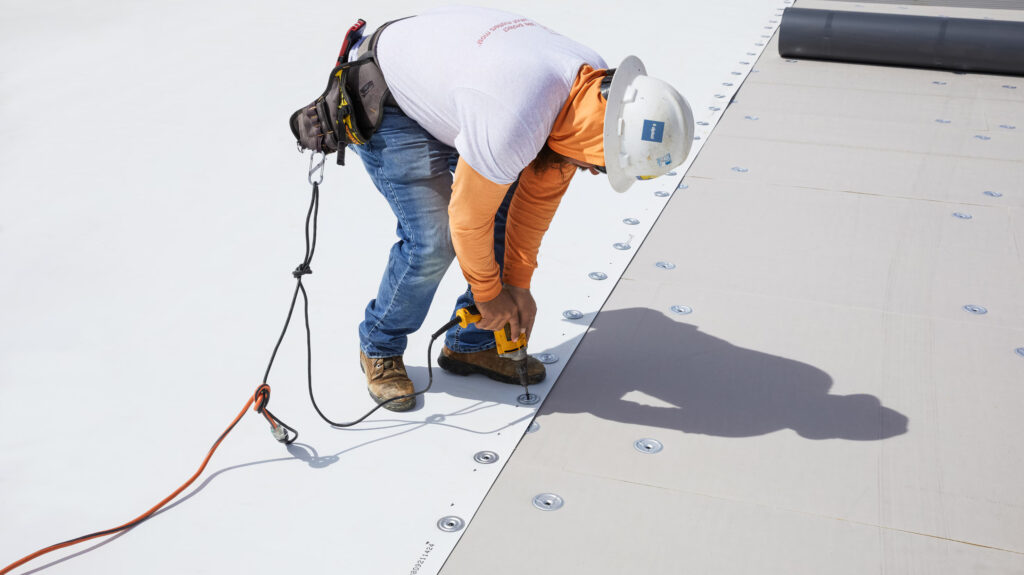
The solution involved cleaning and preparing the surface, treating weak joints and penetrations, improving local drainage flow, and applying a suitable roof waterproofing system over the affected zones. QingLong Waterproofing’s project team focused on stopping water entry at the roof level instead of repairing the ceiling repeatedly. After completion, the building owner reported that the leakage stopped during subsequent storms, and maintenance work became easier because the original water paths had been addressed.
Conclusion
Costly leaks usually start from small defects: a cracked joint, weak coating, blocked drain, or poorly sealed penetration. In Malaysia, heavy rain and strong heat make these defects develop faster, especially on roofs, balconies, bathrooms, external walls, basements, and car parks. The most important step is proper diagnosis before repair. Without identifying how water enters and travels, even good materials may not deliver lasting results.
As a waterproofing manufacturer, waterproofing supplier, and waterproofing solution provider with project experience across different building types, QingLong Waterproofing focuses on practical inspection and suitable repair methods. If you are facing recurring leakage or need a professional assessment, contact QingLong Waterproofing to arrange a site inspection and consultation.
Frequently Asked Questions
What are the most common costly leaks in Malaysia buildings?
Common costly leaks include roof leaks, bathroom seepage, balcony leaks, external wall dampness, and basement or car park water ingress.
Why do waterproofing repairs fail after a short time?
Repairs often fail when the visible stain is treated without finding the actual water source, or when surface preparation and drainage issues are ignored.
When should I call a Malaysia waterproofing specialist?
You should arrange an inspection when leaks return after repair, water stains spread, mould appears, or leakage happens during heavy rain or daily water use.
Can one waterproofing method solve every type of leak?
No. Roofs, bathrooms, balconies, walls, and basements have different water exposure conditions, so the repair method must match the source and site condition.