Small leaks rarely stay small in Malaysia’s hot, humid, and high-rainfall climate. A minor ceiling stain after a tropical storm can point to roof membrane failure, poor drainage, concrete degradation, or lateral water movement through building substrates. For homeowners, factory operators, and property managers, the real cost extends far beyond the immediate repair bill—it leads to structural damage, toxic mould growth, tenant disputes, electrical fire hazards, and repeated patching that fails to solve the root cause.
In this guide, we break down five costly leaks a qualified Malaysia waterproofing specialist helps prevent, the technical science behind why they happen, and what to verify before choosing a repair method.
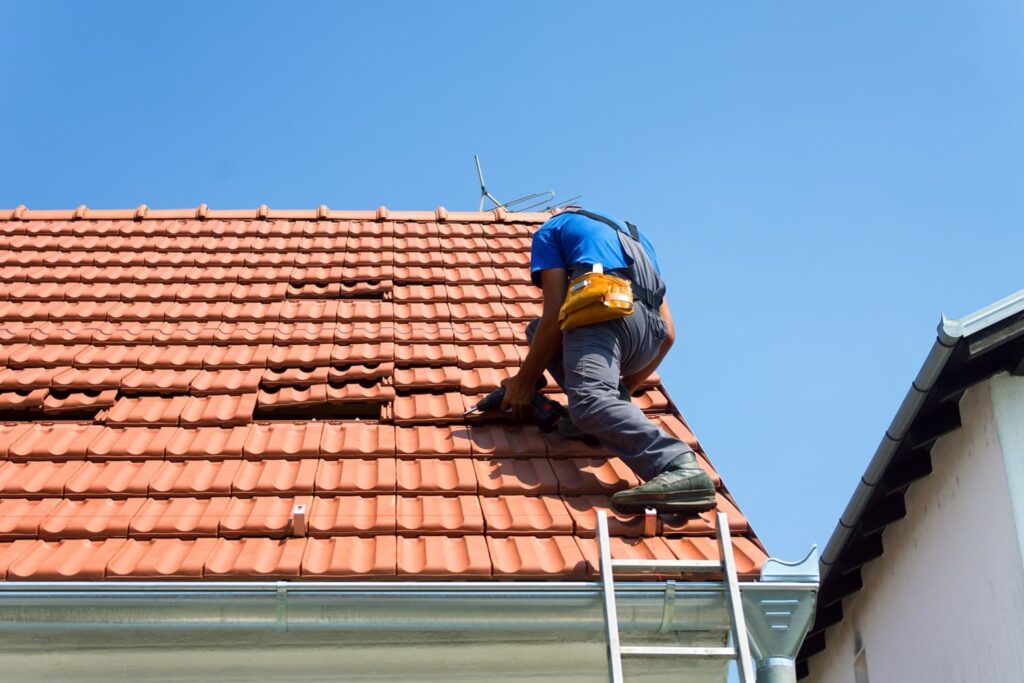
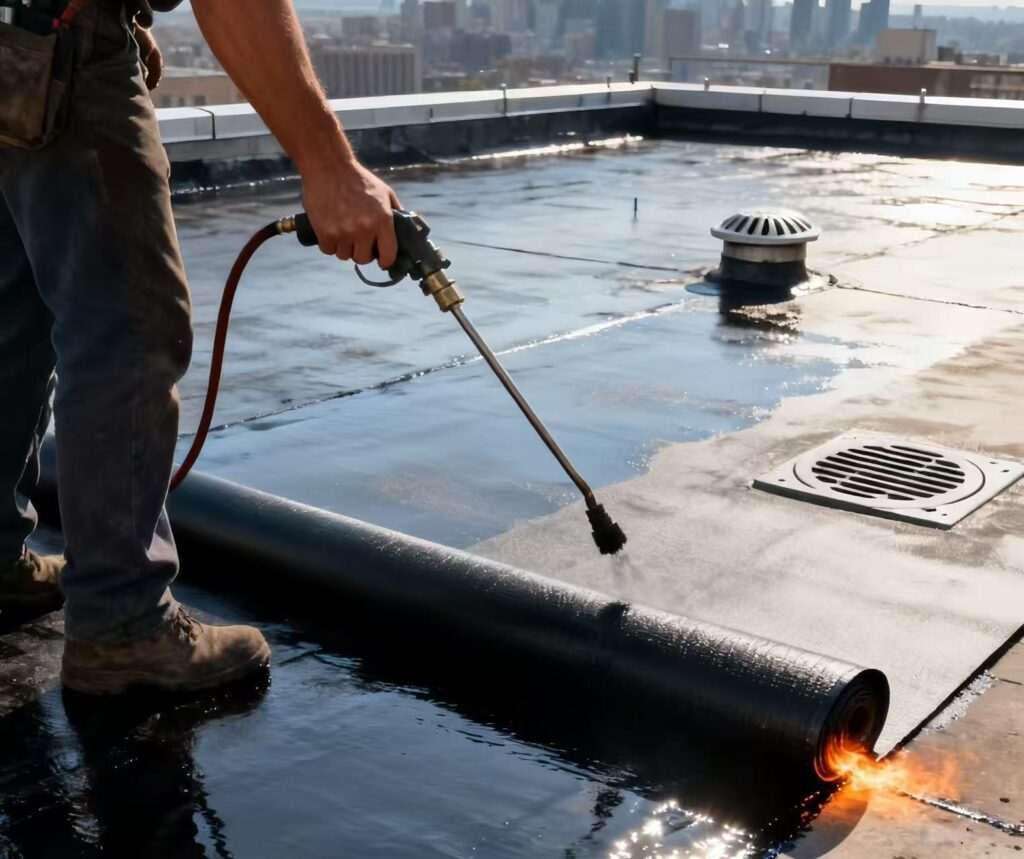
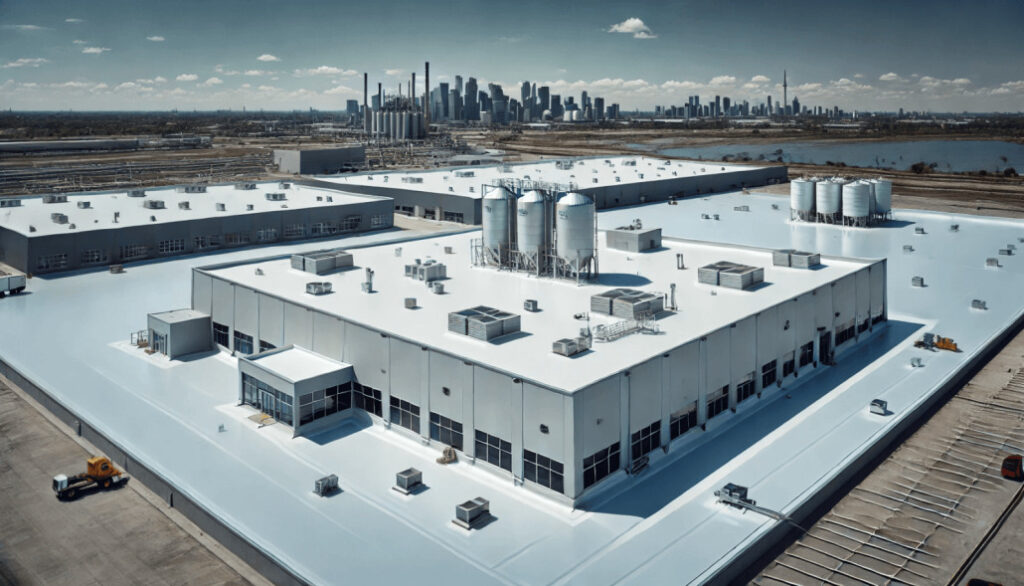
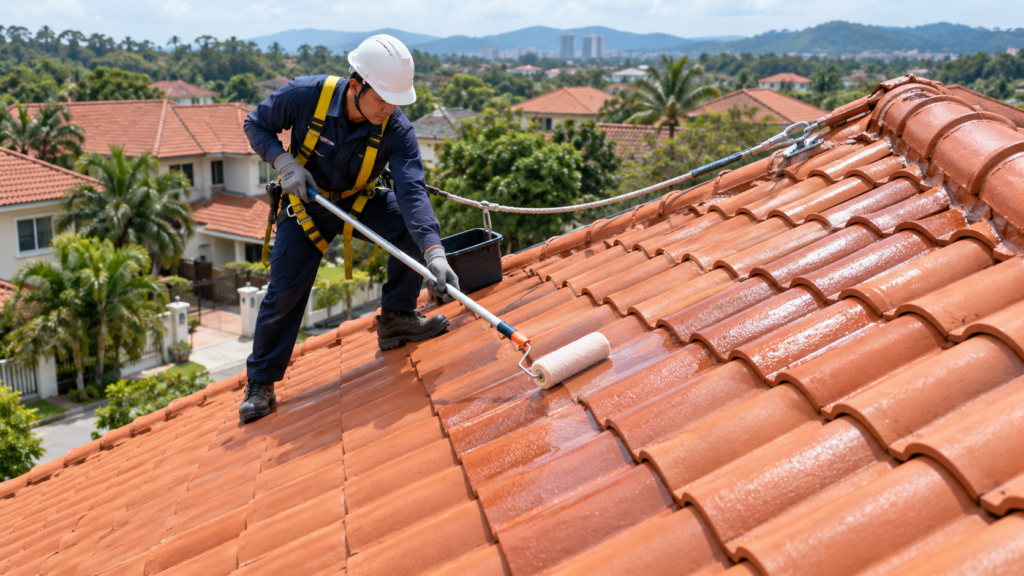
Roof leakage is one of the most expensive building maintenance issues in Malaysia. Water typically travels silently along structural slabs, insulation, and electrical conduits long before a stain appears on the ceiling.
COMMON SIGNS OF ROOF LEAKAGE
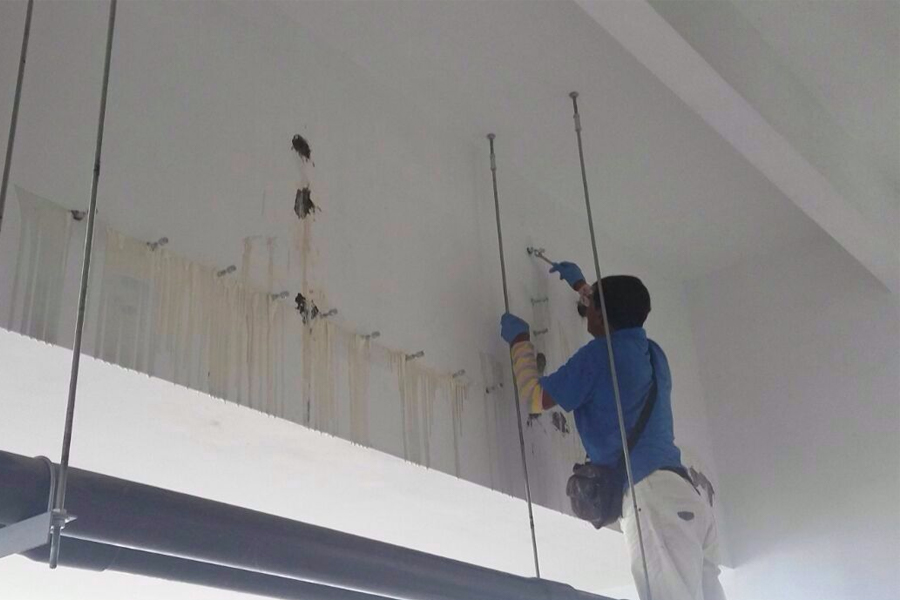
• Damp spots and brownish rings on plasterboard ceilings
• Frequent tripping of residual current circuit breakers (RCCB)
• Efflorescence (white salt residue) dripping from concrete soffits
• Blistering, cracking, or peeling of top-coat waterproofing membranes
Why Roof Waterproofing Systems Fail in Malaysia
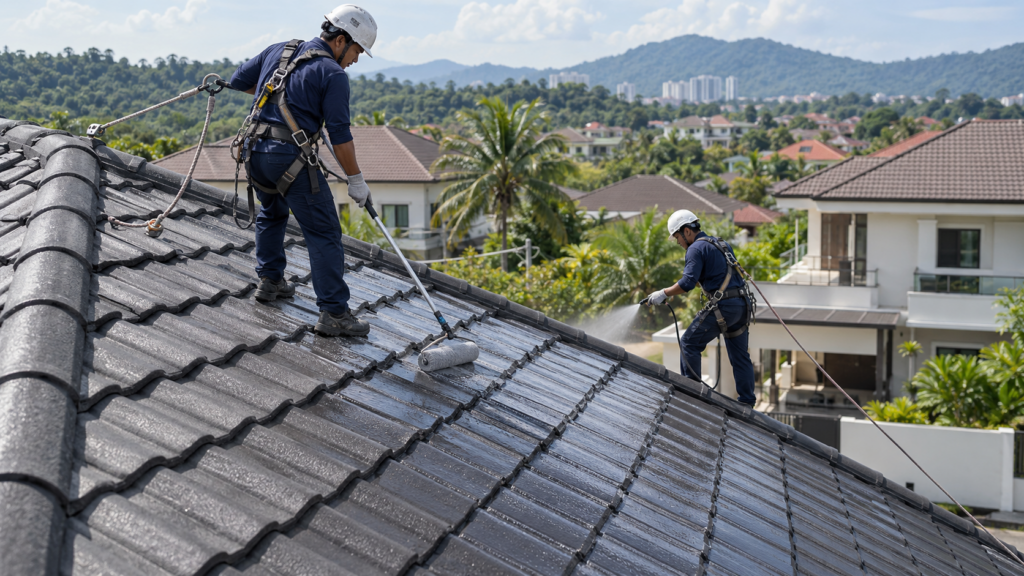
Thermal Shock & UV Degradation: Extreme daytime heat (30°C–35°C) followed by sudden monsoon downpours causes rapid expansion and contraction in concrete roof decks and metal roofing sheets. Over time, this thermal cycling breaks down low-grade elastomeric coatings.
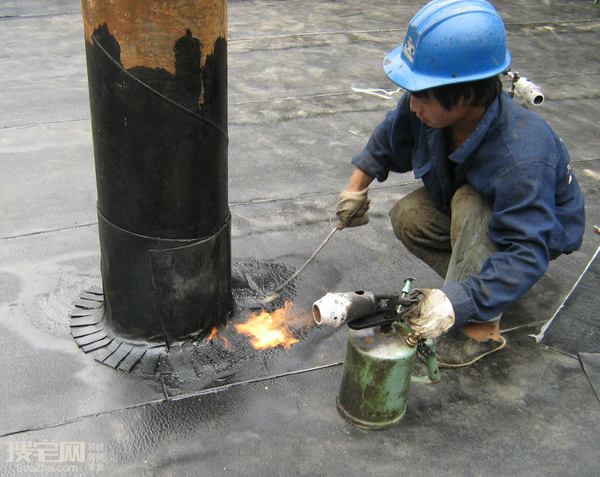
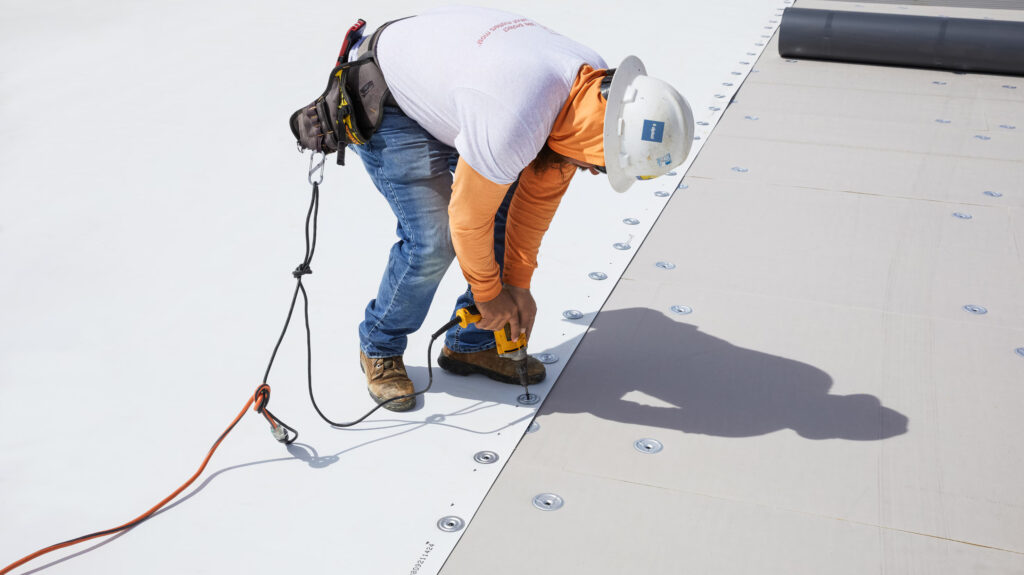
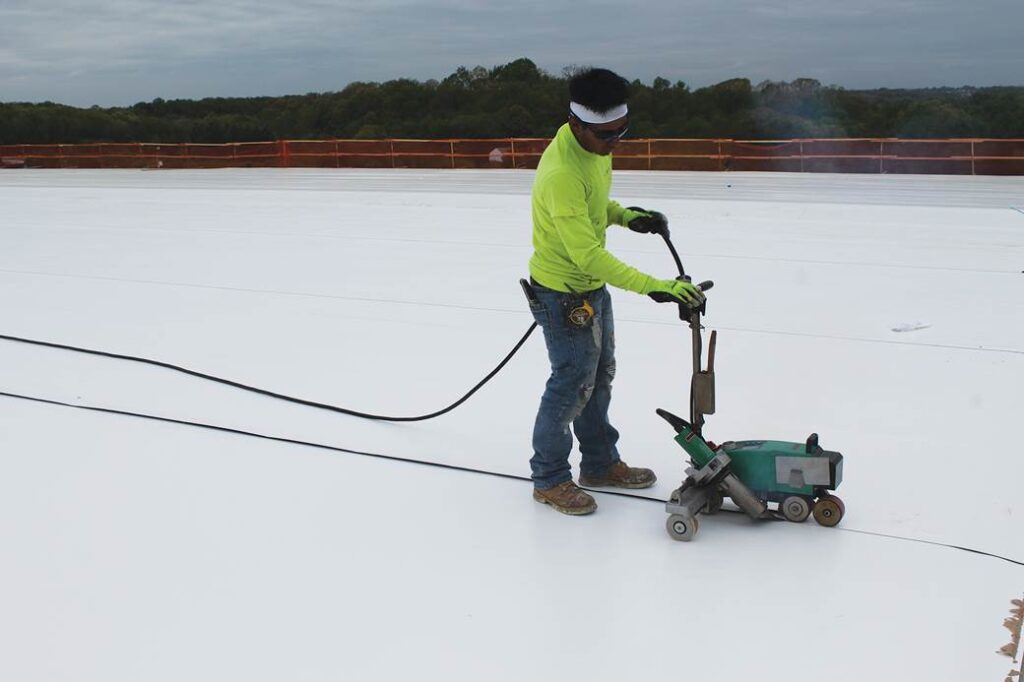
Ponding Water Pressure: Flat roofs with insufficient slope fall (less than 1:100) accumulate standing water. This continuous hydrostatic pressure forces water through micro-cracks, rusted metal roof fasteners, and failed membrane lap seams.
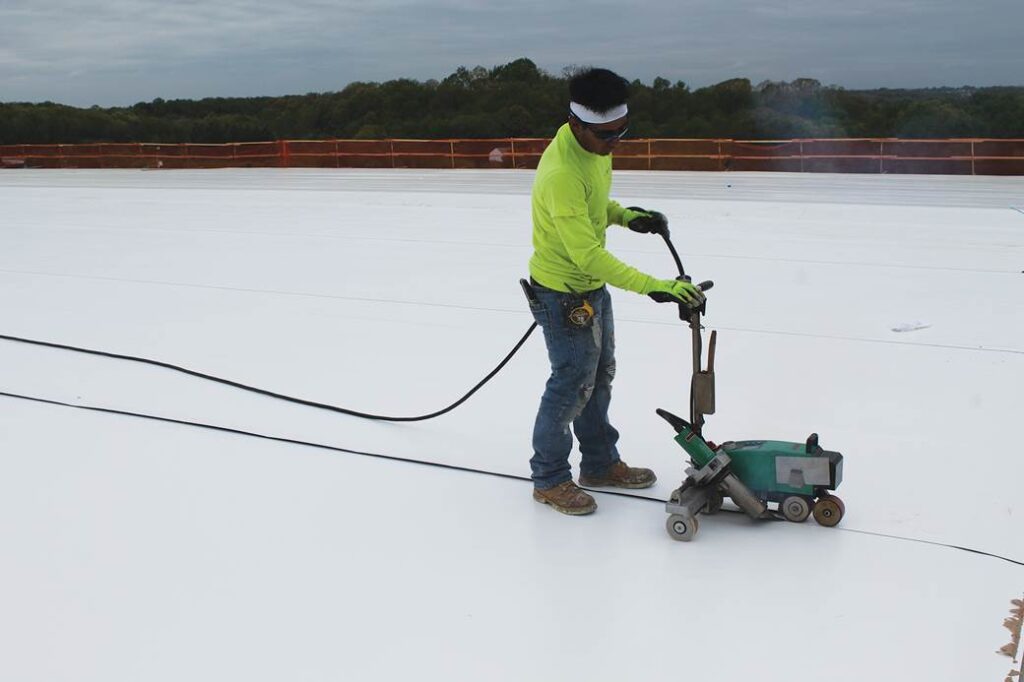
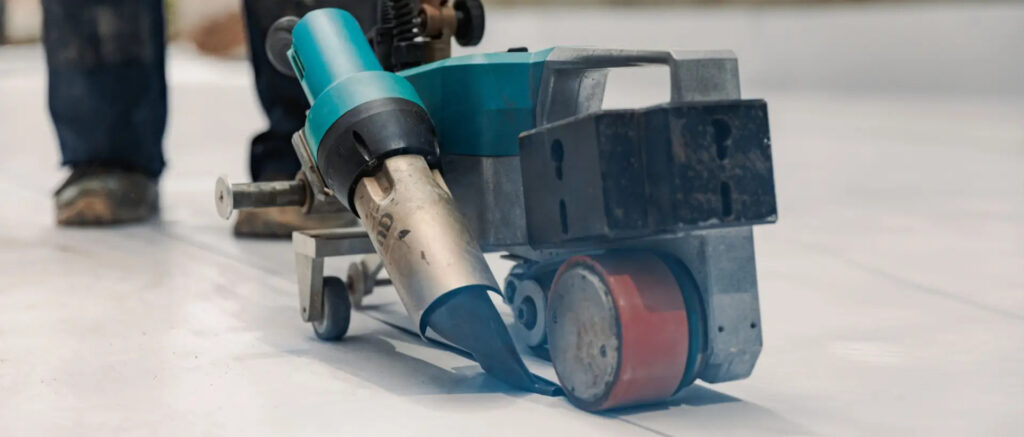
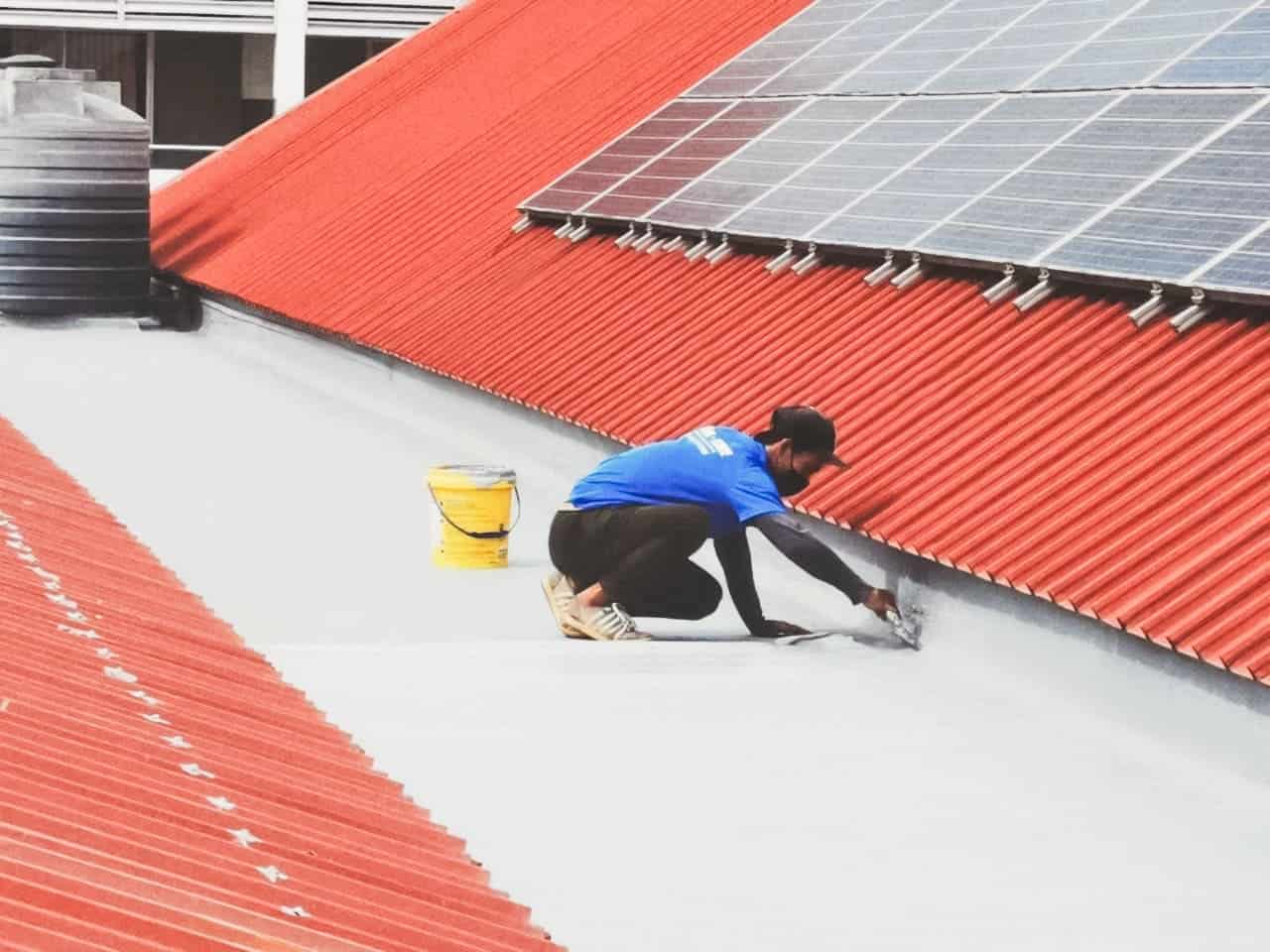
Technical Insight: Repainting an interior ceiling stain only masks the symptom. Professional inspection utilizes thermal imaging and moisture meters to trace water back to its true point of entry on the roof deck. High-performance liquid-applied membranes (such as QL-Roofing Waterproof Coating) or modified polymer systems provide UV stability and thermal flexibility required for long-term protection.
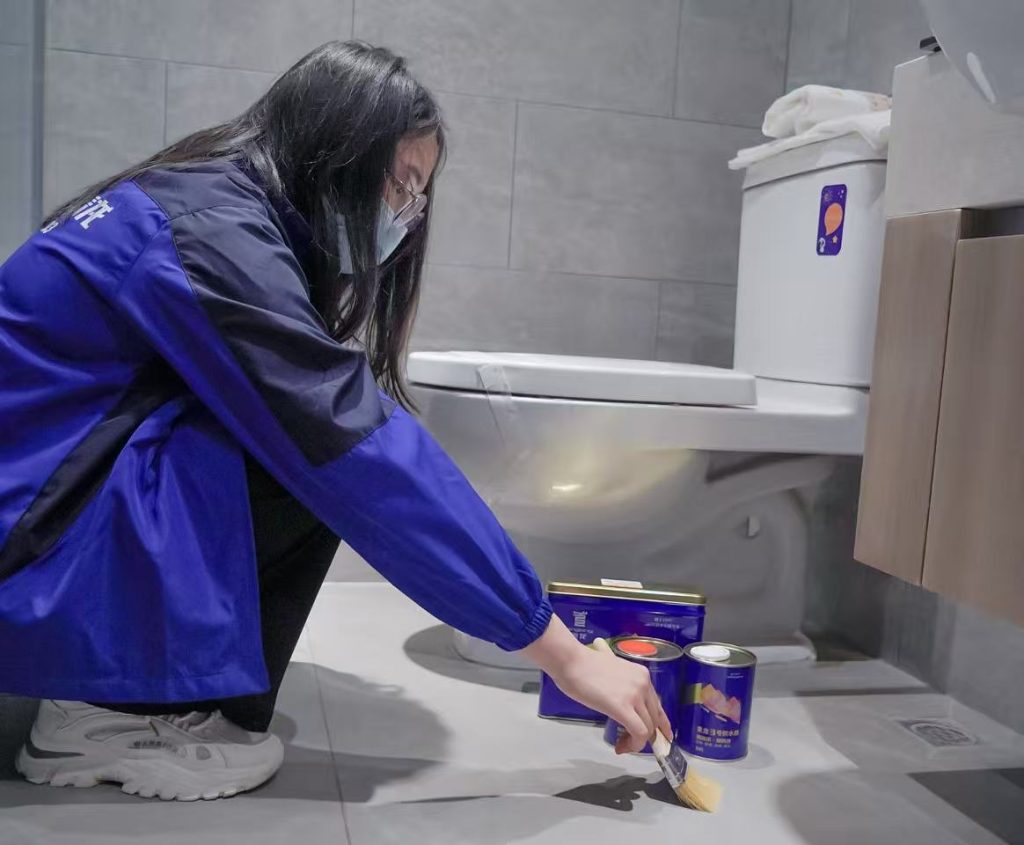
2. Bathroom Leaks: Stopping Inter-Floor Seepage
Bathroom leaks are financially drainive because daily water use drives continuous seepage into lower-floor units or adjoining wall structures. In high-rise apartments and multi-storey landed homes, inter-floor leakage is a primary source of legal disputes between neighbours.
Common warning signs include:
• Damp patches on the ceiling below
• Peeling or bubbling paint outside the bathroom
• Damp wall areas
• Loose or hollow tiles
• Moisture around pipe penetrations and floor traps
Why do bathrooms leak even when the tiles still look fine?
Tiles and grout are not the main waterproofing layer. The waterproofing system beneath the tiles plays a critical role in preventing water from reaching the substrate.
Leakage may occur when the waterproofing layer is poorly applied, insufficiently cured, damaged during subsequent work, or weak around corners, floor traps and pipe penetrations.
Once water enters beneath the tiles, it can spread through the screed or concrete before becoming visible elsewhere.
For this reason, simply resealing grout or applying a surface treatment may not solve every bathroom leakage problem. The source should first be checked to determine whether the issue comes from the floor area, wall-floor junctions, pipe penetrations, drainage connections, plumbing, or another source.
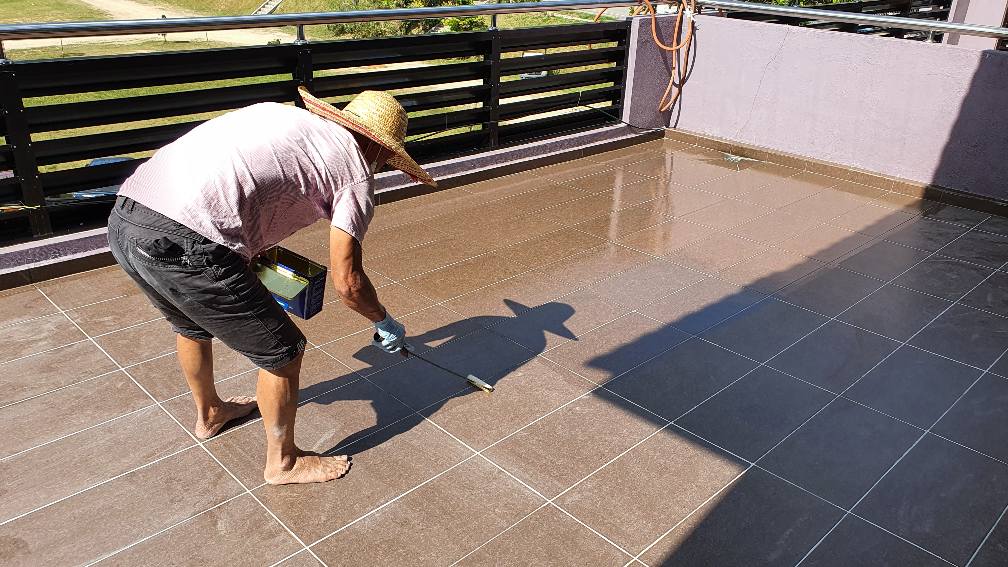
Balconies in Malaysian homes undergo extreme environmental stress: intense direct sunlight during the day, heavy rain in the afternoon, and continuous foot traffic.
How Balcony Water Paths Travel
Micro-cracks frequently open at critical junctions: wall-to-floor perimeters, tile edges, drainage outlets, and railing posts.
Because water follows the path of least resistance beneath the screed, a leak entering near a railing post can travel horizontally for several metres before dripping into a lower living room ceiling or external façade wall.
Balcony water paths are notoriously deceptive. Rain entering through cracked tile grout or railing bases trickles beneath the surface and travels horizontally along the bedding screed. Following the path of least resistance across the concrete slab, this hidden moisture can cause a ceiling stain in an adjacent room several metres away from the actual point of entry.
Key Inspection Checkpoints:
1. Drainage Slope: Verify a minimum 1:100 fall toward drainage outlets to eliminate standing water.
2. Perimeter Detailing: Ensure flexible polyurethane sealant joints are installed along all wall-floor junctions to absorb building movement.
3. Tile Integrity: Check for hollow or debonded tiles that create subterranean water pockets.

External wall seepage is widespread across apartments, shop offices, and industrial facilities in Malaysia. It manifests internally as bubbling paint, powdery efflorescence, and black mould growth near window frames.
Capillary Action & Hydrostatic Movement
Wind-driven monsoon rain forces water into hairline cracks, porous plaster, and degraded window perimeter sealants. Once trapped inside the masonry, moisture migrates inward via capillary action. This moisture transfer accelerates when indoor air conditioning creates a temperature and vapor pressure differential between the inner and outer wall faces.
EXTERNAL WALL SEEPAGE REPAIR PROTOCOL
Step 1: Clean façade surface & inspect window perimeter PU sealants
Step 2: Bridge hairline plaster cracks with flexible elastomeric filler
Step 3: Apply breathable hydrophobic sealer or elastomeric wall coating
A lasting repair requires UV-resistant elastomeric wall coatings (or breathable hydrophobic sealers like QL-Silicone Base Transparent Water Repellent) that stop external water entry while allowing internal moisture vapour to escape safely.

5. Basement & Car Park Seepage: Managing Hydrostatic Pressure
Underground leaks in basement car parks and retaining structures are among the most complex to resolve because they are driven by active hydrostatic soil pressure.
After heavy downpours, saturated soil exerts massive pressure against external basement walls, pushing water through cold construction joints, honeycombed concrete, and pipe penetration sleeves.
Technical Repair Solutions
Treating basement leaks requires pressure-rated waterproofing systems:
High-Pressure Hydrophilic PU Injection: Injected directly into active cracks, expanding up to 20 times its volume to form a tough rubberized seal inside the concrete core.
Negative-Side Crystalline Waterproofing: Applied to the internal face of concrete (e.g., QL-K11 Waterproof Slurry), where active chemicals react with moisture and un-hydrated cement particles to form insoluble crystals inside concrete pores.
Conclusion
Minor defects like cracked joints, worn coatings, or blocked drains quickly turn into expensive structural repairs under Malaysia’s intense sun and heavy downpours. Effective waterproofing requires matching the right solution to the specific exposure—whether it is a UV-exposed roof, a daily-use bathroom, or a pressurized basement wall.
Proper diagnosis is essential before choosing a repair method. Treating visible stains without fixing the true water path only leads to recurring damage.
As a comprehensive waterproofing manufacturer, supplier, and solutions specialist, QingLong Waterproofing provides technical diagnosis, factory-grade materials, and application support tailored to local conditions. Arrange a professional site inspection and consultation with QingLong Waterproofing today.
Frequently Asked Questions (FAQs)
1. What are the most common costly leaks in Malaysia buildings?
The five most frequent and expensive leaks are roof membrane failures, bathroom inter-floor seepage, balcony joint leaks, external wall wind-driven dampness, and basement car park hydrostatic seepage.
2. Why do cheap waterproofing repairs fail after a short time?
Quick fixes usually address visible interior stains rather than identifying the true external water entry point. Without proper surface preparation, crack detailing, and slope correction, water continues to penetrate the building envelope.
3. When should I engage a certified waterproofing specialist?
You should arrange a professional site assessment as soon as you notice recurring dampness, flaking paint, rust stains near electrical points, active water dripping after rain, or persistent mould smells.
4. Can one waterproofing coating solve every type of leak?
No. Roofs need flexible, UV-resistant membranes; bathrooms require flexible under-tile coatings or PU injection; walls require breathable elastomeric finishes; and basements demand high-pressure waterproofing capable of resisting negative hydrostatic pressure.