Waterproofing is one of the most important parts of any construction project, yet it is often overlooked until water leakage problems appear. In Malaysia, buildings are exposed to heavy rainfall, high humidity, strong sunlight, and changing weather conditions throughout the year. Without a proper waterproofing system, water intrusion can gradually damage building structures, reduce durability, and increase maintenance costs.
Whether it is a residential property, commercial building, factory, warehouse, or infrastructure project, selecting the right waterproofing solution is essential to protect the building and ensure long-term performance.
At QingLong Waterproofing Malaysia, we provide professional waterproofing solutions designed for Malaysia’s climate, helping property owners, contractors, and developers prevent leakage problems with reliable waterproofing systems.
Why Is Waterproofing Important for Buildings?
Waterproofing is not only about preventing water from entering the interior of a building. It is a critical protection system that safeguards the entire structure from long-term water damage, helping maintain durability, safety, and building performance.
In Malaysia’s tropical climate, where heavy rainfall, high humidity, and weather exposure are common, buildings without proper waterproofing protection are more vulnerable to various problems that may lead to costly repairs and reduced service life.
Leakage Problems
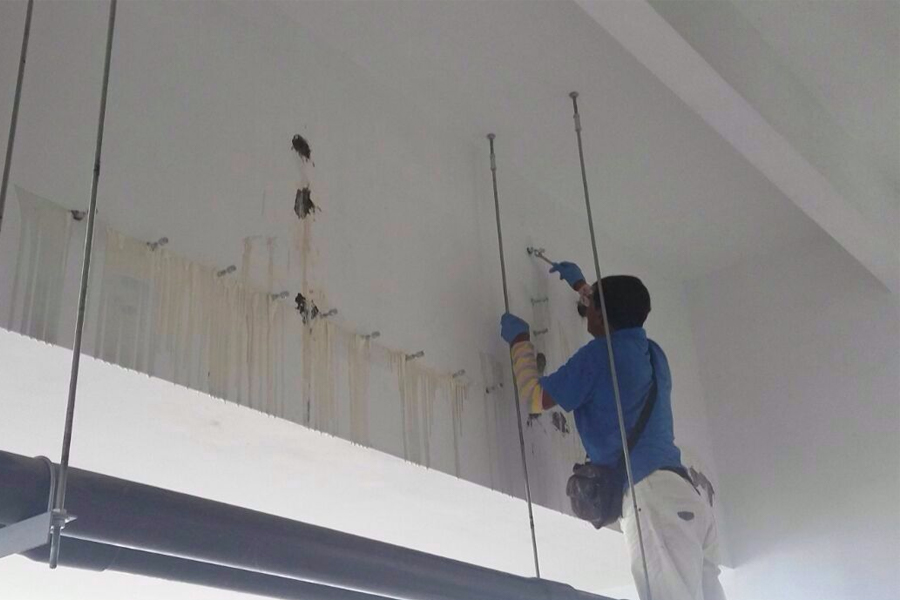
Water seepage through cracks, construction joints, damaged waterproofing layers, or weak points within a building structure can gradually develop into serious leakage issues. Over time, continuous water exposure may cause peeling paint, damaged interior finishes, mold growth, and deterioration of furniture, equipment, and building assets.
For industrial and commercial buildings, uncontrolled leakage can also disrupt daily operations and affect the safety of valuable equipment and materials.
Structural Damage
Water infiltration can penetrate building components and weaken the structural integrity of a property over time. Continuous exposure to moisture may lead to concrete deterioration, reinforcement corrosion, and reduced durability of the structure.
5 Common Types of Waterproofing Systems Used in Malaysia
Different buildings require different waterproofing approaches. The correct solution depends on the application area, environmental exposure, and expected durability.
1. Cementitious Waterproofing System
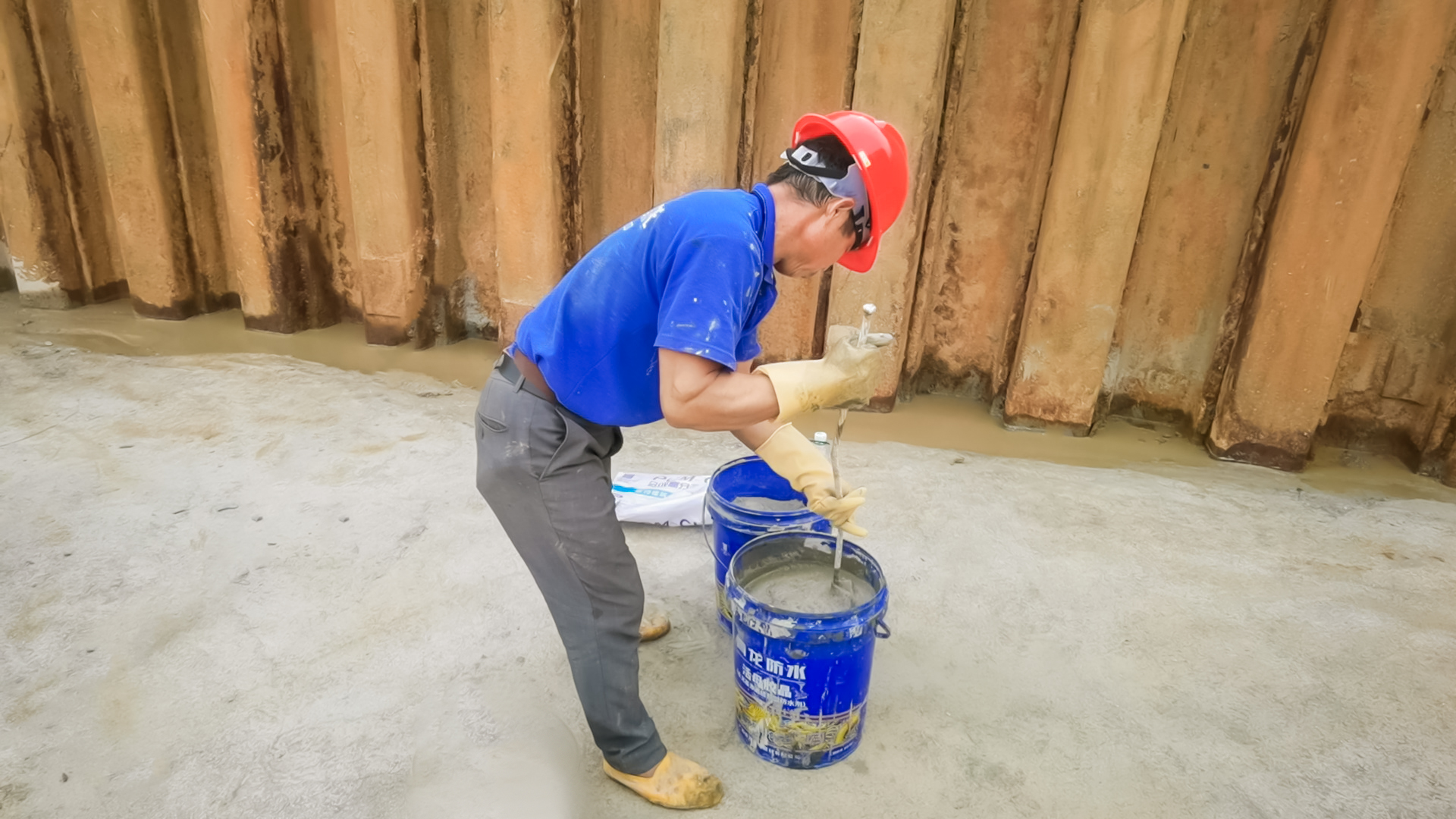
Cementitious waterproofing is one of the most commonly used waterproofing methods in construction. It uses cement-based materials combined with waterproof additives to create a protective coating layer that prevents water penetration. Due to its strong bonding ability with concrete surfaces, this system is widely applied in areas with regular water exposure, including wet areas, water tanks, swimming pools, and basements.
• Advantages: cost-effectiveness, easy application process, and suitability for both internal and external applications.
• Limitations: Lower flexibility compared with membrane systems.
2. Liquid Waterproofing Membrane
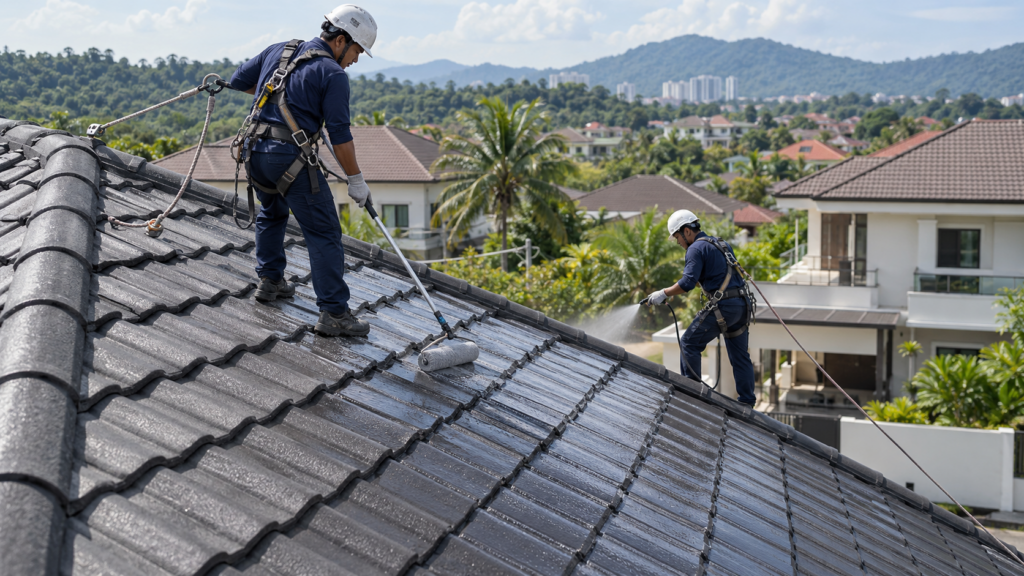
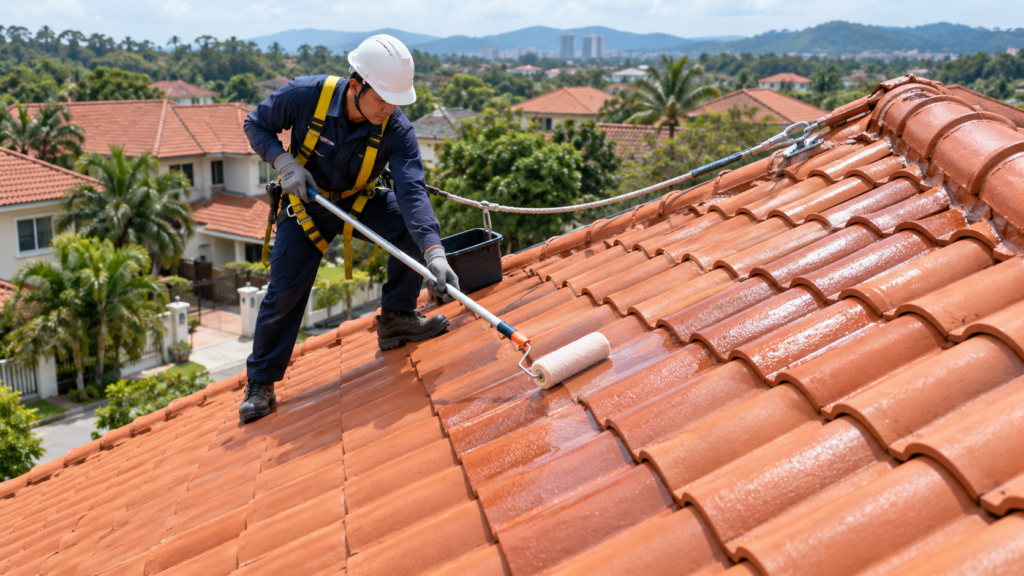
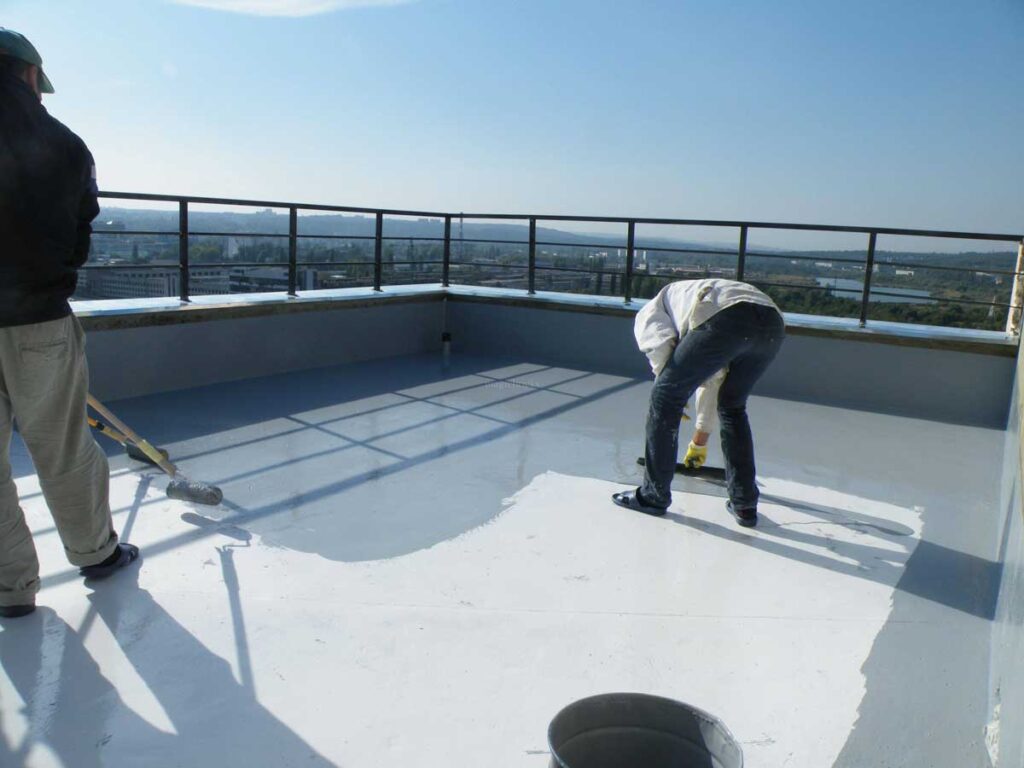
Liquid waterproofing membrane is a coating-based waterproofing solution that forms a seamless protective layer after curing. Unlike traditional sheet membranes, liquid systems can easily cover complex areas such as corners, joints, and irregular surfaces, providing continuous protection against water penetration. It is commonly used for flat roofs, concrete roof slabs, balconies, and other exposed areas that require flexible waterproof protection.
• Advantages: Seamless waterproof protection, excellent adhesion to different substrates, suitable for complex structures, and reduces leakage risks caused by joints or gaps.
• Limitations: Requires experienced application to achieve the desired results. Proper surface preparation, including cleaning, repairing cracks, and ensuring good substrate conditions, is essential to maximize the durability and effectiveness of the waterproofing system.
3. Torch-On Membrane
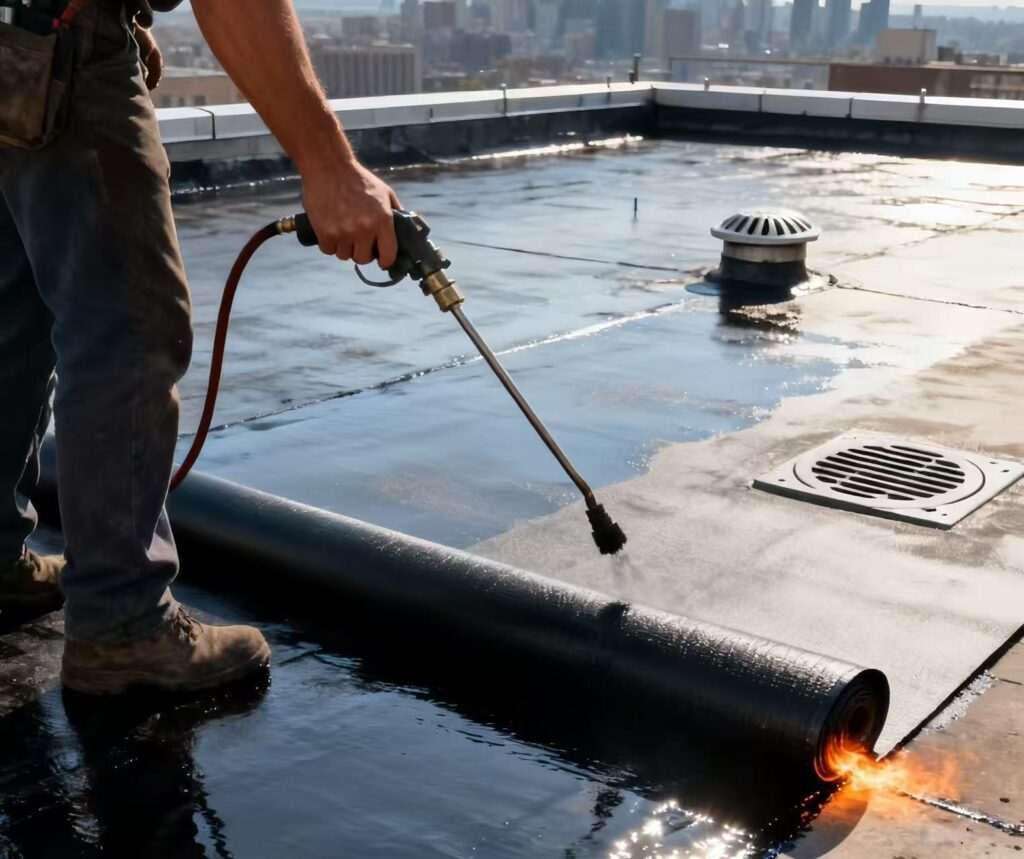
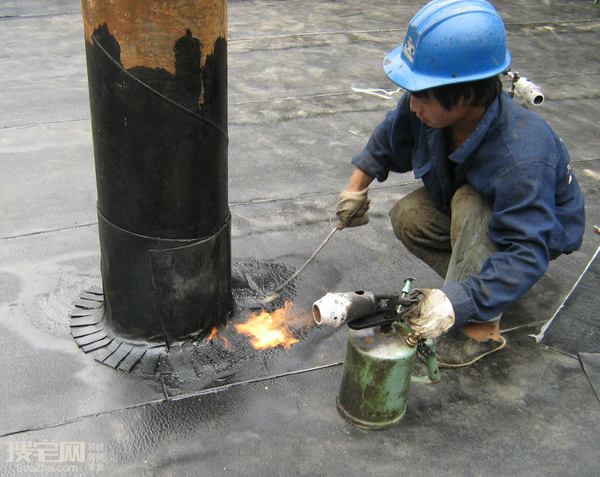
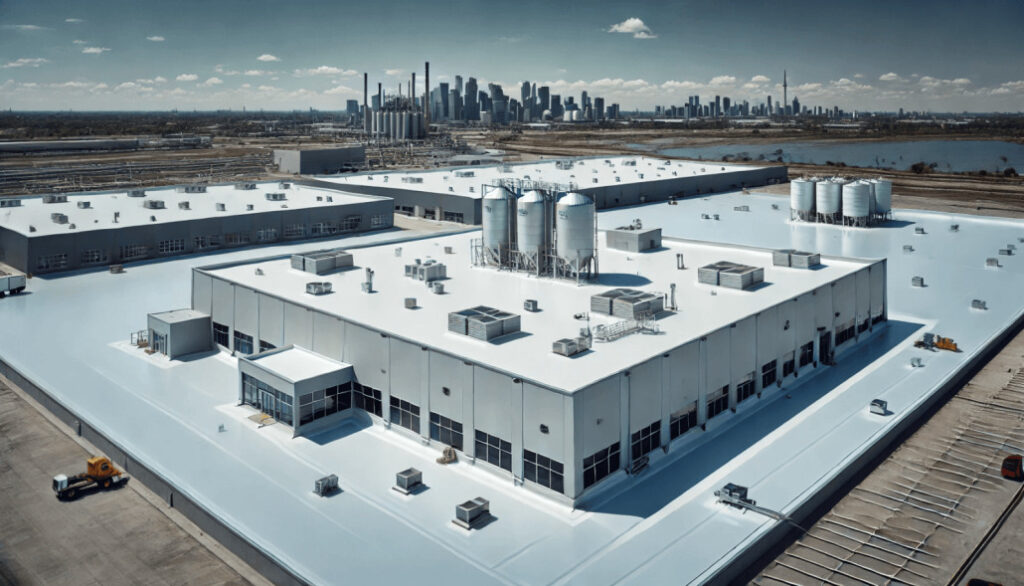
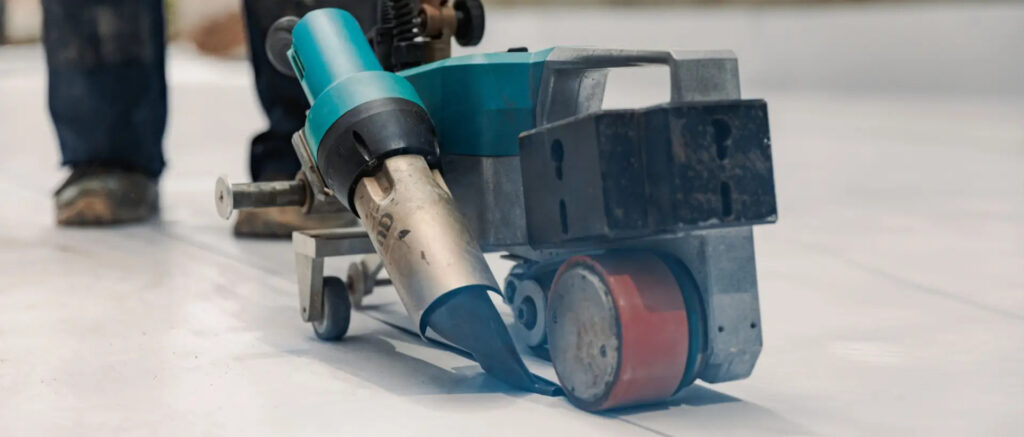
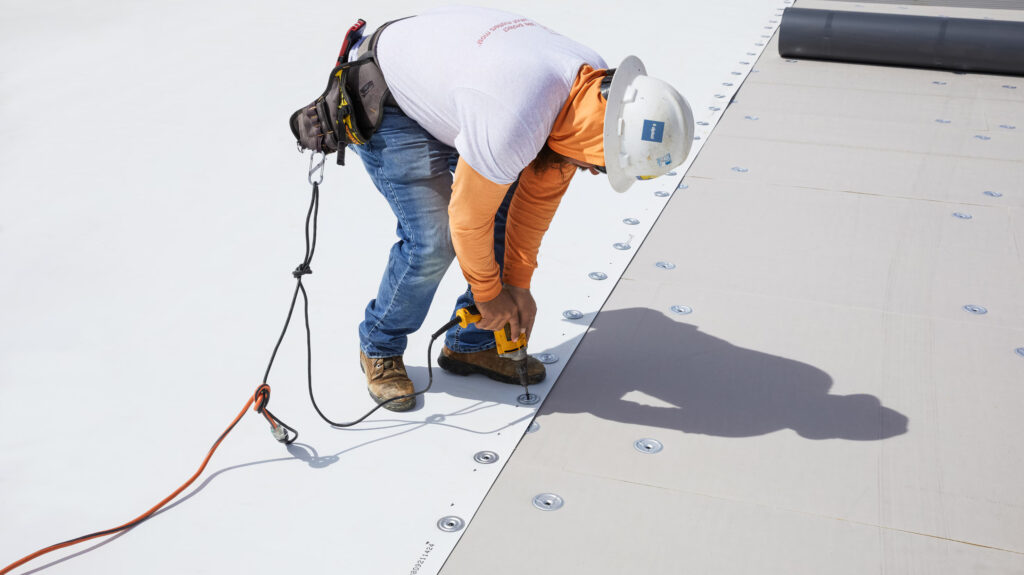
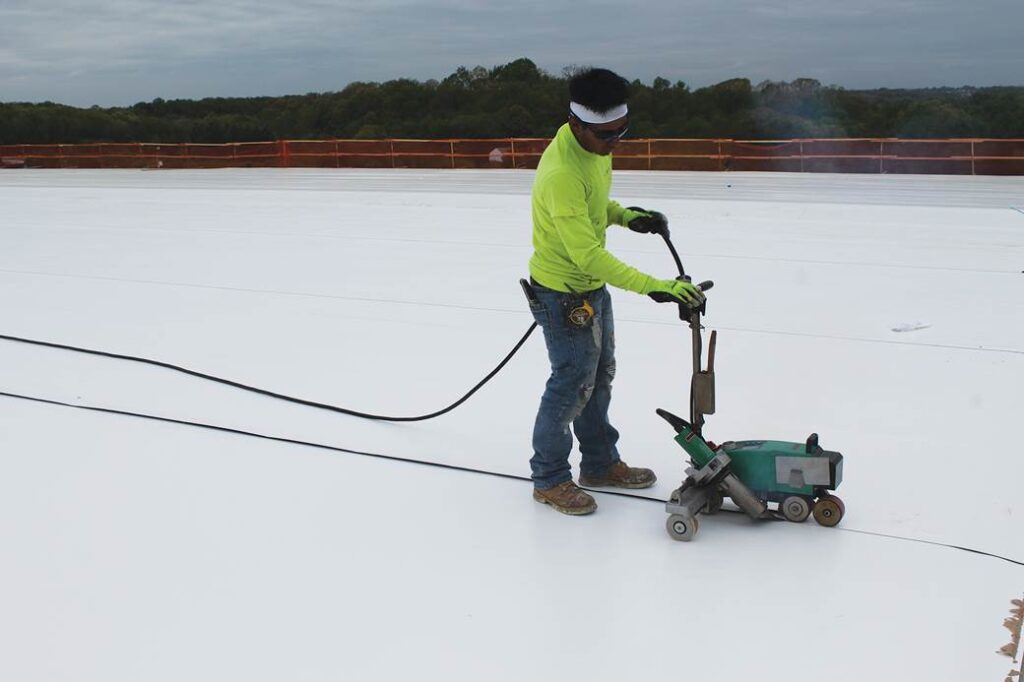
Torch-on waterproofing membrane is one of the most widely used waterproofing solutions for industrial and commercial buildings in Malaysia. This system uses modified bitumen membrane sheets that are installed through controlled heat application, creating a strong and durable waterproof barrier that protects structures from water penetration and harsh weather conditions. It is commonly applied on factory roofs, warehouse roofs, commercial buildings, concrete roof decks, and large-scale construction projects where reliable waterproof protection is required.
• Advantages: Strong waterproof performance, suitability for large roof areas, excellent resistance against weather exposure, and long service durability.
• Limitations: Requires skilled installers, Incorrect installation may reduce performance
4. Polyurethane (PU) Waterproofing System
Polyurethane (PU) waterproofing is a high-performance liquid membrane system known for its excellent flexibility and durability. Once applied and cured, it forms a seamless, elastic waterproof layer that can accommodate structural movement and temperature fluctuations. This makes it an ideal solution for roof decks, balconies, parking areas, and exposed concrete surfaces where flexibility is essential for long-term waterproofing performance.
• Advantages: High elasticity, excellent crack-bridging capability, strong UV resistance, and suitability for exposed applications.
• Limitations: Higher cost compared with basic waterproofing methods, requires professional installation
5. HDPE Waterproofing Membrane System
HDPE (High-Density Polyethylene) waterproofing membrane is a heavy-duty waterproofing system designed for underground structures and demanding construction environments. Unlike liquid coatings, HDPE membranes form a durable physical barrier that effectively prevents water penetration and withstands high hydrostatic pressure. It is commonly used for basement waterproofing, foundation walls, underground structures, and large-scale infrastructure projects where long-term waterproofing performance is critical.
• Advantages: Excellent water resistance, high mechanical strength, outstanding chemical resistance, and long-term durability
• Limitations: Requires experienced installation teams, proper detailing is required around joints and penetrations
Choosing the right waterproofing system is essential because every building has unique structural requirements, environmental conditions, and performance expectations. Selecting the most suitable waterproofing method involves more than comparing materials—it requires evaluating how the system will perform throughout the building’s lifespan.
Before deciding on a waterproofing solution for your construction project, consider the following key factors:
Building Location & Climate
Malaysia’s tropical climate, with heavy rainfall, high humidity, and strong UV exposure, requires waterproofing systems that can withstand harsh weather conditions.
Application Area
Different parts of a building, such as roofs, basements, bathrooms, balconies, and external walls, require different waterproofing solutions based on their level of water exposure.
Structural Movement
Buildings naturally expand, contract, and settle over time. Areas prone to movement may require more flexible waterproofing systems, such as polyurethane or liquid-applied membranes.
Durability & Maintenance
Consider the expected lifespan of the waterproofing system, future maintenance requirements, and long-term repair costs instead of focusing only on the initial installation cost.
Budget & Project Requirements
The most suitable waterproofing system should provide the best balance between performance, durability, and overall project budget while meeting the building’s intended use.
Effective waterproofing is essential for protecting buildings from water damage and ensuring their long-term durability. By understanding the different types of waterproofing methods available and considering key factors such as location, usage, and budget, builders and developers can make informed decisions to safeguard their investments.
With over 30 years of industry experience, QingLong is a trusted waterproofing manufacturer, supplier, and solutions provider, offering factory-direct waterproofing materials and comprehensive waterproofing systems for residential, commercial, industrial, and infrastructure projects throughout Malaysia.
From roof waterproofing and basement protection to concrete waterproofing, waterproofing repair, and industrial waterproofing systems, QingLong is committed to delivering reliable, high-performance solutions designed to withstand Malaysia’s tropical climate and meet the demands of modern construction.
Whether you are planning a new development, upgrading an existing building, or solving persistent water leakage issues, choosing the right waterproofing partner is just as important as selecting the right waterproofing material. With proven products, technical expertise, and complete system solutions, QingLong helps protect your investment and keep your buildings leak-free for years to come.
Frequently Asked Questions (FAQ)
1. How long does waterproofing last?
The lifespan of a waterproofing system depends on several factors, including the type of waterproofing material, application quality, environmental conditions, and ongoing maintenance. When the appropriate waterproofing system is professionally installed and maintained, it can provide reliable protection for many years. Regular inspections and timely maintenance can also help extend the lifespan of the waterproofing system.
2. How much does waterproofing cost in Malaysia?
The cost of waterproofing varies depending on factors such as the size of the project, the application area, the waterproofing system selected, surface conditions, and installation requirements. Since every project has unique requirements, it is recommended to arrange a site inspection and obtain a professional assessment before selecting the most suitable waterproofing solution.
3. Is waterproofing necessary for every building?
Yes. Whether it is a residential home, commercial building, factory, warehouse, or infrastructure project, waterproofing is an essential part of protecting the building from water damage. The type of waterproofing system required may differ based on the building’s design, location, usage, and exposure to water, making professional evaluation important before installation.
4. Can waterproofing be applied to existing buildings?
Yes. Waterproofing systems can be installed on both new construction projects and existing buildings. For existing structures with leakage issues, the root cause should first be identified before selecting the appropriate repair method. Depending on the condition of the building, additional crack repairs, surface preparation, or waterproofing restoration may be required to achieve long-term protection.
5. Can I waterproof my building myself, or should I hire a professional?
While DIY waterproofing products are suitable for minor repairs and small residential applications, larger or more complex projects are best handled by experienced waterproofing professionals. Proper surface preparation, correct material selection, and professional application techniques are essential to ensure long-lasting performance and prevent recurring leakage problems.