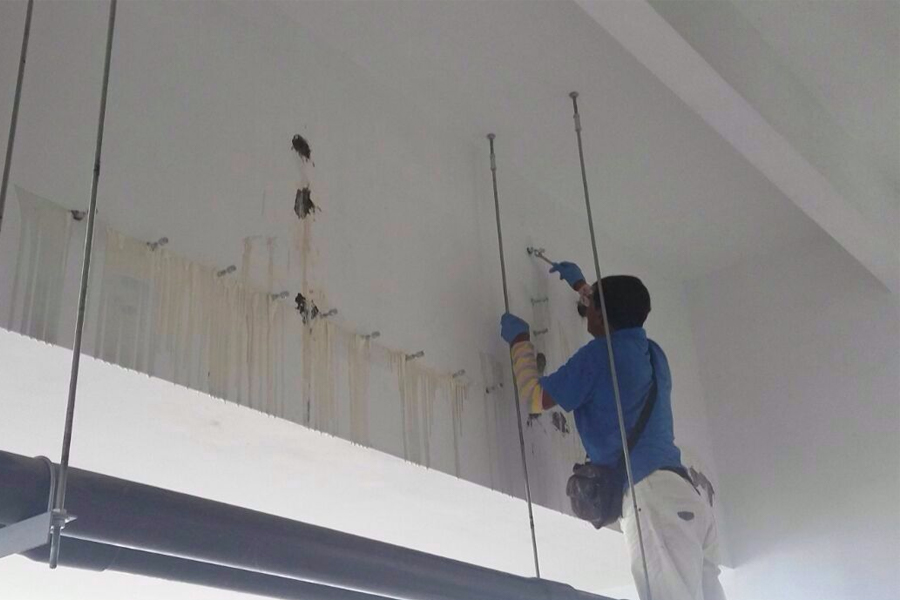
Malaysia’s tropical climate exposes roofs to heavy rainfall, intense UV rays, high humidity, and constant temperature changes throughout the year. Without the right waterproofing system, small defects can quickly develop into roof leaks, ceiling stains, mould growth, and costly structural repairs.
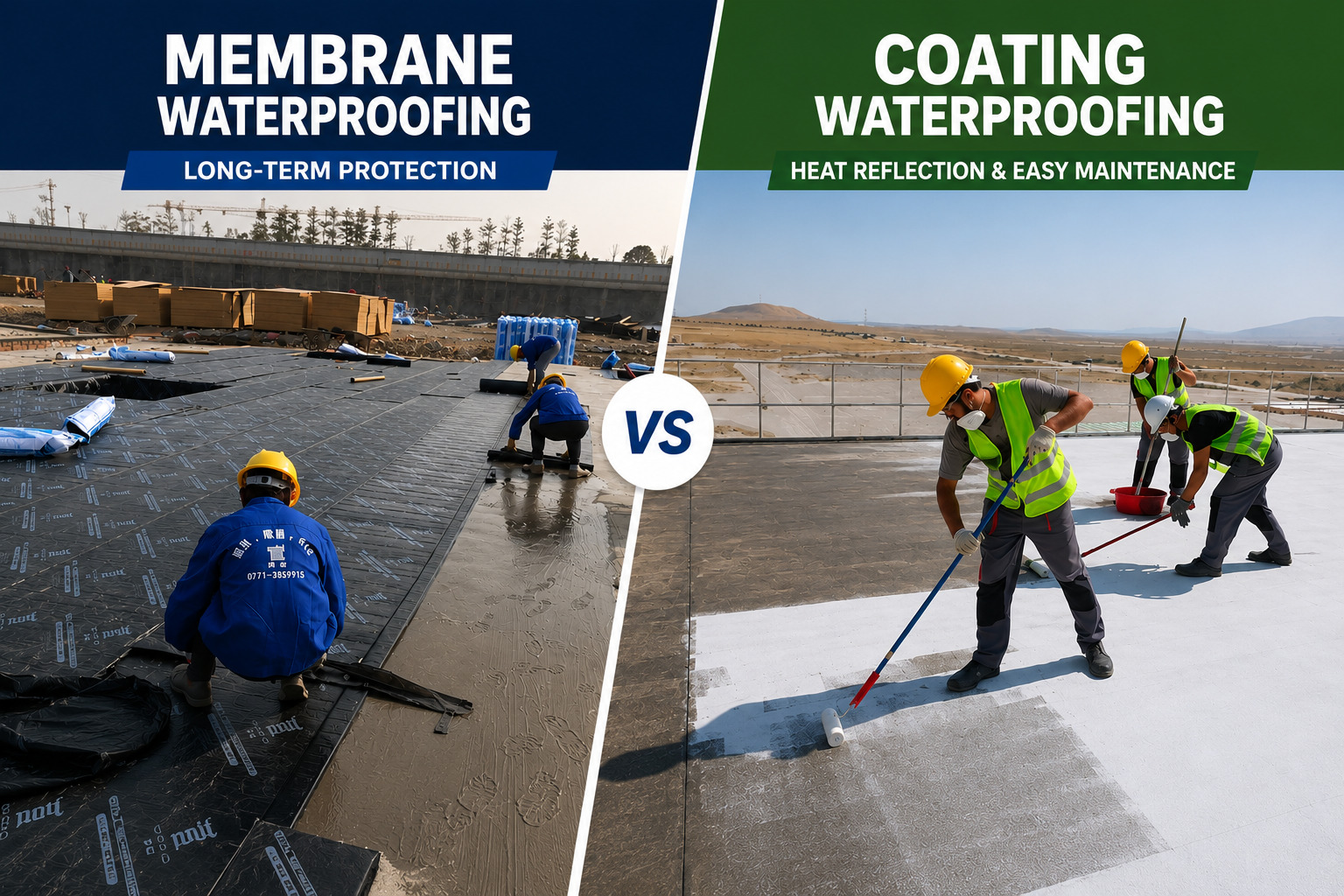
When selecting a roof waterproofing solution, property owners often compare membrane waterproofing and coating waterproofing. Both systems are widely used, but they serve different purposes depending on the roof condition, project type, and expected service life.
This guide explains the differences between both systems and helps you choose the most suitable waterproofing solution for your property.
Membrane Waterproofing
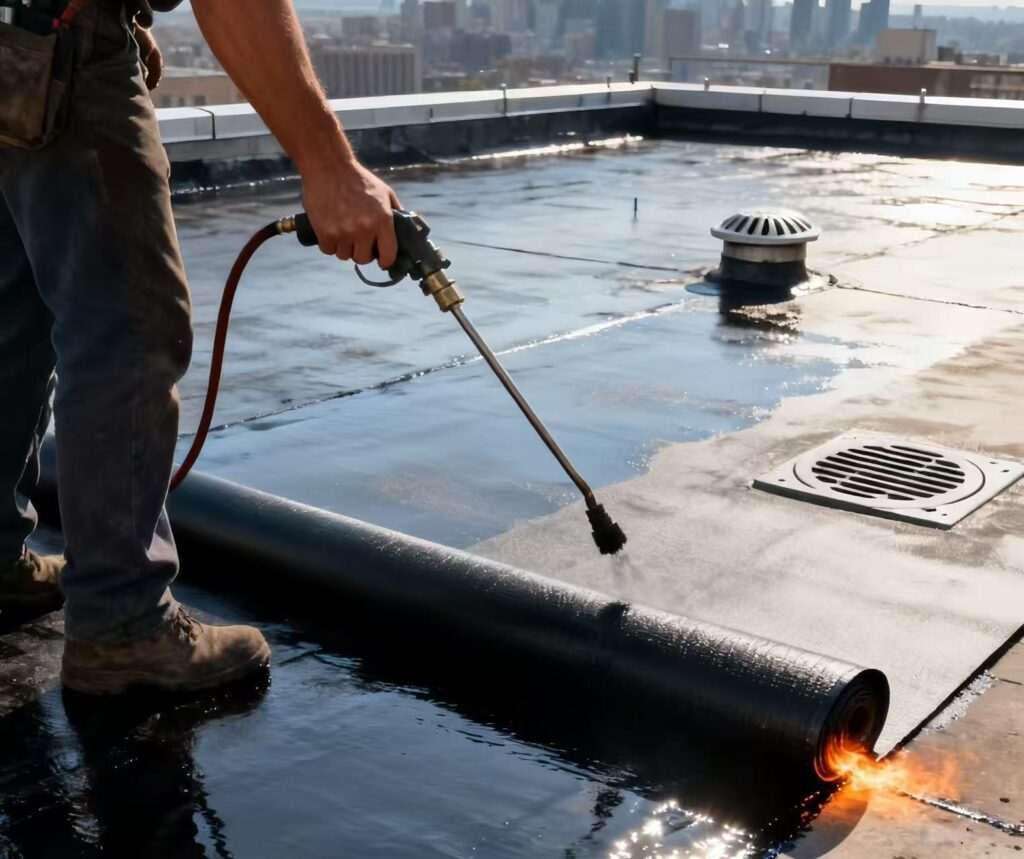
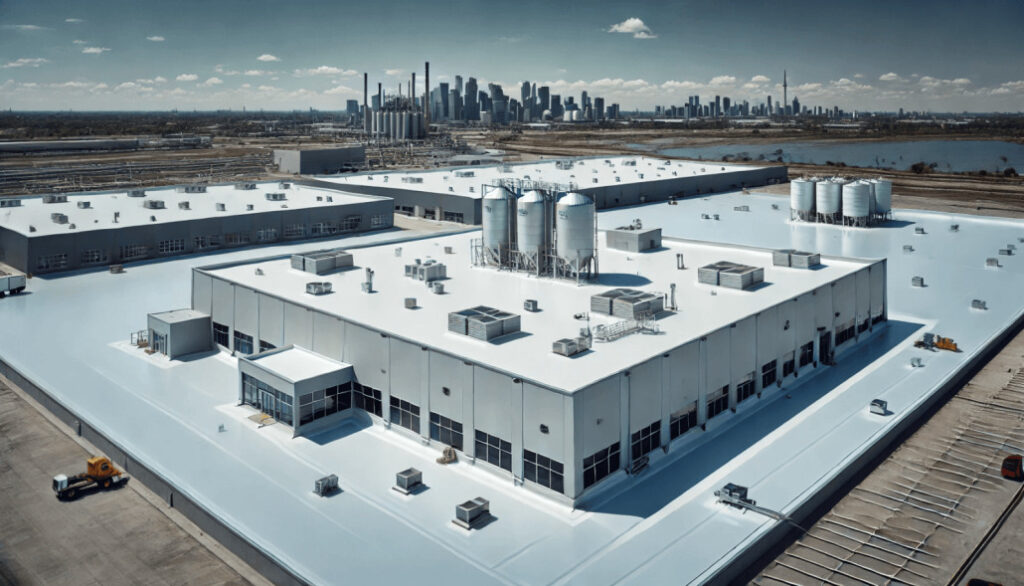
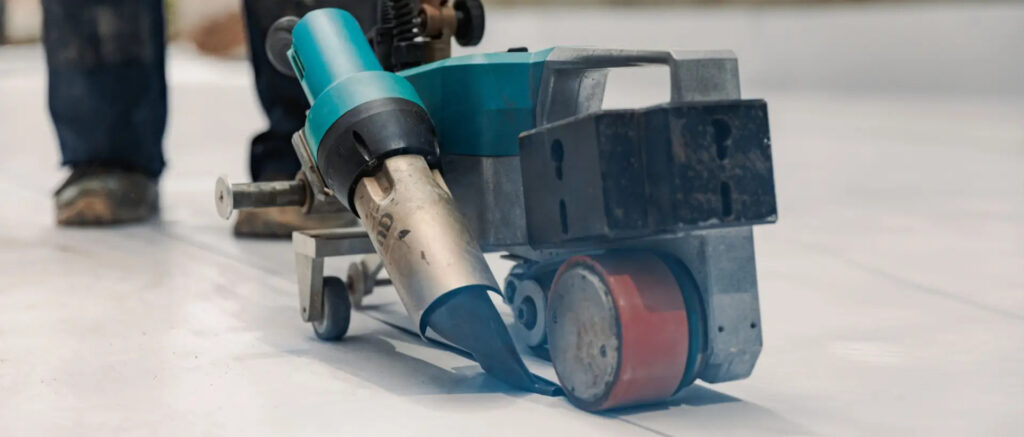
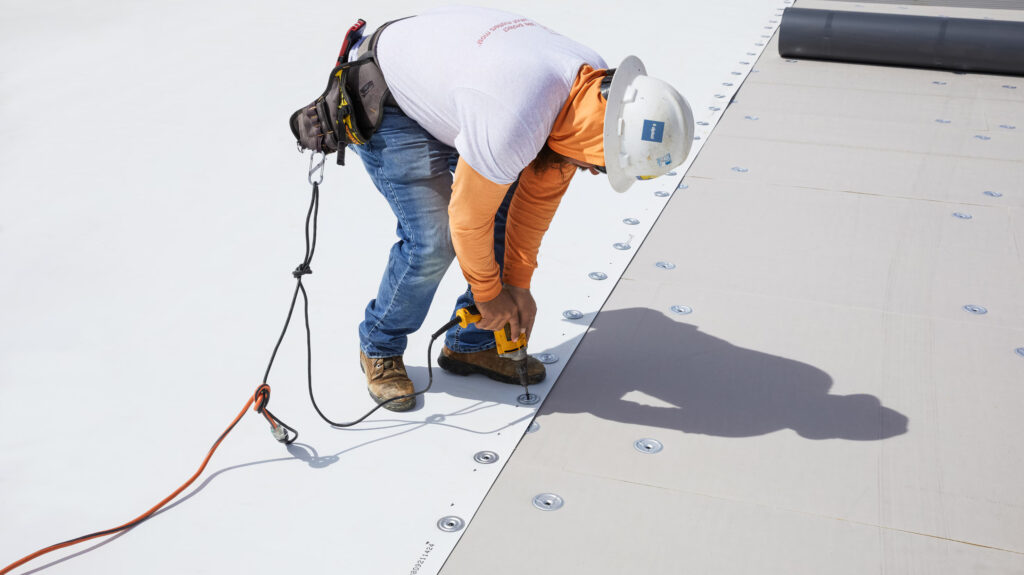
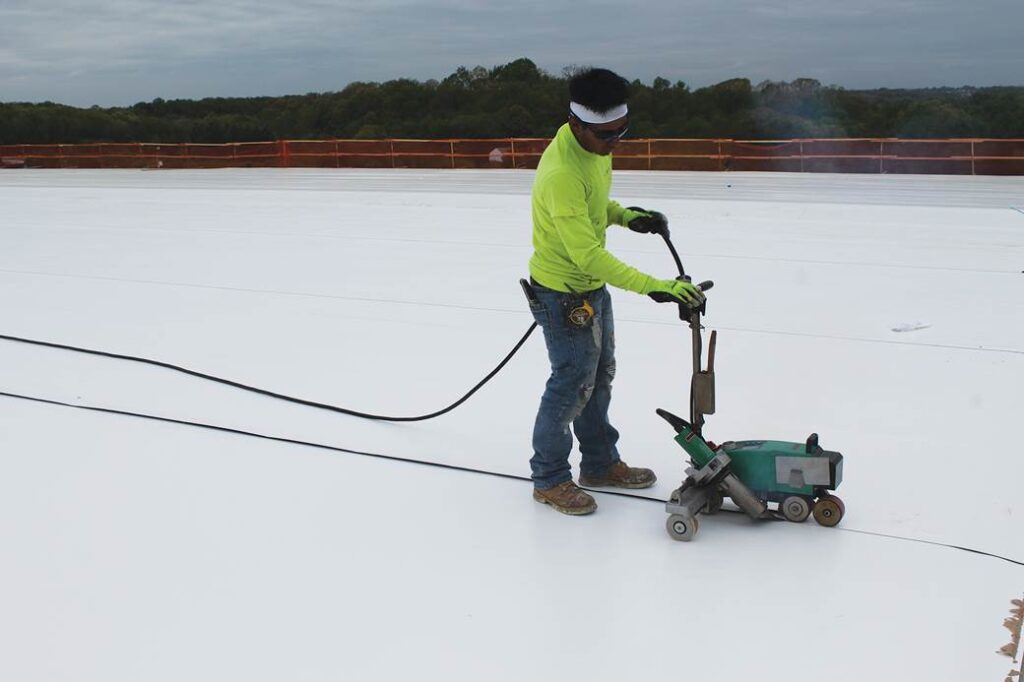
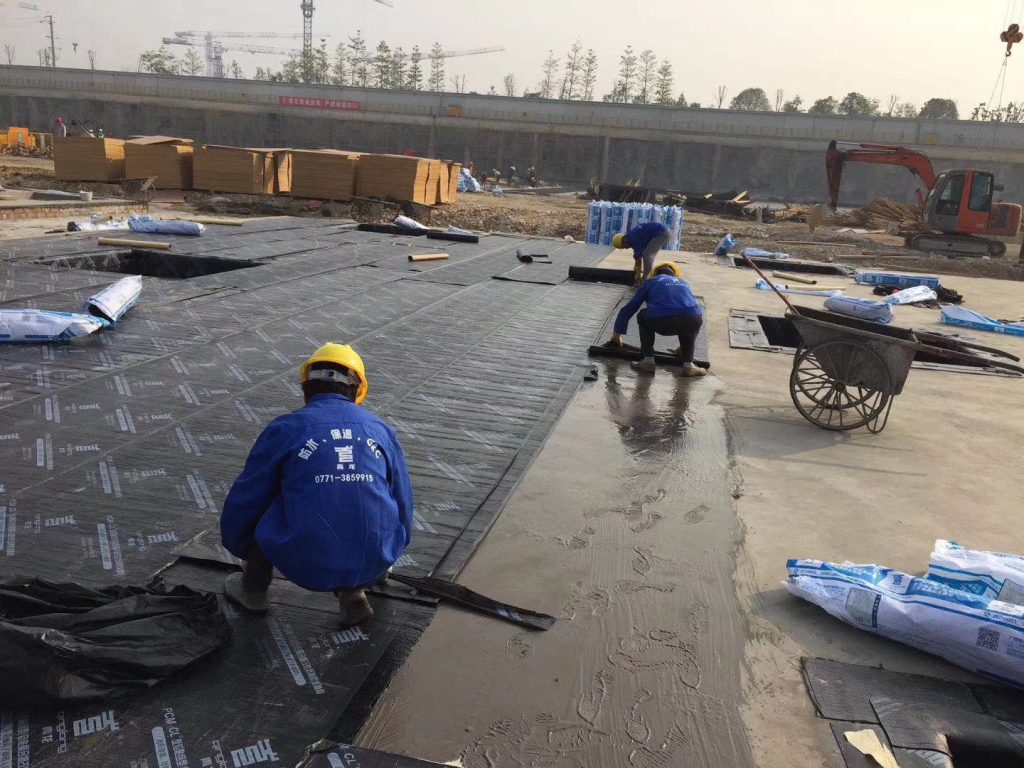
Membrane waterproofing creates a continuous physical barrier that prevents water from penetrating the roof structure. It is commonly specified for new construction, major roof refurbishment, and projects requiring long-term protection.
Common membrane systems include:
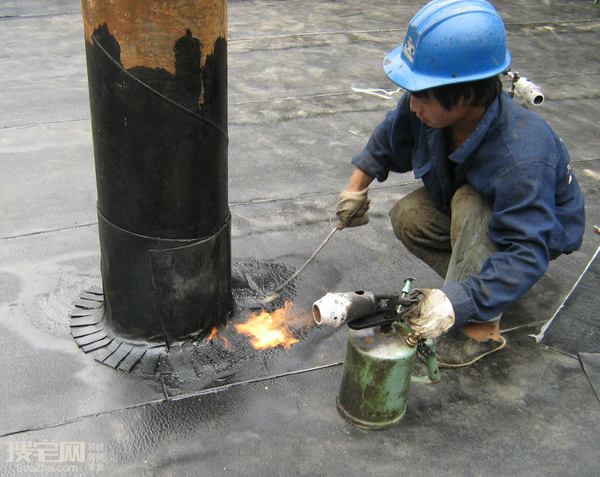
Torch-applied bituminous membrane
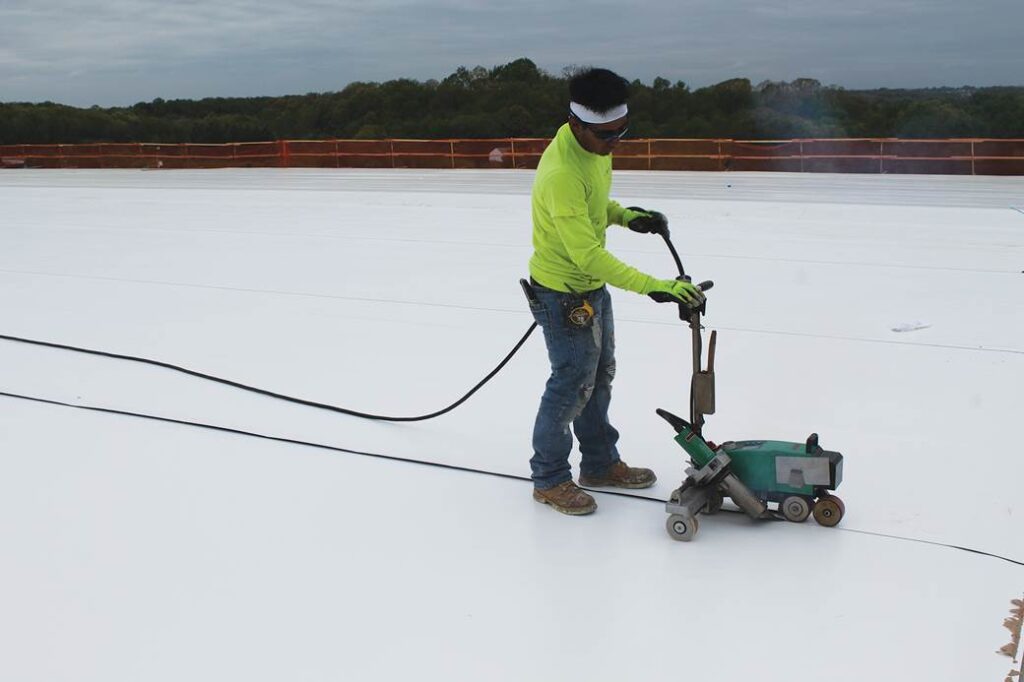
Self-adhesive membrane
Liquid-applied membrane
Advantages:
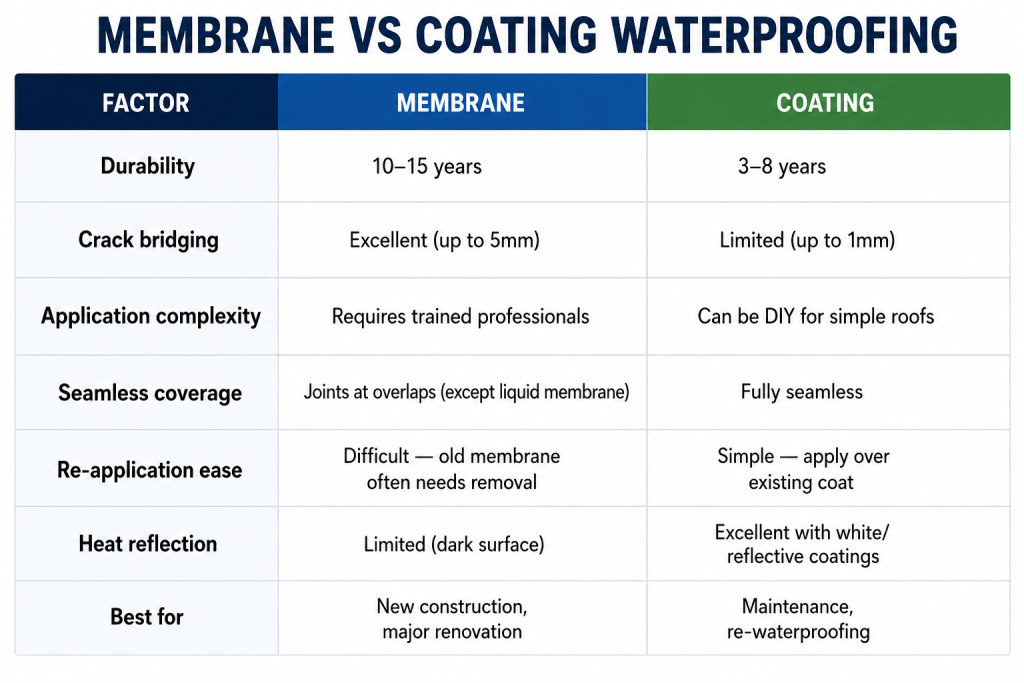
✔ Typical lifespan of 10-15 years with proper installation
✔ Seamless application — no joints or overlaps
✔ Excellent resistance against standing water
✔ Bridges minor structural movement and cracks
✔ Suitable for large concrete roofs and exposed decks
Disadvantages:
❌ Higher installation cost
❌ Requires experienced applicators
❌ Surface preparation is critical
❌ Weather-sensitive during application (cannot apply in rain)
Coating Waterproofing
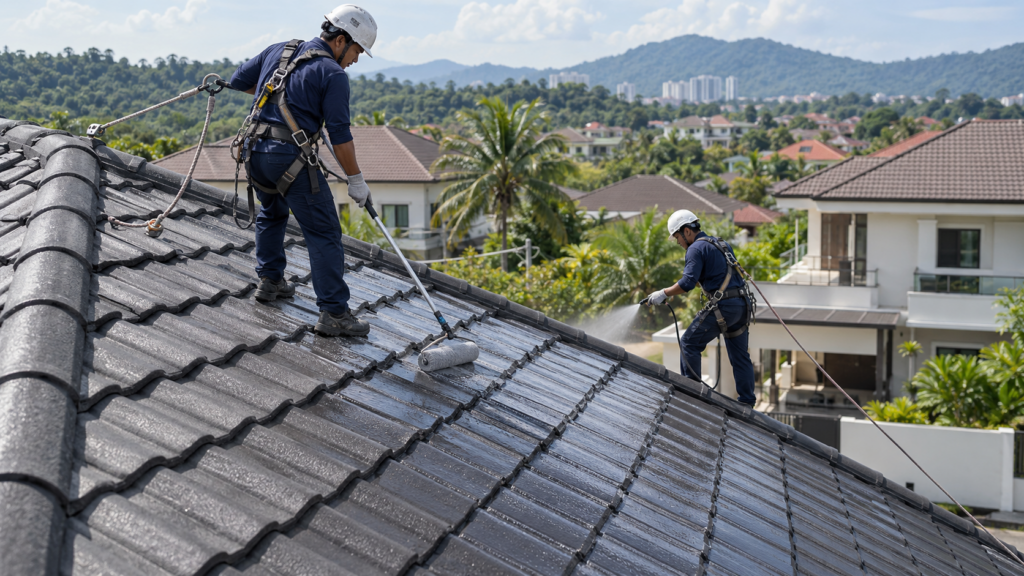
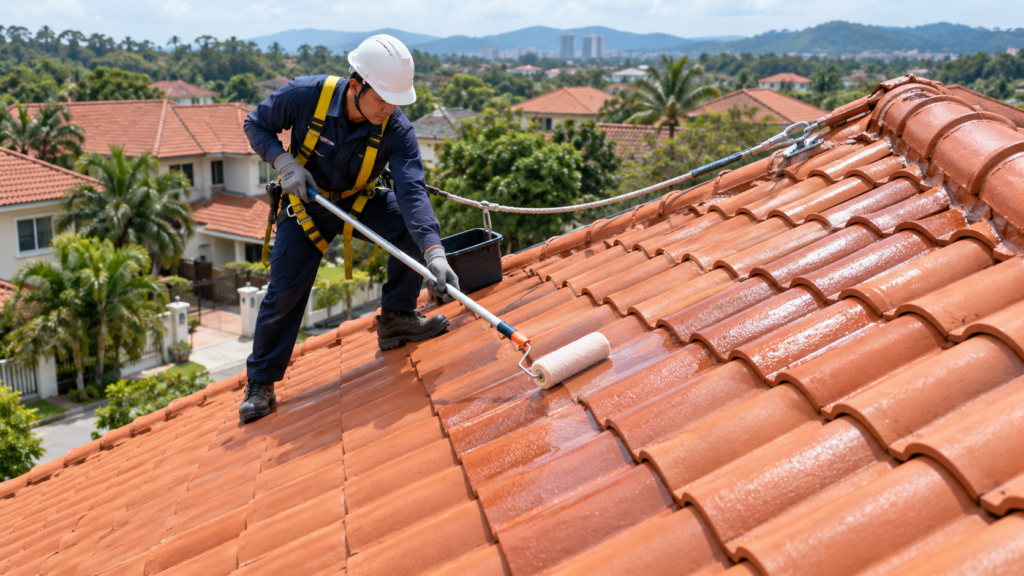
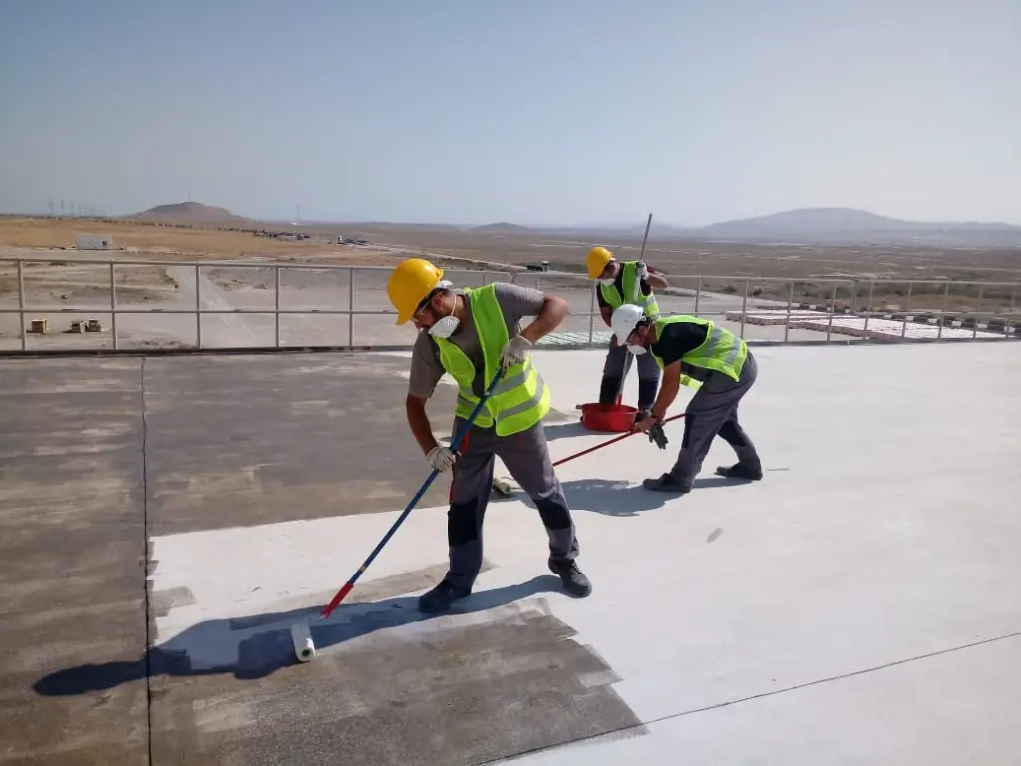
Coating waterproofing is applied as a liquid that cures into a seamless waterproof layer. It is widely used for roof maintenance, refurbishment, and recoating existing waterproofing systems.
Common coating systems include:
Acrylic waterproof coatings
Polyurethane (PU) waterproof coatings
Elastomeric waterproof coatings
Advantages:
✔ Lower initial investment
✔ Easy application — suitable for basic DIY
✔ UV resistant and available in various colours
✔ Superior elasticity — can accommodate minor structural movement
✔ Reflective coatings help reduce roof surface temperature
Disadvantages:
❌ Requires proper surface preparation
❌ Thinner protection compared to membranes
❌Requires re-application every 3-5 years
❌ Performance depends on proper surface preparation and application thickness
Choose Membrane Waterproofing If:
• You’re building a new property or carrying out major roof renovations.
• Your roof is a large flat concrete roof requiring long-term protection.
• The roof has expansion joints or experiences structural movement.
• You want a waterproofing system with a service life of 10 years or more.
• You’re willing to invest more upfront for greater long-term durability.
Choose Coating Waterproofing If:
• You’re refurbishing or maintaining an existing waterproofing system.
• Your roof has complex details such as pipes, vents, skylights, or penetrations.
• You prefer a lower initial investment with easier future maintenance.
• You want a heat-reflective coating to improve energy efficiency.
• Your existing roof is still in good condition with only minor defects.
Intense UV Exposure
Malaysia’s year-round sunlight accelerates the ageing of waterproofing materials. Choosing UV-resistant systems designed for tropical climates helps maintain long-term performance.
Heavy Monsoon Rain
Frequent heavy rainfall places continuous stress on roofs. Waterproofing systems should provide reliable protection against prolonged water exposure and prevent leakage during intense storms.
Thermal Expansion and Contraction
Daily heating and cooling cause roofs to expand and contract, placing stress on waterproofing layers. Flexible membrane and elastomeric coating systems are better suited to accommodate this movement and reduce the risk of cracking.
Conclusion
Both membrane waterproofing and coating waterproofing offer excellent protection when used in the right application. Membrane systems are ideal for new construction and projects requiring maximum durability, while coating systems provide a practical solution for maintenance and roof refurbishment.
The best waterproofing solution is the one that matches your roof’s condition, design, and long-term maintenance plan. If you’re unsure which system is suitable for your property, a professional roof inspection is the best place to start.
Frequently Asked Questions (FAQs)
1. Which waterproofing system lasts longer?
Membrane waterproofing generally offers a longer service life than coating systems when professionally installed and properly maintained.
2. Is coating waterproofing enough for roof leaks?
It depends on the condition of the existing roof. If the substrate is still sound, a high-quality waterproof coating can effectively restore waterproof protection. Severe deterioration may require a membrane system instead.
3. Which waterproofing system is more affordable?
Coating waterproofing usually has a lower initial cost, while membrane systems require a higher upfront investment but typically offer a longer lifespan.
4. Can membrane and coating waterproofing be used together?
Yes. In some projects, a membrane serves as the primary waterproofing layer while a protective coating improves UV resistance, weather durability, and overall service life.
5. How do I know which waterproofing system my roof needs?
A professional inspection is recommended. The roof condition, existing waterproofing, drainage, and type of leakage should all be assessed before selecting the most appropriate waterproofing solution.