Bathrooms and toilets are among the most water-exposed areas in any home. Daily showering, cleaning, floor washing, pipe penetrations and consistently high humidity can gradually expose weaknesses in the waterproofing system.
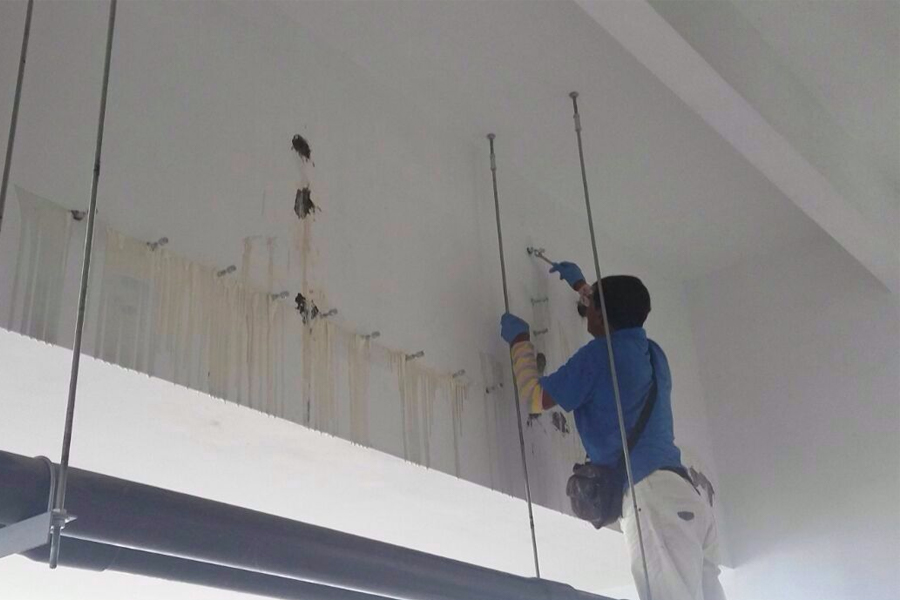
When bathroom waterproofing begins to fail, the first sign may not be obvious. You may notice damp walls, peeling paint, ceiling stains downstairs, mould growth or water marks outside the bathroom.
The important thing to understand is that tiles and grout are not the main waterproofing layer. The waterproofing system underneath the tiles plays a critical role in preventing water from reaching the screed, concrete slab and surrounding walls.
At QingLong Waterproofing, we recommend identifying the source of the leakage before deciding how it should be repaired.
4 Reasons to Waterproof Your Home’s Toilets & Bathrooms
Bathroom leakage can start small but become increasingly expensive if moisture continues spreading into concealed areas.
1. Prevent Water Damage to Your Home
Once water penetrates beneath bathroom tiles, it may travel through the screed, concrete slab, wall-floor junctions or adjoining walls before becoming visible.
Common warning signs include:
• Ceiling stains below the bathroom
• Peeling or bubbling paint
• Damp walls outside the bathroom
• Mould or persistent musty smells
• Loose or hollow tiles
• Water marks around floor traps and pipe areas
Early waterproofing treatment can help prevent a relatively localised leakage issue from developing into a larger repair or renovation job.
2. Reduce Dampness and Mould Problems
Persistent moisture creates favourable conditions for mould and mildew. If a bathroom wall remains damp even after cleaning or repainting, the problem may be coming from behind the surface rather than from normal bathroom humidity.
Instead of repeatedly repainting the affected area, the source of moisture should be identified and addressed first.
3. Protect Your Bathroom Finishes
Water seepage can gradually affect paint, plaster, tiles, grout and adjoining finishes. This is especially noticeable when water travels outside the bathroom and causes damage to bedroom walls, corridor finishes or the ceiling of the floor below.
A properly selected waterproofing system helps protect both the concealed building substrate and the visible finishes above it.
4. Avoid Repeated Repair Costs
Quick fixes may appear cheaper initially, but repeated repairs can become expensive when the actual leakage source has not been identified.
For example, resealing grout may not solve a leak caused by failed waterproofing beneath the tiles. Likewise, applying waterproof coating to a visible damp wall will not solve a leaking pipe hidden behind it.
A proper inspection helps determine what is actually leaking before deciding what needs to be repaired.
Does Bathroom Waterproofing Always Require Hacking?
Not necessarily. The correct repair method depends on the source and condition of the existing bathroom waterproofing system.
For some localised leakage problems, a suitable repair may be possible without removing the entire bathroom floor. However, if the existing waterproofing layer has extensively failed, tiles are loose, the substrate is damaged or the leakage involves multiple areas, hacking and rebuilding part of the waterproofing system may provide a more reliable solution.
This is why QingLong does not recommend choosing between “hacking” and “non-hacking” based only on convenience.The leakage source should be identified first.
How QingLong Approaches Bathroom Leakage
At QingLong Waterproofing, our approach starts with understanding where the water is coming from. Depending on the situation, the inspection may check areas such as:
• Bathroom floor and wall junctions
• Floor traps and drainage points
• Pipe penetrations
• Tile and grout condition
• Plumbing-related leakage
• Waterproofing beneath the tiled area
• Moisture movement into neighbouring walls or ceilings
Once the likely source has been identified, a suitable repair and waterproofing method can be recommended according to the actual site condition.
If the problem is caused by plumbing, the plumbing issue should be addressed first. If the leakage is related to waterproofing failure, cracks, joints or water seepage, QingLong can recommend an appropriate waterproofing solution.
Why Choose QingLong Waterproofing?
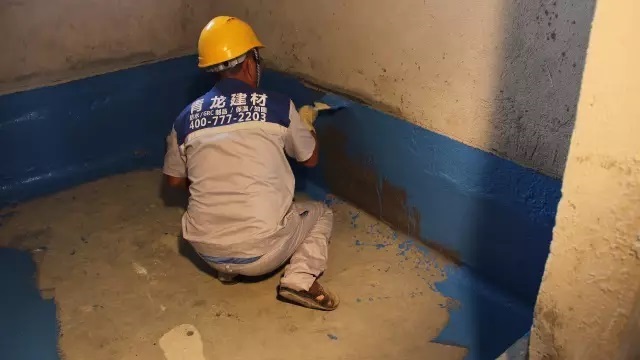
QingLong provides more than waterproofing materials. We support residential waterproofing projects with inspection, technical recommendations, waterproofing materials and professional application solutions.
With more than 30 years of waterproofing experience and local operations in Malaysia, QingLong provides waterproofing solutions for bathrooms, toilets, roofs, balconies, exterior walls, basements and other leakage-prone areas.
For selected residential waterproofing works, warranty coverage of up to 10 years may be available depending on the waterproofing system, site condition, scope of work and written warranty terms.
Conclusion
Bathroom leakage should not be treated based only on where the water stain appears. Water can travel beneath tiles, through screed and along concrete before becoming visible somewhere else in the home.
Before hacking tiles, resealing grout or applying another surface coating, identify the source first.
QingLong Waterproofing provides professional waterproofing inspection and repair solutions for toilets and bathrooms in Malaysia. Our team can assess the affected area, identify the likely leakage source and recommend a suitable waterproofing method based on the actual site condition. Bathroom or toilet leaking? Contact QingLong Waterproofing for an inspection and waterproofing consultation.
Frequently Asked Questions (FAQs)
1. Why is my bathroom leaking even though the tiles look fine?
Tiles can remain visually intact even when the waterproofing layer underneath has deteriorated or failed. Leakage may also develop around wall-floor junctions, floor traps, pipe penetrations or drainage connections.
2. Can bathroom leakage be repaired without hacking the tiles?
Some leakage problems may be suitable for non-hacking or localised treatment, but not every bathroom can be repaired this way. The appropriate method depends on where the water is entering and the condition of the existing waterproofing system.
3. What is the most common weak point in bathroom waterproofing?
Wall-floor corners, floor trap areas, pipe penetrations, and hollow tile sections are common weak points because water collects and enters easily there.
4. When should I call for a bathroom waterproofing inspection?
Arrange an inspection if you see ceiling stains, damp walls, peeling paint, mould smell, or leakage that returns after repeated grout or sealant repairs.