A “free inspection” sounds simple, but for a building owner in Johor Bahru, it can mean very different things depending on who is doing it. One inspector may only look at the ceiling stain and suggest sealing the nearest crack. Another may check roof falls, drainage load, wall joints, pipe penetrations, previous coatings and signs of trapped moisture before recommending any maintenance work. The difference matters because waterproofing maintenance is not only about finding an active leak. It is about identifying weak points before they become disruptive, especially for homes, shoplots, factories, strata buildings and facilities exposed to heavy rain, heat cycles and operational constraints.
What Should a Free Waterproofing Inspection Confirm First?
A useful inspection should begin by clarifying the purpose of the visit. Is the owner dealing with an active leak, planning preventive maintenance, preparing for renovation, responding to tenant complaints, or checking an old roof before the next rainy season? The answer changes what the inspector should focus on.
For Johor Bahru waterproofing maintenance, the first thing to confirm is whether the inspection is meant to locate a specific water entry point or assess the general condition of the waterproofing system. These are not the same. A leak investigation may follow moisture patterns, ceiling stains and rain direction. A maintenance inspection looks more broadly at vulnerable details that may fail soon, even if no water is dripping yet.
A good free inspection should usually include a visual review of accessible areas, discussion of leak history, observation of drainage and surface condition, and identification of areas that need closer testing. It should not be treated as a full technical survey unless testing methods, access arrangements and reporting scope are clearly agreed.
In plain terms: a free waterproofing inspection should tell you whether the site has obvious waterproofing risks, whether urgent action is needed, and what further checking is required before repair money is spent. It should not pretend to confirm hidden membrane failure where no access or testing has been carried out.
The Roof Area: More Than Looking for Cracks
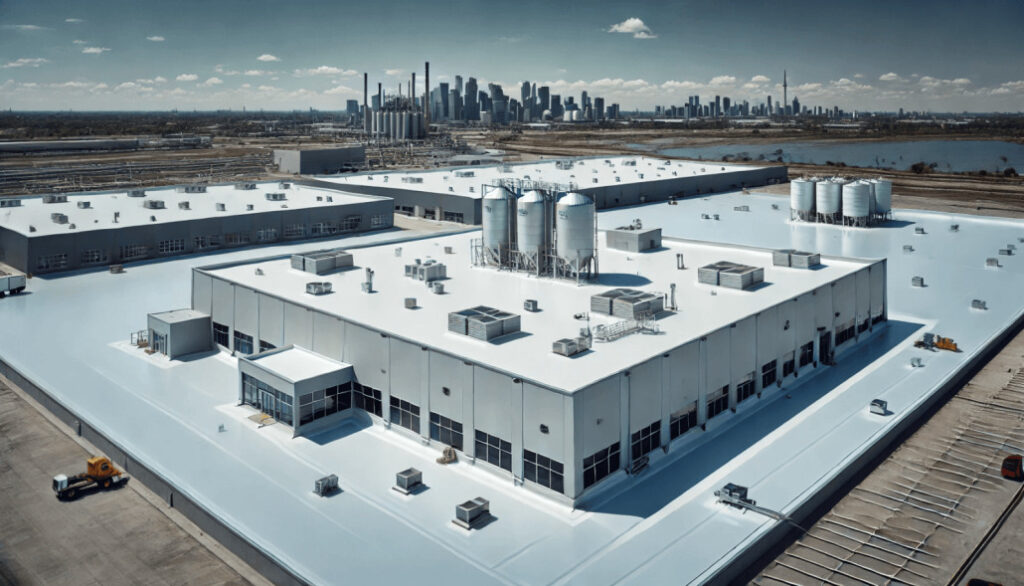
For many landed houses, factories, warehouses and commercial buildings in Johor Bahru, the roof is the first place people expect an inspection to begin. That is reasonable, but the inspection should not stop at visible cracks or rust marks.
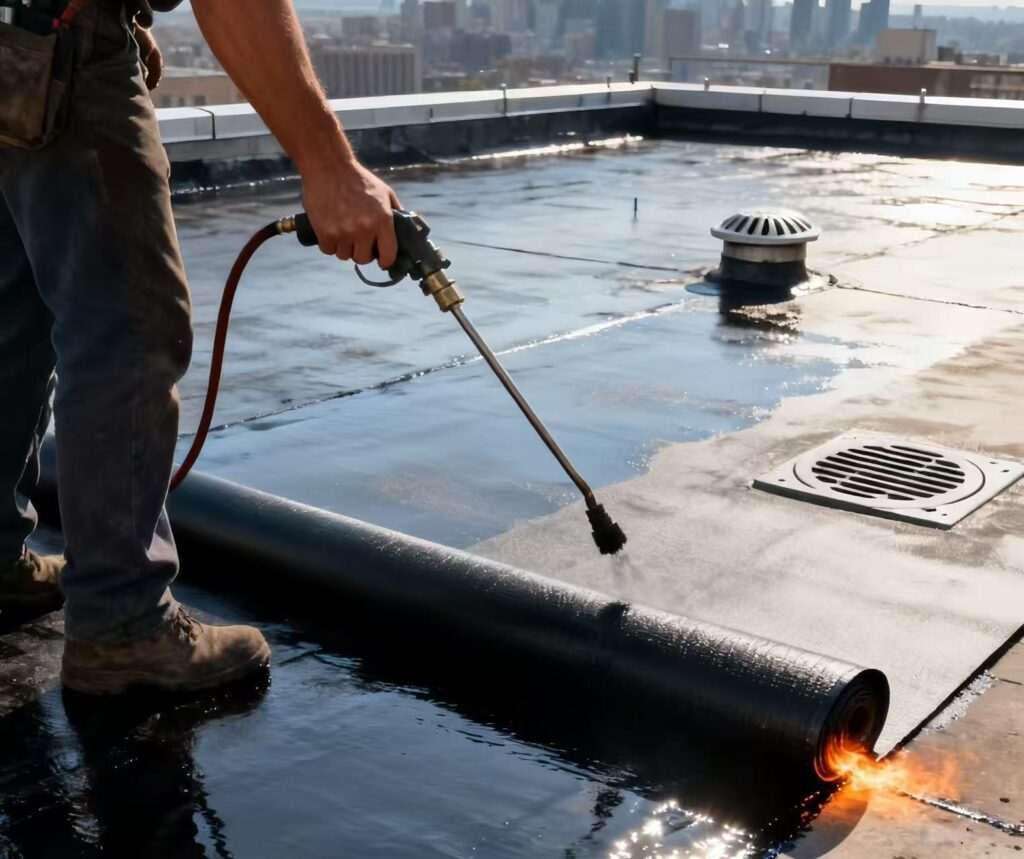
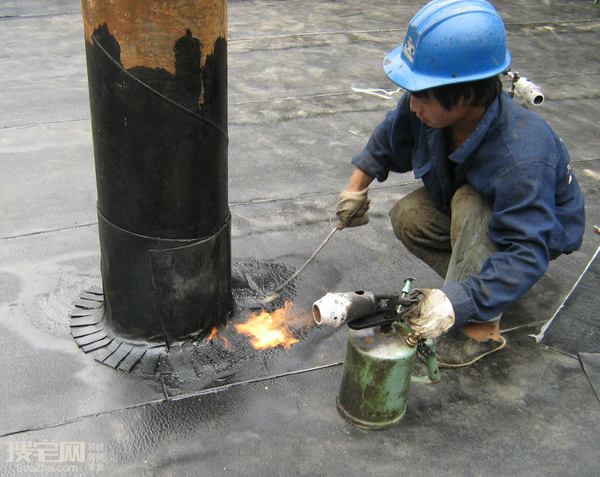
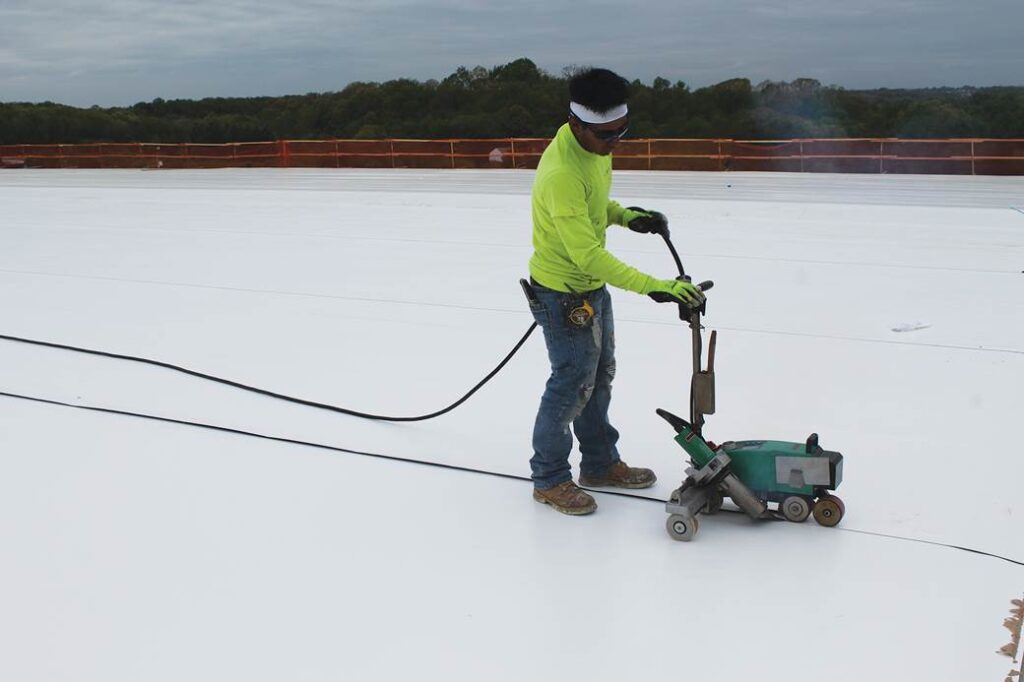
On an exposed concrete roof, an inspector should look at whether water is draining correctly or remaining in low spots after rain. Standing water can shorten the service life of some coatings and expose weak points around joints, upstands and penetrations. At roof outlets, the condition of grating, outlet levels and blockage marks can reveal whether drainage is coping with actual rainfall load.
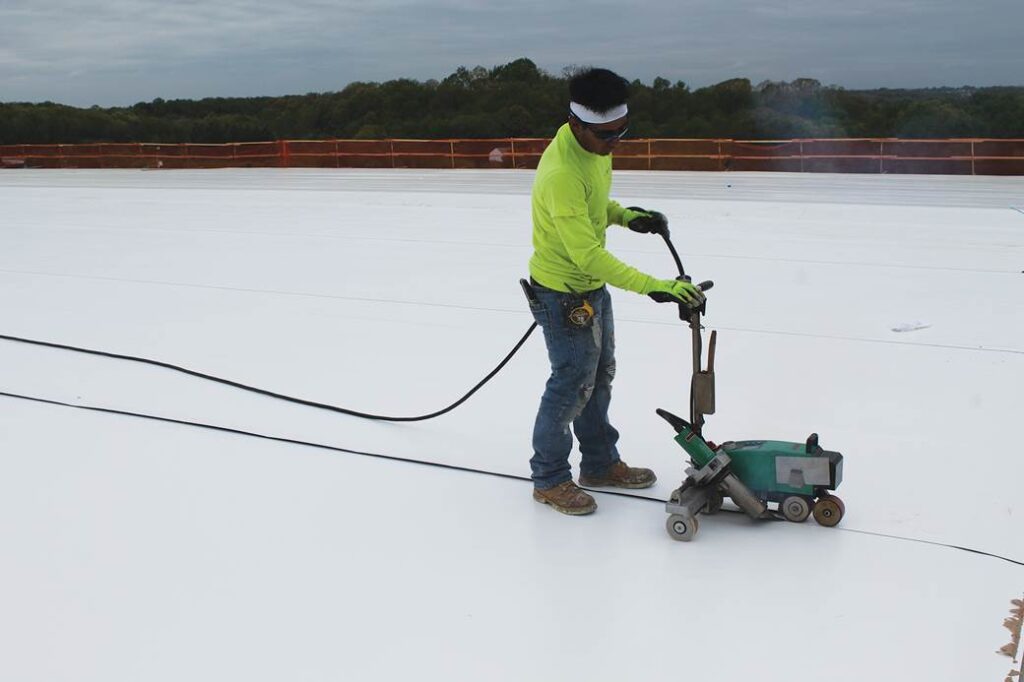
For metal roofs, the inspection should pay attention to screw fasteners, lapping joints, ridge capping, gutter edges and rusted sheets. Sometimes the leak is not from a large roof opening but from small movement around fixings or deteriorated sealant at joints. In industrial areas such as Pasir Gudang, Senai or Tampoi, roof surfaces may also be affected by dust, oil mist or airborne contaminants. This matters because a maintenance coating may not bond well to a contaminated surface without proper preparation.
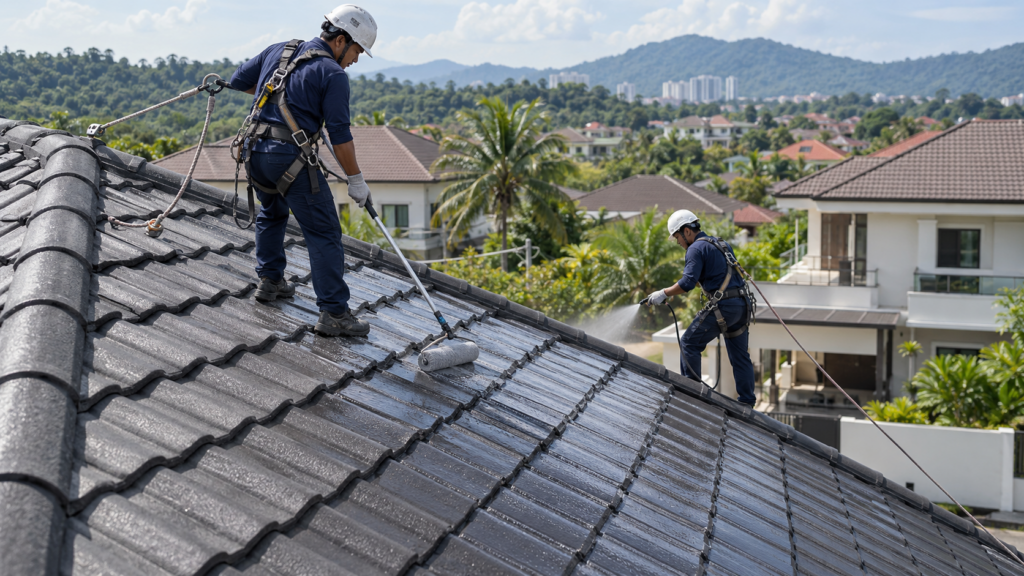
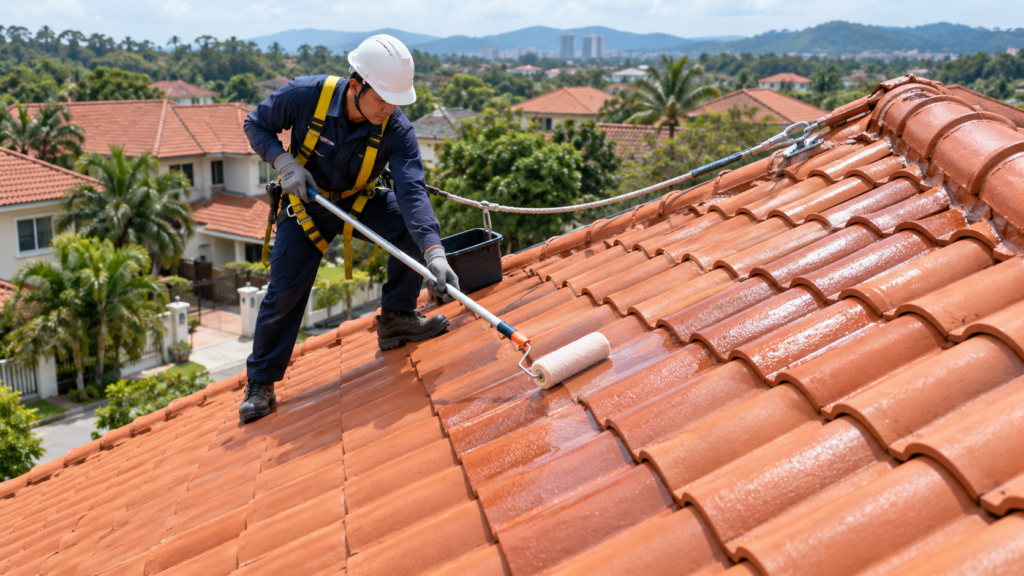
A roof inspection should also consider access and safety. If the roof is steep, fragile, high or not safely accessible, a responsible inspector should say so instead of making a confident conclusion from the ground. In those cases, a later inspection with proper access equipment may be needed.
Wall, Balcony and Window Details That Often Get Missed
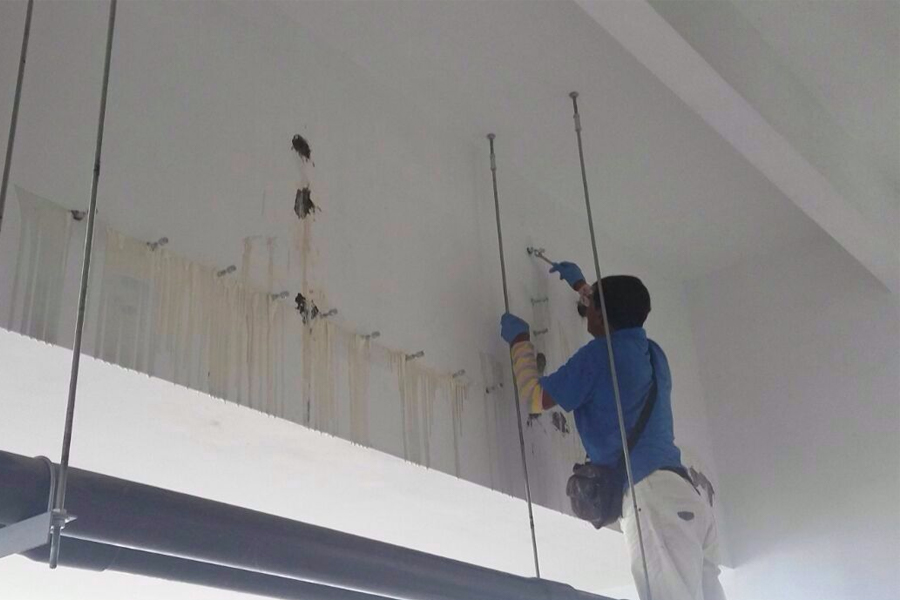
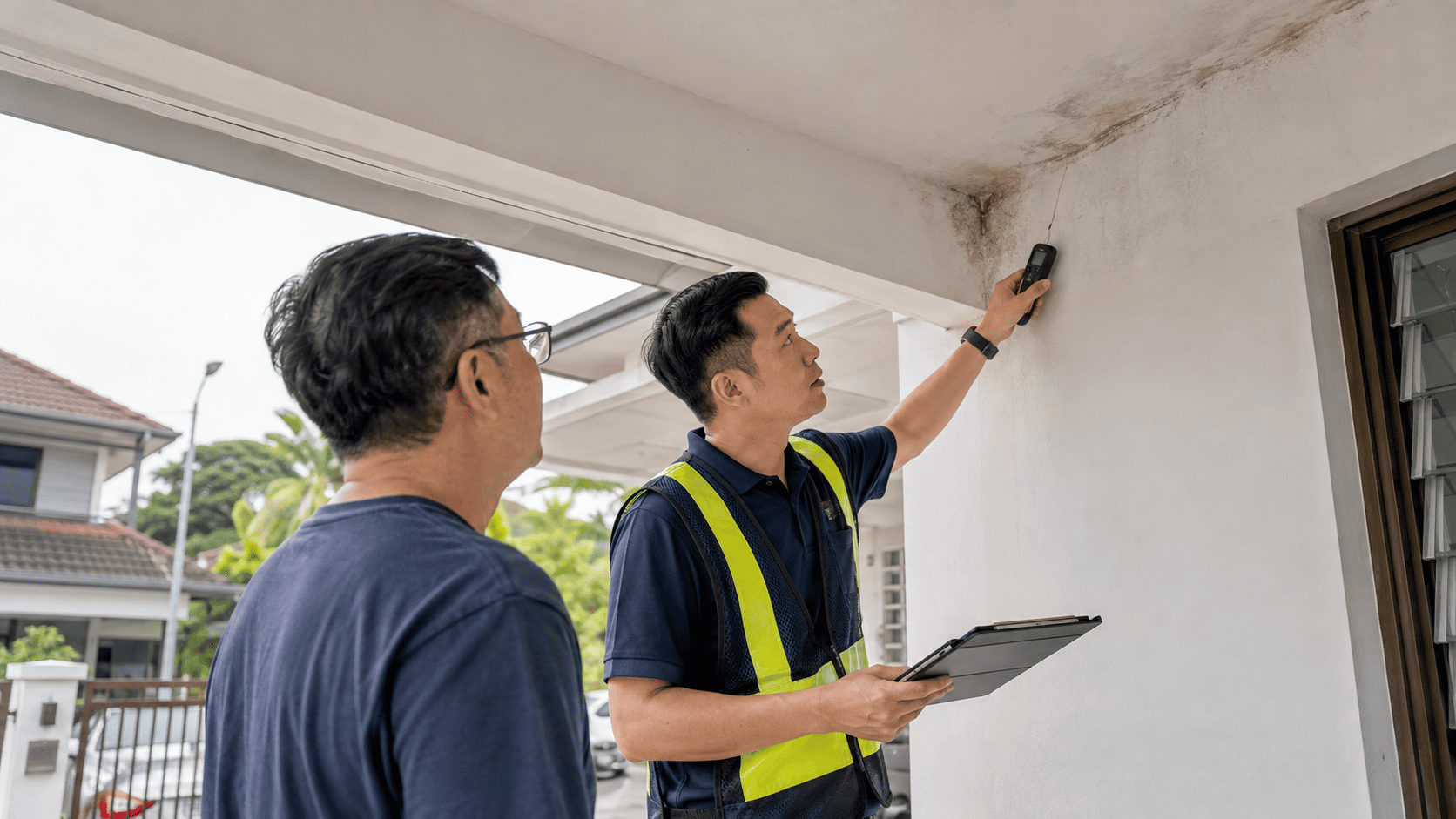
Not every ceiling stain comes from the roof. In Johor Bahru’s high-rise apartments, shoplots and terrace houses with extensions, wind-driven rain can enter through walls, window frames, balcony edges or façade cracks. This is especially relevant when dampness appears after rain from a certain direction but not during every downpour.
A maintenance inspection should check external wall hairline cracks, peeling paint, hollow render, sealant around window frames, balcony wall-floor junctions and the slope of tiled areas. The inspector should not assume that because tiles look intact, the area is waterproof. Tiles reduce surface water absorption, but grout lines, cracks, tile edges and pipe penetrations can still allow water to reach the substrate.
Balconies above living rooms deserve careful attention. A small failure at the door threshold, drain outlet or wall corner can become a ceiling stain below. If the inspection only checks the open floor area, it may miss the detail that is actually under stress.
For maintenance planning, the useful question is not “Is the surface still nice?” but “Which junctions are most exposed to movement, water ponding or repeated wetting?” This is where an experienced waterproofing inspection becomes more valuable than a quick visual glance.
Bathrooms, Kitchens and Internal Wet Areas: When Inspection Has Limits
A free inspection inside bathrooms and kitchens is usually more limited than many owners expect. If the waterproofing layer is under tiles, the inspector cannot see it directly without hacking. That does not mean the visit is useless, but the conclusion must be realistic.
The inspector may check damp walls beside the bathroom, ceiling stains below, tile hollowness, cracked grout, pipe collars, floor traps, wall-floor corners and whether water appears after shower use or after rainfall. These observations can help separate likely plumbing issues from waterproofing-related seepage, although further testing may still be needed.
In strata properties, the situation can be more sensitive because the leaking bathroom may be above an occupied unit. Maintenance decisions may need to consider noise, hacking approval, access timing and management office procedures. A “simple” inspection should therefore identify not only the likely wet area but also the practical constraints that may affect repair selection.
If someone promises a definite diagnosis for concealed bathroom waterproofing without checking plumbing, usage pattern, tile condition or the affected lower unit, the owner should be cautious. The inspection may be free, but a wrong assumption can lead to unnecessary repair cost.
What a Maintenance Inspection Should Say About Previous Repairs
Many property owners call for inspection after a leak has already been sealed once, twice or more. The previous repair may have reduced the problem for a short time, then failed during heavier rain. In this situation, the inspection should review the logic of the earlier repair instead of simply applying more sealant.
The inspector should look for signs such as patchy coating, poor adhesion, blistering, cracked sealant, unprepared surfaces, incompatible layers or repair work that stopped short of the actual vulnerable detail. For example, coating only the centre of a flat roof while leaving parapet wall junctions untreated may not address the real water entry route. Sealing a visible crack on an external wall may also fail if the surrounding render is hollow or still absorbing water.
This is important for Johor Bahru waterproofing maintenance because many buildings go through partial repairs over the years. Each repair layer changes the next decision. Some surfaces can accept renewal after cleaning and preparation. Others may require removal of loose materials before any new waterproofing system can perform properly.
A free inspection should therefore not only point at the leak location. It should help the owner understand whether the existing repair layer is still serviceable, whether it is interfering with adhesion, and whether the next maintenance step can be localised or needs a wider scope.
Questions to Ask Before Accepting the Inspection Recommendation
A free inspection becomes more useful when the property owner asks what the recommendation is based on. This is not about challenging the inspector unnecessarily. It is about making sure the repair scope matches the evidence.
Before approving maintenance work, ask:
Which areas were inspected and which areas were not accessible?
Is the recommendation based on visible defects, moisture pattern, water testing, roof access, or only the reported symptom?
Will the repair address junctions, penetrations and drainage details, or only the open surface?
What surface preparation is needed before applying coating, membrane, slurry or sealant?
Are there conditions where the proposed system is not suitable, such as standing water, oil contamination, loose screed or trapped moisture?
These questions reveal whether the recommendation is a quick patch or a maintenance plan. For example, QingLong Waterproofing manufactures and supplies different waterproofing products such as roofing waterproof coating, transparent exterior wall coating, K11 waterproof slurry, waterproof sealant and fast leakage repair materials. However, no single product suits every surface. The right selection depends on exposure, substrate condition, movement, whether the area is tiled or exposed, and how much downtime the owner can allow.
For larger or more sensitive facilities, the inspection may also need to consider operational risk. QingLong Waterproofing’s project portfolio includes waterproofing works for the MY07 Data Centre Project in Johor Bahru, covering critical areas such as roofs, external walls, base slabs, pipe penetrations, internal and external corners, and expansion joints. That type of project shows why inspection scope matters: waterproofing maintenance is often about vulnerable details, not just broad surfaces.
Conclusion
A free inspection for Johor Bahru waterproofing maintenance should not be judged only by how quickly a price is given. Its real value is whether it separates visible symptoms from likely risk points, highlights inspection limits, and explains what must be verified before repair work begins. For owners and property managers, the key is to avoid paying for a neat-looking patch that does not address drainage, junctions, penetrations or substrate condition.
If you want a practical review of your roof, wall, balcony, bathroom or building maintenance concern, you can discuss your site condition with QingLong Waterproofing and request a suitable recommendation based on the actual inspection scope.
Frequently Asked Questions (FAQs)
1. Is a free waterproofing inspection enough to identify the exact leak source?
Sometimes, but not always. A free inspection is usually visual and access-based, so hidden membrane defects, concealed pipe leaks or trapped moisture may require further testing before the exact source can be confirmed.
2. Should I request inspection before or after rain?
If possible, inspection soon after rain can reveal ponding marks, damp patches and active seepage patterns. However, roof and surface condition should also be checked when safe access is available.
3. Can waterproofing maintenance be done without hacking tiles?
In some cases, yes, especially if the issue is at exposed joints, external walls or surface defects. For concealed bathroom or balcony membrane failure, retaining tiles may limit what the repair can achieve.
4. What should I prepare before the inspector arrives?
Prepare photos or videos of leaks during rain, dates when the problem occurs, previous repair records and access to affected areas above and below. This helps the inspector connect symptoms with site conditions.
5. Does a free inspection include a quotation?
Yes. After the inspection, we’ll prepare a detailed quotation outlining the condition of the affected area, proposed repair scope, surface preparation, recommended materials, and warranty coverage.