Bungalows generally have more exposed exterior wall surfaces than terrace and semi-detached houses. With fewer neighbouring walls providing protection, rain can directly reach multiple sides of the building.
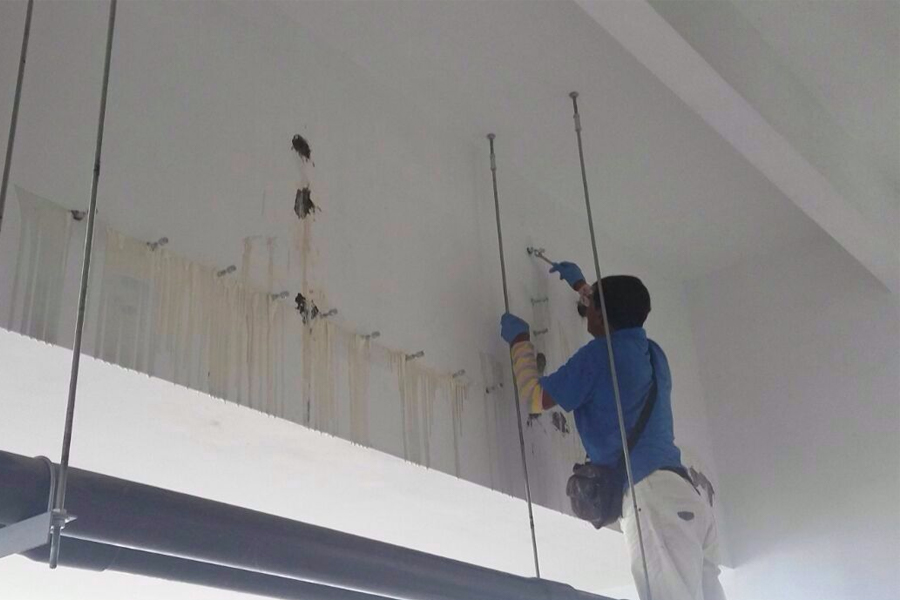
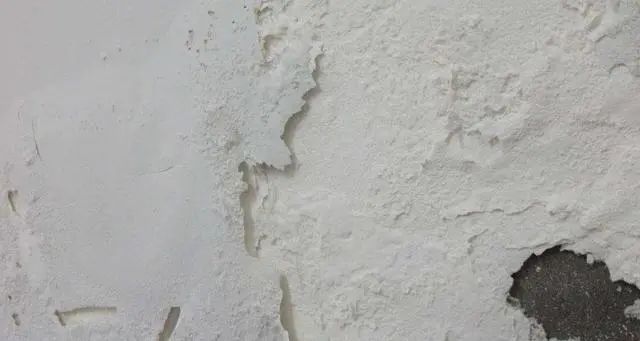
Over time, small cracks, deteriorated coatings, porous wall surfaces, gaps around windows, and poorly sealed joints can become entry points for water. The first signs may appear indoors as damp patches, peeling paint, bubbling finishes, water stains, or mould.
When these problems keep returning after repainting, the issue may not be the interior finish at all. Water could be entering from the exterior wall. Exterior wall waterproofing helps stop water at its source by protecting vulnerable wall surfaces and treating potential water-entry points.
Why Do Bungalow Exterior Walls Leak?
Exterior wall leakage rarely happens for just one reason. In many cases, several defects develop gradually and eventually allow rainwater to penetrate the building envelope. Common causes include:
* Hairline cracks in plaster, render, or concrete
* Cracks around windows and door openings
* Deteriorated exterior paint or old waterproofing coatings
* Porous concrete, masonry, or cement-rendered surfaces
* Failed sealant around window frames
* Gaps at façade joints and wall penetrations
* Cracks between different construction materials
* Defective wall-to-roof, balcony, or parapet connections
One important point is that the visible damp area inside the bungalow may not be directly behind the actual leakage point. Water can enter through a crack or joint higher on the façade, travel behind the plaster or through gaps in the wall system, and appear at another location indoors. For this reason, identifying the likely water-entry point should come before selecting a waterproofing product.
Signs Your Bungalow Exterior Wall May Have a Waterproofing Problem
Some wall leakage problems are obvious during rain, while others develop slowly. Look out for:
* Damp patches appearing after rainfall
* Peeling or blistering interior paint
* Bubbling wall finishes
* Yellow or brown water stains
* Recurring mould on the same wall
* Exterior paint peeling or becoming powdery
* Hairline cracks across the façade
* Cracks around window frames
* Dampness near wall corners or ceiling junctions
* Leakage that returns after repainting
If an interior wall repeatedly becomes wet after rain, repainting the affected area will usually only cover the symptom. The source of water penetration should be repaired first.
How to Waterproof a Bungalow Exterior Wall
Effective waterproofing involves more than applying a waterproof coating over the existing wall.
1. Inspect the Leakage Source
Check the façade for cracks, damaged coatings, failed sealants, window gaps, penetrations, and construction joints. It is also important to determine whether the water is actually coming from the wall or from another area such as the roof, balcony, window, or gutter.
2. Repair Cracks and Defects
Cracks and damaged wall areas should be repaired before applying the main waterproofing system. Special attention should be given to window perimeters, joints, pipe penetrations, parapets, and connections between different building materials.
3. Prepare the Wall Surface
Loose paint, dirt, algae, deteriorated coatings, and unstable materials can affect waterproofing adhesion. The wall should be properly cleaned and repaired to provide a sound surface for the new waterproofing system.
4. Apply a Suitable Waterproofing System
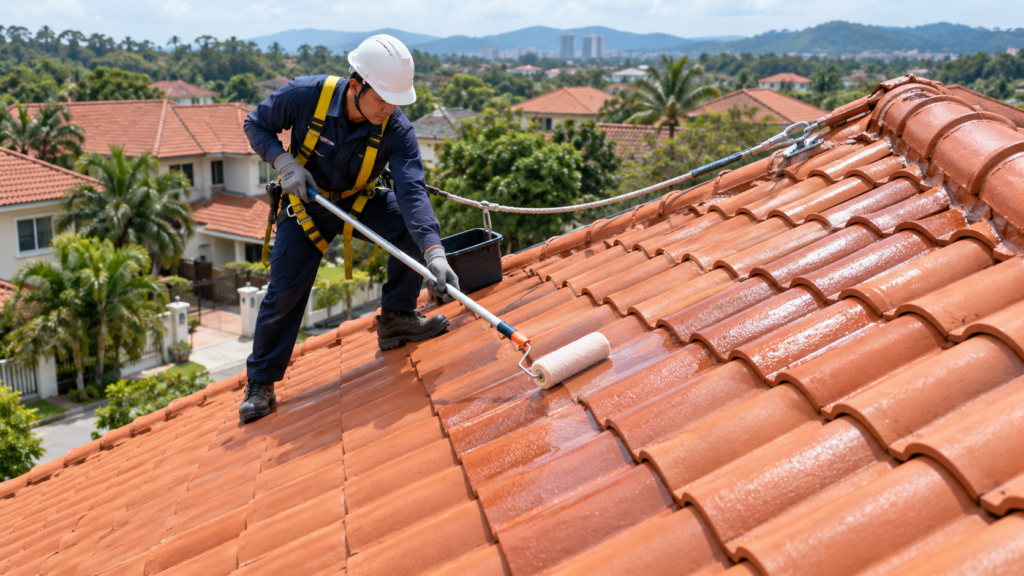
The waterproofing product should be selected according to the substrate, existing wall condition, crack movement, and exposure requirements. Correct coverage and application thickness are also important. Applying a waterproofing coating too thinly may reduce its ability to form an effective protective layer.
Methods for Waterproofing Bungalow External Wall
For bungalow exterior walls with water seepage, the waterproofing solution should be selected based on the wall condition, existing finish, and source of leakage.
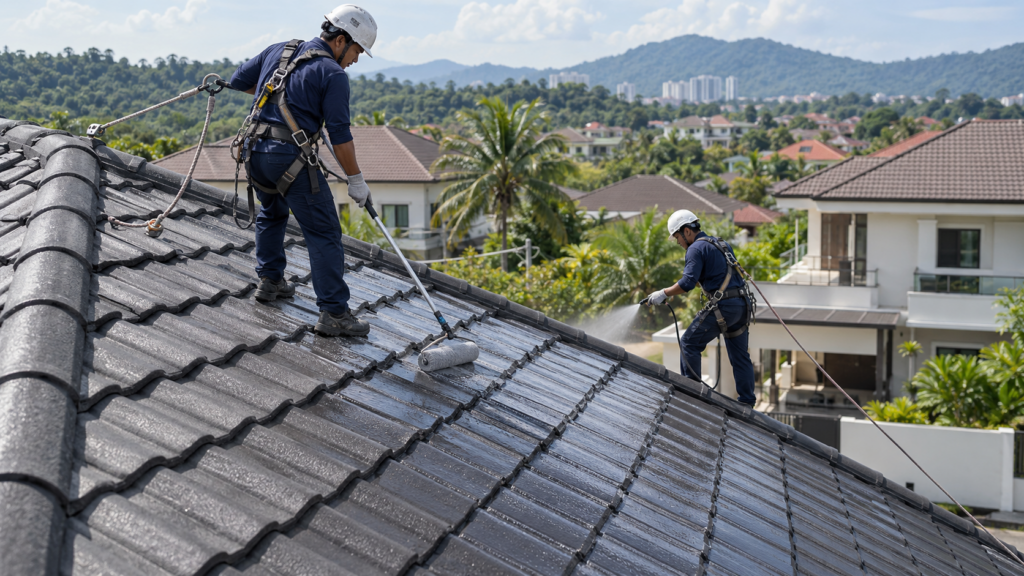
Exterior Wall Transparent Waterproof Coating is a flexible, transparent, and colourless solution designed for exterior walls. It helps prevent water penetration while maintaining the original colour and appearance of the façade.
For professional and project applications, OT801 Exterior Wall Transparent Waterproof Coating provides a transparent waterproofing layer suitable for protecting exterior wall surfaces without changing their existing appearance.
Where leakage occurs through cracks, joints, gaps, or window edges, these areas should be properly repaired and sealed before applying the waterproofing coating. This helps create a more complete waterproofing system and reduces the risk of recurring water seepage.
Waterproofing Paints vs Waterproofing Coating
Waterproofing paint and waterproofing coating may sound similar, but they serve different purposes.
Exterior paint is mainly used to provide colour and protect the wall finish, while a waterproofing coating is specifically formulated to create a protective barrier against water penetration. For bungalow exterior wall leakage, choosing the right waterproofing system is more important than simply repainting the affected area.
Benefits of Waterproofing Bungalow Exterior Walls
1. Helps Reduce Mould and Algae Growth
Water penetrating through exterior walls can create persistent dampness inside the bungalow, leading to peeling paint, water stains, mould, and algae growth. Exterior wall waterproofing helps reduce water penetration and keeps wall surfaces drier, preventing recurring moisture-related problems.
2. Helps Maintain the Building’s Appearance
A suitable exterior waterproofing coating helps prevent rainwater from penetrating the wall while protecting the existing façade finish. Transparent water-repellent coatings can provide additional protection without significantly changing the original colour or appearance of the exterior wall.
3. Extends the Service Life of Exterior Walls
Small cracks and water seepage can gradually damage wall finishes and surrounding materials if left untreated. Early crack repair and waterproofing help reduce further deterioration, extend the service life of the exterior wall, and minimise future repair costs.
When Should You Waterproof Your Bungalow's Exterior Walls?
The ideal time to waterproof exterior walls is during the construction stage, when the walls are still new and free from cracks or damage. This provides protection before water seepage problems begin.
For older bungalows where waterproofing was not previously applied, it is still possible to waterproof the exterior walls at any suitable time. Waterproofing can also be carried out during renovation or when early signs of wall deterioration appear.
Conclusion
With 30 years of focus on waterproofing, QingLong Waterproofing provides waterproofing products and technical solutions for residential, commercial, industrial, and infrastructure applications.
Whether you are dealing with rainwater seepage through an exterior wall, recurring damp patches, façade cracks, peeling paint, or an ageing waterproofing system, identifying the source and selecting a compatible waterproofing system are essential for achieving reliable protection. Contact us for free quotation and consultation for your projects.
Frequently Asked Questions (FAQs)
1. What causes water seepage through bungalow exterior walls?
Common causes include façade cracks, porous wall surfaces, deteriorated coatings, failed window sealants, construction joints, penetrations, and defective connections between different building elements.
2. Should bungalow wall leakage be repaired from inside or outside?
If rainwater is entering through an exterior wall, treating the external source is generally preferred when access is possible. Interior repair alone may not stop water from continuing to penetrate the wall.
3. Can waterproofing be used without changing the wall colour?
Yes. QingLong Exterior Wall Transparent Waterproof Coating is transparent and colourless, making it suitable for protecting exterior walls while maintaining their existing appearance.
4. When should exterior wall waterproofing be applied?
It can be applied during construction, renovation, or when signs such as wall seepage, damp patches, peeling paint, cracks, or recurring mould begin to appear.