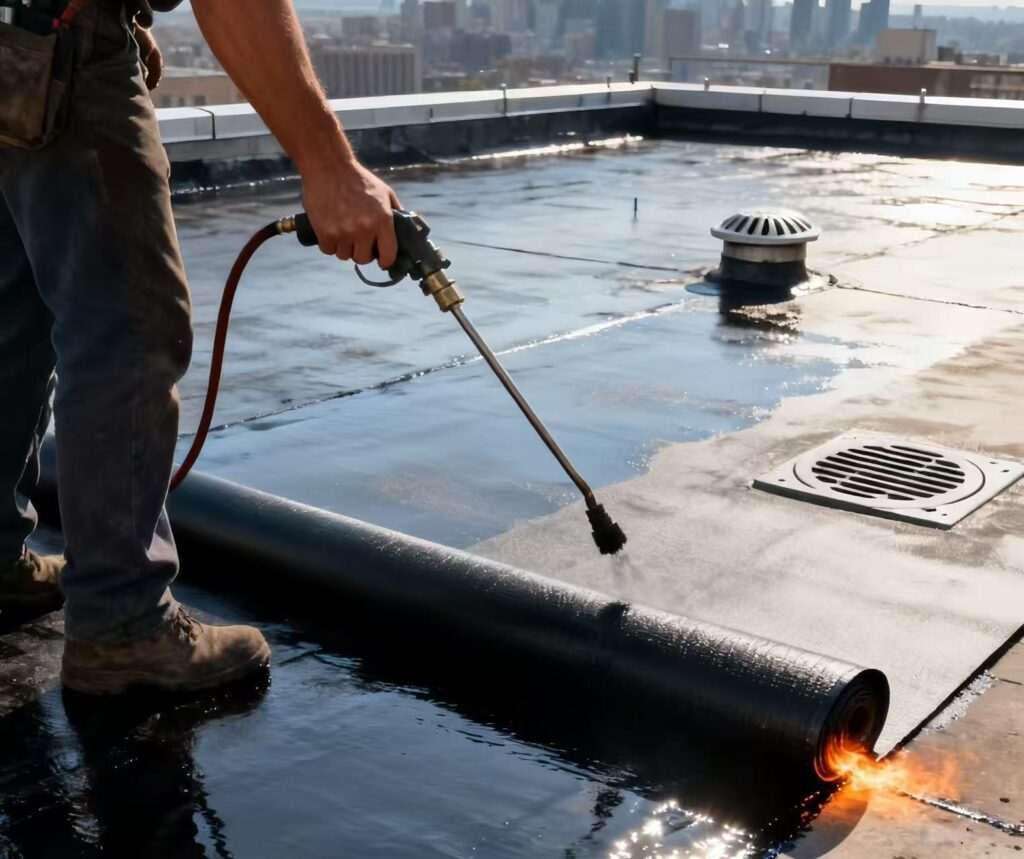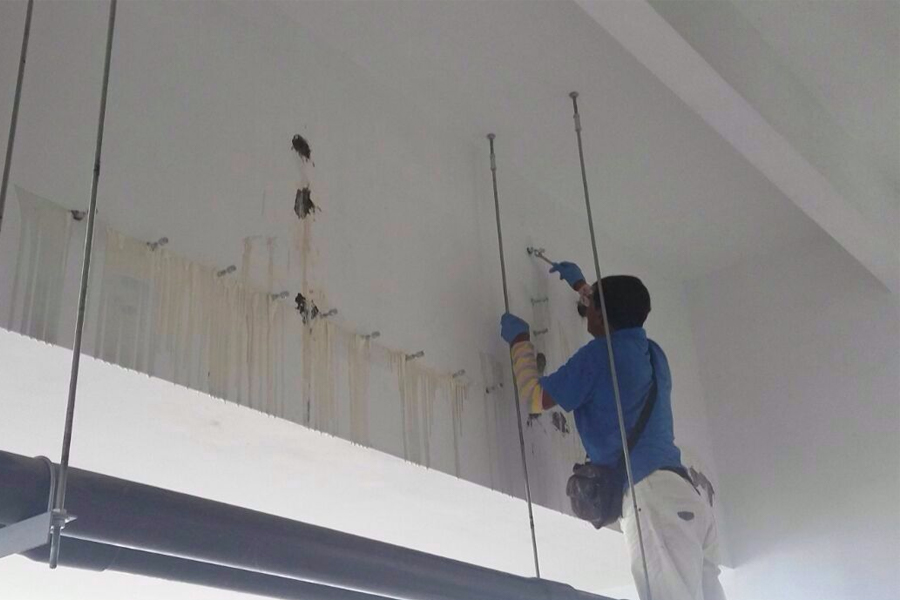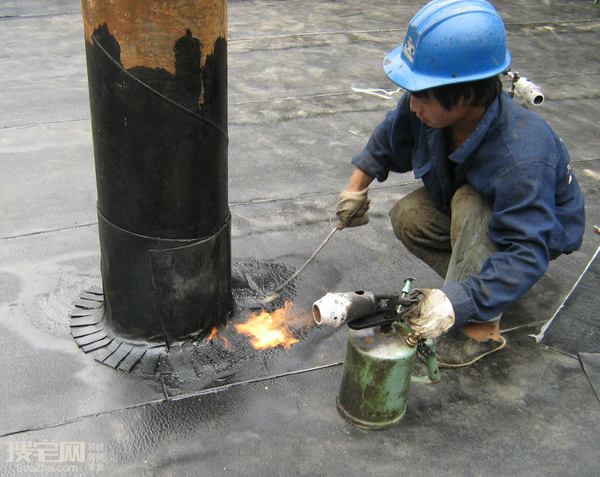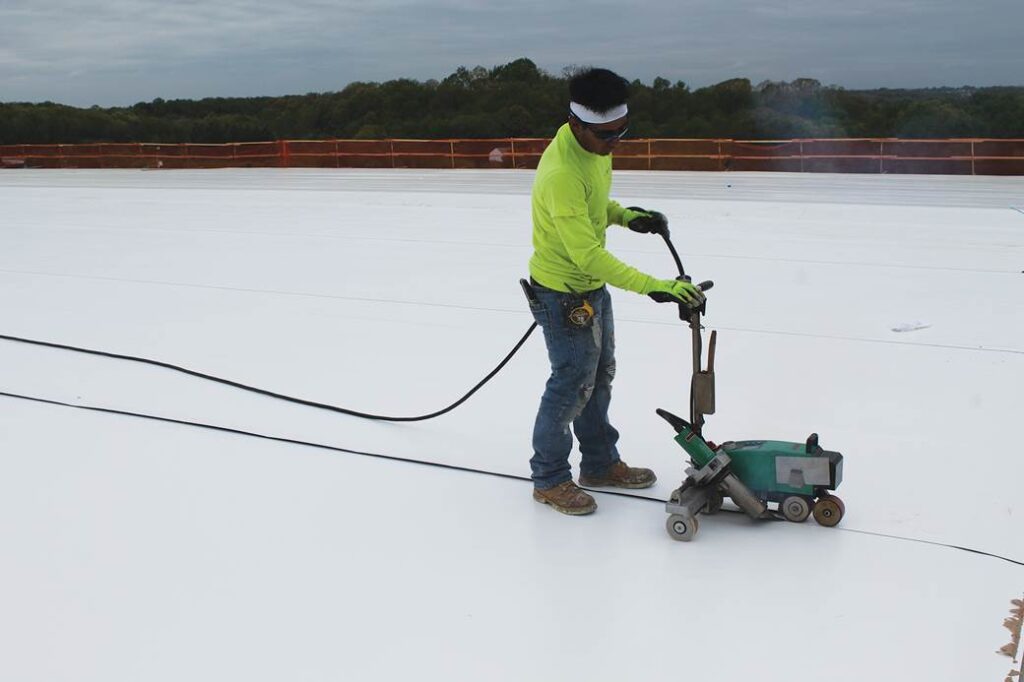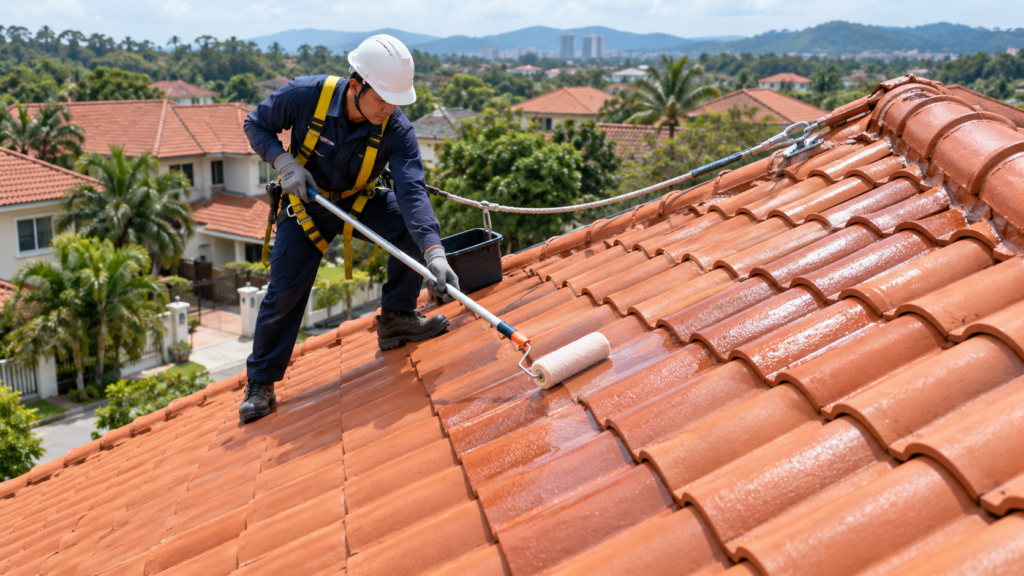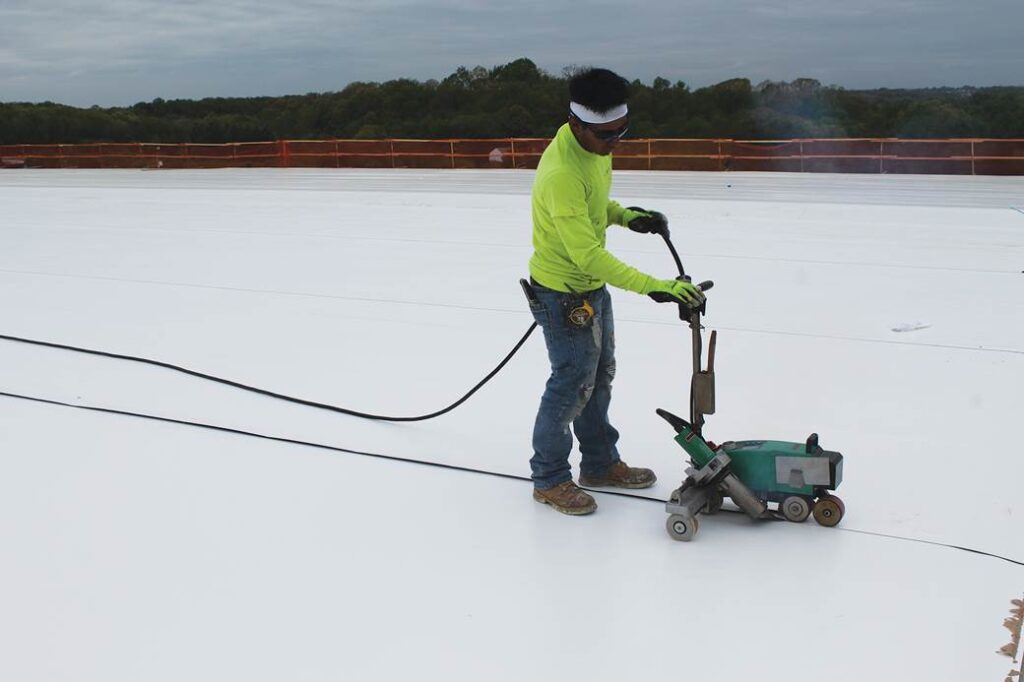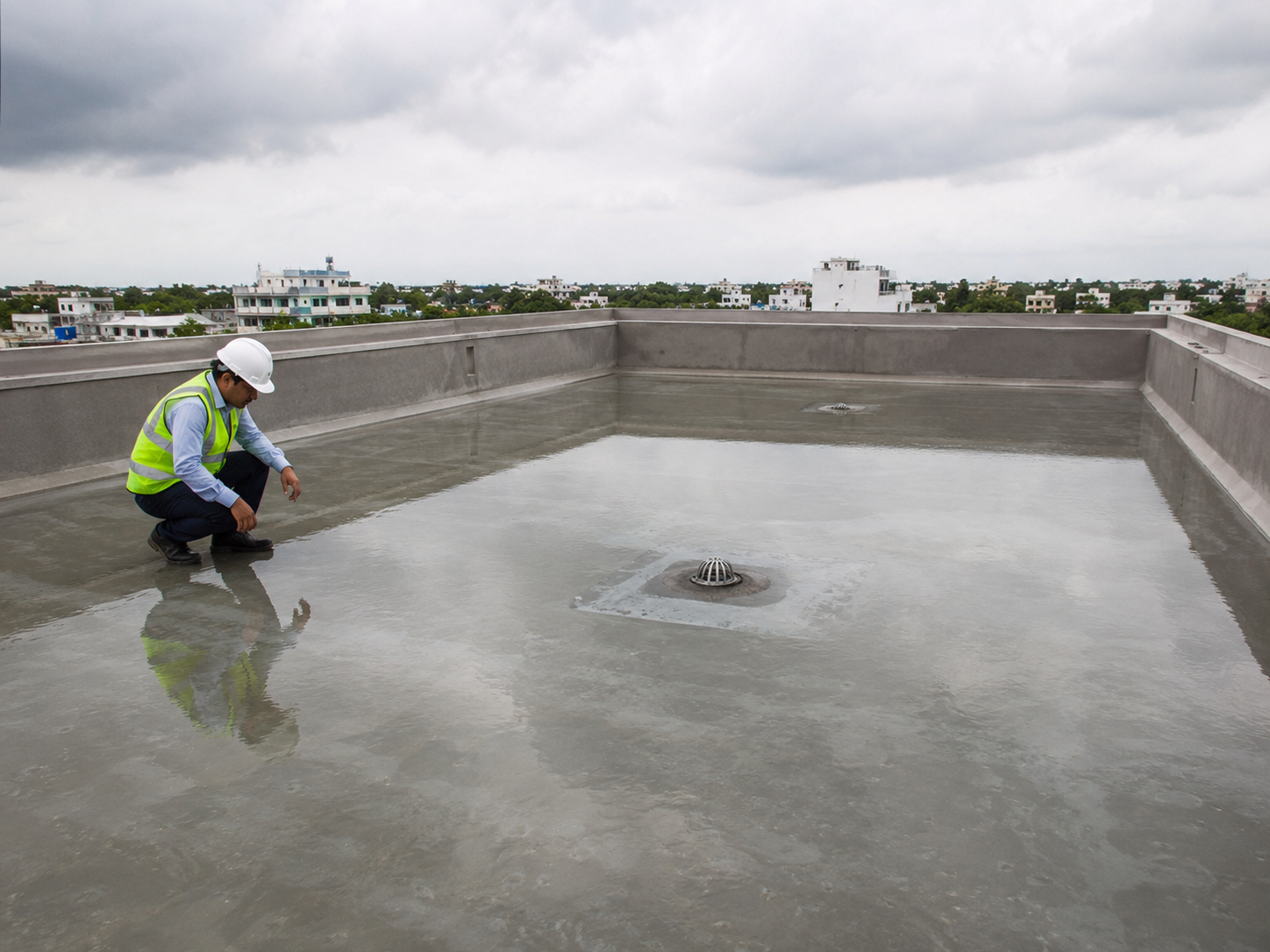
A long warranty can look reassuring when you are comparing concrete roof waterproofing in Petaling Jaya. But on an occupied terrace house, shoplot, commercial block or older extension, the roof rarely fails because the warranty period was too short. More often, the risk sits in the roof condition: ponding water, weak screed, old coating layers, cracked upturns, blocked outlets or penetrations around pipes and water tanks. Before approving a waterproofing quotation, the more useful question is not “How many years is the warranty?” but “What exactly is being warranted, and has the roof condition been properly checked?”
A Warranty Does Not Confirm the Roof Is Ready for Waterproofing
For concrete roof waterproofing in Petaling Jaya, warranty length should not be the main selection criterion. A waterproofing warranty only has value when the substrate, drainage, surface preparation, detailing and application method are suitable. If ponding water, hollow screed, cracks, pipe penetrations or old coating failures remain unresolved, a long warranty may not prevent recurring leakage.
A warranty is usually attached to a product, system or workmanship scope. It does not automatically mean the entire roof has been diagnosed correctly. If the concrete roof has trapped moisture under an old coating, loose screed, weak falls or movement cracks, the waterproofing layer may be installed over a problem that is still active.
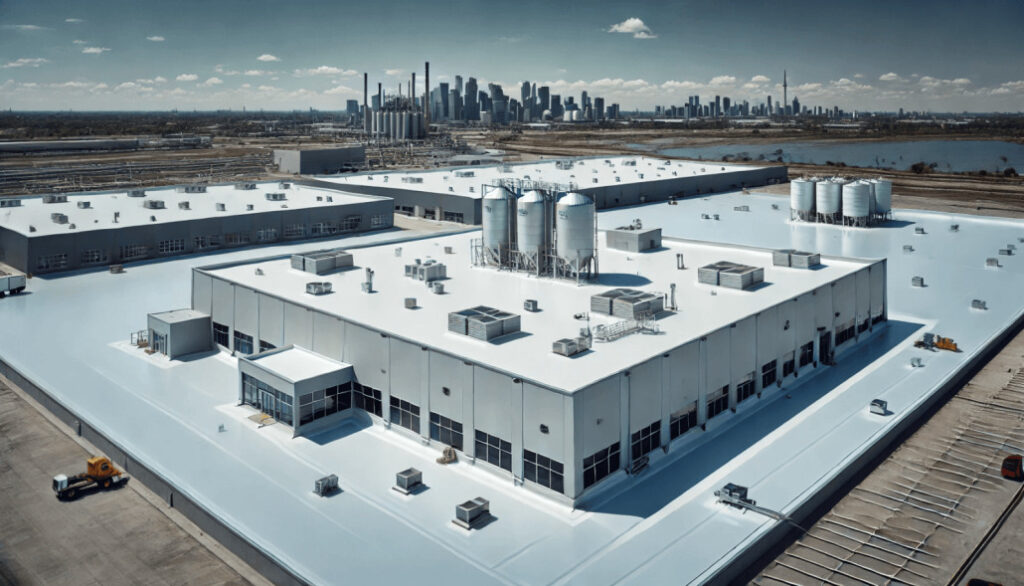
This matters in Petaling Jaya properties because many concrete roofs are not empty, simple slabs. They may hold water tanks, air-conditioning units, pipes, antenna bases, solar supports or past repair patches. Some roofs are also difficult to access, so inspections may be rushed or limited to the most visible area.
A warranty should therefore be treated as the final part of the decision, not the starting point. The roof must first be suitable for the proposed waterproofing system.
The Most Expensive Risk Is Often Hidden Under the Existing Surface
Many concrete roof leaks are judged by what can be seen from above: cracks, peeling coating or damp patches near an outlet. Those signs are important, but they may not show the full condition of the roof build-up.
An old concrete roof may have several layers: structural slab, screed, previous waterproofing, repair mortar, coating and sometimes tiles or cement topping. Water can move between these layers before appearing inside the building. A ceiling stain below one area does not prove that the entry point is directly above it.
Before choosing a system, these conditions should be checked:
Whether the existing coating is still firmly bonded or already peeling
Whether the screed is hollow, powdery, cracked or holding moisture
Whether water ponds after rain because the roof fall is weak
Whether outlets are too high, blocked or poorly detailed
Whether parapet wall upturns and internal corners are cracked
Whether pipe penetrations, water tank plinths and equipment bases have proper sealing details
If these points are not inspected, the warranty may only cover a new layer applied over an unstable base. The waterproofing may look neat at handover, but its performance can be affected by movement, trapped moisture or drainage defects that were already present.
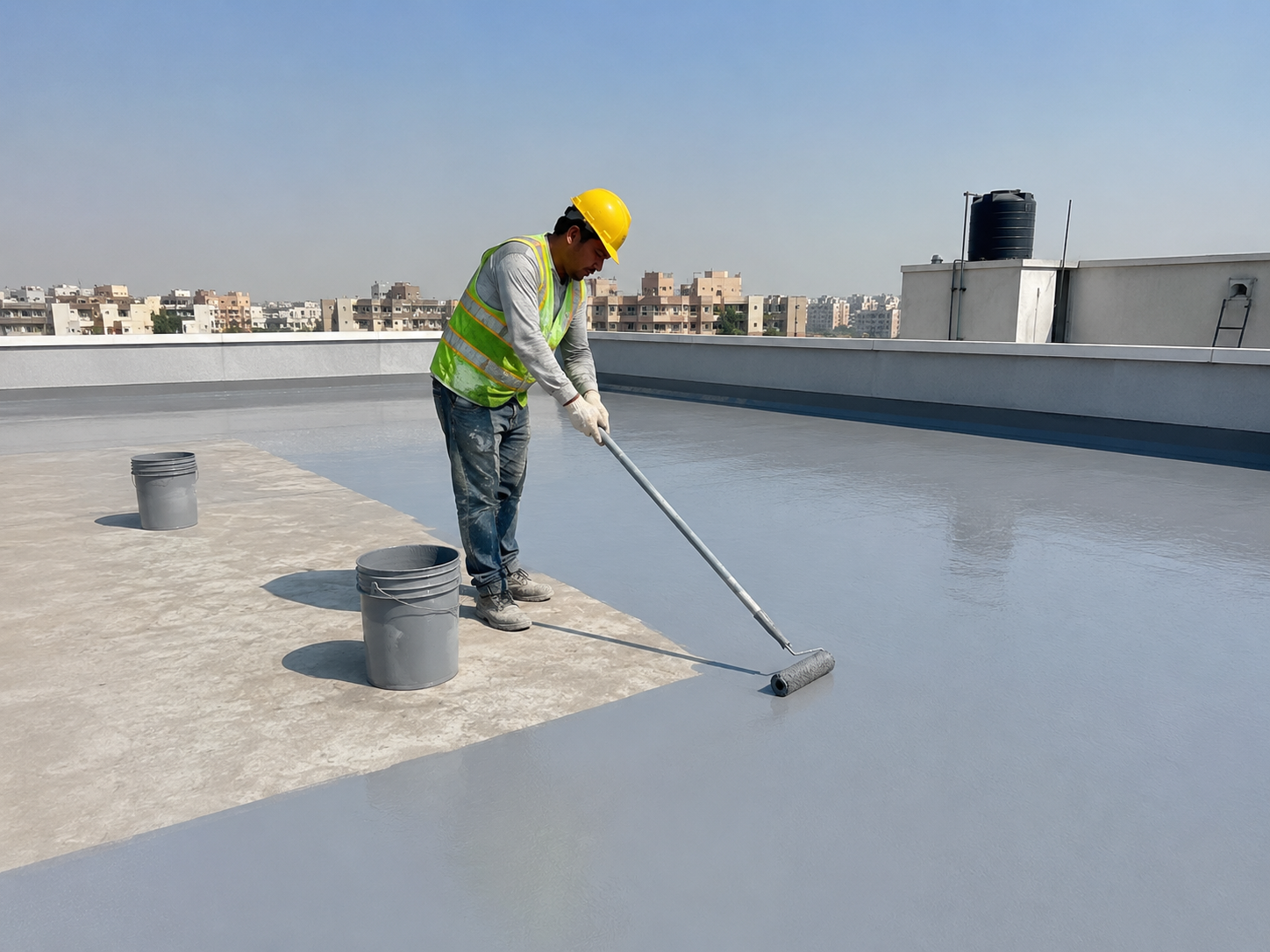
Concrete Roof Details Matter More Than the Coating Area Alone
A quotation that focuses only on total square footage may miss the most leak-prone parts of a concrete roof. In many cases, the flat field area is not the most difficult part. The risk is concentrated at the details.
Parapet wall junctions, internal corners, pipe penetrations, expansion joints, outlet openings and equipment supports need different treatment from the open roof surface. These areas move differently, collect water differently and are more difficult to coat evenly.
For example, a roof outlet may look serviceable, but if the waterproofing termination is weak around the outlet collar, water can enter below the membrane. A pipe penetration may be sealed with ordinary sealant, but sealant alone may not be enough if the pipe moves or the surrounding mortar is cracked. A water tank plinth may hide trapped moisture because water collects around its base after rain.
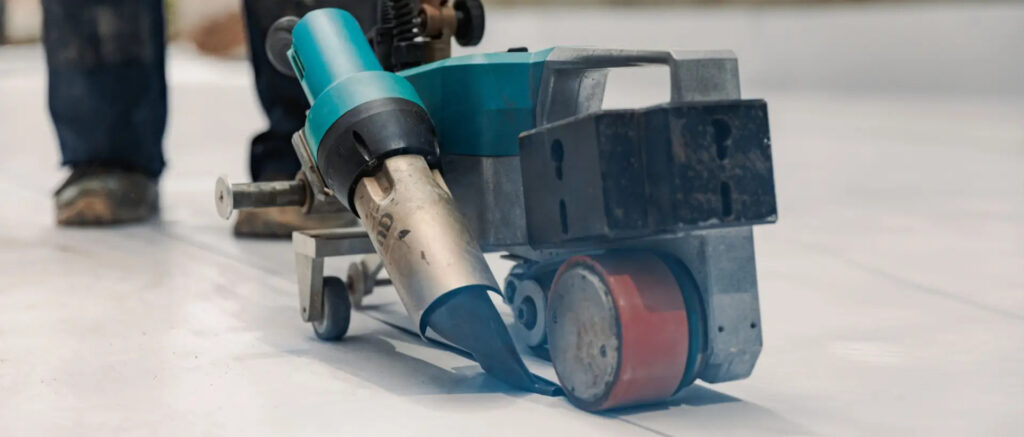
A proper waterproofing scope should explain how these details will be handled, not only state that the whole concrete roof will be coated. If the system includes reinforcement at corners, joint treatment, crack repair or additional detailing around penetrations, those items should be clearly described.
The Right System Depends on Exposure, Ponding and Use of the Roof
Not every waterproofing material is suitable for every concrete roof condition. A roof that is fully exposed to sunlight, rain and foot traffic needs a different evaluation from a protected area beneath tiles or screed.
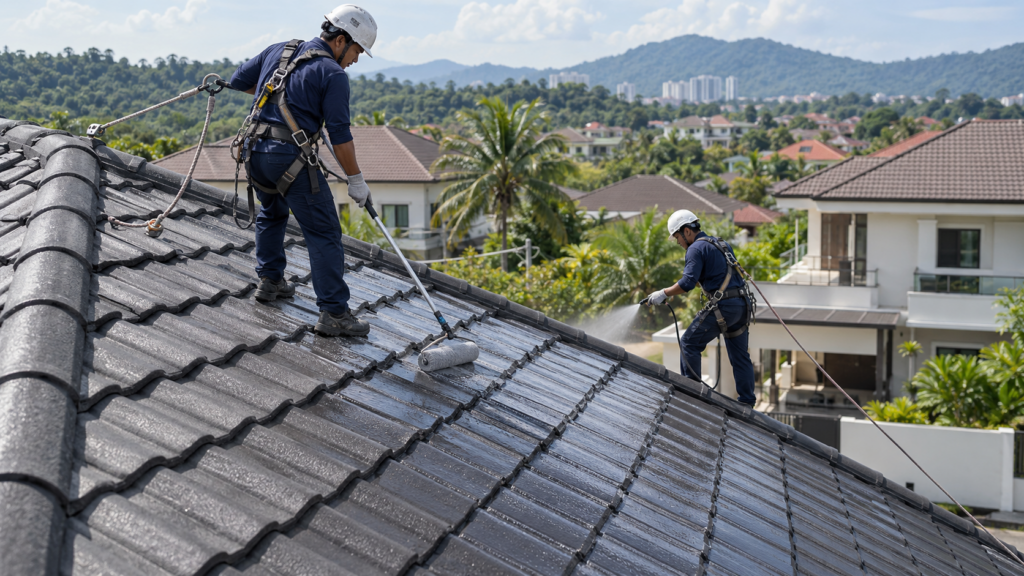
For an exposed concrete roof, the waterproofing system must tolerate UV exposure, heat movement, rainwater and maintenance access. If the roof has ponding water, the system’s suitability for standing water should be verified from the technical data sheet. If the roof is regularly accessed for servicing tanks or mechanical equipment, surface durability and protection may also matter.
A cementitious slurry, acrylic coating, polyurethane membrane or other waterproofing system may each have a role, but suitability depends on the substrate and final exposure. Some systems are designed to be protected. Some are better for vertical or wall-floor junction applications. Some require a dry, stable substrate before application.
This is why “best waterproofing” cannot be decided from warranty length alone. The better decision is based on the roof’s actual demand: movement, water retention, surface condition, exposure, access and repairability.
QingLong Waterproofing supplies and applies different waterproofing materials for residential, commercial and industrial projects, including coating, slurry, sealant and complete waterproofing system options. The important step is matching the system to the concrete roof condition rather than selecting by product name only.
What a Useful Waterproofing Proposal Should Clarify
A strong proposal for concrete roof waterproofing should make the risk visible before work starts. It does not need to be overly complicated, but it should show that the contractor or supplier has considered the site condition and not only the warranty period.
A useful proposal should clarify the existing roof condition, the preparation method, the waterproofing build-up, the treatment of weak details and the limitations of the warranty. If ponding water remains, if old layers are not removed, or if certain areas cannot be accessed, those conditions should be stated clearly.
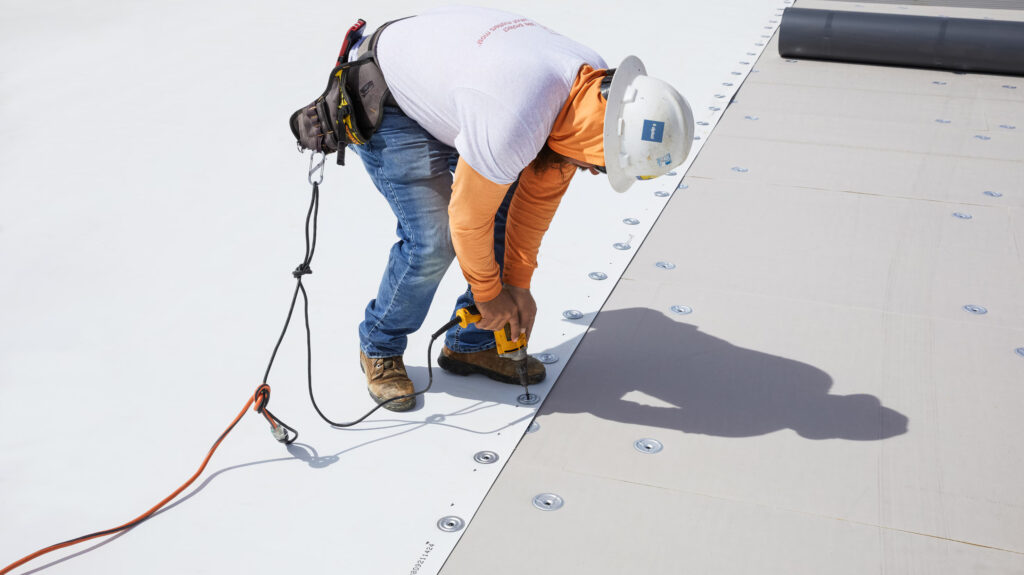
The proposal should also explain whether the work includes crack treatment, removal of loose coating, priming, reinforcement at corners, upturn height, outlet detailing and curing requirements. These items affect performance more directly than a broad warranty statement.
For building owners and property managers in Petaling Jaya, this is especially important when the roof protects occupied bedrooms, offices, retail areas or tenant spaces. A failed repair is not only a technical issue. It may mean repeated complaints, ceiling damage, business interruption and another round of hacking, cleaning or repainting.
How to Read a Waterproofing Warranty More Carefully
A waterproofing warranty should be read together with its conditions. It may exclude damage caused by structural movement, poor drainage, ponding water, later renovation works, mechanical damage, lack of maintenance or unauthorised modification. These exclusions are not unusual, but they must be understood before approval.
A practical way to assess a warranty is to ask four questions:
What is covered? Product defect, workmanship, leakage repair, or only specific areas?
What is excluded? Ponding, cracks, movement, third-party damage or poor maintenance?
What maintenance is required? Cleaning outlets, avoiding puncture, checking joints or recoating?
What site conditions must be met? Dry substrate, stable screed, correct thickness, proper curing or protection?
A warranty is useful when it supports a properly designed waterproofing scope. It becomes risky when it replaces inspection, preparation and detailing.
Conclusion
Concrete roof waterproofing in Petaling Jaya should not be approved based on warranty length alone. The warranty should confirm the agreed scope, not replace proper roof assessment. The main decision is whether the roof surface, drainage, cracks, penetrations, parapet details and existing layers are suitable for the proposed system. If those risks are checked and addressed first, the warranty becomes meaningful. If they are ignored, even an impressive warranty may not stop the same leak from returning.
If you need to assess a leaking or ageing concrete roof, QingLong Waterproofing can review the site condition and recommend a suitable waterproofing approach. You may contact QingLong Waterproofing for a roof waterproofing assessment.
Frequenlty Asked Questions (FAQs)
1. Is a longer waterproofing warranty always better?
No. A longer warranty is only useful if the concrete roof condition, waterproofing system and application method are suitable. Poor drainage, weak screed or untreated roof details can still cause leakage even when a long warranty is offered.
2. Can waterproofing be applied over an old roof coating?
It may be possible if the old coating is clean, dry and firmly bonded. If the old layer is peeling, blistering, damp or poorly adhered, it may need removal or surface preparation before a new waterproofing system is applied.
3. Why does ponding water matter on a concrete roof?
Ponding water increases stress on the waterproofing layer and exposes weak details for longer periods. If roof falls or outlets are poor, the waterproofing system must be selected and detailed with that condition in mind.
4. Should the whole roof be waterproofed or only the leaking area?
That depends on the inspection findings. Local repair may be suitable for an isolated defect, but widespread coating failure, multiple cracks, weak screed or repeated leakage may require a wider roof waterproofing scope.