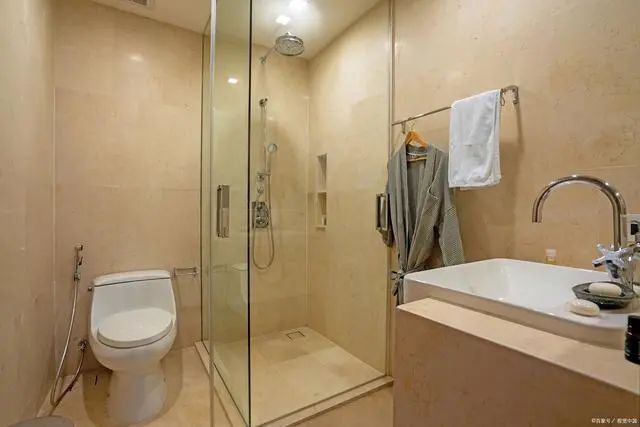
A toilet leak often looks simple from the outside: a ceiling stain below the bathroom, dampness beside the door frame, peeling paint on the wall, or water marks near the skirting. The common reaction is to look for a toilet waterproofing contractor immediately. That may be the right next step, but only after the leak source is reasonably understood. In many toilets, the visible wet area is not where water first entered. Water can travel through screed, pipe penetrations, wall-floor joints, grout lines, or concealed plumbing before appearing somewhere else.
A Ceiling Stain Below the Toilet Does Not Prove the Floor Membrane Has Failed
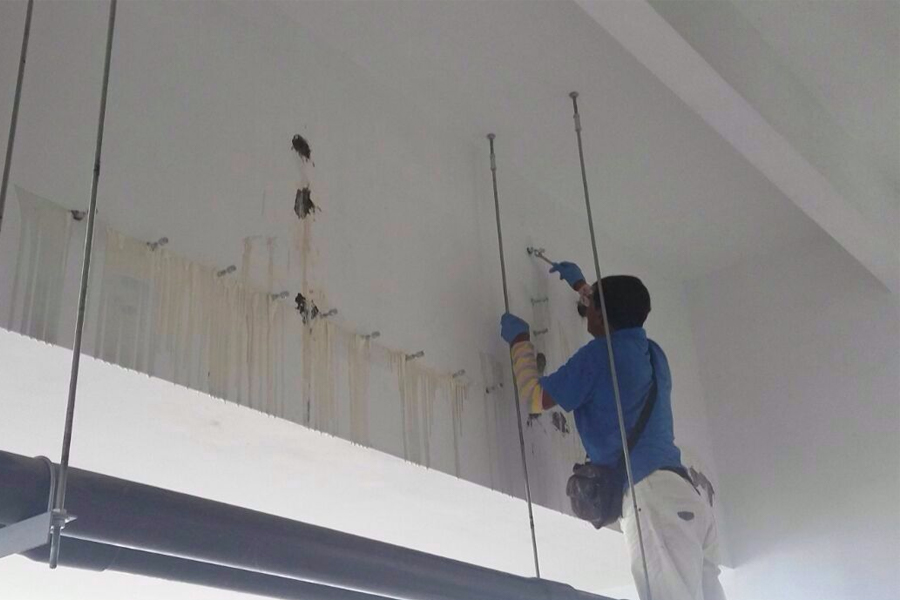
A stain on the ceiling below a toilet is useful evidence, but it is not a complete diagnosis. It confirms that moisture has reached the slab or ceiling zone. It does not confirm whether the water came from the toilet floor, shower area, wall pipe, floor trap, WC outlet, basin pipe, or an adjacent wet area.
This distinction matters because each source needs a different repair method. If the problem is a leaking water supply pipe, applying a new waterproof coating over the toilet floor will not stop the leak. If the issue is a failed floor-waterproofing system below tiles, replacing only sealant around the wall edge may produce a short-lived result.
Before hiring a toilet waterproofing contractor, the leak source should be narrowed down as much as possible. A ceiling stain below the toilet may come from failed floor waterproofing, pipe leakage, floor trap defects, wall-floor joint failure, or water escaping from fixtures. The repair scope should follow the source, not only the visible stain.
For homeowners, this does not mean performing a full technical inspection alone. It means observing the leak pattern carefully and avoiding a repair decision based only on the most obvious mark.
The Leak Pattern Can Separate Plumbing Problems from Waterproofing Problems
One of the most useful early checks is the timing of the leakage. A toilet waterproofing failure and a plumbing leak often behave differently.
If water stains worsen only after showering, mopping, or frequent floor wetting, the source may be related to the floor waterproofing layer, tile joints, wall-floor junctions, floor trap area, or shower zone. Water may pass through grout or cracked tile joints, enter the screed, and find a weak point in the waterproofing system.
If dampness continues even when the toilet has not been used, a concealed water pipe, valve, or fitting may be involved. In this situation, waterproofing over the floor surface will not address the pressure-fed water source. The leak may continue behind tiles or inside the wall.
If the ceiling below becomes wet shortly after flushing, the WC outlet, pan connector, waste pipe, or pipe penetration should be checked. A leak around a waste connection may not show on the toilet floor because the water escapes below the visible finish.
The usage pattern helps decide whether the first person to call should be a plumber, a waterproofing specialist, or a contractor capable of coordinating both checks. A good toilet waterproofing contractor should not ignore plumbing-related evidence just because the requested service is waterproofing.
Tile Joints and Sealant Can Mislead the Repair Decision
Many toilet leaks are first blamed on cracked grout, missing silicone, or darkened joints. These defects should not be ignored, but they should be interpreted carefully.
Tiles and grout are finishes, not the main waterproofing system. In a properly built wet area, some moisture may pass through tile joints over time, but the waterproofing layer below should prevent that moisture from reaching the slab or adjacent spaces. When leakage appears downstairs, the issue is often not only that grout is imperfect. The more important question is whether water has reached and bypassed the waterproofing layer below.
Sealant around the toilet perimeter, shower screen, basin cabinet, or wall corner can also fail. Replacing sealant may help when water is escaping at a surface joint, especially near shower screens or door thresholds. However, resealing should not be treated as a complete solution when water has already migrated beneath tiles or when there is evidence of membrane failure.
This is where some quick repairs fail. The visible gap is sealed, but trapped moisture remains in the screed. If the floor continues to receive water through other tile joints or pipe penetrations, the leak may return in another location.
A surface repair is most suitable when the defect is clearly surface-related and the waterproofing layer is still performing. When the leak has reached the slab, the repair may need to address the system below the tiles.
The Details Around Floor Traps, Pipes and Door Thresholds Deserve Special Attention
In toilet waterproofing, flat floor areas are not always the weakest points. The more vulnerable details are often where different materials or openings meet.
The floor trap is a common example. The waterproofing layer must connect properly around the trap body and pipe opening. If the surrounding screed is cracked, loose, or poorly sealed, water can enter the slab zone even when the tiles look acceptable from above.
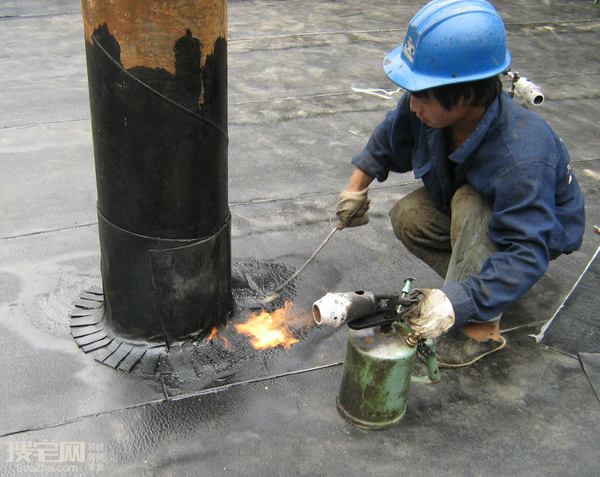
Pipe penetrations are another critical detail. Water supply pipes, waste pipes, and drainage openings interrupt the floor or wall surface. If the waterproofing system was not properly dressed around these areas, leakage may appear below or beside the toilet, not necessarily at the pipe location.
Wall-floor junctions also need attention because they handle movement and regular wetting. In shower areas, water often runs down the wall and collects at the corner. If the waterproofing upturn is insufficient, damaged, or separated from the substrate, moisture may move into the wall or adjacent room.
Door thresholds can create a different problem. If the toilet floor level, slope, or threshold detail allows water to escape outward, dampness may appear at the door frame, corridor wall, or nearby skirting. This may be mistaken for rising damp or wall seepage when the source is actually repeated wetting from inside the toilet.
These details are why a proper inspection should not only look at the centre of the toilet floor.
What a Contractor Should Check Before Recommending Hacking or Coating
Not every toilet leak requires the same level of repair. Some cases can be handled with localised sealing, plumbing repair, or fixture correction. Others require tile removal and reinstatement of the waterproofing system. The difference should come from inspection, not guesswork.
Before recommending hacking, coating, or retiling, a toilet waterproofing contractor should normally consider:
Whether leakage occurs only during toilet use or also during non-use periods
Whether the wet area is below the shower zone, WC area, basin area, or pipe route
Whether the floor trap, pipe penetrations, wall-floor junctions, and threshold show defects
Whether tiles are hollow, cracked, loose, or allowing water to enter the screed
Whether concealed plumbing should be pressure-tested or checked by a plumber
Whether the existing substrate can receive a new waterproofing system if tiles are removed
These checks help prevent two common mistakes: doing too little and doing too much. Doing too little means sealing visible gaps while the real source remains active. Doing too much means hacking the whole toilet before checking whether the leak is actually from a pipe or fixture.
A reliable toilet waterproofing recommendation should explain what evidence points to the proposed repair. If the contractor recommends full floor hacking, the reason should be connected to failed waterproofing, saturated screed, loose tiles, poor falls, or weak details—not simply because there is a stain below the toilet.
For homeowners, the important question is not only “How much is the repair?” but “What leak source is this repair intended to stop?”
When Full Toilet Waterproofing Renewal Becomes the More Practical Option
There are situations where local repair is unlikely to be reliable. If many tiles are hollow, the screed is saturated, water is affecting the ceiling below repeatedly, or leakage appears in several locations, full renewal may be more practical than chasing one defect at a time.
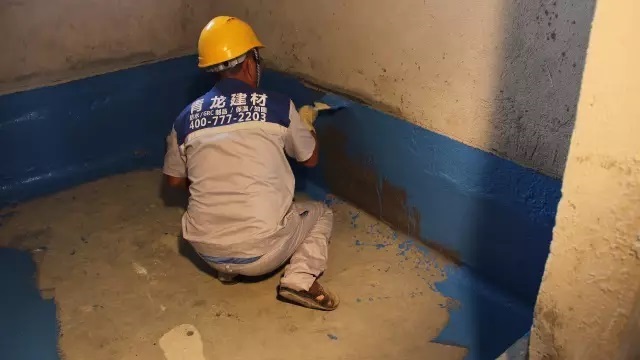
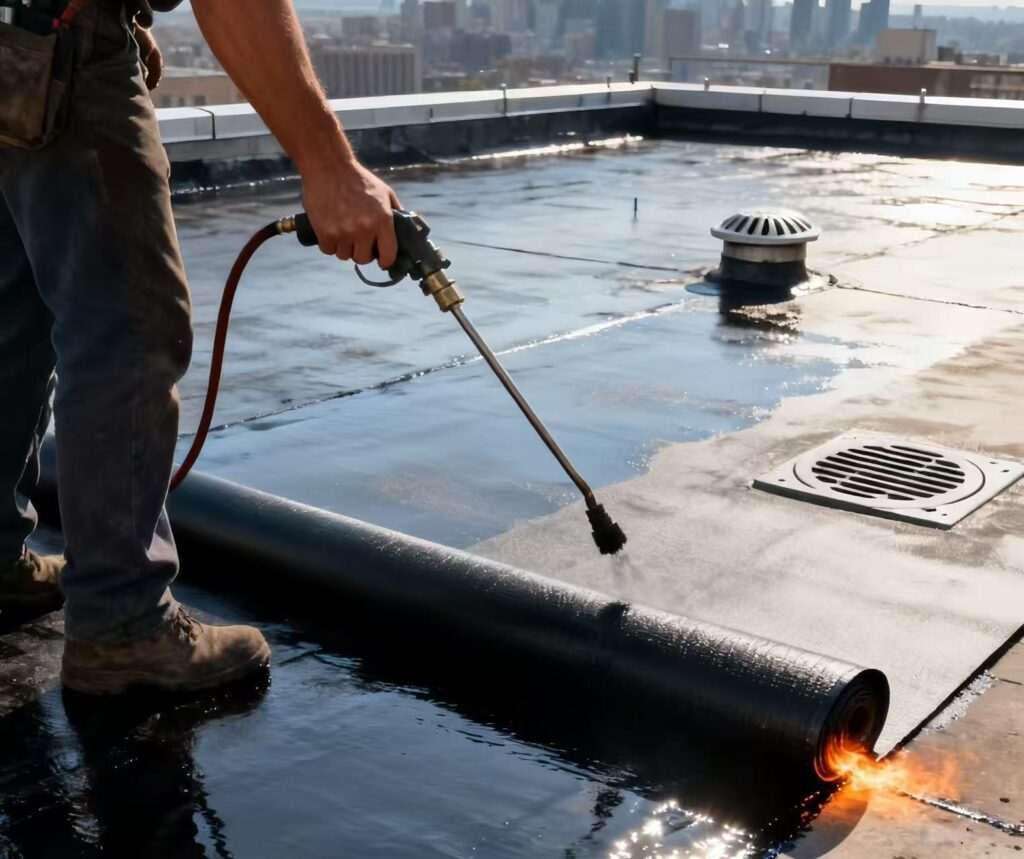
Full toilet waterproofing renewal usually means removing the existing tiles and affected screed, preparing the substrate, treating corners and penetrations, applying a suitable waterproofing system, and reinstating the floor and wall finishes. This is more disruptive than surface sealing, but it allows the waterproofing layer to be rebuilt rather than patched from above.
The decision also depends on how the toilet is used. A family bathroom with frequent showering, children, or regular floor wetting needs a more robust approach than a lightly used powder room. In high-use toilets, weak repairs tend to reveal themselves quickly because water exposure is constant.
QingLong Waterproofing provides waterproofing materials and service support for residential wet areas, including bathrooms and toilets. Where the source is uncertain, the useful first step is not to choose a product name immediately, but to review the toilet condition, water-use pattern, and vulnerable details before deciding the repair method.
Conclusion
Hiring a toilet waterproofing contractor is easier when the leak source has been considered first. A ceiling stain, damp wall, or peeling paint confirms that water has escaped somewhere, but it does not identify the entry point. The repair should be based on whether the source is plumbing, floor waterproofing, pipe penetration, wall-floor junction, fixture leakage, or threshold overflow. If you need help assessing a toilet leak before deciding on repair scope, you can contact QingLong Waterproofing for suitable advice.