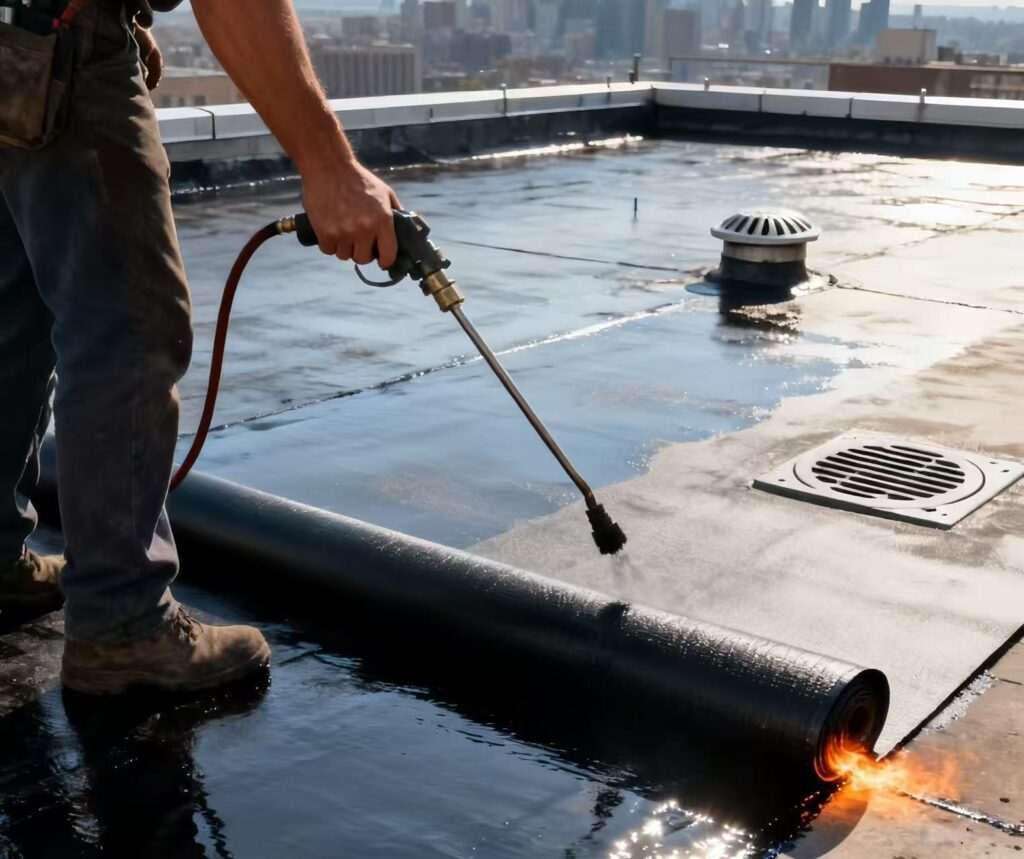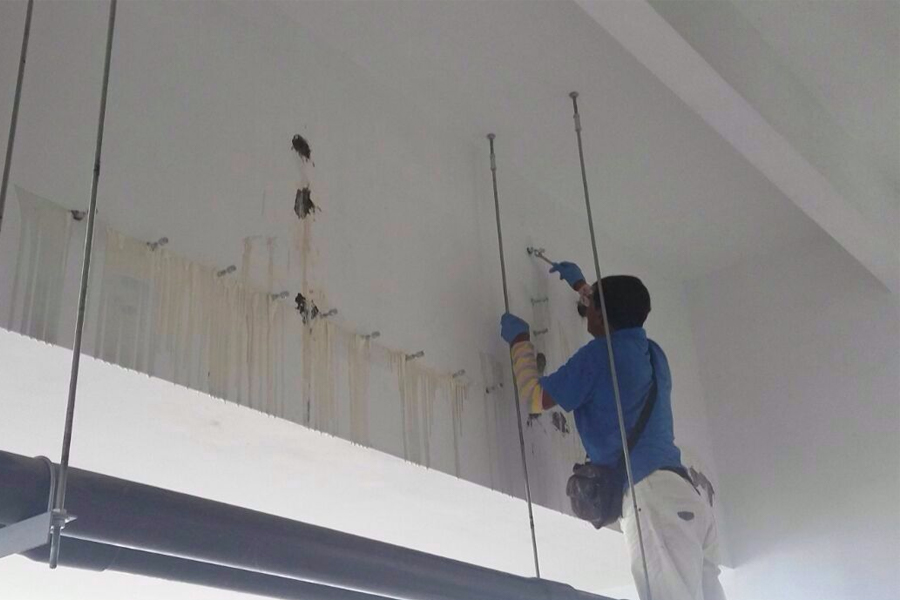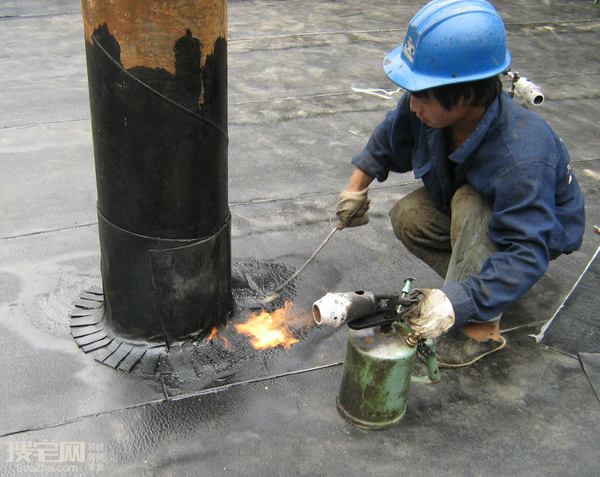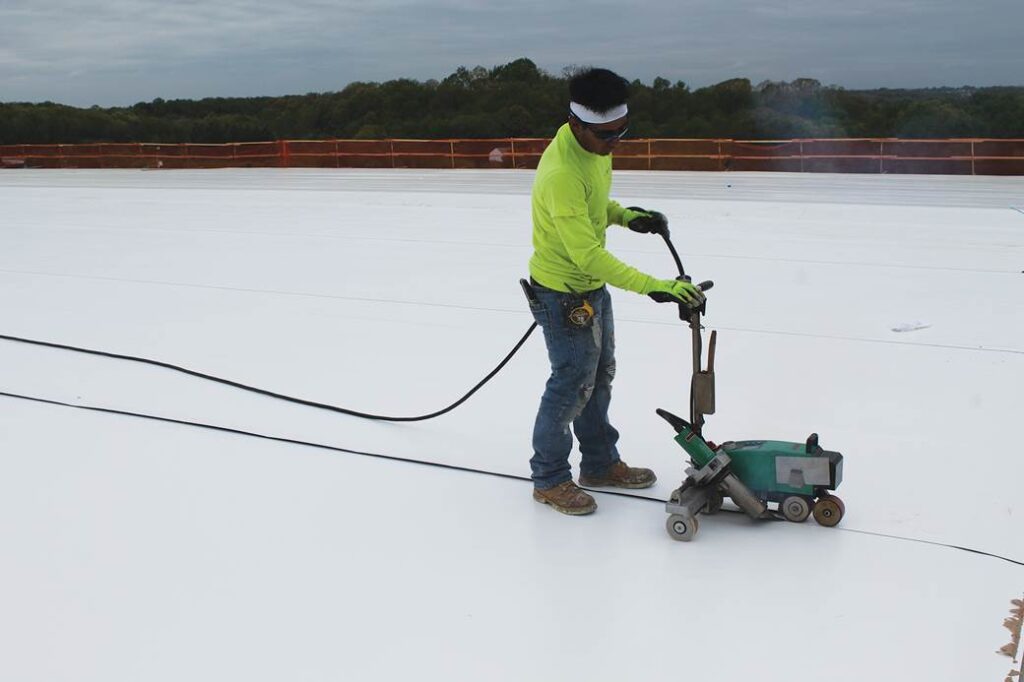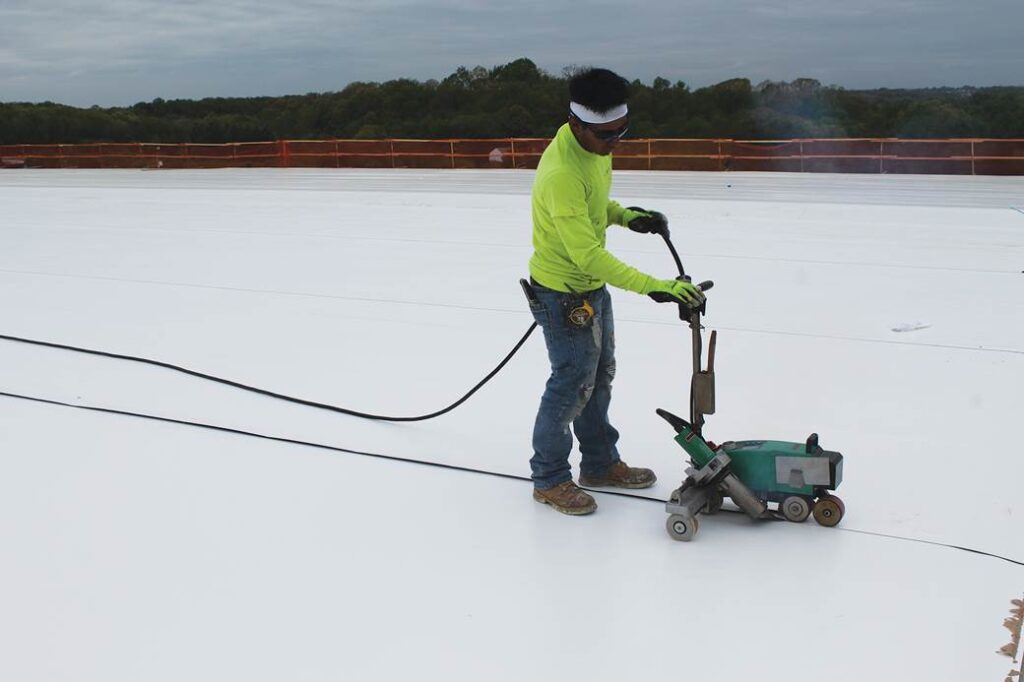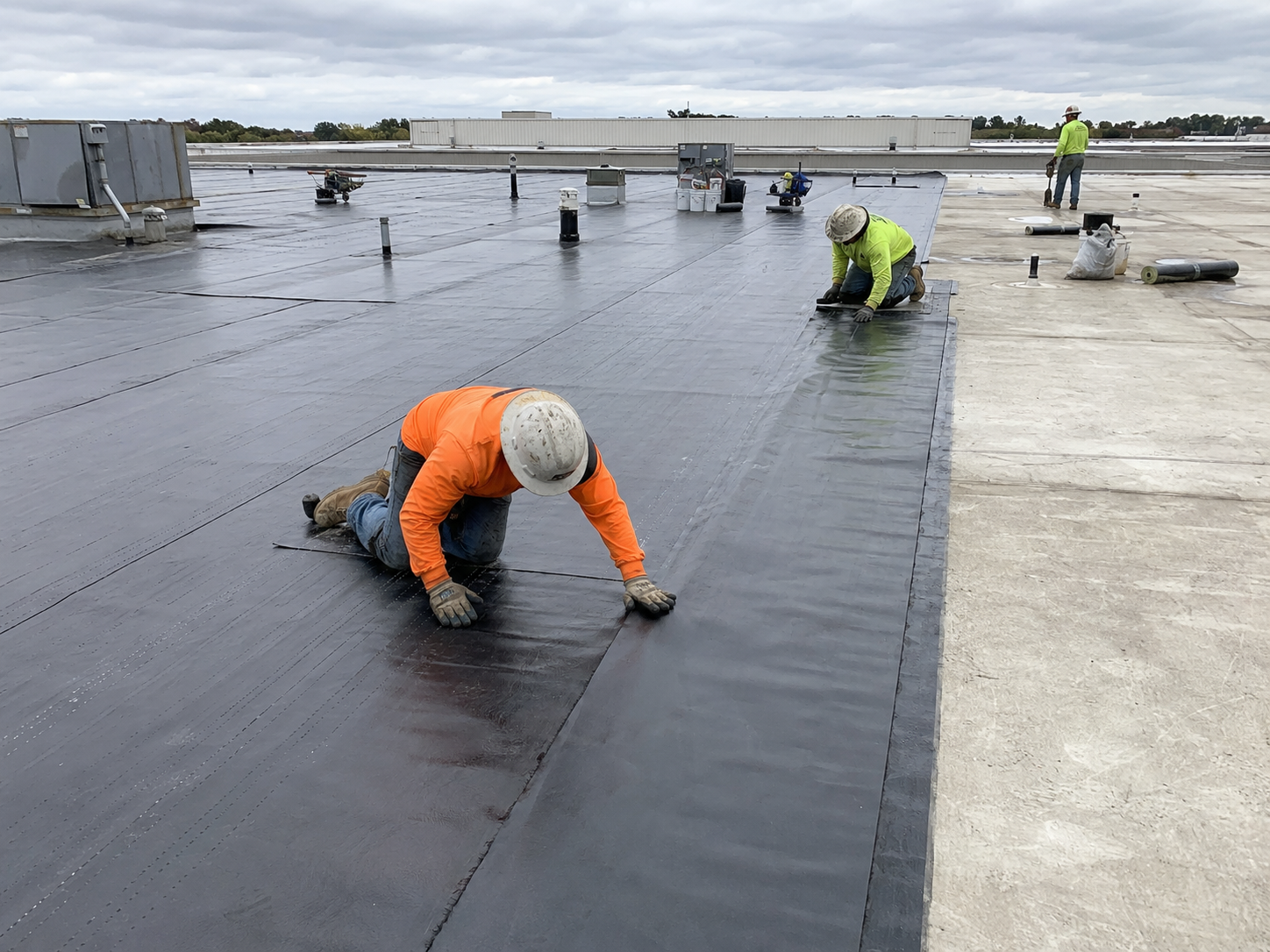
Concrete roof waterproofing in Petaling Jaya often starts with a small patch: a crack sealed, a corner coated, or a drain area repaired after water stains appear below. That can be reasonable when the defect is local and the surrounding roof system is still sound. The problem comes when the same roof leaks again after every repair. At that point, the question is no longer “Where can we apply more coating?” but “Is the roof still repairable by patching, or has the waterproofing system failed as a whole?”
A Patch Only Works When the Leak Is Truly Local
A local patch can be effective when the source of water entry is clear, limited and connected to a specific defect. For example, a newly formed hairline crack, a small gap around a pipe penetration, or a damaged section near a roof outlet may be repaired without renewing the entire roof surface.
But the patch must be applied to a stable substrate. If the surrounding coating is peeling, the screed is weak, or moisture is trapped below the old waterproofing layer, a new patch is only bonding to a failing surface. It may stop water temporarily, but it does not restore the roof’s waterproofing integrity.
Patching is not enough when the concrete roof has widespread coating failure, ponding water, multiple cracks, hollow screed, leaking roof details or repeated leakage after previous repairs. In these situations, the issue is usually not one visible crack. The waterproofing layer, substrate condition or drainage detail must be reassessed before more repair material is applied.
This distinction matters because repeated patching can hide the real pattern of failure. A roof may end up with many repair spots, but no continuous waterproofing protection.
Repeated Leaks Usually Mean the Roof Needs Diagnosis, Not More Material
When a concrete roof leaks again after patching, it does not always mean the patching product was poor. Often, the first repair addressed the visible defect but not the condition that caused the failure.
On flat concrete roofs in mature Petaling Jaya properties, several conditions commonly make patching unreliable. Older terrace houses, shoplots and low-rise commercial buildings may have roof areas that have been modified over time. Water tanks, air-conditioning supports, pipe penetrations, old cement fillets, added awnings and previous coating layers can create many vulnerable details.
A stain on the ceiling also does not prove that water is entering directly above it. Water can move along the slab surface, below the screed, through a construction joint, or around a penetration before appearing indoors. If the repair is made only at the stain location, the actual entry point may remain untreated.
Before another patch is approved, the roof should be checked for patterns such as:
cracks continuing beyond the repaired area
soft, powdery or hollow screed
blistering or peeling existing coating
ponding water after rain
open gaps at pipe penetrations, parapet corners or upstands
blocked or undersized outlets
patch repairs that are no longer bonded at the edges
These observations help separate a simple local defect from a roof system that has lost continuity.
Ponding Water Changes the Repair Decision
Ponding water is one of the main reasons patch repairs fail on concrete roofs. A coating or sealant patch may appear intact when dry, but standing water places longer exposure on weak joints, pinholes and poorly bonded edges.
The issue is not only the waterproofing material. The roof fall, screed level and drainage outlet position also matter. If water constantly sits around a low point, every patch in that area is being asked to perform under more demanding conditions than the rest of the roof.
For concrete roof waterproofing, drainage should be treated as part of the repair decision. If the roof has poor falls, sunken areas or outlets that cannot discharge water efficiently, simply applying another layer over the affected zone may repeat the same failure. In some cases, the screed profile may need correction before a waterproofing system is renewed.
This is especially important where the roof is above bedrooms, offices, shops or electrical rooms. A small water entry point can cause visible damage below, but the real repair scope may involve the roof surface, outlet detailing and parapet junctions together.
Old Layers Can Make New Patches Unreliable
Many leaking concrete roofs have more than one old repair layer. A previous acrylic coating, cement slurry, sealant bead or membrane patch may still be visible. Some areas may look protected, while others are cracked or peeling.
The risk is adhesion uncertainty. A new waterproofing product does not bond to “a roof” in general; it bonds to the actual surface presented on site. That surface may be old coating, dusty screed, damp cement, loose paint, algae contamination, or a previous repair material that is no longer well attached.
If the old layer is weak, applying new material over it may only create a better-looking surface for a short time. The new waterproofing layer can lift together with the old layer below it. This is why surface preparation is not a minor workmanship detail. It determines whether the repair becomes part of the roof or merely sits on top of an unstable layer.
A proper assessment should identify which areas can be retained, which areas need removal, and whether the substrate below is suitable for a new waterproofing build-up. Products such as cement-based waterproofing slurry, roof waterproof coating, sealant and joint tape may all have a role, but only after the substrate and details are understood.
When Full Roof Waterproofing Becomes More Sensible Than Patching
Full renewal does not mean every concrete roof leak requires complete hacking or a major rebuild. It means the repair approach changes from isolated spot treatment to restoring a continuous waterproofing system.
This is usually more sensible when the roof has multiple active defects, poor adhesion of old coatings, recurring leakage after several patch attempts, or water entering through several roof details. In that situation, local repairs may become a cycle of chasing the next weak point.
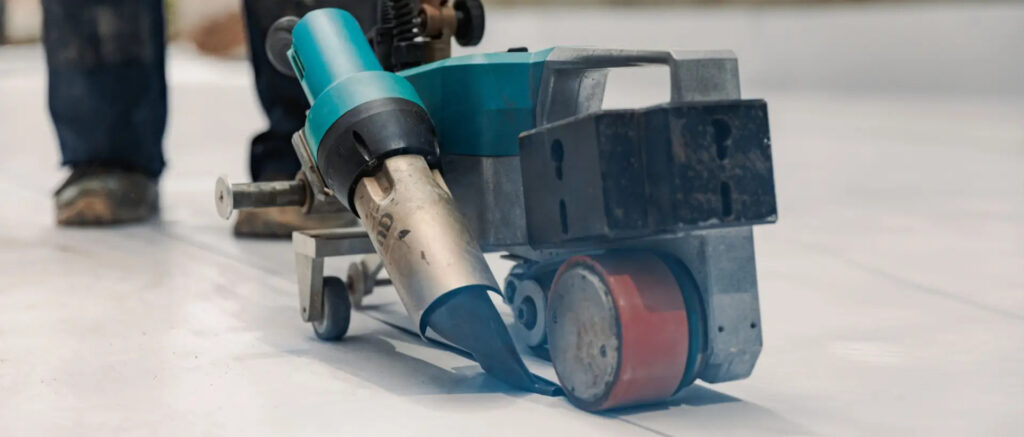
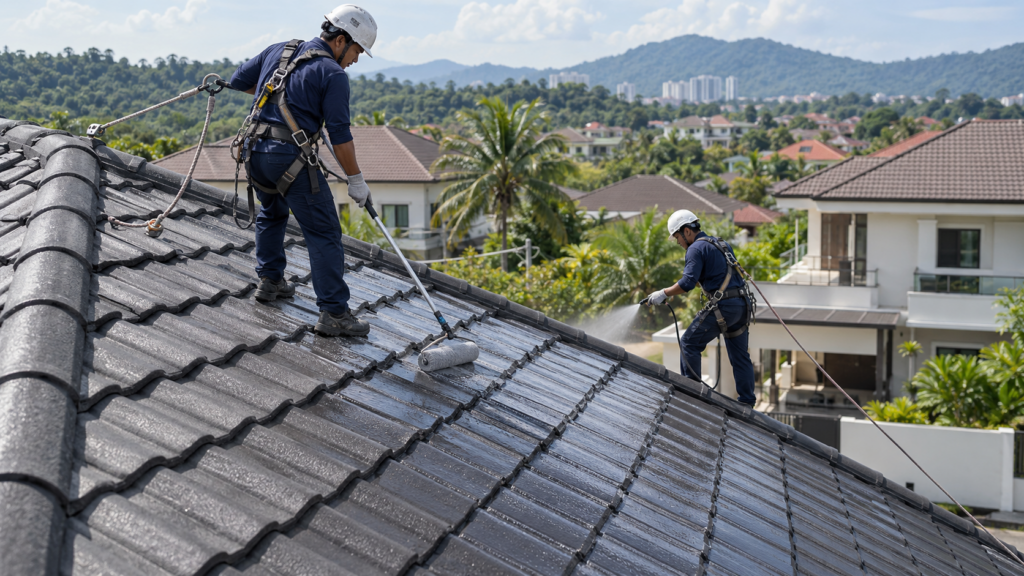
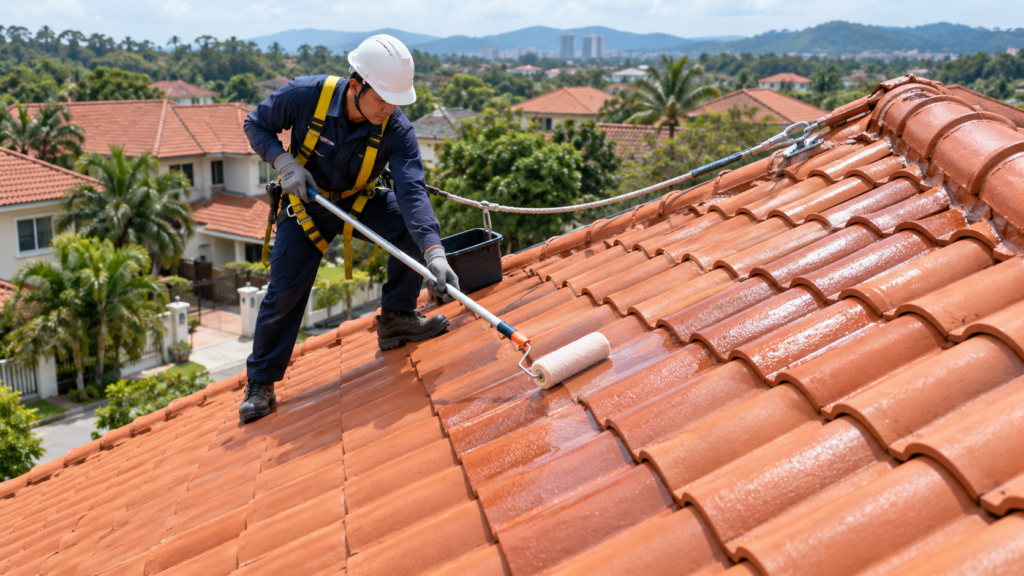
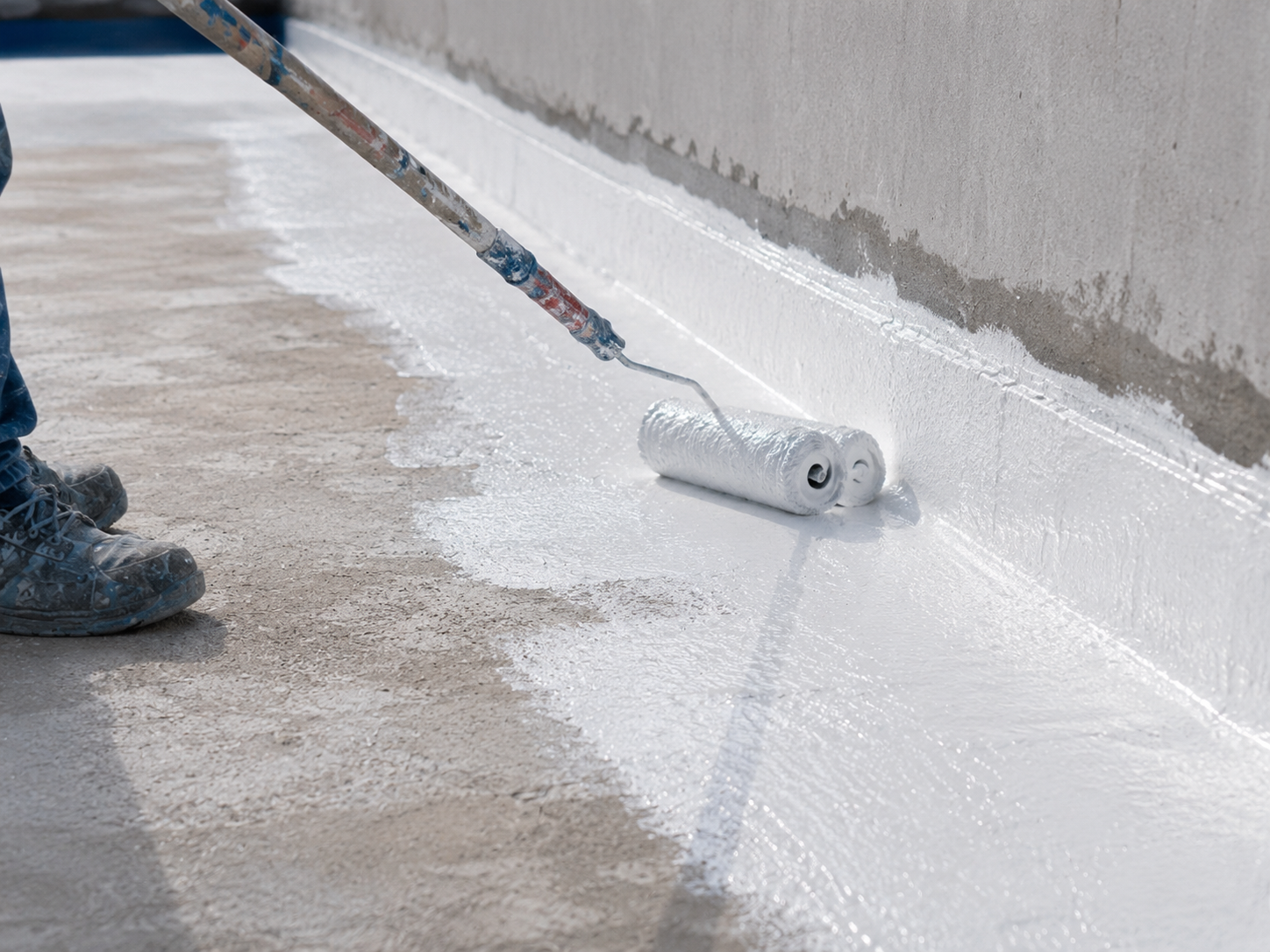
A more complete concrete roof waterproofing approach may involve removing loose layers, repairing cracks properly, treating joints and penetrations, correcting drainage concerns where possible, priming or preparing the substrate, then applying a compatible waterproofing system across the affected roof area. Parapet wall bases, pipe collars, internal corners and outlet zones often need separate detailing before the main roof surface is coated.
The important point is continuity. A roof waterproofing system should connect the field area, upturns, corners, penetrations and drainage points. If these details are treated separately with unrelated patches, water will usually find the weakest transition.
For Petaling Jaya property owners managing older homes or commercial units, this decision also affects disruption. A planned renewal can be scheduled with surface preparation, curing time and weather window in mind. Repeated emergency patching often happens under pressure, after water has already affected the interior.
Choosing the Right Repair Scope Before Spending Again
The most useful question before another repair is not “Which waterproofing product is strongest?” It is “What condition is the roof in now?”
If the concrete roof has one recent crack and the surrounding waterproofing is well bonded, patching may still be reasonable. If the roof has many past repairs, ponding water, loose coating and leakage at different locations, the budget is better directed toward diagnosis and system renewal rather than another small patch.
QingLong Waterproofing provides waterproofing materials and service support for residential, commercial and industrial projects, including concrete roof waterproofing, roof coating, joint treatment and leak repair solutions. Depending on the roof condition, relevant QingLong products may include roofing waterproof coating, K11 waterproof slurry, waterproof sealant or joint treatment accessories, subject to substrate suitability and product specification.
If your concrete roof in Petaling Jaya has leaked again after previous patching, the next step should be to confirm whether the failure is local or system-wide. You can contact QingLong Waterproofing for a site-specific waterproofing recommendation before committing to another round of repair work.
Conclusion
Patching is useful only when the roof problem is limited and the surrounding waterproofing remains sound. Once leaks recur, coating edges lift, water ponds, or several details fail at the same time, more patching may simply delay the proper repair. For a concrete roof, the better decision is to inspect the substrate, drainage and roof details first, then choose a repair scope that restores continuous waterproofing protection rather than covering the next visible crack.
Frequently Asked Questions (FAQs)
1. How do I know if my concrete roof only needs patching?
Patching may be suitable when the leak comes from one clearly identified defect, such as a small crack, pipe penetration or isolated damaged area, and the surrounding waterproofing remains firmly bonded. If the roof has multiple cracks, peeling coating, ponding water or repeated leakage, a wider waterproofing assessment is usually needed.
2. Why does my concrete roof keep leaking after patch repairs?
Repeated leakage often means the original repair treated only the visible symptom. Water may still be entering through another crack, joint, parapet junction, roof outlet or penetration. Weak screed, poor drainage and deteriorated waterproofing layers can also cause the leak to return.
3. Can waterproof coating be applied over an existing roof coating?
It depends on the condition and compatibility of the existing layer. Loose, blistered, contaminated or poorly bonded coatings should not simply be covered with a new waterproofing product. The existing surface should first be inspected, cleaned and prepared so the new system can achieve proper adhesion.
4. Does ponding water mean the whole concrete roof needs to be waterproofed again?
Not necessarily. The extent of ponding, condition of the screed, drainage falls, outlets and existing waterproofing should be checked first. Local correction may be possible in some cases, while widespread ponding or coating deterioration may justify a more complete waterproofing renewal.
5. When is full concrete roof waterproofing better than repeated patching?
A more complete waterproofing system is generally more practical when leaks occur in several locations, previous patches keep failing, old coatings are peeling, the screed is weak or hollow, or multiple roof details are allowing water entry. The objective is to restore continuous waterproofing protection instead of repeatedly repairing isolated spots.