Underground leakage is rarely solved by looking only at the wet patch. In basements, lift pits, pump rooms, underground car parks or retaining wall areas, water may enter through one detail and appear somewhere else after travelling along a joint, slab interface or pipe sleeve. For Johor Bahru underground waterproofing, the first decision is not which coating or injection material to use. The first decision is what evidence should be inspected before choosing the repair method.
A good inspection narrows the problem. A poor inspection often leads to repeated patching, especially when the repair treats the visible damp area but not the water path.
Start With the Water Appearance, But Do Not Assume It Shows the Entry Point
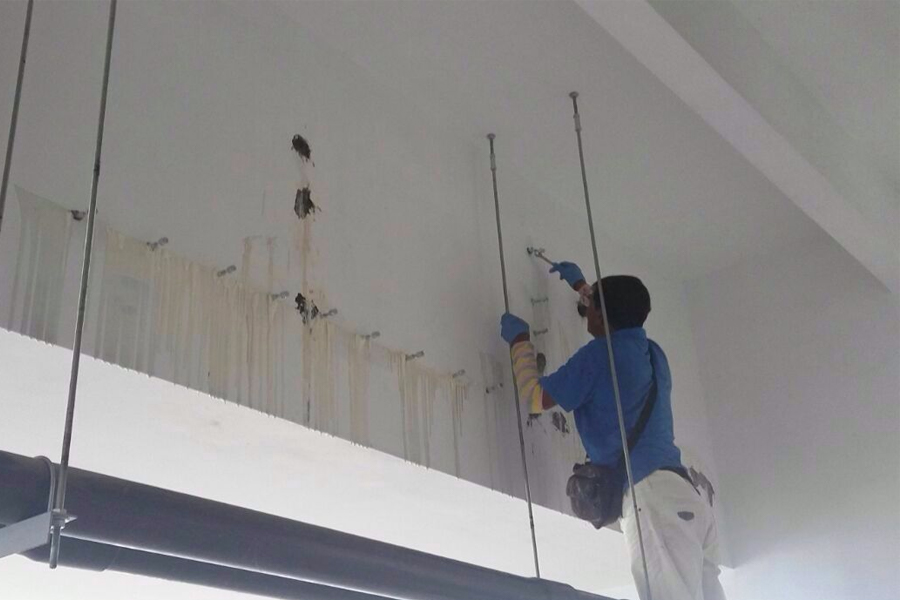
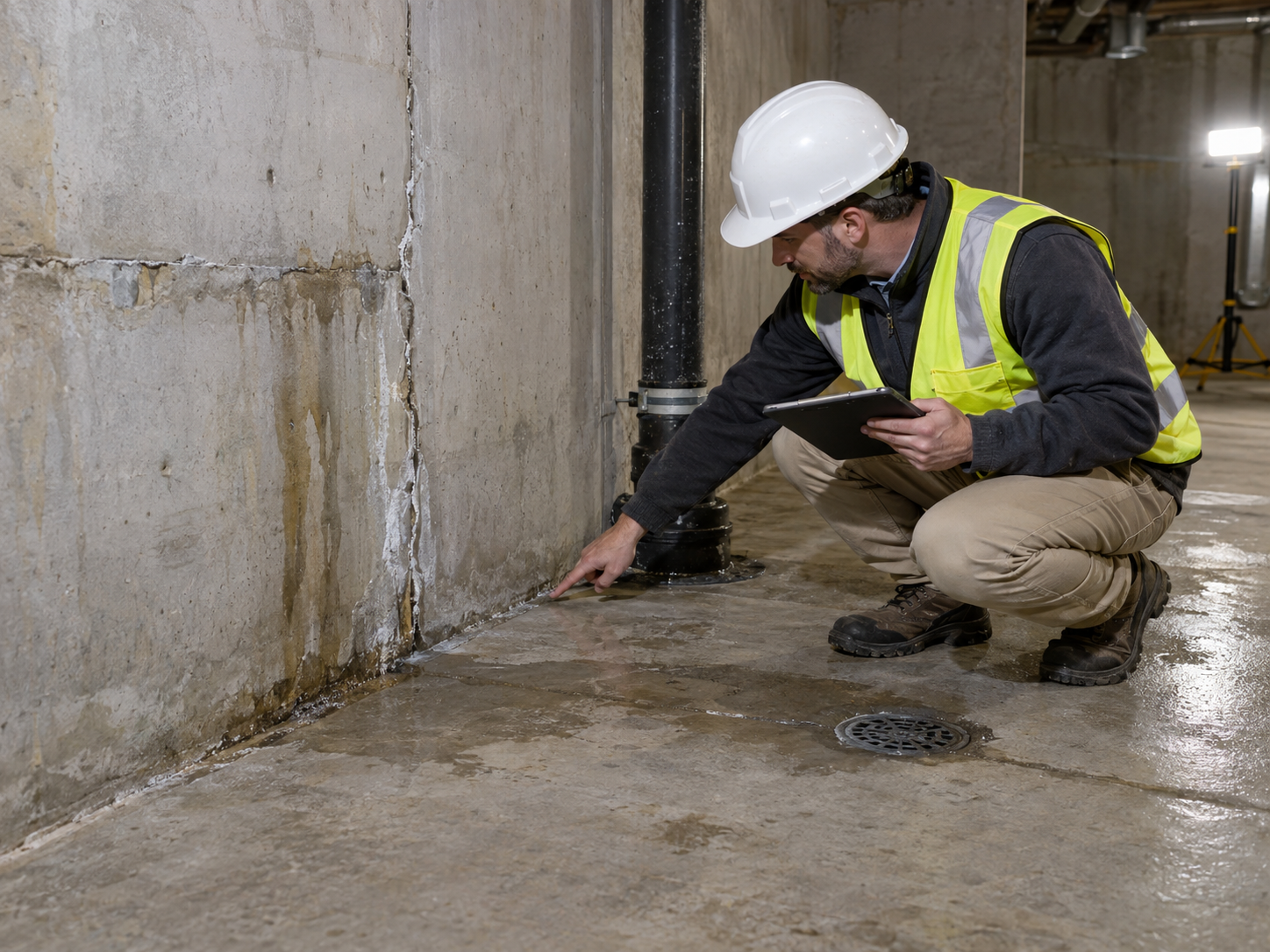
The visible leak is useful, but it is not complete proof of where water is entering. A stain on an underground wall may come from the wall itself, from a construction joint nearby, from a pipe penetration, or from water tracking behind a previous repair layer. On a floor slab, dampness may appear at a low point even though the water pressure is acting at a joint several metres away.
The first inspection should record the form of water movement:
• Is water actively flowing, slowly weeping, or only leaving damp marks?
• Does the leak increase after rain or remain constant?
• Is the water coming through a crack, joint line, pipe sleeve, honeycombed concrete, or wall-floor junction?
• Are there white mineral deposits, rust marks, blistered coating or peeling render?
• Has the same area been patched before?
This matters because each sign points to a different repair logic. Active water ingress may require temporary water stopping before a permanent waterproofing treatment. Dampness behind a coating may suggest trapped moisture or poor adhesion. Leakage along a joint may need joint-specific treatment rather than a broad surface coating.
Direct answer: For underground waterproofing in Johor Bahru, inspect the leak pattern, construction joints, wall-floor junctions, pipe penetrations, drainage condition and previous repair layers before selecting a waterproofing system. The visible damp patch should guide the inspection, but it should not be treated as the confirmed water entry point without further checking.
Give Priority to Joints, Corners and Penetrations Before Large Flat Areas
In underground structures, large concrete surfaces are often blamed first because they are visible. In practice, the more vulnerable points are usually the details where concrete continuity is interrupted.
Construction joints deserve early attention. These are locations where concrete was cast in stages, and they can become leakage paths if the joint treatment, compaction or later movement is insufficient. Expansion joints require even more care because they are designed to accommodate movement. A rigid repair over a moving joint may crack again.
Wall-floor junctions also need careful inspection. In basements, water pressure may act behind the retaining wall and push moisture towards the internal corner. If the internal corner has been repeatedly patched with cement mortar, the repair may look solid but still fail because the water pressure remains behind it.
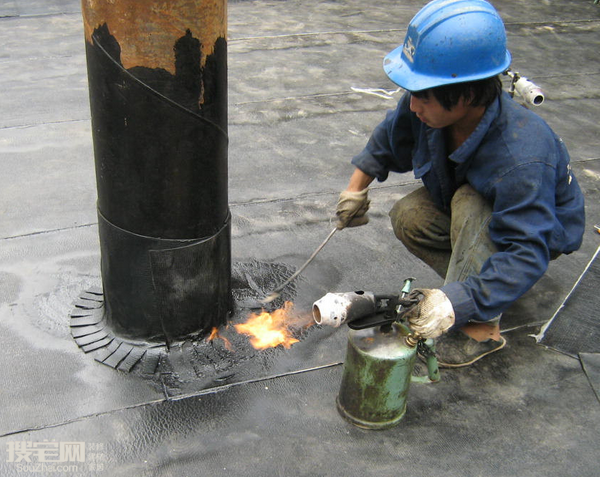
Pipe penetrations are another common weak point. Sleeves, service pipes and embedded conduits create circular interfaces where waterproofing continuity can be difficult. Small gaps around a pipe may not look serious, but under sustained water pressure they can allow steady seepage.
Flat wall or floor surfaces should still be checked, especially for cracks, honeycombing, porous concrete, weak plaster or coating failure. However, inspecting the detail points first usually gives a clearer diagnosis than coating the entire surface immediately.
Check Whether the Water Load Is Coming From Outside, Below or Around the Structure
Underground waterproofing is affected by water pressure, not only surface wetness. Before deciding on injection, internal coating or external waterproofing, the inspection should consider how water is reaching the structure.
For a basement retaining wall, external ground water may build up if surrounding drainage is blocked, undersized or poorly maintained. Surface runoff from paved areas can also increase pressure against underground walls if water is not directed away properly. In some Johor Bahru sites, especially dense commercial or industrial properties, drainage access may be limited after construction, making internal repair the only practical option unless excavation is possible.
For floor slabs, moisture may come from below the slab or through construction joints. If water appears at the slab-wall junction, it is important to check whether the issue is lateral seepage through the wall, upward pressure from below, or water travelling along the joint.
Pump rooms, lift pits and underground tanks require particular attention because they may sit at lower levels where water naturally collects. If a sump pump, drainage channel or outlet is not performing correctly, waterproofing defects may appear worse than they are. In such cases, repairing the waterproofing without correcting drainage or water discharge may only reduce symptoms temporarily.
The inspection should therefore separate two issues: the waterproofing defect and the water load acting on it. Both affect the repair method.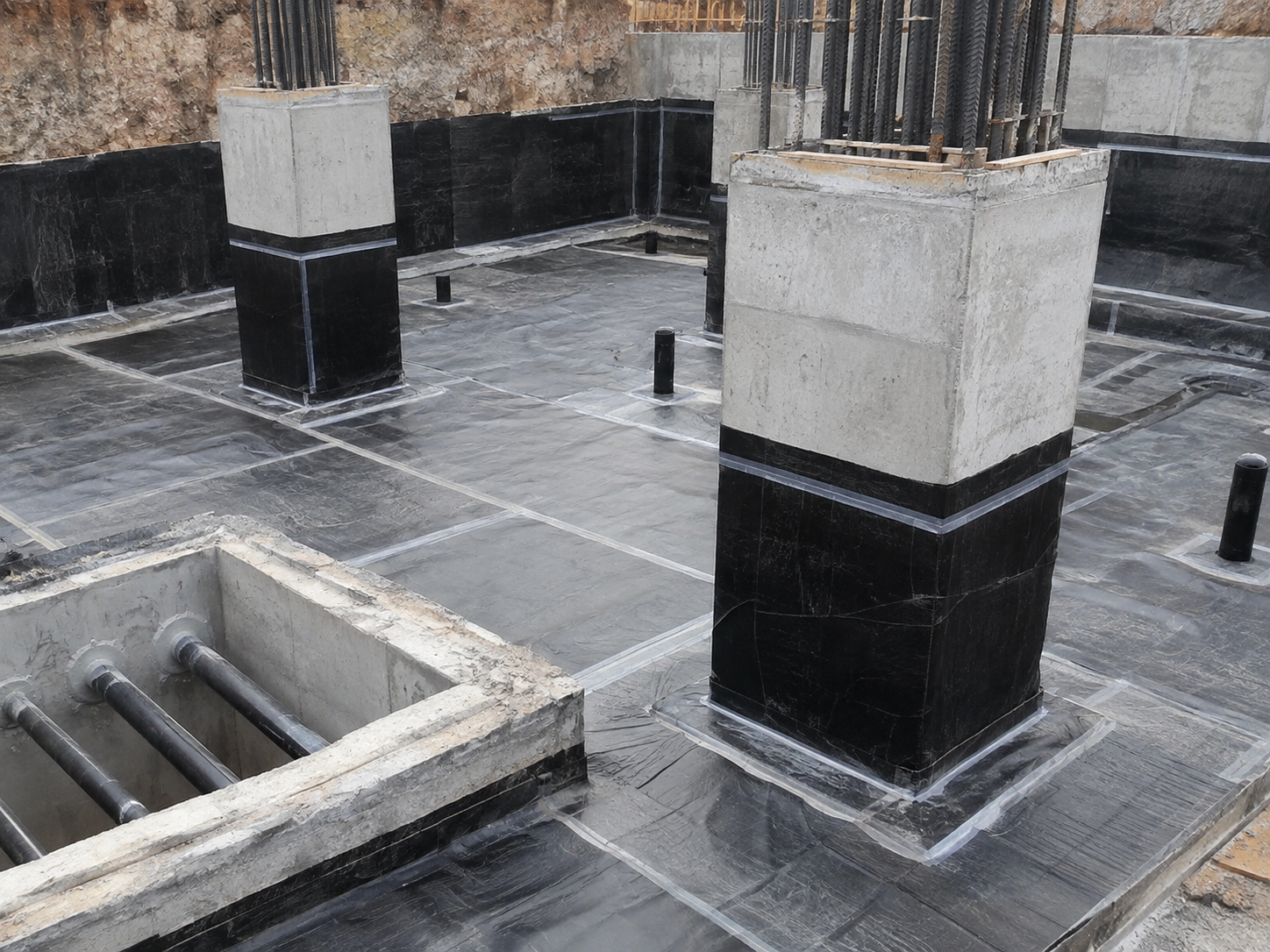
Review Previous Repairs Before Adding Another Layer
Many underground leakage areas already have a repair history. There may be cement patching, injection marks, waterproofing slurry, sealant, membrane remnants or repainting over damp surfaces. These existing layers can hide the original defect and affect the next repair.
A previous repair does not automatically mean the method was wrong. It may have been reasonable for the visible condition at that time. However, the repair may not have addressed the full water path, or the substrate may not have been prepared well enough for the material used.
For example, applying a waterproof coating over a damp, weak or contaminated surface can lead to blistering or debonding. Injecting only one crack may stop visible water at that crack but redirect pressure to a nearby joint. Patching a wall-floor corner with rigid material may fail if there is ongoing movement or hydrostatic pressure behind the wall.
Before specifying a new waterproofing system, the inspection should identify which existing materials must be removed, which can remain, and whether the substrate below is sound enough to receive a new treatment. This is especially important for internal waterproofing, where adhesion and surface preparation are critical.
Match the Repair Method to the Inspection Finding, Not the Other Way Around
Underground waterproofing repair should be selected after the inspection clarifies the water path, substrate condition and access constraints. Different methods serve different purposes.
Crack injection may be suitable when water is entering through identifiable cracks or joints and the concrete around them is strong enough. Cementitious waterproofing slurry may be useful for certain internal surfaces, but it should not be expected to solve active leakage through moving joints without detail treatment. Sealants and tapes may help at selected joints or seams, but they must be compatible with movement and water exposure. External waterproofing may offer better protection where excavation is possible, but in completed buildings it can be disruptive or impractical.
Direct answer: The best underground waterproofing method depends on whether the water is entering through a crack, construction joint, pipe penetration, wall-floor junction or general concrete porosity. A broad coating is not a substitute for joint repair, and injection is not a complete solution if external drainage or water pressure remains uncontrolled.
For a building owner or facility manager, the practical question is not “Which product is strongest?” It is “Which defect has been confirmed, and what must the system resist after repair?” This includes water pressure, movement, substrate dampness, access limitations and whether the repaired area will remain exposed or receive another finish.
What a Proper Johor Bahru Underground Waterproofing Assessment Should Conclude
A useful underground inspection should not end with a vague statement that the area is leaking. It should produce a clear repair direction.
At minimum, the assessment should clarify:
The most likely water entry points
Whether the leakage is active, intermittent or moisture-related
The condition of joints, corners, penetrations and concrete surfaces
Whether external drainage or groundwater pressure is contributing to the problem
Which previous repair layers affect the new waterproofing work
Whether the repair should be localised, detail-focused or part of a wider waterproofing system
This conclusion helps avoid two common mistakes: treating only the visible stain, or applying a full-area system without addressing the detail that caused the leak.
QingLong Waterproofing has experience in waterproofing materials, product supply and application support for residential, commercial, industrial and infrastructure projects in Malaysia, including underground structures, pipe penetrations, base slabs, internal and external corners, and expansion joints. For underground areas, the value is not only in supplying material, but in matching the waterproofing method to the actual site condition.
Conclusion
Underground leakage should be inspected from the detail outward. Start with the visible water, then verify the nearby joints, corners, penetrations, drainage condition, water pressure and previous repair layers. Only after that does the choice of waterproofing system become meaningful. In many cases, the correct repair is not the largest repair, but the one that addresses the confirmed water path and the pressure acting behind it.
If you are assessing basement, lift pit, retaining wall or underground car park leakage, you can contact QingLong Waterproofing to discuss the site condition and suitable waterproofing approach.