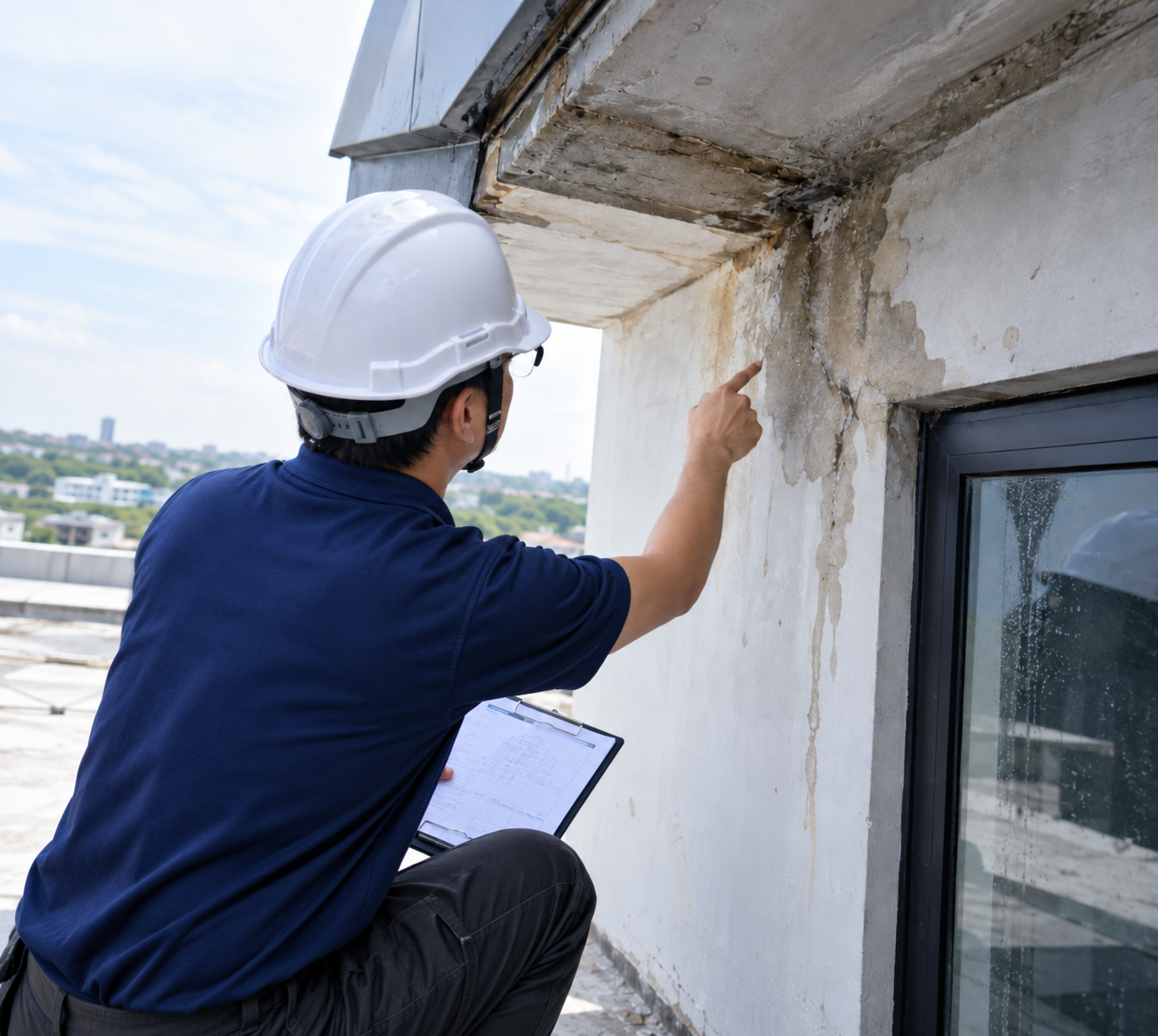
A ceiling stain appears after a night of rain. The first reaction is often to look directly above the stain and ask a contractor to “waterproof that area.” In Kota Kinabalu, this shortcut can be expensive, especially for roofs, exterior walls, balconies and upper-floor wet areas where water may travel before becoming visible. A good Kota Kinabalu waterproofing contractor should not begin with coating selection alone. The first question is simpler but more important: where is the water actually entering, and what path is it taking before it shows up inside the building?
The Stain Is a Clue, Not the Confirmed Leak Source
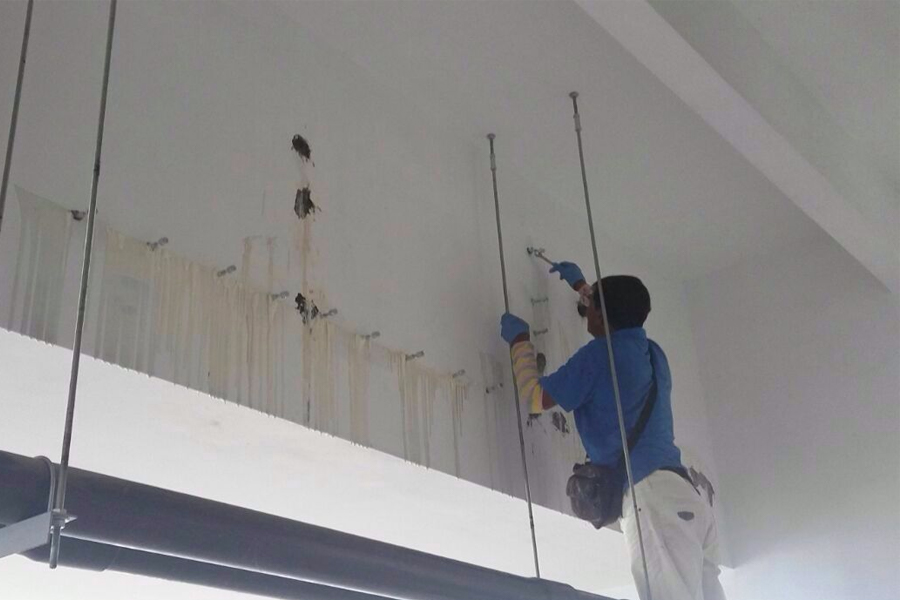
Water leakage rarely respects the location of the visible stain. On a reinforced concrete slab, water may enter through a cracked roof screed, failed membrane termination, pipe penetration or parapet detail, then move along the slab surface or construction joint before dripping at the weakest point below. In a commercial unit, this may appear as a stain near a light fitting. In a house, it may show up at a ceiling corner, even though the entry point is further away.
This matters because a repair focused only on the stained area may stop the symptom temporarily without sealing the entry point. The leak can reappear after the next heavy rain, sometimes at another location. The owner then feels the waterproofing “failed,” when the real issue may be that the original diagnosis was incomplete.
A waterproofing repair should be based on the water entry point, not only the visible stain. A ceiling mark, damp wall or peeling paint shows where moisture becomes visible, but it does not prove where water entered. Inspection should trace the route through roof details, wall joints, pipe penetrations, screed layers and drainage points before repair scope is confirmed.
Why Kota Kinabalu Buildings Need Careful Leak Tracing
Kota Kinabalu’s coastal setting can make leak diagnosis less straightforward for exposed buildings. Sea-facing façades, high-rise balconies and open roof areas may receive wind-driven rain from an angle, not only vertical rainfall. This means exterior wall cracks, window sealant joints, balcony door thresholds and parapet wall details can become water entry points even when the roof slab itself appears intact.
For metal roofs or lightweight roof structures, repeated heat movement can also affect fasteners, laps, ridge details and sealant lines. A small opening at a screw washer or roof joint may allow water to enter during wind-driven rain, but remain dry during a simple hose test if the test direction does not match the actual rain exposure.
For buildings near the coast, salt-laden air may also affect exposed metal components, especially roof fasteners, flashing and certain fixtures. Rust marks around fixings should not be treated only as a cosmetic issue. They may indicate movement, corrosion or a weakened sealing detail that deserves closer checking.
This does not mean every Kota Kinabalu leak is caused by coastal exposure. It means the inspection should consider building orientation, façade exposure, roof details and the way rain reaches the building, instead of assuming the nearest crack is automatically responsible.
What a Contractor Should Check Before Recommending a Waterproofing Method
A waterproofing contractor’s first visit should produce more than a product suggestion. It should narrow down the likely entry point and identify whether the substrate can receive the proposed system.
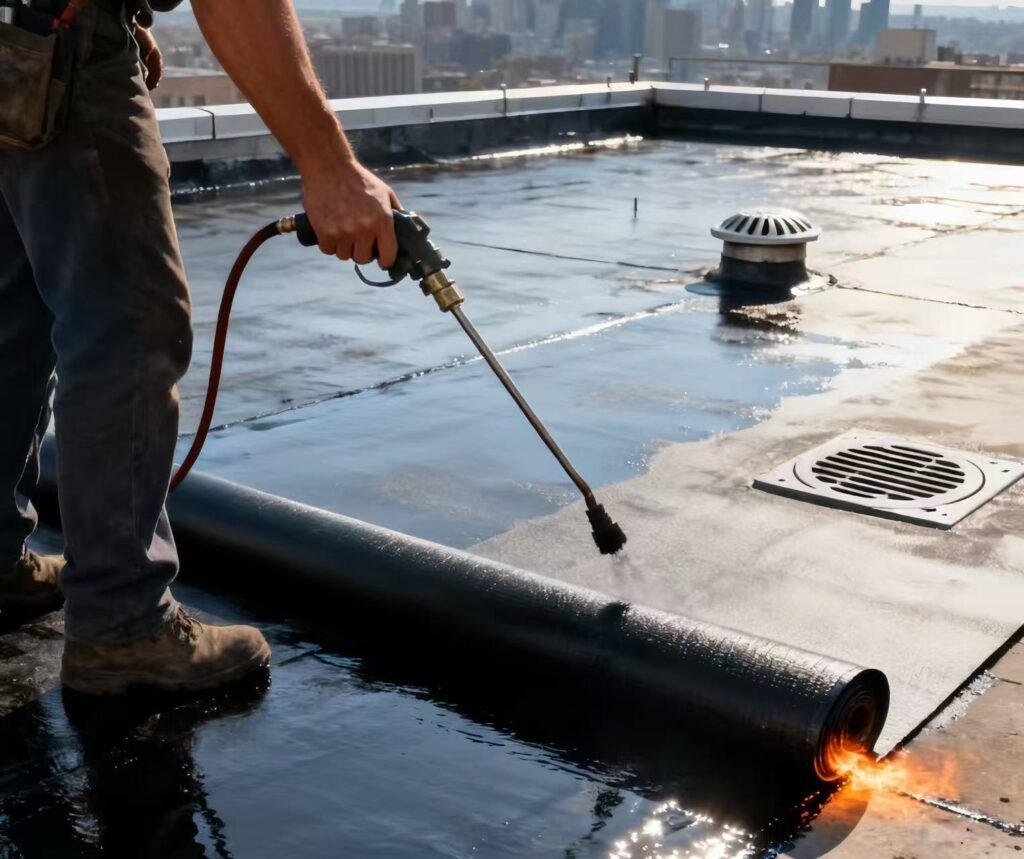
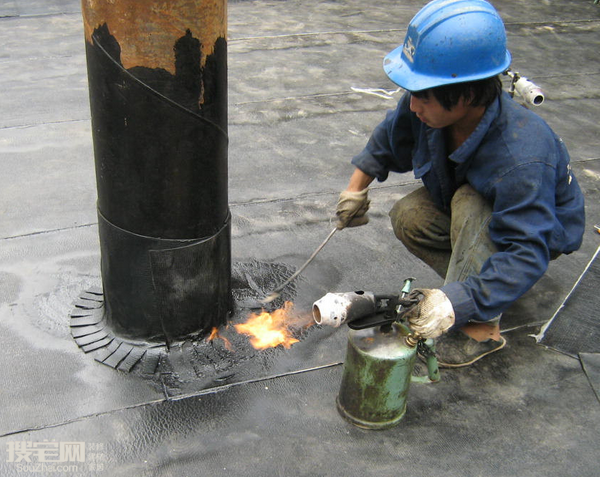
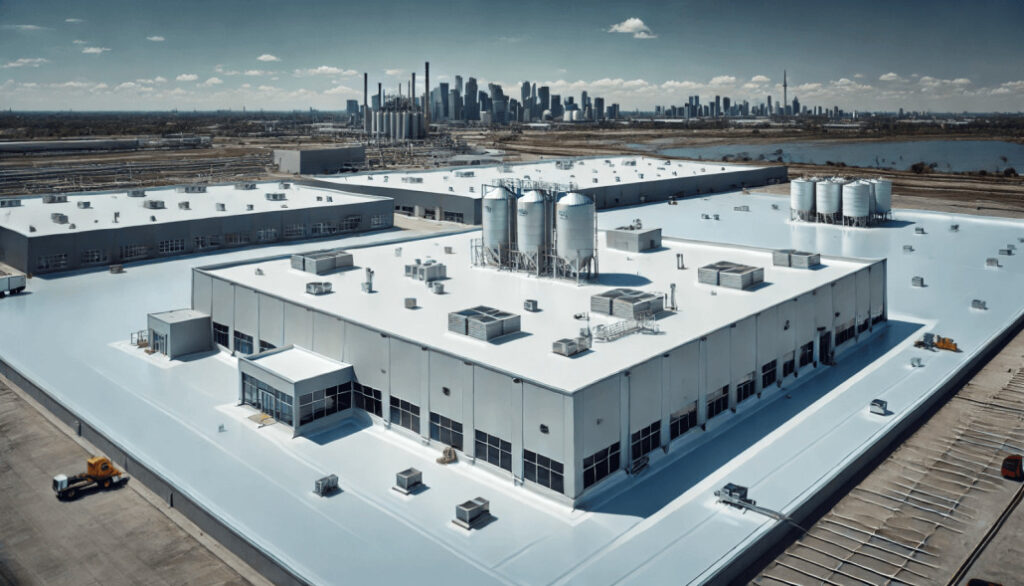
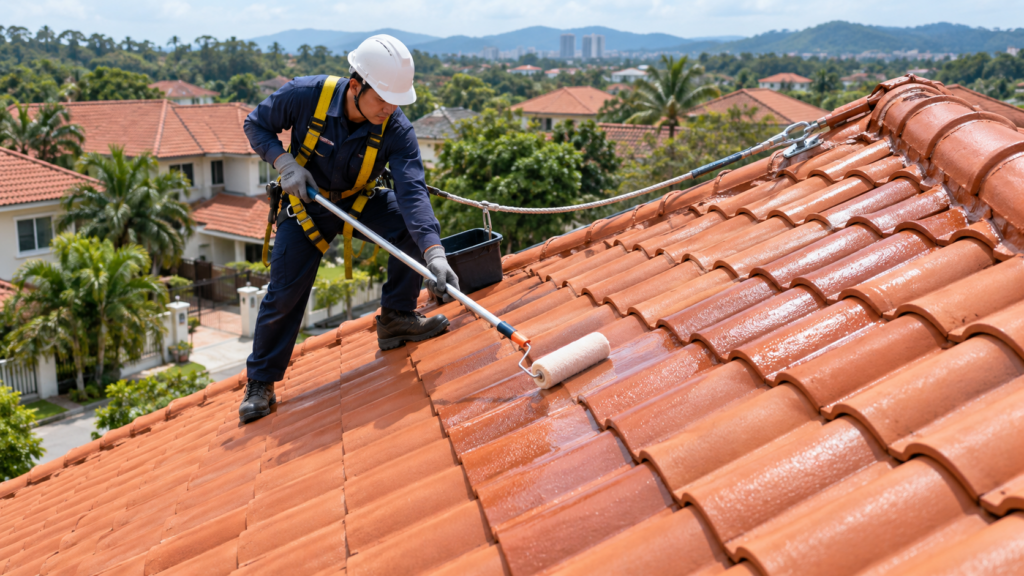
For roof areas, the inspection should look at drainage falls, ponding water, outlet blockages, parapet joints, membrane terminations, pipe penetrations, previous patch repairs and surface adhesion. Ponding water is especially important because some coatings are not intended to remain under standing water for long periods unless the product specification allows it.
For balconies and tiled areas, the condition of the tiles affects the repair decision. Hollow tiles, cracked grout, failed sealant at the wall-floor junction, poor falls toward the outlet and leakage around the floor trap all change the repair scope. Applying a transparent coating over tiles may help in some surface seepage situations, but it cannot correct a loose tile bed, trapped moisture problem or failed waterproofing layer below the screed.
For exterior walls, the contractor should check hairline cracks, window perimeter sealant, wall coating adhesion, damp patches, efflorescence, pipe openings and junctions between different materials. Peeling paint alone does not prove that the wall needs a full waterproof coating. The cause may be rising damp, trapped moisture behind paint, water entering from a window frame or leakage from a roof edge above.
A useful inspection should answer these questions:
• Is water entering from above, from the side, or through a service penetration?
• Is the substrate sound enough for coating, membrane or sealant work?
• Is the leakage localised, or part of a larger waterproofing system failure?
• Will the repaired area remain exposed, tiled, covered or subject to traffic?
• Are there movement joints, expansion joints or cracks that need flexible detailing?
These checks help determine whether the repair should be a local seal, a reinforced coating, a membrane system, tile removal, re-screeding, joint treatment or a wider waterproofing renewal.
When a Local Patch Is Reasonable and When It Is Risky
A local patch can be reasonable when the leak source is clearly identified and limited. For example, a failed pipe penetration, isolated roof fastener, cracked sealant joint or small membrane termination defect may be repaired without renewing the whole area, provided the surrounding substrate is still sound.
However, local patching becomes risky when several symptoms appear across the same area. Multiple ceiling stains, widespread hollow tiles, ponding roof water, ageing coatings with poor adhesion, recurring cracks or dampness along a long wall-floor junction may suggest a system-level problem. In that situation, patching one visible defect may only delay the next leak.
The repair decision should also consider access. On a high façade, repeated small repairs can be inefficient if each visit requires special access equipment. For a building owner or property manager, it may be better to inspect and treat a complete exposed elevation or roof zone once the root cause is confirmed.
A local waterproofing repair is suitable only when the leak source is isolated and the surrounding substrate remains reliable. If water ingress is linked to poor drainage, widespread coating failure, moving cracks, hollow tiles or multiple weak details, a broader repair scope is usually safer than repeated patching.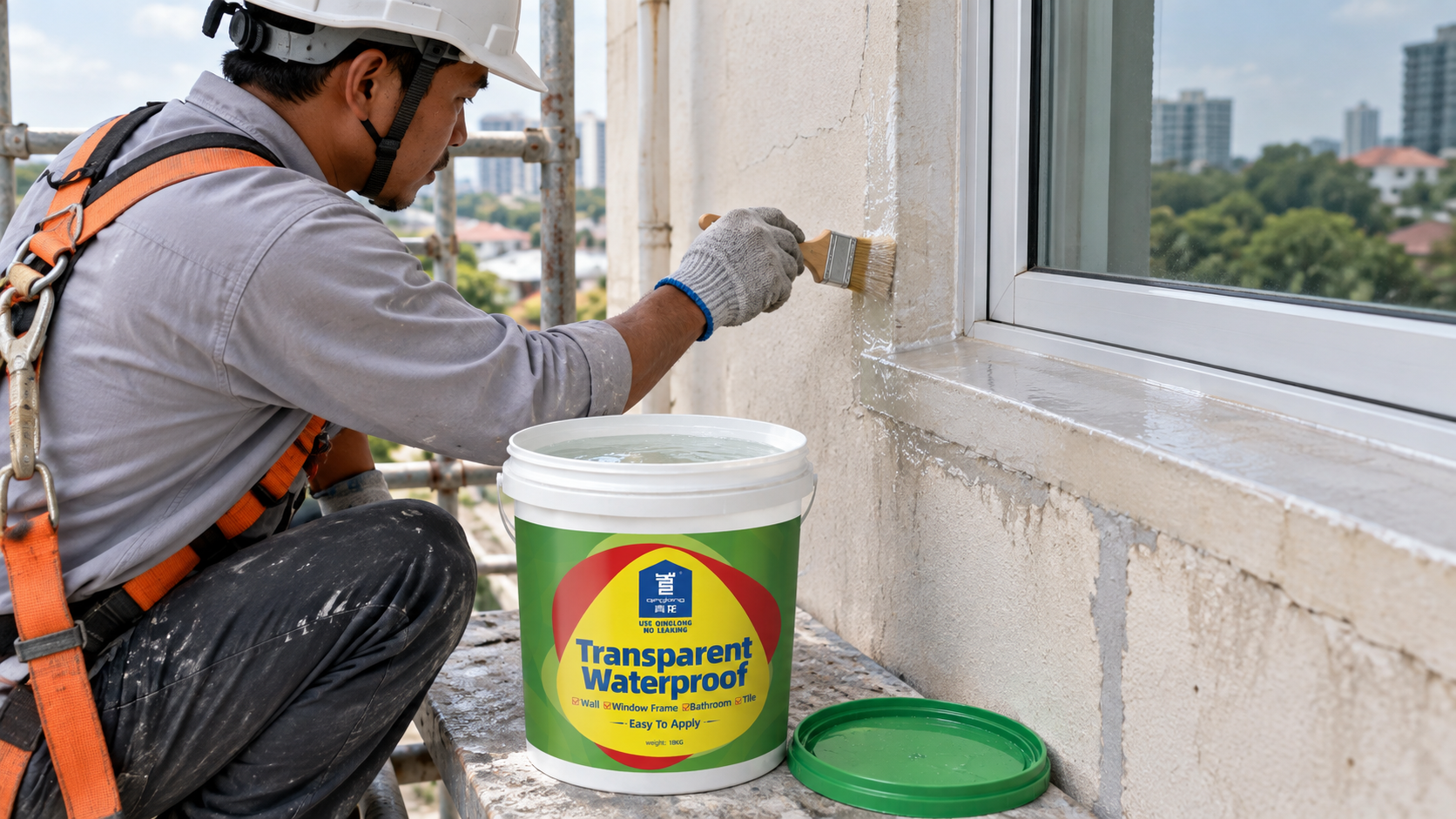
Choosing the Right Waterproofing System After the Source Is Confirmed
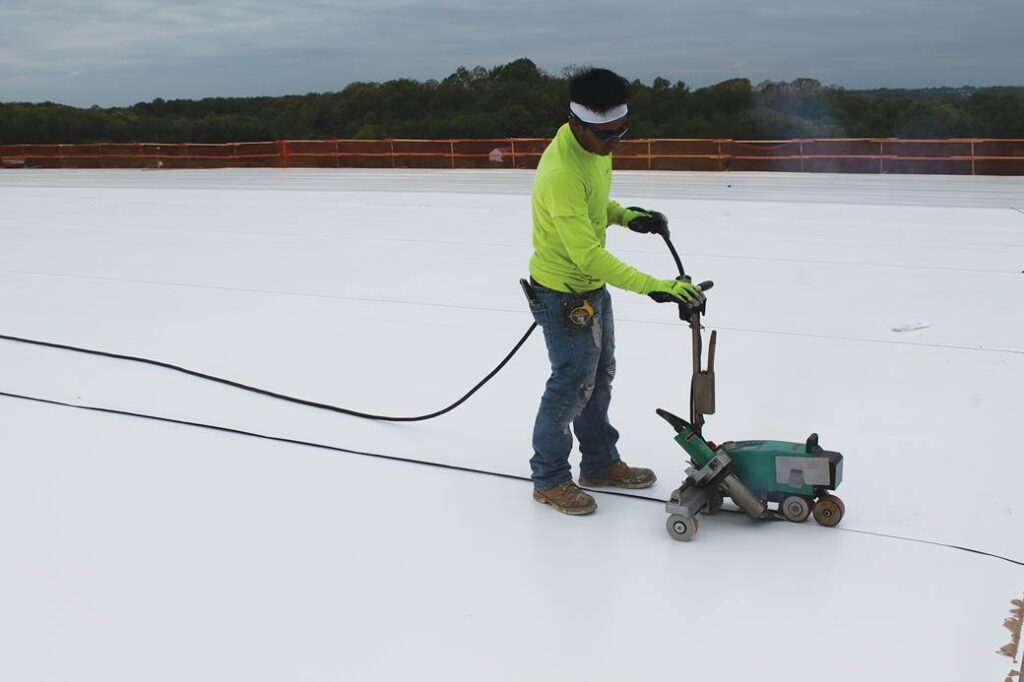
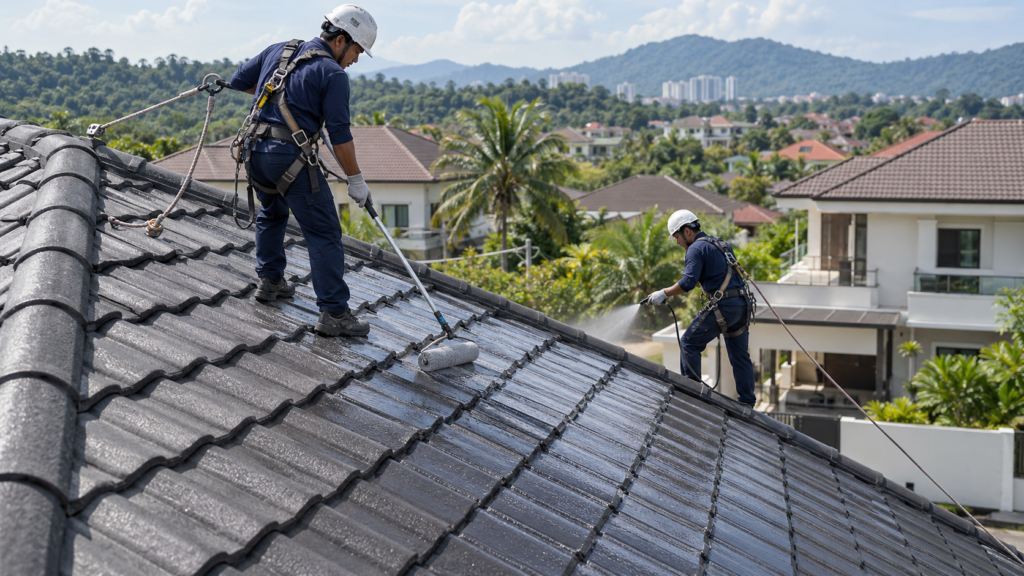
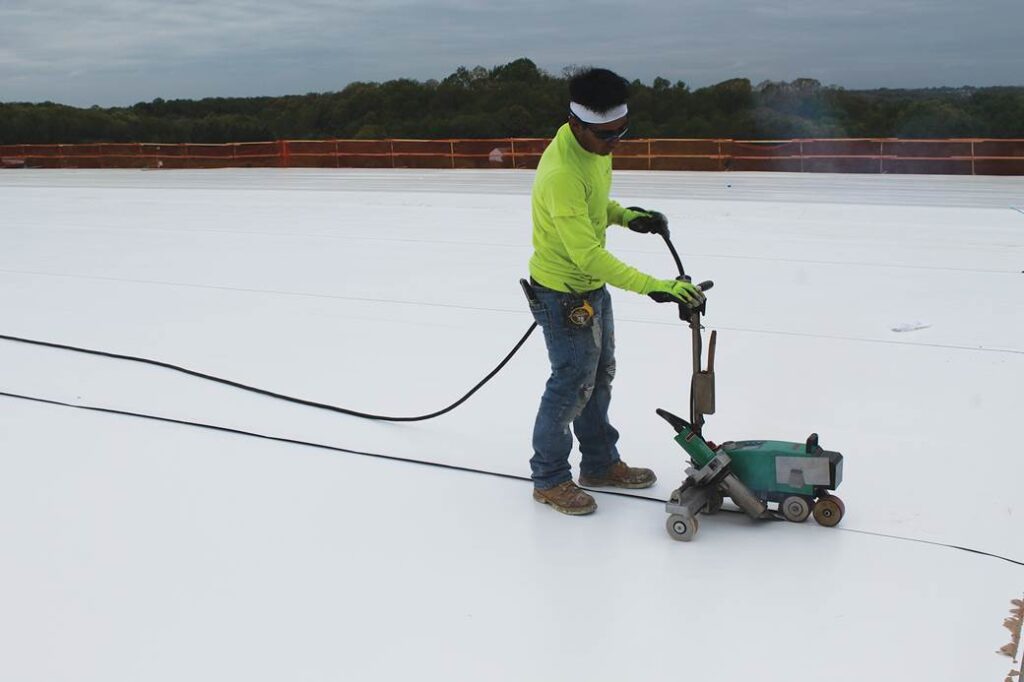
The correct waterproofing method depends on what the inspection proves. A roof exposed to sunlight and rain needs a system that can tolerate UV exposure and surface movement. A wet area under tiles needs a waterproofing layer compatible with screed, tile adhesive and wall-floor junction detailing. An exterior wall with decorative paint may need crack treatment and a compatible protective coating, while a tiled balcony may require a transparent surface treatment only if the tiles are stable and the leakage is surface-related.
This is where product choice becomes technical, not just commercial. QingLong Waterproofing supplies and applies different waterproofing materials for different applications, including roofing waterproof coating, exterior wall transparent waterproof coating, K11 waterproof slurry, waterproof sealant, easy tape, interface agent for ceramic tile and fast leakage repair materials. The right product depends on substrate, exposure, movement, finish and repair objective.
For example, a cement-based slurry may be suitable for certain concrete or masonry waterproofing applications, but it should not be assumed to perform as an exposed flexible roof coating. A sealant may be necessary at a joint, but it is not a substitute for treating a failed membrane. A transparent coating may help retain the appearance of existing tiles or wall finishes, but it should not be used to hide unresolved hollow tiles or active structural movement.
For larger commercial and industrial projects, detailing becomes even more important. QingLong’s project experience includes waterproofing works for critical areas such as roofs, external walls, base slabs, pipe penetrations, internal and external corners, underground structures and expansion joints, as seen in its Malaysia project portfolio. These areas show why waterproofing is rarely just about covering a flat surface. The weak points are often at transitions, penetrations and joints.
What to Ask Before Hiring a Kota Kinabalu Waterproofing Contractor
Before approving waterproofing work, the owner should ask how the contractor arrived at the proposed repair method. A quotation that only states “apply waterproof coating” may not explain whether the actual leak source has been identified.
A better discussion should include the suspected entry point, the inspection findings, the condition of the existing substrate, the proposed surface preparation, the treatment of joints and penetrations, the number of coats or system build-up, curing considerations and whether the area can be exposed, tiled or trafficked after completion.
For occupied homes, offices, shops or facilities, disruption also matters. Some repairs require hacking, drying time or restricted access. Others may be less invasive but only suitable when the existing surface is stable. The lowest-disruption method is not always the most reliable one if it avoids the real source of leakage.
If the leak source is uncertain, it is better to say so early. Additional inspection, controlled water testing or opening up a small area may be more cost-effective than repeatedly repairing the wrong location.
Conclusion
The right waterproofing contractor in Kota Kinabalu is not simply the one who can apply a coating quickly. The more important value is in checking how water is entering, how it travels through the building, and whether the proposed system matches the actual site condition. Once the leak source is confirmed, product selection becomes more reliable and the repair scope becomes easier to justify.
If you are dealing with recurring roof, balcony, exterior wall or wet-area leakage, you can contact QingLong Waterproofing to discuss the site condition and suitable waterproofing approach.