A property manager in Kuala Lumpur may receive three waterproofing quotations that look similar on the surface: same roof area, similar repair scope, and the same promise to stop leakage. Then one proposal mentions SIRIM certification while the others do not. Does that automatically make it the safer choice?
SIRIM certification can matter, especially when a waterproofing product must be approved for a building, tender, consultant specification, or strata maintenance budget. But it should not be treated as a shortcut for choosing the whole waterproofing system. Certification helps verify certain product-related requirements; it does not confirm that the diagnosis, surface preparation, detailing, application thickness, curing, or maintenance plan is correct for the site.
SIRIM Certification Helps Verify the Product, Not the Entire Waterproofing Job
For Kuala Lumpur waterproofing projects, SIRIM certification is most useful when it supports product verification. It may help a purchaser, consultant, contractor, or building management team confirm that a specific waterproofing product has been assessed according to a stated standard or certification scheme.
That is different from saying the waterproofing work will definitely perform well.
A certified product can still fail if it is applied to a dusty slab, a damp substrate that is not suitable for that system, a moving crack that was not treated, or a roof outlet detail that allows water to bypass the membrane. In waterproofing, product quality and site execution are connected, but they are not the same thing.
Direct answer: SIRIM certification matters when it confirms that a waterproofing product has been independently assessed under a recognised scheme. However, it does not prove that the product is suitable for every roof, bathroom, balcony, basement, or external wall. The project still needs proper diagnosis, specification, surface preparation, detailing, and application control.
This distinction is important in Kuala Lumpur because many waterproofing decisions are made through management approval, consultant review, or procurement comparison. Documentation helps reduce uncertainty, but it should be read together with the actual site condition.
What SIRIM Can Help a Purchaser Check
When a waterproofing proposal mentions SIRIM, the first question should not be, “Is it certified?” The better question is, “What exactly is certified?”
SIRIM may be associated with product testing, certification, quality schemes, or compliance to particular standards. A purchaser should identify the actual document, product name, certification scope, and validity. A vague logo in a brochure is not the same as a current certificate for the product being supplied.
For waterproofing material selection, useful checks may include:
• the exact product name and whether it matches the supplied material
• the certificate number, issuing body, and validity period
• the standard or scheme referenced by the certification
• whether certification applies to the waterproofing product itself, not only the manufacturer
• whether the tested use matches the intended application, such as roof, bathroom, external wall, or below-tile waterproofing
• whether the product packaging, batch information, and technical data sheet are consistent.
This matters because waterproofing products are not interchangeable. A cementitious waterproofing slurry, transparent wall coating, acrylic roof coating, polyurethane membrane, sealant, and leakage plugging compound are designed for different site conditions. Certification for one product type should not be used to justify a different application.
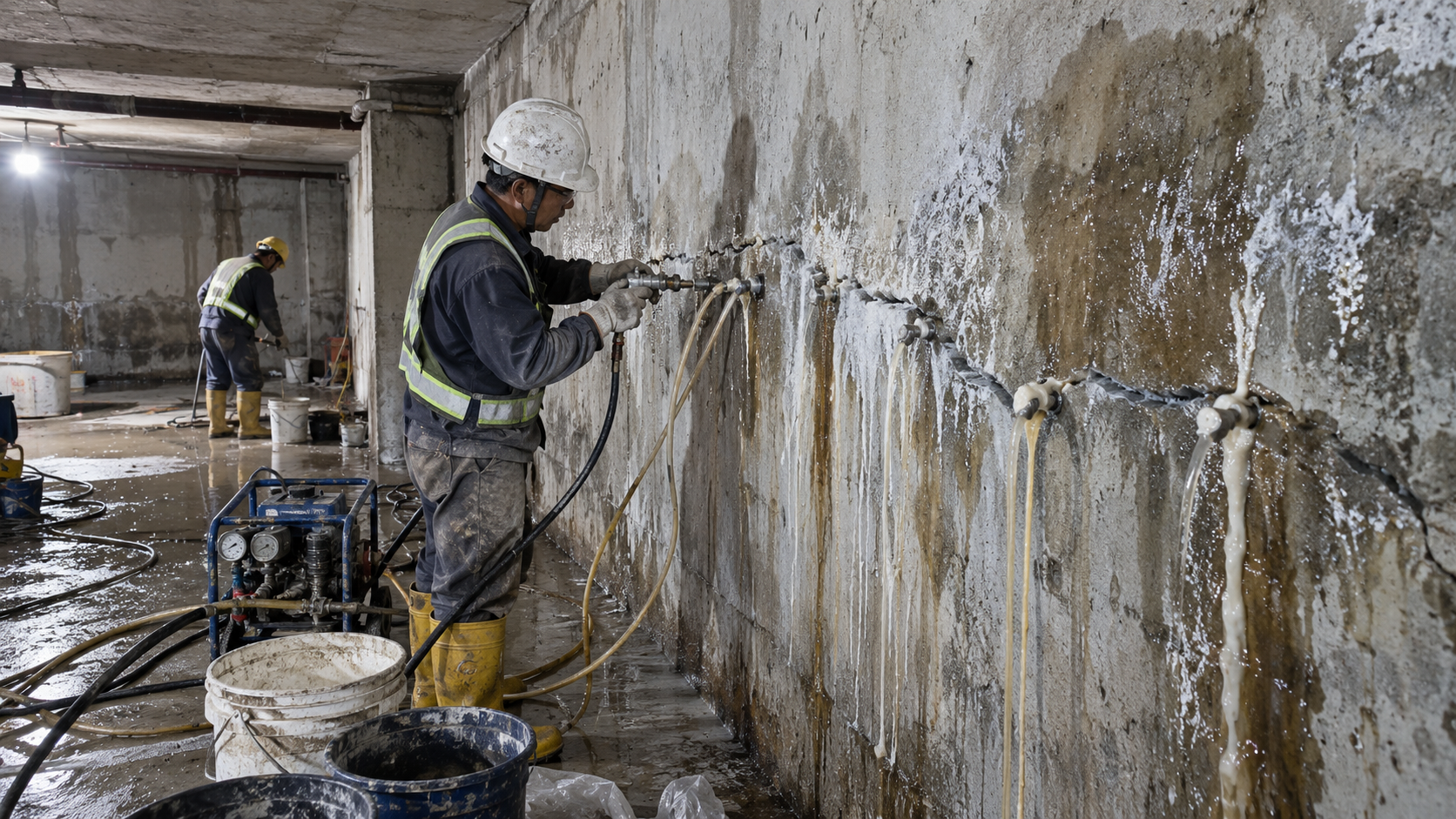
For example, a product suitable below tiles in a bathroom may not be suitable as an exposed roof finish. A transparent coating used on an external wall may not be designed to handle standing water on a flat slab. A quick-setting leakage repair material may stop active seepage temporarily, but it does not replace a full waterproofing membrane where long-term protection is required.
What SIRIM Does Not Tell You About a Kuala Lumpur Site
SIRIM certification does not inspect your building. It does not locate the leak source, test the screed condition, check falls to drainage outlets, or confirm whether the existing waterproofing layer is still bonded.
This is where many waterproofing mistakes happen. The approval process focuses on the material document, but the actual failure may be caused by a detail that the certificate cannot address.
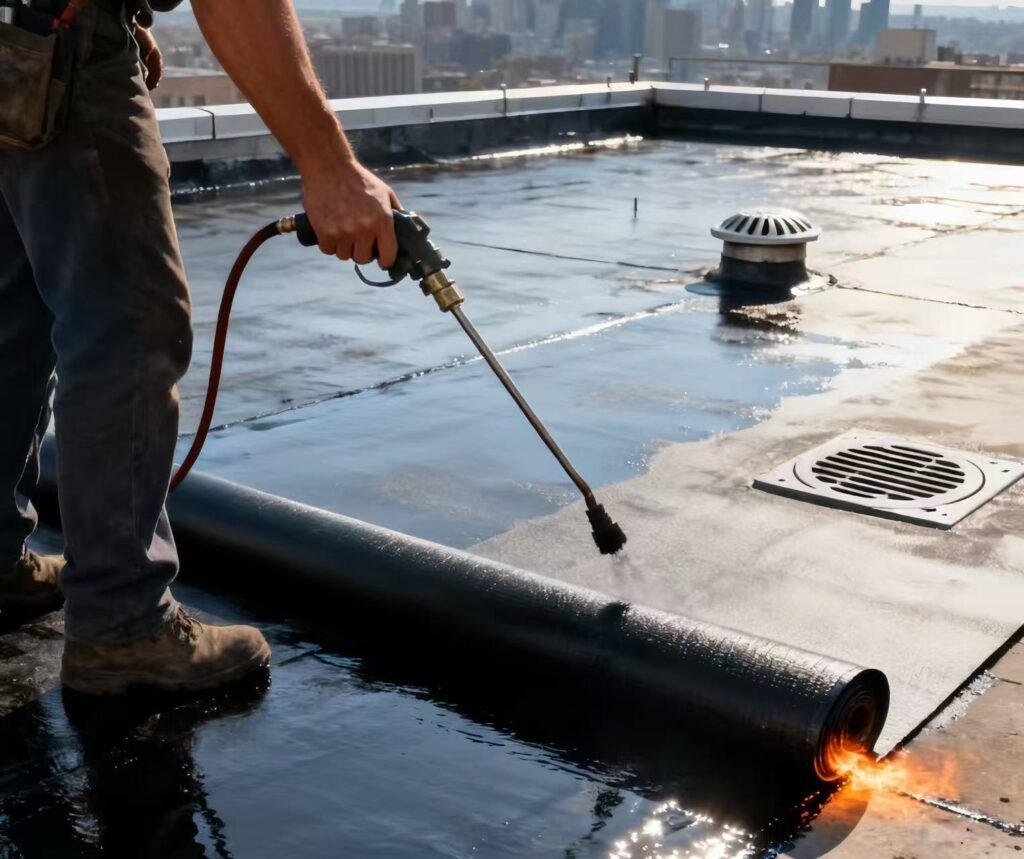
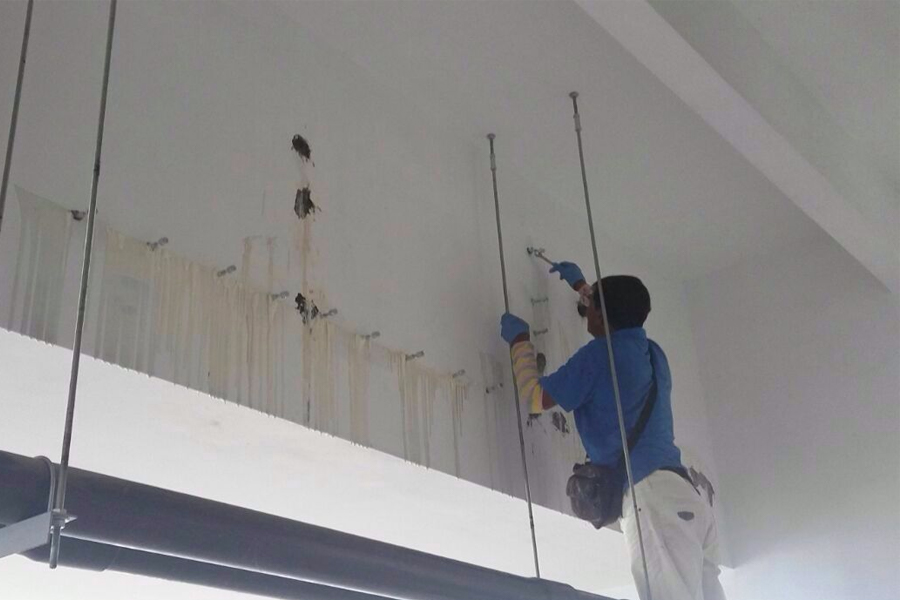
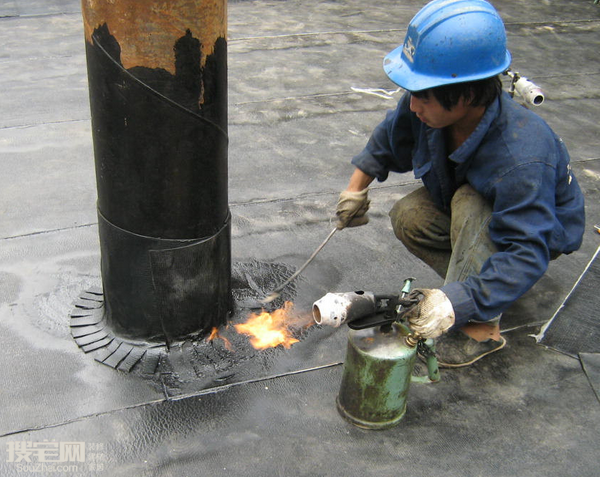
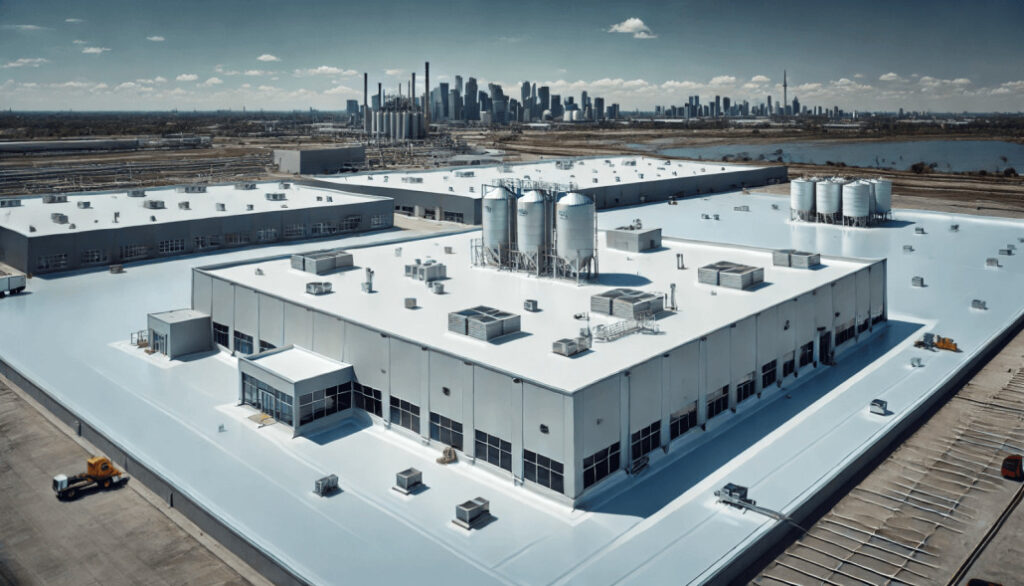
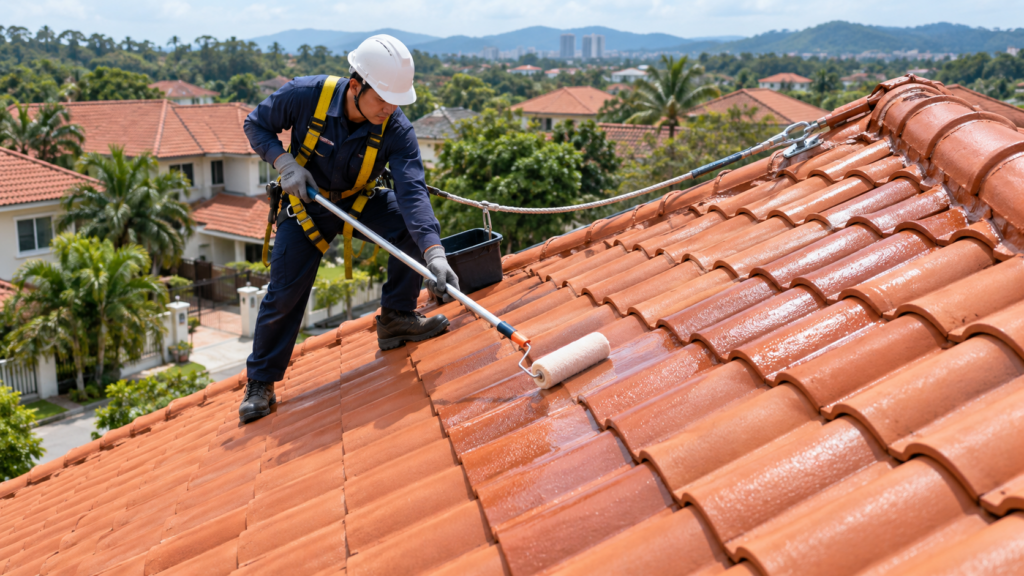
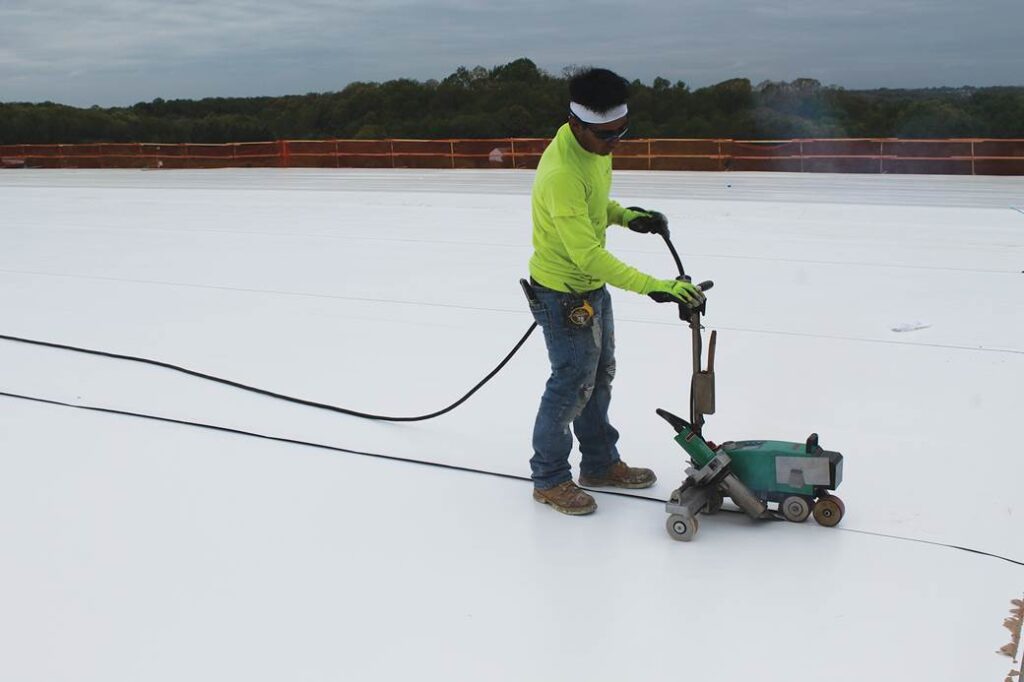
On a flat roof in Kuala Lumpur, the critical issue may be ponding water around outlets, cracked screed, poor membrane termination at parapet walls, or penetrations for services. In a condominium bathroom, the concern may be the wall-floor junction, pipe penetration, or waterproofing continuity below tiles. On an external wall, peeling paint and damp patches may be related to hairline cracks, failed sealant joints, window frame leakage, or trapped moisture behind the coating.
A certified waterproofing product still needs to match these conditions.
If the substrate is hollow, loose, contaminated, dusty, oily, or affected by trapped moisture, adhesion can become the weak point. If movement joints are treated like static cracks, the membrane may split later. If a roof coating is applied without correcting drainage, the product may be exposed to conditions beyond what the specification intended.
This is why certification should be one layer of verification, not the final decision.
 Why KL Property Managers and Consultants Often Ask for Certification
In Kuala Lumpur, many waterproofing projects involve shared buildings: condominiums, offices, retail premises, hotels, schools, factories, and facilities managed by committees or asset teams. The person approving the work may not be the person inspecting the roof or supervising the application.
Certification becomes useful because it gives decision-makers documented evidence. It helps support procurement, tender comparison, consultant review, and internal approval. It also reduces reliance on verbal claims such as “good quality,” “long lasting,” or “same as other brands.”
However, property managers should be careful not to use certification as the only filter. A lower-risk waterproofing decision usually combines documentation with project-specific checks.
A good waterproofing submission should explain the system build-up, not just name the product. It should identify where primer, membrane, reinforcing tape, sealant, protective screed, tiles, coating, or termination details are required. It should also clarify whether the system is exposed, covered, trafficable, UV-resistant, or intended only as an under-layer.
For approval purposes, ask for the technical data sheet, method statement, product certificate where applicable, and application recommendation for the actual substrate. These documents allow the purchaser to compare more than price.
The More Important Question: Is the Certified Product Suitable for This Use?
A SIRIM-certified product may still be the wrong product for the job if the application demand is different from the product’s intended use.
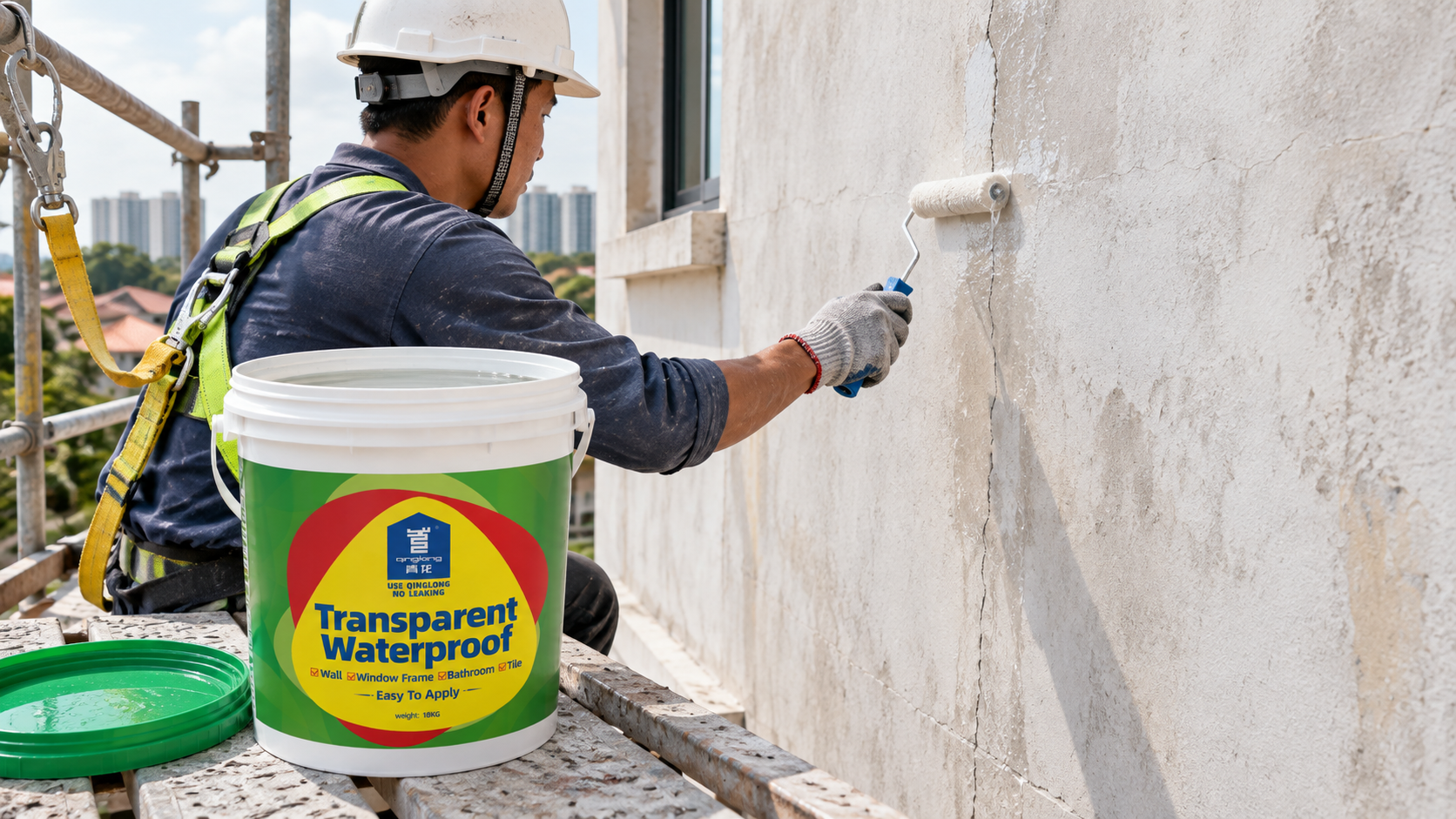
For example, an exposed concrete roof needs a system that can tolerate UV exposure, thermal movement, drainage conditions, and maintenance access. A bathroom waterproofing system needs compatibility with screed, tiles, wall-floor junctions, and pipe penetrations. An external wall transparent coating needs to bond to the existing paint or masonry surface and should not trap moisture behind a weak coating layer.
Direct answer: In waterproofing selection, certification should confirm product credibility, while suitability should be judged against the site. The key decision is whether the certified product can handle the substrate, exposure, movement, water pressure, final finish, and application conditions of the project. If these do not match, certification alone will not prevent failure.
This is especially relevant when comparing quotations. One contractor may propose localised repair around visible cracks. Another may propose full membrane renewal. A third may propose coating over an existing surface. The certified status of the product does not automatically tell you which repair scope is correct.
The scope should be based on inspection findings: where water enters, how far it travels, whether the existing layer is bonded, whether the substrate is stable, and whether the detail can be repaired locally without creating weak transitions.
How to Use Certification in a Practical Waterproofing Decision
The best way to treat SIRIM certification is as part of a decision sequence.
First, confirm the leakage or waterproofing objective. Are you stopping active leakage, preventing future seepage, renewing an aged roof coating, waterproofing before tiling, or protecting an external wall?
Second, identify the site demands. Look at substrate condition, cracks, drainage, joints, penetrations, exposure, traffic, existing finishes, and access constraints.
Third, check whether the proposed product is designed for that situation. Review the technical data sheet, surface preparation requirements, application thickness, curing time, compatibility, and limitations.
Fourth, review certification and supporting documents. If SIRIM certification is stated, verify that it applies to the actual product and relevant standard.
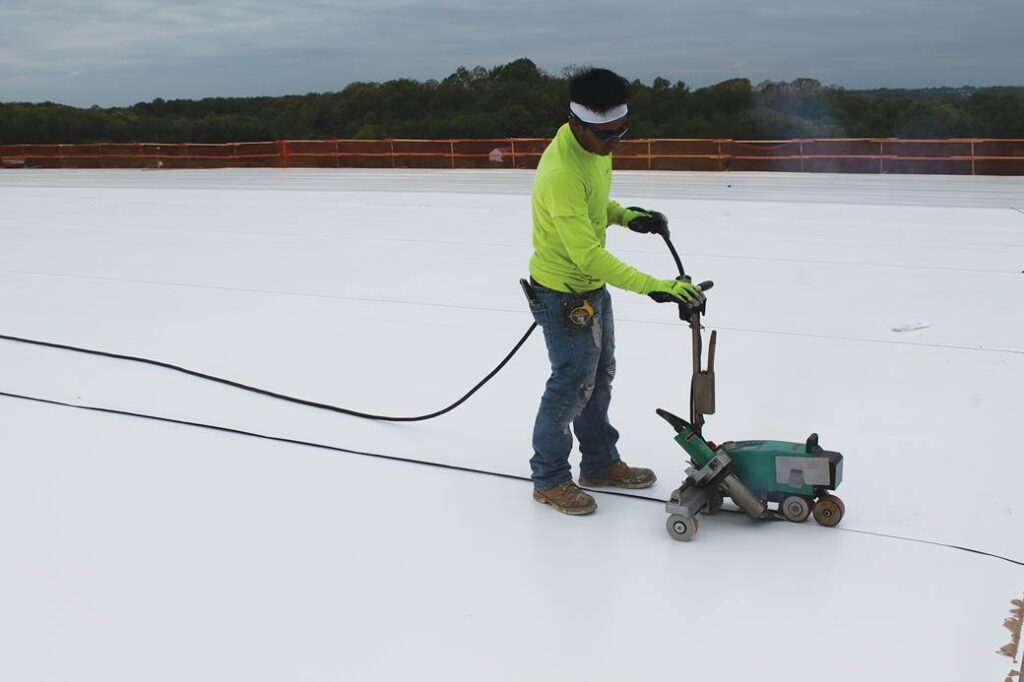
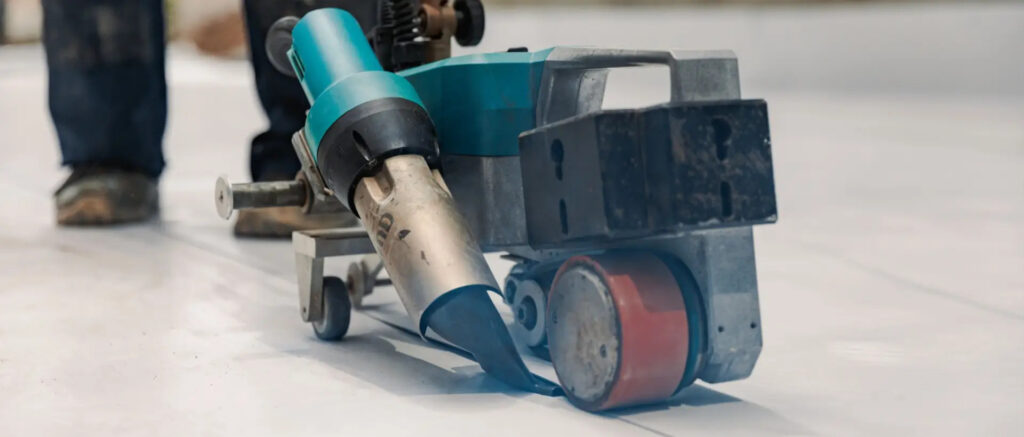
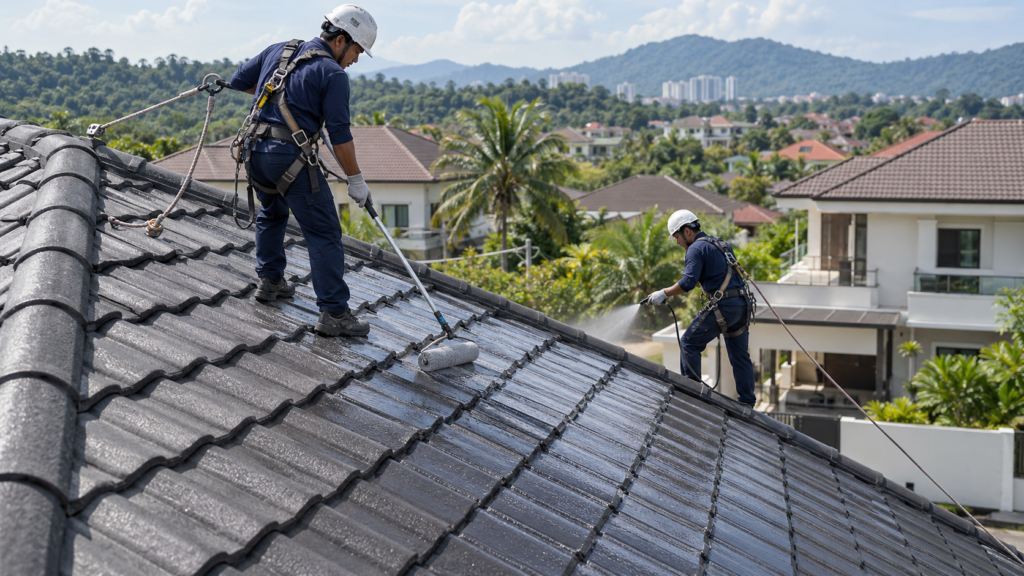
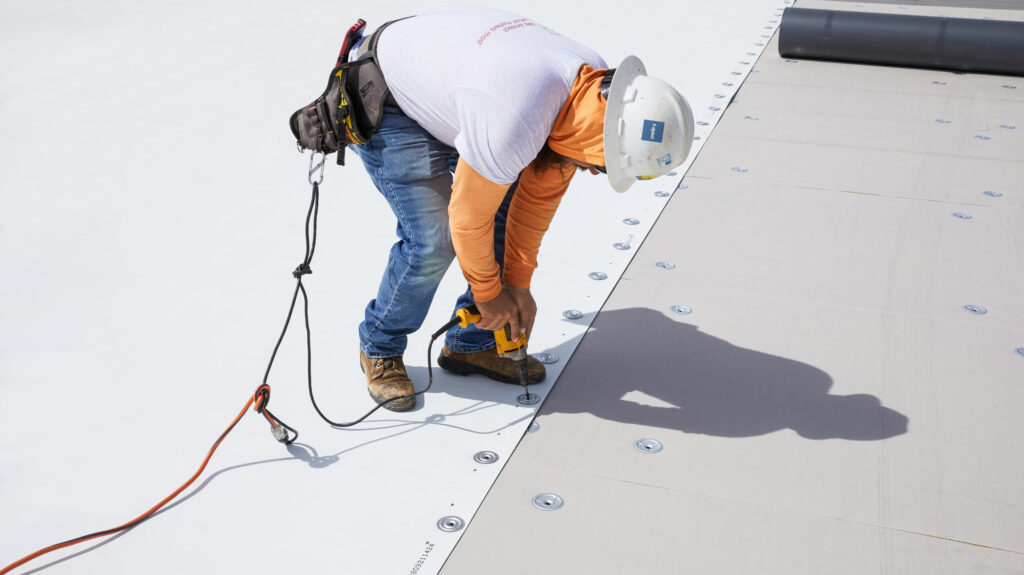
Finally, assess the applicator’s method. Waterproofing performance depends heavily on preparation, detailing, coverage, curing, and protection after application. Even a strong product can be weakened by poor installation.
QingLong Waterproofing manufactures and supplies waterproofing products and provides waterproofing services for residential, commercial, industrial, and infrastructure projects in Malaysia. For project owners comparing waterproofing specifications, QingLong can help review the site requirement and recommend a suitable product or system based on the intended application.
Conclusion
For Kuala Lumpur waterproofing projects, SIRIM certification can be valuable because it gives purchasers and consultants a clearer basis for product verification. But the more important decision is whether the waterproofing system fits the actual building condition.
Before approving a proposal, check both sides: product evidence and site suitability. A certified product used in the wrong place, over a weak substrate, or with incomplete detailing can still fail. If you need help assessing a roof, bathroom, balcony, wall, or basement waterproofing requirement, you can contact QingLong Waterproofing for suitable advice.