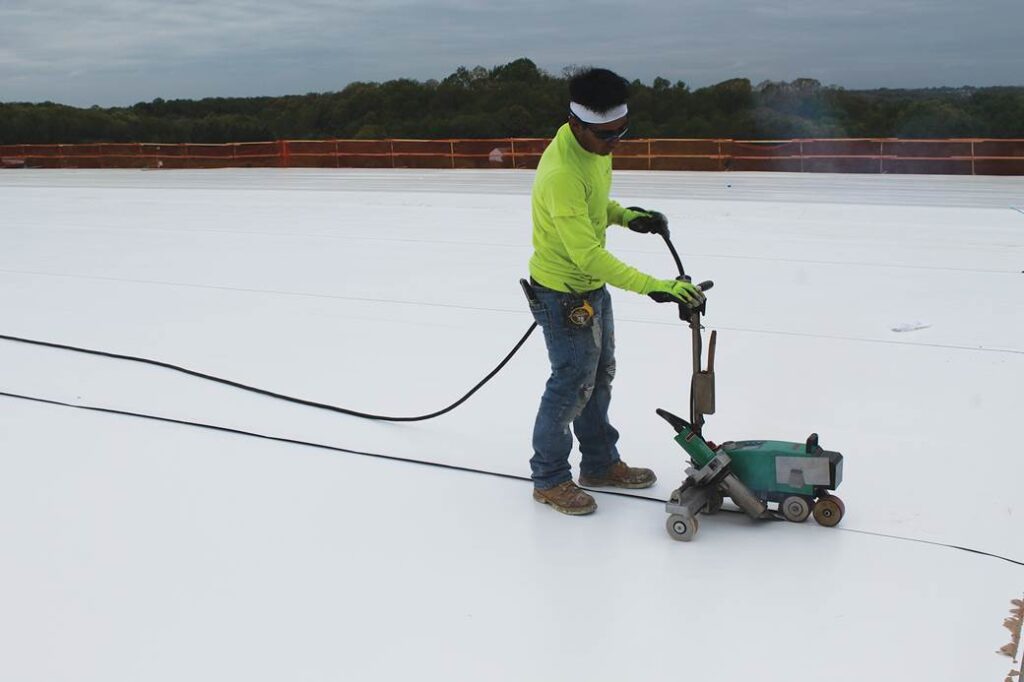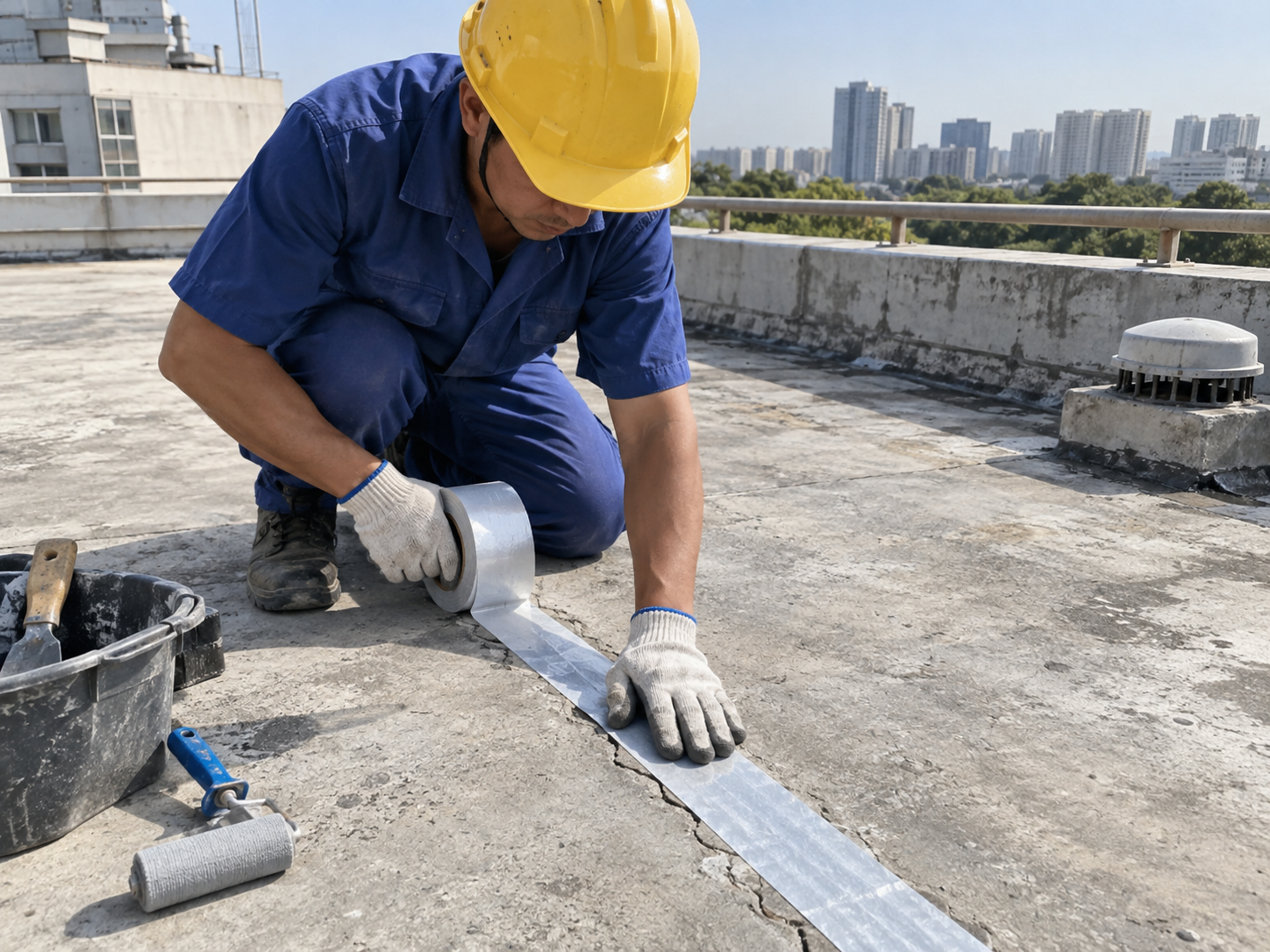
A ceiling stain in a Pantai Remis house or shoplot can look simple: water appears in one place, so the leak must be directly above it. In real waterproofing work, that assumption often leads to repeated patching. Water may enter through a roof joint, wall crack, pipe penetration, balcony edge or old sealant line, then travel along the slab or ceiling before becoming visible elsewhere. Before choosing a Pantai Remis waterproofing contractor, the more important question is not “Which coating should I apply?” but “Has the actual leak source been checked?”
The Wet Spot Is Evidence, Not the Whole Diagnosis
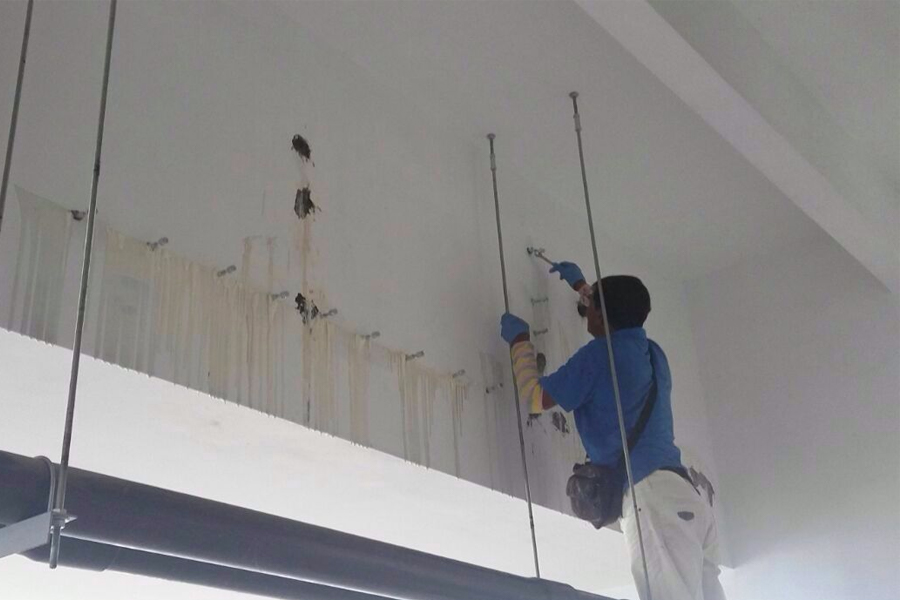
A water stain, peeling paint or damp ceiling tells you where moisture becomes visible. It does not automatically identify where water enters the building.
For example, a stain near the centre of a ceiling may come from a roof sheet fastener several metres away. Water can move along the underside of metal roofing, follow timber or steel framing, enter a crack in the slab, or collect at a low point before dripping. In tiled balconies or bathrooms, moisture may pass through failed grout, hollow tiles, wall-floor junctions or pipe outlets before showing up below.
This matters because a repair that only covers the visible wet area may look successful during light rain but fail again during wind-driven rain or longer water exposure.
Direct answer: A waterproofing contractor should check the leak source before recommending repair because the visible stain is only the discharge point. The entry point may be at a roof joint, wall crack, pipe penetration, drainage outlet or failed sealant detail. Repairing the stain area alone can leave the actual water path untreated.
Why Pantai Remis Properties Need Careful Water-Path Checking
Pantai Remis is a coastal town, so some buildings are exposed to open surroundings, strong rain direction and salt-laden air depending on their location and orientation. These conditions do not mean every leak has the same cause, but they can change what should be inspected first.
On metal roofs, attention should go beyond the obvious hole. Fasteners, laps, ridge capping, old sealant and rusted edges may allow intermittent water entry. Coastal exposure can also make corrosion-related leakage more likely on older metal sheets, especially where coating, screws or flashings have deteriorated.
For exterior walls, wind-driven rain can expose hairline cracks, weak paint films, poorly sealed window frames and wall penetrations. A wall may look dry most of the time but leak only during rain from a certain direction. If a contractor applies waterproofing only to the internal wall stain, the exterior water entry may continue.
For terrace houses, shoplots and extensions, junctions between old and new construction are also important. A rear kitchen extension, covered balcony or added roof may create new connection points where water can enter. These joint areas often behave differently from the original structure because of movement, slope changes or incomplete flashing.
What a Contractor Should Inspect Before Choosing the Repair Method
A proper waterproofing inspection should narrow the possible leak sources instead of jumping straight to a product recommendation. The inspection does not always need to be complicated, but it should be logical.
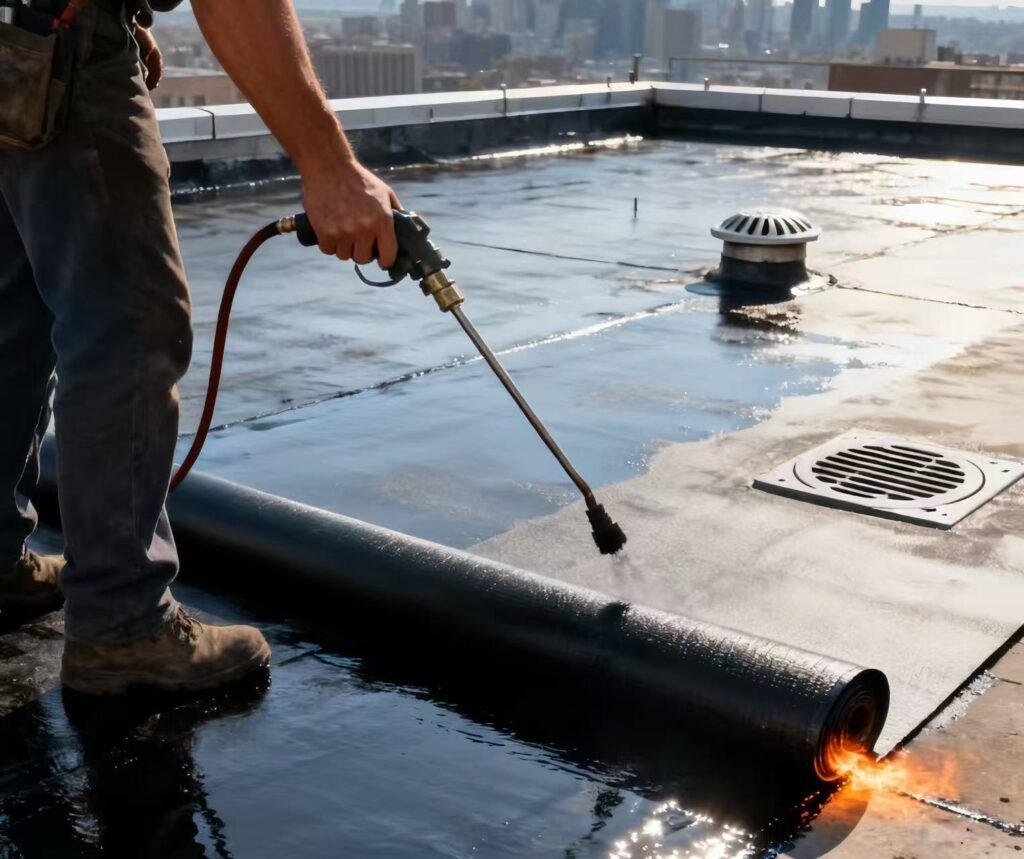
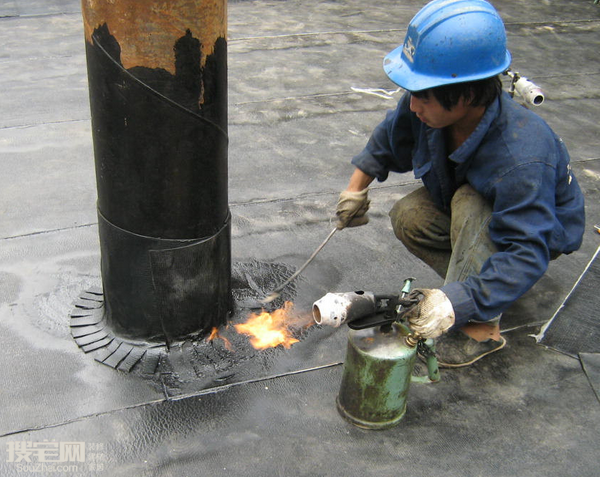
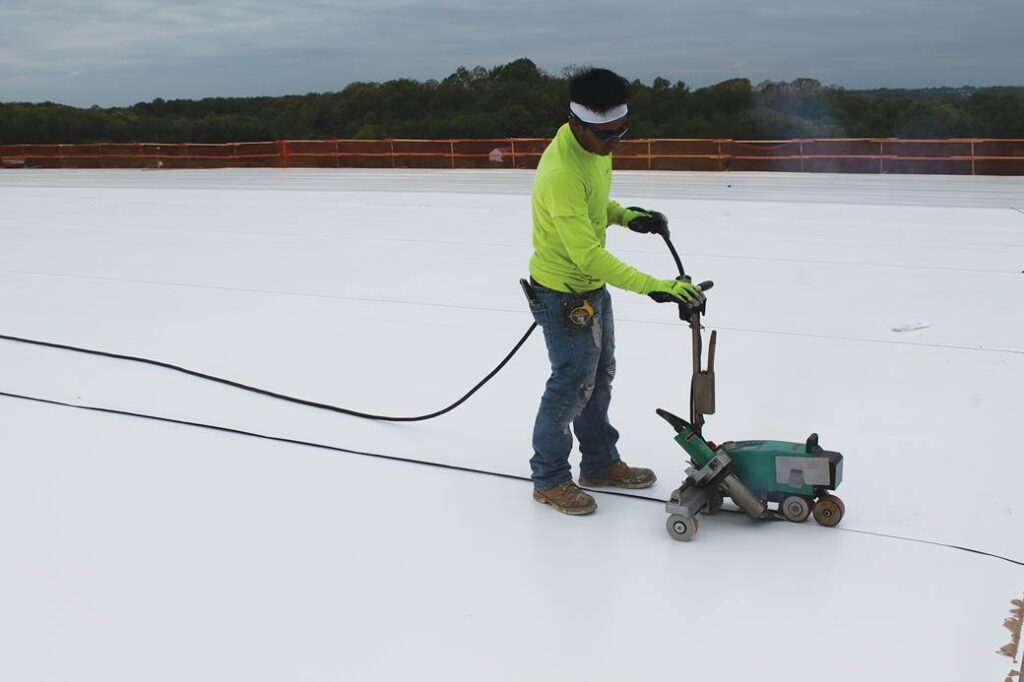
For roof leakage, the contractor should check roof sheet condition, overlaps, screws, ridge capping, gutters, downpipes, roof penetrations and areas where water may pond. On flat roofs or concrete slabs, drainage falls, cracks, outlet details, parapet wall junctions and existing coating adhesion become more important.
For wall seepage, the inspection should consider exterior cracks, paint condition, window perimeter sealant, pipe penetrations, air-conditioner openings and whether moisture appears only after rain. Interior dampness may also need to be separated from condensation, plumbing leakage or rising damp before waterproofing is specified.
For balconies, bathrooms or tiled areas, the contractor should check tile hollowness, grout condition, floor trap details, wall-floor junctions and whether the waterproofing layer below the tiles has likely failed. If tiles are loose or water is trapped beneath them, coating over the surface may not be enough.
A practical inspection should answer these questions:
Where is water most likely entering?
How does water travel from that entry point to the visible stain?
Is the substrate strong enough to receive a new waterproofing system?
Are joints, outlets and penetrations part of the problem?
Can the repair be localised, or is the existing system generally failing?
These answers affect whether the suitable approach is sealing, recoating, membrane renewal, tile removal, crack treatment, drainage improvement or a combination of details.
Comparing Repair Approaches: Patch, Product, or System Diagnosis
Not every waterproofing repair needs a full renewal. However, the contractor’s approach makes a major difference.
A patch-first repair focuses on the most visible defect. This may be acceptable for a single open gap, loose screw or damaged sealant line where the water path is obvious. The risk is that patching becomes guesswork when the source has not been confirmed.
A product-first approach starts by choosing a coating or membrane for the general area. This can help when the substrate and problem are already understood, but it may fail if the existing surface is contaminated, hollow, wet underneath or moving.
A system-diagnosis approach starts with the building element and water path, then selects the material. This is usually more reliable for recurring leaks, mixed roof-and-wall problems, tiled areas, old coatings or properties where previous repairs did not last.
QingLong Waterproofing fits better into the third approach because QingLong is not only a waterproofing product supplier, but also a waterproofing manufacturer and service provider. For a Pantai Remis property, that means the discussion can include both site condition and material suitability instead of treating every leak as a simple coating job.
The Right QingLong Product Depends on the Confirmed Leak Source
Waterproofing products should be selected after the source and substrate are understood. Different QingLong products serve different waterproofing situations, and using the wrong product in the wrong location can create false confidence.
For exposed roof areas, a weather-resistant roof coating such as QL-Roofing Waterproof Coating may be considered where the substrate is suitable and preparation can be done properly. But roof coating alone will not solve leakage from loose flashings, defective fasteners or blocked drainage if those details remain untreated.
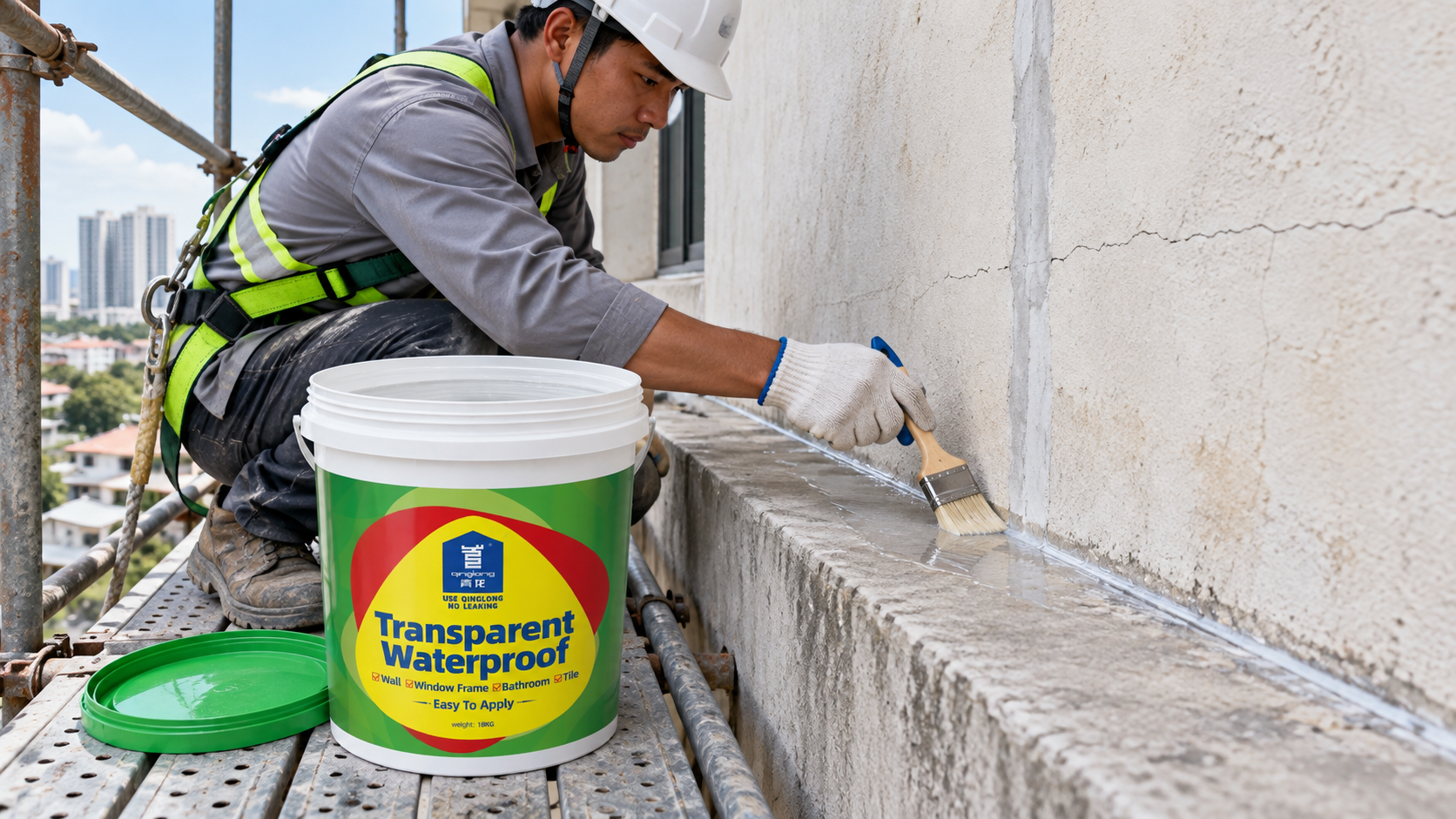
For exterior wall seepage where the existing decorative finish needs to be retained, QL-Exterior Wall Transparent Waterproof Coating or QL-NO.3 Transparent Waterproof Coating may be relevant, subject to surface condition and adhesion. However, transparent coating is not a substitute for repairing active cracks, loose paint or structural movement.
For wet areas, concrete surfaces or tile-related works, products such as QL-K11 Waterproof Slurry, QL-Interface Agent For Ceramic Tile, QL-Waterproof Sealant or QL-Easy Tape may be part of the system depending on the build-up. Emergency products such as QL-Fast Leakage Fix can help stop active water ingress quickly, but emergency stopping is not the same as diagnosing and rebuilding the waterproofing protection.
Direct answer: The best waterproofing repair in Pantai Remis depends on the confirmed leak source and the surface condition. A roof coating, wall transparent coating, cementitious slurry or sealant detail can each be suitable in the right place, but none should be selected before checking water entry points, substrate strength and vulnerable joints.
When Local Repair Is Enough and When Wider Waterproofing Is Needed
A local repair may be enough when the source is isolated and the surrounding waterproofing system is still sound. Examples include a cracked sealant joint, a small roof penetration defect, a loose fastener or one identifiable wall crack with no wider surface failure.
Wider waterproofing may be needed when the existing system has aged across a larger area. Signs include multiple cracks, repeated leakage in different locations, widespread hollow tiles, peeling coatings, ponding water, rusted roof sections, failed parapet joints or moisture trapped beneath old finishes.
The decision should not be based only on budget. A smaller repair may be cheaper upfront, but if the real problem is a failing roof area, damaged screed or saturated tiled balcony, repeated local patching can become more costly over time. At the same time, full recoating is unnecessary if the actual source is one untreated pipe penetration or one defective flashing.
A good contractor should be able to explain why the proposed repair scope matches the evidence found on site.
What to Ask Before Hiring a Pantai Remis Waterproofing Contractor
Before approving work, ask the contractor to explain the suspected leak path in plain language. You do not need a long technical report for every home repair, but you should understand the reasoning.
Useful questions include: Where do you think water is entering? What evidence supports that? Are there any areas that cannot be confirmed without further testing or opening up? Is the existing coating, tile or concrete surface suitable for the proposed material? What preparation is required before application? Which joints, corners, outlets or penetrations are included in the repair?
For recurring leakage or properties with mixed roof, wall and slab issues, QingLong Waterproofing can help review the site condition and recommend a suitable waterproofing approach based on the actual leak source. To discuss your property condition, you can contact QingLong Waterproofing for an assessment.
Conclusion
For a Pantai Remis property, waterproofing should not begin with guessing which coating to buy. It should begin with tracing how water enters, travels and appears inside the building. Once the leak source is understood, the repair can be matched to the roof, wall, slab, tile area or joint detail involved. That is the difference between covering a symptom and solving the waterproofing problem with a suitable system.