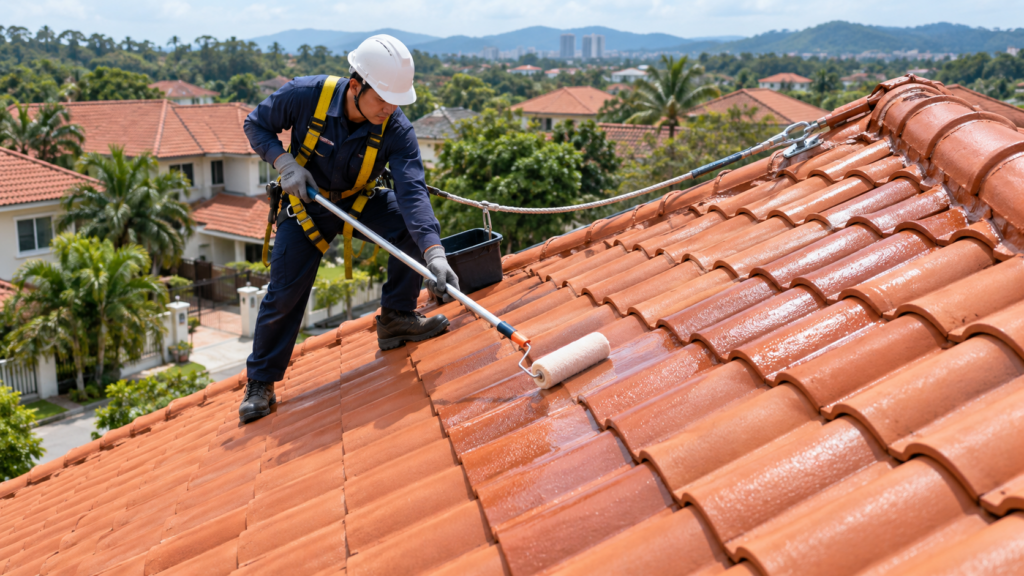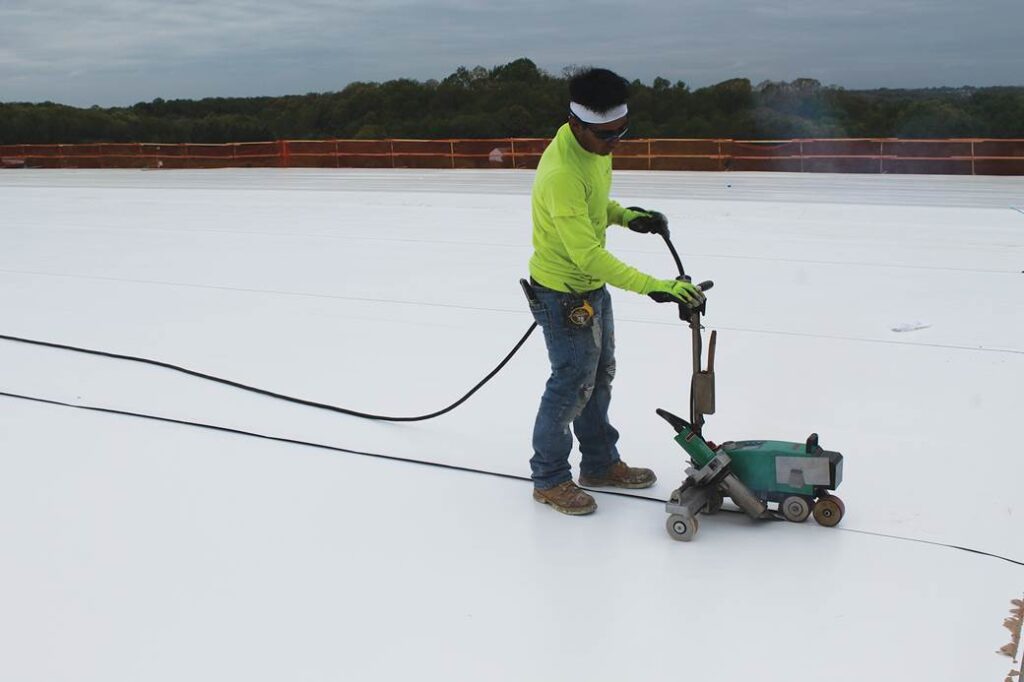
Two underground waterproofing quotations in Subang can look very different even when both contractors are responding to the same leak. One quote may cover only visible seepage. Another may include joint treatment, injection works, surface preparation, membrane application, drainage details and follow-up checks. The price difference is not always about one contractor being expensive and another being cheap. More often, it reflects how much of the underground water problem the contractor has allowed for, and how much uncertainty remains hidden behind concrete, soil, existing finishes or active water pressure.
The first price factor is whether the water is outside, inside or already under pressure
Underground waterproofing is not priced like a simple wall coating because the water source is usually behind the structure. For basements, retaining walls, lift pits, underground tanks and car park areas, water may be pushing from the soil side, moving through construction joints, entering around pipe penetrations or travelling along cracks before appearing indoors.
For underground waterproofing in Subang, contractor price is strongly affected by water pressure, access to the external side of the structure, leakage path, substrate condition and whether the repair is preventive or done during active seepage. A lower quote may only stop visible water temporarily, while a fuller scope may address joints, penetrations and pressure points that caused the leak.
This is why a price per square foot can be misleading. If the contractor can access the external side before backfilling, a complete external membrane system may be possible. If the basement or underground wall is already built and surrounded by soil, the contractor may need to work from the internal side using injection, joint sealing or negative-side waterproofing methods. These approaches involve different labour, materials, equipment and risk.
External access usually changes both the method and the cost
The most important question is often simple: can the leaking underground structure be waterproofed from the outside?
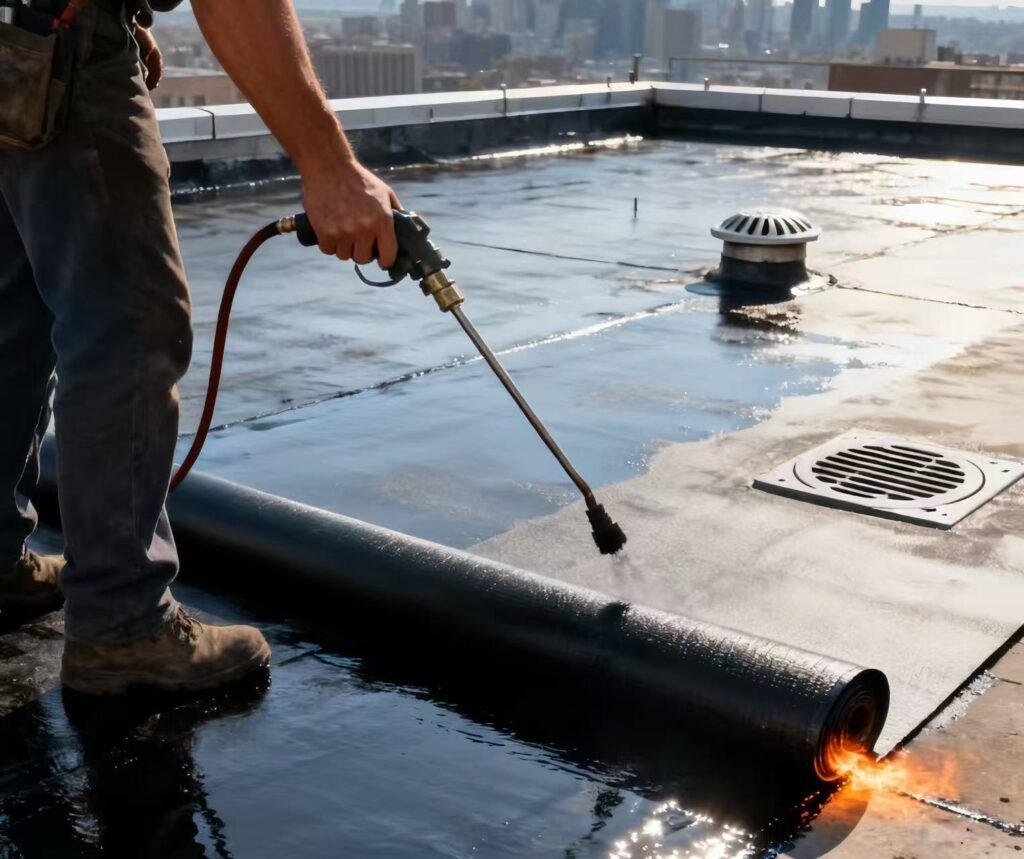
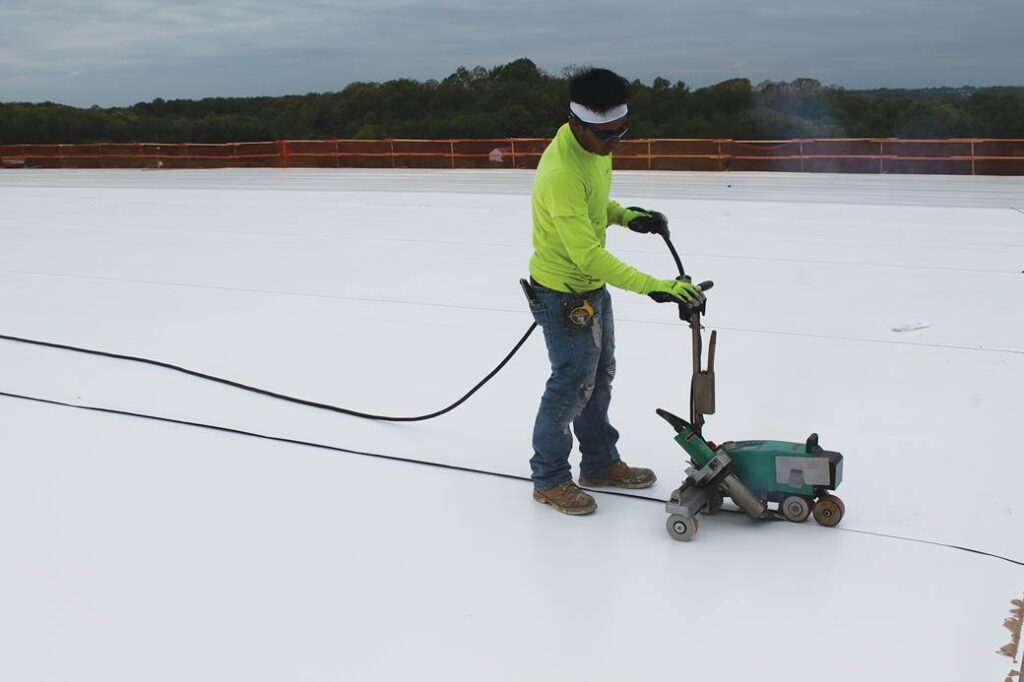
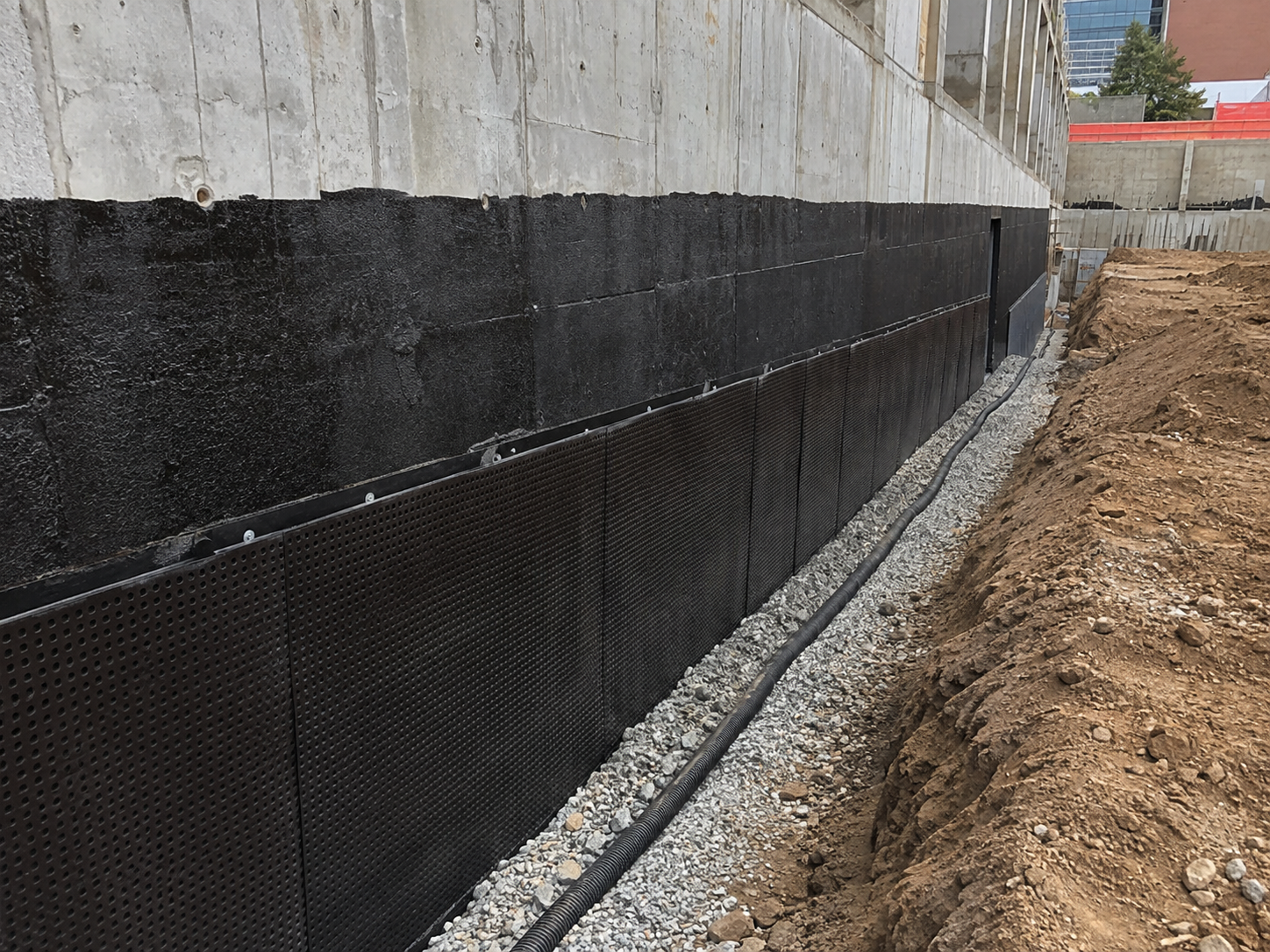
External waterproofing is generally more direct because the system is placed on the side where water first contacts the structure. For new construction or exposed retaining walls, this may involve surface preparation, membrane application, protection board, treatment at corners and careful detailing around penetrations before backfilling.
For an existing Subang basement, underground car park or lift pit, external access may be limited or impossible without excavation. Excavation can affect landscaping, driveways, neighbouring boundaries, utilities, access routes and safety control. If external access requires breaking finishes, shoring, soil removal or reinstatement, the contractor price will naturally increase.
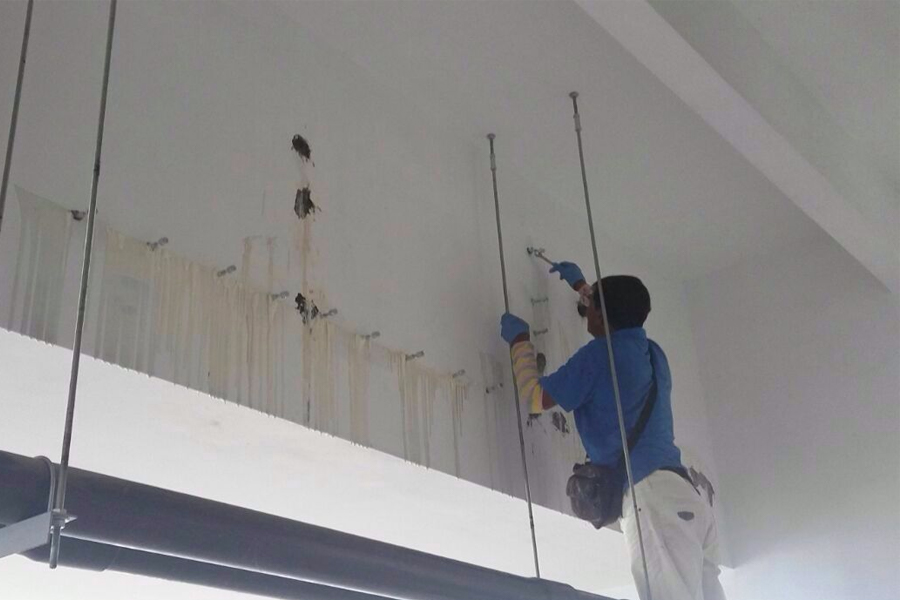
When external access is not practical, the price shifts towards internal repair methods. These may include polyurethane injection for active leakage, cementitious waterproofing slurry, joint treatment, crack sealing or localised repair around vulnerable details. Internal repair can be effective in suitable conditions, but it is not the same as stopping water before it reaches the structure. A good quotation should make this distinction clear.
Active leakage costs more than preventive underground waterproofing
A dry underground wall and a leaking underground wall are not the same project. If water is actively entering the structure, the contractor must first control the leak before applying a waterproofing system. This may require temporary water plugging, injection works, repeated checks and waiting time to confirm whether the water path has stabilised.
Active leakage also increases uncertainty. Water seen at one point may have travelled along a construction joint, honeycombed concrete, pipe sleeve or slab-wall junction. If the first injection point stops one leak but pressure pushes water to another weak point, additional work may be required.
Preventive waterproofing is usually easier to plan because the contractor can prepare the substrate properly, apply the system in sequence and protect the waterproofing layer before it is exposed to water pressure. Repair waterproofing is more diagnostic. The contractor is not only applying material; they are interpreting how water is moving through the structure.
This is one reason underground waterproofing contractor prices in Subang can vary widely. A quotation that allows for diagnosis, leakage control and detail treatment will not look the same as a quotation for coating a dry, accessible surface.
Joints, penetrations and corners often cost more than open wall areas
In underground waterproofing, the open wall area is rarely the most difficult part. Many failures occur at details: slab-wall junctions, internal corners, pipe penetrations, tie-rod holes, expansion joints, construction joints, sump pits and lift pit corners.
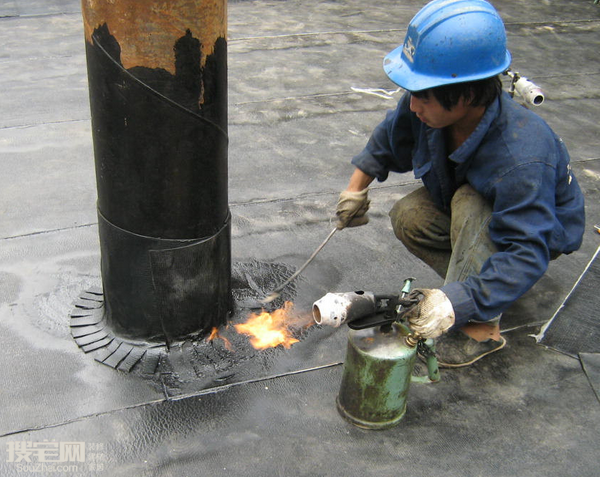
These areas take longer because they need specific treatment. A pipe penetration, for example, may require cleaning around the sleeve, removing weak sealant, sealing the annular gap and applying a compatible waterproofing build-up. An expansion joint may need a flexible detail rather than a rigid coating. A wet internal corner may require leak control before reinforcement or slurry application.
A contractor who prices mainly by area may under-allow for these details. A contractor who inspects and prices the details separately may appear more expensive, but the quote may better reflect the actual failure points.
When comparing underground waterproofing prices, ask whether the quotation identifies:
• slab-wall junctions and internal corners
• pipe penetrations and sleeves
• construction joints or expansion joints
• sump pits, lift pits or drainage points
• active seepage points and crack lines
• surface preparation and removal of weak material
If these items are not mentioned, the price may not include the areas most likely to affect long-term performance.
Substrate condition can make the same area cost very differently
Two basement walls of the same size can require different preparation. One may have sound concrete and minor seepage. Another may have laitance, hollow plaster, previous coatings, salt deposits, damp patches, honeycombing or cracks that continue behind the surface.
Waterproofing material needs a suitable substrate. If the surface is weak, contaminated or saturated, the contractor may need to hack off loose render, grind the surface, chase cracks, repair voids or remove failed coatings before applying the waterproofing system. This preparation affects labour time and material usage.
Previous repairs also influence price. If earlier sealants, cement patches or coatings were applied over active leakage without treating the source, the new contractor may need to remove those layers before assessing the real condition. In some cases, the visible patch hides the leak path instead of solving it.
This is where a site inspection matters. A low quote based only on photos may miss substrate preparation. A more detailed quote may include preparatory work that prevents the new system from being bonded to weak material.
Occupied buildings in Subang add access and sequencing costs
Many underground areas in Subang are not empty construction zones. They may be car parks, retail basements, service rooms, pump rooms, condominium common areas, factories or storage spaces. If the area must remain in operation, the contractor may need to plan work by zones, protect nearby assets, manage dust and noise, maintain pedestrian or vehicle access, and coordinate with building management.
These requirements do not always change the waterproofing material, but they change the project cost. Night work, staged application, limited working hours, traffic control and temporary protection can all affect labour efficiency.
For commercial and strata properties, approval procedures may also influence timing. If the leaking area is near electrical rooms, lift pits, fire services or tenant spaces, the contractor may need additional coordination before work begins. The waterproofing price should reflect not only the material and labour, but also the practical conditions under which the work must be done.
A useful quotation explains the repair logic, not only the total price
The best way to compare underground waterproofing contractor prices is to compare scope, not just amount. A cheaper quotation may be suitable for a small, dry, accessible repair. But for active basement seepage, retaining wall leakage or repeated underground water ingress, the lowest price may leave out the difficult details.
A practical quotation should explain the observed problem, proposed method, preparation work, treatment areas, material system, limitations and assumptions. It should also state whether the repair is intended for active leakage control, negative-side waterproofing, external waterproofing, joint treatment or a combination of methods.
A proper underground waterproofing quote should make clear what is being treated and what is not. If the quotation only says “waterproofing work” without identifying leakage points, joints, substrate preparation, method and access limitations, the owner may not be comparing equivalent scopes.
QingLong Waterproofing supports underground waterproofing projects with waterproofing products, technical system knowledge and site-based repair recommendations for residential, commercial, industrial and infrastructure conditions. For complex underground areas, the right starting point is not asking for the cheapest square-foot rate, but confirming what the site actually requires.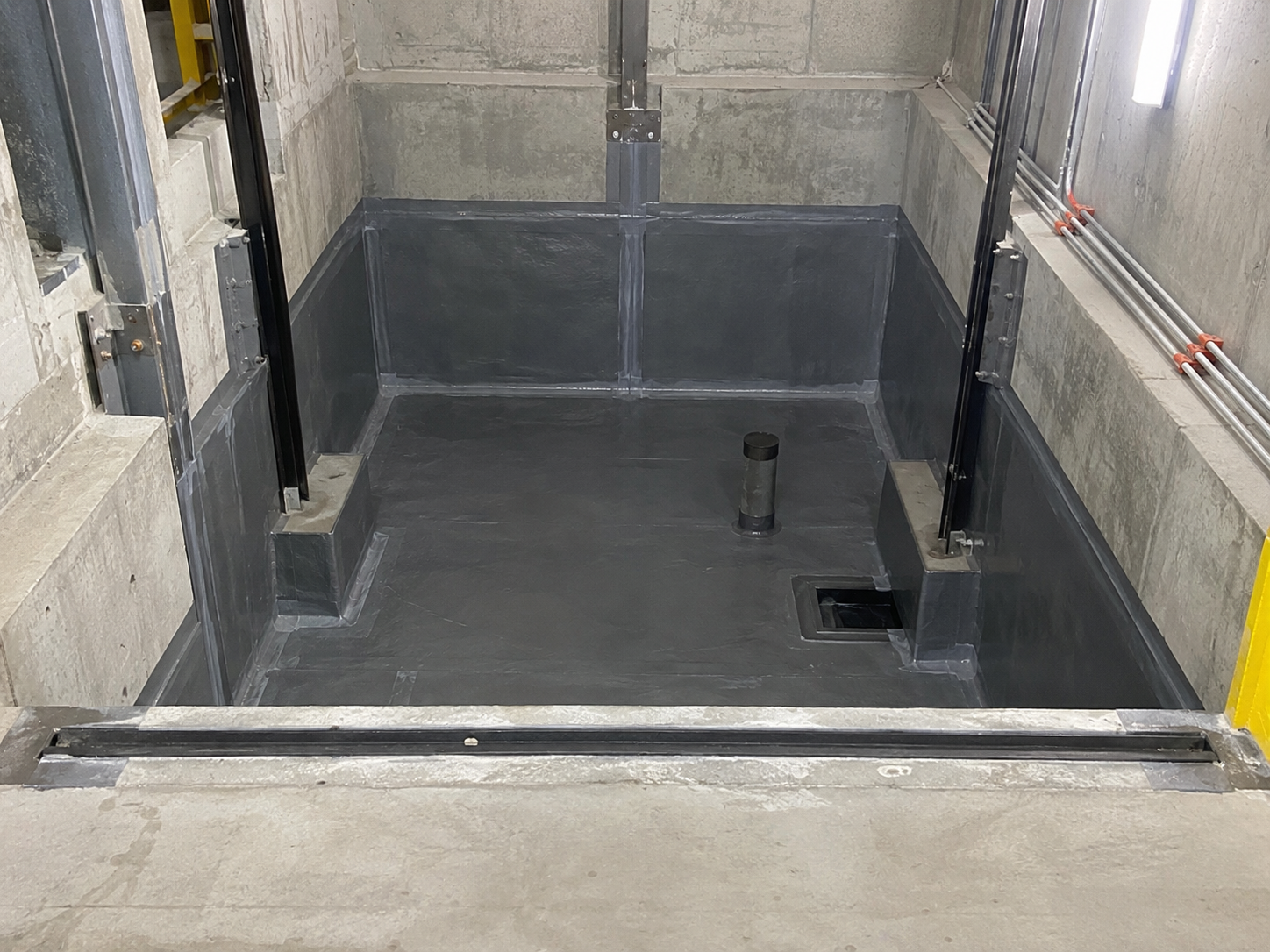
Conclusion
Underground waterproofing price in Subang depends on the hidden conditions behind the visible leak. Water pressure, access, active seepage, concrete condition, joints, penetrations and building operation constraints can all change the correct repair scope. Before approving a contractor, ask what evidence the price is based on and whether the quotation treats the actual water path or only the visible damp area.
If you need help reviewing an underground seepage issue or comparing repair options, you can contact QingLong Waterproofing for a site-based recommendation.