A new drain channel can look like the obvious answer when rainwater keeps collecting on a car porch, driveway or paved yard. But in many Kuching homes, pooling continues even after drainage installation because the drain is only one part of the water path. If the surface falls are wrong, the outlet is too small, the drain sits too high, or water is entering from another area, the new channel may collect some water while leaving shallow ponding behind. The real question is not simply whether a drain exists, but whether rainwater can reach it, enter it and discharge fast enough.
A Drain Cannot Work Properly If the Surface Falls Away From It
The most common reason rainwater still pools after drainage installation is poor surface gradient. Water does not move toward a drain just because the drain is nearby. It follows the fall of the concrete, tiles, screed or external paving.
On a car porch, even a small reverse fall can cause water to sit near the gate, beside the wall, around a column base or in the middle of the slab. If a drain channel is installed along one side but the surface slopes toward the opposite side, only water close to the drain will enter it. The remaining water stays where the surface is lowest.
This is why site levels matter before any Kuching drainage installation work is approved. The contractor should check whether the existing surface has enough fall toward the proposed drain position. If not, the repair may require resurfacing, screed correction, local grinding, re-tiling with proper falls or a different drain location.
For external paved areas, the drain is not the starting point of the design. The starting point is the direction water naturally wants to flow.
The Drain Opening May Be Too High for Shallow Ponding Water
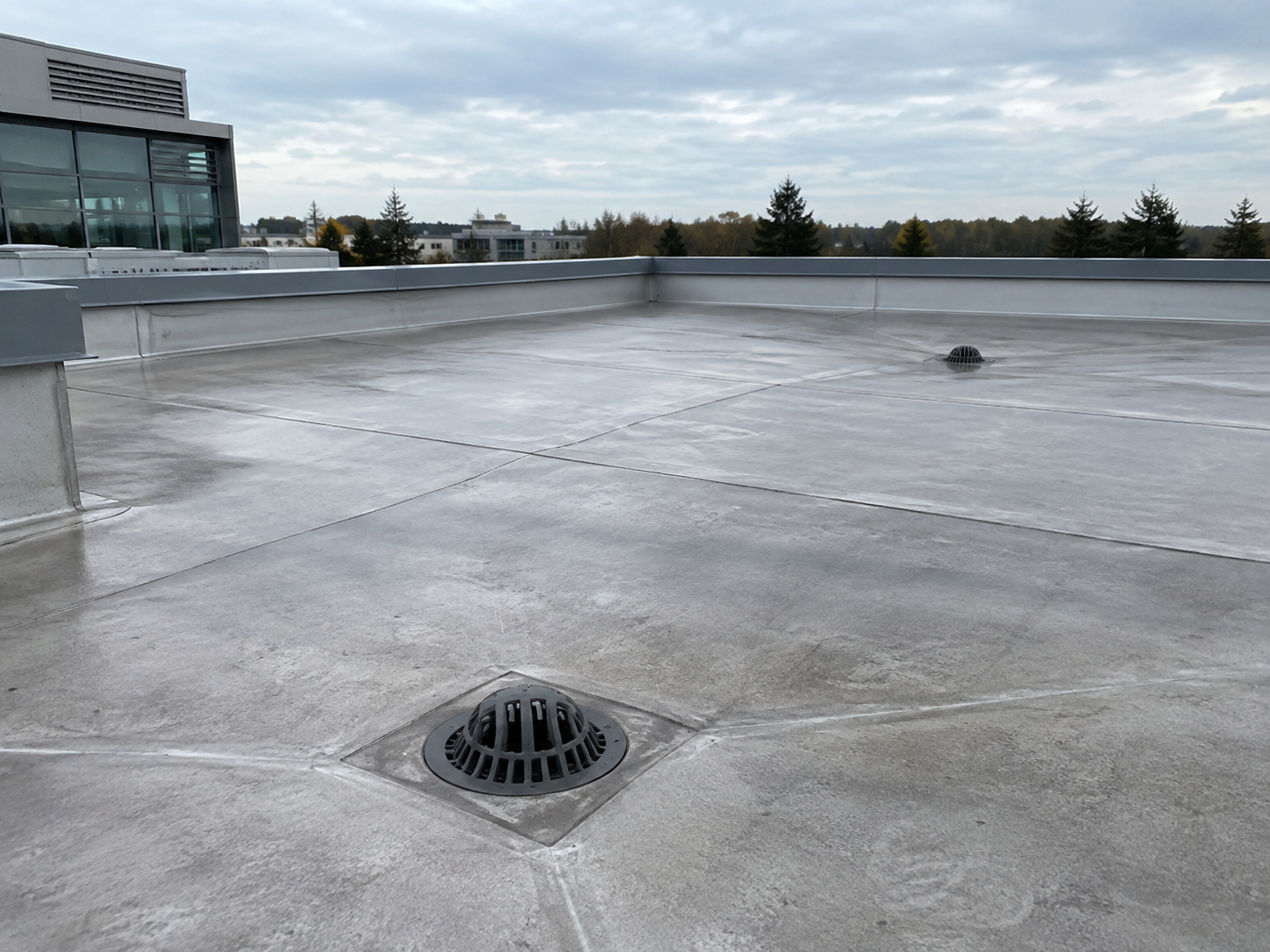
Another overlooked issue is the drain inlet level. A channel drain can be installed neatly but still sit slightly higher than the surrounding finished surface. When this happens, deeper rainwater may enter the channel during heavy rain, but shallow water remains trapped around the edges after the rain stops.
This is often noticed when a homeowner says, “The flooding is less, but the floor is still wet for hours.” That statement suggests the drain is removing bulk water but not clearing the final ponding.
For a car porch or driveway, the drain grate, frame and surrounding cement finish must be set at a level that allows water to enter easily. If cement mortar is built up around the drain edge, it can unintentionally create a small barrier. If tiles are later added, the finished tile level may also change how water flows into the drain.
A practical inspection should check:
• whether the drain channel is lower than the surrounding surface;
• whether the grate blocks water entry;
• whether mortar edges create a lip;
• whether nearby tiles or concrete have settled unevenly;
• whether water ponds before reaching the drain.
A working drainage detail is not only about having a channel. It is about forming a continuous path from the wet surface into the outlet.
Outlet Capacity Matters During Kuching’s Intense Rainfall
In Kuching, short periods of heavy rain can quickly reveal whether an external drainage system has enough discharge capacity. A small drain channel may appear suitable during light rain, but during a strong downpour, water may enter faster than the outlet pipe can discharge.
When the outlet is undersized, partially blocked or connected to a slow external drain, water backs up inside the channel. From the homeowner’s view, it may look as if the drain “is not working”. In reality, the channel is receiving water, but the discharge path is restricted.
This is especially relevant where several areas discharge into the same line, such as roof downpipes, car porch drains, yard gullies and perimeter drains. If all these water sources meet at one small outlet, the system may overflow during peak rainfall.
A drainage installation should be judged by the full water path, not only the visible drain channel. Rainwater must move from the surface into the channel, through the outlet pipe and away from the property without backing up. If any part of that path is too high, too small or blocked, pooling can remain even after a new drain is installed.
For existing houses, the solution may not always be to add more drains. Sometimes the better repair is to increase outlet capacity, separate water sources, clean the discharge line, adjust the falls or improve connection to the external drainage point.
Pooling Near Walls Can Become a Waterproofing Problem
Rainwater pooling is not only a drainage inconvenience. When water repeatedly sits near walls, door thresholds, column bases or floor-wall junctions, it increases the risk of seepage and dampness.
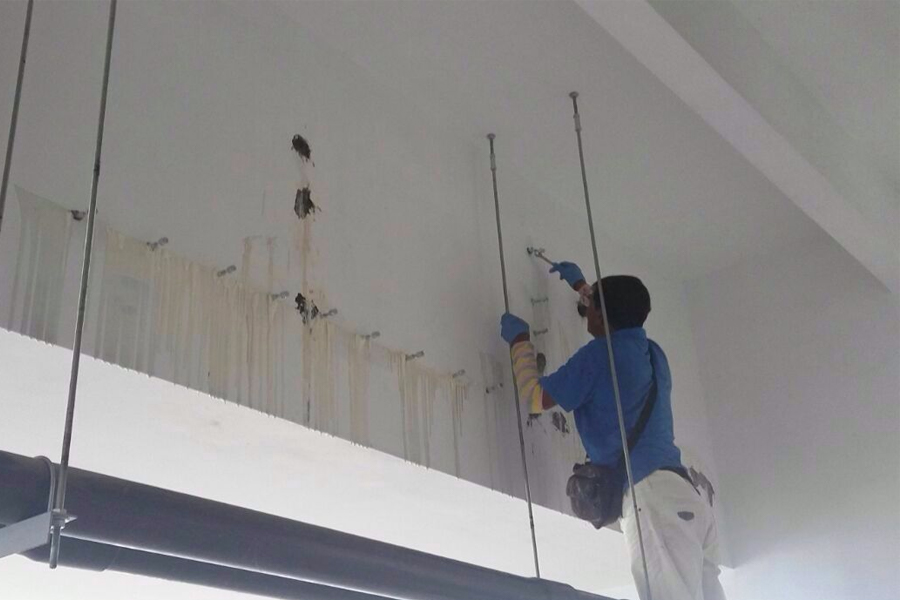
At a car porch or paved yard, water may collect against the external wall. Over time, moisture can enter through cracks, porous plaster, weak floor-wall joints or gaps around pipe penetrations. Inside the house, this may appear as bubbling paint, damp skirting, mould smell or staining near the lower wall.
This is where drainage and waterproofing must be considered together. Drainage reduces standing water. Waterproofing protects vulnerable building details from moisture entry. If only waterproofing is applied while water still ponds against the wall, the waterproofing system remains under unnecessary stress. If only drainage is improved but wall cracks and junctions are left untreated, seepage may continue during repeated wetting.
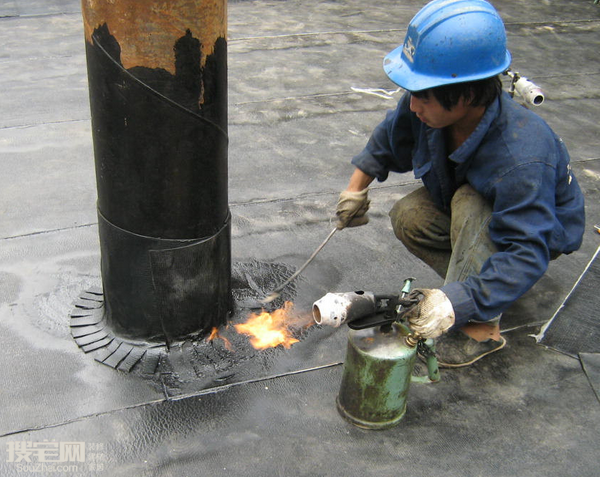
For homes where ponding occurs near building edges, inspection should include the wall base, tile edges, expansion joints, previous sealant, plaster cracks and any pipe penetrations. The repair may need both drainage correction and waterproofing treatment at selected details.
 Repeated Pooling May Come From Water Entering the Area, Not Falling on It
Sometimes the rainwater that pools in a porch or yard does not come only from direct rainfall. It may be flowing in from a neighbouring higher ground level, roof downpipe discharge, garden soil, road surface, or an upper paved area.
This matters because adding a drain at the lowest point may treat the symptom without controlling the source. If roof water discharges directly onto the car porch, the drain must handle far more water than the floor area itself receives. If water flows in from the gate or roadside, the drain position and threshold detail become more important. If soil beside the house is higher than the finished floor, water may keep migrating toward the building after every rain.
A good Kuching drainage installation assessment should therefore trace where water starts, not only where it ends up. Pouring water over the surface during inspection can help reveal flow direction, but it must be interpreted carefully. Real rain may involve roof runoff, wind direction, blocked outlets and higher flow volume than a simple water test.
The useful question is: what is feeding the pooling area? Once that is understood, the solution may involve redirecting downpipes, adding a catch drain, correcting external levels, improving perimeter drainage or protecting the wall-floor junction.
When Drainage Repair Should Be Combined With Surface or Waterproofing Work
If the existing concrete or tile surface is already cracked, hollow, debonded or badly stained, installing a drain alone may not solve the longer-term issue. Water can still remain below tiles, enter cracks or move under a weak screed layer.
For tiled car porches, hollow tiles indicate that water may already have affected the tile bedding or substrate. Sealing only the drain edge will not address water trapped below loose tiles. For concrete surfaces, cracks across low areas may allow water entry even after visible pooling is reduced.
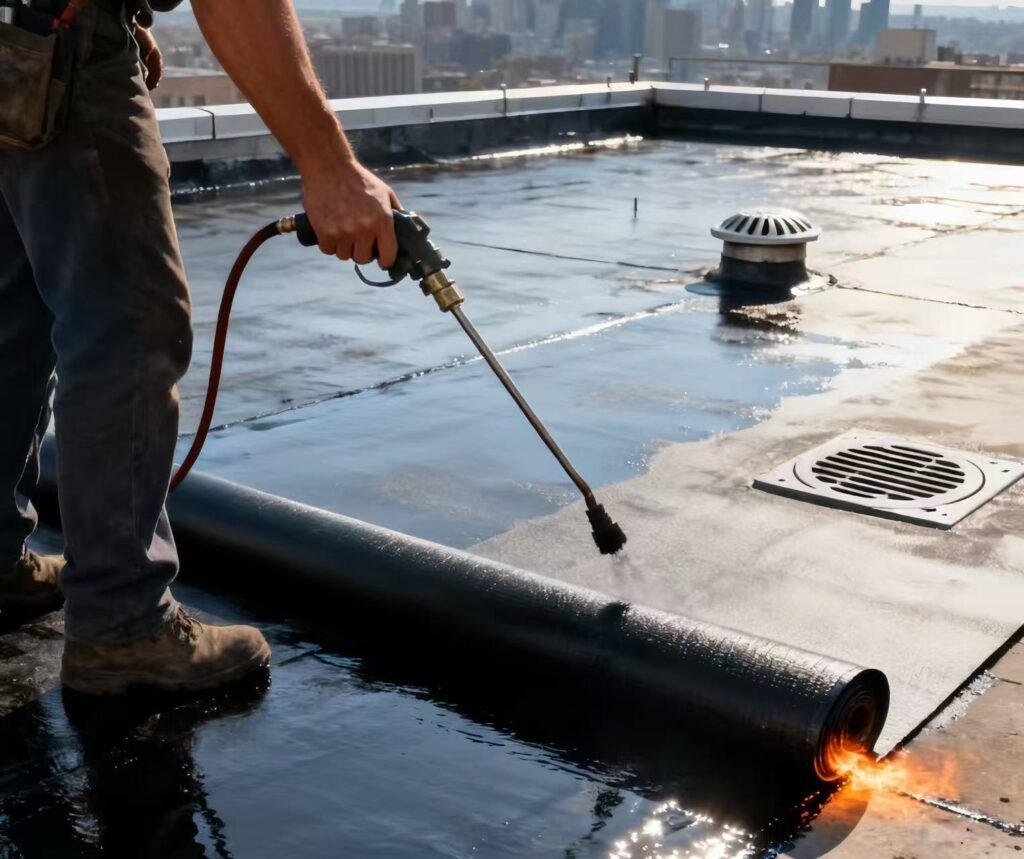
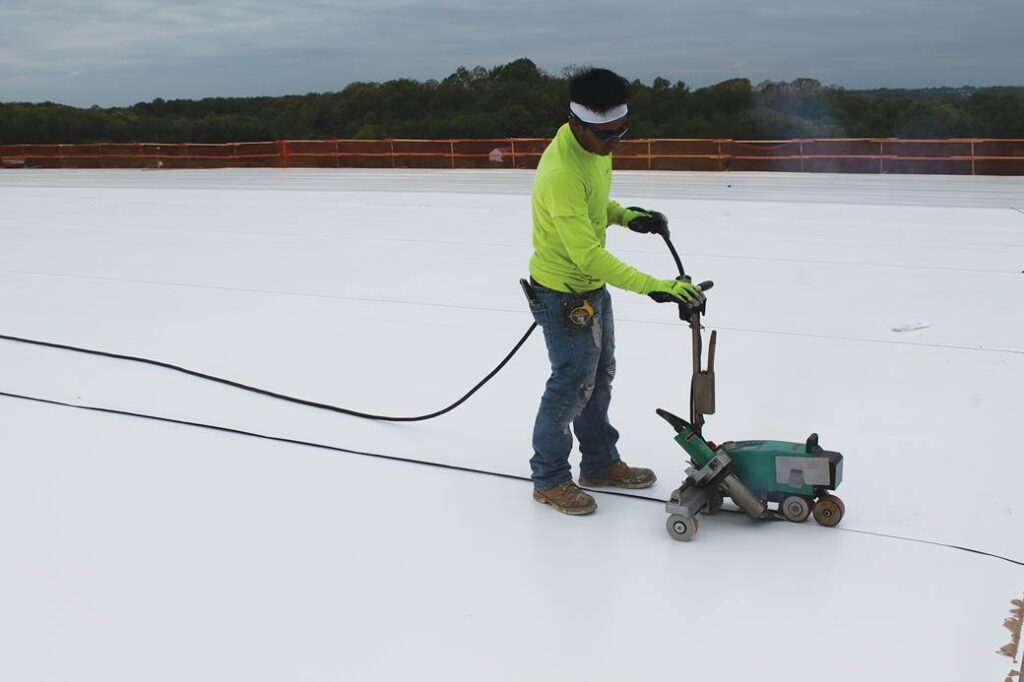
Drainage repair is most effective when the surface condition is also checked. If the floor has reverse falls, cracked concrete, loose tiles or weak wall junctions, drainage installation may need to be combined with resurfacing, joint sealing or waterproofing. Otherwise, the drain may remove surface water while moisture continues to affect the structure or finishes.
For QingLong Waterproofing, this is often the practical link between drainage and waterproofing work. A site assessment should decide whether the main issue is water collection, water entry, or both. That distinction affects the repair scope, material selection and expected result.
Conclusion
If rainwater keeps pooling after drainage installation, the problem is usually not solved by asking for “another drain” immediately. The more useful approach is to check the complete water path: surface fall, drain level, inlet detail, outlet capacity, incoming water sources and nearby waterproofing vulnerabilities.
For Kuching homes with repeated ponding at car porches, yards or external paved areas, the right repair may involve drainage correction, level adjustment and selected waterproofing details working together. If you need help assessing why water is still collecting around your property, you can contact QingLong Waterproofing for a site-based recommendation.