A leak complaint in Kota Kinabalu often starts with a visible stain, damp wall, dripping ceiling or peeling paint. But the first inspection by a waterproofing contractor should not jump straight to coating the surface where the symptom appears. In many buildings, water travels along slabs, screeds, wall junctions, roof laps or pipe penetrations before showing up indoors. A good inspection starts by separating the visible damage from the likely water entry point, then checking whether the surrounding details can still support a durable repair.
The First Question Is Not “Which Product?” but “Where Is Water Entering?”
For a Kota Kinabalu waterproofing contractor, the first inspection should identify the most likely water entry route before recommending any product. The visible stain is only evidence of where water appears, not proof of where it entered. Roof drainage, wall-floor junctions, penetrations, cracks, failed sealants and previous repair patches should be checked before deciding the repair scope.
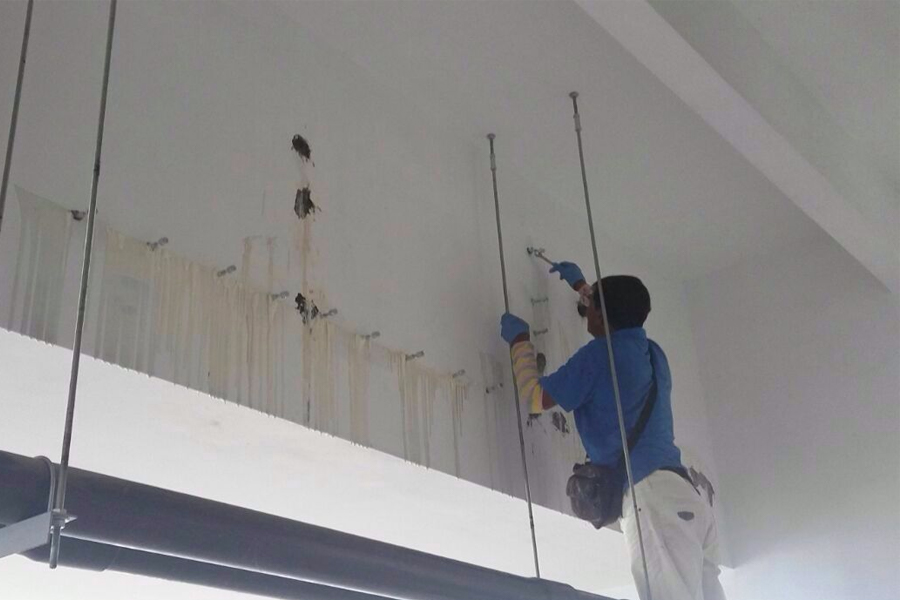
This matters because different leaks need different repair logic. A damp ceiling below a flat roof may be caused by a membrane failure, but it may also come from a blocked outlet, cracked upstand, pipe sleeve, parapet detail or ponding area. A wet internal wall may suggest external wall seepage, but water may be entering through window frames, façade cracks, balcony edges or poorly sealed service penetrations.
If the contractor starts by asking what coating you want, the diagnosis may be too shallow. The first useful inspection should ask: what path did the water take to reach this point?
Roofs in Kota Kinabalu Need Drainage and Detail Inspection Before Recoating
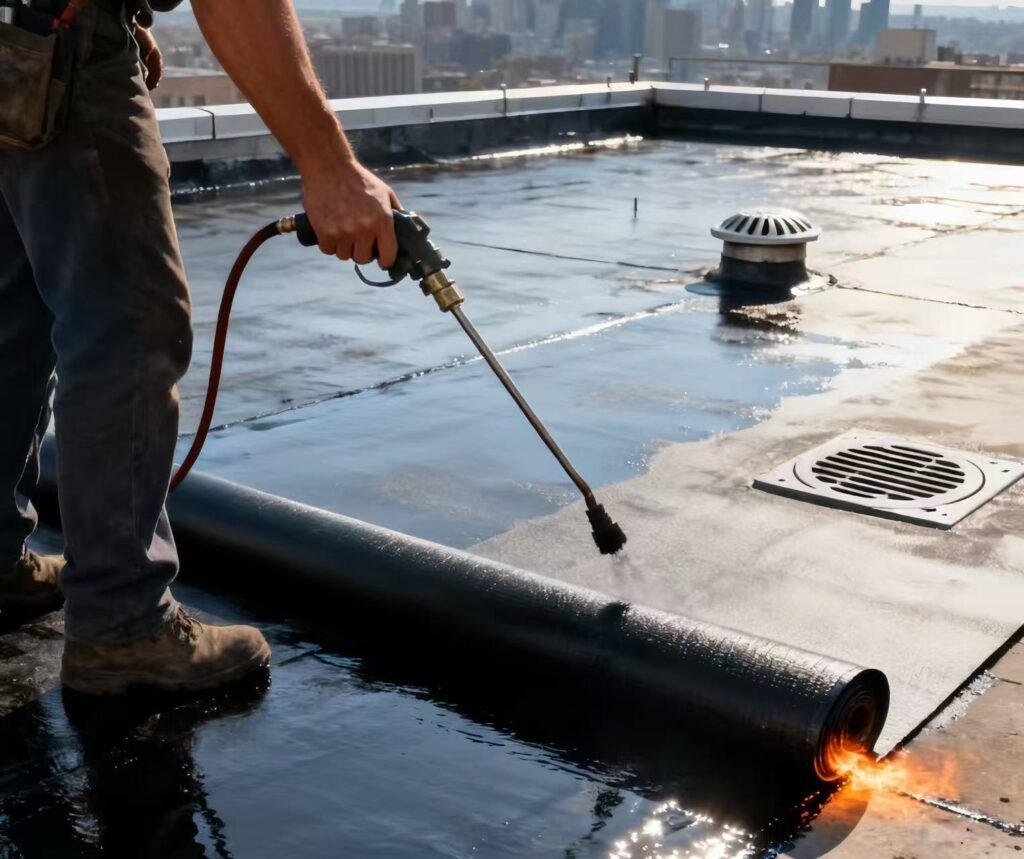
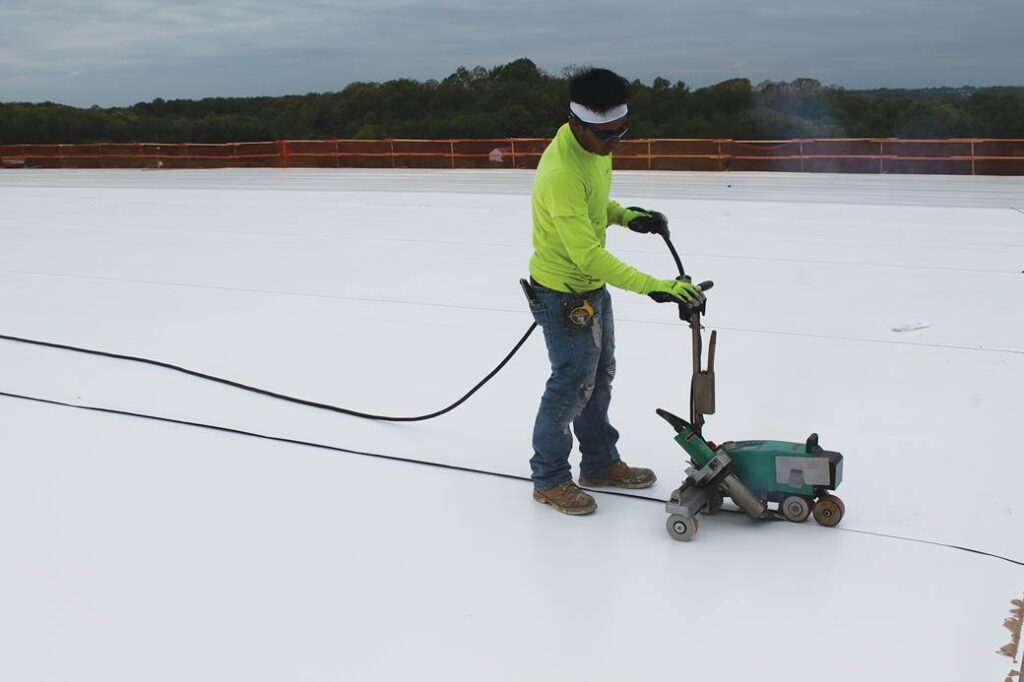
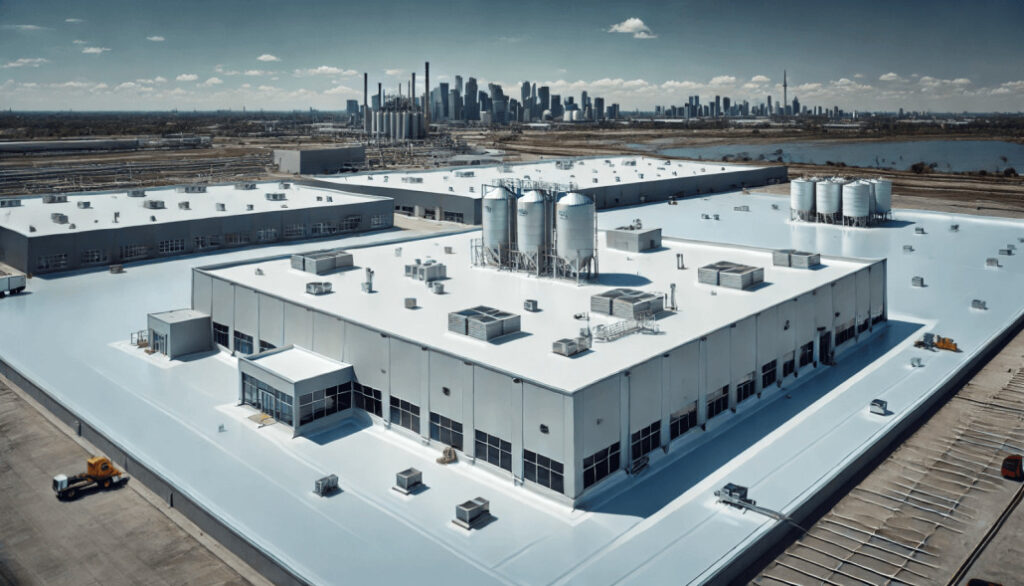
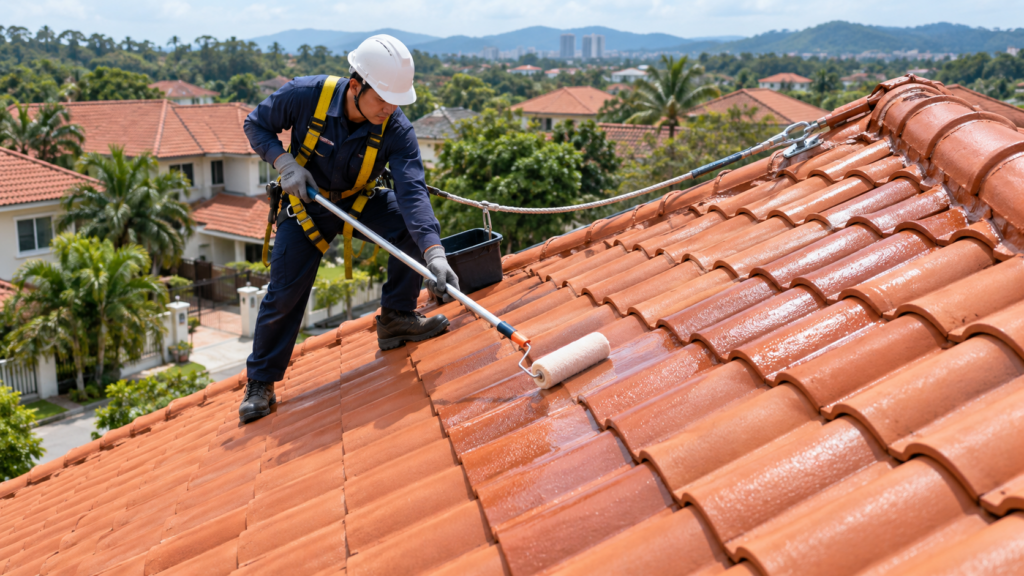
Many roof leaks are treated as if the entire roof surface has failed. Sometimes full recoating is necessary, especially when an old coating or membrane has lost adhesion across a large area. But before approving that scope, the contractor should inspect the roof details that usually fail earlier than the open field area.
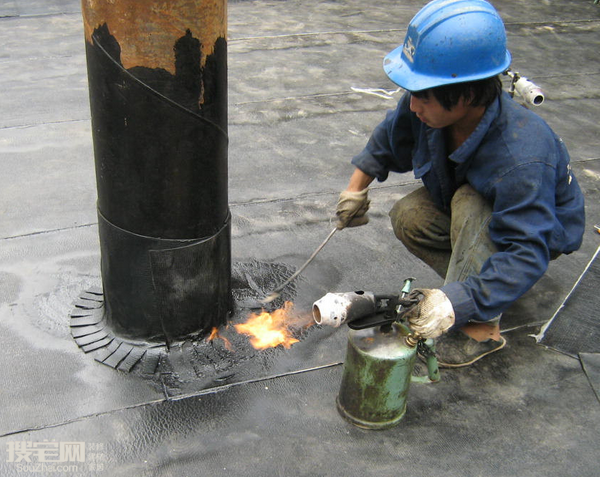
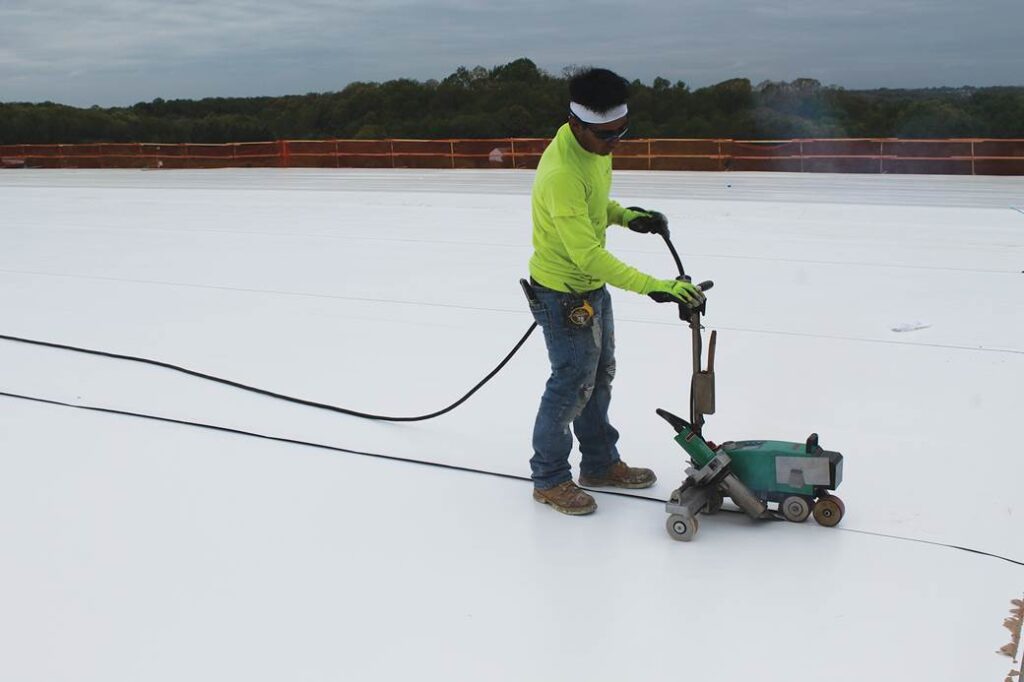
On concrete flat roofs, the first checks should include ponding areas, outlets, floor traps, parapet-wall junctions, internal corners, construction joints and exposed cracks. Standing water around outlets is especially important because even a good waterproofing layer can be stressed if the roof does not discharge water properly. If the screed has hollow areas, cracks or trapped moisture, applying a new coating on top may only hide the condition temporarily.
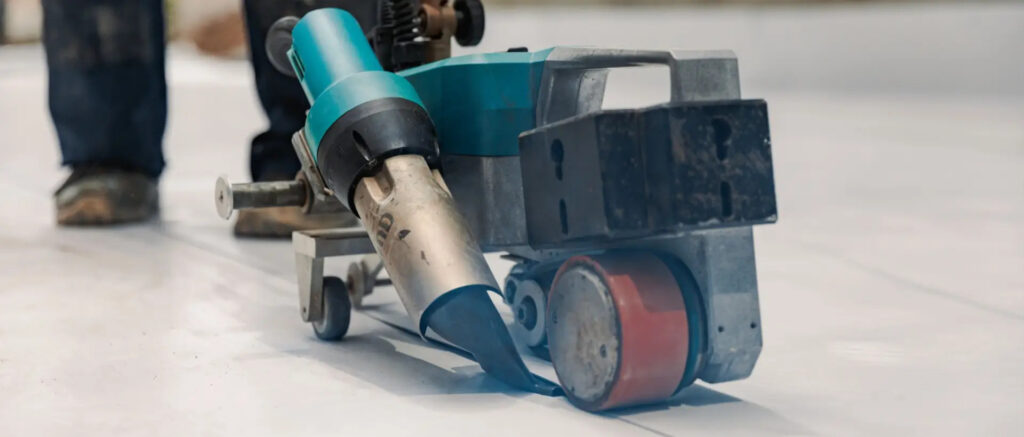
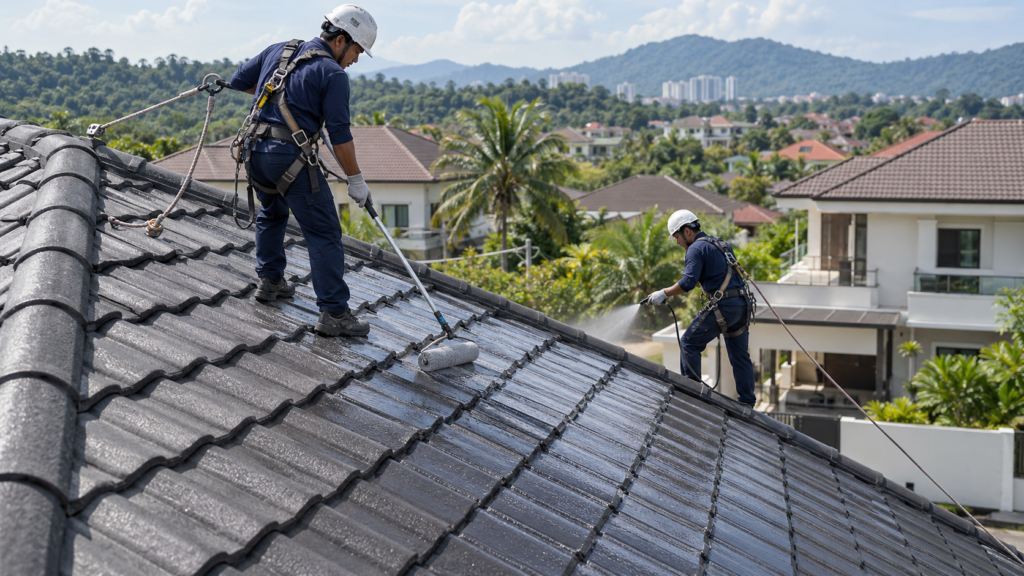
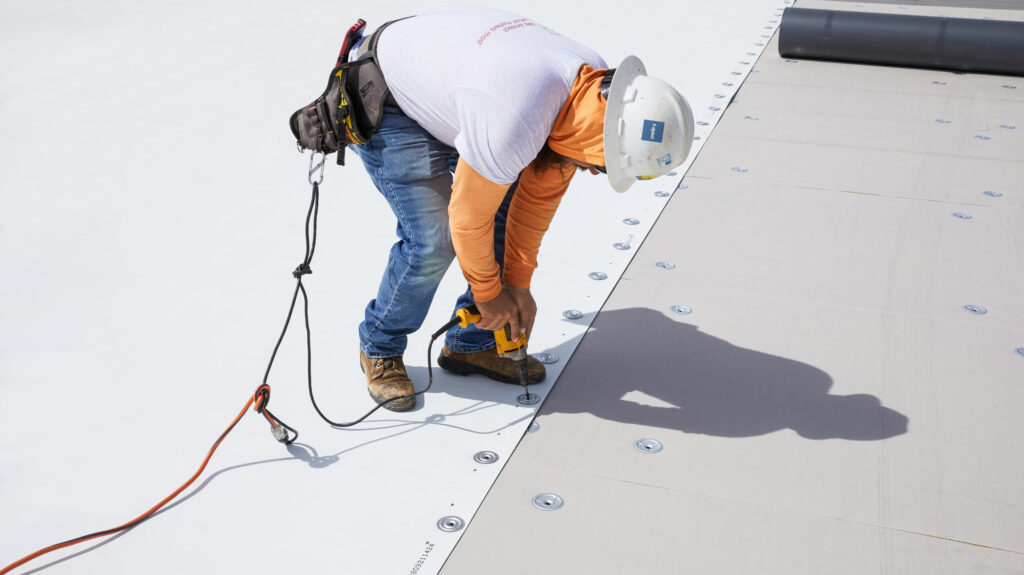
On metal roofs, the priority changes. The contractor should look at fasteners, overlaps, ridge caps, side laps, rusted areas, sealant joints and roof penetrations. Near coastal environments, exposed metal components and fasteners may deteriorate faster if maintenance is poor. A repair that only coats the panel surface but ignores loose screws, corroded washers or open laps may not stop wind-driven rain from entering.
For roof waterproofing, the inspection should determine whether the problem is a surface waterproofing failure, a drainage issue, a joint/detail failure or a substrate deterioration issue. These lead to different repair scopes.
Exterior Wall Seepage Should Be Checked from Openings and Junctions First
When paint peels or damp patches appear on an internal wall, many owners assume the wall surface needs waterproof coating. That may be true, but exterior wall seepage often starts from weak details rather than from the wall face alone.
A careful inspection should check window perimeters, balcony-wall junctions, hairline cracks, external pipe clips, air-conditioning penetrations, façade grooves, sealant joints and areas where old paint has lost adhesion. On high-rise or exposed elevations, wind-driven rain can push water through small openings that remain dry during light rain. This is one reason intermittent leaks are difficult to diagnose from indoor staining alone.
The contractor should also check whether the existing exterior paint or coating is still bonded to the wall. Transparent waterproof coatings, for example, may be suitable only when the existing surface is sound, clean and compatible. If the wall has chalking paint, hollow plaster, active cracks or trapped moisture, a transparent surface treatment may not solve the underlying issue.
The practical question is not simply whether the wall can be coated. It is whether the existing wall condition can support the selected waterproofing system.
Wet Areas and Balconies Need Junction Inspection, Not Just Tile Inspection
For bathrooms, kitchens and balconies, the first inspection should focus on water-sensitive junctions. Tiles are visible, but tiles are not the waterproofing layer. Water can pass through grout lines, cracked corners, pipe penetrations, floor traps, wall-floor joints and failed sealants before reaching the slab below.
In a bathroom leakage case, the contractor should check whether the leakage happens only after shower use, after long wetting, after pipe operation or continuously. A continuous damp patch may suggest plumbing involvement, while intermittent leakage after use may point towards floor or wall waterproofing failure. The inspection should not treat these as the same problem.
For balconies, the contractor should inspect door thresholds, drainage falls, outlet capacity, tile hollowing, cracked grout, skirting joints, parapet junctions and any connection to indoor living areas. If the balcony is above an occupied room, retaining existing tiles may reduce hacking work but increases uncertainty unless tile adhesion, moisture movement and surface compatibility are properly assessed.
A repair over existing tiles may be possible in some cases, but only when the tiles are stable, the surface can be prepared correctly, drainage is adequate and the chosen system is suitable for the final exposure or finish.
Previous Repair Marks Tell the Contractor What May Have Been Missed
Old patches, repeated sealant lines and different coating colours are useful inspection clues. They show where someone previously believed the leak was coming from. They also show whether the repair addressed only a symptom.
A failed previous repair does not always mean the material was poor. It may mean the original leak source was incomplete, the crack was still moving, the substrate was damp during application, the coating was applied over weak paint, or an adjacent detail remained untreated. In some cases, water enters from one area but appears at another, causing repair work to be placed in the wrong location.
A professional contractor should inspect previous repair areas for adhesion, cracking, bubbling, moisture underneath, open edges and compatibility with any new system. Applying another layer over an unknown or weak previous repair can create a layered build-up that looks thicker but performs worse.
This is also where a manufacturer-backed waterproofing company can add value. QingLong Waterproofing manufactures and supplies waterproofing materials, and also provides waterproofing services for residential, commercial, industrial and infrastructure projects. That combination helps connect product selection with site application requirements, instead of treating the coating as a standalone purchase.
How to Compare a Kota Kinabalu Waterproofing Contractor After the Inspection
After the first inspection, the comparison should be based on the contractor’s reasoning, not only the quoted price. A lower price may be suitable for a small, clearly defined repair, but it becomes risky when the inspection has not identified the leak path or substrate condition.
Before selecting a waterproofing contractor, check whether the proposal explains:
the suspected water entry point, not only the visible damage area;
the substrate condition and preparation required;
whether drainage, outlets, cracks, joints or penetrations are included;
the waterproofing system build-up and intended final finish;
curing, access and weather limitations during application;
what areas are excluded from the repair scope.
This type of proposal is more useful than a quotation that only states “apply waterproofing coating”. Waterproofing is not only a material purchase. The same product can perform differently depending on surface preparation, detailing, coverage, curing and whether the correct area was treated.
For projects that require product supply, technical support or application guidance, QingLong Waterproofing can review the site condition and recommend a suitable waterproofing approach based on the area involved, such as roof, exterior wall, bathroom, balcony, basement or structural joint.
The Best First Inspection Is the One That Reduces Guesswork
The most important job of a waterproofing inspection is to reduce uncertainty before money is spent. In Kota Kinabalu, where buildings may face roof exposure, façade rain impact, ageing sealants, drainage pressure and coastal deterioration in some locations, the repair should begin with the details most likely to fail.
A good contractor does not simply ask where the water stain is. They check how water could enter, where it could travel, what materials are already on the surface and whether the proposed repair can bond to the actual substrate. If you are evaluating a leakage problem and need a practical recommendation, you can contact QingLong Waterproofing to discuss the site condition.
Frequently Asked Questions (FAQs)
1. Should a waterproofing contractor inspect during rain?
Rain can help confirm active leakage paths, but some inspections also need dry conditions to check cracks, adhesion, hollow areas and coating defects. Both wet and dry observations can be useful.
2. Is ceiling staining enough to identify the leak source?
No. A ceiling stain shows where water became visible, not necessarily where it entered. Water may travel along the slab, screed, pipe sleeve or joint before dripping.
3. Can waterproofing be applied over old coatings?
Sometimes, but only if the old coating is well bonded, clean, compatible and not trapping moisture. Loose, chalking, blistered or incompatible coatings should be treated before recoating.
4. What should I prepare before calling a waterproofing contractor?
Prepare photos, leakage timing, affected areas, previous repair history and whether the leak happens during rain, after water use or continuously. This helps the contractor narrow the inspection focus.