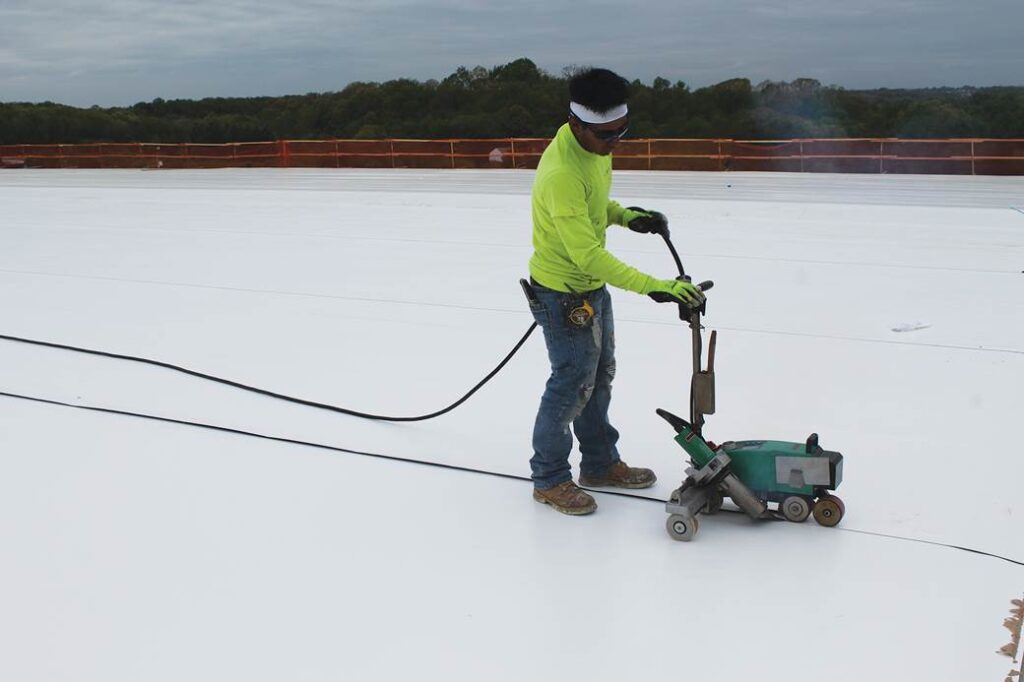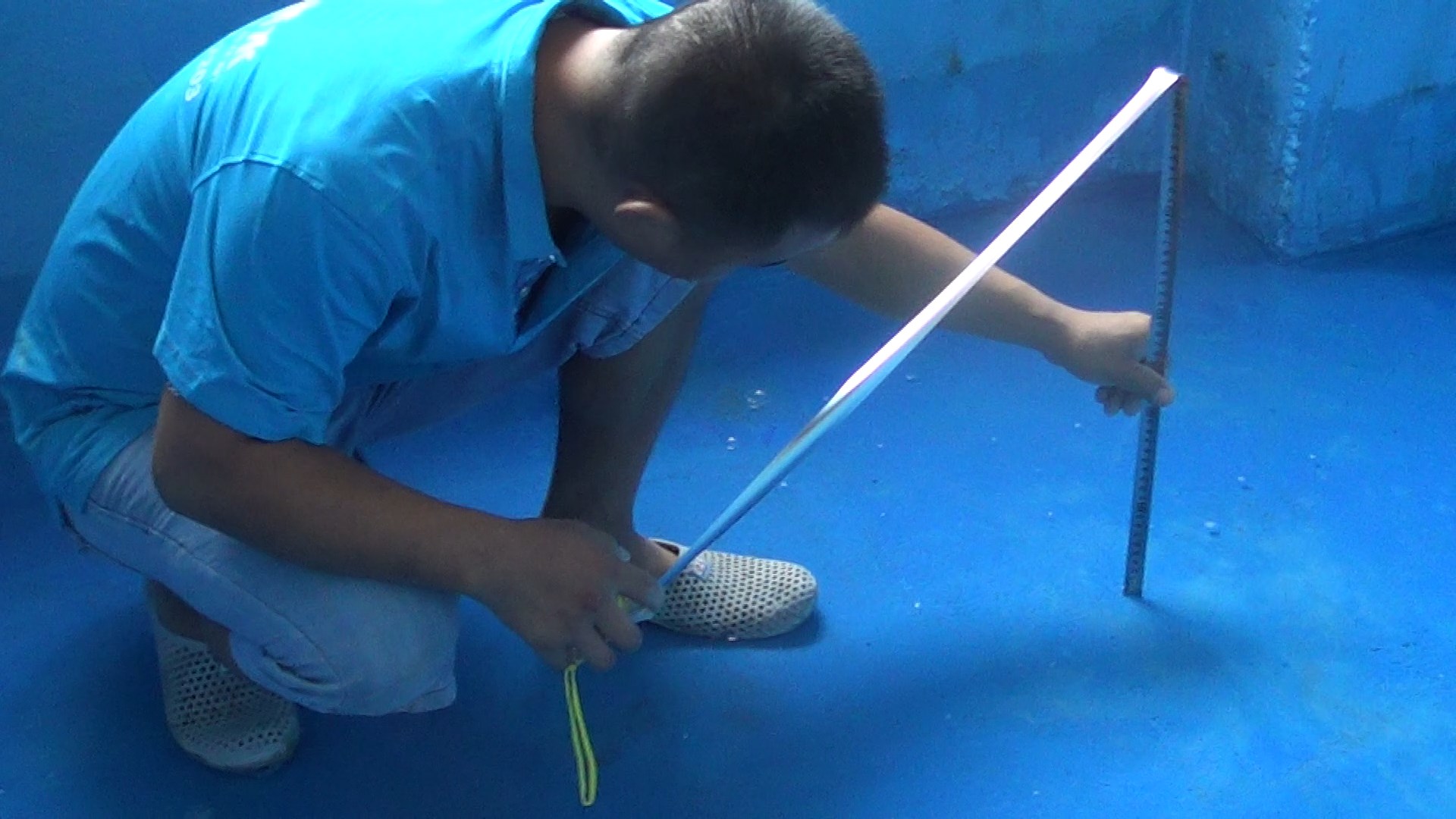
Bathroom leaks in Kota Kinabalu are often more expensive than they first appear. A small stain below an upstairs bathroom may be caused by failed floor waterproofing, cracked tile joints, pipe penetration gaps, or water travelling through the concrete slab. With Sabah’s frequent rainfall, coastal humidity, and many homes using reinforced concrete construction, moisture problems can stay hidden until ceiling damage, mould, or tile hollowing becomes obvious.
In this article, we’ll explain why bathroom waterproofing fails, how leaks develop, what property owners should check before repair, and how the right waterproofing service can help reduce repeated repair costs.
Why Bathroom Leaks Are Common in Kota Kinabalu Homes
Kota Kinabalu’s warm and humid climate puts bathrooms under constant moisture exposure. Even when the bathroom is indoors, steam, daily washing, trapped dampness, and poor ventilation gradually weaken grout lines, wall corners, and floor joints. In apartments, terrace houses, and older shoplot units, leaks often appear on the ceiling below the bathroom rather than inside the bathroom itself.
A common mistake is assuming that tiles are waterproof. Tiles can resist surface water, but the joints between them are usually the weak points. Once water passes through grout, cracked corners, floor traps, or pipe openings, it can reach the cement screed and concrete slab. If the original waterproofing layer has aged, was applied too thinly, or was damaged during renovation, water will start travelling to lower floors.
For property owners searching for Malaysia waterproofing solutions, the main issue is not just stopping visible water. The real goal is identifying where water is entering and whether the waterproofing membrane below the tiles is still reliable.
How Bathroom Waterproofing Failure Develops
Bathroom waterproofing usually fails slowly. At first, water enters through small cracks or loose tile joints. Because the floor is constantly exposed to washing and splashing, moisture collects beneath the tile layer. Over time, the screed becomes damp, and the waterproofing membrane starts to lose adhesion if it was not properly bonded to the substrate.
Why do waterproofing systems fail in Malaysia’s climate?
High humidity slows drying, while heat causes slight expansion and contraction in building materials. In bathrooms, this movement is most noticeable at internal corners, wall-floor junctions, pipe penetrations, and around floor traps. These areas require careful detailing because they experience more stress than flat surfaces.
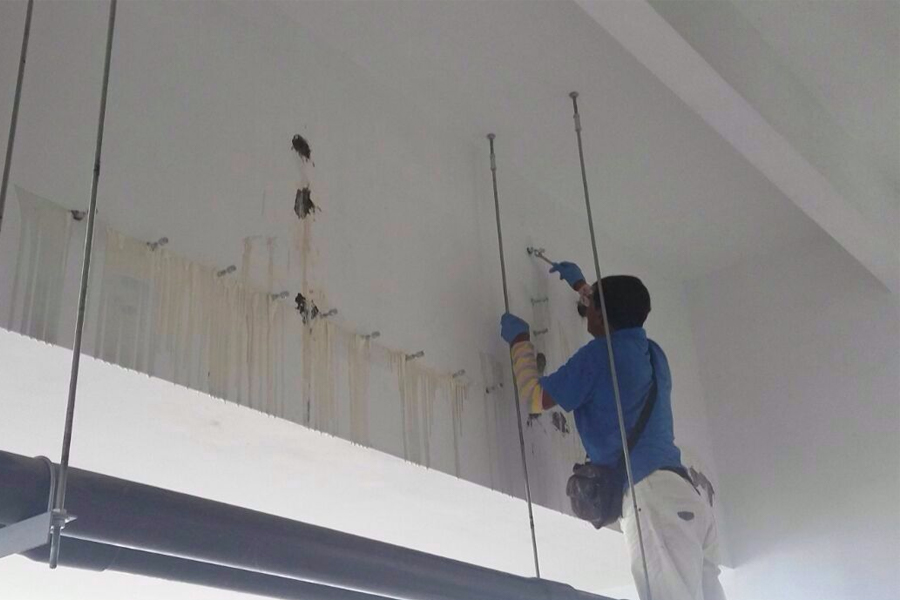
Once water reaches the slab, it may not drip directly below the source. It can move sideways along cracks, electrical conduits, or weak concrete areas before showing up as ceiling stains. This is why patching only the visible ceiling mark rarely works. The bathroom above must be inspected properly before choosing a waterproofing method.
What Property Owners Should Check Before Repair
Before starting bathroom waterproofing in Kota Kinabalu, the first step is diagnosis. A reliable waterproofing solution provider will not recommend hacking or coating immediately without checking moisture paths, existing tile condition, and drainage behaviour.
Before choosing a repair method, check:
• Whether the leak happens only after showering or even when the bathroom is unused
• Condition of tile grout, wall-floor corners, and silicone sealant
• Any cracks around floor traps, pipes, or toilet outlets
• Whether tiles sound hollow when tapped
• Ventilation level and signs of mould or persistent damp smell
• Ceiling stains below the bathroom and whether they are spreading
• Previous repair history and whether waterproofing was done under the tiles
This checklist helps determine whether the issue can be treated with surface sealing, localised repair, PU injection, or full bathroom re-waterproofing. In many cases, a temporary surface coating can reduce water entry for a while, but if the membrane below the tiles has failed badly, a more thorough repair may be required.
Choosing the Right Bathroom Waterproofing Method
The correct method depends on the leak source and the bathroom condition. For minor seepage caused by worn grout or small surface cracks, transparent waterproof coatings or joint sealants may help reduce water penetration without major renovation. These solutions are useful when tiles are still firmly bonded and the leak is at an early stage.
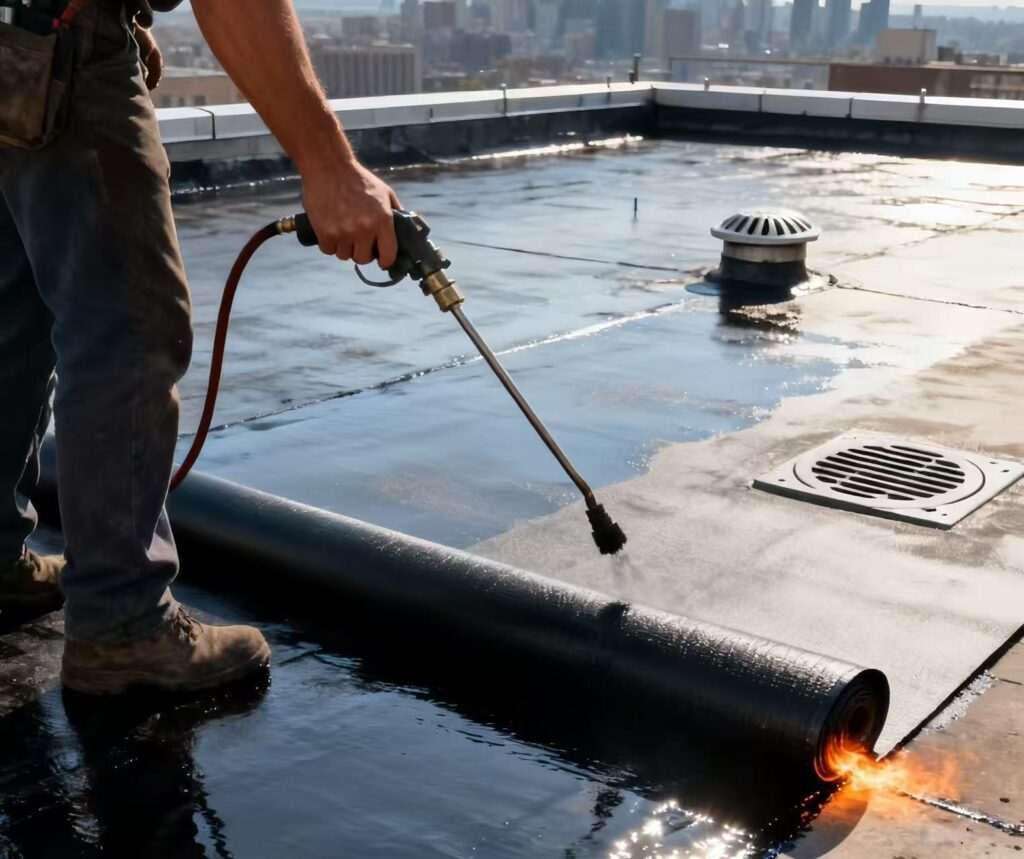
For more serious cases, especially when water has already reached the ceiling below, the bathroom may need partial or full hacking. The surface must be cleaned, repaired, and prepared before applying a new waterproofing layer. Cement-based waterproof slurry, flexible coatings, and reinforced detailing at corners are commonly used to create a more durable system.
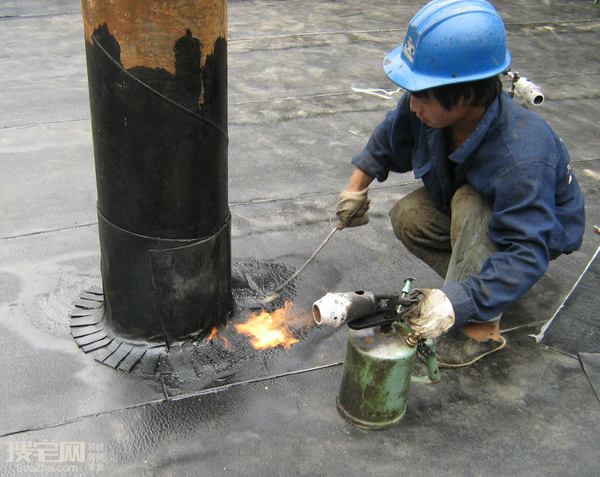
What should contractors check before applying waterproofing materials? The substrate must be solid, clean, and not excessively wet. Corners, pipe penetrations, and floor traps must be sealed carefully before the main coating is applied. If surface preparation is poor, even good materials from a waterproofing manufacturer or waterproofing supplier may not perform well.
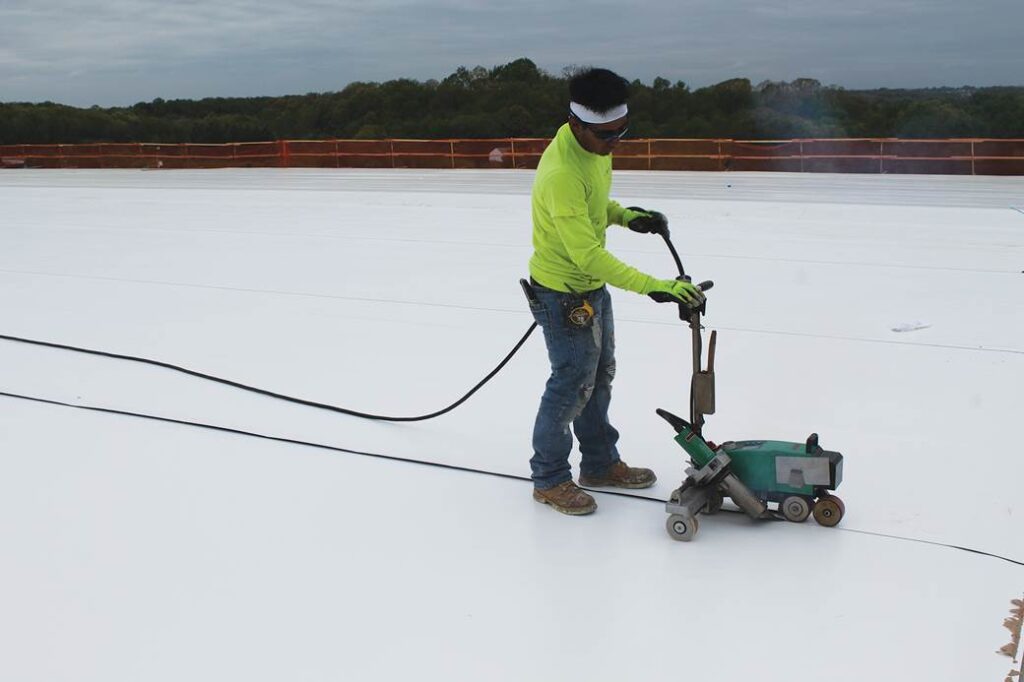
As a Malaysian waterproofing manufacturer and supplier, QingLong Waterproofing develops systems for bathrooms, roofs, balconies, walls, and other wet areas. However, material choice should always match the actual site condition rather than being selected only by product name.
Case Study: Apartment Bathroom Leak Near Likas
On a mid-rise apartment repair project near Likas, the owner noticed brown stains on the kitchen ceiling directly below the upstairs bathroom. The bathroom tiles looked normal, so the first assumption was a pipe leak. After inspection, the water pressure test showed no active plumbing issue. The problem was traced to cracked grout near the shower area and weak sealing around the floor trap.
The challenge was that water had already soaked into the screed layer. Simply resealing the visible cracks would not be enough. The repair team removed selected tiles around the shower zone, dried and cleaned the substrate, repaired weak areas, and applied a new waterproofing system with extra attention to the floor trap and wall-floor junction.
After curing, a ponding test was carried out before tile reinstatement. The ceiling below dried gradually, and no new staining appeared after several weeks of bathroom use. This project showed why proper inspection is essential before carrying out waterproofing service work, especially in high-humidity locations like Kota Kinabalu.
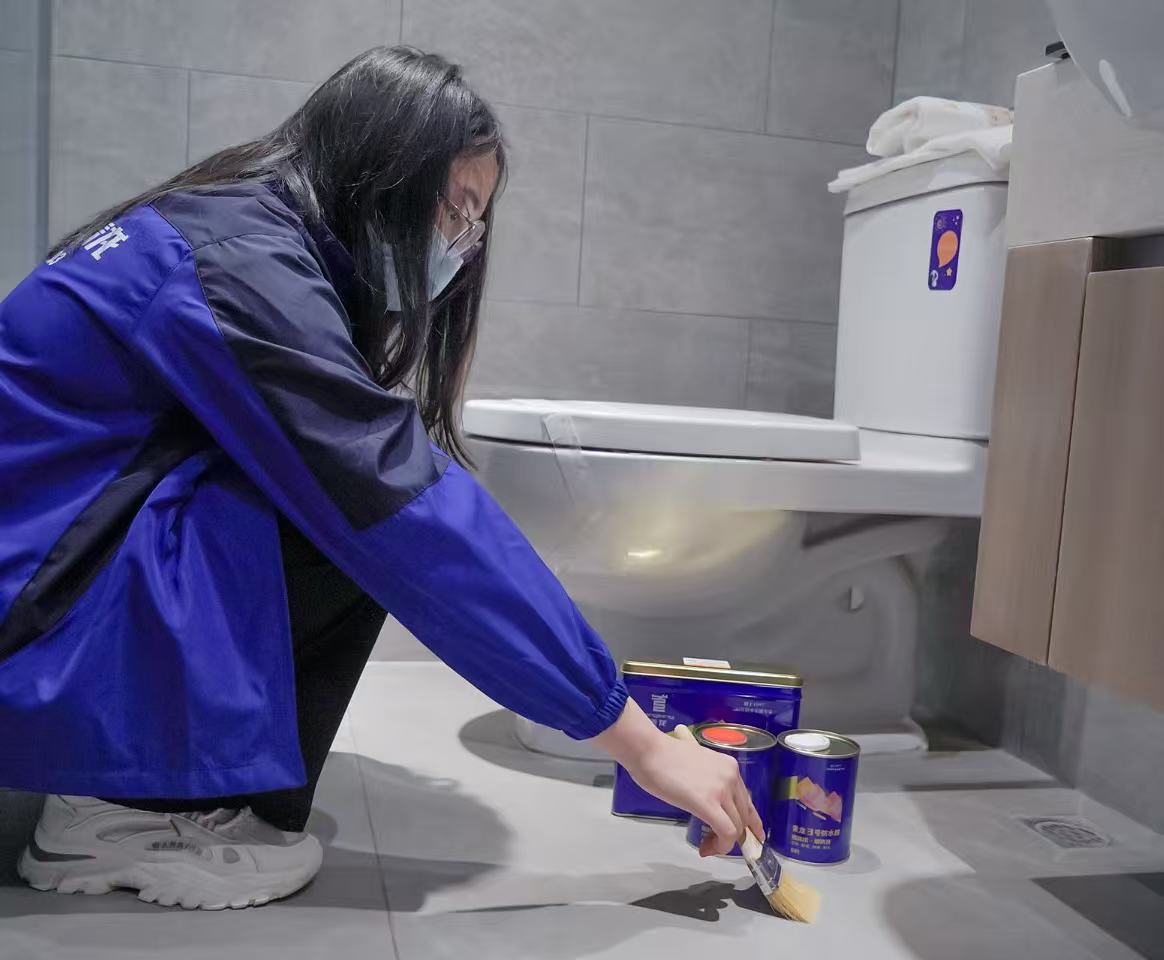 How to Prevent Bathroom Leaks From Returning
Good waterproofing does not end after repair. Bathroom users can reduce future problems by maintaining tile joints, replacing aged silicone sealant, improving ventilation, and avoiding harsh cleaning methods that damage grout. Floor traps should remain clear so water does not pond around weak joints.
For renovated bathrooms, waterproofing should be planned before tiling begins. Many costly leaks happen because waterproofing is treated as a small hidden step rather than a critical layer of protection. A proper system includes substrate preparation, corner reinforcement, sufficient coating thickness, curing time, and water testing before finishing works continue.
For landlords, homeowners, and property managers, early inspection is usually cheaper than waiting for ceiling repairs, repainting, mould treatment, or tenant complaints. Once water spreads into concrete, the repair scope often becomes larger.
Conclusion
Bathroom waterproofing in Kota Kinabalu requires more than sealing visible cracks. Because water can travel through grout, screed, corners, pipe openings, and concrete slabs, proper diagnosis is the key to avoiding repeated repairs. The best result comes from matching the repair method to the actual leak source, using suitable materials, and applying them with careful detailing.
If you are dealing with bathroom seepage, ceiling stains, or recurring wet patches, it is better to inspect the source before the damage spreads. You can contact QingLong Waterproofing to arrange a professional site assessment and receive suitable waterproofing recommendations for your property.
Frequently Asked Questions (FAQs)
1. Why is my bathroom leaking even though the tiles look fine?
Tiles may look intact, but water can still enter through grout lines, corners, floor traps, or pipe penetrations. The waterproofing layer beneath the tiles may also have weakened.
2. Can bathroom leaks in Kota Kinabalu be repaired without hacking tiles?
Minor seepage may sometimes be treated with surface sealing or transparent coating. Serious leaks usually require inspection to decide whether partial or full tile removal is necessary.
3. What is the most important step before bathroom waterproofing repair?
The most important step is identifying the actual water source. Without proper diagnosis, repairs may only cover the symptom and the leak can return.
4. How can I prevent bathroom waterproofing failure after renovation?
Ensure proper surface preparation, corner sealing, correct waterproofing application, curing time, and water testing before tiles are installed. Regular maintenance of grout and sealant also helps reduce future seepage.